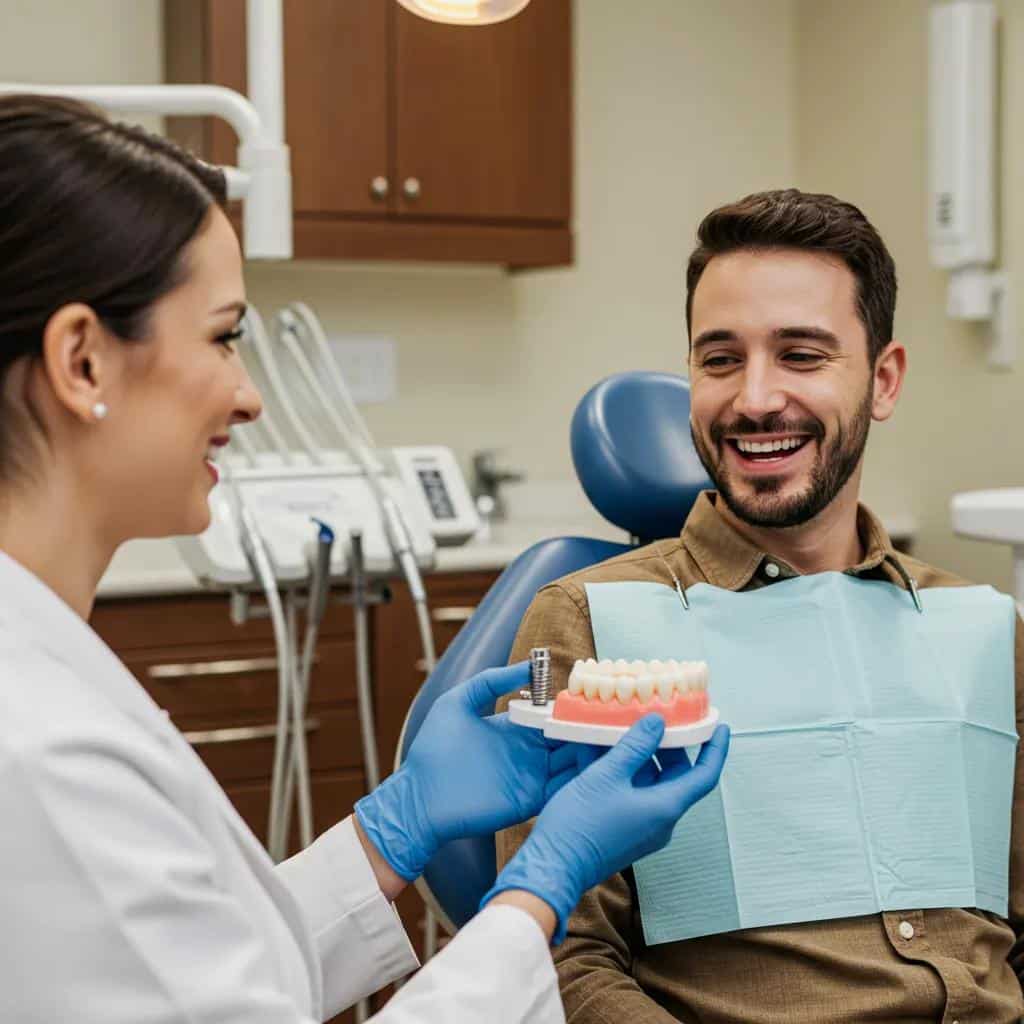
Real Experiences: Common Patient Reviews and Insights on Dental Implant Procedures
Patients’ real experiences with dental implants combine clinical steps, emotional shifts, and practical outcomes, offering prospective candidates a grounded view of what to expect. This article synthesizes patient reviews, recovery narratives, cost perceptions, and long-term maintenance observations to illuminate the dental implant patient journey and help readers make informed choices. Readers will learn typical sensations during surgery, a patient-centered recovery timeline, how real people judge cost versus value, common pros and cons reported by patients, and where to find credible local reviews, with explicit attention to Dental Implants in Lancaster. The analysis emphasizes patient-voiced details—pain scores, daily healing diaries, financing experiences, and resolution of complications—paired with brief clinical context so expectations align with typical outcomes. Below you’ll find structured timelines, comparison tables, practical checklists, and clear signals for vetting local testimonials; this roadmap prepares you for both the technical and human sides of getting dental implants.
What Are Typical Patient Experiences During Dental Implant Procedures?
Dental implant procedures generally involve placing a titanium or zirconia implant into the jawbone and attaching an abutment and crown later, and patients most commonly describe sensations of pressure and vibration rather than sharp surgical pain. Local anesthesia, often combined with sedation for anxious patients, blunts intraoperative pain while allowing patients to feel pressure and movement; this mechanism explains why many report low pain scores during the procedure. Immediate benefits include restoration planning and the sense of a precise, controlled surgical process, while immediate downsides can be numbness and brief soreness as anesthesia wears off. Understanding intraoperative sensations helps set realistic expectations before moving into recovery and pain-management strategies that patients adopt afterward.
How Do Patients Describe Pain and Discomfort During Surgery?
Patients frequently report low-to-moderate pain during dental implant placement when effective local anesthesia and sedation are used, typically rating discomfort in the 2–4 out of 10 range during and after surgery. Many reviews emphasize that pressure and vibration are the dominant sensations, not sharp pain, which aligns with the mechanism of implant insertion through bone rather than soft-tissue cutting. Short patient quotes commonly note surprise at how manageable the procedure felt under sedation, while clinicians stress that preoperative planning and precise CBCT imaging reduce intraoperative surprises. These reports guide prospective patients to discuss anesthesia options and realistic pain expectations with their provider before scheduling.
Patient Experiences with Dental Implants: A Literature Review
Patients’ experiences of dental implant treatment: A literature review of key qualitative studies, WA Kashbour, 2015
What Is the Emotional Journey of Dental Implant Patients?
The emotional arc for dental implant patients typically moves from pre-procedure anxiety and uncertainty to relief after surgery and growing confidence as function and aesthetics return, and patients often cite regained self-esteem months later. Early fears center on surgical pain, cost, and the unknown timeline; during the procedure many describe being reassured by clear explanations from the surgical team, which reduces stress. In follow-up reviews patients frequently highlight the psychological payoff—less self-consciousness when smiling and more willingness to eat socially—which reflects the procedure’s social and functional benefits. Recognizing this emotional progression helps readers prepare, seek appropriate sedation or counseling, and focus on long-term satisfaction rather than short-term worry.
How Long Is the Dental Implant Recovery Timeline According to Patients?
Patients describe dental implant recovery as a staged process: an acute soreness phase in the first 3–7 days, progressive tissue healing and dietary liberalization across weeks 2–8, and osseointegration and full functional return across 3–6 months depending on procedure complexity. The underlying mechanism—bone integration of the implant post—explains why full chewing strength and final prosthetic placement take months even when early comfort returns quickly. Variations occur by procedure type: single-tooth cases generally resolve faster, while full-arch reconstructions or bone grafts extend the timeline. This staged understanding helps patients set realistic milestones and plan work, diet, and follow-up visits during recovery.
Patients commonly report the following daily and weekly milestones based on aggregated post-op diaries and reviews:
Day 0–3: Patients experience controlled soreness and swelling, managed with prescribed analgesics and cold packs.
Week 1–2: Sutures may be removed, swelling recedes, and soft-food diets transition to firmer textures.
Weeks 4–12: Sensitivity decreases substantially and chewing improves; many resume most normal activities.
Months 3–6: Osseointegration completes for most patients and final crowns or prostheses are placed for full function.
These staged checkpoints let patients anticipate normal healing and distinguish when to contact their provider for warning signs, which reduces unnecessary anxiety and fosters smoother recovery.
What Are Daily and Weekly Recovery Stages Shared by Patients?
Day-to-day patient diaries emphasize immediate measures—rest, cold compresses, and short walks—to limit swelling and support blood flow while avoiding strenuous activity. Early diet is limited to soft, nutrient-rich foods and liquids, both to protect surgical sites and to maintain calorie intake; patients commonly mention smoothies, mashed vegetables, and protein-rich soups. By the end of week two many report returning to light work and less need for regular pain medication, and by weeks four to eight improved chewing comfort allows reintroduction of a wider range of foods. These practical milestones demonstrate how small daily choices compound into reliable healing, and they segue into patient-tested approaches for managing discomfort.
How Do Patients Manage Post-Operative Discomfort and Healing?
Patients report a mix of medication and non-medication strategies to control pain and support healing, typically using prescribed analgesics for the first 48–72 hours supplemented by ice packs, elevated rest, and gentle oral hygiene as recommended. Common hygiene routines include salt rinses after 24 hours, soft brushing near the site, and avoiding spitting or vigorous swishing to protect the clot and sutures. Several patients highlight the value of planning meals and arranging help for the first two days to minimize strain and ensure adherence to dietary restrictions. Recognizing when symptoms deviate from expected patterns—prolonged severe pain, spreading redness, or fever—prompted timely clinical contact in the cases where patients reported complications and faster resolution.
What Do Patients Say About the Cost and Value of Dental Implants?
Patients weigh upfront cost against long-term value, often concluding that dental implants provide superior function and durability compared with alternatives despite higher initial expense. The reason many patients consider implants worth the investment is the combination of restored chewing ability, improved aesthetics, and the reduced need for frequent replacement that characterizes bridges or removable dentures. Financing availability and perceived affordability vary, with some patients using payment plans or medical-financing options to spread cost and others reporting sticker shock but long-term satisfaction. This section quantifies typical patient-reported cost perceptions and shows how financing experiences shape the decision to proceed.
The following table compares typical patient-reported cost ranges and perceived value across common restorative options:
Restoration Type
Typical Patient-Reported Cost Range
Patient-Rated Value
Financing Availability
Single Implant
$2,000–$4,000 per tooth
High long-term value for function and durability
Often available through practice plans or third-party financing
Full-Arch (All-on-4)
$15,000–$30,000 per arch
Very high value when stability and aesthetics regained
Moderate value; shorter lifespan and adjacent-tooth prep needed
Insurance sometimes contributes; financing less common
How Do Patients Evaluate the Affordability and Financing Options?
Patients commonly describe three financing pathways: in-house payment plans, third-party medical financing, and partial insurance reimbursement, and they evaluate each by transparency and monthly payment impact. Many reviews note that financing availability influenced the choice to proceed, with patients favoring predictable monthly costs even when total interest applied. A frequent piece of advice in patient narratives is to request an itemized treatment plan and compare financing offers to minimize surprise costs. These real-world evaluations emphasize that affordability is relative—patients who prioritize long-term durability often view monthly financing as worthwhile compared with repeated short-term repairs.
Dental Implant Costs: Patient and Clinician Decision-Making on Private Payment
The aim of this study is to examine how clinicians and patients negotiate clinical need and treatment decisions within a context of finite resources. Dental implant treatment is an effective treatment for missing teeth, but is only available via the NHS in some specific clinical circumstances. The majority of people who receive this treatment therefore pay privately, often at substantial cost to themselves. People are used to paying towards dental treatment costs. However, dental implant treatment is much more expensive than existing treatments – such as removable dentures. We know very little about how dentists make decisions about whether to offer such treatments, or what patients consider when deciding whether or not to pay for them.
Paying for treatments? Influences on negotiating clinical need and decision-making for dental implant treatment, CE Exley, 2009
In-house plans provide flexibility for smaller monthly payments and direct communication with the clinic.
Third-party financing offers longer-term repayment but can include interest and requires credit approval.
Insurance contributions vary widely and are often limited to specific restorative elements rather than implant fixtures.
Patients recommend collecting multiple quotes and asking clinics about staged care to make implants financially manageable. This practical budgeting approach helps reduce sticker shock and supports informed decision-making.
Are Dental Implants Worth the Investment According to Real Stories?
Most patient stories conclude that dental implants are worth the investment when the primary goals are restored chewing, long-term durability, and improved confidence, though a minority report mixed feelings tied to complications or slower-than-expected healing. Examples include patients who avoided repeated denture replacements and regained eating abilities, and others who faced additional grafting and extended timelines that tempered initial enthusiasm. Non-monetary benefits—social ease when smiling and regained food choices—often tip the balance toward positive ROI in patient narratives. These verdicts suggest that clear preoperative planning, transparent cost estimates, and realistic timelines are key to achieving satisfaction.
What Are Common Patient-Reported Pros and Cons of Dental Implants?
Patient-reported benefits cluster around restored function, better aesthetics, and reduced maintenance compared with removable options, while drawbacks center on cost, healing time, and occasional complications like infection or peri-implantitis. The mechanism behind these benefits is osseointegration: the implant becomes part of the jaw, providing stable anchorage that mimics natural tooth function. Conversely, the need for bone quality and sometimes grafting explains longer timelines and additional costs that patients cite as cons. Balancing these pros and cons in patient reviews helps readers anticipate trade-offs and identify which factors—function, appearance, budget—matter most.
Below is a concise EAV-style table summarizing patient-reported benefits and common concerns:
Aspect
Patient-Reported Benefit
Common Concern
Function
Strong, stable chewing similar to natural teeth
Longer time to full function compared with bridges
Aesthetics
Natural-looking crowns restore smile confidence
Initial cost and temporary prostheses during healing
Durability
Many patients expect decades of service
Risk of peri-implantitis or revision in some cases
Which Benefits Do Patients Highlight Regarding Function and Aesthetics?
Patients commonly describe immediate improvements in biting and speech clarity after final prosthesis placement, often noting the psychological impact of being able to smile without hiding teeth. Real-world examples include people reporting they could eat harder foods—like apples or nuts—again and regained confidence in social settings. The prosthetic crown or full-arch prosthesis functions as the visible meronym of the implant system, while the implant post and abutment provide the underlying support mechanism. Understanding how these components work together helps patients appreciate why implants outperform many removable alternatives in both feel and appearance.
What Complications or Challenges Have Patients Experienced and Overcome?
Complication narratives typically involve early infection, sensitivity, or peri-implantitis, with patients describing prompt antibiotic therapy, targeted hygiene interventions, or minor revision surgeries as successful resolutions. Several patients emphasized that early detection—watching for increased pain, swelling, or drainage—led to faster clinical responses and better outcomes. Long-term prevention strategies that patients valued included rigorous oral hygiene, routine professional cleanings, and lifestyle changes such as smoking cessation to reduce risk. These accounts underscore that while complications occur, many are manageable when recognized early and treated appropriately.
How Do Patients Describe Life After Dental Implants?
Life after dental implants is frequently described as a return to normal eating, clearer speech, and increased confidence when smiling—outcomes grounded in the implant’s osseointegrated stability and prosthetic design. Over months to years patients report fewer maintenance visits than for removable dentures and a sense of permanence that reduces day-to-day worry about prosthesis displacement. The long-term routine shifts from frequent adjustments to periodic professional maintenance and consistent home hygiene, emphasizing prevention. These patient insights help prospective candidates envision a realistic post-treatment lifestyle and maintenance commitments.
How Have Dental Implants Improved Patients’ Confidence and Daily Function?
Patients often report social and psychological benefits that match functional gains: greater willingness to eat out, improved self-image, and less anxiety around speaking in public. Concrete examples include restored ability to bite into firm foods and elimination of denture adhesives, which together lead to more spontaneous eating and smiling. Many narratives highlight that these quality-of-life improvements persist long-term, with patients describing implants as transformative for daily interactions. These stories support the idea that dental implants offer both measurable function and intangible psychosocial returns.
What Maintenance Habits Do Patients Recommend for Long-Term Success?
Daily habits that patients recommend include gentle but thorough brushing twice daily, interdental cleaning around the abutment, and routine antimicrobial rinses when advised; patients also emphasize regular professional cleanings every 3–6 months depending on individual risk. Lifestyle changes—avoiding smoking and limiting extremely hard foods—are widely cited as preventive measures that reduce the likelihood of peri-implant complications. Patients advise scheduling periodic radiographic checks when recommended to monitor osseointegration and prosthetic fit. These maintenance practices form a proactive regimen that many patients credit with preserving implant health and preventing long-term problems.
Where Can You Find Local Patient Reviews and Testimonials for Dental Implants?
Local patient reviews and testimonials are available across practice pages, aggregated review platforms, and multimedia resources, and evaluating credibility requires attention to recency, detail, and multimedia corroboration. Patients often recommend seeking video testimonials and before-and-after galleries for richer context, as these formats make functional and aesthetic outcomes easier to assess. When looking specifically for Dental Implants in Lancaster, prioritize recent, detailed narratives that mention procedure type (single tooth, grafting, full-arch) and recovery timelines to match your situation. This guidance helps readers locate locally relevant evidence to inform choice of provider and treatment plan.
Patients and researchers should consult a mix of sources and vet reviews using these practical criteria:
Look for reviews that include procedure details and timeline specifics rather than only star ratings.
Favor testimonials with photos or short videos and clear dates to confirm recency.
Cross-check aggregated platform reviews with clinic-hosted patient stories for consistency.
Lancaster-area patient reviews commonly emphasize accessibility of follow-up care, transparent explanations of staged treatment plans, and satisfaction with final chewing function and aesthetics, reflecting regional patterns in service delivery and patient expectations. Cost and scheduling logistics appear frequently in local narratives, with many patients valuing clinics that offer clear timelines and payment options tailored to multi-stage implant work. If local reviews are sparse, patients advise searching for clinic-hosted before/after galleries and short video testimonials that include procedural details and recovery timelines to ensure relevance. Summarizing Lancaster voices helps prospective local patients set expectations around logistics and outcomes.
How Can You Access Video and Visual Testimonials from Real Patients?
Video and visual testimonials are most useful when short, focused, and accompanied by transcripts or captions for accessibility and SEO; patients recommend seeking clips of 1–3 minutes that show milestones like pre-op condition, interim healing, and final prosthetic function. Platforms vary, but searching for clinic-hosted galleries and short patient interviews yields the most clinically informative content, while transcripts enable quick scanning for specifics such as procedure type and recovery timeline. Red flags include overly generic language, stock footage, or testimonials lacking dates and procedural detail. Using these evaluation tips helps you find authentic visual evidence to support decision-making about dental implants.
Search for recent video testimonials that include procedure type and timeline.
Prefer clips with before-and-after images and transcripts for clarity.
Avoid generic videos lacking procedural or recovery detail that might be promotional.
These steps support efficient and reliable vetting of multimedia patient narratives and guide readers toward trustworthy local stories that match their treatment considerations.