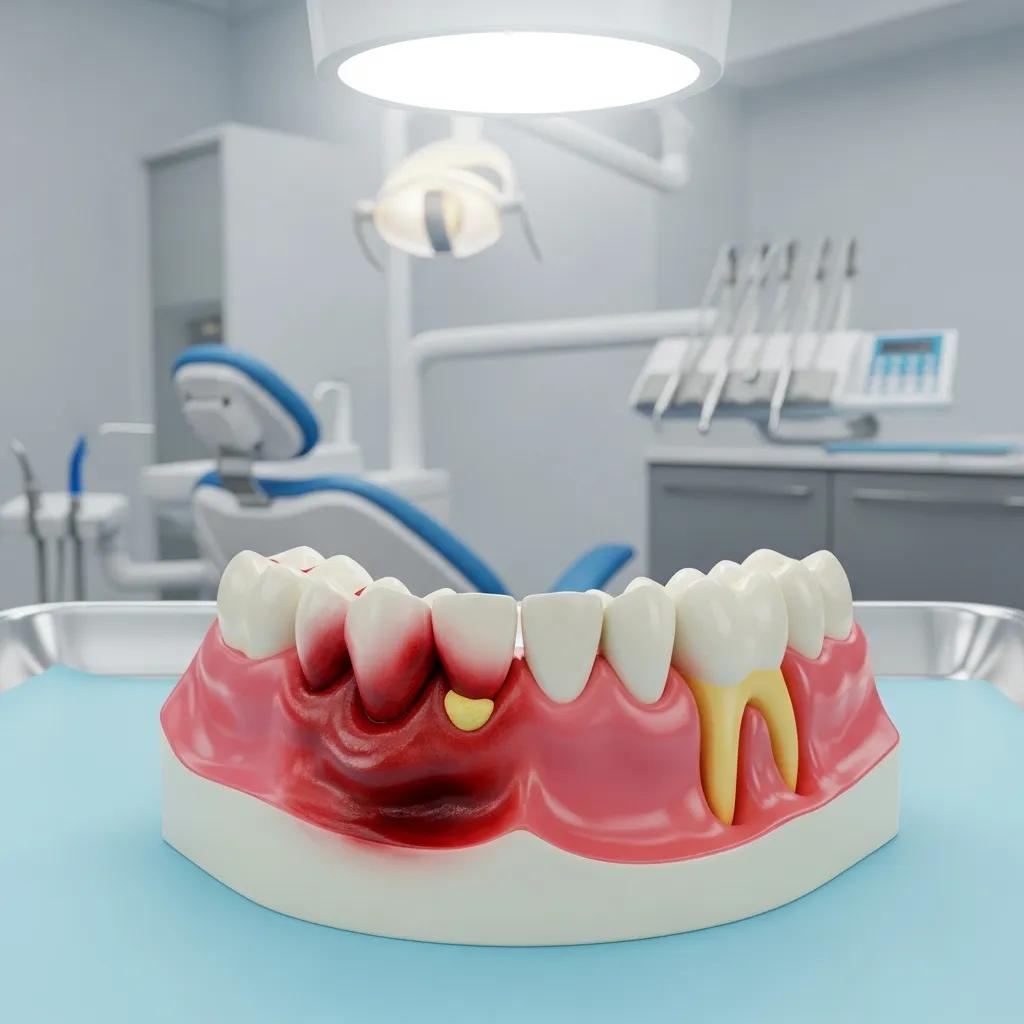
Signs You Need a Root Canal: Recognizing Persistent Tooth Pain and Infection Symptoms
Experiencing persistent tooth pain can be alarming, and understanding the signs that indicate the need for a root canal is crucial for maintaining oral health. This article will guide you through the common symptoms associated with root canal needs, helping you recognize when it’s time to seek professional dental care. Root canals are essential procedures that address infections within the tooth pulp, preventing further complications and preserving your natural teeth. By identifying the signs early, you can avoid more severe dental issues and ensure timely treatment. We will explore various symptoms, including persistent tooth pain, sensitivity to temperature, swollen gums, and tooth discoloration, as well as the importance of consulting a dentist in Longview, TX.
What Are the Most Common Signs You Need a Root Canal?
Recognizing the signs that indicate a root canal is necessary can help you take timely action. The most common symptoms include persistent tooth pain, sensitivity to hot and cold, and swollen gums. Each of these symptoms can signal underlying issues that require prompt attention to prevent further damage to your dental health.
How Does Persistent Tooth Pain Indicate a Root Canal Is Needed?
Persistent tooth pain is often the first sign that something is wrong with your dental health. This pain can manifest in various forms, such as sharp, throbbing, or constant discomfort. It may be triggered by chewing or applying pressure to the affected tooth. Ignoring this pain can lead to more severe complications, including the spread of infection. Understanding the nature of your tooth pain is crucial, as it can indicate the need for a root canal to address the underlying issue effectively.
Why Is Sensitivity to Hot and Cold a Warning Sign?
Sensitivity to hot and cold temperatures can be a significant warning sign that a root canal may be necessary. This sensitivity occurs when the tooth’s pulp becomes inflamed or infected, causing discomfort when exposed to temperature changes. Unlike normal sensitivity, which may be temporary, this heightened reaction often indicates a more serious problem. If you experience prolonged sensitivity, it is essential to consult a dentist to determine the cause and explore treatment options.
How Do Swollen Gums and Dental Abscesses Signal Tooth Infection?
Swollen gums and the presence of dental abscesses are critical indicators of tooth infection. These symptoms often accompany tooth decay or pulp infection, signaling that prompt dental intervention is required. Addressing these issues quickly can prevent further complications and preserve your oral health.
What Does a Pimple-Like Bump on the Gums Mean?
A pimple-like bump on the gums, often referred to as a dental abscess, can indicate an infection in the tooth’s pulp. This bump may be filled with pus and can be painful or tender to the touch. It is essential to seek dental care if you notice this symptom, as it can lead to more severe infections if left untreated. A dentist can drain the abscess and determine if a root canal is necessary to address the underlying infection.
How Does Gum Tenderness Relate to Root Canal Necessity?
Gum tenderness is another symptom that can indicate the need for a root canal. When the gums around a tooth become swollen and tender, it often signifies an infection in the tooth’s pulp. This tenderness can be accompanied by bleeding or discomfort when brushing or flossing. If you experience gum tenderness, it is crucial to consult a dentist to evaluate the situation and determine the appropriate treatment.
What Does Tooth Discoloration Reveal About Root Canal Needs?
Tooth discoloration can provide valuable insights into the health of your teeth and the potential need for a root canal. Changes in color, such as darkening or yellowing, can indicate internal damage or infection within the tooth.
How Does Internal Tooth Damage Cause Color Changes?
Internal tooth damage can lead to discoloration as the pulp becomes compromised. This damage may result from trauma, decay, or infection, causing the tooth to lose its natural color. If you notice significant changes in the color of a tooth, it is essential to seek dental evaluation, as this may indicate the need for a root canal to restore the tooth’s health.
What Shades of Discoloration Suggest Pulp Infection?
Certain shades of discoloration can suggest a pulp infection. For instance, a gray or darkened appearance often indicates that the tooth’s nerve is dying or has died. If you observe these changes, it is crucial to consult a dentist promptly. Early intervention can help prevent further complications and preserve your natural tooth.
Why Does Pain When Chewing or Touching the Tooth Indicate Infection?
Experiencing pain when chewing or touching a tooth can be a clear sign of infection. This type of pain often indicates that the tooth’s pulp is inflamed or infected, necessitating timely dental attention.
How Does Pressure-Related Pain Reflect Dental Pulp Inflammation?
Pressure-related pain is a common symptom of dental pulp inflammation. When the pulp becomes inflamed due to infection, any pressure applied to the tooth can trigger significant discomfort. This pain can worsen over time, making it essential to seek dental care as soon as possible to address the underlying issue.
What Role Do Cracked or Chipped Teeth Play in Root Canal Needs?
Cracked or chipped teeth can also lead to the need for a root canal. These types of damage can expose the tooth’s pulp to bacteria, increasing the risk of infection. If you have a cracked or chipped tooth accompanied by pain or sensitivity, it is crucial to consult a dentist to evaluate the situation and determine if a root canal is necessary.
When Should You See a Dentist in Longview, TX for Root Canal Symptoms?
Knowing when to seek dental care is vital for maintaining your oral health. If you experience any of the symptoms mentioned above, it is essential to consult a dentist promptly.
What Are the Urgent Signs Requiring Immediate Dental Care?
Urgent signs that require immediate dental care include severe tooth pain, swelling in the gums, and the presence of a dental abscess. If you experience these symptoms, do not delay in seeking professional help, as timely intervention can prevent further complications.
How Can Early Diagnosis Save Your Natural Tooth?
Early diagnosis of root canal symptoms can significantly increase the chances of saving your natural tooth. By addressing the issue promptly, you can prevent the spread of infection and avoid more invasive procedures, such as tooth extraction. Regular dental check-ups can help identify potential issues before they escalate, ensuring your oral health remains intact.
How Can Understanding Root Canal Symptoms Help Prevent Tooth Loss?
Understanding the symptoms associated with root canal needs is crucial for preventing tooth loss. By recognizing these signs early, you can take proactive steps to address dental issues before they become severe.
What Are the Benefits of Timely Root Canal Therapy?
Timely root canal therapy offers several benefits, including pain relief, infection control, and the preservation of your natural tooth. By addressing the issue promptly, you can avoid more extensive dental procedures and maintain your oral health.
How Does Root Canal Treatment Compare to Tooth Extraction?
Root canal treatment is often preferred over tooth extraction, as it allows you to keep your natural tooth. While extraction may be necessary in some cases, root canal therapy can effectively treat infections and preserve your tooth’s structure, making it a more favorable option for many patients.
What Are the Early Signs of an Infected Tooth That May Need a Root Canal?
Recognizing the early signs of an infected tooth is essential for timely intervention. Common early signs include persistent sensitivity, mild discomfort, and slight discoloration.
How to Recognize Lingering Sensitivity Versus Normal Tooth Sensitivity?
Lingering sensitivity that lasts longer than a few seconds after exposure to hot or cold can indicate a problem. Unlike normal sensitivity, which may resolve quickly, persistent sensitivity often suggests that the tooth’s pulp is inflamed or infected. If you experience this symptom, it is crucial to consult a dentist for evaluation.
What Are the Initial Symptoms of Dental Pulpitis?
Dental pulpitis, an inflammation of the tooth’s pulp, can present with symptoms such as sharp pain, sensitivity, and swelling. Recognizing these initial symptoms is vital for seeking timely treatment and preventing further complications.
How Does Affordable Dentist Near Me of Longview Support Root Canal Patients?
Affordable Dentist Near Me of Longview is dedicated to providing comprehensive dental care, including root canal therapy, with an emphasis on affordability and patient comfort.
What Financing Options Are Available for Root Canal Therapy?
The practice offers various financing options to make root canal therapy accessible to all patients. These options can help alleviate the financial burden associated with dental procedures, ensuring that you receive the care you need without delay.
How Does Sedation Dentistry Improve Patient Comfort During Treatment?
Sedation dentistry is available to enhance patient comfort during root canal procedures. By utilizing sedation techniques, patients can experience reduced anxiety and discomfort, making the treatment process more manageable and pleasant.