By Affordable Dentist Near Me Editorial Team · Updated 2026-08-19
Warning symptoms of dental implant complications include persistent pain, gum swelling, a loose implant, and difficulty chewing, despite implants carrying a success rate above 95%. Patients noticing these signs after treatment at Affordable Dentist Near Me should seek prompt evaluation. Early detection prevents minor issues from becoming full implant failures requiring removal, as explained in Understanding Signs of Dental Implant Failure in Fort Worth.
Key Takeaways
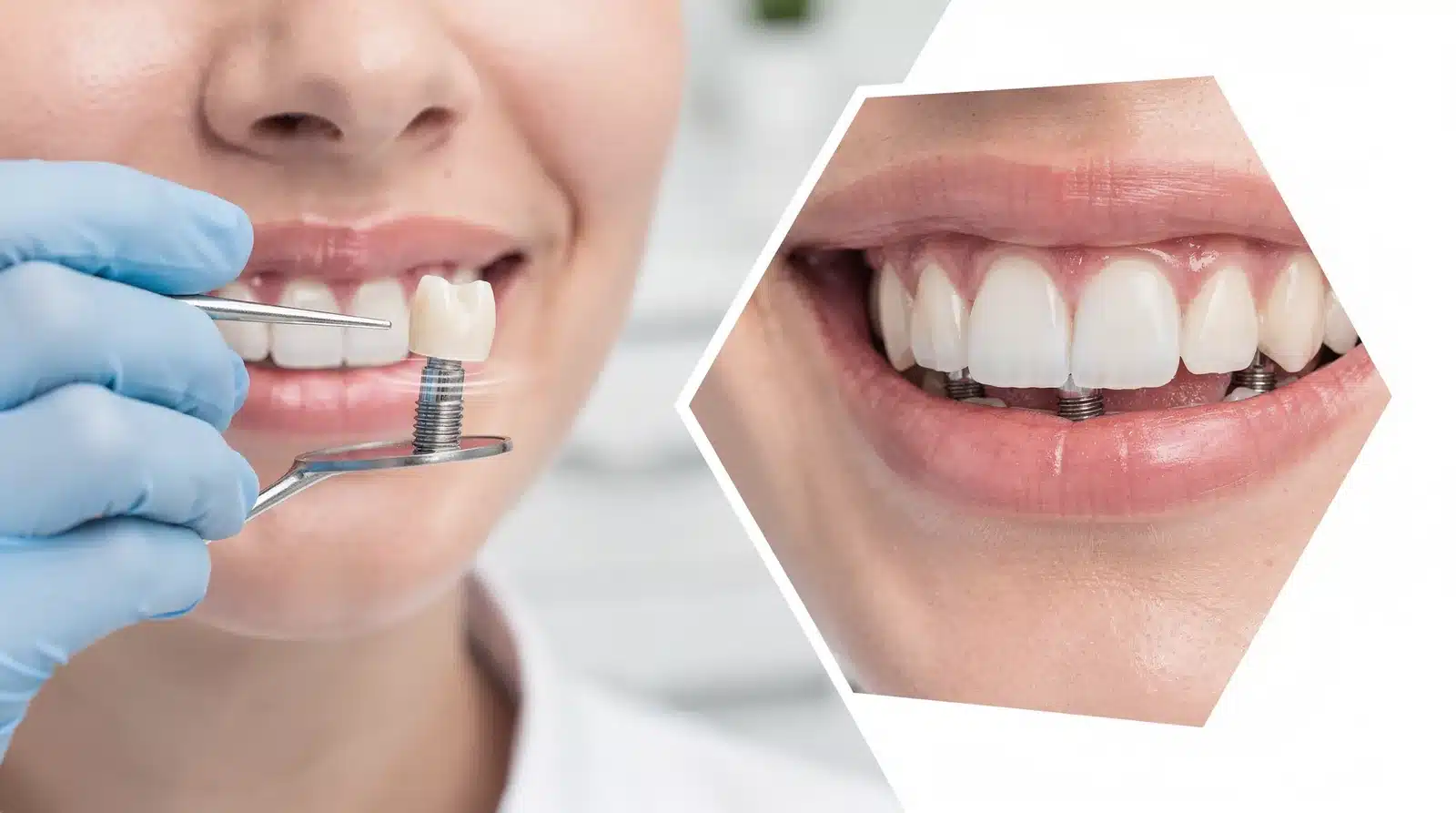
Dental implants consist of three parts: titanium body, abutment, and crown; failure occurs when any part loosens.
Dental implants achieve over 95% success rate, but early detection prevents full replacement and reduces treatment complexity.
Persistent pain lasting more than a few weeks signals potential implant failure requiring immediate professional evaluation.
Bleeding, pus, swelling, or gum recession around the implant indicates infection or structural compromise needing urgent care.
What is osseointegration and why does it matter?
Osseointegration is the biological process that allows a dental implant to function as a replacement tooth root. During this process, living bone cells grow around the titanium implant surface and anchor it directly to the jawbone. Without successful osseointegration, the implant cannot support a crown or withstand chewing forces.
A dental implant consists of three parts: a titanium implant body inserted into the bone, an abutment that attaches to it, and a crown fixed on top. Osseointegration happens between the titanium body and the surrounding bone. If this process fails or doesn’t occur correctly, problems can develop after implantation.
What happens if osseointegration fails?
When osseointegration doesn’t happen the way it should, the implant remains loose rather than becoming firmly anchored. This instability prevents the implant from functioning properly and often requires removal. [Recognizing Early Signs of Dental Implant Complications](https://affordabledentistnearme.com/early-signs-of-dental-implant-failure-to-watch-out-for/) becomes critical because catching problems early gives patients the best chance at saving the implant.
How long does osseointegration take?
The timeline varies by patient, but the process typically requires several months to complete. During this healing period, the implant must remain undisturbed to allow bone cells to grow around the titanium surface. Patients should follow all post-surgery instructions carefully to support successful integration.
What are the first signs of implant trouble?
Recognizing Early Signs of Dental Implant Complications starts with paying close attention to how the implant site feels and looks during the weeks after surgery. Persistent pain lasting more than a few weeks is one of the earliest indicators that something may be wrong. While some discomfort is normal immediately after the procedure, pain that continues beyond the initial healing window signals a potential problem with osseointegration or infection.
Is swelling or redness normal after implant surgery?
Swelling or redness around the implant site that refuses to subside is another clear warning sign. Healthy healing involves gradual reduction of inflammation, not persistent or worsening redness. When the gum tissue stays inflamed for weeks without improvement, the body is signaling that the implant is not integrating properly or that bacteria have taken hold.
What does a loose implant feel like?
A loose or wobbly implant represents a major red flag that demands immediate professional evaluation. A properly integrated implant should feel as solid as a natural tooth root. Any detectable movement indicates that osseointegration has failed or that bone loss has occurred around the implant body.
Other visible signs include:
Bleeding or pus around the gum line — this points to active infection that requires urgent treatment
Gum recession that exposes the metal implant surface — this leaves the implant vulnerable to bacteria and further bone loss
Patients who notice any of these symptoms should contact their dentist promptly. Early intervention dramatically improves the chances of saving the implant and avoiding more extensive procedures later.
How can you tell if your implant is loose?
A dental implant that has lost its stability feels different from a healthy one. When bone fails to grow properly around the implant — a process called osseointegration — the main sign is often mobility. At first, the movement might be slight and only detectable by a dentist during an exam. Over time, an implant that has failed becomes increasingly loose.
A stable implant should feel solid and fixed in place, similar to a natural tooth. Any sensation of wobbling or shifting signals a problem. Difficulty chewing often accompanies a loose implant, as the unstable fixture cannot handle normal biting pressure.
What other symptoms accompany a loose implant?
Persistent pain, swelling around the gums, and trouble chewing are common companions to implant looseness. These symptoms together point toward implant failure and require prompt attention. Ignoring them allows the problem to worsen, potentially turning a fixable issue into a need for full replacement.
How does a dentist check for implant looseness?
Dentists use gentle pressure and specialized instruments to assess implant stability. They also take X-rays to evaluate bone levels around the implant. Recognizing Early Signs of Dental Implant Complications gives patients the best chance at saving the implant with a simple intervention rather than a complex revision.
What causes peri-implantitis and how serious is it?
Peri-implantitis is an infection that develops in the gums or bone surrounding a dental implant. It can destroy the supporting tissue that holds the implant in place. This condition does not resolve on its own. Without treatment, the infection spreads deeper into the jawbone, causing progressive bone loss that eventually forces removal of the implant entirely.
How does peri-implantitis develop?
The infection starts when bacteria accumulate around the implant base, often from inadequate cleaning or missed dental visits. Early signs include redness, swelling, and bleeding at the gum line. A persistent bad breath that does not improve with brushing or flossing frequently signals an underlying infection around the implant. The body responds to the bacterial invasion by breaking down bone tissue, which weakens the anchor holding the implant stable.
What factors increase the risk of peri-implantitis?
Several conditions raise the likelihood of developing this infection:
Smoking restricts blood flow to the gums, slowing healing and making tissue more vulnerable to bacteria
Uncontrolled diabetes impairs the immune system’s ability to fight oral infections
Heavy teeth grinding places excessive force on the implant, creating microscopic gaps where bacteria enter
Patients with any of these risk factors require more frequent monitoring and stricter oral hygiene routines to prevent complications. The seriousness of peri-implantitis lies in its silent progression. Bone loss often reaches an advanced stage before pain becomes noticeable, at which point saving the implant becomes difficult or impossible.
What should you do if you recognize these signs?
Recognizing Early Signs of Dental Implant Complications demands immediate action. Dental implants have a success rate over 95%, but problems can still happen and need prompt attention. Catching early signs of dental implant failure gives patients the best chance to save the implant. Delaying evaluation turns a simple fix into a full replacement.
What steps should patients take first?
The first step involves contacting a dental professional for an examination. Affordable Dentist Near Me offers free consultations so patients can get their implants checked promptly. A dentist assesses the implant, surrounding gum tissue, and bone integration to determine the cause of the problem. Early intervention often resolves issues with minor adjustments rather than surgical removal.
How does professional care help?
Professional deep cleaning services are available to help maintain gum health around implants. This treatment removes bacteria and plaque that accumulate below the gum line, addressing infection before it compromises the implant. Patients should follow this schedule:
Action
Purpose
Schedule a free consultation
Get a professional diagnosis
Undergo deep cleaning
Remove infection-causing bacteria
Follow post-treatment care
Prevent recurrence of complications
Patients who notice persistent pain, swelling, or a loose implant should not wait. The difference between saving an implant and losing it often comes down to how quickly a patient seeks professional evaluation.
Recognizing early signs of dental implant complications empowers you to take swift action. Protect your investment in a restored smile. By staying alert to changes in sensation, appearance, or comfort around your implant site, you catch potential issues before they escalate into serious problems. Your commitment to monitoring your oral health, combined with regular professional evaluations, creates the foundation for long-term implant success and the confident, functional smile you deserve.
FAQ
What are the earliest warning signs of dental implant complications?
Persistent pain lasting more than a few weeks, gum swelling that doesn’t subside, a loose implant, and difficulty chewing all signal potential problems requiring prompt evaluation by a dental professional.
Why does osseointegration matter for implant success?
Osseointegration anchors the titanium implant body directly to the jawbone through living bone cell growth. Without successful osseointegration, the implant stays loose and cannot support a crown or withstand chewing forces.
What happens if a dental implant fails to integrate properly?
The implant remains unstable instead of becoming firmly anchored to the jawbone, preventing proper function and often requiring removal. Early detection at Affordable Dentist Near Me gives patients the best chance at saving the implant.
Facts
Affordable Dentist Near Me is located in Fort Worth, TX, US.