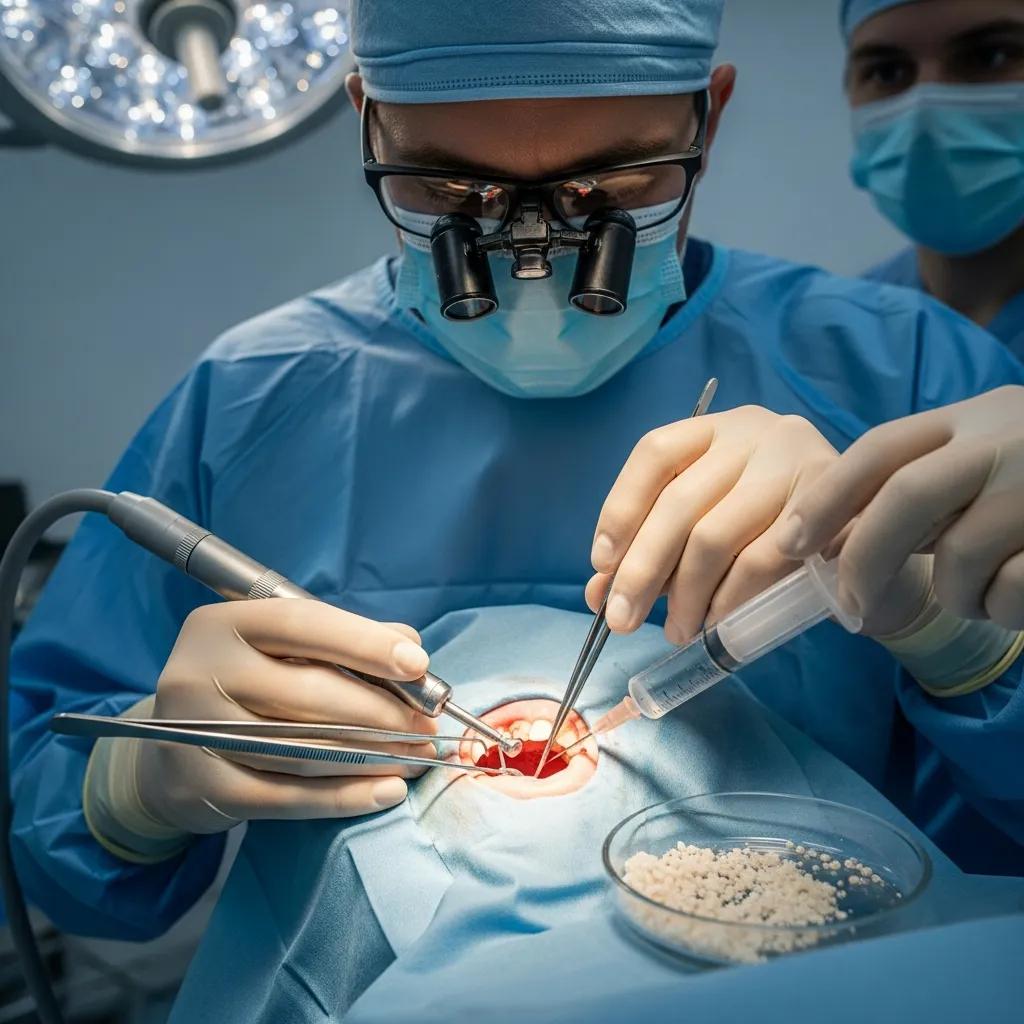
Dental Implants with Bone Loss: Comprehensive Treatment Options and Patient Guidance
Dental implants are a popular solution for tooth replacement, but their success can be significantly impacted by the presence of bone loss in the jaw. Understanding the relationship between dental implants and bone health is crucial for patients considering this treatment. This article will explore the causes of jawbone loss, the various treatment options available, and what patients can expect during recovery. By addressing these key areas, individuals can make informed decisions about their dental health and the potential for successful implant placement.
What Causes Jawbone Loss and How Does It Affect Dental Implants?
Jawbone loss can occur due to several factors, including tooth loss, periodontal disease, and trauma. When teeth are lost, the underlying bone begins to resorb, leading to a decrease in bone density and volume. This process can significantly affect the stability and success of dental implants, as a sufficient amount of bone is necessary to support the implant fixture securely. Understanding the causes and implications of jawbone loss is essential for patients considering dental implants.
Understanding Bone Loss: Causes and Progression
Bone loss in the jaw can be attributed to various factors, including:
Tooth Loss: The absence of teeth leads to a lack of stimulation in the jawbone, causing it to weaken over time.
Periodontal Disease: Gum disease can result in the destruction of the supporting structures of the teeth, including the bone.
Trauma: Injuries to the jaw can lead to localized bone loss.
The progression of bone loss can vary among individuals, but it typically follows a pattern where the bone diminishes in density and volume, making it increasingly challenging to place dental implants successfully.
Impact of Jawbone Loss on Implant Stability and Success
Jawbone loss can severely impact the stability of dental implants. Studies indicate that implants placed in areas with insufficient bone density have a higher failure rate. The lack of adequate bone support can lead to complications such as implant mobility and infection. Therefore, addressing bone loss before implant placement is crucial for ensuring long-term success. Patients should consult with their dental professionals to evaluate their bone health and discuss potential solutions.
Effective clinical evaluation and meticulous treatment planning are paramount for ensuring the long-term success and stability of dental implants, especially when bone loss is a concern.
Clinical Evaluation & Treatment Planning for Dental Implants
This chapter reviews critical parameters for evaluating patients in need of dental implant therapy and monitoring implants long-term. Emphasis is placed on diagnostic procedures, treatment planning considerations, and clinical parameters essential for assessing peri-implant tissue health, including inflammation and probing depth. The findings highlight the significance of standardized radiographs and resonance frequency analysis as tools for evaluating implant stability and bone-implant integration.
Clinical evaluation of dental implant treatment, 2000
Which Bone Grafting Techniques Are Available for Dental Implant Patients?
Bone grafting is a common procedure used to augment the jawbone before dental implant placement. This technique involves transplanting bone tissue to rebuild the bone structure, providing a stable foundation for implants. Various bone grafting techniques are available, each with its indications and benefits.
Types of Bone Grafts: Autografts, Allografts, and Synthetic Materials
There are three primary types of bone grafts used in dental procedures:
Graft Type
Description
Pros and Cons
Autografts
Bone taken from the patient’s own body
High compatibility, but requires a second surgical site
Allografts
Bone sourced from a donor (cadaver)
No additional surgery needed, but very low risk of immune response or disease transmission
Synthetic Materials
Man-made materials that mimic bone
No risk of disease transmission, but may have slower integration compared to natural bone
Each type of graft has its advantages and disadvantages, and the choice depends on the patient’s specific needs and the extent of bone loss.
How Bone Grafting Enhances Jawbone Volume for Implant Placement
Bone grafting enhances jawbone volume by providing the necessary structure for new bone growth. The graft material serves as a scaffold, allowing the body to regenerate bone tissue around it. This process can take several months, typically 3 to 6 months, but it ultimately increases the volume and density of the jawbone, making it suitable for dental implants. Patients should discuss the expected outcomes and timelines with their dental professionals to ensure realistic expectations.
What Is a Sinus Lift Procedure and When Is It Needed?
A sinus lift is a surgical procedure that raises the sinus floor to create more space for bone grafting in the upper jaw. This procedure is often necessary when there is insufficient bone height in the upper jaw due to bone loss or anatomical considerations.
Sinus Lift Explained: Purpose and Surgical Steps
The primary purpose of a sinus lift is to prepare the upper jaw for dental implants by increasing the bone volume. The procedure involves the following steps:
Anesthesia: Local anesthesia is administered to ensure patient comfort.
Incision: A small incision is made in the gum tissue to access the bone.
Sinus Membrane Elevation: The sinus membrane is carefully lifted to create space for the graft material.
Graft Placement: Bone graft material is placed in the newly created space.
This procedure typically takes about 1-2 hours, and patients can expect some swelling and discomfort during recovery.
Recovery Time and Success Rates of Sinus Lift Procedures
Recovery from a sinus lift can take several weeks, with most patients returning to normal activities within 7 to 10 days. Success rates for sinus lifts are generally high, with studies showing that over 90% of procedures result in successful bone integration sufficient for implant placement. Factors such as the patient’s overall health and adherence to post-operative care can influence recovery and success rates.
How Do Implant Supported Dentures Work for Patients with Bone Loss?
Implant-supported dentures are a viable option for patients with significant bone loss who may not be candidates for multiple traditional dental implants. These dentures are anchored to dental implants, providing enhanced stability and function compared to conventional dentures.
Benefits of Implant Supported Dentures Compared to Traditional Dentures
Implant-supported dentures offer several advantages over traditional dentures:
Increased Stability: Implants provide a secure foundation, reducing movement and discomfort.
Improved Functionality: Patients can eat a wider variety of foods without fear of denture slippage.
Bone Preservation: Implants help stimulate the jawbone, preventing further bone loss.
These benefits make implant-supported dentures an attractive option for individuals with bone loss, enhancing their quality of life.
Eligibility and Treatment Planning for Implant Supported Dentures
Not all patients are suitable candidates for implant-supported dentures. A thorough evaluation by a dental professional is necessary to assess bone health and overall oral condition. Treatment planning may involve imaging studies and consultations to determine the best approach for each patient. Factors such as medical history, lifestyle, and personal preferences will also play a role in the decision-making process.
What Are the Alternatives to Dental Implants for Jawbone Loss Treatment?
For patients who may not be candidates for dental implants, several alternatives exist for addressing jawbone loss. These options can provide functional and aesthetic benefits, although they may not offer the same long-term solutions as implants.
Non-Surgical Options and Their Limitations
Non-surgical alternatives to dental implants include:
Removable Dentures: These are traditional options that can replace missing teeth but may not provide the same stability as implants.
Dental Bridges: Bridges can fill gaps left by missing teeth but require adjacent teeth to be altered.
Bone Regeneration Techniques: Some minimally invasive methods aim to stimulate bone growth but are generally adjuncts to surgical procedures rather than standalone treatments.
While these alternatives can improve function and appearance, they often come with limitations in terms of stability and longevity.
Comparing Dental Implant Alternatives: Pros and Cons
When considering alternatives to dental implants, it’s essential to weigh the pros and cons:
Alternative
Pros
Cons
Removable Dentures
Cost-effective, non-invasive
Less stability, may require frequent adjustments
Dental Bridges
Fixed solution, aesthetic
Requires alteration of adjacent teeth, potential for decay
Bone Regeneration Techniques
Minimally invasive, promotes natural healing
Limited effectiveness alone, often requires surgical intervention
Patients should consult with their dental professionals to determine the most suitable option based on their specific needs and circumstances.
What Should Patients Expect During Recovery and How to Maximize Implant Success?
Recovery from dental implant procedures can vary based on individual circumstances, but understanding what to expect can help patients prepare for the process.
Healing Duration and Post-Operative Care for Bone Graft and Implant Procedures
The healing duration for bone grafts and implants typically ranges from 3 to 6 months, depending on the extent of grafting and individual healing capacity. During this time, patients should follow post-operative care instructions, which may include:
Pain Management: Taking prescribed medications to manage discomfort.
Dietary Adjustments: Eating soft foods to avoid stressing the surgical site.
Oral Hygiene: Maintaining good oral hygiene to prevent infection.
Following these guidelines can significantly enhance the healing process and contribute to the success of the implant.
Factors Influencing Long-Term Implant Stability and Success Rates
Several factors can influence the long-term stability and success rates of dental implants, including:
Bone Quality: Adequate bone density is crucial for implant stability.
Patient Health: Conditions such as uncontrolled diabetes or smoking can negatively affect healing.
Oral Hygiene: Maintaining proper oral care is essential for preventing complications.
By addressing these factors, patients can improve their chances of successful implant integration and long-term satisfaction with their dental restoration.