Root Canal vs Extraction: Your Comprehensive Guide to Tooth Preservation and Replacement in Longview
When faced with dental issues, patients often find themselves weighing the options between root canal therapy and tooth extraction. Understanding these procedures is crucial for making informed decisions about dental health. This comprehensive guide will explore the intricacies of root canal therapy and tooth extraction, emphasizing their benefits, costs, and recovery processes. Many individuals experience anxiety when dealing with dental pain or the prospect of losing a tooth. However, both root canals and extractions offer viable solutions to preserve or replace damaged teeth. In this article, we will delve into the details of each procedure, helping you navigate the choices available in Longview.
What is Root Canal Therapy and When is it Recommended?
Root canal therapy is a dental procedure designed to treat infection or damage within the tooth’s pulp, which contains nerves and blood vessels. This treatment is recommended when the pulp becomes inflamed or infected, often due to deep decay, cracks, or trauma. By removing the infected pulp and sealing the tooth, root canal therapy aims to save the natural tooth and prevent further complications.
Understanding Root Canal Procedure and Its Benefits
The root canal procedure involves several key steps. Initially, the dentist will administer anesthesia to ensure comfort during the treatment. Next, a small opening is made in the crown of the tooth to access the pulp chamber. The infected pulp is then carefully removed, and the interior of the tooth is cleaned and shaped. Afterward, the tooth is filled with a biocompatible material called gutta-percha and sealed to prevent future infections. The benefits of root canal therapy include preserving the natural tooth, maintaining proper bite alignment, and avoiding the need for more extensive dental work, such as implants or bridges.
Signs You Might Need a Root Canal Treatment
Severe toothache, especially when chewing or applying pressure.
Prolonged sensitivity to hot or cold temperatures, even after the source has been removed.
Discoloration of the tooth, indicating possible nerve damage.
Swelling and tenderness in the surrounding gums.
When is Tooth Extraction Necessary and What Does It Involve?
Tooth extraction is often necessary when a tooth is severely damaged or decayed beyond repair. This procedure involves the complete removal of the tooth from its socket in the jawbone. Extractions may be required for various reasons, including advanced periodontal disease, overcrowding, or impacted teeth.
Common Reasons for Tooth Extraction
Severe Decay: When a tooth is extensively decayed and cannot be restored.
Gum Disease: Advanced gum disease can weaken the supporting structures of the tooth.
Impacted Teeth: Wisdom teeth that do not have enough space to emerge properly may need to be extracted.
Step-by-Step Tooth Extraction Process
Preparation: The dentist will review your medical history and take X-rays to assess the tooth’s condition.
Anesthesia: Local anesthesia is administered to numb the area around the tooth.
Extraction: The dentist will use specialized instruments to loosen the tooth and remove it from the socket.
Post-Extraction Care: After the extraction, the dentist will provide instructions for care, including pain management and signs of complications to watch for.
How to Decide Between Root Canal and Extraction: Key Differences and Considerations
Deciding between a root canal and extraction can be challenging. Several factors should be considered, including the extent of damage, overall dental health, and personal preferences.
Comparing Costs, Recovery, and Long-Term Outcomes
When comparing root canal therapy and tooth extraction, it’s essential to consider the following aspects:
Cost: Root canal therapy typically costs more upfront than extraction, but it may save money in the long run by preserving the natural tooth.
Recovery Time: Recovery from a root canal is generally quicker, with most patients returning to normal activities within a day or two. In contrast, extraction may require a longer recovery period, especially if complications arise.
Long-Term Outcomes: Preserving the natural tooth through a root canal can lead to better long-term dental health, while extraction may necessitate future replacements, such as implants or bridges.
Factors Influencing Your Treatment Choice in Longview
Patient’s Age: Younger patients may benefit more from preserving their natural teeth.
Overall Health: Patients with certain health conditions may have different risks associated with each procedure.
Financial Considerations: The cost of treatment and insurance coverage can significantly impact the decision-making process.
What Are the Costs and Financing Options for Root Canal and Extraction in Longview?
Understanding the costs associated with root canal therapy and tooth extraction is crucial for making informed decisions about dental care.
Typical Pricing for Root Canal Therapy and Tooth Extraction
In Longview, the average cost for root canal therapy ranges from approximately $700 to $1,200, depending on the tooth’s location and complexity. Tooth extraction costs typically range from $75 to $300 for a simple extraction, while surgical extractions may cost between $150 and $650.
Insurance Coverage and Flexible Payment Plans
Many dental insurance plans cover a portion of the costs associated with both root canal therapy and tooth extraction. Additionally, dental practices often offer flexible payment plans to help patients manage their expenses. It’s advisable to check with your insurance provider and dental office for specific coverage details and financing options.
What to Expect During Recovery and Aftercare for Root Canal and Extraction
Recovery after a root canal or tooth extraction is an essential aspect of the treatment process. Proper aftercare can significantly impact healing and overall comfort.
Managing Pain and Healing After a Root Canal
After a root canal, patients may experience mild discomfort or swelling. Pain management can be achieved through over-the-counter pain relievers, and following the dentist’s aftercare instructions is crucial for a smooth recovery. Most patients can return to their normal activities within a day or two.
Post-Extraction Care and Complication Prevention
Post-extraction care is vital to prevent complications such as infection or dry socket. Patients should follow these guidelines:
Rest: Avoid strenuous activities for the first 24 hours.
Ice Packs: Apply ice packs to reduce swelling.
Diet: Stick to soft foods and avoid hot beverages for the first few days.
Oral Hygiene: Maintain oral hygiene but avoid brushing the extraction site for the first 24 hours; gentle rinsing with salt water can begin after 24 hours.
How Can Sedation Dentistry Improve Comfort During Root Canal and Extraction Procedures?
Sedation dentistry offers various options to enhance patient comfort during dental procedures, including root canals and extractions.
Options for Sedation to Reduce Dental Anxiety
Nitrous Oxide: Commonly known as laughing gas, it helps patients relax during the procedure.
Oral Sedation: Patients take a prescribed sedative before their appointment to reduce anxiety.
IV Sedation: This method provides deeper sedation and is suitable for more complex procedures.
Benefits of Sedation for Patient Comfort and Safety
Reducing anxiety and fear associated with dental procedures.
Allowing for longer procedures to be completed in a single visit.
Enhancing overall comfort and safety during treatment.
What Are the Long-Term Tooth Replacement Options After Extraction?
If a tooth extraction is necessary, several long-term replacement options can restore function and aesthetics.
Dental Implants: A Durable Solution for Missing Teeth
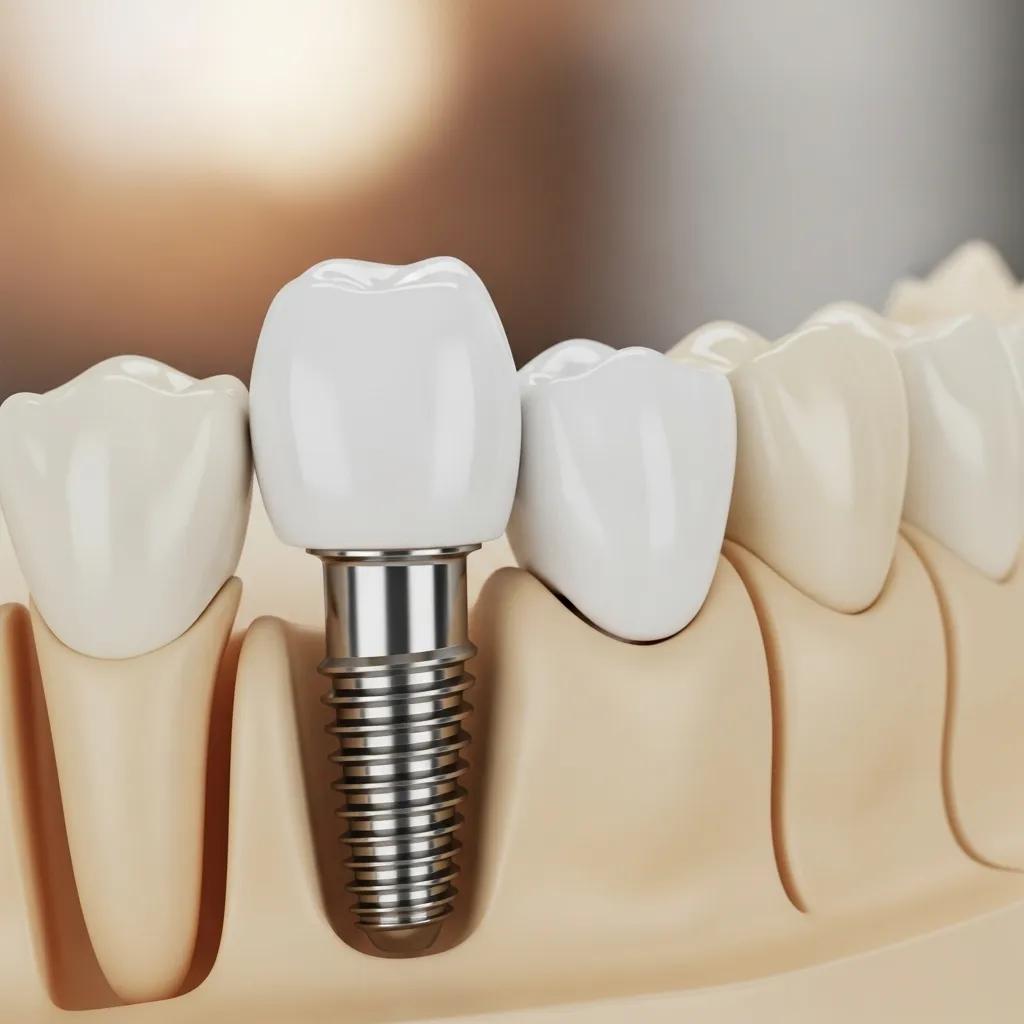
Dental implants are a popular choice for replacing missing teeth. They consist of a titanium post surgically placed in the jawbone, serving as a sturdy foundation for a crown. Implants offer several benefits, including:
Durability: With proper care, implants can last 25 years or more, often a lifetime.
Bone Preservation: Implants stimulate the jawbone, preventing bone loss.
Comparing Dental Bridges and Implants for Tooth Replacement
Replacement Option
Pros
Cons
Dental Implants
Durable, natural appearance, bone preservation
Higher initial cost, surgical procedure required
Dental Bridges
Less invasive, quicker placement
May require alteration of adjacent teeth, less durable
How to Recognize and Manage Dental Pain and Infection Promptly
Prompt recognition and management of dental pain and infection are crucial for maintaining oral health.
Identifying Symptoms of Infected Teeth and Abscesses
Common symptoms of dental infections include:
Severe, persistent toothache.
Swelling in the gums or face.
Fever or general malaise.
Recognizing these symptoms early can lead to timely treatment and prevent complications.
Emergency Treatment Options in Longview for Dental Pain
In cases of severe dental pain or infection, seeking emergency treatment is essential. Local dental practices often provide emergency services to address urgent dental issues. Patients should contact their dentist or visit an emergency dental clinic for immediate assistance.
Treatment Type
Description
Availability
Emergency Dental Care
Immediate treatment for severe pain or infection
Local dental practices
Urgent Care Clinics
Non-dental specific clinics that may provide temporary relief
Varies by location
This table highlights the options available for patients experiencing dental emergencies, ensuring they receive the care they need promptly.