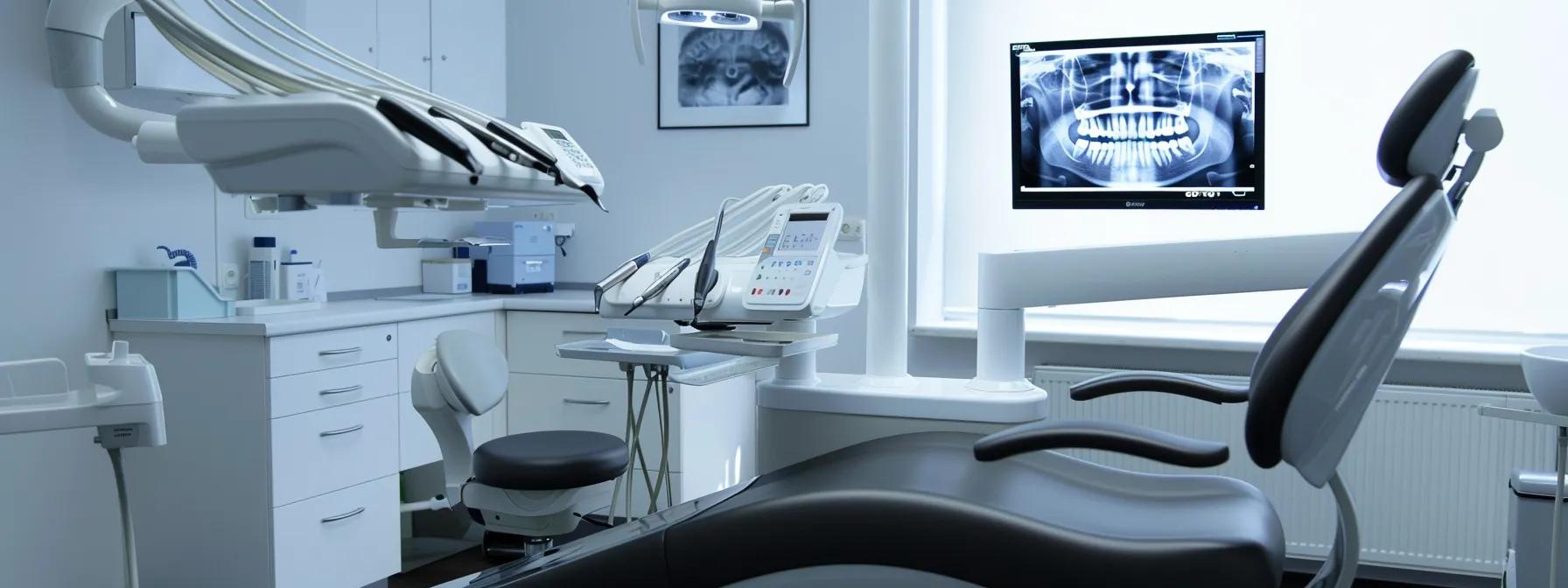
Dental implants have revolutionized the way missing teeth are replaced, offering patients a natural-looking and durable alternative to traditional dentures. However, even though modern implants are designed to last many years, concerns sometimes arise about their longevity. One common question among patients is whether a dental implant can fail after two years. This article explores the multifaceted reasons behind late dental implant failure, clarifying key underlying causes and highlighting strategies to promote long-term success. With advances in implant technology—such as improved osseointegration techniques and better materials like titanium—the expectations for durability are high. Despite this, delayed issues can develop due to factors including peri-implantitis, mechanical stress, systemic health conditions, and poor oral hygiene.
In this article, dental patients in their 40s to 60s are provided with comprehensive information about potential late complications that may occur beyond the initial two-year period following implant placement. Recognizing these symptoms and understanding the reasons behind these incidents is crucial for maintaining a healthy smile. Our expert dental team emphasizes the importance of regular check-ups and careful home care and offers a free consult for those concerned about their dental implants. This article aims to demystify the process, answer common questions about implant durability, and offer actionable guidelines on prevention and corrective measures.
Moreover, this content reviews causes such as peri-implantitis (an inflammatory condition affecting the tissues around an implant), the impact of sustained poor oral hygiene, and even excessive force from habits like bruxism. Patients will gain insight into diagnostic procedures and treatment options available in areas like Mansfield, where specialized dental implant providers are familiar with advanced prosthodontic techniques. By understanding the risk factors and implementing proper care routines, patients can effectively manage and even prevent implant-related complications. Read on to discover what factors may contribute to dental implant problems after two years and how you can protect your investment in dental health.
Key Takeaways
Late dental implant failure, although uncommon, can occur due to factors like peri-implantitis, mechanical stress, and poor oral hygiene.
Recognizing early signs such as pain, swelling, and mobility can lead to prompt diagnosis and treatment.
Regular check-ups and tailored home care routines are crucial for long-term implant success.
Patients in Mansfield have access to specialized diagnostic and treatment services for implant complications.
Free consultations are available to address concerns regarding dental implant longevity and failure prevention.
Understanding Why Dental Implants Might Falter Years Later
Defining Late Dental Implant Failure
Late dental implant failure refers to the complications and breakdown of an implant system that occur after the initial healing phase—typically beyond the first two years of function. This failure is not simply a loss of the implant, but a process that involves the gradual loss of integration between the implant and the bone—a phenomenon known as osseointegration deterioration. In many cases, anatomical changes or biological responses lead to the implant becoming loose or unstable, which may eventually require removal and replacement. Clear signs include persistent discomfort at the implant site, inflammation, and even bone loss surrounding the implant fixture.
Such failures are distinct from early implant failure that typically occurs due to surgical mishaps or immediate post-operative infections. Late failure is usually a result of chronic issues involving the oral environment or systemic health factors. Research indicates that while most dental implants have high success rates, even a slight percentage may fail after serving patients comfortably for several years. Clinicians often assess this by reviewing radiographic evidence and clinical symptoms. For instance, decreased bone density around the implant may signal an ongoing inflammatory process. Understanding these dynamics helps dental professionals to better pinpoint failure mechanisms and develop effective treatment plans.
How Common Is Implant Rejection After the Two Year Mark
Implant rejection after two years is relatively uncommon, with success rates for dental implants typically exceeding 90% over a decade. However, variations in patient biology, oral hygiene practices, and systemic conditions can affect long-term success. Overall, studies reveal that the incidence of late implant failure is low, yet significant enough to warrant periodic monitoring. Factors such as smoking, uncontrolled diabetes, and a history of periodontitis can increase the risk of failure later on. Clinical studies have shown that the cumulative effects of these risk factors can lead to problems like peri-implantitis or even complete implant loss in a small percentage of patients.
Despite the high success percentage, the key concern remains ensuring that patients adhere to maintenance protocols. Routine check-ups allow for the early detection of any potential issues, thereby reducing the chance that a minor problem will evolve into a severe complication. In summary, while the probability of implant rejection after the two-year mark is low, patients must remain vigilant and proactive about their dental health.
Factors Contributing to Delayed Complications With Dental Implants
Delayed complications with dental implants are multifactorial. One of the primary factors is the gradual onset of peri-implantitis, an inflammatory condition that gradually destroys the bone around the implant. Additionally, mechanical factors such as improper loading or accidental trauma during chewing can lead to microscopic fractures or loosening over time. Systemic health issues, including chronic conditions like diabetes or osteoporosis, can also compromise the bone’s ability to maintain a stable interface with the implant.
Other contributing factors include the quality of the bone at the time of implant placement and any unfavorable changes in the patient’s overall physical condition. Poor oral hygiene and neglect of regular dental visits may permit bacterial colonies to proliferate, contributing to chronic infection. Environmental factors, such as an acidic oral pH due to dietary habits, further exacerbate the erosion of the bone-implant contact. All these factors coexist, subtly undermining the success of the implant over an extended period.
The Durability Expectations for Modern Dental Implants
Modern dental implants are built to last, with many capable of providing reliable function for 10, 20, or even 30 years under optimal conditions. These implants are designed using advanced materials like titanium and are supported by sophisticated technologies such as computer-guided implant placement and digital imaging. In comparison to earlier methods, current implants benefit from refined surgical techniques and enhanced surface treatments that promote stronger osseointegration.
Patients are usually informed that while an implant may potentially last a lifetime with proper care, it is not immune to wear and tear. The success of an implant also depends on external maintenance, such as adherence to a rigorous oral hygiene regimen and regular visits to a dental professional. In real-world practice, even a well-integrated implant may require attention after many years due to factors like bone remodeling or changes in the oral microbiome. Ultimately, durability expectations are high, yet individualized based on the patient’s unique conditions, habits, and systemic health.
Identifying Causes for Dental Implant Problems After Two Years
The Role of Peri-Implantitis in Late Implant Failure
Peri-implantitis plays a crucial role in late dental implant failure by causing progressive damage to the tissues surrounding the implant. This inflammatory condition, which is similar to periodontitis in natural teeth, can lead to significant bone loss if left untreated. Bacterial colonization around the implant leads to chronic inflammation and the subsequent breakdown of the osseointegration interface. Clinically, patients may exhibit symptoms such as bleeding gums, swelling, and pain around the implant site.
Radiographs often reveal bone resorption around the implant, which serves as a diagnostic indicator for peri-implantitis. The severity of this condition can range from minor inflammation to extensive bone loss necessitating implant removal. Treatment options typically involve the mechanical debridement of the infected area, local or systemic antibiotic therapy, and sometimes regenerative procedures such as bone grafting. Prevention, through meticulous oral hygiene and regular professional cleanings, is the best strategy to combat this potentially devastating condition.
Impact of Sustained Poor Oral Hygiene on Dental Implants
Maintaining proper oral hygiene is paramount to the longevity of dental implants. When patients neglect routine care, plaque and tartar can accumulate on and around the implant surfaces, creating a breeding ground for harmful bacteria. This buildup not only causes gingival inflammation but also contributes to the development of peri-implantitis. Over time, the bacterial assault may lead to bone loss, which compromises the stability of the implant.
Poor oral hygiene can result from various factors, including inadequate brushing techniques, infrequent dental visits, or conditions such as xerostomia (dry mouth) that reduce saliva flow, thus limiting natural cleansing. Effective oral care involves daily brushing, flossing, and using specialized tools to clean around implant fixtures. Additionally, regular professional cleanings and check-ups help in early detection and management of any infectious processes. Dental professionals often educate patients on the importance of a meticulous cleaning regimen to safeguard the implant and ensure its continued function.
Mechanical Issues or Damage to Dental Implants Over Time
Mechanical problems with dental implants can develop gradually due to repeated stress and micro-movements during daily functions such as chewing and speaking. Although implants are engineered to be extremely robust, they are not entirely immune to mechanical wear. Over time, slight fractures or loosening may occur, especially if the implant design or placement is suboptimal.
In some cases, patients may report a feeling of mobility or discomfort, indicating that the implant may no longer be securely integrated with the surrounding bone. Mechanical damage may also result from parafunctional habits such as clenching or bruxism, where excessive forces are applied to the implant. Addressing these issues early via professional evaluation is essential, as continuing to place high loads on a compromised implant can exacerbate the problem and lead to further complications.
How Systemic Health Conditions Can Affect Established Dental Implants
Systemic health conditions are a significant contributor to late dental implant complications. Chronic diseases such as diabetes, osteoporosis, and cardiovascular conditions can influence the healing process and long-term osseointegration of dental implants. For instance, poorly controlled diabetes can impair wound healing and increase susceptibility to infections, while osteoporosis affects bone density and strength, undermining the support for the implant.
Medications prescribed for systemic conditions may also interfere with cellular processes essential to bone maintenance and regeneration. Additionally, patients with compromised immune function are at a higher risk for infections that could jeopardize the implant’s stability. Thus, it is crucial for dental professionals to consider a patient’s overall health and medical history when evaluating implant success and tailoring post-operative care plans.
Bruxism and Excessive Force Leading to Implant Complications
Bruxism, or the involuntary grinding and clenching of teeth, exerts excessive force on dental implants that they were not originally designed to withstand over prolonged periods. This habit can create micro-fractures in the implant structure and may disrupt the delicate bone-to-implant interface. Over time, the cumulative effect of these forces can lead to implant loosening or even mechanical failure.
Patients who suffer from bruxism often experience heightened sensitivity and discomfort when chewing, and the condition may be accompanied by generalized jaw pain. Custom-designed mouthguards and occlusal adjustments are common treatments recommended by dental professionals to help mitigate these forces. By reducing excessive stress on the implant, patients can extend the functional lifespan of their dental prosthesis while minimizing the risk of long-term complications.
Recognizing Symptoms of a Failing Dental Implant Beyond Two Years
Persistent Pain or Discomfort Around the Dental Implant Site
One of the primary indicators of a failing dental implant is consistent pain or discomfort localized around the implant site. This persistent ache is not merely a transient sensitivity but rather an ongoing issue that can last for weeks or even months. Patients may experience dull, throbbing pain that is exacerbated by chewing or even when the mouth is at rest. Persistent discomfort can signal underlying inflammation or complications that warrant immediate professional evaluation.
When such pain is reported, clinicians typically conduct a thorough examination that may include radiographs to identify any evidence of bone loss or peri-implantitis. Early detection of this symptom is essential because it allows for timely intervention, potentially saving the implant from further damage. Treatment options vary from non-surgical therapies such as localized antibiotic treatment to more advanced procedures like surgical debridement or even implant removal if necessary.
Swelling or Inflammation of Gums Near Your Dental Implant
Swollen or inflamed gums surrounding a dental implant are a signal of possible infection or irritation. This condition, which frequently accompanies peri-implantitis, can make the area appear red and puffy. The inflammation might be accompanied by tenderness to touch, leading to difficulties when eating or speaking. Such symptoms indicate that bacterial invasion may be affecting not only the soft tissues but also the bone anchoring the implant.
The inflammation can progress if not managed promptly, resulting in further complications and possibly even the eventual failure of the implant. Professional cleaning, improved home care, and appropriate antimicrobial therapies are necessary to reduce the inflammation and prevent further deterioration. Patients experiencing these symptoms should seek a dental consultation to address any potential infections and re-establish a healthy implant environment.
Looseness or Mobility of the Dental Implant or Crown
A dental implant that begins to feel loose or exhibits mobility is one of the most concerning signs of failure. Stability is crucial for the success of an implant, and any movement can indicate that the bond between the implant and bone is weakening. This mobility not only affects the function of the implant but may also lead to discomfort when chewing. In many cases, this suggests that osseointegration has been compromised due to factors such as bone loss, chronic infection, or excessive mechanical stress.
When an implant becomes mobile, it is imperative to visit a dental professional for a detailed assessment. Radiographs and clinical tests help to determine the extent of the problem. Depending on the findings, treatment may involve attempts to re-stabilize the implant, address infection, or in some cases, removal of the implant may be the only option. Early detection is crucial to minimize further damage.
Difficulty Chewing or Biting With the Implant
Patients may notice that chewing and biting become progressively more challenging if a dental implant begins to fail. This functional impairment is often the result of loosening or misalignment of the implant with respect to the natural occlusion. Initially, patients might compensate by altering their bite, but as the condition worsens, the discomfort and inefficiency become apparent during meals.
Difficulty in biting is not only uncomfortable but also affects the overall nutritional intake and quality of life. Clinically, this symptom prompts further investigation to assess whether the implant can be salvaged or if replacement is indicated. Addressing this issue early can prevent additional damage and restore the patient’s ability to chew comfortably.
Receding Gums Exposing the Dental Implant Fixture
Receding gums around a dental implant are another warning sign of potential complications. As the gums pull away from the implant, more of the implant fixture is exposed to saliva and bacterial colonization, increasing the risk of infection. This exposure may also compromise the aesthetic appearance of the implant, leading to an unsightly display of metal or artificial components.
Gum recession can occur due to several factors, including chronic inflammation, improper oral hygiene, or natural aging. When detected early, treatments such as soft tissue grafts or regenerative procedures can help to restore gum coverage and protect the implant. Dental professionals emphasize the importance of maintaining proper oral hygiene and seeking regular check-ups to monitor and address any signs of tissue recession promptly.
Addressing a Suspected Dental Implant Failure in Mansfield
Immediate Actions When You Suspect Your Dental Implant Is Failing
Upon suspecting that a dental implant is failing, it is crucial to take swift and decisive action. Immediate steps include reducing any excessive force on the implant by adopting softer dietary habits, improving oral hygiene practices, and scheduling an urgent consultation with a dental professional. Early intervention can help prevent further deterioration and even salvage the implant if the issues are caught in time.
Patients are advised to monitor any changes or worsening symptoms, such as increased pain, swelling, or mobility of the implant or crown, and communicate these observations accurately during their consultation. Additionally, maintaining a detailed medical and dental history can aid the dentist in understanding potential systemic factors, such as diabetes or periodontitis, that might be contributing to the implant failure. Prompt action and professional evaluation are key to preventing additional complications and preserving overall oral health.
Finding a Specialist for Dental Implant Issues in the Mansfield Area
When dealing with dental implant complications in Mansfield, finding a qualified specialist is imperative. Specialists in dental implantology possess the expertise to diagnose complex issues and offer individualized treatment plans. They typically utilize advanced diagnostic tools, such as digital radiography and 3D imaging, to accurately assess implant stability and surrounding bone integrity.
Patients are encouraged to seek referrals from their general dentist or consider well-reviewed local clinics known for their success in implant dentistry. Specialists in the Mansfield area often provide free consultations, allowing patients to discuss their symptoms and treatment options without the immediate financial commitment. A thorough evaluation by an experienced dental implant specialist is essential to determine whether conservative management or complete replacement is the most appropriate course of action.
Diagnostic Procedures for Late Dental Implant Complications
Diagnostic procedures for evaluating late dental implant complications typically include a blend of clinical examination and radiographic assessments. Initial clinical evaluations focus on evaluating the mobility of the implant, checking for signs of inflammation or infection, and assessing the patient’s overall oral hygiene practices. Digital imaging tools, such as panoramic radiographs and cone-beam computed tomography (CBCT), offer detailed insights into bone density, implant placement, and potential areas of bone loss.
Advanced diagnostic procedures may also involve microbiological tests or probing the implant site to determine the extent of soft tissue involvement. These collective assessments give a comprehensive view of the implant’s condition, which helps dental professionals decide on the most effective treatment strategy. Early and accurate diagnosis is crucial to mitigating further complications and ensuring that the appropriate corrective measures are implemented.
Treatment Approaches for Dental Implants That Falter After Years
Treatment of dental implants that begin to falter after several years involves a range of approaches, depending on the severity and underlying cause of the failure. Options include non-surgical procedures like scaling and root planing to manage peri-implantitis or more invasive surgical interventions to regenerate lost bone. In some cases, mechanical stabilization through the reinforcement of the implant-abutment connection may suffice, while in more severe cases, complete implant removal and replacement may be necessary.
Modern treatment modalities utilize techniques such as laser therapy to decontaminate infected tissues and guided bone regeneration to restore bone volume. The choice of treatment is highly individualized and is determined through a comprehensive evaluation of both clinical and radiographic findings. Such tailored interventions ensure not only the resolution of the current complication but also the minimization of future risks.
What to Expect During a Consultation for a Problematic Dental Implant in Mansfield
During a consultation for a problematic dental implant in Mansfield, patients can expect a thorough review of their medical and dental histories, a detailed clinical examination, and a series of diagnostic tests. The dental specialist will discuss the symptoms, review previous treatments, and perform radiographic evaluations to assess implant stability and peri-implant bone levels. Patients are encouraged to ask questions and discuss any concerns regarding pain, functionality, or aesthetic issues.
This initial consultation is a critical step in formulating a comprehensive treatment plan. The dentist may explain the potential causes of implant failure and outline various treatment options tailored to the patient’s specific condition. Furthermore, financial considerations, including payment plans and insurance coverage, are also addressed during this visit in order to provide a clear understanding of the next steps.
Strategies to Promote Long-Term Success of Your Dental Implants
Maintaining Rigorous Oral Hygiene for Lasting Dental Implants
Rigorous oral hygiene is the cornerstone of long-term dental implant success. Maintaining clean implants prevents the buildup of harmful plaque and bacteria that can lead to complications such as peri-implantitis. This involves a strict regimen of regular brushing, flossing, and the use of interdental brushes designed specifically for implant care. Patients should also consider using antimicrobial mouth rinses as part of their daily oral care routine.
Studies have shown that diligent oral hygiene practices can significantly extend the lifespan of dental implants, thereby reducing the need for retreatment or corrective procedures. Additionally, incorporating specialized cleaning tools recommended by dental professionals can help ensure that even hard-to-reach areas around the implant are adequately maintained. By committing to strict hygiene practices, patients can mitigate many of the risks associated with long-term implant failure.
The Necessity of Regular Dental Check-Ups for Implant Care
Regular dental check-ups play a vital role in ensuring the longevity of dental implants. These visits allow dental professionals to monitor the condition of the implant, assess surrounding tissues, and identify early signs of complications. Routine examinations include professional cleanings and detailed radiographic evaluations, which are critical for detecting issues such as bone loss or soft tissue inflammation before they become severe problems.
The frequency of these check-ups is typically determined by the patient’s individual risk factors, with many specialists recommending biannual visits. Consistent dental examinations are not only beneficial for maintaining oral health but also serve as a preventive measure, ensuring that any emerging issues are promptly addressed. This proactive approach can help preserve implant stability, improve overall oral hygiene, and reduce the likelihood of costly treatments in the future.
Lifestyle Adjustments to Protect Your Dental Implants
Lifestyle modifications can significantly enhance the durability and performance of dental implants. Patients are advised to avoid habits that place undue stress on their implants, such as smoking and excessive alcohol consumption, which can impair healing and compromise the osseointegration of the implant. A balanced diet, rich in essential nutrients like calcium and vitamin D, strengthens bone density and supports overall oral health.
Additionally, managing stress and avoiding parafunctional activities like teeth grinding through the use of occlusal guards can prevent mechanical overload on the implants. These adjustments, although seemingly small, collectively contribute to maintaining the integrity of the implant and reducing the risk of delayed complications. By integrating these lifestyle changes, patients can safeguard their investments and ensure a stable, long-lasting dental prosthesis.
Understanding the Significance of Professional Cleanings for Dental Implants
Professional dental cleanings are critical for the sustained success of dental implants. Unlike natural teeth, implants lack a periodontal ligament, making them more susceptible to bacterial invasion if plaque is not meticulously controlled. Regular professional cleanings not only remove stubborn plaque and calculus but also enable dental professionals to perform detailed assessments that can detect early signs of tissue deterioration.
These sessions typically involve the use of specialized instruments and ultrasonic devices, which are gentle yet effective in cleaning around the implant without damaging its surface. With regular professional care, patients can expect improved implant longevity, fewer complications, and enhanced overall oral health, supporting a brighter and more confident smile over time.
Protecting Your Dental Implants From Physical Trauma
Physical trauma can significantly jeopardize dental implant stability. Accidental impacts, sports injuries, or even excessive force during chewing or bruxism can cause subtle shifts or fractures in the implant and its surrounding bone. To prevent such physical damage, it is essential to take precautionary measures, such as wearing a mouthguard during sports activities and avoiding excessive force on the implant.
Patients should also be mindful of any changes in bite and undergo regular evaluations to ensure that their occlusion is properly balanced. A well-protected dental implant not only preserves functionality but also maintains the aesthetic integration of the implant with the natural dentition. By taking proactive steps to safeguard against trauma, patients can enhance both the longevity and performance of their dental prostheses.
Solutions and Next Steps for Failed Dental Implants in Mansfield
Exploring Replacement Options for a Failed Dental Implant
When a dental implant fails after years of function, exploring replacement options becomes a critical next step. Replacement typically involves thorough evaluation, removal of the failed implant, and assessment of the bone quality before considering a new implant. Modern techniques, such as computer-guided implant placement, enhance the precision of the replacement procedure by ensuring optimal positioning and stability.
Patients are presented with various options, including immediate replacement or staged procedures if significant bone loss is present. New implant systems often incorporate improved surface technology to promote superior osseointegration compared with the original implant. Furthermore, alternative solutions—such as implant-supported bridges or overdentures—are discussed for cases where replacement may not be feasible. The dental specialist in Mansfield will collaborate with the patient to determine the best approach based on individual needs, ensuring that the chosen option aligns with both health and aesthetic goals.
Bone Grafting and Site Preparation for a New Dental Implant in Mansfield
In cases where bone loss has compromised the implant site, bone grafting becomes a necessary adjunct to prepare the area for a new dental implant. Bone grafting involves the transplantation of bone material from another site or the use of synthetic substitutes to rebuild the deficient area. This process enhances the quality and volume of bone, enabling secure placement and long-term stability for the new implant.
The site preparation may involve a combination of procedures, including sinus lift surgeries for maxillary implants or ridge augmentation for mandibular sites. These surgical interventions are typically followed by a healing period, during which the grafted material integrates with the natural bone. For patients in Mansfield, state-of-the-art grafting techniques and materials are available to ensure optimal outcomes. A comprehensive discussion regarding the risks, benefits, and expected recovery times is essential to help patients make informed decisions regarding their treatment.
Alternative Tooth Replacement Solutions After Implant Failure
When dental implants fail and replacement may not be immediately feasible, several alternative tooth replacement solutions are available. Options such as removable dentures, fixed bridges, or implant-supported overdentures offer functional and aesthetic improvements to restore a patient’s smile. Each solution has distinct advantages and is selected based on individual factors including bone quality, patient health, and desired cosmetic outcomes.
Fixed bridges, for instance, distribute occlusal forces across multiple teeth, reducing the risk of localized overload, while removable dentures provide a non-surgical option to restore chewing function and appearance. Implant-supported overdentures, which rely on a few strategically placed implants for retention, combine the benefits of both flexibility and stability. Dentists in Mansfield evaluate the patient’s overall dental condition and preferences to develop a customized treatment plan that effectively addresses the immediate aesthetic and functional needs.
Discussing Long-Term Prognosis With Your Mansfield Dental Implant Provider
A critical component of managing failed dental implants is an in-depth discussion regarding the long-term prognosis with your dental provider. This conversation addresses not only the immediate issues but also examines risk factors that may compromise future implant success. The dental specialist will review the patient’s previous treatment history, current oral and systemic health, and any lifestyle factors such as bruxism or smoking that might affect outcomes.
Feedback from imaging studies and clinical assessments will be discussed in detail, ensuring that the patient understands the extent of bone loss, inflammation, or mechanical failures. The long-term prognosis may indicate the need for more conservative treatment, aggressive intervention, or a combination thereof. Clear, comprehensive communication empowers patients to make informed decisions and take proactive steps for maintaining their oral health in the future.
Financial Considerations for Managing a Failed Dental Implant
Financial considerations play a significant role when addressing a failed dental implant. Treatment costs vary depending on the complexity of the required procedure, the need for additional interventions like bone grafting, and the specific techniques employed by the dental office. Many dental clinics, including those in Mansfield, offer convenient payment plans and dental insurance options to help manage the financial burden.
Patients are encouraged to discuss all available options during their consultation to ensure transparency regarding costs. Understanding the cost breakdown—from the initial consultation and diagnostic procedures to the surgical interventions and post-operative care—is crucial. With affordable, flexible payment plans and the availability of free initial consultations, managing the financial impact of implant failure becomes less daunting, allowing patients to focus on achieving a long-term, successful outcome.
Table: Comparison of Common Causes of Late Dental Implant Failure
The table above provides a detailed comparison of common causes of late dental implant failure, summarizing their descriptions, risks, diagnostic methods, treatment options, prognosis, and prevention strategies. This overview can help patients understand the complex interplay of factors that lead to dental implant complications and guide them in discussions with their dental providers.
Solutions and Next Steps for Failed Dental Implants in Mansfield (Continued)
With a comprehensive understanding of the causes and symptoms, patients experiencing dental implant issues have multiple avenues for corrective action. By working closely with qualified specialists, maintaining rigorous oral care, and considering modern interventions such as bone grafting or alternative restorations, individuals can effectively navigate the challenges of a failed implant.
Frequently Asked Questions
Q: Can a dental implant truly fail after two years? A: Yes, although dental implants are designed to last many years, failure after the two-year mark can occur. Factors like peri-implantitis, poor oral hygiene, mechanical overload, and underlying systemic health conditions can contribute to late failure. Early detection through regular check-ups is key to managing and mitigating these issues.
Q: What are the early signs of dental implant failure? A: Early signs include persistent pain, bleeding gums, swelling or inflammation around the implant, and a sensation of mobility in the implant or crown. Patients may also experience difficulty chewing or noticing receding gums. Noticing these symptoms early allows for prompt intervention, which could prevent further complications.
Q: How is peri-implantitis treated, and can it be reversed? A: Peri-implantitis is managed through a combination of mechanical debridement, antibiotic therapy, and sometimes surgical intervention such as regenerative procedures. While early-stage peri-implantitis can often be treated successfully, advanced cases may require implant removal. Consistent professional cleanings and good oral hygiene practices are essential for preventing its progression.
Q: Are there non-surgical options available for a failing dental implant? A: Yes, non-surgical treatments like professional scaling, local antibiotic applications, and adjustments in occlusal forces can be effective for early-stage issues. However, if these measures fail to stabilize the implant, surgical treatments such as flap surgery or bone grafting may be necessary. Early diagnosis significantly improves the chances of a favorable outcome.
Q: What financial options are available for managing implant replacement costs? A: Many dental offices offer flexible payment plans, dental insurance options, and even free initial consultations to help manage the costs associated with implant replacement. Discussing financial considerations with your dental provider can help you understand all available options and plan for a successful rehabilitation without undue financial stress.
Q: How frequently should I visit my dentist after getting a dental implant? A: It is generally recommended to have dental check-ups every six months following implant placement. Regular visits allow your dentist to monitor the implant’s health, perform professional cleanings, and detect any early signs of failure. These appointments are crucial for ensuring the long-term stability and success of your implant.
Q: Can lifestyle changes really make a difference in the longevity of my dental implant? A: Absolutely. Lifestyle modifications such as quitting smoking, reducing alcohol consumption, maintaining a balanced diet rich in essential nutrients, and using protective devices like mouthguards significantly improve implant longevity. These changes help reduce systemic risks and prevent excessive mechanical stress, thereby supporting the implant’s stability over time.
Final Thoughts
Dental implants are a modern marvel that significantly enhance both function and aesthetics. However, even the best implants can experience delayed complications, emphasizing the importance of proactive care and regular monitoring. By understanding the causes—from peri-implantitis to mechanical overload—and taking immediate action when symptoms arise, patients can safeguard their oral health. Those in Mansfield can rest assured knowing that comprehensive treatment options and flexible financial plans are available, and free consultations can guide them toward the best solutions for maintaining a healthy, confident smile.