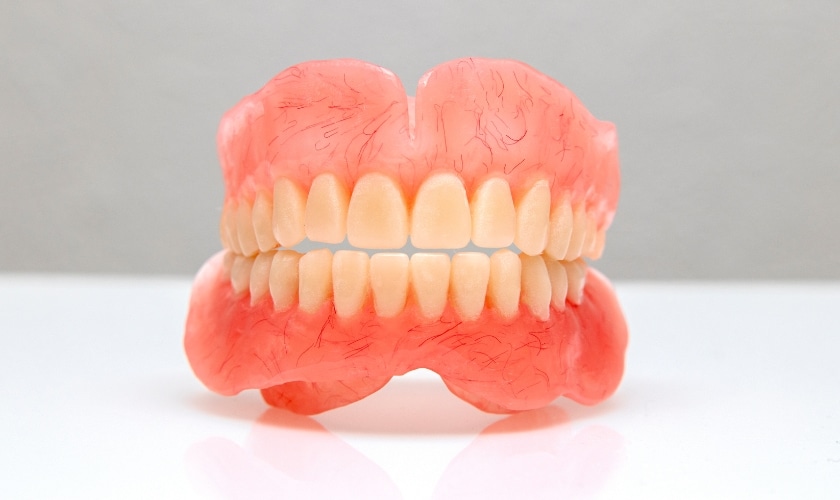
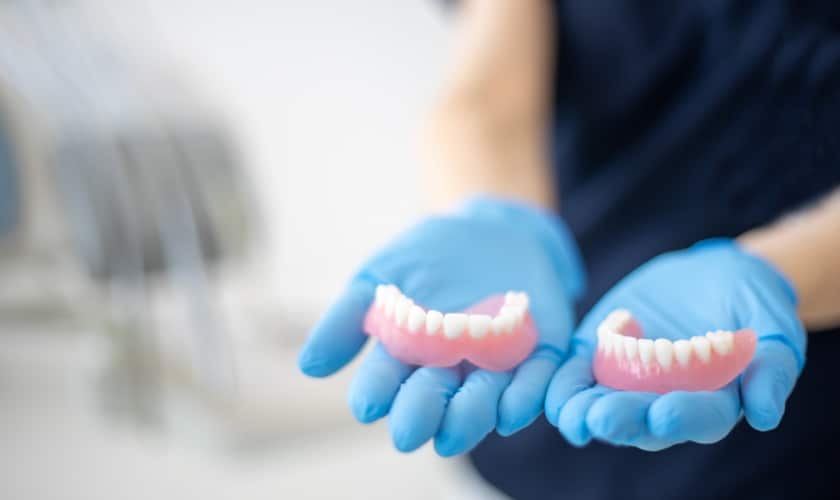
Embarking on the journey of getting dentures in Fort Worth, TX, is a significant step towards reclaiming not just your smile but also your confidence. Whether you’re opting for partial or complete dentures, the initial period can be accompanied by some discomfort. It’s essential to understand what to expect during this phase, how to manage […]
What To Expect During Your Invisalign Journey: Step-By-Step Guide
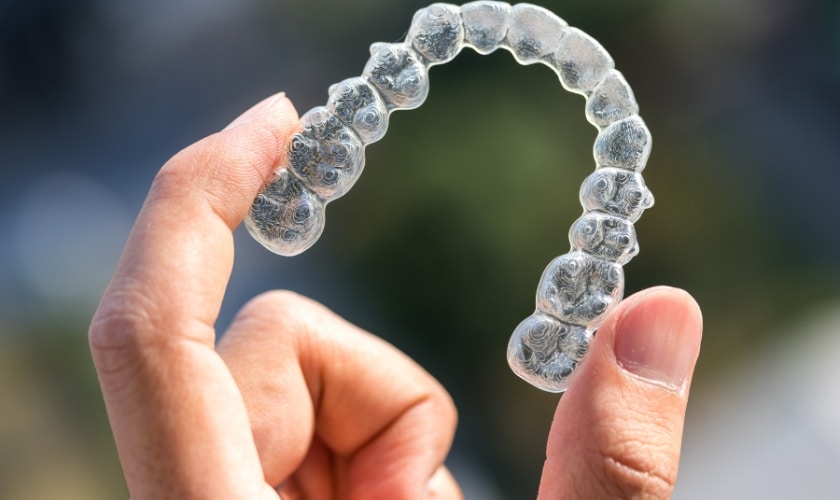
Embarking on your path to a flawless smile is an exhilarating adventure, and Invisalign in Waco, TX, is the contemporary solution that seamlessly blends discretion with effectiveness. Congratulations on choosing Invisalign to align your teeth, marking a significant stride toward achieving a confident and radiant smile! This all-encompassing guide will accompany you through every stage […]
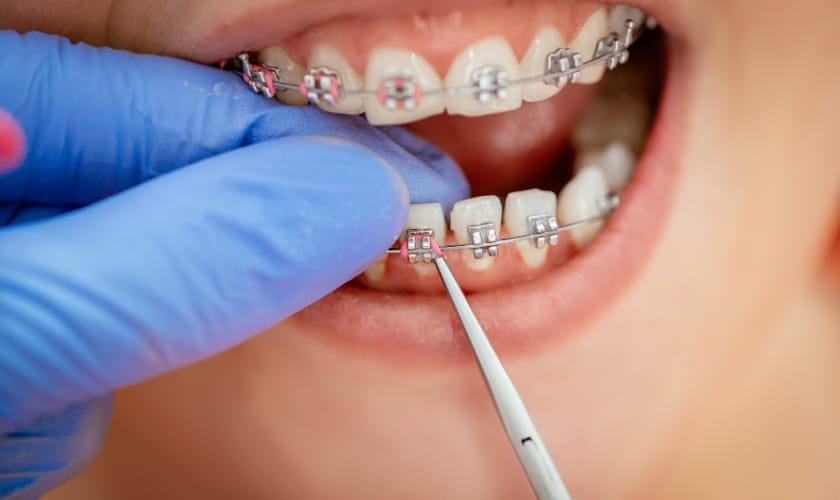
Embarking on the journey of orthodontic treatment with braces in Grand Prairie, TX, can be both exciting and challenging. While the promise of a beautifully aligned smile is undoubtedly on the horizon, the immediate adjustments to your lifestyle, especially in terms of eating, can pose some hurdles. Fear not! This blog is your compass to […]
A brilliant smile can be a game-changer, boosting confidence and leaving a lasting impression. For most of us, dental veneers offer a transformative solution, concealing imperfections and enhancing the natural beauty of teeth. However, like any investment, veneers require proper care to maintain their pristine condition. In this comprehensive guide, we’ll explore the top 10 […]
Dentures, designed to restore the function and aesthetics of a natural smile, can be a game-changer for individuals with missing teeth. However, the effectiveness of dentures hinges on one crucial factor – the fit. Poorly fitting dentures can lead to a myriad of problems, impacting oral health and overall well-being. In this blog, we’ll explore […]
Foods And Habits That Can Stain Your Pearly Whites
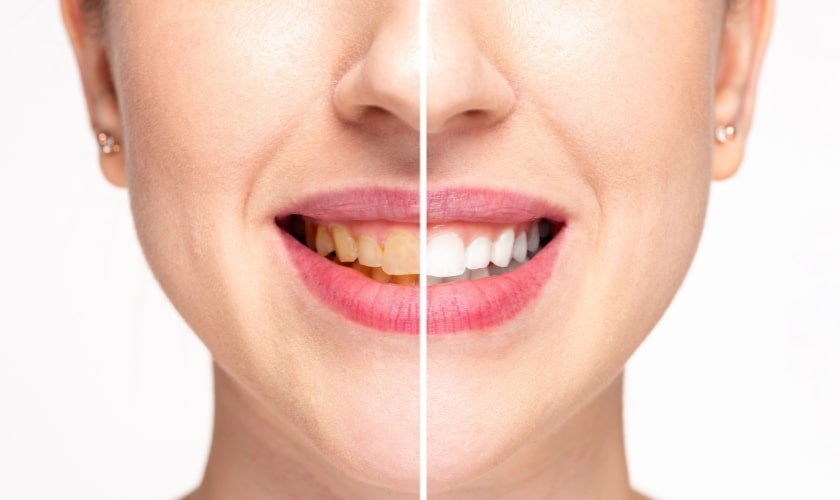
Picture this: you’ve diligently followed your oral care routine, and yet, your smile doesn’t radiate the brilliance you desire. Why? The answers lie in the surprising world of foods and habits that can stealthily sabotage the luminosity of your teeth. From the tempting reds of berries to the comforting warmth of your morning coffee, seemingly […]
What You Can And Can’t Eat Before Sedation Dentistry
Sedation dentistry is a game-changer for those who experience anxiety or fear when facing dental procedures. The prospect of a stress-free dental experience is undoubtedly appealing, but did you know that what you eat before your appointment can impact the effectiveness and safety of sedation? In this guide, we’ll explore the culinary dos and don’ts […]
What Happens If You Don’t Get Treatment For An Infected Tooth?
The human body is a marvel of intricate design, and every component plays a vital role in maintaining overall well-being. However, sometimes, we need to pay more attention to the significance of certain elements, especially when it comes to dental health. An infected tooth might seem like a minor inconvenience at first, causing intermittent discomfort […]
How Dentures Can Replace Missing Teeth After Extractions
A radiant smile is a powerful asset, and for those who have undergone tooth extractions, the prospect of regaining that confidence may seem like an unattainable dream. However, modern dentistry offers a reliable and effective solution in the form of dentures. Whether you’ve lost teeth due to decay, injury, or other dental issues, dentures in […]
The mere thought of a dental visit can induce anxiety in many individuals, but for some, the discomfort goes beyond the fear of drills and needles. The gag reflex, a natural defense mechanism, can turn a routine dental procedure into a daunting experience. Fortunately, advancements in dental care have paved the way for a more […]
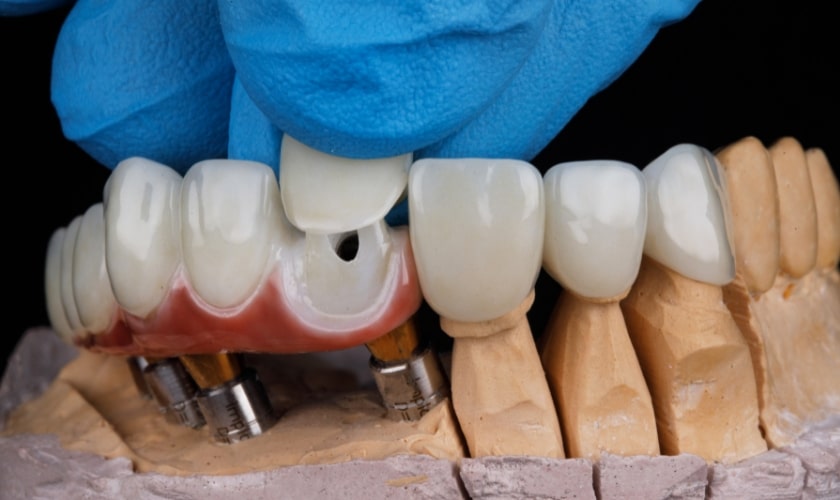
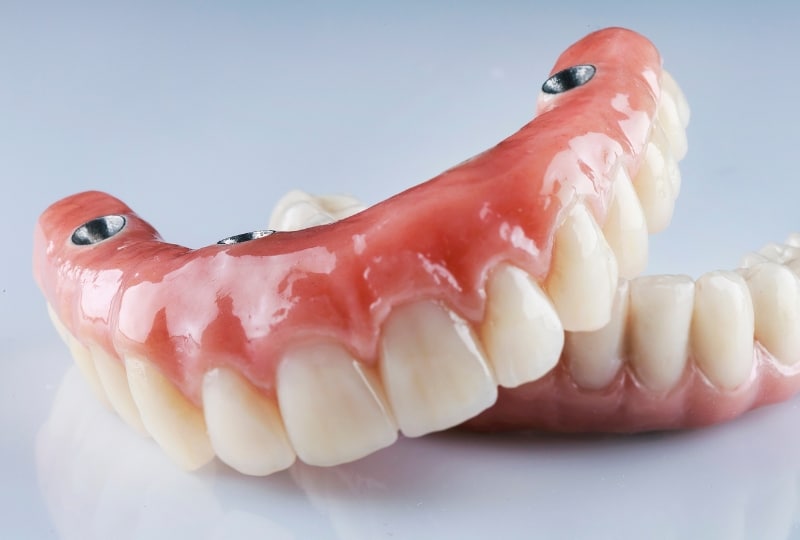
Dentures come in various types, each designed to serve specific needs of patients with missing teeth. The most common are complete dentures, used when all teeth are absent, and partial dentures, which are suitable for those who still have some natural teeth. Additionally, implant-supported dentures offer more stability and comfort by anchoring to dental implants, presenting a more permanent solution for tooth loss.
When choosing the right type of denture, it's essential to consider factors such as oral health, lifestyle, and budget. For instance, patients with sufficient bone structure in their jaw might prefer implant-supported options for their durability, while those who seek more affordable immediate solutions could opt for traditional complete dentures. Consulting with a dentist can help patients navigate the pros and cons of each type to make an informed decision.
Tips for Maintaining Oral Health with Dentures
Maintaining oral health while wearing dentures is crucial for preventing future dental issues and ensuring the longevity of the prosthetics. This includes following a thorough cleaning routine, such as removing dentures each night to allow the gums to rest and soaking them in a cleaning solution to kill harmful bacteria. Additionally, regular visits to the dentist for check-ups can help ensure that dentures fit correctly and function effectively.
It’s also important to keep the mouth healthy by brushing the gums, tongue, and other soft tissues daily. This habit encourages blood circulation to the gums and helps reduce the risk of oral infections. Furthermore, patients should be vigilant about their diet and avoid hard or sticky foods that can damage dentures, ensuring that they maintain a comfortable and functional smile.
Common Challenges When Adjusting to New Dentures
Adjusting to new dentures can pose several challenges, especially in the initial weeks after fitting. Many patients experience discomfort or soreness as they become accustomed to the sensation of having dentures in their mouths. It's normal, but effective communication with a dentist can lead to adjustments that enhance comfort and improve fit.
Another challenge is learning how to eat and speak with dentures, as the mouth may feel different, which can impact natural movements. Patients may need to practice speaking and start with soft foods before gradually introducing more complex textures to avoid frustration. With time and patience, most individuals adapt to their new dentures and regain confidence in their smile and speaking abilities.
Dentures come in various types, each designed to serve specific needs of patients with missing teeth. The most common are complete dentures, used when all teeth are absent, and partial dentures, which are suitable for those who still have some natural teeth. Additionally, implant-supported dentures offer more stability and comfort by anchoring to dental implants, presenting a more permanent solution for tooth loss.
When choosing the right type of denture, it's essential to consider factors such as oral health, lifestyle, and budget. For instance, patients with sufficient bone structure in their jaw might prefer implant-supported options for their durability, while those who seek more affordable immediate solutions could opt for traditional complete dentures. Consulting with a dentist can help patients navigate the pros and cons of each type to make an informed decision.
Tips for Maintaining Oral Health with Dentures
Maintaining oral health while wearing dentures is crucial for preventing future dental issues and ensuring the longevity of the prosthetics. This includes following a thorough cleaning routine, such as removing dentures each night to allow the gums to rest and soaking them in a cleaning solution to kill harmful bacteria. Additionally, regular visits to the dentist for check-ups can help ensure that dentures fit correctly and function effectively.
It’s also important to keep the mouth healthy by brushing the gums, tongue, and other soft tissues daily. This habit encourages blood circulation to the gums and helps reduce the risk of oral infections. Furthermore, patients should be vigilant about their diet and avoid hard or sticky foods that can damage dentures, ensuring that they maintain a comfortable and functional smile.
Common Challenges When Adjusting to New Dentures
Adjusting to new dentures can pose several challenges, especially in the initial weeks after fitting. Many patients experience discomfort or soreness as they become accustomed to the sensation of having dentures in their mouths. It's normal, but effective communication with a dentist can lead to adjustments that enhance comfort and improve fit.
Another challenge is learning how to eat and speak with dentures, as the mouth may feel different, which can impact natural movements. Patients may need to practice speaking and start with soft foods before gradually introducing more complex textures to avoid frustration. With time and patience, most individuals adapt to their new dentures and regain confidence in their smile and speaking abilities.