Why Dental Implants Are the Superior Choice for Tooth Replacement in Crowley
Dental implants have emerged as a leading solution for tooth replacement, offering a durable and aesthetically pleasing option for those seeking to restore their smiles. This article will explore the various tooth replacement options available, focusing on the advantages of dental implants over alternatives like dentures and dental bridges. Readers will learn about the mechanisms behind dental implants, their benefits, and the long-term value they provide. Many individuals face challenges with traditional tooth replacement methods, such as discomfort and maintenance issues. Dental implants present a solution that addresses these concerns effectively. We will delve into the key benefits of dental implants, compare them with other options, and discuss who is a suitable candidate for this procedure.
What Are the Main Tooth Replacement Options Available?
When considering tooth replacement, patients typically have three main options: dental implants, dentures, and dental bridges. Each option has its unique characteristics, benefits, and limitations, making it essential for individuals to understand their choices.
What Are Dental Implants and How Do They Work?
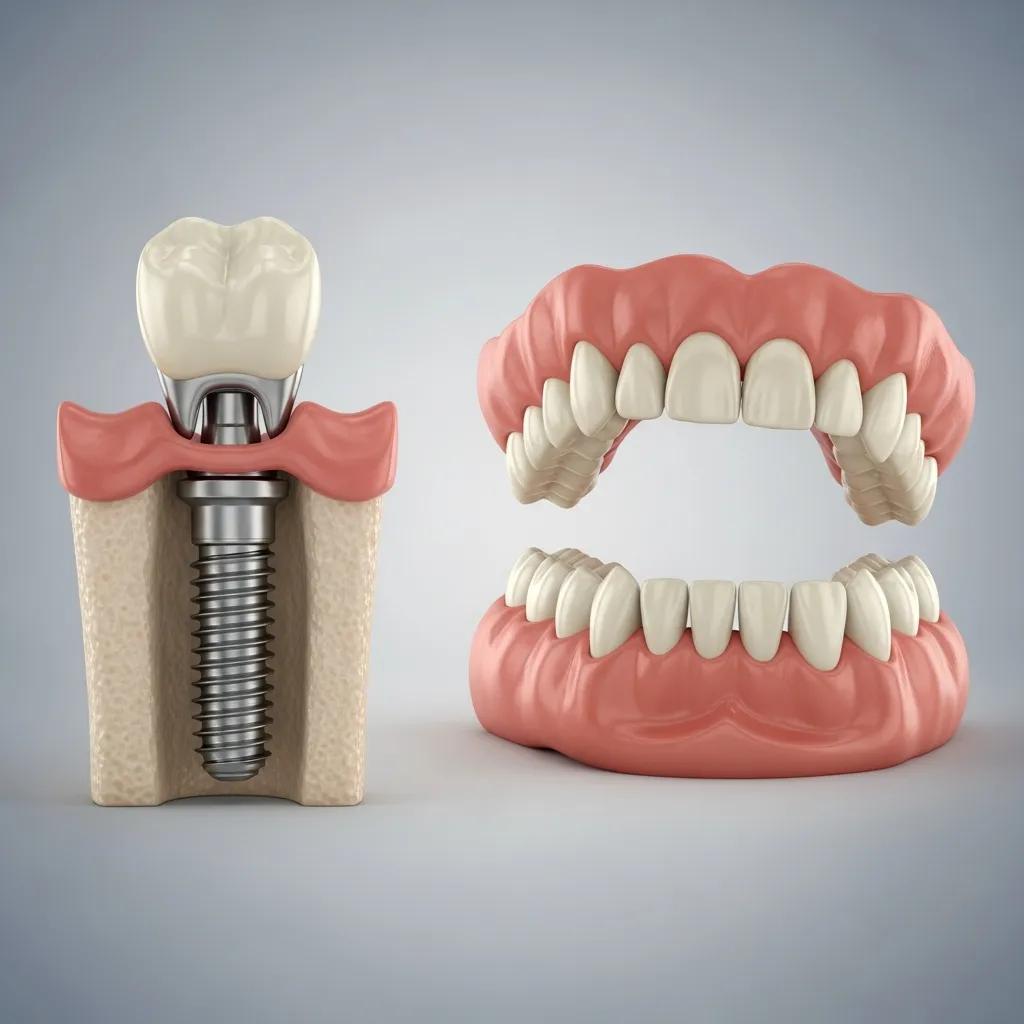
Dental implants are artificial tooth roots made of biocompatible materials, typically titanium, that are surgically placed into the jawbone. This process involves a few key steps: first, the implant is inserted into the jawbone; over time, it fuses with the bone in a process called osseointegration. Once healed, a crown is attached to the implant, providing a natural-looking and functional replacement for a missing tooth. The stability and durability of dental implants make them a preferred choice for many patients.
What Are Dentures and Their Common Limitations?
Dentures are removable appliances designed to replace missing teeth. While they can restore function and aesthetics, they often come with several limitations. Common issues include slippage, discomfort, and the need for frequent adjustments. Additionally, dentures do not prevent bone loss in the jaw, which can lead to changes in facial structure over time. These drawbacks can make dentures less appealing compared to more permanent solutions like dental implants.
How Do Dental Implants Compare to Dentures?
When evaluating tooth replacement options, it’s crucial to compare the benefits and challenges of dental implants and dentures.
What Advantages Do Dental Implants Offer Over Dentures?
Dental implants provide several advantages over dentures. Firstly, they offer superior stability, as they are anchored directly into the jawbone, eliminating the risk of slippage. Secondly, dental implants help preserve bone density by stimulating the jawbone, preventing the atrophy that often occurs with missing teeth. Lastly, implants provide a more natural appearance and feel, allowing patients to eat and speak without the discomfort often associated with dentures.
What Are the Common Challenges with Dentures Compared to Implants?
While dentures can be a viable option for some, they come with challenges that can affect patient satisfaction. Common issues include discomfort due to poor fit, the need for adhesive to keep them in place, and the potential for food particles to become trapped underneath. Additionally, the maintenance of dentures requires regular cleaning and adjustments, which can be inconvenient for users. In contrast, dental implants require similar care to natural teeth, making them a more user-friendly option in the long run.
How Do Dental Implants Compare to Dental Bridges?
Dental bridges are another alternative for replacing missing teeth, but they differ significantly from dental implants.
What Benefits Do Dental Implants Have Over Bridges?
One of the primary benefits of dental implants over bridges is that implants do not require alteration of adjacent teeth. Bridges typically rely on the support of neighboring teeth, which can compromise their integrity over time. Additionally, dental implants have a longer lifespan, often lasting 25 years or more with proper care, while bridges may need replacement every 5 to 15 years. This longevity, combined with the natural appearance of implants, makes them a more attractive option for many patients.
Further analysis supports the long-term financial advantages of choosing dental implants when compared to traditional fixed bridges.
Dental Implants vs. Bridges: Long-Term Cost-Effectiveness
In this analysis, we evaluated long-term costs, effectiveness and cost-effectiveness of the dental implants vs. conventional fixed bridges in patients with one single missing tooth.
Cost‐effectiveness modeling of dental implant vs. bridge, 2009
What Are the Disadvantages of Dental Bridges Compared to Implants?
Dental bridges can present several disadvantages, including the need to grind down healthy teeth to support the bridge. This alteration can lead to further dental issues down the line. Moreover, bridges do not provide the same level of bone preservation as implants, which can result in changes to the jaw structure over time. Patients seeking a long-term solution may find dental implants to be the superior choice.
What Are the Key Benefits of Choosing Dental Implants?
Choosing dental implants comes with numerous benefits that enhance both oral health and quality of life.
How Do Dental Implants Enhance Oral Health and Bone Preservation?
Dental implants play a crucial role in maintaining oral health by preventing bone loss in the jaw. When a tooth is lost, the underlying bone can begin to deteriorate due to lack of stimulation. Implants provide the necessary support to the jawbone, promoting bone growth and preserving facial structure. This not only helps maintain a youthful appearance but also supports overall oral health.
How Do Dental Implants Restore Natural Look, Feel, and Functionality?
Dental implants are designed to mimic the look and function of natural teeth. The crowns placed on implants are custom-made to match the color and shape of existing teeth, ensuring a seamless blend with the smile. Additionally, implants restore full chewing functionality, allowing patients to enjoy a varied diet without restrictions. This restoration of normal function can significantly enhance a patient’s quality of life.
What Is the Long-Term Value and Cost Consideration of Dental Implants in Crowley?
When considering dental implants, it’s essential to evaluate their long-term value and cost-effectiveness.
How Does the Cost of Dental Implants Compare to Other Options?
While the initial cost of dental implants may be higher than that of dentures or bridges, they often prove to be more cost-effective in the long run. Implants typically require fewer replacements and less maintenance, leading to lower overall costs over time. Patients should consider the long-term investment in their oral health when evaluating their options.
Why Are Dental Implants Considered Cost-Effective Over Time?
Dental implants are considered cost-effective due to their durability and longevity. Unlike dentures and bridges, which may need to be replaced or adjusted frequently, implants can last 25 years or more with proper care. This longevity, combined with the reduced need for dental visits related to replacements or adjustments, makes dental implants a financially sound choice for many patients.
Research consistently demonstrates that dental implants offer a cost-effective solution over time, coupled with high levels of patient satisfaction.
Dental Implants: Cost-Effective with High Patient Satisfaction
among most studies was that, over the long term, dental implants represent a cost-effective treatment option. Additionally, patient acceptance, satisfaction, and willingness to pay for
Evaluating the health economic implications and cost-effectiveness of dental implants: a literature review., 2013
Who Is a Good Candidate for Dental Implants?
Not everyone is a suitable candidate for dental implants, and several factors must be considered.
What Factors Determine Dental Implant Candidacy?
Candidates for dental implants should have sufficient bone density to support the implant. Additionally, overall health and oral hygiene play significant roles in determining candidacy. Patients with chronic conditions or those who smoke may need to address these issues before proceeding with the implant process. A thorough evaluation by a dental professional is essential to determine suitability.
How Can Patients Schedule a Free Dental Implant Consultation in Crowley?
Patients interested in dental implants can easily schedule a free consultation at Affordable Dentist Near Me – Crowley. This initial appointment allows for a comprehensive evaluation of oral health and a discussion of potential treatment options. The team is dedicated to providing affordable pricing and comprehensive services to ensure patient comfort and satisfaction.
To take the next step towards a healthier smile, you can easily schedule your free dental implant consultation online. This convenient option ensures you get the personalized care you deserve without delay.
What Do Crowley Patients Say About Their Dental Implant Experiences?
Patient testimonials can provide valuable insights into the benefits of dental implants.
What Are Common Patient Testimonials and Success Stories?
Many patients report high satisfaction rates with their dental implants, highlighting the improved quality of life and confidence they experience post-treatment. Success stories often include individuals who have regained the ability to eat their favorite foods and smile without hesitation. These positive experiences underscore the effectiveness of dental implants as a tooth replacement solution.
How Have Dental Implants Improved Patients’ Quality of Life?
Dental implants have significantly improved the quality of life for many patients in Crowley. By restoring functionality and aesthetics, implants allow individuals to engage in social activities without the fear of discomfort or embarrassment. The psychological benefits of having a complete smile cannot be overstated, as many patients report increased self-esteem and overall happiness.
What Are Frequently Asked Questions About Dental Implants Versus Other Options?
Understanding common concerns can help patients make informed decisions about dental implants.
What Are the Risks and Success Rates of Dental Implants?
Dental implants have a high success rate, typically around 95% to 98% when placed in healthy individuals. However, risks can include infection, nerve damage, or implant failure, particularly in patients with underlying health issues. A thorough consultation with a dental professional can help mitigate these risks and ensure a successful outcome.
Indeed, studies consistently highlight the impressive long-term success and survival rates of titanium dental implants.
Titanium Dental Implants: High Long-Term Success Rates
The use of titanium dental implants has consistently changed the way of rehabilitating patients in modern dentistry and can count on high long-term survival and success rates.
The effect of titanium surface modifications on dental implant osseointegration, M Annunziata, 2015
How Do Recovery and Maintenance Differ Among Implants, Dentures, and Bridges?
Recovery from dental implant surgery generally involves a healing period of several months, during which osseointegration occurs. In contrast, dentures require immediate adjustment and can be removed for cleaning. Bridges may also require adjustments but do not involve surgical recovery. Maintenance for implants involves regular dental check-ups and good oral hygiene, similar to natural teeth, while dentures and bridges may require more frequent adjustments and replacements.