The Complete Guide to Healing After Tooth Replacement: Dental Implant Recovery Timeline vs. Alternatives
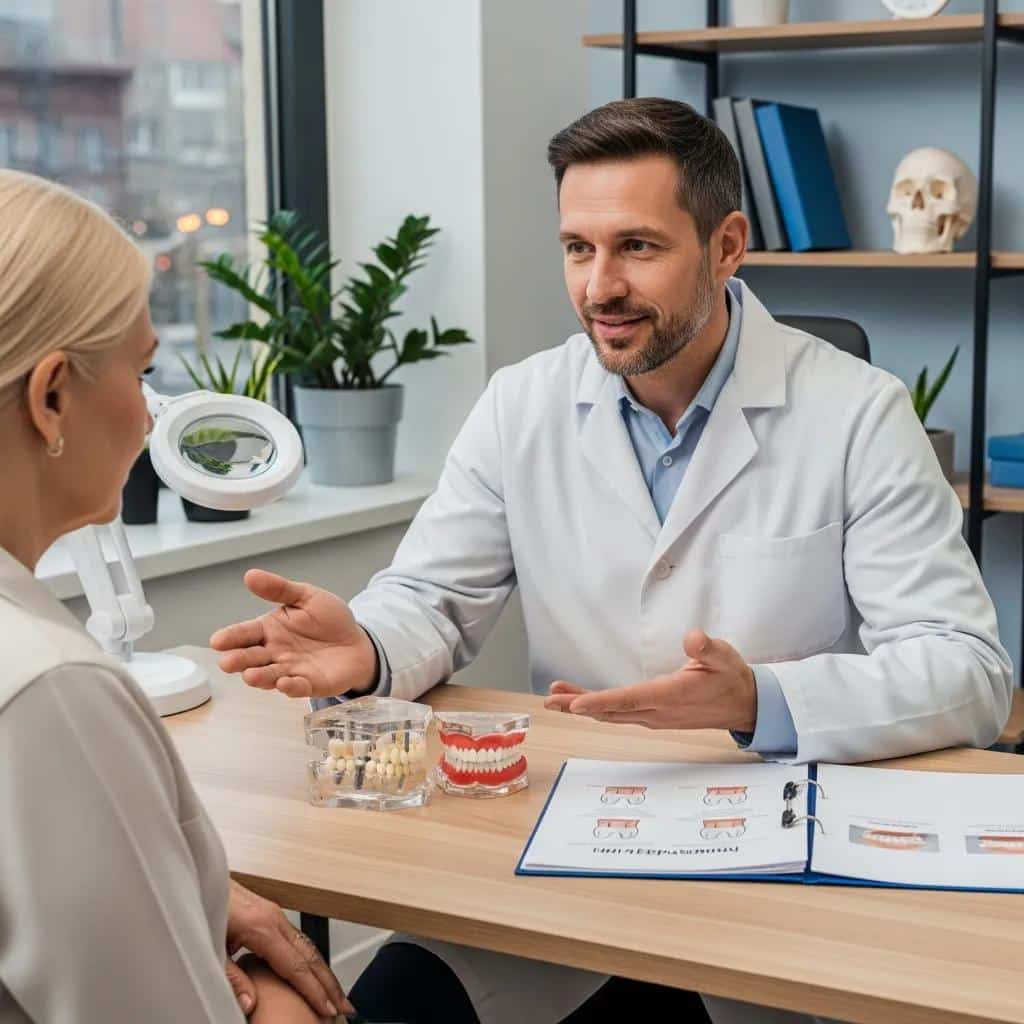
Understanding tooth replacement means more than choosing a crown, bridge, implant, or denture — it requires knowing how each option heals, how long recovery lasts, and what daily life will look like during each stage. This guide explains the biology behind healing after dental implants, contrasts that process with bridges and dentures, and maps realistic day-by-day, week-by-month expectations so you can plan work, travel, and activities. Readers will learn the stages of soft tissue healing, the osseointegration timeline for implants, bridge sensitivity and protection needs, and how traditional and implant-supported dentures affect bone health and comfort. Practical checklists, side-by-side comparisons, and evidence-based tips for pain control, diet, and hygiene follow so you can avoid complications and speed recovery. If you want a personalized assessment after reading, Affordable Dentist Near Me – Crowley offers free implant and denture consultations at their Crowley location to review candidacy and next steps with an exam and X-rays.
What Are the Main Tooth Replacement Options and Their Healing Processes?
Tooth replacement falls into three broad categories: dental implants (surgically placed fixtures integrating with bone), fixed dental bridges (prosthetics anchored to adjacent teeth), and dentures (removable partial or complete prostheses). Each option uses different components — implant fixture, abutment, crown; pontic and crown for bridges; framework, flange, and acrylic for dentures — and therefore follows distinct healing pathways and timelines. Implants require oral surgery and bone healing (osseointegration), so they involve initial post-op inflammation then months of bone remodeling, while bridges usually require tooth preparation and a short soft-tissue recovery with limited bone impact. Dentures have an adaptation phase where soft tissues and muscles learn a new bite and speech pattern, and traditional dentures can lead to gradual bone resorption over time, altering fit and comfort. Understanding these mechanisms helps patients weigh short-term convenience against long-term tissue health and maintenance needs; the next sections unpack each option in detail.
This section outlines three common options and their healing implications:
Dental implants: Surgical fixture placement that requires bone healing and soft-tissue closure, often with an extended osseointegration period.
Fixed dental bridges: Non-surgical for bone but invasive to adjacent teeth through preparation and temporary restorations during healing.
Dentures (partial/complete): Removable prosthetics demanding adaptation, frequent relines, and carrying the highest risk of progressive bone loss without implants.
These definitions set the stage for a deeper look at implants, bridges, and dentures so you can match your lifestyle and medical profile to the best long-term option.
What Is a Dental Implant and How Does Its Healing Work?
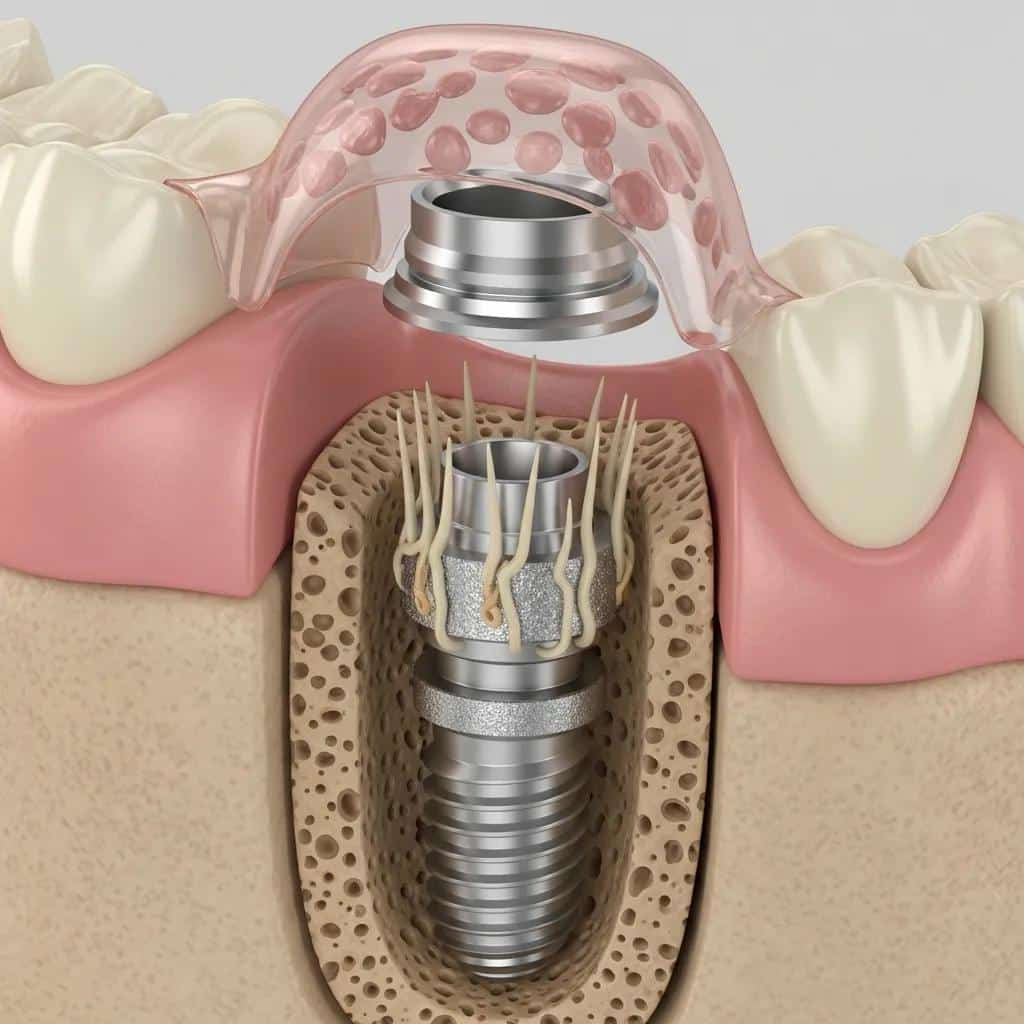
A dental implant is a biocompatible metal fixture placed into the jawbone to replace a tooth root, and healing occurs via two linked processes: soft-tissue closure and osseointegration with surrounding bone. Soft tissue typically seals the surgical site within one to two weeks, reducing infection risk and enabling comfort, while osseointegration — the bone remodeling that bonds bone to the implant surface — takes several months and determines long-term stability. Successful integration depends on bone quality, absence of infection, and patient factors such as smoking and systemic disease; adjuncts like bone grafting or CBCT imaging guide placement when bone is deficient. The implant components (fixture, healing cap, abutment, crown) are introduced in stages so that soft tissue can mature before final loading in many protocols, although some immediate-load approaches exist for selected candidates. Understanding these stages clarifies why implants offer durable outcomes but require patience during the healing window.
Early Soft Tissue Healing Around Dental Implants: Clinical and Microbiologic Factors
The process of soft tissue healing around dental implants has been investigated in numerous studies, focusing on various aspects such as the cellular mechanisms involved, the role of growth factors, and the impact of different surgical techniques and implant materials. Early soft tissue healing is critical for the overall success of dental implants, as it contributes to the establishment of a stable seal around the implant, preventing bacterial contamination and promoting osseointegration. Understanding the microbiologic parameters and clinical outcomes associated with early soft tissue healing is essential for optimizing patient care and improving treatment predictability.
How Do Dental Bridges and Dentures Differ in Recovery?
Fixed dental bridges restore missing teeth by preparing adjacent teeth as abutments and fabricating a pontic within a prosthetic span, and recovery centers on soft-tissue comfort and tooth sensitivity after preparation. After tooth reduction and impression appointments, patients typically wear a temporary bridge while the lab fabricates a final prosthesis; sensitivity and mild soreness usually resolve in one to two weeks as gums adapt and temporary cement stabilizes the area. Removable partial and complete dentures require an adjustment period where sore spots are common, and patients must relearn chewing and speech mechanics; relines and adjustments over several appointments refine fit. Unlike implants, bridges and dentures do not integrate with bone — bridges can preserve adjacent tooth structure only at the cost of preparing healthy teeth, and traditional dentures can accelerate alveolar bone resorption over years if not supported by implants. These trade-offs explain why expected recovery time and long-term maintenance differ significantly across options.
What Are the Stages and Timeline of Dental Implant Healing?
Dental implant healing follows a predictable sequence: immediate post-operative care, soft-tissue healing, gradual osseointegration of the fixture, and final restorative steps including abutment and crown placement when stable. Immediate recovery focuses on managing swelling, bleeding, and pain during the first 24–72 hours while patients follow soft diet and hygiene protocols. Soft tissue typically heals within 7–14 days, creating a seal around the healing cap, but bone remodeling and osseointegration commonly require 3–6 months for predictable strength depending on bone quality and whether bone grafting was performed. If a bone graft or sinus lift was necessary, that graft has its own healing window (often 4–6 months) before it can reliably support an implant, extending total treatment time. Final prosthetic steps occur only after clinical and radiographic confirmation of integration, and follow-up schedules monitor tissue health, probing depths, and occlusion to prevent overload and preserve longevity.
Before the detailed table below, note this timeline applies to endosteal implant protocols and may vary with immediate-load or specialized techniques; patient health and adjunctive procedures change exact durations. The table summarizes entities and expected time ranges for each stage.
Stage
What Happens
Typical Time Range
Immediate post-op
Soft tissue closure, initial inflammation, pain control
24–72 hours (pain peak)
Soft-tissue healing
Sutures dissolve/heal, gingival seal forms
7–14 days
Osseointegration
New bone forms at implant surface, increasing stability
3–6 months
Abutment/crown placement
Healing cap replaced with abutment and crown after stability
After osseointegration confirmation (variable)
This breakdown shows that while short-term discomfort usually resolves quickly, the biologic bonding of bone to implant drives a longer timeline that patients should plan for when scheduling work, travel, or staged dental care.
Hard and Soft Tissue Healing Timeline for Dental Implants
The temporal sequence of hard and soft tissue healing around titanium dental implants is a complex biological process that involves several stages, starting from the initial placement of the implant into the bone and culminating in the establishment of a stable interface between the implant and the surrounding bone tissue. This process is crucial for the long-term success of dental implants and involves the coordinated interaction of various cellular and molecular events. The biological process of skeletogenesis appears to be fundamental to the osseointegration of dental implants, ensuring a stable and functional integration with the host bone.
What Happens During Dental Implant Surgery and Immediate Recovery?
Implant surgery typically involves local anesthesia with optional sedation, atraumatic placement of the titanium fixture, and sutured closure or healing cap placement; immediate recovery centers on controlling bleeding, swelling, and discomfort. Patients often experience mild to moderate swelling and bruising that peaks around 48–72 hours and then gradually improves with ice, rest, and anti-inflammatory medications; minor oozing or blood-tinged saliva is common during the initial 24 hours. Pain management generally relies on prescribed analgesics and NSAIDs, while antibiotics or chlorhexidine rinses may be used selectively to reduce infection risk in compromised patients. Soft-diet guidance, avoiding strenuous activity, and careful oral hygiene (gentle rinsing, avoiding the surgical site during brushing) support healing; follow-up visits at one week and then periodically monitor wound closure and early signs of integration. Recognizing red flags — increasing pain after initial improvement, heavy bleeding, fever, or purulent drainage — prompts immediate clinical contact.
How Does Osseointegration Support Long-Term Implant Success?
Osseointegration is the biologic process in which living bone forms a direct, structural, and functional connection with the implant surface, providing the mechanical stability required for chewing loads and prosthetic support. Osteoblasts lay new bone at the implant interface, and remodeling strengthens this bone-to-implant contact over months; surface treatments (roughening, coatings) and primary stability at placement influence the speed and predictability of osseointegration. Systemic factors such as smoking, poorly controlled diabetes, osteoporosis, and certain medications can impair bone healing and raise the risk of implant failure, whereas good oral hygiene and periodontal health promote favorable outcomes. Clinicians may use CBCT imaging and resonance frequency analysis to evaluate bone volume and implant stability before final restoration, and bone grafting procedures augment deficient sites to permit osseointegration where necessary. Ultimately, osseointegration transforms a surgically placed fixture into a durable foundation for a crown, bridge, or overdenture when biological and mechanical conditions are optimized.
Osseointegration in Dental Implants: A Comprehensive Review
Contemporary concepts in osseointegration of dental implants: a review. To identify pertinent articles on osseointegration of dental implants, we searched PubMed, Scopus, and Web of Science databases for original research articles, review articles, and meta-analyses published in English from January 2000 to December 2021. The search terms used were “dental implant,” “osseointegration,” “bone healing,” “implant success,” and “implant failure.” We also performed a manual search of the reference lists of the retrieved articles. A total of 587 articles were identified, of which 120 were selected for full-text review based on their relevance to the topic. The selected articles were then analyzed to extract relevant information on the biological and biomechanical factors influencing osseointegration, the timeline after implant placement, and the clinical outcomes of dental implant therapy.
How Long Is the Recovery Time for Dental Bridges and What Should Patients Expect?
Recovery after a dental bridge centers on the period following tooth preparation, temporary restoration wear, and final cementation; overall, bridges typically involve shorter recovery times than implants but require attention to protect altered abutment teeth. The initial soreness from tooth reduction and local anesthesia usually resolves within a few days, while sensitivity to temperature or bite sensations can persist for one to two weeks as pulpal tissues and gingiva adjust to the preparations. Wearing the temporary bridge serves to protect prepared teeth and maintain esthetics and function; patients should avoid sticky or hard foods that can dislodge temporaries and practice gentle flossing under the temporary pontic to maintain hygiene. Final cementation is followed by an adjustment period of several days for bite refinement and soft-tissue settling, after which routine care involves interdental cleaning and regular checkups to monitor margins and abutment tooth vitality. The relative immediacy of function and shorter healing trajectory make bridges attractive for patients seeking faster restoration, but the long-term health of abutment teeth must be factored into decisions.
What Is the Typical Dental Bridge Recovery Timeline?
A typical bridge workflow begins with tooth preparation, followed by a temporary restoration phase and final cementation, with most soft-tissue recovery completed within two weeks. Tooth preparation appointments remove enamel and sometimes dentin, which can cause transient sensitivity; this sensitivity usually diminishes after the temporary bridge is placed and the pulp recovers. The temporary bridge protects prepared teeth while the laboratory fabricates the final prosthesis, and patients commonly wear temporaries for one to three weeks depending on fabrication time. Final cementation is followed by minor bite adjustments and an adaptation window of several days to a couple of weeks; persistent throbbing pain, extreme sensitivity, or signs of pulpitis indicate the need for prompt dental evaluation. Properly executed, most patients return to normal chewing and oral hygiene routines within two weeks after final placement.
How Should You Care for Your Dental Bridge During Recovery?
Bridges require daily cleaning to prevent decay at the margins and to preserve periodontal health, and patients should adopt interdental cleaning techniques such as floss threaders or specialized floss to remove plaque beneath the pontic. Soft foods initially reduce stress on prepared teeth and temporaries, and patients should avoid hard or sticky items that can dislodge or fracture the bridge during the temporary phase. Regular use of fluoride toothpaste and topical fluoride applications for hypersensitive teeth can help protect abutments experiencing transient sensitivity after preparation. Professional checkups every six months enable early detection of marginal leakage, decay, or loss of cementation so repairs can be done before larger problems develop. These daily and periodic care steps maintain bridge longevity and reduce the risk that the restoration will compromise the health of the supporting teeth.
What Is the Healing and Adjustment Process for Dentures?
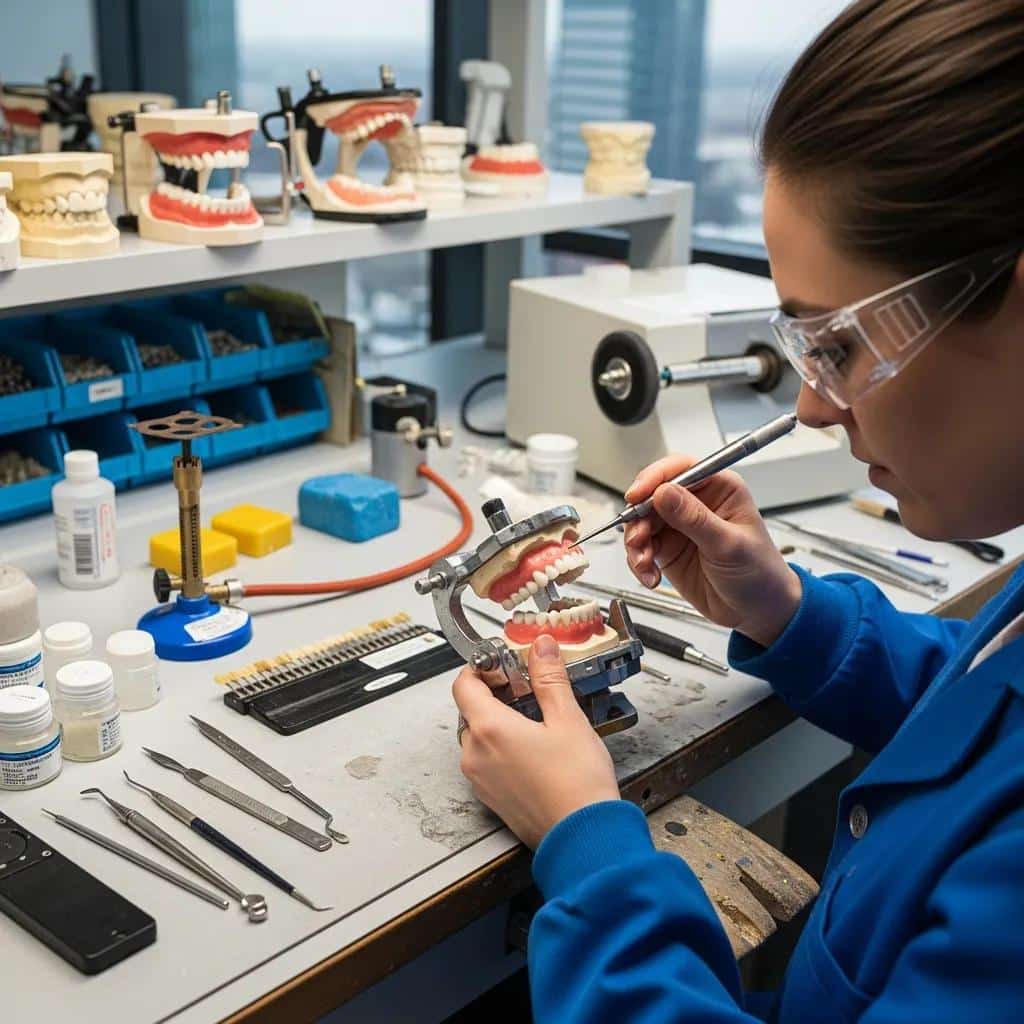
Adapting to dentures involves an initial soft-tissue healing and muscle retraining phase followed by ongoing relines and adjustments to maintain fit, with distinct differences between traditional removable dentures and implant-supported overdentures. In the first days to weeks, patients commonly experience sore spots, increased salivation, and changes in speech and chewing efficiency as oral tissues and muscles adapt to the prosthesis; dental teams often perform several adjustment visits to alleviate pressure points. Traditional dentures rest on mucosa and underlying bone, and chronic loading patterns can accelerate alveolar bone resorption over months and years, causing progressive fit changes that require relines or remakes. Implant-supported dentures anchor to fixtures, reducing movement and improving function while preserving bone by transmitting load to bone through osseointegrated implants. Understanding these paths helps patients anticipate the number of adjustment visits and the likely long-term maintenance required to preserve comfort and oral health.
The table below compares traditional and implant-supported dentures across healing and bone-health attributes.
Denture Type
Initial Healing/Adjustment
Long-Term Bone Impact
Traditional removable denture
Sore spots, speech/chewing adaptation over weeks
Progressive bone resorption; frequent relines
Implant-supported overdenture
Surgical healing for implants; soft-tissue adaptation to prosthesis
Preserves alveolar bone better via load transfer
Immediate temporary prosthesis
Quick esthetic solution; requires close adjustments
May mask bone loss without addressing underlying support
How Do Traditional Dentures Affect Healing and Bone Health?
Traditional dentures rely on mucosal support and the underlying alveolar ridge, and over time the absence of tooth roots causes bone remodeling and resorption that changes denture fit and facial support. The initial tissue response includes localized soreness and ulceration at pressure points that typically resolves with adjustments, but the progressive nature of bone loss may require relines every few years or remaking dentures to restore fit and function. Bone resorption follows a predictable pattern where the maxilla and mandible lose height and volume at different rates, altering occlusion and facial esthetics and sometimes complicating future implant placement. Management strategies focus on careful relining protocols, use of soft liners for fragile mucosa, and timely assessment for implant candidacy if long-term stability is desired. Early planning for implant support can mitigate bone loss, whereas relying solely on traditional dentures usually entails ongoing adaptation and periodic prosthetic replacement.
What Are the Benefits and Healing Differences of Implant-Supported Dentures?
Implant-supported dentures anchor to osseointegrated fixtures and therefore combine the prosthetic advantages of dentures with the stability and bone-preserving benefits of implants, changing both the surgical and adaptation timelines. Surgical placement of implants for overdentures requires typical implant healing (soft-tissue closure then several months of osseointegration) before full loading in many protocols, although some designs allow earlier stabilization with locator attachments. Once implants integrate, patients typically report improved chewing efficiency, reduced movement, and fewer sore spots, reducing the number of adjustment visits compared with traditional dentures. Importantly, transmitting occlusal forces to bone through implants slows alveolar resorption and preserves ridge height, supporting better facial structure and prosthetic fit long term. While initial treatment complexity and healing time increase, the functional and maintenance benefits often yield superior patient satisfaction and lower long-term prosthetic turnover.
How Do Healing Times and Patient Experiences Compare: Implants vs. Bridges vs. Dentures?
Comparing healing timelines and patient experiences clarifies trade-offs: implants require longer biologic healing but offer superior long-term stability, bridges restore function quickly with limited bone impact but at cost to adjacent teeth, and dentures provide fast solutions with the greatest need for adaptation and maintenance. Initial discomfort typically peaks fastest with implant surgery (first 48–72 hours) but then resolves while bone continues to integrate for months, whereas bridges involve shorter soft-tissue recovery and minimal long-term biologic healing. Dentures have a longer adaptation phase for speech and mastication but avoid surgical bone healing when chosen as a non-surgical route. Patient profiles play a role: active adults seeking durable long-term solutions often favor implants, patients needing faster non-surgical work may choose bridges, and those prioritizing cost and speed may accept dentures and their maintenance schedule. A concise comparison table below highlights typical recovery durations, common side effects, and maintenance burdens to help readers decide.
What Are the Key Differences in Healing Duration and Discomfort?
Quantitatively, implants demand the longest biologic timeline (3–6 months for osseointegration) with an acute postoperative discomfort phase, bridges normally allow return to near-normal function within two weeks, and dentures involve a variable adaptation period that may last weeks to months. Pain with implants is often most intense during the first 48–72 hours but is usually controllable with NSAIDs and short courses of prescribed analgesics; swelling and bruising follow a similar acute curve. Bridges produce localized sensitivity rather than surgical pain, while denture wearers commonly report pressure-related soreness and mucosal irritation that improves after successive adjustments. Pain control strategies vary accordingly: implants may require stronger analgesia and careful wound care, bridges benefit from desensitizing agents, and dentures improve with relining and topical protective measures. Recognizing these differences helps patients prepare expectations and manage recovery proactively.
How Do Care Requirements Vary Among Tooth Replacement Options?
Daily and professional care demands differ: implants need excellent oral hygiene, periodic professional checks for peri-implant health, and radiographic monitoring; bridges require meticulous flossing at margins and monitoring of abutment tooth vitality; dentures demand nightly cleaning, adhesive management, and periodic relines. Implant care focuses on preventing peri-implantitis through plaque control and interdental cleaning around abutments, while bridge care stresses flossing beneath pontics and avoiding high forces that can compromise crowns. Denture maintenance requires removing biofilm daily, soaking, and ensuring the prosthesis is adjusted promptly when sore spots occur. Follow-up intervals vary: implants may be reviewed at regular intervals post-restoration, bridges at routine dental visits, and denture wearers often need earlier visits for relines and adjustments. These varied care profiles affect long-term costs, maintenance time, and the likelihood of complications.
In the comparison table above, note: Affordable Dentist Near Me – Crowley offers free implants consultations to review personalized timelines and candidacy for implant-supported options at their Crowley practice, which can help translate these general timelines into an individualized plan.
What Factors Influence Healing After Tooth Replacement?
Healing after tooth replacement depends on patient health (smoking status, diabetes control), local oral condition (periodontal disease, bone density), and procedural factors (need for bone grafts, implant size, surgical technique). Systemic conditions that impair microvascular perfusion or immune response slow tissue repair and raise infection risk, while local periodontal inflammation undermines surgical outcomes if not controlled before prosthetic work. Surgical factors such as the requirement for bone grafting or sinus augmentation introduce additional healing phases, and clinicians choose implant dimensions and surgical approaches based on CBCT imaging that affect initial stability. Medication use — for example, bisphosphonates or immunosuppressants — can also modify risk profiles for bone healing and should be communicated with the dental team. Appreciating these influences enables targeted optimization efforts prior to treatment to improve integration and reduce complications.
Below is a practical checklist of patient and procedural factors that commonly influence healing outcomes.
Smoking status and tobacco use
Glycemic control in diabetes
Current periodontal health and untreated infection
Bone quality and need for bone grafting or sinus lift
Medications affecting bone turnover or immune response
This checklist highlights modifiable and non-modifiable variables; addressing modifiable risks before surgery improves the odds of predictable, timely healing.
How Do Patient Health and Oral Hygiene Affect Healing Outcomes?
Patient health directly affects both soft-tissue repair and bone remodeling, making smoking cessation, glycemic control, and periodontal therapy crucial preoperative steps to improve outcomes. Smoking compromises blood flow, delays wound healing, and increases peri-implantitis risk, while poorly controlled diabetes impairs collagen formation and immune response, leading to higher complication rates. Local oral hygiene influences plaque levels at the surgical site; preoperative scaling and periodontal stabilization reduce bacterial burden and the risk of postoperative infection. Optimizing these factors involves pre-op counseling, smoking cessation programs, medical coordination for diabetes management, and ensuring active periodontal disease is treated before definitive restorative or surgical interventions. Taking these steps reduces the chance of graft failure, delayed osseointegration, and prosthetic complications.
What Role Do Diet and Pain Management Play in Recovery?
Diet and pain control are practical levers patients can use to support healing: a soft, nutrient-rich diet in the early days reduces mechanical trauma and promotes tissue repair while effective analgesia helps maintain comfort without compromising function. Early post-op diets focus on soups, purees, and soft proteins that supply calories and protein for wound healing, progressing to more textured foods as comfort and function return; avoiding crunchy or sticky foods prevents suture disruption and prosthetic damage. Pain management typically uses NSAIDs as first-line therapy, with short courses of stronger analgesics if needed, and adjunctive measures like ice, elevation, and topical anesthetics can reduce swelling and discomfort. Clear guidance on medication timing, interactions with existing prescriptions, and when to call for worsening pain ensures safe and adequate symptom control while promoting healing.
What Are Common Healing Complications and How Can They Be Addressed?
Common complications include infection, peri-implantitis, implant mobility or failure, prosthesis loosening, and persistent pain or numbness, and each requires targeted identification and timely management to preserve outcomes. Early infection often presents with increasing pain, swelling, purulence, and sometimes fever; management includes antibiotics, drainage if needed, and removal of offending foreign material in severe cases. Peri-implantitis involves bone loss around implants and may need mechanical debridement, antimicrobial therapy, and regenerative approaches depending on severity. Prosthetic issues such as loosened crowns, fractured frameworks, or ill-fitting dentures usually respond to adjustments, recementation, or remakes. Preventive strategies — rigorous hygiene, smoking cessation, regular professional maintenance — reduce the incidence of many of these problems and support early intervention when symptoms first appear.
The list below identifies red-flag symptoms that warrant prompt clinical evaluation.
Increasing pain after initial improvement: Suggests infection or mechanical complication.
Continuous bleeding or swelling beyond 72 hours: Possible hematoma or infection risk.
Fever or systemic symptoms: Indicates spreading infection requiring urgent care.
These red flags emphasize early detection; acting quickly improves the likelihood of conservative solutions rather than extensive remediation.
What Are Signs of Infection or Implant Failure to Watch For?
Signs that suggest infection or impending implant failure include persistent or worsening pain after the expected postoperative period, purulent drainage, increased swelling, implant mobility, and systemic signs such as fever or malaise. Normal healing trends toward reduced pain and swelling after the first few days, so any reversal of that pattern is concerning and merits early evaluation. Mobility of an implant is a critical sign of failed osseointegration and usually requires removal or revision, whereas localized drainage may respond to antibiotics and debridement if caught early. Differentiating normal postoperative discomfort from complications depends on timing and symptom trajectory: steady improvement is reassuring, while plateauing or deterioration calls for urgent assessment. Prompt clinical response reduces the need for more invasive interventions and preserves remaining structures.
How Can Patients Prevent and Manage Post-Operative Problems?
Prevention emphasizes good oral hygiene, smoking cessation, controlling systemic disease, and attending scheduled follow-ups; management protocols include guided rinses, topical agents, antibiotics when indicated, and timely prosthetic adjustments to relieve pressure points. Implement a daily oral hygiene routine tailored to the prosthetic type — gentle cleansing around implants, interdental cleaning for bridges, and denture cleaning at night — to minimize biofilm accumulation. If complications arise, immediate steps include gentle saline or antiseptic rinses, avoiding trauma to the area, and contacting the dental team for evaluation; do not attempt to self-adjust or reline prostheses at home. Maintaining a predictable follow-up schedule allows early detection of peri-implant mucositis or marginal leakage in bridges, and relining appointments for dentures can be scheduled proactively based on tissue changes. These practices reduce risk and improve long-term success.
How Can You Optimize Your Recovery and When Should You Schedule a Consultation?
Optimizing recovery starts with preoperative preparation (control of systemic risks, smoking cessation, and periodontal health), follows with focused immediate postoperative actions (rest, ice, prescribed medications, soft diet), and continues with disciplined oral hygiene and scheduled follow-ups to monitor healing. Priorities include maintaining clean surgical sites without trauma, meeting nutritional needs for tissue repair, and avoiding early loading or excessive forces on healing implants or restorations. Red flags that should prompt immediate consultation include prolonged or increasing pain, frank drainage, fever, loose implants or prostheses, and numbness that does not resolve; these warrant urgent clinical attention. For patients weighing options or seeking personalized timelines, a consultation can clarify candidacy, expected stages, and what to expect during recovery; Affordable Dentist Near Me – Crowley provides free implants and denture consultations that include an exam and X-ray to create a tailored plan.
Below is a focused checklist of essential post-operative steps you can implement immediately to support faster, safer healing.
Follow prescribed medications and analgesic schedule as instructed.
Use ice and rest in first 48–72 hours to control swelling.
Maintain a soft, protein-rich diet and stay hydrated.
Practice gentle oral hygiene and avoid disturbing surgical sites.
Attend all scheduled follow-ups for early intervention if needed.
What Are Essential Post-Operative Care Tips for Faster Healing?
Essential care tips combine mechanical protection, infection prevention, and nutritional support to accelerate recovery: rest and avoid strenuous activity in the first 48–72 hours; apply intermittent ice for swelling control; consume soft foods rich in protein and vitamins to support tissue repair; adhere to analgesic and any antibiotic regimens; and practice gentle but consistent oral hygiene to limit bacterial colonization. Use of chlorhexidine rinses can reduce surface bacteria when recommended, while avoiding smoking and alcohol removes major impediments to mucosal and bone healing. Manage prosthetic devices carefully — avoid hard or sticky foods for temporaries, and do not attempt home adjustments of dentures or bridges. Finally, keep scheduled appointments for suture removal, review of healing progression, and adjustments; proactive follow-up often prevents minor issues from becoming complex.
How Does Affordable Dentist Near Me – Crowley Support Your Healing Journey?
Affordable Dentist Near Me – Crowley provides relevant restorative and surgical services that support healing after tooth replacement, including dental implants, dentures, crowns, bridges, extractions, periodontal care, and sedation options that can improve comfort during procedures. The practice emphasizes accessibility through free consultations for implants and dentures and offers promotional value such as everyday low fees, a free whitening pen, and free laser whitening with cleaning, exam, and X-ray as noted offerings that may accompany restorative care; new patients are welcome and extended hours are available to improve access. A free implant or denture consultation typically includes a clinical exam and X-ray assessment to evaluate bone, soft-tissue conditions, and candidacy for specific options so patients receive a personalized plan and timeline for healing. If you want a tailored assessment after reviewing this guide, scheduling a free consultation at Affordable Dentist Near Me – Crowley’s Crowley location will help translate general timelines into an individualized treatment pathway.
What to expect at the free consult: exam, X-ray assessment, candidacy discussion.
Practice services relevant to recovery: implants, dentures, crowns, bridges, extractions, periodontal care, sedation.