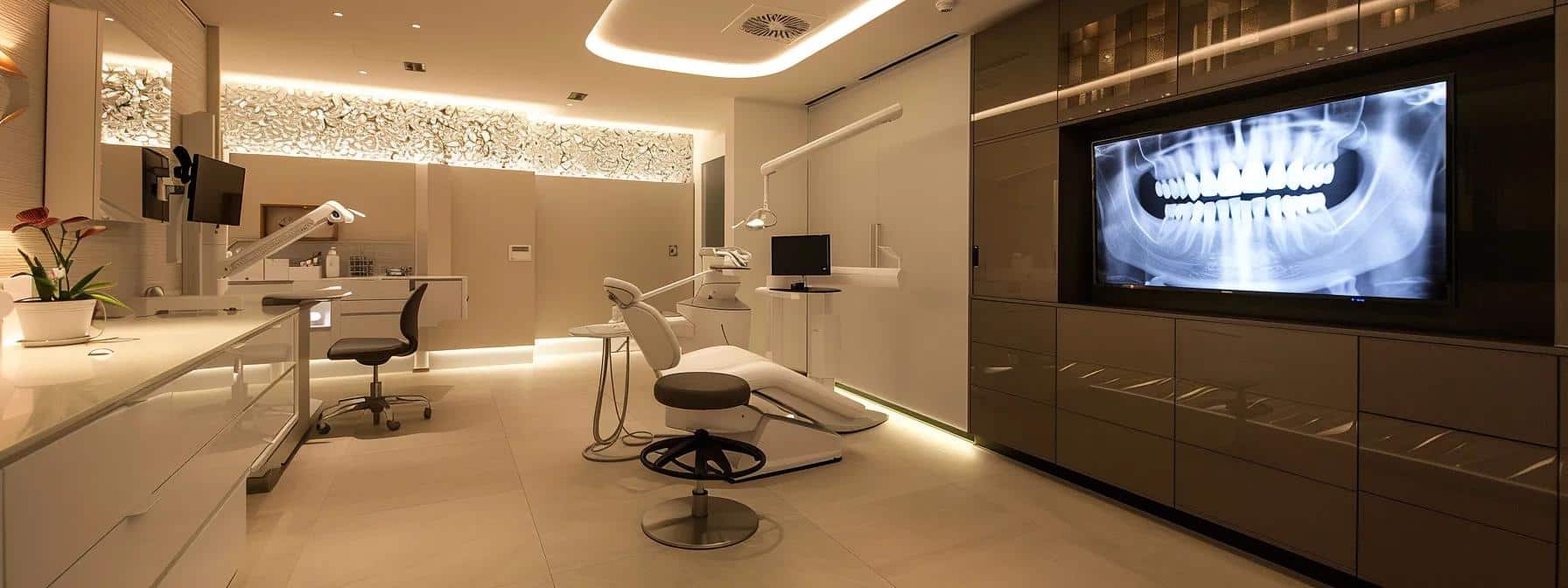
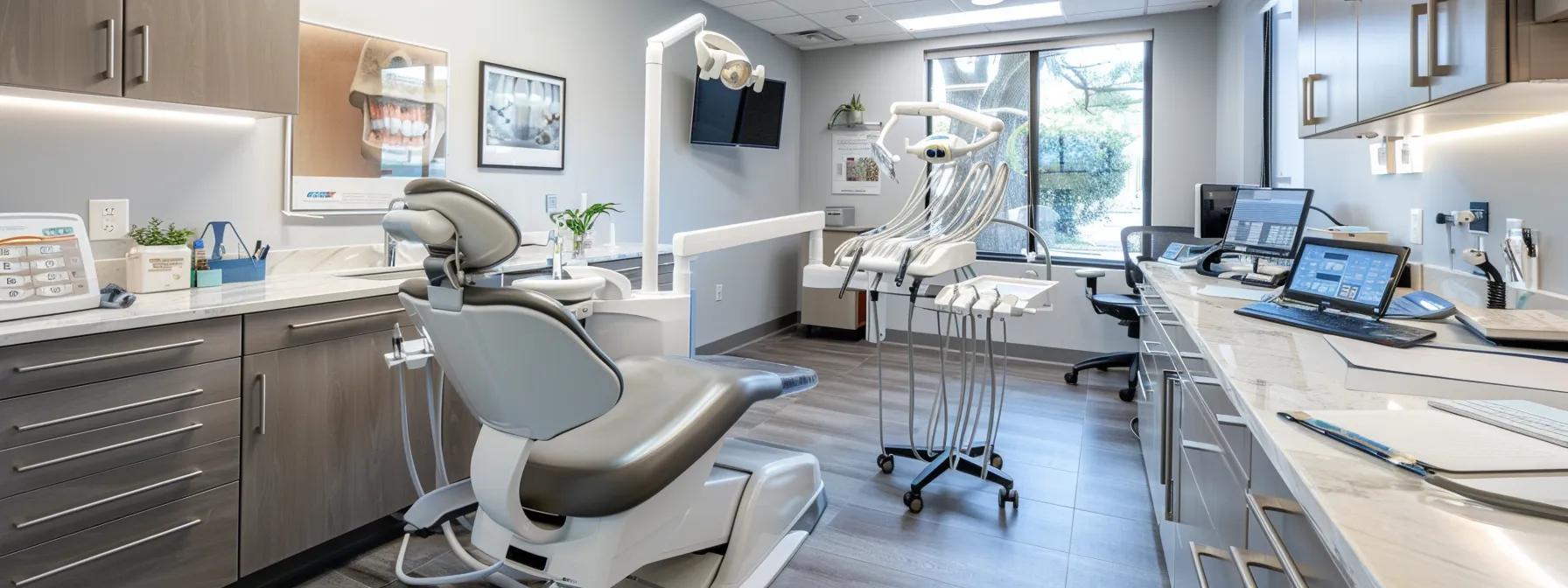
Dental implant treatments in Lake Worth, TX offer a lasting solution for restoring missing teeth and achieving a confident smile. Modern dental implant procedures replace tooth roots with titanium posts and attach crowns that mimic natural teeth. Patients in their 40s to 60s, who often face challenges such as worn teeth, bone loss, and recurring decay, can regain natural aesthetics and function with these implants. With advanced techniques, affordable monthly payment options, and free initial consultations, the dental office provides personalized treatment from consultation to follow-up care, ensuring a comfortable, efficient, and successful experience. Dental implants also help prevent bone loss, reduce soft tissue inflammation, and promote overall oral hygiene for long-term dental health.
In Lake Worth, patients receive a comprehensive evaluation of their dental history, jawbone density, and overall health. The treatment process is carefully scheduled with steps that include surgical placement, healing for osseointegration, and the final fitting of the crown. The practice also addresses special concerns like sedation for anxious patients, ensuring each procedure meets specific aesthetic and functional needs. With premium materials such as high-grade titanium and a focus on both biological and cosmetic aspects, dental implants improve chewing efficiency, speech clarity, and self-esteem.
For many, dental implants are not just a replacement but a long-lasting solution. They boost confidence, restore function, and integrate seamlessly with natural gum tissue. Advanced periodontal care and state-of-the-art surgical methods further enhance their transformative effect. This article explores various aspects of dental implants—from options and benefits to the process and essential periodontal care—all aimed at helping dental patients in Lake Worth find affordable, high-quality implant solutions.
Transitioning into the specifics, the following key takeaways summarize the main points:
Key Takeaways
Dental implants offer a long-lasting, natural tooth replacement that improves chewing ability and aesthetics.
The procedure includes initial consultation, personalized treatment planning, surgical placement, and follow-up care.
Advanced materials like titanium posts provide durability while modern methods promote bone preservation.
Expert periodontal care ensures long-term implant health and success.
Affordable payment plans and free consultations make dental implants accessible in Lake Worth.
Understanding Your Dental Implant Options in Lake Worth
What Are Dental Implants?
Dental implants are small titanium posts surgically embedded into the jawbone that serve as a substitute for the natural tooth root. They restore function and aesthetics while triggering bone growth that prevents resorption. Implants support crowns and stimulate the jawbone to maintain facial structure. They are considered the gold standard for replacing lost teeth due to their durability compared to traditional bridges or dentures. Research from the American Academy of Periodontology shows that proper implant placement minimizes inflammation, supports normal chewing, and provides a reliable, natural-looking smile.
Different Types of Dental Implants Available
There are several dental implant options tailored to different patient needs. The most common is the endosteal implant, inserted directly into the jawbone to support a crown, bridge, or denture. Subperiosteal implants are placed on the jawbone beneath the gum tissue and are used when bone density is low. Mini implants are smaller and serve for temporary stabilization or when minimal bone is available. Options like All-on-4 and All-on-6 support a full arch of teeth with four or six implants respectively. Custom zirconia implants are emerging as a metal-free alternative for patients with metal sensitivities. Each type offers unique benefits based on the patient’s mouth anatomy, bone density, and aesthetic needs.
Benefits of Selecting Dental Implants
Dental implants restore the ability to chew a wide range of foods efficiently and prevent bone loss by stimulating the jaw. Besides maintaining facial structure, implants look and feel like natural teeth and remain stable, reducing discomfort or slipping common with dentures. They also help preserve adjacent teeth since they function independently. The ease of maintenance and durability of dental implants make them a highly favored option among dental professionals.
Comparing Dental Implants to Other Tooth Replacement Options
Compared to dentures and bridges, dental implants provide a more stable, permanent solution. Dentures often require adjustments and can affect eating and speaking, while bridges may compromise adjacent teeth by requiring them to be ground down. Implants replace the tooth root itself, preserving bone density for a more natural look over time. Patients report higher satisfaction with implants due to their longevity and improved self-confidence.
Materials Used in Modern Dental Implants
Modern dental implants primarily use titanium because of its proven biocompatibility, strength, and ability to integrate with bone—a process known as osseointegration. Zirconia implants are gaining popularity as a metal-free option with excellent aesthetic properties under ceramic crowns. Other innovations include surface treatments like plasma spraying and acid etching to increase surface roughness and promote quicker bone integration. These advancements ensure durable and attractive restorations that mimic natural tooth roots.
The Advantages of Choosing Dental Implants for Smile Restoration
Achieve a Natural Look and Feel With Dental Implants
Dental implants deliver a natural appearance by mimicking real tooth structure. Their custom-made crowns match a patient’s existing teeth in color and form, integrating seamlessly into the smile. The implant, embedded in the jawbone, functions like a natural root, providing a familiar biting sensation. Clinical evidence shows that patients experience improved self-esteem and facial harmony after opting for implants, while evenly distributed biting forces promote better oral health.
Improve Chewing Ability and Speech Clarity
Functioning like natural teeth, implants dramatically improve chewing performance, allowing patients to enjoy a diverse diet without the issues of slippage common in dentures. The permanent bond to the jawbone ensures that implants remain stable during chewing, aiding in digestion and nutritional intake. This stability also supports clear speech by allowing the tongue to interact naturally with the teeth, ensuring confidence in daily communication.
Long-Term Durability of Dental Implants
Dental implants are built to last, with survival rates exceeding 95% over 10 years when maintained properly. Thanks to high-grade titanium alloys and advanced surface treatments, implants maintain their function and form through regular oral hygiene and periodic dental check-ups. Their robust integration with the jawbone minimizes complications, making implants a cost-effective long-term solution that spares patients the recurring expenses of traditional tooth replacement methods.
Prevent Bone Loss With Dental Implant Placement
A major benefit of dental implants is preventing bone loss. When a natural tooth is lost, the lack of stimulation accelerates bone resorption. Implants, acting as substitutes for natural roots, restore the necessary physical forces to maintain bone density. This preservation of bone not only keeps facial structures intact but also enhances the longevity and stability of the implant system, reducing the risk of periodontal disease.
Boost Your Confidence With a Restored Smile
Dental implants can transform a smile and dramatically boost self-confidence. A restored, gap-free smile enhances personal appearance and improves social interactions. Beyond functionality, implants help maintain jawbone integrity, leading to a more youthful look. This boost in self-esteem can positively influence both personal and professional aspects of life.
The Dental Implant Procedure Journey in Lake Worth
Your Initial Dental Implant Consultation in Lake Worth
The journey begins with a thorough consultation where the dental professional evaluates your oral health, jawbone density, and specific aesthetic needs. During this visit, the dentist performs examinations including radiographs, CT scans, and digital impressions to discuss benefits and potential risks. A personalized treatment plan is developed based on individual requirements such as sinus lift or interim restorations. This initial consultation also covers financing options and establishes a foundation of trust between patient and dentist.
Personalized Treatment Planning for Dental Implants
In this phase, the dentist creates a treatment blueprint tailored to your dental history, bone condition, and overall health. The plan details each step—from implant surgery to crown placement—and discusses any needed adjustments, such as bone grafting for low density. Imaging techniques help simulate the procedure, setting realistic expectations. Patients learn about post-operative care and the importance of oral hygiene, ensuring clear expectations for healing and recovery.
The Dental Implant Placement Process
The implant placement is a precise surgical procedure performed under local anesthesia or sedation for comfort. A small incision exposes the jawbone, and a titanium post is drilled into place to act as a root substitute. Precision in angulation and depth is critical to secure osseointegration. After implant insertion, the gum is sutured to promote healing. Depending on individual conditions, immediate loading protocols may be applied. The procedure typically lasts one to two hours, followed by specific post-operative care instructions.
Healing and Osseointegration After Implant Surgery
Osseointegration, the process where the implant fuses with the bone, is crucial for long-term success and usually takes three to six months. During this period, patients are advised to avoid placing excessive pressure on the implant. Regular follow-up visits and imaging confirm proper integration and implant anchorage. Maintaining excellent oral hygiene and careful dietary restrictions during this time are essential for preventing post-surgical infections and ensuring stability.
Attaching Your New Teeth to the Dental Implants
Once the implant fully integrates, the final phase involves attaching the dental crown. This restoration step uses a custom-made crown—often porcelain or ceramic—to match your natural teeth. An abutment connects the crown to the implant, and adjustments are made to achieve an optimal bite. This final attachment restores both function and aesthetics, leaving patients with a comfortable and natural-looking smile.
Expert Periodontal Care for Your Dental Implants in Lake Worth
The Role of a Periodontist in Successful Dental Implants
Periodontists play a critical role by ensuring the gum tissues and bone supporting the implant remain healthy. They perform pre-surgical assessments and use techniques like scaling, root planing, and laser therapy to reduce the risk of complications such as peri-implantitis. Their expertise in managing both hard and soft tissues is essential for achieving functional stability and aesthetic excellence.
Gum Health Assessment Prior to Dental Implant Surgery
Prior to the implant procedure, a comprehensive gum health evaluation is conducted. This assessment checks for inflammation, recession, and periodontal pockets using tools like periodontal probes and radiographs. If active gum disease is present, treatments such as deep cleaning or antibiotics are administered to stabilize conditions, ensuring the implant is supported by healthy tissue.
Bone Grafting for Dental Implants in Lake Worth
For patients lacking sufficient jawbone density, bone grafting rebuilds or augments the bone structure to provide a solid foundation for the implant. Bone particles, whether from the patient, a donor, or synthetic materials, are placed near the deficient area and gradually integrate into new bone growth. After a healing period of three to six months, the grafted bone strengthens the prospects for successful implant stability and preserves overall oral health.
Managing Gum Tissue Around Dental Implants
Managing the gum tissue around implants involves careful nurturing and contouring to create a natural-looking gum line. Post-implant, periodontists may perform minor surgical adjustments or soft tissue grafts to ensure even healing and symmetry. Regular post-operative instructions help maintain optimal soft tissue health, forming a barrier against bacterial invasion and prolonging implant longevity.
Long-Term Periodontal Maintenance for Implant Longevity
Long-term success of dental implants relies on regular periodontal maintenance. This includes periodic professional cleanings, comprehensive evaluations, and additional treatments like laser therapy to prevent plaque buildup and peri-implantitis. Patients are encouraged to adopt thorough oral hygiene routines using specialized brushes and rinses, with regular dental visits essential to sustaining the health of both the implant and surrounding tissues.
Are You a Candidate for Dental Implants in Lake Worth?
Assessing Your Oral Health for Dental Implants
Assessing overall oral health is crucial to determine candidate suitability. This evaluation reviews existing teeth, gum health, and dental diseases using diagnostic tests like X-rays and CT scans to determine bone density and identify potential challenges. Patients with severe periodontal disease or untreated decay may require preliminary treatments to prepare for successful implant integration.
Sufficient Jawbone Density for Implant Support
A stable jawbone with sufficient density is essential for implant success. Imaging techniques assess bone quality and quantity, and if the bone is insufficient, bone grafting may be recommended. Adequate jawbone density not only secures the implant but also preserves facial structure, reducing the risk of implant failure due to insufficient support.
General Health Considerations for Dental Implant Success
Overall systemic health, including factors like controlled diabetes, cardiovascular health, and smoking status, is assessed as these can affect wound healing and osseointegration. A thorough medical history and coordinated care with a primary physician ensure patients are in optimal health for surgery, reducing the risk of complications during recovery.
Discussing Your Smile Goals for Dental Implants in Lake Worth
Discussing your smile goals is fundamental for crafting a treatment plan that meets both aesthetic and functional expectations. Through detailed consultations, patients share their desired outcomes—whether for a single tooth, multiple teeth, or a full arch—and explore options such as implant-supported crowns, bridges, or dentures. This open dialogue ensures that expectations are realistic and every step of the plan is tailored to individual needs.
Alternatives if You Are Not an Immediate Candidate
Not every patient may be ready for dental implants immediately. For those with insufficient oral health or bone density, initial treatments like periodontal therapy or bone grafting can improve conditions before implant placement. Temporary solutions such as removable partial dentures or bridges may also be recommended, ensuring that patients have a pathway toward eventual implant placement as their oral health improves.
Investing in Your Smile With Dental Implants in Lake Worth
Understanding the Cost of Dental Implants in Lake Worth
Dental implants are a long-term investment in oral health. The cost is broken down into surgical fees, material expenses, and follow-up care, and patients receive a detailed expense breakdown during a free consultation. Although implants may have a higher upfront cost compared to dentures, their durability and low maintenance make them cost-effective over time.
Insurance Coverage and Financing for Dental Implants
Insurance coverage for dental implants varies; some plans may cover parts of the procedure. Patients are encouraged to review their policies, and clinics often offer flexible monthly payment plans and financing options. Transparent discussions about costs and third-party financing help ensure that treatment remains accessible without compromising quality.
The Value of Dental Implants as a Long-Term Solution
Dental implants provide lasting value by offering a permanent solution that minimizes the need for frequent adjustments or replacements common with other options. Enhanced longevity, reduced maintenance, and preservation of jawbone integrity contribute to a better return on investment and an improved quality of life.
Caring for Your Dental Implants Post-Procedure
Post-procedure, proper dental hygiene and regular professional cleanings are essential to maintain implant health. Patients are advised on gentle brushing, flossing, and antimicrobial rinses to prevent inflammation and bacterial buildup. Ongoing support and routine follow-up appointments ensure the implant remains stable and healthy over the long term.
Scheduling Your Dental Implant Consultation in Lake Worth
Scheduling a consultation is the first step toward a transformed smile. During a no-obligation appointment, experienced dental professionals review your oral health, aesthetic goals, and treatment options while discussing potential timelines and financing. This initial visit paves the way to achieving a functional, attractive smile tailored to your needs.
Detailed List: Dental Implant Benefits and Considerations
Below is a detailed list of key benefits and considerations for dental implants in Lake Worth:
Enhanced Chewing Efficiency – Improved Mastication and Nutrition Dental implants function like natural teeth, significantly improving chewing which aids digestion and nutrient absorption. Their restored masticatory performance enhances overall nutritional intake and allows patients to enjoy a varied diet without discomfort.
Long-Lasting Durability – Superior Stability and Functionality Implants are designed to last with survival rates over 95% in a decade. Their robust integration with the jawbone, supported by high-grade titanium and advanced surface treatments, ensures constant stability even under regular chewing forces.
Natural Aesthetics – Seamless Integration with Your Smile Custom crowns attached to implants are color-matched to your teeth, creating a natural appearance. This seamless integration boosts self-confidence while providing a restoration that looks, feels, and functions like a natural tooth.
Prevention of Bone Loss – Preservation of Jawbone Integrity Implants stimulate the jawbone by mimicking natural tooth roots. This osseointegration process prevents bone resorption, preserving facial structure and supporting long-term implant stability.
Improved Speech and Comfort – Enhanced Oral Functionality Stable implants restore natural speech and comfort, eliminating issues like slippage seen in dentures. They support proper articulation and enable clear communication, thereby enhancing overall quality of life.
Enhanced Self-Confidence – A Transformative Cosmetic Advantage A full, natural-looking smile from dental implants significantly boosts self-esteem. This transformation positively impacts personal interactions and professional presence.
Simplified Oral Hygiene – Easier Maintenance and Care Unlike removable alternatives, implants can be cared for using regular brushing and flossing. This simple maintenance routine, alongside routine dental visits, helps sustain long-term oral hygiene.
Table 1: Comparison of Tooth Replacement Options
Below is a table comparing dental implants with other tooth replacement methods:
Option
Stability
Bone Preservation
Longevity
Aesthetics
Maintenance
Patient Comfort
Cost Efficiency
Dental Implants
Excellent
Excellent preservation
10+ years
Superior
Easy to maintain
High
High initial cost but cost-effective long-term
Removable Dentures
Moderate
Does not prevent loss
5-7 years
Average
Requires cleaning
Low – may slip
Lower upfront cost but recurring expenses
Fixed Bridges
Good
May compromise adjacent
5-10 years
Good
Moderate maintenance
Moderate
Moderate; may require adjacent tooth modification
Partial Dentures
Fair
Limited impact
5-7 years
Variable
High maintenance
Low
Low upfront cost but frequent repairs required
Table 2: Materials Used in Modern Dental Implants and Their Benefits
The following table details the materials commonly used in dental implants along with their benefits:
Material
Key Feature
Benefit
Biocompatibility Level
Longevity
Risk of Allergic Reaction
Preferred Use
Titanium
High strength, lightweight
Excellent osseointegration
Extremely high
10+ years
Minimal
Most common implant base
Zirconia
Metal-free, white color
Superior aesthetics
Very high
10+ years
Minimal
Patients with metal sensitivity
Titanium Alloy
Enhanced durability with alloying
Increased strength
High
10+ years
Very low
Heavy bite force cases
Ceramic
Aesthetic, natural tooth color
Superior visual integration
Moderate
7-10 years
Very low
Esthetic crowns and veneers
Composite Materials
Engineered for optimal performance
Customizable properties
Moderate
Variable
Low
Specific cases requiring tailored solutions
Surface-Treated Titanium
Modified to increase roughness
Improved bone contact
Extremely high
10+ years
Minimal
Standard implants with enhanced osseointegration
Bioactive Coatings
Added blend of minerals
Accelerated healing
High
10+ years
Minimal
Enhancing early-stage healing
Table 3: Dental Implant Procedure Timeline and Key Steps
Below is a timeline table detailing the steps involved in the dental implant procedure from consultation to final restoration:
Stage
Duration
Key Procedures
Patient Experience
Clinical Outcome
Post-Op Care Required
Success Rate Estimate
Initial Consultation
1 session (1-2 hrs)
Oral exam, imaging, treatment advice
Informative, comfortable
Treatment plan creation
Minimal
99%
Personalized Treatment Planning
1-2 weeks
Detailed evaluation, simulation
Collaborative
Tailored treatment blueprint
None
99%
Implant Placement Surgery
1-2 hrs
Incision, drilling, implant insertion
Under sedation/anesthesia
Implant insertion achieved
Strict hygiene protocols
95%-98%
Healing and Osseointegration
3-6 months
Bone integration, stability assurance
Minimal discomfort
Secure osseointegration
Regular check-ups
95%
Abutment Placement
1 session (1-2 hrs)
Connector fitting between implant & crown
Quick procedure
Connector piece creation
Minor post-op instructions
98%
Final Crown Attachment
1 session (1-2 hrs)
Custom crown fitting, adjustments
Transformative
Functional, natural smile
Routine dental visits
98%
Long-Term Maintenance
Ongoing
Periodic professional cleanings, evaluations
Routine care
Sustained implant health
Continuous home care
95%
Frequently Asked Questions
Q: What exactly are dental implants and how do they work? A: Dental implants are titanium posts surgically inserted into the jawbone that serve as artificial tooth roots. They bond with the bone through osseointegration, allowing a dental crown to be attached to restore natural function and appearance. Implants improve chewing efficiency and prevent bone loss, making them a reliable long-term solution.
Q: How long does the entire dental implant procedure take? A: The dental implant journey spans several months. After the initial consultation and planning, the surgical placement takes about 1-2 hours, followed by a healing period of 3-6 months for osseointegration. Once integrated, the abutment and final crown are attached in subsequent appointments.
Q: Are dental implants suitable for everyone, especially those with low jawbone density? A: Most patients are good candidates, but those with low jawbone density may require additional procedures like bone grafting prior to implant placement. A thorough clinical evaluation determines the best approach, and alternatives such as subperiosteal implants may be considered when necessary.
Q: What types of materials are used for dental implants and are there alternatives to titanium? A: Titanium is the most common material used due to its excellent osseointegration and durability. Zirconia serves as a metal-free alternative offering superior aesthetics for patients with metal sensitivities. Both options have high success rates and are chosen based on individual needs.
Q: How do dental implants compare to dentures in terms of maintenance and cost? A: While dental implants have a higher initial cost, they are more cost-effective long term due to better durability and reduced need for adjustments. Implants require regular care similar to natural teeth, unlike dentures which often need adhesives, adjustments, or replacement.
Q: Is the dental implant procedure painful and what is the recovery like? A: Most patients experience minimal pain thanks to local anesthesia and sedation. Post-operative discomfort is managed with medication, and most report only mild soreness during the healing phase, with the long-term benefits far outweighing the temporary discomfort.
Q: How soon can I see results and resume normal activities after getting dental implants? A: While the surgical procedure is quick, full healing and osseointegration take about 3 to 6 months. Once the implant is integrated and the crown is attached, normal dental function is gradually restored, allowing most patients to resume daily activities shortly after surgery.
Final Thoughts
Dental implants offer a transformational solution for restoring oral function and enhancing aesthetics. From the initial consultation to personalized treatment planning, precise surgical placement, and diligent follow-up care, the process ensures long-lasting benefits. By choosing dental implants in Lake Worth, patients achieve natural-looking, durable restorations supported by expert periodontal care and accessible financing. For those looking to regain functionality and confidence in their smile, scheduling a free consultation is the first step toward a healthier, more beautiful future.