Your Journey to a New Smile: Understanding the Waiting Period Between Tooth Extraction and Dental Implant
Understanding the timeline between a tooth extraction and getting your dental implant can help you plan your recovery, temporary solutions, and budget with complete confidence. This article will walk you through the three main timing pathways—immediate, early, and delayed implant placement—explaining why our experienced team might choose each approach and what it means for your healing, bone health, and beautiful final results. You’ll discover how factors like infection, bone quality, and the need for grafting influence your recommended timeline, how osseointegration fits into the schedule, and what to expect at each stage, from extraction to your final crown. We’ll also provide practical guidance on managing any anxiety, ensuring temporary aesthetics, and exploring financing options, so you can make an informed decision and minimize time away from your work or social life. The sections below cover typical waiting periods with a helpful comparison table, eligibility and pros/cons for immediate placement, grafting and delayed timelines with a graft-type table, osseointegration stages with a process table, patient factors that influence timing, comfort and sedation options, the lasting benefits of implants, and how to schedule your free dental implant consultation right here in Fort Worth.
What’s the Typical Waiting Period Between a Tooth Extraction and Getting Your Dental Implant?
After a tooth extraction, the waiting period for your implant generally falls into three common categories: immediate placement (done at the same time as your extraction), early placement (within a few weeks to a few months), and delayed placement (after several months of healing). Immediate placement can help preserve your bone and soft tissue, potentially shortening your total treatment time when conditions are just right. Early and delayed strategies, on the other hand, prioritize infection control, ridge preservation, or graft integration to ensure the best long-term stability for your implant. Our team chooses the best approach based on clinical findings like any infection present, the integrity of your socket, your bone volume, and aesthetic considerations, especially for front teeth. Understanding these timing categories helps you set realistic expectations for appointments, temporary solutions, and the overall length of your treatment. Below, you’ll find a clear comparison summarizing these options to help you see which pathway might be best for your unique case.
This table compares immediate, early, and delayed implant timing, explaining the common reasons our clinicians choose each approach for your care.
Timing Category
Typical Wait Time
Common Reasons / Notes
Immediate placement
Same day as extraction
Ideal when there’s no active infection, you have enough healthy bone, and primary stability can be achieved; helps preserve your natural ridge contours.
Early placement
4–12 weeks
Chosen when soft tissue closure is beneficial, but early bone remodeling still allows for good implant stability; often preferred for highly visible aesthetic sites.
Delayed placement
3–6+ months
Recommended after active infection, significant bone loss, or when bone grafting/sinus lift procedures are needed for truly predictable results.
This quick comparison shows that immediate placement can shorten your total timeline but requires ideal conditions. Early placement balances tissue healing with implant timing, while delayed placement prioritizes building a predictable bone and soft-tissue foundation before your implant is placed. Knowing these categories makes it easier to discuss realistic timelines with our team and plan for any temporary solutions or time off work you might need.
Early vs. Immediate vs. Delayed Dental Implant Placement: A Meta-Analysis
The systematic review and meta-analysis was to compare the clinical efficacy of the early dental implant placement protocol with immediate and delayed dental implant placement protocols.
What Factors Influence Your Waiting Time After a Tooth Extraction?
Several surgical, biological, and personal factors help us determine whether your implant can be placed immediately, early, or with a delayed approach after an extraction. Key considerations include the presence of any active infection or abscess, the amount and quality of healthy bone remaining in your extraction socket, the integrity of your socket walls, and the tooth‘s position—front teeth often have higher aesthetic demands than back molars. Your overall health, including factors like smoking habits, diabetes control, and any medications that might affect bone healing, can also extend the recommended waiting period. Advanced diagnostic imaging, like CBCT scans, helps us clearly see your anatomy and anticipate any potential complications. Our clinicians carefully weigh all these elements to ensure excellent primary stability if immediate placement is an option, or to recommend a staged approach that includes socket preservation or augmentation for the best long-term outcome.
The following list highlights the most influential factors our team considers when making clinical decisions for your care:
Infection status: Active infection usually means we need to clean the area and allow it to heal before placing an implant.
Bone quantity/quality: If your bone is thin or insufficient, we’ll often recommend grafting, which means a delayed timeline.
Tooth position and esthetics: For front teeth, we often choose approaches that best preserve your natural soft tissue contours.
Your health and habits: Smoking, uncontrolled diabetes, and certain medications can impact healing and affect your timeline.
Understanding these factors helps you anticipate why your dentist might recommend waiting and what steps (like imaging, antibiotics, or socket preservation) will be taken to prepare for the safest, most predictable implant outcome.
How Does Your Healing Process Affect Implant Scheduling?
Your soft tissue and bone healing follow distinct, yet often overlapping, timelines that significantly shape our implant scheduling decisions and help us manage the risk of ridge collapse after an extraction. Soft tissue closure and initial healing typically occur within 2–3 weeks, which can be sufficient for some early placement protocols. However, initial bone remodeling and socket infill begin over 6–12 weeks and continue for much longer. Over several months, the alveolar ridge can naturally resorb, reducing its width and height if not preserved. This is why socket preservation or grafting is often recommended when future implants are planned but immediate placement isn’t possible. Our clinicians carefully time implant placement to ensure you have sufficient bone volume for primary stability and that any graft materials, if used, have integrated enough to support successful osseointegration.
Key healing milestones that influence your timing include soft-tissue closure (2–3 weeks), early bone remodeling (6–12 weeks), and longer-term bone remodeling (several months). Focusing on these milestones allows our clinician to plan whether to place your implant early to maintain contours or delay to allow for graft consolidation and predictable implant integration.
What is Immediate Dental Implant Placement, and Are You a Candidate?
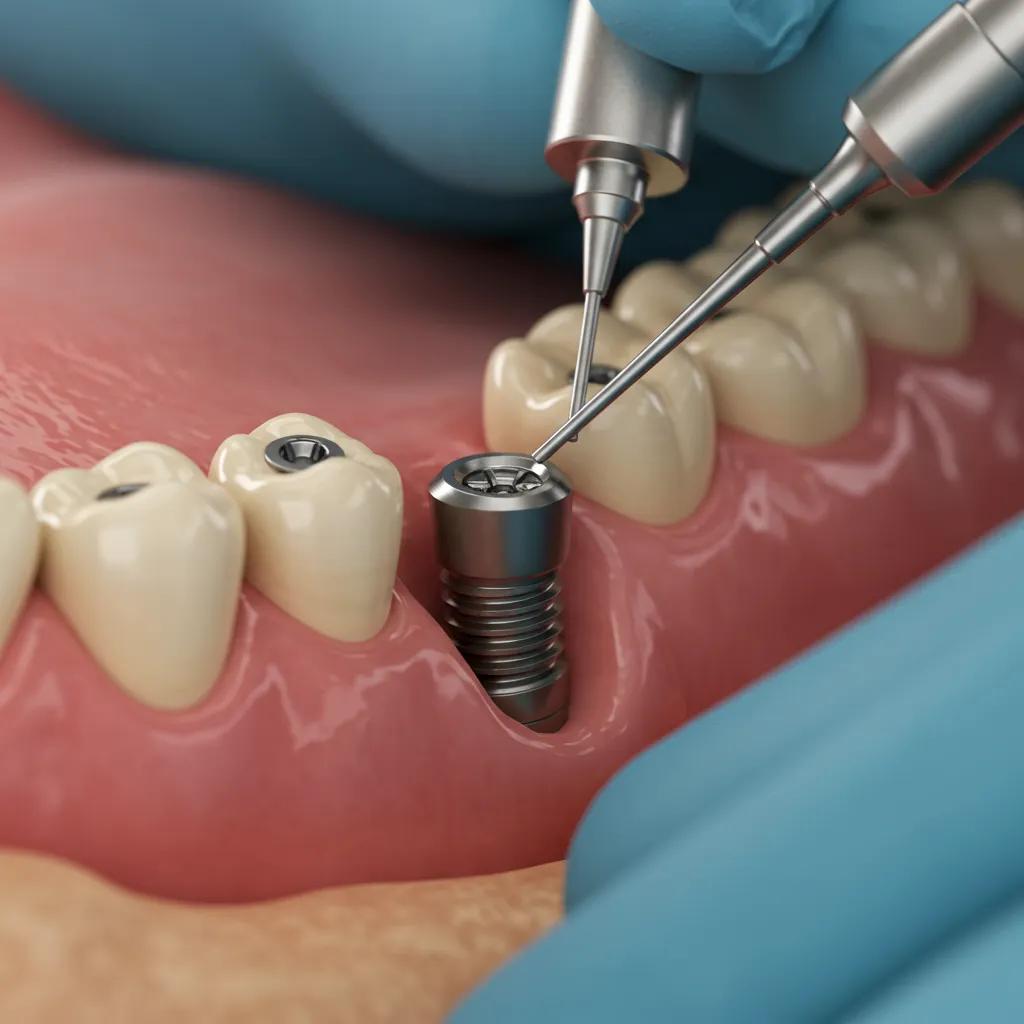
Immediate dental implant placement means we insert your implant fixture during the very same appointment as your tooth extraction. This approach combines stages to potentially reduce the number of surgeries and shorten your overall treatment time. The idea behind immediate placement is that maintaining implant stability right at insertion encourages bone preservation by transmitting natural loads and supporting your soft tissue contours, which can lead to beautiful aesthetic results in suitable cases. Your eligibility depends on specific clinical criteria, including the absence of active infection, enough bone volume to achieve primary stability, favorable socket anatomy, and overall health factors that support good wound healing. When these conditions are met, immediate placement can reduce your total number of surgical visits and help preserve your natural ridge architecture, though it does require precise surgical technique and careful case selection from our experienced team.
Immediate placement is a very appealing option for patients looking for fewer surgical appointments and a quicker provisional restoration. That’s why our clinicians thoroughly evaluate each candidate with a comprehensive clinical exam and advanced imaging to confirm suitability. The decision balances the benefits of saving time and preserving bone against the increased technical demands and the need for careful follow-up to monitor successful integration.
What Are the Benefits of Immediate Implant Placement After Extraction?
Immediate implant placement offers several clinical and patient-focused advantages that can make it the preferred approach when conditions are ideal for your smile. By placing the implant at the time of extraction, our clinicians can minimize the natural resorption of your alveolar ridge and better preserve the surrounding soft tissue contours, which is especially valuable for front teeth in your aesthetic zone. Immediate placement also reduces the overall number of surgeries and shortens your total treatment timeline, meaning fewer appointments and less time wearing temporary prostheses. For many patients, this approach significantly improves postoperative comfort and accelerates your path to restored chewing and a confident smile.
Excellent Bone Preservation: Immediate placement helps maintain your natural ridge contour by stabilizing the socket.
Fewer Surgeries: Combining your extraction and implant placement reduces the number of operative visits.
Faster Provisional Restoration: You can achieve quicker aesthetic results, especially for front-tooth cases.
In properly selected cases, these benefits lead to high patient satisfaction and efficient treatment sequences. However, our clinicians always balance these advantages against any increased risk that might come from placing implants into sockets with borderline bone or soft tissues.
When Is Immediate Implant Placement Not the Best Option?
Immediate placement is generally not recommended when clinical or systemic factors increase the risk of infection, poor primary stability, or compromised healing. If you have an active infection or an unresolved abscess at the extraction site, we typically need to clean the area, provide antibiotics, and allow a waiting period to ensure a completely clean environment before implant insertion. Insufficient bone volume or thin socket walls that cannot adequately support primary implant stability also prevent same-day placement and often require socket preservation or guided bone regeneration. Furthermore, systemic health concerns like poorly controlled diabetes, heavy tobacco use, or certain medications that impair bone healing can lead our clinicians to recommend delayed protocols to optimize your long-term outcomes.
Active infection or abscess at the extraction site
Inadequate bone for primary stability and proper load distribution
Complex anatomy requiring staged grafting or sinus lift procedures
When any of these “red-flag” conditions are present, delaying implant placement significantly improves predictability by allowing your soft tissues and bone to heal, or by permitting augmentation procedures to consolidate before your implant is inserted.
What Is Delayed Dental Implant Placement, and Why Might You Need It?
Delayed implant placement is a staged approach where our clinicians allow your extraction site and surrounding bone to heal over several months before placing the implant fixture. This approach is often necessary when the socket has experienced significant bone loss, when an infection needs to be fully resolved, or when augmentation procedures like ridge augmentation or sinus lifts are required to create a strong, stable foundation. Delayed placement provides ample time for graft materials to integrate, for soft tissues to mature, and for full resolution of any biological issues—each contributing to a much higher chance of long-term implant success. In many complex cases, the predictability gained by waiting far outweighs the longer overall timeline, because implants placed into restored and stable bone enjoy better primary stability and lower complication rates.
Delaying placement also allows our clinicians to meticulously plan comprehensive restorative outcomes, especially when multiple adjacent teeth or full-arch reconstructions are involved. When grafting is performed, healing times vary depending on the graft type and procedure, and you should expect additional appointments for monitoring and imaging before your implant placement is scheduled.
Graft Type
Typical Healing Time
Common Use-Cases / Notes
Autograft (your own bone)
3–6 months
Considered the gold standard for integration; used for ridge augmentation and when predictable volume is crucial.
Allograft (donor bone)
3–6 months
Widely used when your own bone isn’t available; excellent for socket preservation and ridge augmentation.
Alloplast (synthetic)
3–6+ months
Useful for socket preservation and smaller augmentations; sometimes slower remodeling but avoids the need for a donor site surgery.
This comparison shows that your graft choice influences the healing interval, but most grafts require several months to integrate before reliable implant placement. Our clinician will carefully match the graft selection to your unique anatomy and long-term stability goals.
How Does Bone Grafting Affect Your Waiting Period?
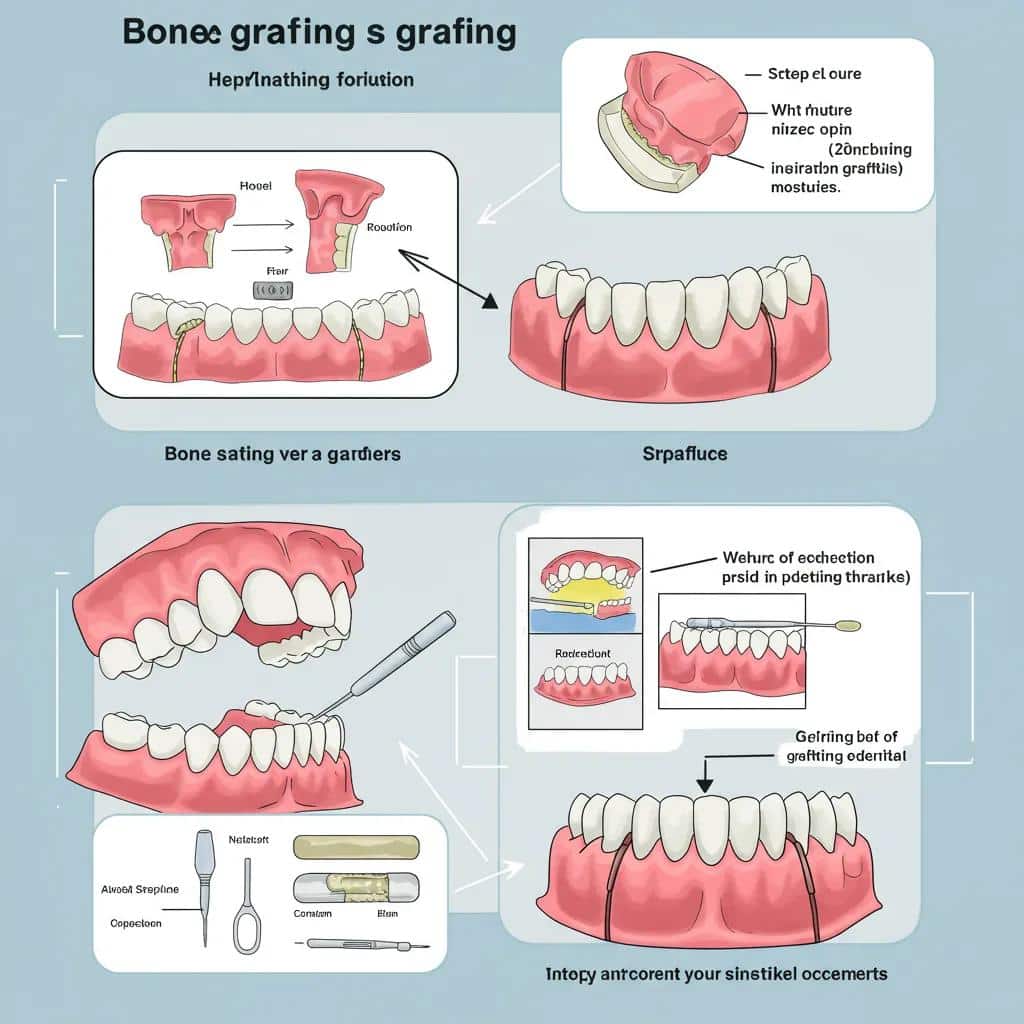
Bone grafting naturally extends your treatment timeline because the graft materials need time to integrate and remodel before they can reliably support your implant fixtures. The typical integration window is often 3–6 months, depending on the graft type, the size of the site, and your individual healing capacity; more complex augmentations or sinus lifts can sometimes extend this period further. During healing, the graft material is gradually replaced by your own native bone, creating a stable ridge that allows for excellent primary stability when your implant is inserted. Our clinicians carefully factor in graft consolidation to avoid any premature loading that could compromise osseointegration, which is why staged approaches are common when significant augmentation is necessary.
You should expect follow-up visits to monitor your graft healing, occasional radiographs or CBCT scans to assess integration, and clear instructions to avoid loading the site until the graft has fully matured. Clear communication about these expected additional months for graft healing helps set realistic expectations and avoids any surprises in your treatment timeline.
What Are the Signs That Bone Grafting Might Be Needed?
Clinical and radiographic indicators help guide our decision to perform a bonegraft before implant placement. Signs that grafting is likely required include visible ridge defects during your clinical exam, insufficient alveolar width or height to properly house the planned implant fixture, and proximity to the sinus floor in your upper back jaw, which often necessitates a sinus lift. Long periods of tooth loss frequently lead to horizontal and vertical ridge resorption, which we can detect on radiographs. A thin gum tissue type with inadequate bone thickness can also signal the need for augmentation. Diagnostic CBCT imaging frequently reveals these deficiencies and clarifies whether socket preservation, ridge augmentation, or a sinus lift will be necessary for your best outcome.
Your diagnostic pathway typically includes an intraoral exam, periapical or panoramic imaging, and a CBCT scan when a three-dimensional assessment of your ridge volume is needed. Early recognition of grafting needs streamlines your planning and helps you understand the clear rationale for additional healing time before your implant is inserted.
How Does Osseointegration Impact Your Dental Implant Healing Timeline?
Osseointegration is the amazing biological process where your bone grows and bonds directly to the surface of your implant fixture. This creates the primary, long-term stability that allows an implant to function just like a natural toothroot. This process is absolutely critical because it establishes the rigid fixation necessary to support a crown or prosthesis without any micromotion that could lead to failure. Typical osseointegration timeframes range from roughly 3–6 months, but the exact timeline can vary based on your bone quality, grafting history, the specific implant surface technology used, and your overall systemic health. Our clinicians carefully monitor integration using clinical tests and imaging, and we will delay prosthetic loading until there is reliable evidence of a strong bone-to-implant connection.
Because osseointegration determines when your implant can be safely loaded, it’s central to scheduling your definitive restorations and getting you back to full function. Slower integration in grafted sites or compromised bone might lengthen the timeline, whereas denser bone types with good primary stability sometimes allow for more rapid prosthetic progression.
Stage
Typical Duration
Your Expectations / Our Actions
Implant placement (surgery)
Day 0
Local/regional anesthesia for your comfort; implant carefully inserted and sutured; initial primary stability assessed by our team.
Osseointegration
3–6 months
Your bone remodels and bonds to the implant surface; limited loading may be allowed depending on your specific case.
Abutment placement / soft-tissue shaping
2–6 weeks
A minor procedure to expose your implant or place a healing abutment; your soft tissue matures beautifully for your final crown margin.
Final crown/prosthesis
1–2 visits over weeks
Your definitive restoration is placed once integration and soft tissues are perfectly stable, giving you your new smile.
This stage-by-stage view helps you understand why each period exists and what clinical checks our team performs to ensure a predictable, durable, and beautiful result.
What Exactly Happens During Osseointegration?
During osseointegration, your bone cells naturally migrate to and remodel around the implant surface, gradually forming a strong, biological bond. The process begins with a cascade of healing events—blood clot formation, inflammation, and early woven bone deposition—followed by remodeling into denser lamellar bone that provides the mechanical strength required for long-term function. Our clinicians carefully avoid premature loading and excessive micromotion because these can interfere with proper bone deposition and result in fibrous encapsulation instead of a solid bone-to-implant connection. Successful integration is clinically evidenced by the absence of pain or mobility and radiographically by progressive bone-to-implant contact.
You should expect a period of limited chewing on the implant site and receive careful hygiene instructions. Our clinicians will schedule follow-up appointments to assess integration. Understanding these biological events clarifies why our practitioners recommend specific healing intervals and activity restrictions after your implant surgery.
How Long Does Osseointegration Typically Take?
Osseointegration commonly requires about 3–6 months to achieve sufficient bone-to-implant contact for definitive loading, though the exact time depends on your bone quality, any grafting status, the specific implant design, and your overall systemic health. Dense bone in the front of your lower jaw often integrates more quickly, whereas softer bone in the back of your upper jaw (near the sinus) and grafted sites may take longer to achieve equivalent stability. Factors that can slow osseointegration include smoking, uncontrolled diabetes, certain medications, and large grafting procedures that require extra remodeling time. Our clinicians verify integration with clinical stability testing and radiographic assessment before moving forward with abutment placement and your final restoration.
Having realistic expectations about this 3–6 month window helps you plan for follow-up care, temporary restorations, and your return to full function. When integration proceeds as expected, the result is a durable, functional implant with long-term success and a beautiful smile.
What Personal Factors Influence Your Waiting Period From Extraction to Implant?
Your personal health, unique anatomy, and lifestyle significantly influence the appropriate timeline between your extraction and implant placement. Key patient factors include your bone density and overall jaw health, systemic conditions like diabetes or osteoporosis, any medications you’re taking, your smoking status, oral hygiene habits, and how long the tooth has been missing. These variables affect your bone remodeling rates, risk of infection, and our clinician’s choice of immediate versus delayed placement. Assessing these factors during your consultation allows our team to design a timeline that maximizes predictability and minimizes any potential complications.
Patients who understand how these personal factors can alter timing are better prepared for recommended pre-treatment steps—such as smoking cessation, medical optimization, or imaging—all designed to improve your outcomes and potentially shorten waiting periods when safely possible.
How Do Your Bone Density and Jaw Health Affect Implant Timing?
Your bone density and general jaw health are primary determinants of whether an implant can be placed immediately or if augmentation is required first. High-density bone provides strong primary stability at insertion and can support earlier loading in select cases, while low-density bone or significant resorption often necessitates grafting and a delayed timeline to achieve reliable osseointegration. Advanced imaging, especially three-dimensional CBCT scans, helps us precisely quantify your ridge dimensions and bone quality so our clinicians can plan the ideal implant size, position, and determine the need for any augmentation.
For example, anterior mandibular sites often have denser bone, allowing for faster progression, versus posterior maxillary sites near the sinus that commonly require staged sinus elevation and grafting. Diagnosing your bone status early in the planning process avoids surprises and ensures a tailored approach that perfectly balances speed with long-term success for your smile.
How Does Infection or Tooth Position Change Your Waiting Period?
Active infection at the extraction site typically requires complete resolution before implant placement. This may involve debridement, antibiotics, and a healing interval to ensure the microbial load and inflammation fully subside. Posterior teeth adjacent to the maxillary sinus may require sinus lift procedures that add healing time, and impacted or multi-rooted extractions can create complex defects needing staged augmentation. Our clinicians carefully tailor timelines—often favoring delayed placement—when infection, sinus anatomy, or complex extraction sites increase the risk of early implant failure.
Careful follow-up and re-evaluation after infection treatment or complex extractions allow our clinicians to choose the safest interval for implant insertion while optimizing the socket for predictable integration and a successful outcome.
How Can You Ensure Comfort and Manage Anxiety During Your Waiting Period?
Managing any anxiety and ensuring your physical comfort during extraction and the waiting period is absolutely essential for a positive experience and can even influence healing through stress reduction and better compliance. Practical tactics include clear preoperative instructions, staggered appointments to reduce any perceived burden, the use of appropriate pain relief, and temporary prosthetic solutions to maintain your aesthetics and function. Our clinicians typically offer varying levels of sedation depending on the complexity of your procedure and your personal anxiety level, from local anesthesia with relaxation techniques to inhaled nitrous oxide or deeper sedation administered by our qualified staff. Communicating sedation options and expected sensations ahead of time significantly reduces patient stress and improves cooperation during follow-up visits.
A structured comfort plan that includes both pharmacologic and behavioral strategies gives you control and greatly improves your overall care experience, enabling smoother recovery and better adherence to postoperative instructions.
What sedation and comfort strategies are commonly available for extraction and implant procedures, and how do they differ? Below is a clear overview to help you decide what to discuss at your consultation.
Local anesthesia: Gently numbs the surgical site for routine extractions and implant placements, ensuring you feel no pain.
Nitrous oxide (laughing gas): A light sedation that helps reduce anxiety and promotes relaxation, allowing for quick recovery.
Oral conscious sedation: Pills taken before your appointment to induce moderate relaxation for our more anxious patients.
IV sedation: Deeper sedation for longer or more complex surgeries, administered under carefully monitored conditions for your ultimate comfort.
These sedation levels are matched to different needs: local anesthesia is perfect for straightforward cases, while nitrous oxide or oral sedation helps moderately anxious patients, and IV sedation is reserved for severe anxiety or extensive procedures. Discussing suitability and your medical history at your consult ensures the safest selection of your sedation modality.
At Affordable Dentist Near Me in Fort Worth, our team truly emphasizes your comfort and offers sedation options tailored to your individual needs. Discussing sedation during your consultation helps us create a personalized comfort plan just for you. If sedation or anxiety is a barrier, scheduling your free dental implant consultation (valued at $79) can clarify all your options and safety for your specific health profile.
What Sedation Dentistry Options Are Available for Your Extraction and Implant Procedures?
Sedation dentistry at our practice ranges from simple local anesthesia to IV sedation, each offering different benefits based on your procedure length and personal anxiety level. Local anesthesia reliably prevents sensation in the surgical area for brief procedures, while nitrous oxide provides conscious relaxation with rapid recovery and minimal side effects. Oral conscious sedation uses prescribed medications to induce moderate sedation and is appropriate for patients with moderate dental fear or for longer procedures; it does require accompaniment after your appointment. IV sedation delivers a deeper sedative state under careful monitoring and may be recommended for complex extractions or combination surgeries where your stillness and comfort are essential. Suitability for each option is determined during your pre-op screening, considering your medical history and any medications you are currently taking.
Our clinicians will provide clear pre- and post-operative instructions tailored to your chosen sedation level, and your consultation is the perfect time to discuss any risks, benefits, and necessary medical clearances. Clear planning significantly reduces anxiety and greatly improves your surgical experience and postoperative recovery.
What Temporary Solutions Can Help You During the Waiting Period?
Temporary restorations are designed to protect your appearance and function while you wait for final implant integration. Common temporary options include bonded provisional crowns for front teeth, removable flippers, or partial dentures for posterior support. Provisional solutions are carefully selected based on your aesthetic zone demands, occlusion, and the crucial need to avoid loading the healing site. Temporary prostheses should be well-fitted to prevent any excess pressure on healing sockets and to maintain soft tissue contours that will support your future implant aesthetics. You’ll receive clear instructions on cleaning and avoiding hard foods to protect both your temporary restoration and the underlying surgical site.
Provisional bonded crowns: Beautifully preserve aesthetics in your front teeth without substantial loading.
Flipper or removable partial: A cost-effective temporary solution for multiple missing teeth.
Temporary partial denture: Provides excellent posterior support while carefully protecting your surgical sites.
Temporary solutions help maintain your confidence and function during the healing phase, but care instructions must be followed closely to avoid complications and to protect your grafts and implants as they integrate.
Why Are Dental Implants Worth the Wait, or Immediate Placement, for Your Smile?
Dental implants are expertly designed to restore your chewing function, preserve your bone, and provide durable, beautiful aesthetic outcomes that often far outperform removable alternatives. By replacing the root structure with a titanium or zirconia fixture, implants transmit functional loads into your bone, which stimulates the maintenance of alveolar volume and prevents the progressive resorption that often follows tooth loss. Whether placed immediately or after a healing interval, implants offer high success rates when properly planned and executed by our team, significantly improving your chewing efficiency, speech, and overall confidence. The choice between immediate and delayed placement should always align with your case-specific goals: immediate placement can reduce total treatment time and preserve soft tissue contours, while delayed placement with grafting can create a more predictable foundation in complex cases.
Long-term outcomes with implants typically include superior function compared with removable dentures and a maintenance profile similar to natural teeth when good oral hygiene is maintained. Given these incredible advantages, many patients find that accepting a reasonable waiting period leads to superior, lasting results and a truly confident smile.
How Do Dental Implants Improve Bone Preservation and Your Quality of Life?
Dental implants preserve your bone by delivering functional forces through the implant fixture directly into the surrounding alveolar bone, which stimulates remodeling and helps maintain your ridge height and width. This physiological load transmission stands in contrast to removable prostheses, which may actually accelerate ridge resorption due to the lack of root-like forces. Clinically, implants restore your chewing efficiency, reduce dietary limitations, and significantly improve your speech and facial support. Psychosocially, they can dramatically boost your self-confidence and social comfort because they feel and function so much more like your natural teeth.
Statistically, modern implant systems, backed by our careful planning, offer high success rates, and many patients experience long-term satisfaction with both function and appearance. The powerful combination of biological preservation and restored oral function explains why implants are often highly recommended, despite an upfront time investment.
What Makes Affordable Dentist Near Me in Fort Worth Your Trusted Choice?
Affordable Dentist Near Me proudly provides tooth extractions, dental implants, and dentures right here in Fort Worth, emphasizing your comfort, transparent low fees, and experienced care under Dr. Mike Tri Pham. Our clinic highlights an accessible pathway for patients considering implants, including a free dental implant consultation valued at $79 that helps you understand timelines, treatment options, and clear cost estimates. Patient trust is strongly reinforced by our high average Google review rating of 4.8 stars from over 1,470 reviews, signaling consistent patient satisfaction. These elements—local availability, a strong focus on your comfort and affordability, and a clear consult offer—make our clinic a straightforward and welcoming place to begin your implant planning in Fort Worth.
For patients prioritizing clear communication about timing, predictable costs, and a personalized comfort plan, discussing your options at our free consult can clarify whether immediate, early, or delayed placement best suits your unique needs and expectations.
Ready for Your New Smile? Schedule Your Free Dental Implant Consultation in Fort Worth Today!
Scheduling your free dental implant consultation in Fort Worth is the perfect first step to get a personalized timeline, imaging recommendations, and a transparent cost estimate. Your consult typically includes a thorough clinical exam, a discussion of immediate versus delayed implant options, potential imaging (such as x-rays or CBCT), and a preliminary estimate that clearly outlines major cost drivers, including your implant fixture, abutment, crown, and any required grafting. We’ll discuss financing options and provide transparent, itemized estimates so you fully understand how grafting or complex procedures might affect pricing. Your free dental implant consultation is the ideal time to receive an itemized estimate and to discuss which services are essential versus optional based on your personalized treatment plan.
Prepare for Your Consult: Bring a list of medications, your medical history, and any questions you have about timing and aesthetics.
Clinical Exam & Imaging: Expect a focused exam and radiographs or a CBCT scan for three-dimensional planning if needed.
Personalized Plan & Estimate: Receive a tailored timeline and a clear cost breakdown, including whether grafting is necessary for your best outcome.
At Affordable Dentist Near Me, your free dental implant consultation (valued at $79) is designed as the practical next step to receive a personalized timeline and cost estimate. We truly encourage you to schedule this consult to clarify all your options and reduce any uncertainty about your journey to a new smile!
Ready for a confident smile? Schedule your free consult today!
Discover your implant options! Schedule your free consult now.
Your new smile starts here. Book your free consult!
Questions about implants? Get answers with a free consult!
Ready for a Confident Smile?
Schedule your free dental implant consultation today!
Frequently Asked Questions About Your Dental Implant Journey
What should I expect during the recovery period after a tooth extraction?
After a tooth extraction, you can expect some swelling, discomfort, and minor bleeding, which typically subsides within just a few days. It’s absolutely essential to follow our post-operative care instructions carefully, including getting plenty of rest, applying ice, and taking any prescribed medications for pain management. We recommend soft foods for the first few days, and maintaining proper oral hygiene is crucial to prevent infection. Regular follow-up appointments may be necessary to monitor your healing and ensure your extraction site is recovering beautifully before we consider your dental implant placement.
How can I best prepare for my dental implant consultation?
Preparing for your dental implant consultation involves gathering relevant medical information, including a list of all your medications, any existing health conditions, and previous dental records. You should also prepare any questions you have regarding the procedure, recovery, and costs. It’s incredibly helpful to have a clear understanding of your dental goals and any concerns you may have about the process. This preparation will facilitate a more productive discussion with our dentist and help us tailor a treatment plan that perfectly meets your needs.
What are the potential risks associated with dental implants?
While dental implants are generally very safe and highly effective, there are potential risks involved, including infection at the implant site, nerve damage, sinus issues, and, rarely, implant failure due to insufficient bone density or improper placement. Patients with certain health conditions, such as uncontrolled diabetes or autoimmune disorders, may face slightly higher risks. It’s crucial to discuss these risks openly with our dentist during your consultation to understand how they may apply to your specific situation and what preventive measures we can take together.
How do I care for my dental implants after placement?
Caring for your dental implants is very similar to caring for your natural teeth! Regular brushing and flossing are essential to maintain excellent oral hygiene and prevent gum disease. You should also schedule routine dental check-ups for professional cleanings and monitoring of your implant’s condition. Avoiding hard or sticky foods can help protect your implant and surrounding tissues. If any discomfort or unusual symptoms arise, it’s important to contact our dentist promptly for evaluation and guidance.
Can dental implants fail, and what are the signs to look for?
Yes, dental implants can fail, although this is relatively rare with proper care and placement. Signs of potential failure include persistent pain, swelling, or infection at the implant site, loosening of the implant, or changes in the surrounding gum tissue. If you experience any of these symptoms, it’s crucial to consult our dentist immediately. Early intervention can often address issues before they lead to complete implant failure, ensuring the best possible outcome for your dental health and your beautiful smile.
What financing options are available for dental implants?
Many dental practices, including ours, offer various financing options to help you manage the cost of dental implants. These may include convenient payment plans, dental credit cards, or third-party financing services that allow for manageable monthly payments. Some insurance plans may cover a portion of the implant procedure, so it’s always advisable to check with your insurance provider. Discussing financial options during your consultation can help you find a solution that fits your budget and treatment needs, making your new smile more accessible.
Ready for Your Confident Smile?
Understanding the waiting period between tooth extraction and dental implant placement is crucial for effective treatment planning and a smooth recovery. By choosing the right timing—whether immediate, early, or delayed—you can optimize your healing, preserve your bone, and truly enhance the overall success of your dental implants. Take the next step towards a confident smile by scheduling your free dental implant consultation today. Explore all your options with our experienced and caring team at Affordable Dentist Near Me in Fort Worth!