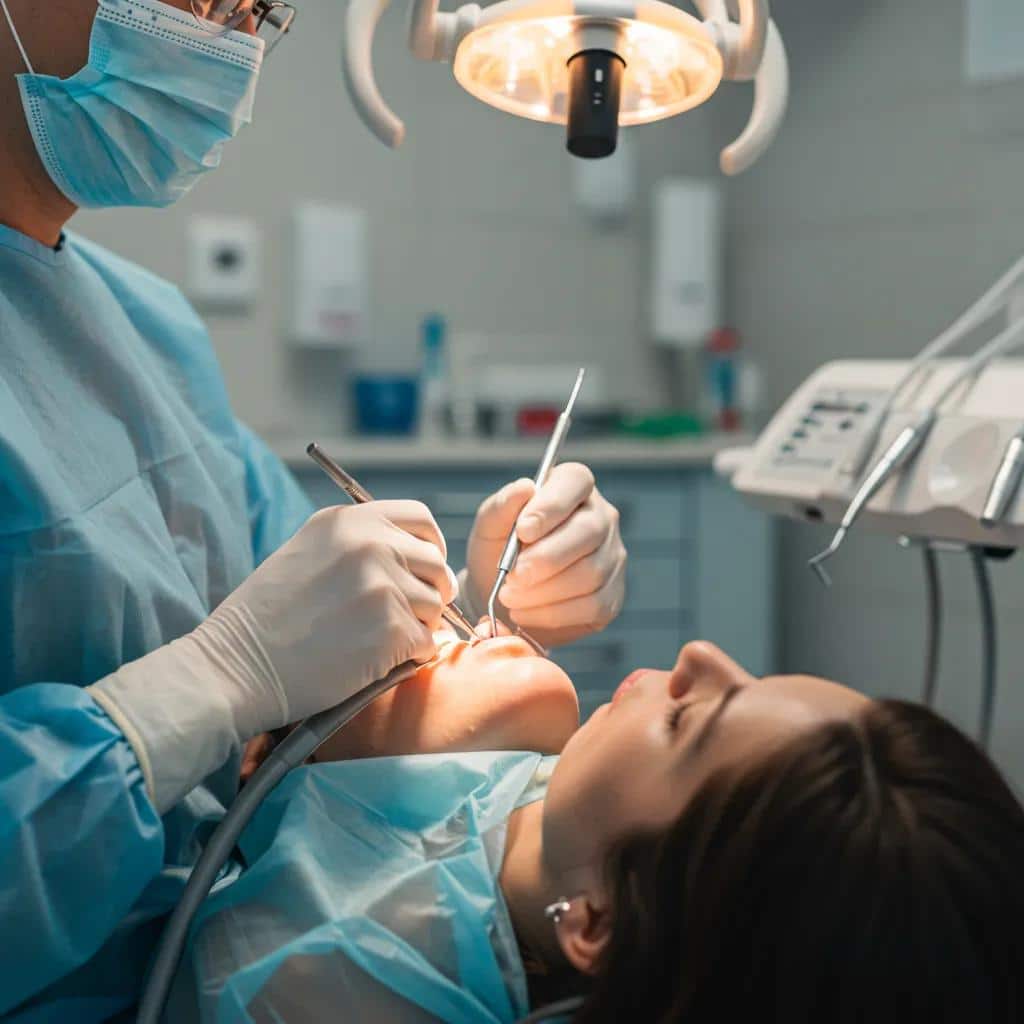
Top 10 Patient Reviews: What to Expect With Dental Implants
Dental implants are a tooth replacement solution that uses a surgically placed fixture, an abutment, and a prosthetic crown to restore function and appearance. Reading patient reviews gives a grounded view of what real recovery, pain, timelines, benefits, and long-term maintenance feel like compared with clinic marketing claims. This article distills the top patient-reported experiences—pain levels, healing time, practical tips, and comparisons to dentures and bridges—so prospective patients can form realistic expectations. You will learn how implants work biologically through osseointegration, what patients typically report about discomfort and recovery day-by-day, which functional and psychosocial benefits are most consistent in reviews, and how implants compare from a patient perspective to dentures and bridges. Each H2 answers a common patient question and includes concrete lists, patient-centered timelines, and EAV-style tables that summarize review patterns to help you decide and prepare. Throughout, related concepts like bone grafts, sinus lifts, single-tooth implants, implant-supported dentures, and typical maintenance routines are explained in plain language to bridge technical terms and lived experiences.
What Are Dental Implants and How Do They Work?
Dental implants are a form of tooth replacement that substitutes a titanium or zirconia implant fixture for a missing root, connects an abutment, and carries a crown to restore chewing and aesthetics. Mechanically, the implant transmits chewing forces to the jawbone and biologically integrates via osseointegration, a process by which bone bonds to the implant surface, preserving bone volume and stability. Patients frequently describe implants as feeling like a natural root-plus-crown system once healed, with the implant acting as a durable anchor for a prosthetic tooth. Understanding this root-substitute mechanism clarifies why implants differ from removable options and why surrounding bone health and surgical precision are important. The next section outlines the stepwise patient experience—from consult to final crown—to set expectations for sensations, appointments, and recovery milestones.
What is the dental implant procedure?
The dental implant procedure typically follows predictable steps: consultation and imaging, surgical placement of the implant fixture, a healing period for osseointegration, and restorative attachment of the abutment and crown. During the consult, patients report detailed imaging (CBCT or x-rays) and discussion about options like single-tooth implant, implant-supported denture or all-on-4 approaches, often including discussion about the need for bone grafting or a sinus lift. On surgery day, local anesthesia or sedation reduces intraoperative sensations; post-op patients commonly note numbness during the first hours and mild-to-moderate aching afterward. Follow-up visits confirm healing and readiness for the prosthetic crown, and most patients emphasize that clear step-by-step instructions from the clinician reduced anxiety and improved recovery. These procedural stages lead naturally to understanding how implants replace the missing tooth functionally and structurally.
How do implants replace missing teeth?
An implant replaces the natural tooth root with an implant fixture that transfers bite forces to the bone, while a prosthetic crown restores the visible portion for chewing and esthetics. This meronymic structure—fixture (body), abutment (connector), and implant crown (visible tooth)—creates a stable, long-term restoration that behaves differently than a bridge or removable denture. Patients often use metaphors such as “an artificial root” or “a new foundation” to explain why harder foods feel secure and why speech improves relative to flapping or shifting prostheses. Long-term bone preservation is a key biological benefit because the implant stimulates bone maintenance through functional loading, reducing resorption seen after extractions. Recognizing this force transmission and integration helps patients weigh implants against other tooth replacement options and prepares them to follow recommended maintenance for longevity.
What Do Patients Say About Pain and Discomfort During Dental Implants?
Patients commonly report that implant surgery causes minimal intraoperative pain due to local anesthesia and predictable postoperative discomfort that peaks in the first 48–72 hours; average reports place early pain in the mild-to-moderate range on typical 0–10 scales. Variation arises when procedures involve bone grafts, sinus lifts, or multiple simultaneous implants, which correlate with higher short-term soreness and longer healing. Reviews emphasize practical management strategies—timely analgesics, ice, rest, and modified diet—as the most effective ways to reduce both pain and anxiety. The table below summarizes typical pain at each procedure stage and patient-sourced management advice so readers can set realistic expectations and plan effective coping strategies for recovery.
Patient-Reported Outcomes and Discomfort Levels After Dental Implant Surgery
The primary outcome was discomfort on postoperative day 1, measured using a numerical rating scale (NRS). Secondary outcomes included pain and anxiety during surgery; discomfort on postoperative days 3, 7 and 14; and post-surgical complications.ResultsA total of 366 participants were included, of which 288 (78.7%) and 328 (89.7%) reported no to mild pain and anxiety (NRS 0–3) during surgery, respectively. The proportion of patients reporting discomfort decreased from postoperative day 1 (57.7%)
Patient-reported outcome measures following surgeries in implant dentistry and associated factors, 2022
Procedure Stage
Typical Pain Level (patient average)
Pain Management Advice From Patients
During surgery (with local anesthesia)
0–2
Ensure adequate anesthesia; ask about sedation options if anxious
First 48–72 hours post-op
3–6
Use scheduled OTC analgesics, ice packs, soft diet, and rest
Healing weeks (1–4 weeks)
1–3
Continue gentle hygiene, avoid hard foods, use warm salt rinses
After grafting or complicated surgery
4–7
Follow prescribed meds, more rest, and frequent follow-up checks
This snapshot shows most patients find pain manageable with short-term measures and increased vigilance when grafts or complex procedures are involved. The next subsections quantify pain expectations further and then explain patient-recommended pain-management approaches.
How painful is the dental implant surgery?
Patients frequently rate pain during implant surgery as low when local anesthesia is used, with most reporting little to no awareness of surgical manipulation while numb and mild soreness after anesthesia wears off. On 0–10 pain scales aggregated from reviews, averages for straightforward single-tooth implants often fall between 3 and 5 in the first 48 hours, while cases involving bone grafts or sinus lifts trend higher. Factors that increase pain reports include active infection, inadequate anesthesia, smoking, and complex surgical exposure. Patients advise contacting the provider immediately for unexpectedly severe or worsening pain, since escalating pain can signal infection, dry socket after extraction, or other complications that require prompt care. These experiences underline why pre-op planning and clear analgesic instructions are essential.
What pain management options do patients recommend?
Patient reviews commonly recommend a combination of over-the-counter anti-inflammatories and adjunctive home strategies to control post-op discomfort effectively and safely. Many cite scheduled ibuprofen as first-line pain control, often alternating with acetaminophen when advised, and a minority report short-term prescribed opioids for higher intensity cases, though they stress using prescriptions sparingly. Non-pharmacologic measures like immediate ice application for the first 24 hours, elevated head positioning while resting, cold-soft foods, and avoiding strenuous activity are repeatedly highlighted as essential complements to medication. Patients who had sedation (IV sedation or oral sedatives) also emphasize that sedation reduced intraoperative anxiety and the perception of pain during surgery, making the overall experience more tolerable. These combined approaches help most people navigate the acute pain window and accelerate comfort.
Post-Operative Pain Management and Analgesic Efficacy in Dental Implant Surgery
To evaluate the clinical efficacy of various analgesic medications in mitigating orofacial pain following dental implant surgery. A systematic search was conducted to identify randomized controlled clinical trials (RCTs). The primary outcomes examined were post-operative pain (POP) and consumption of rescue analgesics following implant placement; secondary outcomes included adverse effects, post-operative inflammation, infection, swelling, bleeding, patient satisfaction, and quality of life. Random effects meta-analysis was conducted for risk ratios of dichotomous data. Within the limitations of this review, POP following implant surgery may be effectively treated with the short-term use of analgesic medications.
Post-operative pain management in dental implant surgery: a systematic review and meta-analysis of randomized clinical trials, 2021
How Long Does the Dental Implant Process Take According to Patients?
Patients typically describe the complete implant journey—from initial consultation to final crown placement—as spanning a few months to a year depending on additional treatments, with common timelines clustering around 3–6 months for straightforward cases. The process includes immediate soft tissue healing in 1–2 weeks, osseointegration of the implant over 3–6 months, and restorative work that follows clinical confirmation of stability. Factors that lengthen timelines include bone grafting, sinus augmentation, systemic health conditions, smoking, and staged treatments for multiple missing teeth or full-arch reconstructions. Below is a concise timeline that captures the key milestones patients report, helping prospective recipients plan appointments, time off work, and dietary adjustments during recovery.
Pre-op consult and imaging: decisions about grafting and treatment planning.
Surgery and immediate recovery: first 48–72 hours for soreness and swelling control.
Soft tissue healing: 1–2 weeks until sutures settle and inflammation reduces.
Osseointegration: 3–6 months for bone to bond to the implant surface.
Restorative phase: abutment and crown placement after stability confirmed.
Patients recommend scheduling flexible restorative appointments after the healing window and using the osseointegration period for routine follow-ups and hygiene reinforcement. The next subsections describe healing durations in more detail and explain when patients feel implants are fully natural and functional.
What is the typical healing time after implant placement?
Patient reviews consistently separate soft tissue healing from osseointegration: soft tissues commonly heal within 1–2 weeks, while reliable bone integration generally requires 3–6 months depending on the clinical context. Reviews note that when bone grafting or sinus lifts are performed, the osseointegration window can extend toward the longer end of that range, and staged graft healing may add additional months. Follow-up appointments with imaging and clinical assessment are how clinicians and patients confirm readiness for abutment connection and crown placement. Many patients share that knowing these separate healing phases reduced anxiety by making each milestone predictable and measurable.
How long until implants feel natural and functional?
Patients report that implants often feel functionally normal for basic chewing within weeks of crown placement, while full adaptation—complete confidence with harder foods and fully normalized speech—can take one to three months. Early function is aided by proper prosthetic design and gradual diet progression from soft to firmer foods, which patients commonly follow to protect healing tissues. Speech adjustments are usually brief; stable crown contours restore typical phonetics once a short practice period passes. If patients experience prolonged discomfort, clicking, or instability after crown placement, reviews advise returning to the provider to check occlusion, abutment seating, or prosthetic fit.
What Are the Most Common Benefits Patients Report After Getting Dental Implants?
Patients repeatedly highlight improved chewing ability, greater speech clarity, and boosted confidence as the top benefits after receiving dental implants, often contrasting those outcomes with prior difficulties using dentures or coping with gaps. The implant’s structural role—as a root replacement that supports a crown—translates into real-world improvements such as eating a wider variety of foods and smiling without embarrassment. The table below links specific benefits to the attributes patients emphasize and summarizes typical review sentiments to help readers anticipate realistic gains.
Patient Experiences and Expectations Throughout the Dental Implant Journey
Since their introduction, implant-supported dentures have gained increasing popularity and are associated with high expectations. Nevertheless, as with other invasive procedures, implant treatment involves post-surgical risks as well as the risk of long-term complications. The present study aimed at exploring patients’ experiences of the entire trajectory of dental implant-treatment, to reach a profound understanding of the patients’ perception of the course of their journey from tooth loss to living with implant-supported dentures. The participants held high expectations regarding the function, durability, and – in cases involving visible tooth gaps – aesthetic outcomes of their implants. Key concerns influencing treatment decisions included the need for bone augmentation and transplantation, age-related factors, and procedural risks. Notwithstanding the lengthy, stepwise nature of the treatment process, the considerable symptom burden, and the high financial cost, most patients considered the implant treatment worthwhile and felt well informed.
Patients’ trajectory from tooth loss to dental rehabilitation and living with implant-supported dentures–a qualitative interview study, 2025
Benefit
Patient-Reported Attribute
Typical Patient Quote or Summary
Chewing function
Stability under force; ability to eat firmer foods
“I can bite apples again without fear of movement.”
Speech clarity
Stable prosthesis reduces slurring caused by loose dentures
“Talking in meetings felt natural after a few days.”
Appearance & confidence
Natural-looking crowns that match tooth color and shape
“I smile openly now; people don’t notice it’s an implant.”
This table shows that functional and psychosocial improvements are tightly linked: stability leads to food choices and social ease, which in turn improve quality of life. The sections that follow unpack how implants change eating and speaking and why they often produce measurable confidence gains.
How do dental implants improve eating and speaking?
Patients commonly contrast pre-implant eating limitations—avoiding crunchy or chewy foods—with post-implant freedom to enjoy a broader diet, attributing this to the implant’s stability and force transmission to bone. The prosthetic crown and correct occlusion restore efficient bite mechanics, enabling thicker foods, tougher proteins, and raw vegetables to be handled safely without slippage. Speech improvements stem from secure tooth contours that maintain normal tongue placement and airflow patterns; many reviewers note clearer pronunciation and less compensation during conversations. These functional changes often appear quickly after crown placement and become more comfortable over weeks as patients adapt to the new occlusal scheme.
What impact do implants have on confidence and appearance?
Beyond function, patients consistently report a marked increase in self-confidence and social comfort after implants because crowns closely mimic natural tooth anatomy and color. Reviews emphasize reduced self-consciousness about smiling, speaking, and eating in public, with many noting that social interactions felt easier and less anxiety-provoking. Restored tooth-proportions and seamless integration with adjacent teeth are repeatedly cited as reasons implants feel like a long-term cosmetic and functional investment. These psychosocial benefits often motivate patients to prioritize implant maintenance, which in turn supports long-term success.
What Challenges or Complications Do Patients Mention With Dental Implants?
While many reviews are positive, patients also describe short-term and occasional long-term challenges—such as swelling, infection, sensitivity, peri-implantitis, screw loosening, or prosthetic wear—that prospective recipients should understand and monitor. Short-term side effects like swelling and bruising are common and typically resolve within days to a couple of weeks, whereas longer-term issues such as peri-implantitis require professional management and may relate to hygiene lapses, systemic health, or smoking. Patients who faced complications emphasize the value of early follow-up, consistent hygiene, and realistic expectations around time and possible maintenance interventions. The following subsections outline common issues and provide a practical maintenance checklist that patients report using to protect their implants.
What are common side effects or issues patients face?
Immediate post-op symptoms frequently include swelling, mild bleeding, numbness from local anesthesia, and transient soreness; these usually subside within one to two weeks. Less common longer-term problems mentioned in reviews include peri-implantitis (inflammatory bone loss around implants), abutment screw loosening, and prosthetic wear or fracture, with risk factors such as untreated periodontal disease and smoking increasing incidence. Patients frequently advise vigilance for signs such as persistent swelling, bleeding on probing, increasing mobility, or worsening pain—symptoms that warrant prompt professional evaluation. Understanding this spectrum of expected vs. concerning signs helps patients separate normal recovery from complications requiring intervention.
How do patients handle implant maintenance and care?
Patient-reported maintenance routines emphasize daily hygiene habits and regular professional checks to prevent long-term complications and preserve osseointegration and prosthetic integrity. A practical maintenance checklist patients cite includes daily twice-daily brushing with a non-abrasive brush, interdental cleaning with floss or water flossers around abutments, routine professional cleanings every three to six months for higher-risk cases, and timely reporting of any discomfort or loosening. Many patients also stress avoiding tobacco, maintaining overall oral health, and using antimicrobial rinses when recommended to reduce bacterial load around implants. Adopting these routines early often correlates in reviews with fewer long-term problems and greater overall satisfaction.
Maintenance checklist summary: consistent daily hygiene, scheduled professional maintenance, avoidance of risk behaviors, and quick communication with the care team if symptoms appear.
How Do Patient Reviews Compare Dental Implants to Other Tooth Replacement Options?
From a patient perspective, implants are most frequently praised for stability, longevity, and restored function, while dentures and bridges are described as quicker or less invasive but with trade-offs in comfort, maintenance, and dietary freedom. Patients who chose implants often cite long-term lifestyle advantages—no adhesives, more secure chewing, and bone preservation—as primary reasons for preference despite longer timelines and more invasive surgery. The comparative table below condenses common pros and cons reported in patient reviews to help readers weigh options according to personal priorities like cost tolerance, recovery time, and desired function.
Option (Implants/Dentures/Bridges)
Patient-Reported Pros
Patient-Reported Cons
Implants
Stability, longevity, bone preservation, natural feel
Surgical procedure, longer timeline, possible grafting
Dentures
Faster replacement, non-surgical option for some
Movement, adhesives needed, diet limitations
Bridges
No surgery when adjacent teeth are suitable
Requires alteration of neighboring teeth, less bone stimulation
This comparison shows why many patients choose implants when their priority is function and long-term preservation, while others opt for dentures or bridges when speed, immediate cost, or avoiding surgery are dominant concerns. The following subsections expand on typical patient rationales for preferring implants and common criticisms.
Why do patients prefer implants over dentures or bridges?
Patients commonly prefer implants because they restore near-natural chewing and eliminate the insecurity associated with removable dentures, enabling a return to a varied diet and social confidence. Implants also preserve adjacent tooth structure compared with traditional bridges that require crowns on neighboring teeth, and they stimulate the underlying bone, mitigating resorption. Many reviewers note that the initial investment of time and discomfort felt worthwhile given the durable, low-maintenance outcome over years. These practical and long-term lifestyle advantages explain the consistent patient preference when implants are an available option.
What drawbacks do patients note compared to other treatments?
Despite overall satisfaction, patients frequently cite drawbacks such as the upfront invasiveness of surgery, the possibility of additional procedures like bone grafting or sinus lifts, the longer total treatment time before final restoration, and periodic prosthetic maintenance. Cost is a recurrent theme in reviews as a barrier or stressor even when clinical outcomes are favorable, and some patients mitigate this with staged treatments or financing. A minority of patients also report dissatisfaction when communication or follow-up care is insufficient, underscoring the importance of clear expectations and accessible post-op support. These trade-offs help prospective patients align treatment choices with personal priorities and risk tolerance.
Key takeaway: Implants are often preferred for function and longevity.
Key caveat: They require surgery, time, and ongoing maintenance commitment.
Decision tip: Prioritize implants if long-term function and bone preservation are primary goals; consider dentures or bridges if immediate replacement or avoiding surgery is essential.
This article maps patient experiences across procedure, pain, timeline, benefits, complications, and comparison, equipping readers to ask targeted questions and prepare for realistic recovery and maintenance pathways.