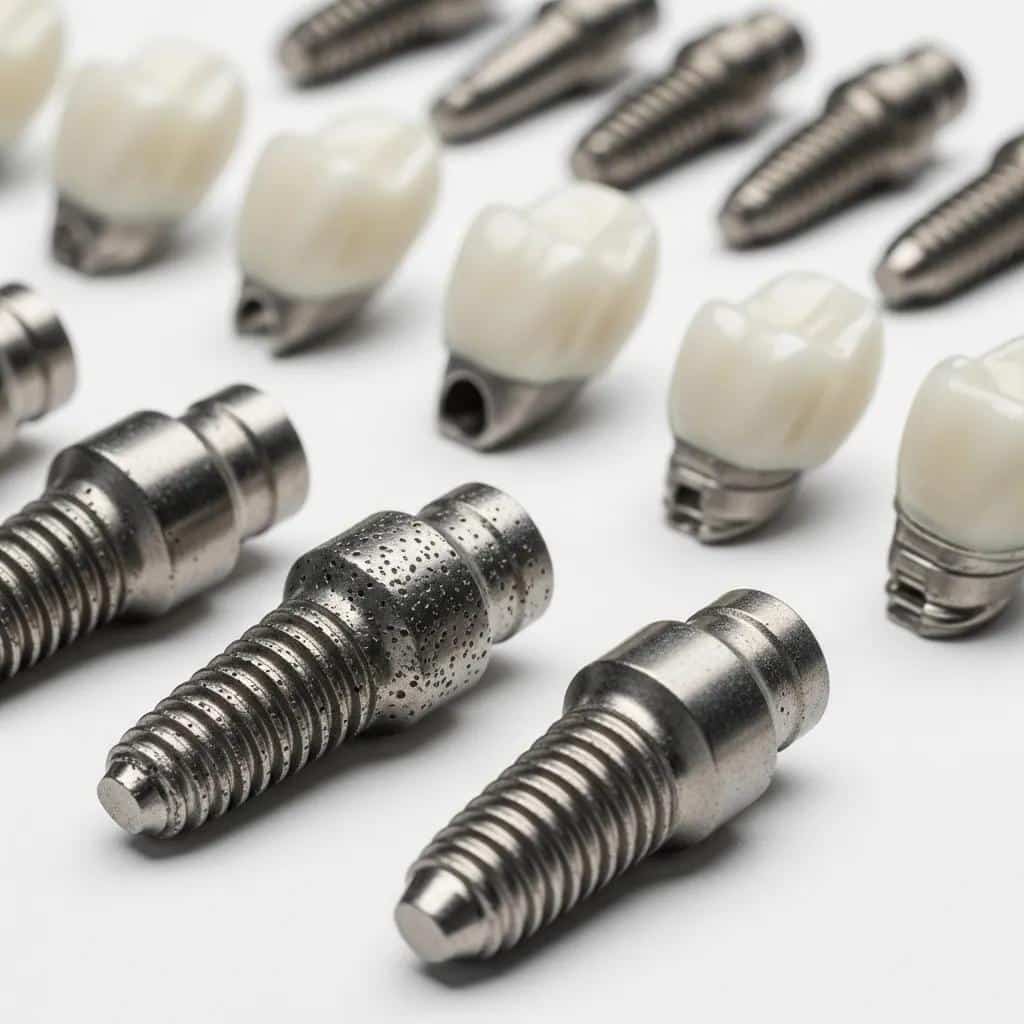
Understanding Dental Implant Cost Breakdown: Key Pricing Factors and User Guidance
Dental implants are a popular solution for tooth replacement, offering a durable and aesthetically pleasing option for those seeking to restore their smiles. However, understanding the cost breakdown of dental implants can be complex, as various factors influence pricing. This article aims to clarify these factors, helping potential patients make informed decisions about their dental care. By exploring the main elements that affect dental implant costs, including materials, geographic location, and provider expertise, readers will gain valuable insights into what to expect financially. Additionally, we will discuss insurance and financing options available for dental implants, particularly in Tyler, to assist individuals in managing their expenses effectively.
Indeed, the significant financial investment required for dental implants often necessitates careful consideration from both patients and providers, as highlighted by research into private dental care costs.
Private Dental Implant Costs & Patient Decisions
Dental implant treatment is an effective treatment for missing teeth, but is only available via the NHS in some specific clinical circumstances. The majority of people who receive this treatment therefore pay privately, often at substantial cost to themselves. People are used to paying towards dental treatment costs. However, dental implant treatment is much more expensive than existing treatments – such as removable dentures. We know very little about how dentists make decisions about whether to offer such treatments, or what patients consider when deciding whether or not to pay for them.
Paying for treatments?
Influences on negotiating clinical need and decision-making for dental implant treatment, CE Exley, 2009
What Are the Main Factors Influencing Dental Implant Pricing?
Several key factors influence the pricing of dental implants, making it essential for patients to understand these elements before proceeding with treatment. The cost of dental implants can vary significantly based on the quality and type of materials used, the geographic location of the dental practice, and the expertise of the provider. Each of these factors plays a crucial role in determining the overall expense associated with dental implant procedures.
Factor
Description
Impact on Cost
Material Quality
Higher quality materials, such as titanium, tend to be more expensive but offer better durability.
Increases overall cost
Geographic Location
Prices can vary widely depending on the region and local market conditions.
Affects pricing significantly
Provider Expertise
Experienced providers may charge more due to their skill level and success rates.
Can lead to higher costs
Understanding these factors can help patients navigate the financial aspects of dental implants more effectively.
How Do Implant Materials Affect Overall Cost?
The materials used in dental implants significantly impact their overall cost. Common materials include titanium and zirconia, each with distinct properties and price points. Titanium implants are widely used due to their strength and biocompatibility, making them a preferred choice for many dental professionals. Zirconia implants, while aesthetically pleasing and metal-free, can be more expensive due to their manufacturing process.
Patients should consider the long-term benefits of investing in higher-quality materials, as they often result in better durability and longevity. This investment can lead to fewer complications and replacements over time, ultimately saving money in the long run.
What Role Does Geographic Location Play in Pricing?
Geographic location is another critical factor influencing dental implant pricing. In areas with a higher cost of living, such as urban centers, dental practices may charge more for their services compared to those in rural areas. Additionally, local market competition can affect pricing; regions with numerous dental providers may offer more competitive rates.
For instance, patients in Tyler may find that the cost of dental implants is influenced by the availability of qualified providers and the demand for dental services in the area. Understanding these regional variations can help patients budget more effectively for their dental care.
How Much Does the Dental Implant Procedure Cost Near Me?
When considering dental implants, it’s essential to understand the typical costs associated with the procedure in your area. The average price range for dental implants can vary based on several factors, including the complexity of the case and the specific services required.
Understanding these financial considerations is crucial, as patients often weigh their budget against the desire for effective tooth replacement solutions.
Patient Financial Factors in Dental Implant Choices
When dealing with the replacement of one missing tooth, the patient has the option of choosing between different types of treatment interventions. Several important factors play a role in his decision-making process, including his limited financial means and his efforts to solve the problem of missing teeth as effectively as possible. The main goal of the study is the economic-clinical evaluation of implant treatment, as a surgical-prosthetic method in dentistry, in case of replacement of one missing tooth of the molar area.
Cost-utility analysis of an implant treatment in dentistry, 2021
What Are Typical Price Ranges for Dental Implants in Tyler?
In Tyler, the cost of dental implants typically ranges from $3,000 to $5,000 per implant. This price range includes the implant fixture, abutment, and crown. However, additional procedures, such as bone grafting or sinus lifts, may increase the overall cost. Patients should consult with local dental providers to obtain detailed estimates based on their specific needs.
How Do Provider Expertise and Clinic Facilities Influence Cost?
The expertise of the dental provider and the quality of the clinic facilities can significantly impact the cost of dental implants. Highly experienced oral surgeons or periodontists may charge more for their services due to their advanced skills and successful track records. Additionally, clinics equipped with state-of-the-art technology and comfortable environments may also have higher fees.
Patients should weigh the potential benefits of choosing a more experienced provider against the costs involved. Investing in a skilled professional can lead to better outcomes and a smoother treatment experience.
What Insurance and Financing Options Are Available for Dental Implants?
Navigating the financial aspects of dental implants can be challenging, but various insurance and financing options are available to help manage costs. Understanding these options can make dental implants more accessible for many patients.
Are Dental Implants Covered by Common Insurance Plans?
Many dental insurance plans offer partial coverage for dental implants, but the extent of coverage can vary significantly. Patients should review their insurance policies to determine if dental implants are included and what percentage of the costs will be covered. It’s advisable to contact the insurance provider directly for clarification on coverage details and any necessary pre-authorization requirements.
What Affordable Financing Solutions Exist in Tyler?
In Tyler, several financing options are available to help patients afford dental implants. Many dental practices offer payment plans that allow patients to spread the cost over several months. Additionally, third-party financing companies may provide loans specifically for dental procedures, often with flexible repayment terms. Patients should explore these options to find a solution that fits their budget and financial situation.
Such financing options are increasingly vital, with some dental organizations actively working to make advanced dental care more accessible through flexible payment structures.
Dental Financing Options for Implant Access
Conversely, proponents argue that DSOs expand access by offering longer hours, convenient locations, and financing options that solo doctors cannot sustain.
The Financialization of Modern Dentistry: A Meta-Analysis of Equity Arbitrage, Valuation Hierarchies, and the Consolidation Lifecycle, 2026
What Are the Expected Recovery and Maintenance Costs After Implant Procedure?
After undergoing a dental implant procedure, patients should be aware of the recovery and maintenance costs associated with their new implants. Understanding these costs can help individuals plan for their long-term dental care.
How Long Is the Typical Recovery Period and Its Cost Implications?
The typical recovery period for dental implants ranges from 8 to 12 weeks, during which patients may experience some discomfort and swelling. While the initial recovery may not incur additional costs, patients should consider follow-up visits and any necessary medications, which can add to the overall expense.
What Maintenance Is Required and What Are the Associated Costs?
Maintaining dental implants involves regular dental check-ups and good oral hygiene practices. Patients should expect to budget for routine cleanings and potential adjustments to ensure the longevity of their implants. While these maintenance costs are generally lower than the initial implant procedure, they are essential for preserving the health and functionality of the implants over time.
For more information on dental implants and related services, visit Dentist in Tyler.