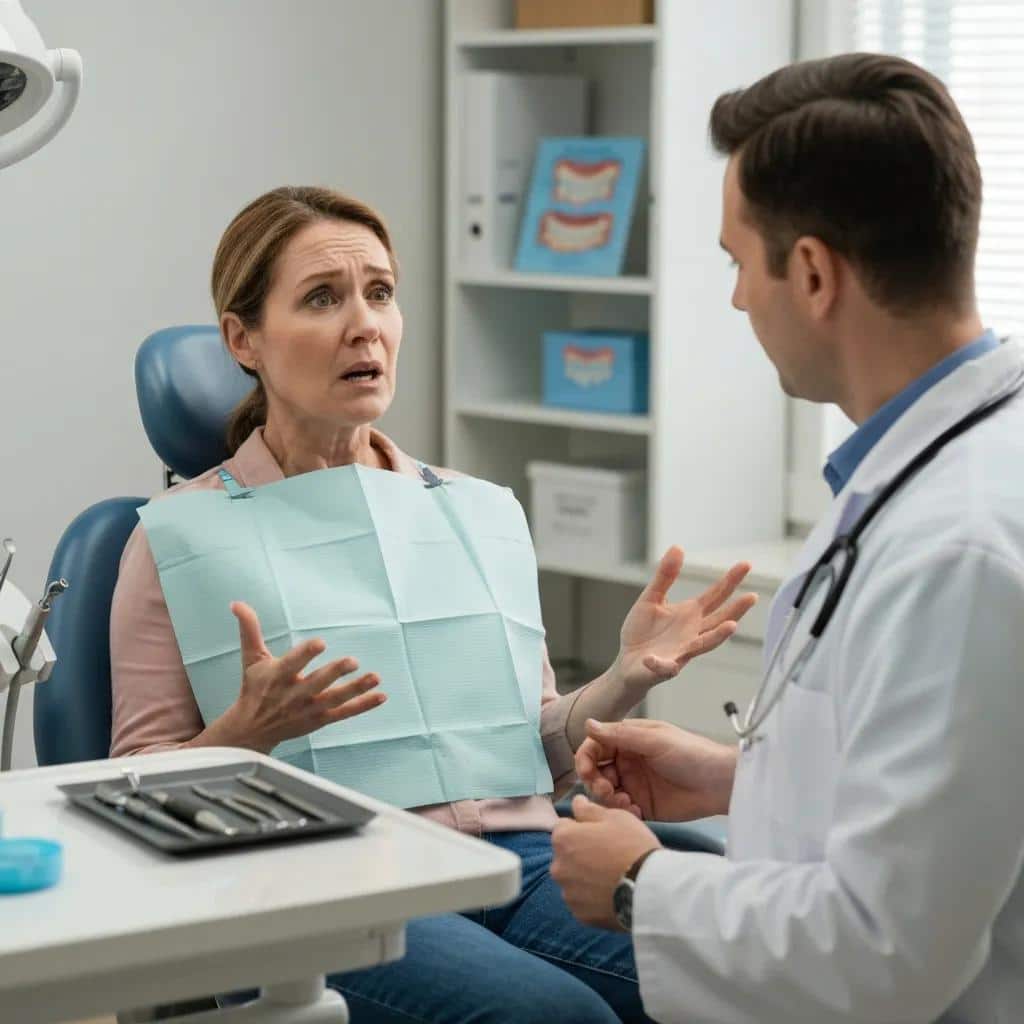
Navigating Dental Implant Failure: Key Signs, Causes, and Next Steps for Effective Treatment
Dental implant failure occurs when an implant loses its stable integration with the jawbone or when surrounding tissues become chronically infected, and recognizing the problem early preserves options and outcomes. This article explains what dental implant failure looks like, why it happens, and the practical steps patients can take—from symptom recognition to diagnosis, non-surgical care, and surgical revision—so readers know when to act. Understanding peri-implantitis, osseointegration failure, and prosthetic complications helps patients protect long-term oral function and esthetics after implant therapy. The guide walks through common signs (pain, swelling, mobility, pus), root causes (infection, smoking, systemic disease, overload), diagnostic workflows (clinical exam, radiographs, CBCT), and treatment pathways (conservative therapy, debridement, removal, bone grafting, replacement). Later sections cover prevention strategies, detailed peri-implantitis management, what to expect during a free dental implant consultation in Mansfield, TX, and alternatives such as bridges or dentures, all with clear next steps for readers considering further evaluation.
What Are the Most Common Signs of Dental Implant Failure?
Dental implant failure typically presents as persistent pain, progressive mobility, or signs of local infection around the implant that do not resolve with routine care, indicating loss of osseointegration or tissue breakdown. Early recognition lets clinicians pursue non-surgical salvage when possible, and delayed action often necessitates surgical intervention. The most common clinical indicators are pain that worsens over time, swelling or pus around the implant, gum recession exposing the abutment or fixture, and a feeling that the implant or attached crown is loose. These signs reflect underlying processes such as peri-implantitis-driven bone loss, mechanical overload, or failed initial integration, and they require prompt evaluation to preserve adjacent teeth and bone. Below is a concise, patient-friendly checklist of the top signs to watch for and the reasoning behind each sign.
The following list outlines the primary warning signals that warrant dental evaluation:
Persistent or worsening pain: New or increasing pain beyond normal healing suggests infection or mechanical failure.
Swelling, redness, or pus around the implant: Visible inflammation often indicates peri-implant infection requiring urgent care.
Gum recession exposing metal or abutment: Recession can signal progressive bone loss and instability of the implant fixture.
Feeling that the implant or crown is loose: Mobility indicates loss of osseointegration or prosthetic failure and needs immediate assessment.
These signs help patients triage urgency and communicate clearly with their dental provider. If you notice any combination of these symptoms, prompt clinical and radiographic evaluation increases the chance of successful, less invasive treatment.
How Can You Recognize Pain and Discomfort Around Your Implant?
Concerning pain around an implant is characterized by persistent, throbbing, or radiating discomfort that appears after the expected healing period or worsens over weeks to months, distinguishing it from normal post-operative soreness. Pain from failed osseointegration or active infection tends to be progressive, often accompanied by sensitivity on biting and localized swelling, whereas uncomplicated healing pain subsides gradually and responds to simple analgesics. When pain persists beyond a few weeks, or when it returns after a period of comfort, clinicians will evaluate for peri-implantitis, occlusal overload, or prosthetic complications as likely causes. Recognizing these pain patterns helps patients decide when to seek an expedited exam and imaging. Early contact with a clinician increases the chance for conservative management and can prevent more extensive bone loss.
What Does Swelling, Gum Recession, and Pus Indicate?
Swelling, gum recession, and purulent discharge are cardinal signs of tissue inflammation and infection around an implant and often indicate peri-implant mucositis progressing toward peri-implantitis with associated bone loss. Pus indicates an active bacterial burden that requires prompt clinical intervention, while localized swelling and redness reflect acute inflammatory response that can be reversible in early stages. Gum recession often reveals underlying bone loss and reduces the soft-tissue seal that protects the implant, increasing risk for bacterial penetration and further failure. Because these features mark progression from reversible soft-tissue disease to irreversible structural damage if untreated, timely professional care—probing, debridement, targeted antimicrobials, and radiographic assessment—is essential to preserve the implant site and surrounding structures.
What Causes Dental Implant Failure and How Do Risk Factors Affect It?
Dental implant failure arises from biological and mechanical factors that disrupt osseointegration or damage surrounding tissues; understanding these mechanisms clarifies prevention and treatment options. Biologically, peri-implantitis—an inflammatory, bacteria-driven process—erodes supporting bone, while failed osseointegration results when the implant never achieves stable bone contact due to poor primary stability or compromised healing. Mechanically, overload from bruxism, misaligned occlusion, or prosthetic complications can stress the implant and surrounding bone leading to microfractures and failure. Patient-related risk factors such as smoking, uncontrolled diabetes, inadequate oral hygiene, and certain medications elevate failure risk by impairing healing or increasing susceptibility to infection. Recognizing how each risk factor modifies the failure pathway allows clinicians to tailor preventive measures and informs realistic prognosis discussions with patients.
Below is a focused list of common causes and risk factor impacts:
Peri-implantitis: Bacterial infection that causes progressive bone loss and implant destabilization.
Failed osseointegration: Lack of stable bone-implant contact due to surgical or healing issues.
Mechanical overload (bruxism, malocclusion): Excessive forces can cause micro-motion and bone resorption.
Systemic and lifestyle risks (smoking, diabetes, poor hygiene): Impair healing and elevate infection risk.
Understanding these causal pathways lets patients and clinicians target modifiable risks before and after implant placement to improve long-term outcomes. Addressing systemic health and behavioral factors is as important as local treatment when preventing implant failure.
How Does Peri-Implantitis Lead to Implant Failure?
Peri-implantitis begins as peri-implant mucositis—reversible soft-tissue inflammation—and progresses to peri-implantitis when bacterial biofilm triggers an inflammatory cascade that resorbs crestal bone and compromises osseointegration. The mechanism involves bacterial colonization leading to immune-mediated bone breakdown; as bone volume decreases, the mechanical support for the implant weakens and mobility can develop, culminating in clinical failure. Early-stage mucositis responds well to professional debridement and improved home care, but once bone loss becomes established, non-surgical measures are less likely to restore lost bone and surgical regenerative techniques may be required. Detecting bleeding on probing, increasing pocket depths, and radiographic crestal bone loss early is therefore critical to interrupt progression and preserve the implant fixture.
What Other Factors Like Smoking, Poor Oral Hygiene, and Medical Conditions Contribute?
Lifestyle and systemic conditions amplify the risk of implant complications by impairing healing or increasing infection susceptibility; smoking reduces blood flow and cellular repair mechanisms, diabetes compromises microvascular function and immune response, and inadequate oral hygiene allows pathogenic biofilm to flourish. Medications such as bisphosphonates or immunosuppressants can influence bone remodeling and healing dynamics, while mechanical factors like bruxism create excessive load that accelerates bone loss. Clinicians assess these modifiable and non-modifiable factors during treatment planning, and pre- and post-operative risk reduction—smoking cessation counseling, glycemic control, occlusal adjustment, and targeted hygiene—improves implant survival. Addressing these contributors holistically creates a more favorable environment for osseointegration and long-term stability.
How Is Dental Implant Failure Diagnosed and What Are the Treatment Options?
Diagnosis of dental implant failure combines clinical examination and imaging to assess soft tissues, probing depths, mobility, and bone levels; this workflow determines whether conservative care, surgical intervention, or removal and replacement are appropriate. Clinicians perform visual inspection for inflammation or suppuration, gentle probing to measure pocket depths and bleeding on probing, mobility testing to differentiate prosthetic loosening from fixture mobility, and targeted radiographs or CBCT to quantify crestal bone loss and evaluate adjacent anatomy. Treatment options range from non-surgical debridement and localized or systemic antibiotics for early disease to surgical debridement, regenerative bone grafting, or implant removal for advanced cases; the chosen pathway depends on disease severity, patient factors (smoking, systemic health), and restorative needs. Below is an EAV-style comparison of diagnostic tools and corresponding treatment actions to guide decision-making and set realistic expectations.
Diagnostic Tool
What It Identifies
Typical Treatment Action
Clinical Exam & Probing
Bleeding, pocket depth, mobility
Non-surgical debridement, hygiene reinforcement
Periapical Radiographs
Localized crestal bone loss
Monitor progression, plan targeted therapy
Cone-Beam CT (CBCT)
3D bone defects, root proximity
Surgical planning, bone graft design
Microbial Testing
Pathogenic bacterial profile
Targeted antibiotic or antiseptic strategies
What Non-Surgical Treatments Are Available for Early Implant Failure?
For early implant failure characterized by mucositis or limited peri-implantitis, non-surgical approaches focus on removing biofilm, reducing bacterial load, and improving home care to halt progression and promote stability. Typical steps include professional mechanical debridement using specialized instruments, adjunctive antiseptic rinses (e.g., chlorhexidine), localized or systemic antibiotics when indicated, and laser or ultrasonic therapies in certain cases to disinfect pockets. Success depends on early detection, patient adherence to enhanced oral hygiene, and modification of risk factors like smoking and uncontrolled diabetes; many early cases respond well and avoid surgery when these elements align. Follow-up evaluations with repeated probing and radiographs are essential to confirm disease resolution and to detect any need for escalation to surgical therapy.
When Is Surgical Intervention Like Implant Removal or Bone Grafting Necessary?
Surgical intervention is indicated when progressive bone loss, fixture mobility, recurrent infection, or inaccessible defect morphology prevents predictable non-surgical resolution; implant removal, surgical debridement, and bone regeneration become necessary to restore site health. Implant removal is considered when the fixture is mobile or the infection has caused irreparable bone loss; after removal, site decontamination and bone grafting may reconstruct the ridge for future restoration, with healing times typically spanning several months. When surgery is chosen, clinicians plan graft material, membrane use, and staging for potential replacement implants, and counsel patients on realistic timelines and success rates. Clear surgical thresholds—increasing pocket depths with refractory bleeding, radiographic bone loss beyond a threshold, or implant mobility—help patients understand when a conservative approach is no longer viable.
After reviewing diagnostic and treatment options above, patients ready to explore personalized assessment can be guided toward a no-cost evaluation; if you are Trying to schedule a free consult, a brief clinical exam, radiographic review, and discussion of individualized options will clarify the best path forward. This free consult helps translate diagnostic findings into a stepwise plan tailored to your oral health and restoration goals.
How Can You Prevent Dental Implant Failure and Protect Your Investment?
Prevention centers on careful preoperative planning, meticulous surgical technique, and diligent long-term maintenance to protect osseointegration and peri-implant tissues over time. Effective measures include optimizing systemic health (glycemic control), ceasing tobacco use, ensuring adequate bone volume prior to placement, and using properly designed restorations to avoid overloading. Post-operatively, disciplined home care—daily plaque control with interdental brushes or floss alternatives, antiseptic rinses as recommended, and regular professional maintenance—reduces bacterial accumulation and preserves tissue health. Regular clinical and radiographic monitoring identifies early changes so that non-surgical interventions can be applied before irreversible bone loss occurs. These combined strategies protect the financial and functional investment represented by a dental implant and improve long-term prognosis.
Below is a targeted list of daily and periodic hygiene and maintenance practices that reduce failure risk:
Daily plaque control with interdental brushes or floss alternatives: Removes biofilm from around implant crowns and abutments.
Use of an antiseptic rinse as advised by your clinician: Lowers bacterial load around vulnerable tissues.
Avoid smoking and manage systemic conditions: Improves healing and reduces infection risk.
Adopting these practices creates a stable environment that supports long-term implant survival; prevention is more predictable and less costly than treating advanced complications and helps maintain oral function and esthetics.
What Oral Hygiene Practices Reduce the Risk of Failure?
Implant-specific hygiene includes using interdental brushes sized to the embrasure, low-abrasion fluoride toothpaste, and water irrigators as adjuncts to daily brushing to remove biofilm at the gum line and around prosthetic margins. Patients should avoid abrasive scrubbing that can damage soft tissue and expose underlying implant components, and clinicians often recommend floss alternatives designed for implants to prevent cement accumulation around abutments. Regular reinforcement of technique during professional maintenance visits ensures that patients clean effectively and reduces the microbial challenge that leads to peri-implantitis. Proper home care complements professional interventions and is a cornerstone of long-term implant preservation.
How Do Regular Dental Check-Ups and Managing Health Conditions Help?
Scheduled professional evaluations—typically every three to six months in higher-risk patients—allow clinicians to assess probing depths, check for bleeding on probing, monitor radiographic bone levels, and evaluate prosthetic fit, catching early disease before significant bone loss occurs. Medical management of systemic conditions such as diabetes and collaborative care with physicians to optimize glycemic control reduces complications and enhances healing potential around implants. During check-ups clinicians also perform prophylactic cleaning to remove subgingival deposits that patients cannot access and adjust occlusion when signs of overload emerge. This coordinated approach between patient home care, routine professional maintenance, and systemic health management provides a multi-layered defense against implant failure.
What Are the Symptoms and Treatment Options for Peri-Implantitis?
Peri-implantitis is an inflammatory disease marked by bleeding on probing, increasing pocket depths, radiographic crestal bone loss, and potential suppuration; identifying severity guides the choice between non-surgical and surgical interventions. Early disease—peri-implant mucositis—presents with inflammation and bleeding but no bone loss and is often reversible with debridement and improved oral hygiene. Advanced peri-implantitis shows measurable bone loss on radiographs and often requires surgical debridement, potential regenerative procedures with bone grafting, and guided tissue regeneration to rebuild lost support. Prognosis depends on timely intervention, defect morphology, and control of risk factors; combined medical, mechanical, and surgical strategies form the evidence-based pathway to disease control and implant preservation.
Disease Stage
Symptom Severity
Recommended Treatment
Peri-implant Mucositis
Redness, bleeding on probing, no bone loss
Professional debridement, improved hygiene, antiseptic rinse
Early Peri-implantitis
Slight bone loss, increased pocket depth
Non-surgical debridement, local/systemic antibiotics, close monitoring
Advanced Peri-implantitis
Significant bone loss, mobility, pus
Surgical debridement, regenerative grafting, possible implant removal
How Can You Identify Early Signs of Peri-Implantitis?
Early signs include bleeding on probing, mild increased pocket depths compared with baseline, slight tenderness or swelling, and subtle bone level changes on radiographs; patients may also report discomfort on chewing. Clinicians compare current probing depths and imaging with prior records to detect change, since small variations from baseline can represent early disease. Patient awareness of minor symptoms—such as intermittent tenderness or noticing more food trapping—can trigger earlier professional review and improve the chance of non-surgical resolution. Prompt action when these early indicators appear prevents progression to more destructive stages that require surgical regeneration.
What Are the Effective Treatments for Peri-Implantitis?
Effective peri-implantitis treatment uses a staged approach: initial professional debridement and hygiene optimization for early disease, adjunctive antimicrobial therapy when indicated, and surgical decontamination with regenerative techniques for advanced defects. Non-surgical measures include mechanical removal of biofilm, antiseptic rinses, and localized antibiotics, which can arrest early disease in many patients. When bone loss is established, surgical access allows thorough debridement, surface detoxification of the implant, and placement of bone grafts with membranes to support regeneration; in refractory cases implant removal may be necessary. Long-term maintenance and risk factor control are essential after any intervention to prevent recurrence and to protect the restored site.
What Should You Expect During a Free Dental Implant Consultation in Mansfield, TX?
A free dental implant consultation in Mansfield, TX typically involves a focused clinical exam, medical and dental history review, and targeted imaging as needed to evaluate implant status and outline treatment options tailored to the patient’s anatomy and goals. During the visit the clinician assesses soft tissues, measures probing depths, evaluates prosthetic fit and mobility, and may obtain periapical radiographs or recommend CBCT imaging when 3D bone assessment is necessary. The consultation includes a discussion of likely diagnostic findings, potential non-surgical and surgical treatment paths, tentative timelines to restoration, and a transparent overview of cost considerations and financing options when appropriate. Patients should bring a list of medical conditions and medications, previous dental records or images if available, and be prepared to ask about expected recovery and outcomes.
If you are Trying to schedule a free consult, the appointment typically includes a clinical exam, discussion of history, and initial imaging where appropriate to form a personalized treatment plan and next steps; the free consult allows clinicians to translate diagnostic findings into clear options without cost. The consult helps set expectations and timelines and clarifies whether immediate intervention, monitoring, or staged surgical planning is advisable.
How Is Your Implant Evaluated During the Consultation?
During the consultation the clinician performs a structured assessment including visual inspection, gentle probing to measure pocket depths and bleeding on probing, mobility testing to distinguish prosthetic from fixture instability, and review of restorative components to assess margins and cement remnants. Radiographic evaluation—periapical films for focused areas and CBCT for three-dimensional bone assessment—helps quantify bone loss and evaluate proximity to critical structures, informing treatment planning. The clinician also reviews medical history for risk modifiers like smoking or diabetes and records baseline clinical measurements to monitor future changes. This comprehensive evaluation ensures diagnostic clarity and informs whether conservative or surgical pathways are most appropriate.
What Treatment Plans and Cost Options Are Discussed?
During the consult clinicians outline likely interventions—ranging from non-surgical debridement and antibiotics to surgical debridement with bone grafting or implant replacement—and discuss expected timelines to achieve a stable, functional restoration. The conversation includes comparisons of less invasive versus surgical approaches, anticipated healing periods, and general cost considerations to help patients weigh options; financing or phased treatment plans may be discussed to make care manageable. Patients receive a recommended next step and follow-up schedule tailored to their condition and goals, enabling informed decision-making about immediate care or staged reconstruction. If you wish to proceed, the free consult clarifies the recommended pathway and what to expect at each stage.
How Do You Manage a Loose Dental Implant and What Causes It?
Managing a loose dental implant begins with distinguishing prosthetic loosening (crown or abutment mobility) from implant fixture mobility, since the latter indicates structural compromise and typically requires urgent clinical intervention. Prosthetic issues—loose screws or cement—are often repairable chairside and preserve the implant, while fixture mobility usually reflects loss of osseointegration due to bone loss or infection and may necessitate implant removal. Immediate protective measures include avoiding chewing on the affected side, saving any dislodged prosthetic components, and contacting your clinician for expedited assessment. Long-term management depends on cause: prosthetic repair, non-surgical infection control, or surgical removal and site regeneration followed by staged replacement. Quick identification and appropriate triage improve outcomes and reduce the scope of reconstructive work.
The list below explains common causes of perceived implant looseness:
Prosthetic loosening (screw or cement failure): Often repairable without removing the implant.
Fixture mobility from bone loss or failed osseointegration: May require removal and site reconstruction.
Trauma or overload (e.g., bruxism): Excessive forces can destabilize implants over time.
What Are the Common Reasons for a Loose Implant?
A loose implant can result from prosthetic complications such as a loose abutment screw or cement failure, biological causes like peri-implantitis leading to bone loss, or mechanical overload from parafunctional habits and occlusal discrepancies. Prosthetic loosening often presents with movement limited to the crown or abutment and is usually fixed by tightening or recementing, whereas fixture mobility indicates underlying bone support has been compromised and requires more extensive evaluation. Trauma or acute injury can also produce immediate mobility by disrupting the bone-implant interface. Distinguishing the origin of looseness through clinical exam and imaging directs whether restorative repair or surgical management is needed.
What Are the Immediate Steps to Take If Your Implant Feels Loose?
If an implant feels loose, protect the area by avoiding chewing on that side, preserve any detached components in a clean container, and document symptoms and appearance with photos if possible before contacting your dental provider for same-day evaluation. Avoid attempting to re-seat or force prosthetic pieces, and refrain from aggressive rinsing that could dislodge clots or exacerbate infection. During the emergency visit the clinician will determine whether the issue is prosthetic and repairable or whether fixture mobility requires removal and further surgical planning. Prompt triage reduces the risk of further bone loss and can preserve options for restoration.
When Is Implant Replacement Necessary and What Are the Alternatives?
Implant replacement becomes necessary when the fixture is non-salvageable due to extensive bone loss, recurrent infection, or irreversible mechanical failure; alternatives include fixed bridges, removable partial or full dentures, and hybrid prostheses depending on patient goals and anatomy. Replacement typically involves implant removal, site decontamination, bone regeneration when needed, and staged re-implantation once the site is healed and stable; timelines commonly span several months from removal to final restoration. Alternatives suchs as fixed dental bridges or conventional dentures offer less invasive or faster solutions but vary in longevity, function, and cost. Comparing invasiveness, timeline, expected longevity, and financial considerations helps patients choose the option that best balances form, function, and resources.
Option
Invasiveness
Typical Timeline / Outcome
Replacement implant after removal
High (surgery + graft possible)
Several months to 12+ months; durable long-term outcome
Fixed bridge (tooth-supported)
Moderate (prep of adjacent teeth)
Weeks to months; good function but affects neighboring teeth
Removable denture
Low (non-surgical)
Fastest solution; easier maintenance but less stable/long-lived
Implant-supported hybrid prosthesis
High (multiple implants)
Several months; superior stability and function for edentulous arches
How Is Implant Replacement Performed After Failure?
When replacement is pursued, the workflow often begins with implant removal, thorough site decontamination, and assessment of residual bone; clinicians then plan bone grafting when needed and allow healing before placing a new implant with staged restoration. Removal techniques vary by situation and aim to minimize additional bone loss; after removal, guided bone regeneration using particulate grafts and membranes restores ridge volume in many cases, with healing timelines typically ranging from three to nine months depending on defect severity. Once adequate bone is present, a new implant can be placed and allowed to osseointegrate before restorative phases commence. Success of replacement depends on controlling prior infection, addressing risk factors, and meticulous surgical and prosthetic execution.
A study evaluating failed dental implants and reimplantation survival rates identified key risk factors contributing to re-failure, offering insights into the long-term prognosis of treated sites.
Evaluating Failed Dental Implants and Reimplantation: Survival Rates and Risk Factors
ABSTRACT: AbstractPurposeThe purpose of this study was to evaluate failed implants and reimplantation survival and to identify the relative risk factors for implant re-failure.MethodsNinety-one dental implants were extracted between 2006 and 2020 at the National Health Insurance Service Ilsan Hospital, including 56 implants in the maxilla and 35 implants in the mandible that were removed from 77 patients. Patient information (e.g., age, sex, and systemic diseases) and surgical information (e.g., the date of surgery and location of the implants and bone grafts) were recorded. If an implant prosthesis was used, prosthesis information was also recorded.ResultsIn total, 91 first-time failed dental implants in 77 patients were analyzed. Of them, 69 implants in 61 patients received reimplantation after failure. Sixteen patients (22 implants) refused reimplantation or received reimplantation at a different site. Eight of the 69 reimplants failed again. The 1-year survival rate of the 69 reimplants was
Evaluation of failed implants and reimplantation at sites of previous dental implant failure: survival rates and risk factors, 2021
What Alternative Solutions Like Dentures or Bridges Are Available?
Alternative solutions include fixed bridges that rely on adjacent teeth for support, conventional removable dentures that replace teeth without surgery, and implant-supported dentures or hybrid prostheses when multiple implants are feasible; each option has distinct maintenance, cost, and functional profiles. Fixed bridges restore function relatively quickly but require alteration of neighboring teeth and can complicate future implant placement. Removable dentures are the least invasive and most affordable short-term option but may compromise chewing efficiency and comfort. Implant-supported hybrid prostheses deliver superior stability and function but require more extensive surgical commitment. Discussing these alternatives with a clinician helps align treatment choice with patient priorities for esthetics, function, timeline, and budget.
Dentist In Mansfield- Dentures and Dental Implants provides free dental implant consultations and free new patient consultations to evaluate implant complications and explain patient-specific options during an initial no-cost visit. This service helps patients understand diagnostic findings, realistic timelines for repair or replacement, and the practical trade-offs among conservative therapy, surgical repair, and alternative restorations before committing to treatment.
If you are Trying to schedule a free consult, mention your symptoms and any prior imaging at the appointment to receive a focused evaluation and individualized next steps that prioritize predictable outcomes and your oral health goals.