What to Expect if Your Dental Implant Fails: Symptoms, Causes, and Solutions for Effective Treatment
Dental implant failure can feel alarming, but understanding the signs, causes, and treatment options helps you act quickly and preserve oral health. A failed dental implant means the fixture that was intended to fuse with your jawbone is no longer stable or healthy, and early detection greatly increases the chances of saving the implant or planning a successful replacement. This guide explains what to watch for, why implants fail biologically and mechanically, and how clinicians determine whether to salvage, treat infection, or remove and rebuild. For anyone noticing persistent pain, swelling, a loose implant, or unusual drainage, a timely assessment is the safest first step to avoid progressive bone loss and more complex surgery.
If you are trying to schedule a free consult, Dentist In Mansfield- Dentures and Dental Implants (Affordable Dentist Near Me) offers a no-cost implant assessment that many patients use as their next step after spotting worrying symptoms. That free implant consult is a practical way to get an accurate diagnosis, immediate advice, and an individualized plan without financial commitment. This article maps common symptoms, the most frequent causes including peri-implantitis and failed osseointegration, infection management, treatment pathways from non-surgical salvage to bone grafting and re-implantation, preventive care, cost ranges and financing options, and how to schedule that free consult. Understanding these elements prepares you to make decisions calmly and get prompt care when a dental implant shows signs of failing.
What Are the Common Symptoms of Dental Implant Failure?
A failing dental implant most commonly shows localized signs that reflect tissue breakdown or mechanical instability, and recognizing these symptoms early guides urgent care decisions. Symptoms typically include persistent or severe pain around the implant, swelling or redness of the gum tissue, presence of pus or drainage, mobility of the implant, and changes in chewing comfort or taste. Each symptom signals a different pathway of harm—pain and swelling often indicate infection or inflammation, mobility suggests loss of bone integration or mechanical failure, and exposed metal or gum recession points to progressive tissue loss. Patients who notice any of these changes should minimize chewing on the area and seek assessment, because early intervention often allows less invasive treatments and better long-term outcomes.
This section lists the most common early-warning and late-stage symptoms to help you spot problems quickly and describe them accurately to your clinician.
Persistent pain around the implant that does not respond to normal pain relief.
Swelling, redness, bleeding, or pus at the gum margin near the implant.
Mobility or a wobbly sensation when touching or chewing on the implant.
These symptoms help differentiate normal post-operative healing from pathological processes that threaten the implant. Knowing these signs will make it easier to explain your experience during a clinical exam and to understand recommended next steps.
How Can You Recognize Early and Late Signs of Implant Failure?
Early signs of implant trouble commonly include mild, persistent soreness, slight gum swelling, occasional bleeding on brushing, and a subtle change in chewing comfort that may be mistaken for normal sensitivity. These early indicators usually reflect emerging inflammation or incomplete osseointegration and often respond well to prompt non-surgical care such as targeted cleaning and antibiotics when infection is present. Late signs include visible recession exposing implant components, clear mobility of the implant fixture, large areas of bone loss visible on radiographs, and repeated drainage or sinus tract formation; these generally indicate advanced peri-implantitis or mechanical failure. Recognizing the timeline from early to late signs matters because early-stage problems have higher salvage potential with less invasive therapy, whereas late-stage failure often requires removal and staged reconstruction.
Early detection therefore reduces complexity and preserves bone, which leads to simpler repair options and better functional outcomes over time.
What Does a Loose or Wobbly Dental Implant Indicate?
A loose or wobbly implant usually indicates loss of osseointegration or structural compromise of the implant components, and it requires prompt diagnostic steps to determine the cause. Clinicians differentiate transient prosthetic looseness—such as a loose crown, screw, or abutment—from true implant mobility where the fixture itself moves within bone; the two conditions have very different treatments. True mobility often stems from progressive bone loss, untreated infection, or mechanical fracture of the implant body and is diagnosed with clinical testing, percussion, and radiographic imaging. Immediate precautions include avoiding chewing on that side, rinsing with warm salt water for short-term comfort if infection signs are present, and scheduling an urgent evaluation to prevent further bone loss. Timely diagnosis determines whether non-surgical salvage is possible or whether removal and reconstruction will be necessary.
Prompt action protects surrounding teeth and bone and improves the likelihood of a successful long-term solution.
What Causes Dental Implant Failure and How Do They Affect Your Implant?
Dental implant failure arises from biological, mechanical, and patient-related causes that compromise implant stability or surrounding tissues; understanding these causes clarifies treatment priorities. Biological causes include peri-implantitis (bacterial infection and inflammation) and failed osseointegration where the bone fails to integrate with the implant; both result in progressive bone loss and soft tissue breakdown that render the fixture unstable. Mechanical causes include fractured implant components or loosening of abutment screws and prosthetic issues that transfer damaging forces to the bone. Patient-related factors such as uncontrolled diabetes, smoking, bruxism (tooth grinding), or poor oral hygiene increase susceptibility to both infection and mechanical overload. Addressing the root cause—whether infection control, mechanical repair, or modifying patient risk factors—determines whether the implant can be saved or must be removed.
The table below summarizes key causes and how each one directly affects the implant and surrounding structures.
Cause
Type
Effect on Implant
Peri-implantitis
Infection/inflammation
Progressive bone loss and pocket formation leading to mobility
Failed osseointegration
Biological integration failure
Lack of stable bone-implant contact resulting in looseness
Mechanical overload (bruxism)
Functional stress
Microfractures, bone resorption, or prosthetic screw loosening
Component fracture/loosening
Mechanical failure
Immediate instability or prosthetic failure needing repair
Systemic conditions (diabetes, smoking)
Patient risk factor
Impaired healing and increased infection risk reducing success
This comparison clarifies why a tailored diagnosis is essential: treatments vary from infection control to surgical reconstruction depending on which cause predominates.
How Does Peri-implantitis Lead to Implant Complications?
Peri-implantitis is an inflammatory disease driven by bacterial colonization around the implant that leads to soft tissue inflammation and progressive loss of supporting bone, and it is a leading cause of late implant failure. The process begins with plaque accumulation in peri-implant sulci, which triggers an immune-mediated inflammatory response that, if unchecked, causes pocketing and bone resorption visible on radiographs. Clinically, peri-implantitis presents as redness, bleeding on probing, suppuration, and increasing pocket depths around the implant; these signs mirror severe periodontitis around natural teeth but often progress faster due to implant surface characteristics. Without timely debridement and infection control, bone loss undermines osseointegration and results in implant mobility. Because peri-implantitis affects both soft tissue and bone, treatment commonly requires combined non-surgical and surgical approaches tailored to disease stage.
Addressing peri-implantitis early limits bone loss and preserves options for non-surgical salvage or simpler surgical interventions later.
What Role Do Osseointegration and Bone Loss Play in Implant Failure?
Osseointegration refers to the direct structural and functional connection between living bone and the surface of an implant, and it is the foundation of implant stability; when osseointegration fails, the implant will not reliably support chewing forces. Failure of osseointegration can be primary—where integration never fully occurred after placement—or secondary, due to infection, mechanical overload, or poor bone quality leading to resorption. Progressive bone loss around the implant reduces the surface area available for load distribution, increases micromotion at the bone-implant interface, and eventually creates visible mobility and prosthetic failure. Clinicians use radiographs or CBCT imaging to quantify bone loss and decide whether bone grafting and staged re-implantation are required. Rebuilding bone restores the biological environment necessary for successful osseointegration and long-term function.
Understanding osseointegration clarifies why both infection control and structural rebuilding (bone grafting) are central to retreatment strategies.
How Can You Identify and Manage Dental Implant Infections?
Recognition and early management of implant-related infections are critical to prevent rapid progression to bone loss and implant failure, and care usually follows a stepwise diagnostic and therapeutic approach. Identification begins with clinical signs—pain, swelling, redness, drainage, and sometimes systemic signs like fever—and proceeds to imaging to assess bone involvement.
Initial management often includes local debridement, improved hygiene, antiseptic rinses, and systemic antibiotics targeted at suspected organisms; adjunctive therapies like air-abrasion or laser decontamination may be used based on clinician preference.
If conservative measures fail or bone loss is advanced, surgical debridement or implant removal with subsequent bone grafting becomes necessary. Rapid recognition of infection and clear communication with your dental team shorten the time to effective therapy and improve the likelihood of saving the implant when possible.
Below is a concise checklist of infection signs and common initial management steps to help patients decide when to pursue urgent care.
Local pain, swelling, and redness around the implant that worsens over 24–72 hours.
Pus or a bad taste/odour coming from the implant site during chewing or at rest.
Fever, malaise, or swollen lymph nodes indicating systemic spread.
Prompt evaluation allows targeted diagnostics such as radiographs and culture when needed, and early management often begins with professional cleaning and antibiotics.
What Are the Signs of Infection Around a Dental Implant?
Infection signs around an implant often include localized pain, persistent gum swelling and erythema, bleeding on probing, purulent discharge, and a foul taste or smell; differentiating these from normal postoperative discomfort is crucial.
Unlike routine healing where mild soreness and occasional sensitivity resolve within days to weeks, infection symptoms persist or worsen and are accompanied by drainage or increased pocketing on probing. Systemic indicators such as low-grade fever, fatigue, or swollen glands suggest spreading infection and require expedited care.
When infection is suspected, clinicians perform a focused exam, probe depths, and obtain radiographs to evaluate peri-implant bone levels; cultures may be used in recurrent or refractory cases to guide antibiotic therapy.
Recognizing these signs early guides immediate self-care and timely professional evaluation to prevent worsening bone loss.
When Should You Seek Emergency Care for Implant Infection?
Emergency dental or medical attention is warranted when infection signs indicate rapid spread, systemic involvement, or threat to the airway, and delaying care can be dangerous.
Specific red flags include severe uncontrolled pain, rapidly increasing swelling of the face or neck, fever and malaise combined with difficulty swallowing or breathing, and cellulitis that suggests the infection is extending beyond the oral tissues.
In these situations, urgent interventions may include incision and drainage, intravenous antibiotics, airway assessment, and in extreme cases immediate removal of the implant to control the source.
For less acute but concerning symptoms—persistent drainage, increasing mobility, or systemic symptoms—arrange same-day dental assessment to minimize progression.
Knowing these thresholds for emergency care helps patients avoid avoidable complications and secures faster, safer treatment when needed.
What Are the Effective Solutions and Treatments for a Failing Dental Implant?
Treatment for a failing dental implant ranges from conservative non-surgical measures aimed at infection control and tissue healing to surgical interventions including implant removal and bone reconstruction; choice depends on cause, disease stage, and patient factors. Initial diagnostic steps include a clinical exam, probing, percussion testing, and radiographic imaging to evaluate bone levels and detect component fractures. Non-surgical salvage may involve professional mechanical debridement, antiseptic irrigation, systemic or local antibiotics, and adjunctive therapies like laser decontamination—approaches that aim to arrest infection and encourage reattachment of soft tissues. When bone loss is advanced or the implant is fractured or mobile, surgical options include debridement with regenerative techniques, implant removal, and bone grafting to reconstruct the ridge before considering re-implantation. Decision-making balances short-term symptom control against long-term prognosis and takes into account patient health, expectations, and financial considerations.
The comparative table below helps patients weigh non-surgical versus surgical options by indicating when each is typically used and what outcomes can be expected.
This table compares common treatment approaches, when they are applied, and expected results to assist patient decision-making.
Treatment
When Used
Expected Outcome / Recovery Time
Mechanical debridement + antibiotics
Early infection or mild peri-implantitis
Reduced inflammation within days; healing over weeks with close monitoring
Local antiseptic/laser therapy
Adjunct to non-surgical care for biofilm reduction
Improved soft-tissue health over 2–6 weeks; variable bone response
Surgical debridement and regeneration
Moderate to advanced peri-implantitis with bone defects
Bone regeneration over months; staged implant planning often required
Implant removal + bone grafting
Severe bone loss, recurrent infection, or implant fracture
Healing and graft integration over 4–9 months before re-implantation
This comparison clarifies typical pathways: conservative care for early disease, surgical reconstruction for advanced defects, and staged planning for replacement implants after adequate healing.
What Non-Surgical Treatments Can Save a Failing Implant?
Non-surgical treatments aim to eliminate bacterial biofilm and control inflammation while preserving existing bone and the implant whenever possible, and they are most effective in early-stage disease. Typical protocols include thorough mechanical debridement of the implant surface, antiseptic irrigation with chlorhexidine or similar agents, systemic antibiotics chosen based on clinical judgment, and adjunctive modalities such as air-abrasion or laser decontamination for difficult-to-reach biofilm. Success depends on careful case selection—implants with shallow to moderate pocketing and limited bone loss are more likely to respond favorably than those with deep defects. Patients must also commit to improved home care and risk factor modification (for example, smoking cessation or bruxism management) to maximize the probability of salvage. Follow-up is critical; clinicians reassess healing and probe depths frequently to ensure the infection is controlled and to decide if surgical escalation is required.
When non-surgical measures stabilize the site, patients often avoid more invasive procedures and preserve the original implant and surrounding bone.
When Is Surgical Intervention Like Implant Removal or Bone Grafting Necessary?
Surgical intervention becomes necessary when bone loss is extensive, infection is refractory to conservative care, the implant or prosthetic components are fractured, or recurrent infection undermines stability; these situations call for direct surgical access and reconstruction.
Indications for removal include persistent mobility, radiographic evidence of substantial peri-implant bone loss, repeated abscesses, or when the implant compromises adjacent anatomical structures.
Surgical steps may include explantation, thorough decontamination of the site, placement of a bone graft to rebuild the ridge, and occasionally the use of barrier membranes or growth factors to promote regeneration. Healing timelines vary: initial soft-tissue closure occurs within weeks, while bone graft integration typically requires several months before re-implantation is feasible. Staged treatment planning prioritizes infection control first, then structural rebuilding, and finally prosthetic rehabilitation to maximize long-term success.
Patients should expect a multi-phase process when surgery is required, with predictable healing stages that inform timing for re-implantation.
How Does Bone Grafting Support Implant Replacement?
Bone grafting rebuilds deficient jawbone to recreate the biological foundation necessary for osseointegration and long-term implant support, and it is a key step in many retreatment plans. Grafts can come from different sources—autograft, allograft, or xenograft—and are chosen based on defect size, patient preference, and clinician experience; each source has pros and cons regarding integration speed, donor site morbidity, and availability. The graft material fills bony defects and provides a scaffold that new bone gradually replaces through remodeling, a process that typically takes several months to achieve sufficient volume and density. Successful graft integration restores the ridge contour and enables predictable placement of a new implant in a later staged procedure. Post-graft recovery involves soft-tissue healing management and periodic imaging to confirm bone formation before proceeding with the next implantation stage.
Understanding graft types and timelines helps patients set appropriate expectations for treatment duration and staged planning.
How Can You Prevent Dental Implant Failure and Maintain Implant Health?
Prevention of implant failure centers on a combination of excellent daily oral hygiene, routine professional maintenance, and management of systemic and behavioral risk factors that undermine healing. Effective daily care includes gentle but thorough cleaning around the implant using soft brushes, interdental brushes sized for the prosthesis, and floss or water irrigators specifically adapted for implants to remove plaque from the sulcus. Professional maintenance visits allow clinicians to perform diagnostic probing, radiographic monitoring, professional debridement, and occlusal checks to ensure the implant and prosthetic components are functioning properly; these visits detect early changes before they become irreversible. Addressing systemic risks—optimizing diabetes control, stopping tobacco use, and providing night guards for bruxism—reduces the probability of both biological and mechanical failures. Preventive strategies thus integrate patient behavior, clinical surveillance, and timely intervention to sustain implant health long-term.
The following list summarizes practical habits and clinical measures that lower the risk of implant complications.
Clean around implants daily with a targeted routine that includes interdental brushes and appropriate flossing.
Keep regular maintenance appointments for professional cleaning, probing, and radiographic checks.
Manage systemic risk factors such as smoking, uncontrolled diabetes, and sleep bruxism through medical and dental collaboration.
Consistent application of these measures preserves peri-implant tissues and extends the functional life of implant-supported restorations.
What Daily Oral Hygiene Practices Reduce Failure Risks?
Daily hygiene tailored for implants focuses on removing plaque without traumatizing delicate peri-implant tissues, and using tools that reach under prosthetic margins where biofilm accumulates. Recommended practices include soft-bristled brushing twice daily, using interdental brushes sized to fit prosthetic embrasures, and flossing or using a water flosser to disrupt plaque at the sulcus; antiseptic rinses can be used short-term after procedures or during flare-ups. Patients should avoid hard or sharp instruments that can scratch implant surfaces and harbor bacteria, and they should be educated on recognizing early signs of inflammation that warrant professional attention. Combined with lifestyle measures—tobacco cessation and reducing nocturnal clenching—these habits materially lower the risk of peri-implantitis and mechanical overload. Proper daily care not only prevents infection but also improves the longevity of the prosthetic components.
How Do Regular Dental Check-Ups Help in Early Detection?
Regular check-ups allow clinicians to monitor peri-implant tissue health through probing, visual inspection, radiographs, and occlusal assessment, catching subtle changes before they become severe. At recall visits, practitioners assess probing depths, check for bleeding on probing or suppuration, examine prosthetic fit, and take periapical or panoramic imaging as indicated to track bone levels over time. Detecting slight increases in pocket depth, early bone crestal changes, or micro-movements in prosthetic screws enables timely non-surgical intervention that avoids extensive surgery later. Frequency of recall depends on individual risk—patients with a history of periodontal disease or bruxism may need more frequent visits—yet all implant patients benefit from a schedule that supports early detection. Consistent professional surveillance therefore reduces both clinical complexity and overall treatment costs in the long run.
Early detection through systematic maintenance increases the likelihood that conservative measures will suffice and that implants will remain functional for many years.
What Are the Costs and Financial Options for Repairing or Replacing a Failed Dental Implant?
Repairing or replacing a failed implant involves multiple cost components—extraction or removal, infection management, bone grafting, and the cost of a new implant and crown—and transparency about these elements helps patients plan care.
Typical cost drivers include the complexity of removal, the need and extent of bone grafting, imaging needs such as CBCT scans, and whether staged re-implantation is chosen versus an alternative like a fixed or removable prosthesis. Insurance coverage for implant complications varies and often excludes elective implant costs while sometimes covering medically necessary removal or infection treatment; understanding your policy helps set expectations.
For many patients, financing options and payment plans make staged care accessible; Dentist In Mansfield- Dentures and Dental Implants (Affordable Dentist Near Me) offers affordable payment plans and a dental discount plan to help spread costs and increase access to treatment. After reviewing likely procedures and costs, a free consult provides a personalized estimate and financial options tailored to your situation.
The table below outlines typical procedural cost ranges and notes about insurance or financing to give a general idea of expected expenses.
Procedure
Typical Cost Range
Insurance / Finance Notes
Implant removal (explantation)
Moderate range depending on complexity
Often covered when medically necessary; check policy
Bone grafting (site augmentation)
Moderate to high depending on graft type and size
May require staged payments; dental discount plans can reduce out-of-pocket costs
New implant placement
Higher-range cost including fixture and placement
Implant hardware sometimes excluded by standard dental plans; financing options available
Crown or prosthetic restoration
Varied depending on material and complexity
Often billed separately; payment plans can spread cost over months
This breakdown highlights why individualized estimates from a clinician are essential: each case’s complexity drives the final cost.
What Are Typical Costs for Failed Implant Repair and Replacement in Mansfield?
Typical costs in Mansfield follow the same components as elsewhere—removal, grafting, implant placement, and prosthetic restoration—but local practice patterns, material choices, and clinic financing affect the final price. Removal of a failing implant can be straightforward or surgically complex, which is reflected in price variation; bone grafting costs depend on graft source and volume, while the cost of placing a new implant includes surgical and laboratory fees. Because each situation is unique, clinicians provide a range rather than a fixed number and recommend an in-person evaluation to create an accurate treatment plan. For precise financial planning, a free consult at Dentist In Mansfield- Dentures and Dental Implants (Affordable Dentist Near Me) provides a case-specific estimate and an explanation of staged treatment timing, enabling patients to compare options and make informed choices.
How Do Insurance and Affordable Payment Plans Work at Dentist In Mansfield?
Dental insurance often covers medically necessary interventions such as removal of infected implants or treatment of acute infections but may limit or exclude coverage for elective implant replacement, and patients should review their specific policy details.
At the clinic level, affordable payment plans and a dental discount plan provide practical ways to manage out-of-pocket expenses by dividing costs into manageable monthly payments or by reducing fees through membership benefits. Dentist In Mansfield– Dentures and Dental Implants (Affordable Dentist Near Me) explicitly offers financing and payment arrangements to make staged care accessible and to help patients proceed without undue delay.
A free consult helps clarify which parts of a proposed plan are likely to be covered by insurance and which will require payment plans, ensuring transparency and permitting informed decisions before treatment begins.
How Do You Schedule a Free Dental Implant Consultation at Dentist In Mansfield?
If you are trying to schedule a free consult, follow these simple steps to get a timely, no-obligation implant assessment and start planning care with confidence. First, prepare a brief summary of symptoms or concerns so the clinic can prioritize the appointment and advise if same-day or emergency attention is needed. Second, attend the free consult with any prior dental records or radiographs if available; expect a focused history, clinical exam, and basic imaging or referral for advanced imaging if needed. Third, discuss findings, recommended next steps, and financial options including affordable payment plans or the clinic’s dental discount plan so you leave with a clear, personalized plan and an estimate of timing. These three steps streamline access to care and reduce anxiety around unknown costs or unclear next actions.
The following numbered list shows the booking and consult process in clear, actionable steps.
Prepare a short description of your symptoms and any prior dental records.
Attend the free implant consult for exam, basic imaging, and discussion of options.
Receive a personalized treatment plan and financial options, including payment plans if needed.
What Can You Expect During Your Free Implant Failure Assessment?
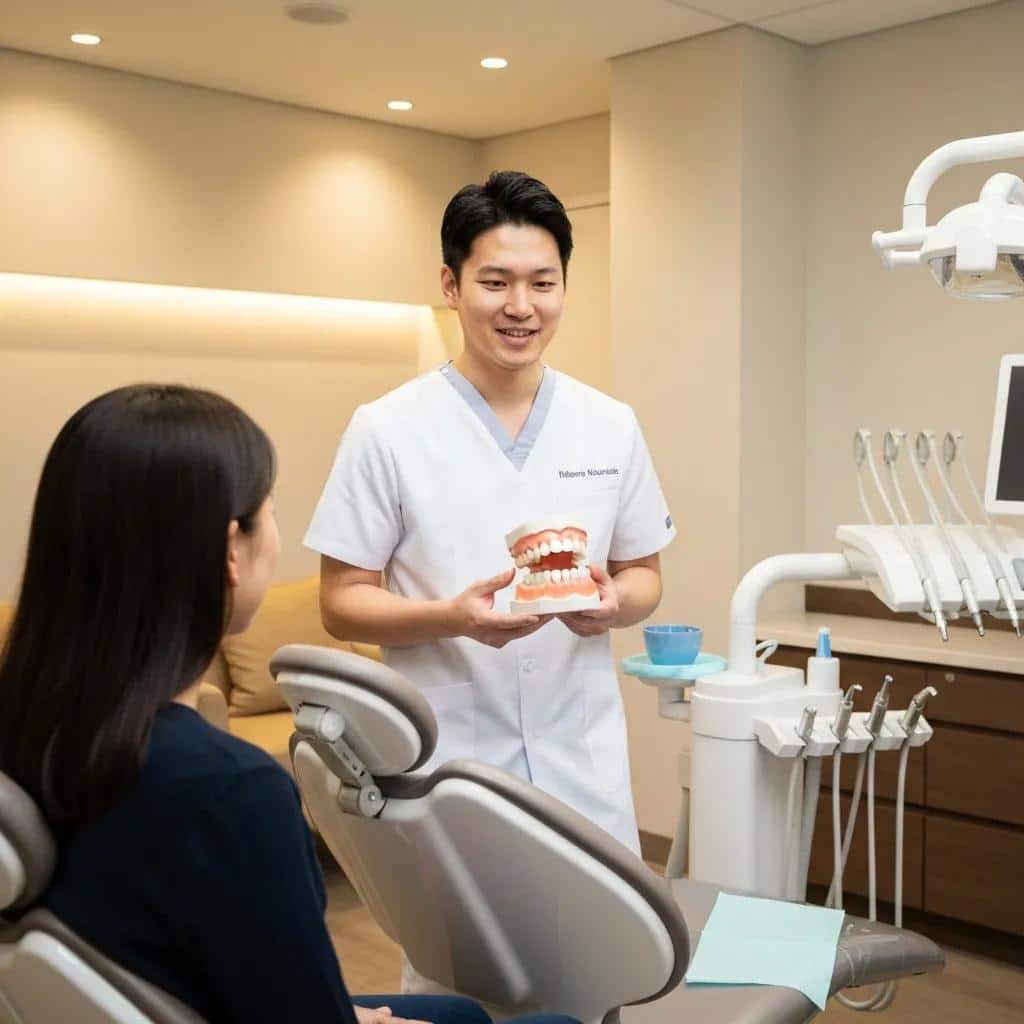
During a free implant failure assessment at Dentist In Mansfield- Dentures and Dental Implants (Affordable Dentist Near Me), expect a focused 20–40 minute visit that gathers medical and dental history, documents symptoms, and performs a targeted clinical examination. The clinician will probe peri-implant tissues, assess prosthetic integrity, and take appropriate radiographs to evaluate bone levels and identify fractures or defects. After diagnostic steps, the dentist will explain findings in plain language, outline possible non-surgical or surgical options, and discuss timelines and expected recovery for each route. Administrative staff will review financial options if treatment is recommended, including the clinic’s affordable payment plans or discount plan to help patients plan care. The free consult is structured to provide clarity about diagnosis and a no-obligation roadmap for moving forward.
How Does Early Consultation Improve Treatment Outcomes?
Early consultation shortens the window between symptom onset and diagnosis, which often permits less invasive, more predictable interventions that preserve bone and reduce overall treatment time and cost. When clinicians identify problems at an early stage—such as limited peri-implant inflammation or minor attachment loss—non-surgical therapies can effectively control infection and restore tissue health without the need for removal. Conversely, delayed consultation frequently leads to advanced bone defects necessitating grafting and staged reconstruction, which prolongs recovery and increases expense. Timely assessment also allows risk factors to be addressed promptly, such as adjusting occlusion, advising smoking cessation, or optimizing medical conditions that affect healing. In short, early evaluation increases the chance of salvage, reduces surgical complexity, and supports faster return to normal function.
Prompt action therefore aligns clinical effectiveness with patient convenience and cost-efficiency.
What Are Frequently Asked Questions About Dental Implant Failure?
This FAQ-style section gives concise, direct answers to common patient queries to help you quickly find focused guidance and decide whether to seek further assessment. Each entry below summarizes essential facts and points to the relevant sections above for deeper explanation so you can move from general understanding to specific planning.
What Happens When a Dental Implant Fails?
When a dental implant fails, the fixture loses stable integration with the jawbone or becomes surrounded by infection, leading to mobility, pain, and functional compromise; immediate steps include minimizing chewing on the side and scheduling an urgent evaluation. Clinicians will assess whether infection control and non-surgical salvage are possible or whether removal and staged reconstruction are necessary. Timely treatment limits bone loss and preserves future options.
Ailing and Failing Endosseous Dental Implants: A Literature Review
ABSTRACT: CitationAshley ET, Covington LL, Bishop BG, Breault LG. Ailing and & Failing Endosseous Dental Implants: A Literature Review. J Contemp Dent Pract 2003 May;(4)2:035-050.
Ailing and failing endosseous dental implants: a literature review, 2005
Is Dental Implant Failure Painful and How Long Does It Last?
Pain from implant failure varies—early inflammation may cause mild to moderate discomfort, while infection or acute mechanical failure can produce severe pain; pain duration depends on cause and treatment, often improving within days of appropriate therapy.
Effective management includes analgesia, infection control, and definitive treatment, which shortens symptom duration and reduces complications.
Can a Dental Implant Hurt Years After Placement?
Yes, implants can become painful years after placement due to late-onset peri-implantitis, occlusal overload, or prosthetic complications; delayed pain warrants evaluation because it may signal progressive bone loss or mechanical breakdown.
Long-term maintenance and prompt attention to new symptoms reduce the likelihood of extensive retreatment.
How Do You Know If Your Implant Is Infected or Loose?
Key signs of infection include persistent swelling, redness, pus, and bad taste, while looseness presents as a palpable wobble or inability to function normally on that tooth; both conditions merit prompt clinical evaluation.
Avoid chewing on the affected side and seek assessment to determine whether conservative therapy or surgical intervention is required.
What Are the Signs of Peri-implantitis and How Is It Treated?
Peri-implantitis signs include bleeding on probing, increasing pocket depths, suppuration, and radiographic bone loss; treatment ranges from non-surgical debridement and antibiotic therapy for early disease to surgical debridement and regenerative bone grafting for advanced defects.
Prevention through hygiene and regular maintenance is a cornerstone of long-term implant health.
Use the symptom lists above to decide if urgent care is needed.
Consider the free consult at Dentist In Mansfield- Dentures and Dental Implants (Affordable Dentist Near Me) to obtain a personalized assessment.
Follow recommended prevention and maintenance steps to reduce future risk.
This final checklist summarizes immediate actions and available support for patients facing implant problems.