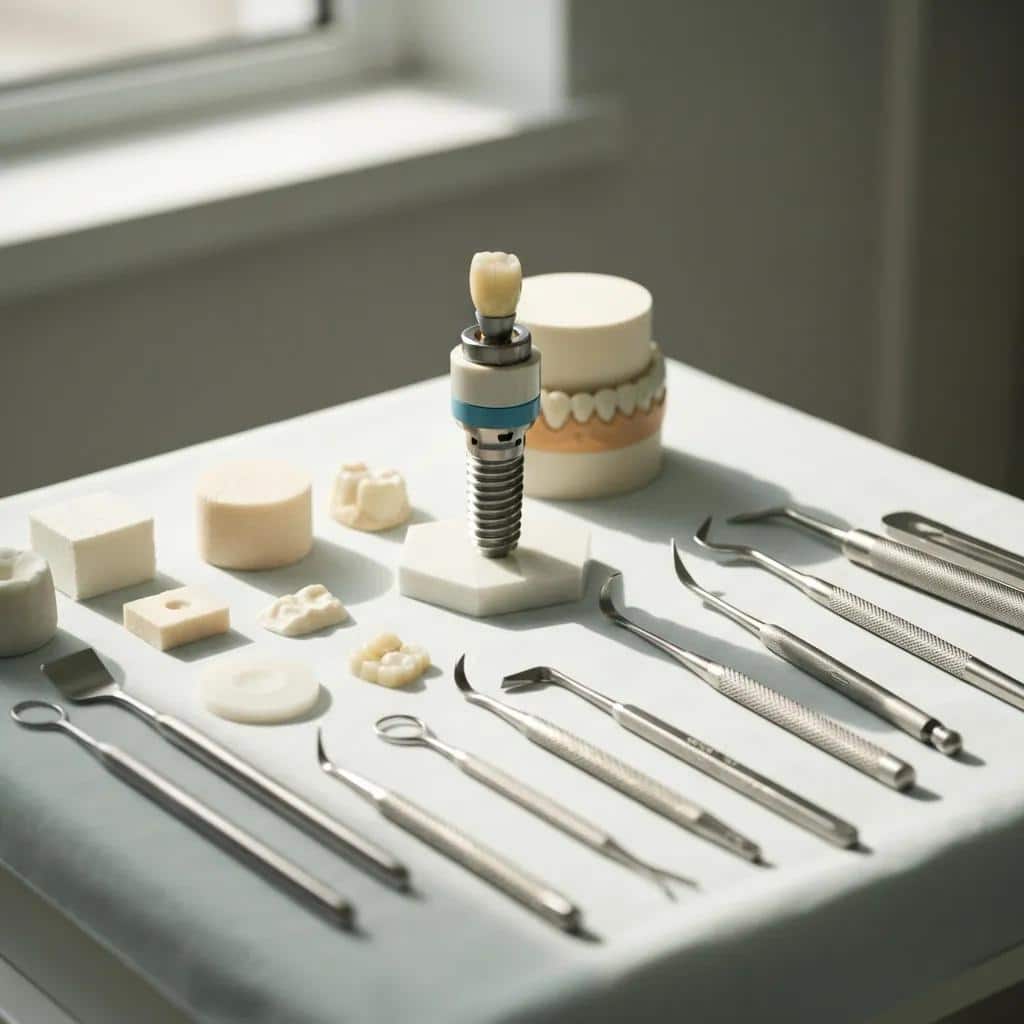
What Happens When a Dental Implant Fails? A Patient’s Guide to Signs, Causes, Treatments, and Prevention
Implant failure happens when an implant-supported restoration no longer works because the implant loses its bond with the jawbone or becomes affected by infection or mechanical problems. Some failures appear early, during the first weeks when the implant is integrating with bone (osseointegration); others are late, developing months or years later from infections, overload, or health issues. This guide lays out the common warning signs to watch for, the most frequent causes—from peri-implantitis to bruxism and systemic conditions—and the treatment options, from conservative cleaning to surgical removal, bone grafting, and replacement implants. You’ll also find practical prevention tips, clear financial information, and guidance on when to seek urgent care. We use patient-friendly language but also explain clinical ideas like osseointegration, peri-implant inflammation, and bone grafting so you can make informed choices at each step.
What Are the Key Signs and Symptoms of Dental Implant Failure?
A failing implant usually shows up as changes in how it feels or functions, or in the health of the surrounding tissues—signals that osseointegration is lost, infection is present, or the restoration is mechanically unstable. Early recognition links specific symptoms to likely causes: ongoing pain or sensitivity often points to infection or nerve irritation, movement means loss of bone support, and chronic bleeding or pus suggests peri-implantitis with progressive bone loss. Spotting patterns quickly helps you and your dentist decide what’s urgent and what can wait. Below we break down pain types, soft-tissue and mechanical signs, and the clinical clues dentists use to judge whether an implant can be rescued or needs removal.
How Does Pain Indicate a Failing Dental Implant?
Once an implant has integrated, it should not be painful—so persistent or worsening pain is a warning sign. A dull, throbbing pain that gets worse when you chew often indicates an infection affecting the bone. Sharp, electric-like shocks may signal nerve irritation from surgical trauma or a poorly fitting abutment. Dentists review when pain started (right after surgery or much later), its quality, and other signs like swelling or fever; imaging and gentle probing help show whether pain matches bone loss, an abscess, or a mechanical overload. While you wait for an appointment, avoid chewing on that side, rinse gently with saline, and call your dentist for an exam and X-rays to guide next steps.
What Are the Signs of Swelling, Mobility, and Gum Issues?
Red, swollen gums, bleeding, and any discharge are classic signs of peri-implant mucositis, which can advance to peri-implantitis when bone is lost around the implant. Mobility is especially concerning: unlike natural teeth, implants should not move—if they do, it usually means loss of bone support or failed osseointegration. Gum recession that exposes the implant collar or abutment raises the risk of infection and can affect appearance. A persistent bad taste or smell often indicates active infection. Clinicians combine probing, soft-tissue checks, and radiographs or CBCT scans to measure bone loss and decide whether to try conservative care or move to surgery; earlier detection gives the best chance to save the implant.
Different symptoms call for different diagnostic priorities and treatments, which leads into the causes behind these signs.
Key symptoms of implant failure:
Ongoing or worsening pain near the implant.
Increased swelling, bleeding, pus, or a persistent bad taste/odor.
Any movement of the implant fixture or the attached restoration.
Gum recession that exposes metal components.
Difficulty chewing or sudden changes in how your bite feels.
These symptoms help determine how quickly you need an exam and imaging. The sooner problems are caught, the more likely the treatment will be less invasive and more successful.
What Are the Most Common Causes of Dental Implant Failure?
Implant failure has biological, mechanical, and systemic causes that interfere with bone integration or speed up bone loss around a functioning implant. The most common biological cause of late failure is peri-implantitis—a progressive bacterial infection of the tissues around the implant. Early failures often stem from poor primary stability at placement or contamination during surgery that prevents osseointegration. Mechanically, too much force from a bad bite or bruxism causes micro-movement and bone microfractures. Systemic issues—uncontrolled diabetes, smoking, low bone density, and some medications—reduce healing and raise infection risk. Understanding these causes helps your dentist decide whether to attempt salvage or to remove and rebuild the site, and it guides prevention efforts tailored to you.
To compare key causes, the table below summarizes how each works and what it typically does clinically.
This table compares common pathways to implant failure, showing how each factor leads to problems and its relative risk.
Cause
How it Causes Failure
Clinical Effect & Relative Risk
Peri-implantitis
Bacterial biofilm → soft-tissue inflammation → progressive bone loss
Bleeding, pus, deep pockets, bone loss; high risk for late failure
Failed osseointegration
Poor initial stability or surgical contamination → no bone integration
Early mobility, pain, lack of support; moderate–high risk
Bruxism (mechanical overload)
Excessive biting forces → micro-motion and bone resorption
Fractures, loose screws, gradual bone loss; moderate risk
Smoking
Reduced blood flow and healing → higher infection risk
Delayed healing, higher infection and failure rates; moderate–high risk
Uncontrolled diabetes
Weakened immune response and slower repair → more infections
Higher peri-implantitis rates and poor integration; moderate–high risk
This comparison highlights that infection and impaired healing—often due to systemic or lifestyle factors—pose the biggest threats over time. Identifying the main cause for each patient focuses treatment and prevention efforts.
How Does Peri-implantitis Lead to Implant Failure?
Peri-implantitis starts when bacteria colonize the space around the implant and set off chronic inflammation of the surrounding mucosa. It often begins as peri-implant mucositis—reversible soft-tissue inflammation—but becomes peri-implantitis when bone is lost. On X-rays you’ll see bone defects, and clinically there are deeper probing depths with bleeding or pus. As bone support diminishes, the implant loses mechanical stability; persistent infection can make the fixture impossible to save without surgery. Initial treatment is usually mechanical cleaning and antimicrobial therapy, but significant bone loss often requires surgical access, decontamination, and bone regeneration. Treating mucositis early greatly lowers the chance it will progress to destructive peri-implantitis.
What Systemic and Lifestyle Factors Increase Failure Risk?
Your overall health and habits affect how well implants heal and stay healthy. Uncontrolled diabetes lowers blood flow and immune response, making infection and delayed osseointegration more likely. Smoking reduces oxygen delivery and impairs bone healing, raising peri-implantitis risk. Low bone density or osteoporosis means less solid bone to anchor an implant. Certain medications—bisphosphonates or immunosuppressants, for example—change bone turnover and healing. And grinding or clenching (bruxism) places too much mechanical stress on implants, accelerating bone loss. Managing these risks includes better blood-sugar control, quitting smoking, reviewing medications with your doctor, and protecting restorations from overload with occlusal adjustments or night guards. Addressing these factors is essential for both successful treatment and long-term prevention.
What Treatment Options Are Available for a Failed Dental Implant?
Treatment ranges from conservative, non-surgical care to complex surgical reconstruction and replacement. Choice depends on how bad the infection is, how much bone is lost, and your overall health. Non-surgical care—mechanical cleaning, antiseptic rinses, and antibiotics—can control early mucositis and mild peri-implantitis when bone loss is limited. Surgical options include implant removal, thorough decontamination, guided bone regeneration with graft materials, and either delayed or, in rare cases, immediate re-implantation. If re-implantation isn’t possible, a fixed bridge or implant-supported denture can restore function. Clinicians weigh likely success, healing time, and your preferences to build staged plans that balance function, appearance, and long-term prognosis.
Here’s a quick-reference look at common treatments, when they’re used, and typical recovery and cost expectations.
This table outlines main treatment choices for failed implants and practical considerations for decision-making.
Treatment
When It’s Used
Recovery Time / Typical Cost Range
Non-surgical debridement + antibiotics
Early mucositis or mild peri-implantitis with limited bone loss
1–4 weeks recovery; generally lower cost (clinic-dependent)
Surgical debridement + regenerative therapy
Moderate peri-implantitis with localized bone defects
2–6 months healing; moderate cost depending on graft material
Implant removal + socket preservation
Extensive bone loss or non-salvageable infection
Soft-tissue recovery 1–3 weeks; bone healing 3–6 months; higher cost
Revision implant placement
After adequate graft healing and site preparation
Staged timeline: several months; higher cost for multiple procedures
Alternative prosthetic (bridge/denture)
When re-implantation is contraindicated or not affordable
Recovery varies; often lower cost than full implant revision
This comparison helps patients and clinicians align on expected timelines, invasiveness, and likely costs when planning care.
When Are Non-Surgical Treatments Like Deep Cleaning and Antibiotics Effective?
Non-surgical care works best in early disease when inflammation is limited to the soft tissues and bone loss is minimal. Success relies on thorough removal of bacterial biofilm and consistent home care. Typical protocols include careful mechanical debridement with implant-safe instruments, topical antiseptics, and selective use of systemic antibiotics when there are systemic signs or spreading infection; adjuncts like laser therapy or locally delivered antimicrobials can help in some cases. Good predictors of success are shallow probing depths, no pus, excellent plaque control, and generally good health. Patients treated non-surgically need close follow-up and maintenance cleanings; if signs don’t improve or bone loss progresses, surgical referral is indicated.
What Does Surgical Removal, Bone Grafting, and Implant Replacement Involve?
Surgical care starts with atraumatic removal of the failing implant and careful decontamination of the site. If there’s not enough bone for a new implant, your dentist or specialist will perform guided bone regeneration using autograft, allograft, xenograft, or synthetic materials, often with membranes to stabilize the graft. Soft tissues usually close within weeks, but bone grafts commonly need three to six months (or longer) to mature before a new implant can be placed. In select situations re-implantation may be immediate, but most cases are staged after graft consolidation. Clear risk counseling, realistic timelines, and thorough post-op care are essential to improve outcomes and manage expectations.
Typical surgical pathway:
Clinical and radiographic assessment to decide if salvage is possible.
Implant removal using atraumatic techniques when needed.
Debridement and decontamination of the site.
Bone grafting and socket preservation when indicated.
Healing with staged re-assessments and eventual re-implantation when bone is adequate.
This staged approach balances infection control and structural repair to give the best chance for a successful revision implant or a reliable prosthetic alternative. Because these procedures are individualized and sometimes complex, many patients benefit from a specialist consultation to outline options and realistic timelines.
How Can Dental Implant Failure Be Prevented?
Prevention focuses on controlling bacterial buildup, protecting bone and soft tissues, and managing health and lifestyle factors so implants can integrate and stay stable. Daily hygiene practices tailored for implants—interdental brushes, proper flossing, and gentle cleaning around crowns—reduce biofilm. Regular professional maintenance visits let your team catch mucositis before it becomes destructive. Lifestyle changes such as quitting smoking and improving blood-sugar control in diabetes reduce failure risk, while mechanical protections like occlusal adjustments or night guards limit overload. A coordinated plan between you and your dental team that combines home care, routine checks, and risk modification gives implants the best chance to last.
Below are practical daily and professional steps patients can adopt to protect implants.
Essential prevention strategies for implant longevity:
Clean around implant crowns daily with interdental brushes and correct flossing techniques to remove biofilm.
Schedule professional maintenance every 3–6 months for plaque removal and periodontal checks.
Quit smoking and work on better glycemic control if you have diabetes to improve healing.
Use a night guard if you grind or clench to protect implants from overload.
Have any bleeding, swelling, or discomfort checked promptly to treat mucositis early.
Making these measures routine reduces the chance of peri-implantitis and mechanical problems. Maintenance is a shared effort between you and your dental team. The following sections explain specific home-care tips and the role of lifestyle changes.
What Oral Hygiene Practices Help Protect Dental Implants?
Daily care for implants focuses on mechanically removing plaque and preventing biofilm from maturing around the peri-implant sulcus. Interdental brushes and low-abrasive toothpaste are recommended for restorations. Use a gentle technique around the crown and abutment to clean thoroughly without harming the gum tissue; water flossers can be a helpful adjunct for those who find manual interdental tools difficult. Antimicrobial mouth rinses can temporarily reduce bacteria but don’t replace mechanical cleaning. Professional maintenance often includes implant-specific instruments and tracking of probing depths and radiographic bone levels; sticking to this routine prevents reversible mucositis from turning into destructive peri-implantitis.
How Do Lifestyle Choices and Regular Check-Ups Reduce Failure Risk?
Habits and medical conditions affect both healing after surgery and long-term implant health. Smoking, uncontrolled diabetes, and untreated bruxism impair healing, reduce blood flow, and add damaging mechanical forces. Smoking-cessation programs and coordinated medical care for diabetes improve tissue perfusion and lower infection risk. Occlusal guards protect implants from excessive force. Regular check-ups—usually every three to six months depending on your risk—let clinicians spot early pocketing, mucosal inflammation, and X-ray changes before these problems become irreversible. Together, these steps make implant care an ongoing maintenance plan that preserves function and appearance for years.
What Are the Financial Considerations for Treating Failed Dental Implants?
Financial planning matters because treating implant failure can mean multiple stages—removal, grafting, and possible re-implantation—each with separate costs and timelines. Insurance coverage for implant-related care varies and often limits benefits for prosthetics and surgical revision, so ask your insurer for a benefits check and get itemized estimates. Financing options and phased treatment plans can spread costs over time without compromising care. Understanding typical cost ranges and the factors that influence price helps you make informed choices and set realistic expectations before starting treatment.
The table below provides an illustrative cost framework for common procedures involved in treating failed implants and notes practical insurance or financing considerations.
This financial overview lists procedure categories, typical cost ranges, and insurance/financing notes.
Procedure
Typical Cost Range
Insurance / Financing Notes
Non-surgical therapy (debridement + meds)
Lower-range (clinic-dependent)
Often partially covered if billed as periodontal care; verify benefits
Surgical debridement + regeneration
Moderate to high
May require prior authorization; graft materials add cost
Implant removal + socket preservation
Moderate to high
Coverage varies; itemize removal and grafting separately for insurers
Bone grafting (block/particulate)
Moderate to high
Financing plans can spread cost over healing period
Revision implant placement
High (staged procedures increase overall cost)
Multiple procedures may require staged payment planning
Alternative prosthetic (bridge/denture)
When re-implantation is contraindicated or unaffordable
Recovery varies; cost can be lower than full implant revision
Costs depend on surgery scope, graft material, imaging needs, and whether a salvage is possible. A personalized estimate after clinical assessment gives the clearest financial picture.
How Much Does Implant Removal and Replacement Typically Cost?
Costs vary with complexity. A straightforward, atraumatic implant removal takes less chair time than removal that requires extensive bone work. Graft materials differ in price—autograft, allograft, and synthetic options each carry different costs. Other cost drivers include infection severity, defect size, need for advanced imaging, and whether new prosthetic components are required. Because each case is unique, a clinical exam and imaging are necessary for an accurate estimate. Expect staged expenses: initial removal and healing, grafting costs, and later implant placement and prosthetic fabrication.
What Insurance and Financing Options Are Available?
Dental insurance may cover parts of surgical and periodontal care but often limits implant-specific benefits. Ask your insurer about coverage for implant removal, grafting, and prosthetics, and whether pre-authorization or documented medical necessity improves approval. Many practices offer in-house payment plans or partner with third-party healthcare lenders to spread costs. Phased treatment planning—prioritizing urgent restorative needs first—can make care more manageable. For a personalized estimate and financing options, schedule a consult so the team can match clinical needs with your budget. Locally, Dentist in Denton – Dentures & Dental Implants can provide an assessment and discuss cost estimates and payment plans at their Denton office.
Key financial tips:
Ask for itemized estimates that separate removal, grafting, and implant placement costs.
Verify insurance benefits and inquire about pre-authorization for surgical procedures.
Ask the clinic about financing plans or phased treatment to spread payments.
These steps help you plan and avoid surprises while pursuing the most appropriate clinical pathway.
When Should You Seek Professional Help for a Failing Dental Implant?
Contact your dental team right away for any sign of active infection, progressive bone loss, or mechanical instability—early assessment often preserves more options. Urgent red flags include severe or rapidly worsening pain, swelling that changes facial contours, fever, pus near the implant, or sudden movement of the restoration—these warrant same-day evaluation. For less acute but concerning signs—ongoing bleeding, a persistent bad taste, growing gum recession, or deeper probing depths—schedule an appointment within a few days to detect peri-implant disease and start conservative therapy. Patients in Denton can use local consult options for timely assessment and a clear plan.
Schedule a free consult to get a professional diagnosis and next steps.
This low-risk visit helps you get a clear diagnosis, prioritize treatments, and understand timelines. After urgent or routine evaluation, your dentist will recommend immediate intervention, staged surgery, or monitoring, depending on what’s best. Offering a free consult is a helpful next step for conversion and patient reassurance.
What Urgent Symptoms Require Immediate Dental Attention?
Certain symptoms suggest active infection or structural failure and require immediate care because they can worsen quickly or spread systemically. Urgent signs include severe pain that doesn’t respond to painkillers, rapidly increasing facial swelling, pus draining from around the implant, sudden mobility of the implant or restoration, and systemic signs such as fever or feeling unwell. While you wait for care, avoid chewing on the affected side, rinse gently with warm saline to help reduce bacteria, and seek same-day dental evaluation to determine if drainage, antibiotics, or emergency removal is required. Go to an emergency room only if airway compromise or signs of systemic sepsis are present; otherwise, an urgent dental visit is the best first step for localized implant problems.
How Can You Schedule a Free Dental Implant Consultation in Denton?
For a free consult at Dentist in Denton – Dentures & Dental Implants, bring any recent dental records, a list of medications, and any available images. Also prepare a short timeline of symptoms around the implant. During the consult, the clinician will do a focused exam, likely take diagnostic imaging to check bone levels and implant position, and explain options—conservative care, surgical revision, or prosthetic alternatives—along with expected timelines. The Free Dental Implant Consult helps you understand personalized risks, likely costs, and next steps so you can choose confidently. The clinic is located at 3969 Teasley Ln, Denton, TX 76210 and is staffed by experienced dentists such as Dr. Mike Pham and Dr. Vo, who can review both surgical and restorative options during the visit.
Scheduling a consult clarifies diagnosis and treatment planning and is especially useful if you have worrying symptoms or are comparing repair options.
What to bring to your consult:
Any recent dental radiographs or CBCT scans, if available.
A list of current medications and medical conditions.
Notes on symptoms, when they started, and any prior treatments.
These items help the team give you an informed, actionable plan during the free consultation.
What Are Common Patient Questions About Dental Implant Failure?
Patients often ask whether a failed implant can be saved, how long recovery takes after removal and revision, and what chances exist for future implant success. Answers depend on clinical findings: limited bone loss and a controlled infection make salvage more likely, while extensive bone destruction or persistent infection usually means removal and staged reconstruction. Recovery timelines vary with procedure complexity—soft tissue heals in days to weeks, while bone regeneration can take months before placing a new implant. Personalized answers require an exam and imaging, which is why focused consults and clear communication are so important.
Can a Failed Dental Implant Be Repaired or Saved?
Yes—sometimes a failed implant can be salvaged, depending on how severe the infection is, how much bone is lost, and the patient’s overall health. Salvage approaches include careful mechanical debridement, local or systemic antibiotics, and regenerative surgery to rebuild lost bone—these work best when defects are localized and soft tissues are healthy. If infection is widespread, bone loss is extensive, or the implant is mobile because osseointegration failed, removal followed by socket preservation and staged reconstruction is usually necessary. Success rates vary and depend on prompt treatment and patient factors like smoking and blood-sugar control; a tailored clinical evaluation is essential to estimate realistic outcomes.
How Long Is Recovery After Implant Removal and Revision Surgery?
Soft-tissue recovery after implant removal usually takes a few days to a couple of weeks; pain is managed with medication and proper oral hygiene, and sutures are often removed at one to two weeks. Bone grafts and guided regeneration need longer to consolidate—commonly three to six months before re-implantation is considered, though some cases need more time or additional grafting. From removal to final prosthesis can span several months to over a year depending on defect size, grafting complexity, and your healing. Regular follow-ups during healing check graft integration and mucosal health and help time the next surgical steps.
These timelines show why early detection and less invasive treatment can shorten recovery and reduce the need for complex, staged surgery.
What Are the Differences Between Early and Late Dental Implant Failure?
Early failure happens during the initial healing and osseointegration phase—usually within weeks to a few months after placement—while late failure appears months to years later after an implant had been working. Early failures most commonly follow surgical complications, poor primary stability, contamination, or immediate loading that prevents bone from bonding to the titanium. Late failures are usually caused by biological problems like peri-implantitis, mechanical overload from bruxism or prosthetic issues, or changes in general health that affect bone maintenance. Knowing whether a failure is early or late helps guide treatment: early problems may need surgical revision or replacement, while late problems often need infection control and regenerative procedures.
A retrospective study of 9,080 implants reported that early DIF occurred in 83.48% of failures, while late DIF occurred in 16.52%, showing most failures happen during the initial integration phase.
Risk Factors for Early and Late Dental Implant Failure: A Retrospective Study
1. The study analyzed possible risk factors for early and late dental implant failure (DIF) in a clinical cohort.
2. In a private practice, 9,080 implants were placed over 10 years. When DIF occurred, researchers classified data into early and late events and compared factors such as gender, age, implant site, implant geometry, and patients’ systemic diseases.
3. Three hundred fifty-one implants failed during the observation period (survival rate: 96.13%). Early DIF occurred in 293 implants (83.48%) compared to late DIF in 58 implants (16.52%). Earlier DIF was significantly more common in the mandible (OR = 3.729, p < 0.001)—especially the posterior area—and in younger patients (p = 0.017). Late DIF was more likely with maxillary implants (OR = 3.729, p < 0.001) and older patients.
4. Early DIF is roughly twice as common as late DIF. Main risk factors for early DIF are location in the (posterior) mandible and younger age. By contrast, late DIF is associated with older patients, cancellous bone quality, and longer implants.
5. Overall, osseointegrated implants are a reliable treatment for replacing missing teeth. Despite high success rates, tailoring treatment protocols to the individual is key for prognosis and patient satisfaction. Over a 10-year period, a survival rate of 85–95% can be expected. In about 5% of cases, absence of primary integration results in implant failure, and repeated implant losses in one patient may point to specific risk factors for DIF.
Key contrasts:
Early failure: occurs within weeks to months; usually due to surgical or integration problems.
Late failure: appears months to years later; often driven by infection, mechanical overload, or systemic changes.
Management differs: early failures may need removal and staged re-implantation; late failures often require infection control and regenerative surgery.
Attend scheduled maintenance: Regular cleanings and checks help catch problems early.
Manage systemic conditions: Keep blood sugar controlled and discuss medication effects with your dentist.
Avoid tobacco: Stopping smoking improves healing and lowers infection risk.
These routines, along with prompt professional assessment at the first sign of trouble, significantly lower the risk of both early and late implant failure. A targeted consult is often the final clinical step to match treatment and financing with your goals—patients in Denton can visit the clinic at 3969 Teasley Ln for in-person assessment with Dr. Mike Pham or Dr. Vo.
Frequently Asked Questions
What is the typical recovery time after dental implant failure treatment?
Recovery time depends on the treatment. Non-surgical care like debridement and antibiotics can take 1–4 weeks. Surgical procedures such as bone grafting often need 2–6 months before re-implantation is possible. From initial treatment to a final prosthesis can take several months to over a year, depending on complexity and your healing.
Are there specific lifestyle changes that can help prevent dental implant failure?
Yes. Quitting smoking is one of the most important steps because it improves blood flow and healing. Managing conditions like diabetes through medication and diet supports better recovery and lowers infection risk. Excellent daily oral hygiene and regular dental check-ups also play a major role in keeping implants healthy.
How can I tell if my dental implant is failing?
Watch for persistent pain, swelling, gum bleeding, or pus near the implant. Any movement of the implant or sudden bite changes are also warning signs. A bad taste or smell may indicate infection. If you notice these symptoms, see your dentist promptly—early detection improves treatment options and outcomes.
What are the financial implications of treating a failed dental implant?
Treating a failed implant can involve multiple procedures—removal, grafting, and possible re-implantation—so costs can add up. Prices vary by case complexity and materials used. Insurance coverage differs widely, so check benefits and get itemized estimates. Financing or phased treatment plans can help manage costs.
Can dental implants fail due to systemic health issues?
Yes. Conditions like uncontrolled diabetes, osteoporosis, and certain autoimmune diseases can impair healing and raise infection risk. Smoking and some medications also affect implant success. Tell your dentist about your full medical history so they can plan care that accounts for these risks.
What should I do if I suspect my dental implant is failing?
If you suspect failure, seek dental care promptly—especially for severe pain, swelling, or movement of the implant. Early intervention can often save the implant or prevent further damage. Your dentist will examine you, likely take imaging, and recommend the best next steps based on the severity.
Conclusion
Knowing the signs, causes, and treatment options for dental implant failure helps you act quickly and protect your oral health. Spotting problems early and getting timely professional care improves the chance of a favorable outcome. Preventive steps and sensible lifestyle changes further increase the longevity of implant restorations. For personalized advice and to explore options, consider scheduling a consultation with our team—we’ll walk you through diagnosis, treatment choices, and realistic timelines so you can decide with confidence.