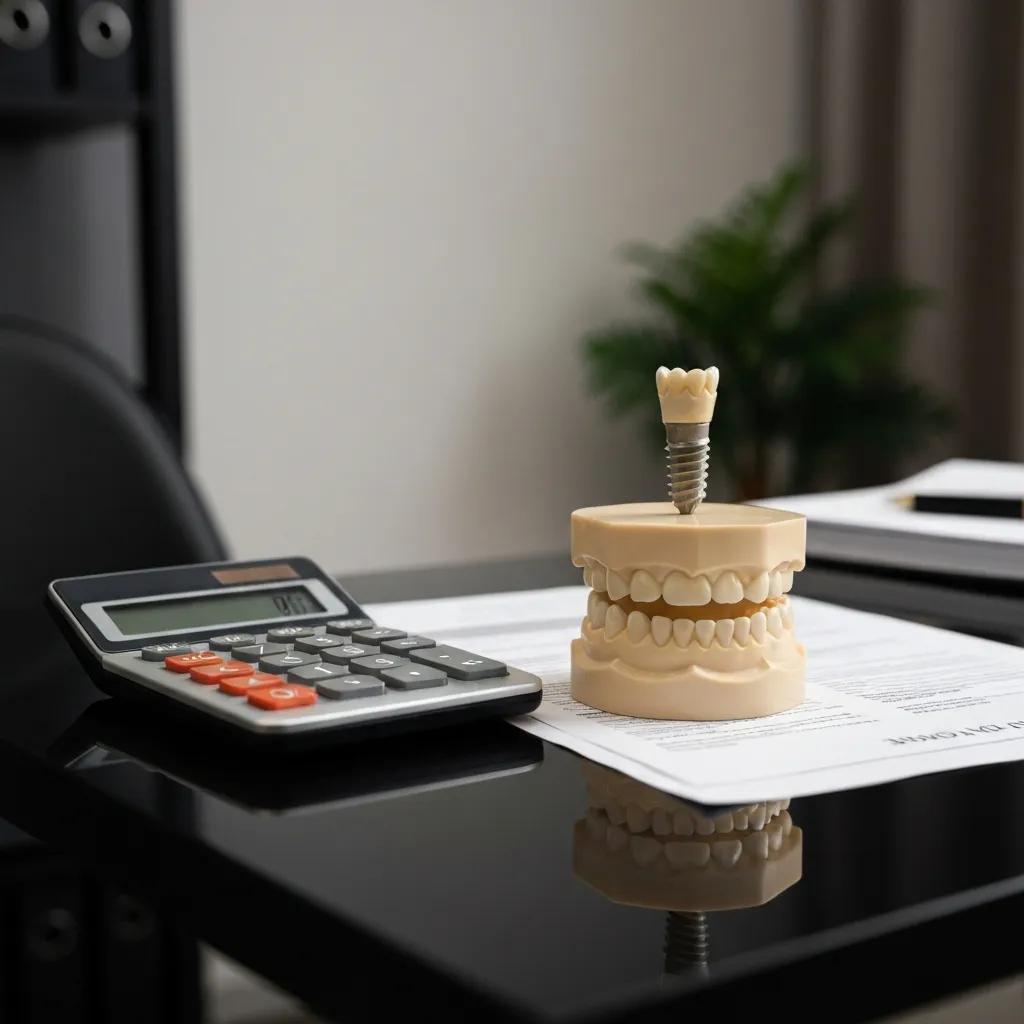
Understanding Dental Insurance for Tyler’s Implants
Dental Implant Financing in Tyler, TX: Understanding Insurance Coverage and Payment Solutions for Affordable Care
Dental implant financing covers the financial pathways that let people replace missing teeth with implant-supported solutions without delaying care due to sticker shock. This guide explains how dental implants are priced in Tyler, TX, how dental and medical insurance commonly treat implants, and the range of payment options—from in-house plans to CareCredit-style medical credit and HSA/FSA strategies—that patients use to make implants affordable. Many patients face uncertainty about coverage, preauthorization, and monthly payment estimates; this article breaks those topics into clear steps, practical comparisons, and local specifics to help readers make an informed decision. You will learn typical cost ranges for single implants, multi-unit and full-arch restorations, how to check PPO benefits, when medical insurance might apply, and how to combine savings and financing for manageable monthly payments. The guide also includes local offers and step-by-step scheduling instructions for a $79 consult in Tyler that helps convert estimates into personalized treatment plans and financing proposals.
What Are the Typical Costs of Dental Implants in Tyler, TX?
Dental implants in Tyler cover a range of procedures from single-tooth replacement to full-arch reconstructions, and costs vary based on clinical complexity and restorative choices. At the core, a dental implant procedure includes the implant fixture (titanium post), an abutment, and a crown, and each component contributes to the total fee. Major cost drivers include the number of implants, the need for bone grafting or sinus lifts, the implant system and crown materials chosen, and laboratory fees for custom prosthetics; provider experience and local operating costs also influence pricing. Understanding these drivers allows patients to compare estimates and identify which elements are negotiable or staged for financial planning.
Different implant procedures have distinct cost profiles and typical extra fees.
Procedure Type
Typical Cost Range (USD)
Notes on Variability and Extra Fees
Single-tooth dental implant
$1,800 – $4,000
Range depends on implant brand, abutment, and crown material; bone grafts add $300–$1,500
Implant-retained denture (2–4 implants)
$6,000 – $18,000
Cost varies by attachment type, denture material, and number of implants
Full-arch (All-on-4 style)
$15,000 – $35,000+ per arch
Higher lab and prosthetic costs; immediate load vs staged approach affects price
Bone graft / sinus lift (if needed)
$300 – $2,500
Adds to total when bone volume is insufficient; timing impacts scheduling and cost
This table highlights how implant costs escalate with complexity and additional surgical procedures, and shows why a personalized estimate is essential before commitment.
What factors most often change an estimate are procedural complexity and materials, and recognizing those variables prepares patients to ask targeted questions when comparing quotes. The following list details the primary cost drivers so you can anticipate where price changes typically occur.
Number of implants and scope of the restoration determine base surgical and prosthetic fees.
Bone grafts, sinus lifts, or ridge augmentation add surgical time and material costs.
Provider experience, surgical setting (office vs hospital), and imaging needs (CBCT) affect final pricing.
These factors shape personalized estimates and help patients plan staging options or financing; understanding them leads naturally into how insurance interacts with those costs and common patient actions to reduce out-of-pocket expense.
H3: What Factors Influence the Cost of Dental Implants?
Several clinical and nonclinical elements combine to determine a final implant quote, and recognizing each one helps patients compare provider estimates fairly. Clinically, the number of implants, necessity for bone grafting or sinus lifts, and whether extractions and temporary prostheses are required raise complexity and costs. Material choices such as premium implant brands, custom titanium abutments, and aesthetic crown materials also increase lab fees and long-term value. Nonclinical factors—provider training, geographic location, and whether the practice uses in-house labs or third-party labs—affect overhead and price. Patients can sometimes lower upfront expense by staging treatment (placing implants first and delaying prosthetics) or selecting cost-effective crown materials while preserving clinical quality.
Understanding these cost components makes it easier to evaluate estimates and ask the right questions during a consult, which then leads directly to how insurance may modify the final patient responsibility.
H3: How Does Insurance Affect the Cost of Dental Implants?
Insurance coverage for implants varies widely and frequently results in partial reimbursement or exclusion, so understanding plan details up front is essential for accurate budgeting. Many PPO dental plans historically limit or exclude implant fixtures but may cover restorative crowns or related prosthetic work; alternatively, some PPOs offer partial coverage after waiting periods or as an optional rider. Other important plan constraints include annual maximums, deductibles, and predetermination requirements—asking for a preauthorization or predetermination estimate gives clarity on expected reimbursement. To verify benefits, patients should obtain their dental ID, ask for plan wording on implants and medical necessity, and request a written predetermination from their insurer. These verification steps reduce billing surprises and set up the next stage: mapping plan types to typical coverage behaviors in Tyler.
How Does Dental Insurance Coverage Work for Implants in Tyler?
Insurance treatment of implants centers on the plan’s classification of implants as dental (routine restorative) versus medically necessary procedures, and the route to reimbursement depends on that determination. Generally, many PPO dental insurance plans treat implants as major restorative services and may provide partial coverage for prosthetic components while excluding the surgical implant fixture unless a specific rider applies. Steps to verify coverage include locating the plan summary, requesting predetermination, and asking the insurer whether a medical necessity claim is possible for your situation. When seeking coverage, documentation such as clinical notes, referral letters, and imaging improves the chance of an accurate predetermination and supports appeals if coverage is denied.
The following table shows how different plan types commonly handle dental implant coverage and what actions patients should take.
Plan Type / Category
Typical Coverage for Implants
Notes on Waiting Periods and Preauthorization
PPO dental plans
Partial coverage for restorative crowns; fixture often excluded
Check for optional implant riders; request predetermination
Standard dental insurance (no rider)
Frequently excludes implant fixtures
Annual maximums may limit value; appeals possible with documentation
Medical insurance (for medical necessity)
May cover surgery if implant is reconstructive after trauma/cancer
Requires medical records, referrals, and preauthorization
Secondary policies / riders
Variable; may reduce patient share for prosthetic portion
Confirm coordination of benefits and predetermination procedures
Knowing these patterns helps patients approach insurers strategically and prepares them to gather the documentation needed for either dental or medical claims, which ties directly to identifying which PPO behaviors are most relevant to your plan.
Call customer service with your dental ID ready and ask explicitly whether implant fixtures are covered.
Request a written predetermination for the proposed treatment plan and attach imaging and clinical notes.
Ask about waiting periods, annual maximums, deductibles, and whether a medical claim is permitted for reconstructive reasons.
These verification steps set expectations and create documentation that can be used for appeals; next we’ll detail typical PPO behaviors and sample questions to ask your carrier.
H3: Which PPO Dental Insurance Plans Cover Dental Implants?
PPO dental plans vary but commonly provide partial benefits for prosthetic elements while excluding the implant fixture; understanding your PPO’s specific language and rider options clarifies coverage potential. When evaluating a PPO plan, request the benefits booklet or summary and search for terms like “implants,” “major restorative,” and “prosthetic coverage” to see whether the fixture is listed. If a PPO offers implant coverage, it may apply after a waiting period or as an optional rider with separate premiums—be sure to confirm any associated waiting times that could delay reimbursement. Sample insurer questions include asking for predetermination procedures, whether preauthorization is mandatory, and the typical coding used for fixture and prosthetic claims. These details determine whether a PPO will meaningfully offset implant costs and guide whether pursuing a medical claim or financing is necessary.
Understanding PPO patterns helps patients prepare documentation for predetermination and appeals, which then connects to scenarios where medical insurance can be an option.
H3: When Can Medical Insurance Cover Dental Implants as Medically Necessary?
Medical insurance may accept claims for implants when the procedure is part of reconstructive care following trauma, cancer surgeries, congenital defects, or when oral surgery is essential to medical treatment; clear medical necessity documentation is crucial. Typical supporting documents include referral letters from a medical specialist, operative and pathology reports, diagnostic imaging showing trauma or disease, and clinical notes demonstrating functional impairment linked to medical conditions. The claims process often begins with a medical preauthorization request supported by a clinical narrative that explains why dental appliances are integral to broader medical care. If an initial claim is denied, a formal appeal with supplemental records and clinician statements improves the chance of overturning the decision.
These medical-necessity procedures highlight the importance of clinical documentation and collaborative provider support, which leads naturally into a discussion of financing options when insurance only covers part of the cost.
What Flexible Payment Plans Are Available for Dental Implant Financing?
Several payment pathways exist to bridge the gap between implant cost and what insurance covers; common options include in-house financing, third-party medical credit, personal loans, and strategic use of HSA/FSA funds. Each option has tradeoffs: in-house plans may be more flexible with tailored monthly terms, CareCredit and similar medical credit cards often offer promotional 0% periods for short-term financing, and personal loans provide lump-sum funding with fixed APRs and terms. Choosing between them depends on credit profile, desired term length, total cost, and urgency of treatment.
The following comparison table presents typical terms, requirements, and pros and cons to make selection easier for typical patients considering implants.
Financing Option
Typical Terms / APR / Requirements
Pros / Cons for Patients
In-house financing
Custom terms, may require basic credit check
Pro: flexible, single point of contact; Con: terms vary by practice
CareCredit / medical credit
Promotional 0% for 6–24 months or longer, credit check required
Pro: predictable payments; Con: unsecured loan with higher APR for lower credit
HSA / FSA funds
Use pre-tax dollars for eligible medical expenses
Pro: tax savings and direct reduction of net cost; Con: annual contribution limits
This table clarifies practical differences so readers can match financing to their financial profile, and the following paragraphs describe how in-house plans function and how third-party options compare.
Before choosing a financing route, many patients find it helpful to review these practical distinctions:
Compare total interest paid over the life of each plan rather than monthly payment alone.
Consider staged treatment plans to reduce immediate financing needs while preserving clinical outcomes.
Verify whether the provider accepts your chosen financing method and whether billing coordination is offered.
H3: How Do In-House Financing Options Work for Dental Implants?
In-house financing is a practice-offered payment plan where the dental office sets terms—such as low or no interest for specific periods, monthly installments, and sometimes customized schedules based on clinical staging. The major advantage is direct coordination with the practice: payments are made to the provider, modifications can be negotiated if treatment changes are needed, and administrative support is available for paperwork and scheduling. In-house plans may involve a lighter credit check or none at all, enabling patients with limited credit history to access staged treatment. Patients should ask about the length of the repayment term, penalties for late payments, whether interest accrues, and whether plans can be adjusted if additional procedures are required. Discussing these points during a consult gives a concrete payment schedule that aligns with the clinical timeline.
Understanding these operational details makes it easier to compare in-house plans to third-party credit offers, which we cover next.
As a concrete local example, some Tyler practices offer flexible in-house financing and will prepare written proposals during a consultation so patients can compare monthly estimates across financing types.
H3: What Are the Benefits of Third-Party Financing Like CareCredit and LendingClub?
Third-party medical credit providers such as CareCredit and personal loan platforms like LendingClub offer standardized application processes and promotional financing options that many dental offices accept for implants. CareCredit commonly provides promotional 0% interest periods that suit patients who can repay within the promo window, while personal loans spread the cost across fixed monthly payments with clear APRs. Benefits include rapid credit decisions, wide acceptance across providers, and online application convenience; drawbacks include potential high APRs after promotional periods, impact to credit score from hard inquiries, and requirement for preapproval before scheduling. Patients should compare the total cost over the repayment period, check for promotional expiration penalties, and coordinate application timing with the consult so financing can be in place before treatment begins. This comparison helps determine whether a short promotional window or a longer fixed-rate loan better fits your budget and timeline.
Comparing the total cost and application criteria clarifies selection; next we explain how tax-advantaged accounts like HSAs and FSAs can be combined with financing for maximum savings.
How Can Health Savings Accounts and Flexible Spending Accounts Help Pay for Dental Implants?
Health Savings Accounts (HSAs) and Flexible Spending Accounts (FSAs) let patients use pre-tax dollars for eligible medical expenses, reducing taxable income and effectively lowering the net cost of dental implants when used appropriately. HSAs are available with qualified high-deductible health plans and permit contributions that grow tax-free, with funds usable for qualifying dental procedures; FSAs are employer-sponsored accounts with annual contribution limits and use-it-or-lose-it rules for many plans. Using HSA or FSA funds for implant-related expenses (including surgery and prosthetics if eligible) provides immediate tax savings equal to the contributor’s marginal tax rate, which can be a substantial reduction for higher-cost procedures.
The steps to use these funds include confirming eligibility with your plan administrator, obtaining itemized statements or superbills from the dental office, and submitting claims per your FSA/HSA rules.
H3: What Are the Tax Advantages of Using HSAs and FSAs for Dental Care?
Contributions to HSAs and FSAs are made pre-tax, which lowers taxable income and effectively discounts healthcare spending by the contributor’s marginal tax rate. For example, a $4,000 qualified implant expense funded from pre-tax HSA dollars produces tax savings proportional to the patient’s tax bracket—meaning a 22% marginal tax rate yields roughly $880 in tax savings, reducing net cost. HSAs offer added benefits of tax-free growth and portability between employers, while FSAs provide immediate pre-tax spending but often restrict rollover and have annual limits. Keep in mind contribution caps and plan rules: HSAs have annual contribution limits set by tax authorities, and FSAs are subject to employer plan design. Understanding these mechanics helps patients optimize when to use account funds and when to preserve HSA balances for future eligible care.
H3: How to Use Your HSA/FSA Funds for Dental Implant Procedures?
Using HSA/FSA funds requires confirmation of eligible expense status, collection of itemized statements (superbills) from the provider, and timely submission of claims according to plan deadlines. Start by asking your plan administrator whether implant surgery, abutments, crowns, and associated imaging are eligible medical expenses under your account rules. Next, request a detailed invoice or superbill from the dental office that lists procedure codes and itemized charges to submit with your claim.
If using FSA funds, be mindful of plan year deadlines and carryover rules; for HSAs, maintain records proving medical necessity in case of audits. Coordinating these steps with the practice’s billing staff reduces delays and ensures funds are applied correctly, which supports the broader financing strategy when combined with loans or payment plans.
What Affordable Dental Implant Solutions and Specials Are Offered in Tyler?
Local practices in Tyler often combine discounts, membership plans, promotional consults, and flexible payment arrangements to lower the barrier to implant treatment and make cost comparisons simpler for patients. Common affordability tactics include introductory consult offers to deliver a low-risk clinical assessment and estimate, membership plans that provide discounts on treatment components, and seasonal or limited-time promotions on restorative fees. These initiatives let patients get a realistic, written treatment plan and financing options without committing to full payment upfront. After reviewing local options, it is wise to compare written estimates side-by-side and ask about staged treatment paths that spread costs while maintaining clinical outcomes.
For patients in Tyler seeking a clear next step, a $79 consult can be an effective, low-cost way to obtain a written estimate and discuss membership or payment plan options with staff. The following list describes typical affordability programs and how they help patients plan.
Introductory consults and low-cost assessments let patients receive a clinical plan and initial imaging at minimal expense.
Membership plans bundle preventive and restorative benefits for reduced rates on covered services and sometimes lower prosthetic fees.
Flexible payment plans and promotional financing reduce immediate out-of-pocket needs and enable staged treatment.
These options reduce initial financial friction and lead naturally to scheduling a consult where staff will present tailored pricing and financing; the next paragraph describes how one local practice applies these tools to help patients move forward.
Affordable Dentist Near Me of Tyler (also listed as Dentist in Tyler – Dentures & Dental Implants) provides a practical local pathway: the practice promotes a $79 Dental Consultation / $79 offer that includes a clinical assessment, preliminary imaging when indicated, and an initial cost estimate with financing options. The practice accepts most PPO insurance plans, offers flexible payment options including in-house financing and third-party financing, and schedules financial counseling during the consult so patients can compare projected monthly payments. If you want to confirm specifics, bring insurance cards and any prior imaging to the consult so the team can produce a written predetermination and personalized financing proposal.
This local example illustrates how pairing a low-cost consult with financing conversations clarifies next steps and supports confident decision-making, which sets up the scheduling instructions covered next.
H3: Are There Any Discounts or Membership Plans for Dental Implants?
Discounts and membership plans typically target recurring preventive care and may include reduced rates on restorative services, but terms vary by provider so careful evaluation is essential.
Membership plans often provide routine cleanings, exams, and X-rays at a bundled price and may offer a percentage discount on elective procedures, which can lower overall implant program costs if restorative discounts apply. When evaluating a membership or discount, ask whether prosthetic components, implant fixtures, and surgical fees are included or excluded, and whether discounts apply to lab fees.
By clarifying these details during a consult, patients can quantify potential savings and compare that against financing costs. Understanding membership fine print helps determine if the plan delivers meaningful savings for implant care and informs whether to combine membership savings with financing.
H3: How Do Flexible Payment Plans Make Implants More Accessible?
Flexible payment plans convert a large upfront implant bill into predictable monthly payments and make staged treatment feasible for many patients who otherwise would delay care.
Example amortizations illustrate impact: spreading a $6,000 implant program over 24 months results in lower monthly payments than a lump sum, while promotional 0% offers may eliminate interest for eligible patients who can pay within the promo period. Combining HSA/FSA funds for part of the cost with financing for the balance reduces interest exposure and lowers monthly obligations.
Patients should request written payment schedules showing principal, interest (if any), and total payments to compare offers transparently.
Breaking costs into monthly payments demystifies affordability and allows clinical planning to proceed without undue financial delay, leading into how to schedule a consult that begins this process.
How Can You Schedule a Dental Implant Consultation in Tyler?
Scheduling a consult in Tyler is a three-step process designed to get clinical clarity and a written estimate so you can evaluate financing: prepare documents, contact the practice to book an appointment, and bring insurance and HSA/FSA information to the visit. The consult typically includes a focused exam, necessary imaging recommendations, an explanation of treatment alternatives, and an initial financing conversation so you receive a written estimate. Before booking, gather your dental ID card, any recent X-rays, and information about HSA/FSA accounts to speed the process and maximize what staff can prepare in advance. The steps below provide a clear path to efficient scheduling and preparation.
Gather insurance ID, recent dental records or X-rays, and HSA/FSA account details before calling.
Request an appointment for the $79 consult and ask which imaging, if any, will be performed during the visit.
Bring documentation to the appointment and plan to discuss financing options, predetermination requests, and next steps.
These scheduling steps reduce administrative delays and let the clinical team prepare a written predetermination and financing analysis, which is covered in the next section describing consult expectations.
H3: What to Expect During Your $79 Dental Implant Consultation?
The $79 dental implant consultation is designed to produce a clinical assessment and an initial written estimate that addresses both treatment and financing within a single visit. Expect a focused clinical exam, review of dental and medical history, and any indicated imaging such as X-rays or cone-beam computed tomography when clinically necessary; the consult will also discuss treatment alternatives and timing. The practice’s financial coordinator typically reviews insurance eligibility, explains available in-house and third-party financing options, and provides a preliminary monthly payment illustration.
Patients should bring insurance cards, HSA/FSA details, and a list of questions about staging or medical necessity to maximize the value of the visit.
At the end of the consult you will receive a written plan and recommendations for next steps, including predetermination requests or referrals if medical coverage is being pursued.
H3: How Does the Consultation Help with Financial Planning?
A focused consult converts broad price ranges into a patient-specific treatment plan and financing proposal so you can compare total cost and monthly payment options side-by-side. During the visit the clinician assesses clinical needs and the administrative team produces a written estimate that separates surgical, prosthetic, and ancillary fees while listing recommended financing options.
Staff can assist with submitting predetermination requests to insurers, initiate in-house financing applications, or advise on third-party credit timing so financing is approved before treatment begins. Having this documentation allows patients to make apples-to-apples comparisons and decide whether to proceed, appeal an insurance denial, or stage treatment.
If you are ready to get a tailored estimate and financing proposal, a short consult provides the exact information you need to move forward confidently.
What Are the Most Common Questions About Dental Implant Financing and Insurance?
Patients frequently ask whether implants are covered by insurance, which financing options are accepted, and how to estimate monthly payments—concise answers help guide further action. Short, factual responses can direct readers to the detailed sections above for step-by-step guidance and to written predeterminations for accurate insurer responses. Addressing these top questions in a clear Q&A format reduces confusion and points readers to the next steps needed for personalized estimates. The list below highlights the most common patient queries with brief direction.
Does insurance cover dental implants and how much will I pay out of pocket? See insurance verification steps and request predetermination.
Can I use CareCredit or similar plans for implants? Yes; compare promotional terms and total cost before choosing.
How do I get a written estimate and monthly payment schedule? Book a consult and request a written treatment plan with financing options.
These concise responses guide patients to the parts of this guide that explain documentation, financing comparisons, and scheduling; the next subsections address two of the highest-volume PAA questions with short examples.
H3: How Much Do Dental Implants Cost with Insurance Coverage in Tyler?
Final patient responsibility after insurance depends on plan specifics—partial coverage for prosthetic components is common while implant fixtures are often excluded—so the amount you pay varies widely. As an illustrative example, if a single implant program costs $3,500 and your PPO covers 50% of the crown component (not the fixture), the insurer might contribute $400–$800, leaving several thousand dollars for the patient; actual numbers depend on annual maximums and deductible status. Requesting a predetermination provides the only reliable estimate of insurer contribution for your plan. Given these variables, the most dependable way to know your responsibility is to receive a written predetermination alongside a consult-driven financing proposal.
Requesting predetermination during the consult reduces surprises and supports an informed decision about pursuing implants now versus staging treatment.
H3: Can I Use CareCredit or Other Payment Plans for Dental Implants?
Yes—many dental offices accept CareCredit and other medical credit options, which offer promotional 0% periods and standard patient application processes to fund implant treatment. To use a plan effectively, compare promotional periods, total interest after promotional windows, and whether the practice coordinates payments directly with the provider. Apply once you have a written estimate so you request an approval amount that matches the planned treatment scope. Coordinating financing approval before the surgical date ensures scheduling confidence and avoids delays related to funding. This approach makes third-party financing a practical option for many patients who prefer predictable monthly payments.
Ensuring financing approval prior to scheduling streamlines treatment and avoids rescheduling due to funding gaps.
Why Choose Affordable Dentist Near Me of Tyler for Dental Implant Financing?
Affordable Dentist Near Me of Tyler (also listed as Dentist in Tyler – Dentures & Dental Implants) offers practical local support for patients exploring implant financing by combining a $79 consult offer, acceptance of most PPO plans, and flexible payment options. The practice schedules a focused consultation to produce written estimates and to discuss in-house financing and third-party solutions, enabling patients to compare monthly payment scenarios during the visit. Experienced clinicians (Dr. Pham; Dr. Vo) provide clinical assessment and collaborate with administrative staff to pursue predeterminations or medical necessity documentation when applicable. Patient reviews indicate high satisfaction with affordability and financing support, and the practice’s local presence at 601 E Dodge St, Tyler, TX 75701 allows in-person coordination of imaging and paperwork for efficient processing.
For patients ready to compare financing, the practice’s $79 consult is explicitly designed to produce a personalized treatment plan and financing proposal so you can schedule confidently, obtain predetermination estimates, and apply for in-house or third-party credit during the visit. To move forward, request the $79 consult, bring your insurance card and HSA/FSA information, and discuss staged treatment if you prefer to spread cost while maintaining clinical outcomes.
This business overview explains the practical, hands-on support you can expect locally and transitions into how clinicians and staff collaborate to simplify financing and treatment sequencing.
H3: How Do Experienced Dentists Support Your Financing and Treatment Journey?
Experienced dentists and their teams support financing by delivering accurate clinical assessments that determine surgical necessity, recommending staged approaches when clinically acceptable, and preparing documentation for insurance predetermination or medical claims. Clinicians evaluate bone volume and restorative needs, which directly influences whether bone grafting is required and what financing scenarios best align with clinical timing. Administrative staff assist with submitting predetermination requests, coordinating HSA/FSA superbills, and initiating in-house financing applications so clinical scheduling and funding align. This coordinated approach reduces surprises and creates a clear timeline that balances clinical outcomes with affordable payment options.
Such integrated clinical and administrative support gives patients confidence that financing choices are aligned with medical needs and treatment sequencing, which then reflects in patient satisfaction and outcomes.
H3: What Do Patients Say About Our Affordable Dental Implant Services?
Aggregate patient feedback highlights affordability and supportive financing conversations as frequent positives, with reviews commonly noting clear explanations of costs and assistance with payment options. While individual testimonials are not reproduced here, the practice’s review profile indicates overall patient satisfaction related to financing transparency and the ease of arranging payment plans alongside clinical care. Prospective patients are encouraged to read full reviews on the practice’s business profile to understand others’ experiences with scheduling, financing, and clinical outcomes. Summarizing these review patterns helps new patients anticipate a practice culture that emphasizes clear estimates and practical financing assistance.
Positive review trends suggest that transparent cost breakdowns and financing support are valuable differentiators when choosing a local implant provider.