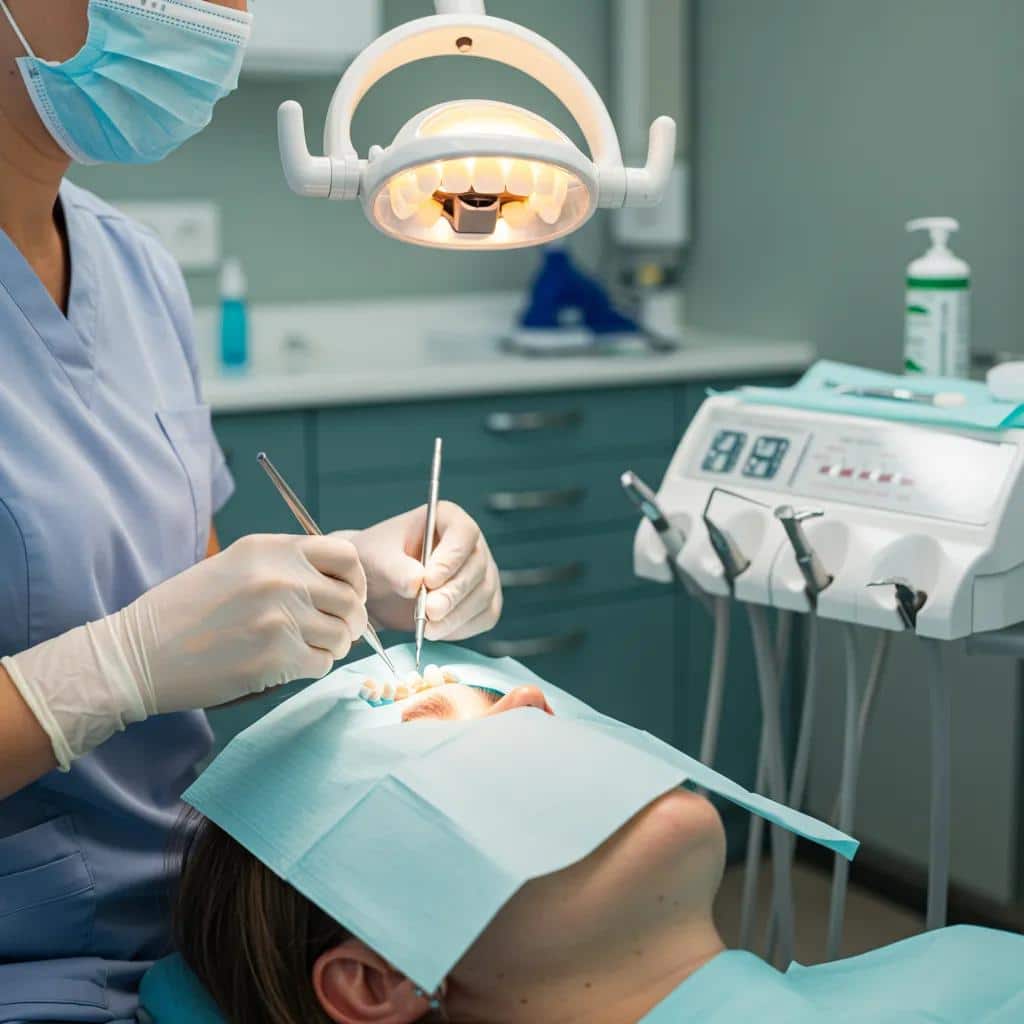
Considering Dental Implants? Let’s Explore Your Best Options!
Dental implants offer a fantastic way to replace missing teeth, using a small, surgically placed post that naturally integrates with your jawbone. This sturdy foundation then supports a beautiful crown or prosthesis, bringing back your ability to chew, speak clearly, and smile with confidence. In this article, we’ll walk you through how implants work, who makes a great candidate, how they stack up against dentures, and what your journey from evaluation to long-term care will look like. Many of our patients come to us with concerns like loose dentures, bone loss, or difficulty enjoying their favorite foods. We’ll help you understand the science behind implants, key factors like jawbone density and gum health, and practical financing solutions to make your decision clear and comfortable. We’ll cover everything from treatment timelines and sedation options to transparent costs and financing approaches right here in Denton, Texas. Plus, we’ll explore alternatives like bridges and partial dentures, and share essential aftercare tips to ensure your implants last for years to come. If you’re wondering if dental implants are the right choice for you, our team at Dentist in Denton – Dentures & Dental Implants (Affordable Dentist Near Me) is here to help with a free consultation. Ready to learn more? The sections below will guide you through the process, comparisons, candidacy, costs, treatment journey, our clinic’s unique benefits, expected outcomes, and vital aftercare for a complete, well-informed picture.
What Exactly Are Dental Implants and How Do They Work?
Dental implants are truly remarkable! They’re biocompatible posts (usually made from titanium or zirconia) that our skilled team gently places into your jawbone. Think of them as artificial tooth roots, designed to support your new abutments and crowns. The magic happens through a process called osseointegration, where your bone naturally grows tightly around the implant surface, creating an incredibly stable anchor. This biological connection is what allows chewing forces to transfer into your jaw, helping to preserve your bone and giving you a near-natural feel and appearance. Your implant has three main parts: the implant fixture itself (the post), the abutment that connects to your new tooth, and the crown or denture that restores your visible smile. Together, these components beautifully recreate both the form and function of your natural teeth. Understanding these elements helps clarify why implants are considered such a long-lasting solution compared to removable options, and why thorough imaging and planning are so crucial before placement. In the next section, we’ll outline the typical steps involved, from your initial evaluation to your stunning final restoration, so you can see how each stage contributes to successful osseointegration and a durable, beautiful outcome.
Osseointegration of Dental Implants: A Comprehensive Review
Contemporary concepts in osseointegration of dental implants: a review. To identify pertinent articles on osseointegration of dental implants, we searched PubMed, Scopus, and Web of Science databases using keywords such as “dental implant”, “osseointegration”, “implant surface”, “bone regeneration”, “implant biomaterials”, “implant design”, and “implant complications”. We included studies published in English from January 2000 to December 2021. The review encompasses the mechanisms, factors affecting osseointegration, and recent advancements in implant surface modifications and biomaterials aimed at enhancing osseointegration.
Contemporary concepts in osseointegration of dental implants: a review, D Rokaya, 2022
What Does the Dental Implant Procedure Involve?
Your dental implant journey begins with a thorough evaluation, including a review of your medical and dental history, a detailed clinical exam, and advanced 3D imaging like CBCT scans. This helps us precisely assess your bone volume and anatomy for meticulous planning. Once your personalized plan is ready, the implant is carefully placed into your jawbone, typically under local anesthesia with optional sedation to ensure your comfort. A healing period follows, during which osseointegration occurs—this usually takes several weeks to a few months, depending on your unique case and bone quality. After sufficient integration, an abutment is attached, and we take an impression or digital scan to create your custom crown, bridge, or denture. This final prosthesis then beautifully restores both your function and aesthetics! Whether you need a single-tooth implant, an implant-supported bridge, or a full-arch restoration, the core steps remain consistent: evaluate, place, heal, and restore. Our clear imaging and guided planning minimize surprises during surgery and help us accurately predict your timeline for restoration, getting you back to enjoying normal chewing function sooner.
Dental Imaging for Implant Treatment Planning: CT/CBCT Advantages
Dental imaging in implant treatment planning. Another distinct advantage of CT/CBCT scan is the ability to plan implant therapy virtually, which allows the clinician to determine the optimal implant size, position, and angulation before surgery. This virtual planning can significantly improve the accuracy and predictability of implant placement, leading to better functional and aesthetic outcomes. Furthermore, CT/CBCT imaging provides valuable information about the bone quality and quantity, as well as the proximity of vital anatomical structures, such as nerves and sinuses, which are crucial for safe and successful implant surgery.
Dental imaging in implant treatment planning, HL Chan, 2010
How Do Dental Implants Bring Back Your Oral Health and Function?
Dental implants do so much more than just fill a gap! They actively restore your oral health by re-establishing natural tooth function, preserving your jawbone volume through physiological load transfer, and preventing the alteration of adjacent teeth often required with traditional bridges. When your implants bear chewing forces, they stimulate the surrounding bone, helping to maintain alveolar height and significantly reducing the progressive bone resorption commonly seen after tooth loss. This, in turn, helps preserve your facial structure and ensures a better fit for any prostheses over time. Functionally, implants dramatically improve your chewing efficiency and bite force compared to removable dentures, leading to better nutrition and greater comfort. Psychologically, fixed implant restorations often boost confidence and social ease because they look and feel just like your natural teeth. These incredible benefits of bone preservation and improved function naturally lead us to a practical comparison with denture options, helping you weigh the pros and cons for your unique situation.
Dental Implants vs. Dentures: Which Is Right for You?
Dental implants and dentures offer different paths to solving tooth loss. Implants replace both the root and crown for either fixed or securely anchored restorations, while dentures are prosthetic plates or frameworks that rest on your gums, relying on suction, adhesives, or attachments for retention. This fundamental difference impacts everything from longevity and maintenance to bone preservation and your daily comfort. Implants tend to preserve your bone and provide unmatched stability, whereas dentures, while having a lower upfront cost, require ongoing adjustments and can even accelerate bone changes over time. For many of our patients, the best choice depends on their long-term goals, medical suitability, and willingness to invest in a solution that typically delivers superior function and quality of life. The summary table below highlights key differences to help you match your personal goals with the best prosthetic choice and decide if an implant investment aligns with your priorities.
Different tooth-replacement options offer distinct practical benefits for your long-term health, comfort, and daily life.
Treatment Option
Key Characteristic
Typical Patient Outcome
Dental Implant (single)
Root-level replacement with natural bone integration
Excellent long-term stability; protects adjacent teeth and bone
Implant-Supported Denture
Multiple implants securely anchor a removable or fixed prosthesis
Significantly improved retention and chewing comfort compared to conventional dentures
Conventional Denture
Removable prosthesis resting on gum tissue
Lower initial cost; requires regular relines; limited bone preservation
This clear comparison helps highlight the strengths and trade-offs of each option, setting the stage for a focused evaluation of pros and cons so you can confidently choose a solution that fits your priorities and clinical needs.
We’ve summarized the pros and cons for implants and dentures to highlight real-world patient experiences.
Each point reflects important functional, financial, or medical considerations that often influence your choice.
This list helps you identify which solution best fits your needs (e.g., full-arch reconstruction versus a single missing tooth).
Implants offer incredible permanence and bone health benefits but do involve a surgical investment, while dentures are a more conservative and accessible option but may compromise long-term bone preservation. These important trade-offs will inform your candidacy and financing considerations, which we’ll discuss next.
What Are the Pros and Cons of Dental Implants Versus Dentures?
Dental implants provide a durable, fixed tooth replacement that actively preserves your jawbone and offers exceptional chewing efficiency. While they do require surgical placement, sufficient bone, and a higher initial investment, implants are often the preferred choice for patients seeking long-term stability and a natural feel. Dentures, on the other hand, offer the advantage of a lower upfront cost and a simpler, non-surgical fitting process, making them suitable for patients with certain medical conditions or as temporary solutions. However, they can be less stable, often require adhesives or relines, and unfortunately, do not prevent bone loss over time. Implant-supported dentures offer a wonderful middle ground, combining the security of implant anchorage with removable prostheses for improved function, often at a more moderate cost than full fixed arches. Patients in good general health with adequate bone (or who are willing to undergo grafting) are typically excellent candidates for implants, while dentures remain a viable alternative for those with limited budgets or when surgery isn’t an option. Understanding these pros and cons empowers you to prioritize between immediate affordability and your long-term oral health outcomes.
How Do Cost, Longevity, and Maintenance Differ Between Implants and Dentures?
The cost of dental implants is influenced by several factors, including the number of implants needed, whether bone grafting or sinus lifts are required, the type of restoration (a single crown versus a full arch), laboratory fees for custom prostheses, and the experience of your provider. Dentures generally have a simpler cost structure, but they do come with recurring expenses for relines and eventual replacement. Longevity differs substantially: with proper care, implants and their fixtures can last for decades, even a lifetime! In contrast, denture bases and teeth typically need periodic replacement and adjustment, often every 5–10 years, due to wear and changes in your jawbone. Maintaining implants focuses on excellent daily oral hygiene, thorough interdental cleaning, and regular professional checkups to prevent peri-implantitis. Dentures, however, require nightly removal, cleaning, and occasional repairs or relines. To get exact pricing and a personalized estimate for your specific case here in Denton, scheduling a consultation is truly the most reliable next step. Our clinic is committed to offering affordable pricing and flexible financing to help you confidently evaluate all your options. Ready to explore your personalized cost estimate? Schedule your free consultation today!
Understanding the various cost-related factors is key to making informed decisions about your dental care.
Cost Factor
Why It Matters for Your Budget
Value/Guidance for You
Number of Implants
More implants mean increased surgical and prosthetic expenses
Varies — schedule a consult for your tailored estimate
Bone Grafting
Adds surgical steps and healing time to your treatment plan
Varies — may be required if your bone volume isn’t sufficient
Prosthetic Type
Custom crowns, bridges, or full-arch prostheses impact lab fees
Varies — material choices and complexity drive the cost
Imaging & Planning
Advanced CBCT and guided surgery systems ensure precision
Varies — increases precision and can help reduce unexpected issues
Am I a Candidate for Dental Implants? Key Factors to Consider
Wondering if dental implants are right for you? Your candidacy depends on several important factors: your localized oral conditions (like jawbone density and gum health), your overall systemic health (such as controlled diabetes or certain medications), lifestyle choices (like smoking), and your commitment to long-term oral hygiene. The good news is that even if some deficiencies exist, pre-implant treatments like bone grafting or periodontal therapy can often help you become eligible! We start evaluating your candidacy with diagnostic imaging and a thorough medical-dental review to identify any modifiable risks and plan for any necessary remediation. Understanding these criteria empowers you to address reversible barriers—such as treating periodontal disease or quitting smoking—and confidently pursue implant solutions when it’s clinically safe and beneficial for you. The checklist below breaks down candidacy into clear attributes, so you know exactly what our clinicians assess and what steps might help bridge any gaps to your implant eligibility.
Your jawbone volume and density must be sufficient to securely support implants, or be augmentable with grafting.
Your gum health needs to be stable—any active periodontal disease should be treated *before* implant placement.
We’ll review your overall medical conditions and medications to ensure safe surgical healing and successful osseointegration.
This helpful checklist naturally leads us to a deeper look at jawbone assessment and the remediation strategies that can make implants possible for patients with reduced bone.
Why Is Jawbone Density So Important for Dental Implant Eligibility?
Your jawbone density and volume are crucial because they determine whether an implant can be securely anchored and whether osseointegration (the bone-to-implant fusion) is likely to succeed. Your bone provides both the mechanical support and the biological integration by naturally remodeling around the implant surface. Our clinicians use advanced CBCT imaging to precisely measure your bone’s height, width, and quality. If your bone isn’t quite sufficient, we have excellent options like ridge augmentation or sinus lift procedures that can rebuild the site to perfectly accept implants. Bone grafting uses various materials—autogenous (your own bone), allograft, or synthetic—to regenerate new bone over several months of healing. After this, implants can be placed, either simultaneously or in a staged approach, depending on your specific case. Understanding these options helps you realize that inadequate bone is often a treatable obstacle, not an absolute disqualification! Accurate imaging and meticulous planning therefore play a critical role in turning borderline candidacy into successful, lasting implant outcomes.
Attribute
What We Look For
Potential Solutions
Jawbone Density
Sufficient height and width around the target site
Bone grafting, ridge augmentation, sinus lift procedures
Prosthetic Space
Adequate vertical and horizontal room for your new restoration
Orthodontic treatment or surgical site modification
Anatomical Constraints
Proximity to vital structures like nerves or sinuses
Guided planning and advanced surgical navigation techniques
AI in Dental Implant Planning with CBCT Images
A deep learning approach for dental implant planning in cone-beam computed tomography images. Dental implants have been preferred by clinicians for many years in cases of the total, partial and single-tooth edentulism [1,2,3]. Detailed planning before the implant operation increases the success of the treatment due to the facility of placing in the correct position of the implant and eliminating the surgical risks [4,5,6]. For this purpose, in implant surgery, the use of CBCT images has become widespread. CBCT images provide detailed three-dimensional information about the jawbone, allowing for precise assessment of bone height, width, and density, as well as the identification of anatomical structures such as nerves and sinuses. This information is crucial for determining the optimal implant size, position, and angulation, thereby minimizing the risk of complications and maximizing the success rate of the treatment.
A deep learning approach for dental implant planning in cone-beam computed tomography images, S Kurt Bayrakdar, 2021
How Do Your Gum Health and Overall Medical Conditions Affect Implant Candidacy?
Healthy gums and well-controlled periodontal disease are absolutely essential for successful implants, as active infection significantly increases the risk of implant failure and peri-implant disease. Our clinicians will always prioritize treating any periodontal inflammation *before* scheduling your implant surgery to minimize complications. Your systemic health also plays a role—conditions like uncontrolled diabetes, certain medications that affect bone metabolism, or immune system impairments can influence healing and osseointegration. In these cases, we may require medical clearance or coordinate closely with your physicians before proceeding. Smoking, unfortunately, significantly elevates the risk of failure and is generally strongly discouraged before and after implant surgery; quitting dramatically improves outcomes and wound healing. A comprehensive medical and dental review helps us identify any modifiable risks and create a personalized treatment plan that might include pre-surgical medical optimization, smoking cessation support, and staged periodontal therapy to build a stable, healthy foundation for your implants.
What Are the Costs and Financing Options for Dental Implants in Denton, Texas?
The cost of dental implants here in Denton is influenced by several factors, including the clinical complexity of your case, the materials chosen, the number of surgical visits required, and any necessary adjunctive procedures like bone grafting or sinus lifts. Laboratory fees for your custom prostheses and the expertise of your provider also contribute to the final estimate. When it comes to financing, we commonly offer third-party dental financing, convenient in-house payment plans, and the option to split your treatment into phases to spread the cost over time. Insurance coverage can vary widely and often applies more to the restorative crown than the surgical implant itself. At Dentist in Denton, we’re proud to emphasize affordable pricing and flexible financing to help our patients access the implant care they need while managing their budgets pragmatically. For a personalized cost estimate and a detailed discussion of payment plans, a consultation is truly the most accurate way to get the information you need. Ready to discuss your options and get a clear cost estimate? Schedule your free consultation today! The next sections will break down the main price influencers and outline typical financing routes so you can plan ahead with confidence.
What Factors Influence Dental Implant Pricing in Denton?
Several key factors influence the pricing of your dental implants. These include your material choices (like titanium versus zirconia), the number and precise position of your implants, whether a specialist or multidisciplinary team is needed, the complexity requiring guided surgery versus freehand placement, and the level of laboratory customization for your new teeth. Surgical complexity can increase costs when advanced grafting, sinus augmentation, or staged reconstructions are necessary. Naturally, full-arch fixed solutions typically cost more than single-tooth implants or implant-retained removable prostheses. Our provider expertise and advanced technology—such as CBCT imaging and guided surgical planning—add significant value and precision, which can sometimes increase fees. However, these investments often reduce complication risks and lead to superior long-term outcomes for you. Discussing these factors during your consultation helps you understand which elements apply to your unique case and where cost-saving alternatives or phased treatment plans might be appropriate.
Various pricing influencers work together to create your final, personalized treatment estimate.
Service Component
Why It Impacts Your Cost
Guidance for Your Decision
Implant Fixture
Material and brand selection play a role
Varies — we’ll discuss your best options during your consult
Grafting Procedures
Adds surgical time and necessary materials
Varies — may be staged or combined with implant placement
Prosthetic Work
Custom crowns, bridges, or full-arch prostheses involve lab fees
Varies — material and design choices drive the cost
Imaging & Planning
CBCT and guided surgery systems ensure precision
Varies — increases precision and can help reduce unexpected issues
Which Affordable Financing and Payment Plans Are Available?
We understand that investing in your smile is a big decision, and we want to make it as accessible as possible. Many of our patients utilize third-party financing to comfortably spread payments over several months or even years. Additionally, some practices, including ours, offer convenient in-house payment plans that allow for phased treatment and manageable monthly payments. It’s always essential to verify the terms and interest rates when comparing options. While insurance benefits may help offset part of your restorative or surgical costs, coverage for implants varies widely, so we encourage patients to obtain pre-treatment benefit estimates and factor out-of-pocket expectations into their decisions. Dentist in Denton is dedicated to offering affordable pricing and flexible financing to reduce barriers to care, and scheduling a free consult is the perfect next step to explore plan specifics tailored to your unique needs. Understanding your financing options early allows you to align your clinical priorities with a realistic budget and avoid any surprises during your treatment.
What Are the Alternatives to Dental Implants?
While dental implants are often the gold standard, we want you to know all your options! Alternatives include fixed bridges, removable partial dentures, full conventional dentures, flipper teeth (which are temporary removable replacements), and resin-bonded (Maryland) bridges. Each of these choices has distinct clinical indications, benefits, and limitations. Bridges can restore single or multiple adjacent teeth without surgery, but they do require altering neighboring healthy teeth. Partial dentures are less invasive and removable, but they may offer less stability and aren’t as effective at preserving bone. Flipper teeth and resin-bonded bridges are often temporary or conservative solutions, especially for aesthetic areas where minimal intervention is preferred, but they typically lack the longevity and bone-preserving effects of implants. Reviewing these alternatives helps you set realistic expectations and decide whether the short-term convenience or lower initial cost outweighs the long-term functional and physiological considerations. The following sections will compare bridges and partial dentures and explain when temporary or minimally invasive options are the right choice.
How Do Dental Bridges and Partial Dentures Compare as Alternatives?
Fixed dental bridges are a popular option that replaces missing teeth by anchoring a prosthetic tooth to adjacent, prepared teeth. They provide a stable, non-removable solution that effectively restores chewing and aesthetics, but they do require some reduction of healthy tooth structure on the neighboring teeth. Partial dentures, on the other hand, are removable appliances that clasp onto your remaining teeth and can replace multiple scattered missing teeth without invasive preparation. They are typically less expensive upfront but can sometimes be less comfortable and require ongoing maintenance and relining. Bridges generally offer superior day-to-day function and often feel more natural than removable partials, but they transfer occlusal load to the abutment teeth and could complicate future restorative needs. Choosing between a bridge and a partial denture depends on the number and position of your missing teeth, the condition of your adjacent teeth, and your long-term plans for tooth replacement. In many cases, implants provide a more preservation-oriented, long-term pathway compared to either of these options.
Bridges effectively restore gaps between adjacent teeth without surgery, but they do involve altering neighboring teeth.
Partial dentures offer a cost-effective, reversible replacement option, but they require adaptation and ongoing maintenance.
Your decision will balance immediate cost, invasiveness, and the long-term implications for your oral health.
These practical distinctions lead us to consider when temporary solutions like flippers or resin-bonded bridges might serve as reasonable interim choices for your smile.
When Are Flipper Teeth or Resin-Bonded Bridges Recommended?
Flipper teeth are lightweight, removable prostheses often used as excellent temporary aesthetic solutions while you’re waiting for definitive treatment, such as implant placement or bridge fabrication. They quickly restore your appearance but offer limited chewing function and durability. Resin-bonded bridges are minimally invasive fixed options that bond a prosthetic tooth to adjacent enamel using metal or ceramic wings. They are most suitable in low-load areas, such as replacing upper lateral incisors, where preserving your natural tooth structure is a top priority. Both of these approaches are commonly chosen when patients need an immediate cosmetic fix, are medically unable to undergo surgery, or are still exploring their longer-term treatment plans. However, it’s important to remember that they are generally considered transitional or limited-longevity options compared to the lasting benefits of implants. Understanding their intended role—temporary versus definitive—helps us set appropriate expectations and plan for your future restorative decisions.
Your Dental Implant Journey at Dentist in Denton
Your implant journey at our modern clinic typically follows a clear and predictable sequence, designed for your comfort and optimal results. It includes: your initial consultation and imaging, personalized treatment planning, precise surgical placement with appropriate sedation, a healing period for osseointegration, prosthetic restoration, and long-term maintenance. Each step is carefully coordinated to optimize your outcomes and ensure your comfort throughout the process. During your consultation, our clinicians will thoroughly evaluate your candidacy, review your imaging findings, discuss your restorative goals, and map out a clear timeline and cost estimate. Advanced imaging, such as CBCT, supports accurate planning and often enables guided implant placement for superior precision. We also offer various sedation dentistry options to enhance your comfort during surgical stages, especially for anxious patients, improving access to care for those with dental fear. For complex cases requiring grafting or sinus lifts, we utilize staged approaches to ensure the best possible foundation for your implants.
What Steps Are Involved from Your Consultation to Your Final Restoration?
Your typical implant timeline begins with an initial consultation that includes a comprehensive exam, advanced CBCT imaging for detailed bone and anatomical assessment, and a thorough discussion of all your options and costs. This empowers you to make truly informed choices. If your plan requires grafting, a staged approach is common: grafting procedures are performed, followed by several months of healing before implant placement. In more straightforward cases, implant placement and grafting may even be combined to shorten your overall timeline. After your implant is placed, an osseointegration period of several weeks to months follows, during which we may provide temporary prostheses. Once your implant is stable, the abutment and final crown or bridge are meticulously fabricated using advanced CAD/CAM workflows for a precise fit and beautiful aesthetics. Your final restoration includes careful occlusal checks, function testing, and scheduling of your maintenance visits. We’ll create a detailed, individualized timeline during your consultation to perfectly align with your clinical needs and personal preferences.
Your initial consultation and imaging to confirm candidacy and create your personalized plan.
Grafting or site preparation, if needed, followed by essential healing time.
Implant placement, osseointegration, and your beautiful final prosthetic restoration.
These steps also frame how our sedation and comfort measures seamlessly integrate into your care, which we’ll explore in the next section.
How Does Sedation Dentistry Enhance Your Comfort During Implant Treatment?
Sedation dentistry offers a wonderful range of options, from minimal nitrous oxide to oral sedation and IV sedation, providing graduated levels of relaxation and even amnesia. This significantly reduces anxiety, pain perception, and your memory of the procedure, all while maintaining your safety through continuous monitoring. For implant surgery, sedation can greatly improve your tolerance for longer procedures and enable more efficient care, allowing our surgeons to perform complex steps in fewer visits. This is a huge benefit for patients who prefer condensed treatment timelines. Our safety protocols include a thorough pre-operative assessment, careful monitoring throughout the procedure, and clear post-operative recovery guidelines. Candidates for deeper sedation are always evaluated for medical suitability and closely monitored during their appointment. Ultimately, sedation helps reduce the emotional barrier for many patients considering implants, supporting access to definitive tooth replacement while preserving your comfort and dignity during surgical care.
Why Choose Dentist in Denton for Your Dental Implants?
Ready to discover why so many local Denton residents choose us for their dental implants? At Dentist in Denton – Dentures & Dental Implants (Affordable Dentist Near Me), we truly prioritize your comfort, utilize modern implant technologies, and offer accessible financing to make evaluating your implant options a smooth and stress-free experience. Our clinic proudly highlights affordability and flexible payment plans, and we offer free consultations for both dental implants and dentures to remove any initial barriers. Plus, our sedation dentistry options further ensure comfortable treatment experiences, especially for our anxious patients. We leverage cutting-edge technology like CBCT imaging, guided surgical planning, and CAD/CAM restorations to deliver precise outcomes and predictable timelines. Our positive patient reviews consistently reflect comfort and accessibility as core attributes of our care. Ready to take the first step towards a healthier, more confident smile? Schedule your free consultation today!
How Do Affordable Pricing and Free Consultations Benefit You?
Our free consultations are designed to remove any initial financial barrier, allowing you to receive a full assessment, review imaging, and discuss realistic timelines and financing options without any commitment. This helps align your expectations and significantly reduces any decision-making friction. Our commitment to affordable pricing and flexible financing broadens access to life-changing implant solutions for patients who might otherwise defer definitive care. We can also create phased treatment plans to break larger projects into manageable steps. By pairing no-cost evaluations with clear, open discussions of your options, you can confidently compare implants, implant-supported dentures, and alternatives on both clinical and financial terms. If you’re considering implants but feel unsure about costs or your candidacy, a free consult is truly the logical next step to obtain a personalized plan and timeline. Ready to get started with a clear understanding of your options? Schedule your free consultation today!
What Expertise and Technologies Does the Denton Clinic Use?
At our Denton clinic, we combine expertise with advanced technology to ensure your best possible outcome. Our advanced imaging (CBCT) and guided implant planning allow for precise evaluation of your anatomy and meticulous surgical navigation, which minimizes risk and supports predictable implant placement. Our CAD/CAM restorative workflows produce incredibly accurate, aesthetic crowns and bridges with streamlined laboratory processes. Our implant workflows typically integrate multidisciplinary planning—considering both prosthodontic and surgical aspects—to perfectly align surgical positioning with ideal prosthetic outcomes, reducing the need for adjustments and enhancing long-term success. We also provide various sedation dentistry options to ensure your comfort during surgical appointments. We use modern materials such as durable titanium or zirconia fixtures and beautiful ceramic restorations to deliver both strength and aesthetics. These cutting-edge technologies and thoughtful approaches combine to improve accuracy, often shorten restorative cycles, and create a more comfortable and positive treatment experience for you.
What Are the Long-Term Benefits and Success Rates of Dental Implants?
Dental implants offer truly transformative long-term benefits, including sustained chewing efficiency, vital bone preservation, improved speech clarity, and enhanced psychosocial well-being. These outcomes significantly contribute to a higher quality of life, often making the initial investment incredibly worthwhile. Current research and extensive clinical experience consistently report high success rates—commonly cited in the mid-90% range for well-selected cases. These positive outcomes are influenced by factors such as excellent oral hygiene, smoking status, overall systemic health, and proper prosthetic design. The implant fixture itself can last for decades, potentially even a lifetime, when peri-implant health is diligently maintained. While crowns and abutments may require periodic replacement due to normal wear, typically every 10–15 years, understanding these benefits and risk factors helps you commit to the maintenance behaviors and follow-up regimens that will maximize your implant’s longevity.
How Long Do Dental Implants Typically Last?
It’s exciting to know that implant fixtures can last for many decades, or even potentially a lifetime, especially when supported by excellent oral hygiene and routine professional maintenance! However, the crowns and abutments that sit on top are subject to normal wear and may need replacement every 10–15 years, depending on their function, material, and the forces from your bite. The overall lifespan of your implant-supported restoration depends on both biological factors—like your bone health and the absence of peri-implantitis—and mechanical factors, such as teeth grinding (bruxism) or traumatic loading. Addressing these variables proactively is key to extending longevity. Regular maintenance visits allow our clinicians to monitor your peri-implant tissue health, adjust your bite, and replace any worn prosthetic components *before* a major issue arises. Emphasizing preventive care and timely intervention therefore plays a central role in turning the long-term promise of implants into real-world, lasting success.
What Is the Success Rate of Dental Implants and What Factors Affect It?
The reported success rates for dental implants in the literature are incredibly high, often falling between roughly 95–98% for healthy, carefully selected patients. This reflects the high predictability of implants when appropriate surgical and restorative protocols are followed. Modifiable risk factors that can reduce success include smoking, poor oral hygiene, untreated periodontal disease, and uncontrolled systemic conditions. Non-modifiable factors, such as limited bone volume or certain anatomical constraints, necessitate specialist techniques to mitigate risk. Proper case selection, thorough pre-operative planning, and your adherence to maintenance protocols significantly improve outcomes and reduce the incidence of peri-implantitis and implant loss. Patients who actively address modifiable risks and maintain regular professional care truly enjoy the highest long-term success rates with their implants.
How Should I Care for My Dental Implants After Treatment?
Aftercare for your dental implants is crucial and centers on maintaining excellent oral hygiene, attending your scheduled professional cleanings and examinations, and carefully following our dietary and behavioral guidance during the immediate healing window. These practices are vital for reducing the risk of peri-implantitis and mechanical complications. Early healing involves careful soft-tissue management and avoiding excessive chewing forces on your newly placed implants until osseointegration is fully confirmed. Once restored, your implants require similar daily hygiene to your natural teeth, plus special attention to interdental cleaning around the prosthesis. Recognizing warning signs—such as persistent swelling, bleeding, or mobility—and contacting your dental provider promptly can prevent small issues from becoming larger problems. The checklist below lays out best practices and follow-up timing to help you protect your valuable implant investment.
Brush daily with a soft brush and low-abrasive toothpaste to gently clean prosthetic surfaces and surrounding tissues.
Perform interdental cleaning daily (using floss, interdental brushes, or water flossers) to remove biofilm around abutments and implant necks.
Schedule regular professional maintenance visits for hygiene, peri-implant assessment, and occlusal checks at intervals recommended by your clinician.
Adhering to these practices significantly reduces the risk of inflammation and mechanical wear, ensuring the long-term function and beauty of your restoration.
What Are the Best Practices for Dental Implant Aftercare?
The best practices for aftercare following your implant treatment truly emphasize meticulous plaque control. This includes brushing twice daily with a soft-bristled brush, diligently cleaning interdental spaces daily with appropriate tools, and avoiding abrasive toothpaste that could scratch your restorative surfaces. Professionally, you should schedule maintenance visits—commonly every 3–6 months initially—so our clinicians can assess your peri-implant tissues, remove any hard deposits, and carefully evaluate your bite (occlusion), making adjustments as necessary to prevent overload. During your initial healing, it’s important to follow dietary guidance to avoid hard or sticky foods and adhere to any prescribed medications. Smokers are strongly advised to cease smoking to support optimal tissue recovery. Clear communication with your provider about any post-op changes and consistent adherence to your maintenance schedule are the most effective strategies for preventing peri-implant disease and extending the lifespan of your implant-supported restoration.
How Can Proper Aftercare Improve Implant Longevity and Oral Health?
Consistent aftercare is your best defense against plaque accumulation and inflammation around your implants, which are the primary drivers of peri-implantitis and subsequent bone loss. By maintaining healthy soft tissues, you actively protect the structural support that underpins successful osseointegration. Regular professional maintenance enables early detection and management of any mechanical issues, such as screw loosening or abnormal wear of prosthetic components, thereby minimizing the need for extensive repairs or replacements. Good oral hygiene practices also reduce systemic inflammation and support your overall oral health, which indirectly contributes to implant success. Patients who commit to daily care and follow-up typically experience fewer complications and enjoy significantly longer restoration lifespans.
Professional maintenance helps catch mechanical problems early, saving you time and worry.
Lifestyle modifications and consistent follow-up care truly maximize your return on investment.
This final emphasis on aftercare provides you with practical steps to preserve your implant health and protect your long-term outcomes, ensuring your beautiful smile lasts for years to come.
Your Frequently Asked Questions About Dental Implants
What are the potential risks associated with dental implants?
While dental implants are generally very safe and highly successful, it’s good to be aware of potential risks. These can include infection at the implant site, nerve damage, or sinus issues if an implant is placed in the upper jaw. Complications can also arise from improper placement or insufficient bone density, which might lead to implant failure. To minimize these risks, it’s absolutely crucial to choose an experienced dental professional and diligently follow all pre- and post-operative care instructions. Regular follow-up appointments and excellent oral hygiene are also key to ensuring the long-term success of your implants.
How do I know if I need a bone graft before getting implants?
You might need a bone graft if your jawbone doesn’t have enough density or volume to properly support an implant. We can accurately determine this during your initial consultation using advanced imaging techniques like CBCT scans. Factors such as previous tooth loss, periodontal disease, or trauma can all contribute to bone loss. If a graft is necessary, we can perform it before your implant placement, allowing ample time for the bone to heal and integrate before your implant surgery. Your dentist will provide a personalized assessment based on your unique situation and needs.
Can dental implants be placed in patients with diabetes?
Yes, absolutely! Patients with diabetes can certainly receive dental implants, but careful management of your condition is truly essential. Uncontrolled diabetes can impair healing and increase the risk of infection, which could affect the success of your implant. Before proceeding, we’ll conduct a thorough evaluation of your overall health and how well your diabetes is managed. If your diabetes is well-controlled, you may be an excellent candidate for implants. Your dentist will work closely with you to develop a treatment plan that thoughtfully considers your health status.
What should I expect during the recovery period after implant surgery?
After your dental implant surgery, it’s normal to experience some swelling, bruising, and discomfort in the treated area. We can effectively manage any pain with prescribed medications or over-the-counter pain relievers. It’s very important to follow your dentist’s aftercare instructions carefully, which will include specific dietary restrictions and oral hygiene practices. Full recovery can take several weeks to a few months, depending on your individual healing rate and whether additional procedures, like bone grafting, were performed. Regular follow-up appointments will help us monitor your healing progress every step of the way.
How do I maintain my dental implants for long-term success?
Maintaining your dental implants for long-term success involves practicing excellent oral hygiene every day. This means brushing twice daily and using interdental cleaning tools to meticulously remove plaque around your implant. Regular dental check-ups are absolutely crucial for professional cleanings and for us to monitor the health of the surrounding tissues. Avoiding tobacco use and managing any underlying health conditions, such as diabetes, can also significantly enhance the longevity of your implants. By consistently adhering to these practices, you can dramatically reduce the risk of complications and ensure the lasting success of your dental implants.
Are there any dietary restrictions after getting dental implants?
Yes, after dental implant surgery, we advise following a soft-food diet for the initial healing period. This helps avoid putting excessive pressure on the implant site. Foods like yogurt, smoothies, mashed potatoes, and soups are excellent choices. Please avoid hard, crunchy, or sticky foods that could disrupt the healing process or potentially damage your new implant. Your dentist will provide specific dietary guidelines based on your individual recovery progress, and as healing occurs, you can gradually reintroduce a wider variety of foods into your diet.
Ready for a Healthier, More Confident Smile?
Dental implants truly offer a reliable and life-changing solution for restoring your oral health, providing incredible benefits like improved chewing efficiency, vital bone preservation, and enhanced confidence. Understanding the candidacy criteria and treatment options empowers you to make the most informed decisions about your dental care. If you’re considering dental implants, scheduling a free consultation with our team can help clarify all your options and perfectly align them with your unique needs and goals. We invite you to explore the possibilities of a healthier, more radiant smile with our expert team today!