Unlocking the Advantages of Zygomatic Dental Implants: Understanding Procedure and Recovery
Zygomatic dental implants represent a revolutionary solution for individuals suffering from severe maxillary bone loss. Unlike traditional dental implants, which require sufficient bone density for placement, zygomatic implants anchor into the zygomatic bone, providing a stable foundation for prosthetic teeth. This article will explore the unique benefits of zygomatic dental implants, the surgical procedure involved, and the recovery process. By understanding these aspects, patients can make informed decisions about their dental health and explore options that may be more suitable for their needs. We will also discuss where to find local providers offering zygomatic implant services.
Research consistently highlights the primary indication for zygomatic implants, particularly in cases of significant bone deficiency.
Zygomatic Implants: Primary Indication for Extreme Maxillary Bone Atrophy
The main indication for the use of zygomatic implants was considered extreme maxillary bone atrophy, resulting from many factors. The clear definition of what was considered “extreme bone atrophy” is not uniquely defined in each paper. Further studies are needed to develop clear indications for zygomatic implants.
Indications for zygomatic implants: a systematic review, WD Polido, 2023
What Are Zygomatic Dental Implants and Their Benefits?
Zygomatic dental implants are specialized implants designed for patients with significant bone loss in the upper jaw. They differ from traditional implants by being anchored in the zygomatic bone, which is denser and more stable than the maxillary bone. This innovative approach allows for immediate loading of the implants, meaning patients can often receive their prosthetic teeth on the same day as the surgery.
The benefits of zygomatic implants include:
Immediate Functionality: Patients can have their prosthetic teeth placed on the same day as the surgery, reducing the waiting period associated with traditional implants.
Reduced Need for Bone Grafting: Since zygomatic implants utilize the zygomatic bone, the need for additional procedures like bone grafting is often eliminated.
Enhanced Stability: The zygomatic bone provides a strong anchor, leading to improved stability and longevity of the implants.
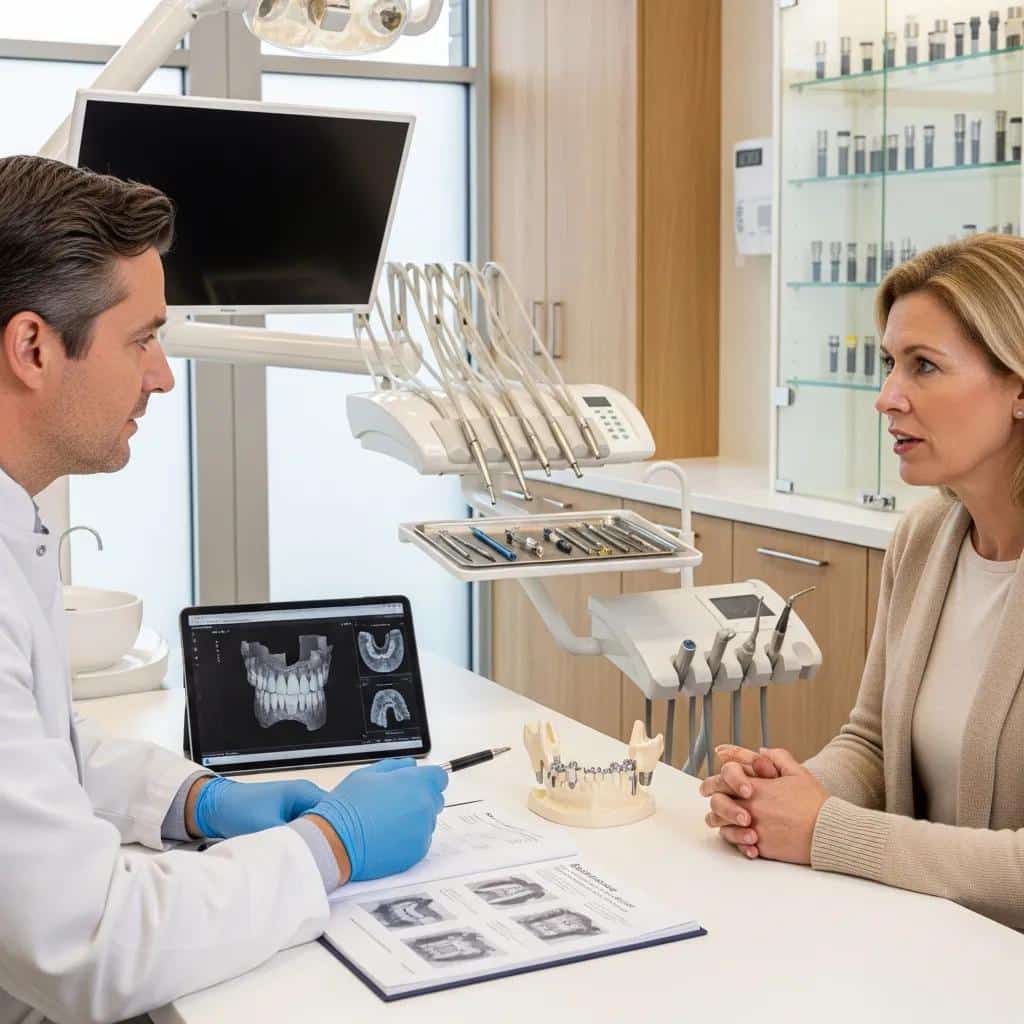
For those considering zygomatic dental implants, it is essential to consult with a qualified dental professional to discuss individual needs and treatment plans. Scheduling a consultation is straightforward; many clinics offer easy online booking options.
How Do Zygoma Implants Differ from Traditional Dental Implants?
Zygomatic implants differ significantly from traditional dental implants in their placement and the anatomical structures they utilize. Traditional implants require sufficient bone density in the maxilla for successful placement, which can be a limitation for many patients. In contrast, zygomatic implants are anchored in the zygomatic bone, allowing for placement even in cases of severe bone loss.
Placement Location: Traditional implants are placed in the maxillary bone, while zygomatic implants are anchored in the zygomatic bone.
Bone Density Requirements: Traditional implants necessitate adequate bone density, whereas zygomatic implants can be placed in patients with minimal bone.
Surgical Complexity: The surgical procedure for zygomatic implants is more complex, requiring specialized training and expertise.
Understanding these differences is crucial for patients exploring their options for dental restoration.
What Advantages Do Zygomatic Implants Offer for Severe Maxillary Bone Loss?
Zygomatic implants provide several advantages for patients with severe maxillary bone loss, making them a preferred choice in certain clinical situations. One of the primary benefits is the ability to avoid bone grafting, which can be a lengthy and painful process.
Faster Recovery: Patients often experience a quicker recovery time due to the immediate loading of the implants.
Improved Aesthetics: With the ability to place prosthetic teeth immediately, patients can achieve a more natural appearance sooner.
Long-term Success: Studies indicate that zygomatic implants have a high success rate, providing a durable solution for dental restoration.
These advantages make zygomatic implants an appealing option for individuals facing significant dental challenges.
Studies have further investigated the long-term viability and potential challenges associated with zygomatic implants.
Zygomatic Implant Survival Rates and Common Postoperative Complications
This systematic review attempted to answer the focused questions: “What is the survival rate of zygomatic implants (ZIs)?” and “What are the most common complications related to surgery of zygomatic implants?” Postoperative complications reported were as follows: 70 cases of sinusitis, 48 of soft tissue infection, 15 of paresthesia, and 17 cases of oroantral fistulas. However, this number may be underestimated, since most of the studies did not mention the presence or absence of these complications. Most ZI failures were detected at the abutment connection phase (6 months after the surgery of implant placement) or before. The CSR over a 12-year period was 96.7 %.
Survival and complications of zygomatic implants: a systematic review, BR Chrcanovic, 2013
How Is the Zygomatic Implant Procedure Performed?
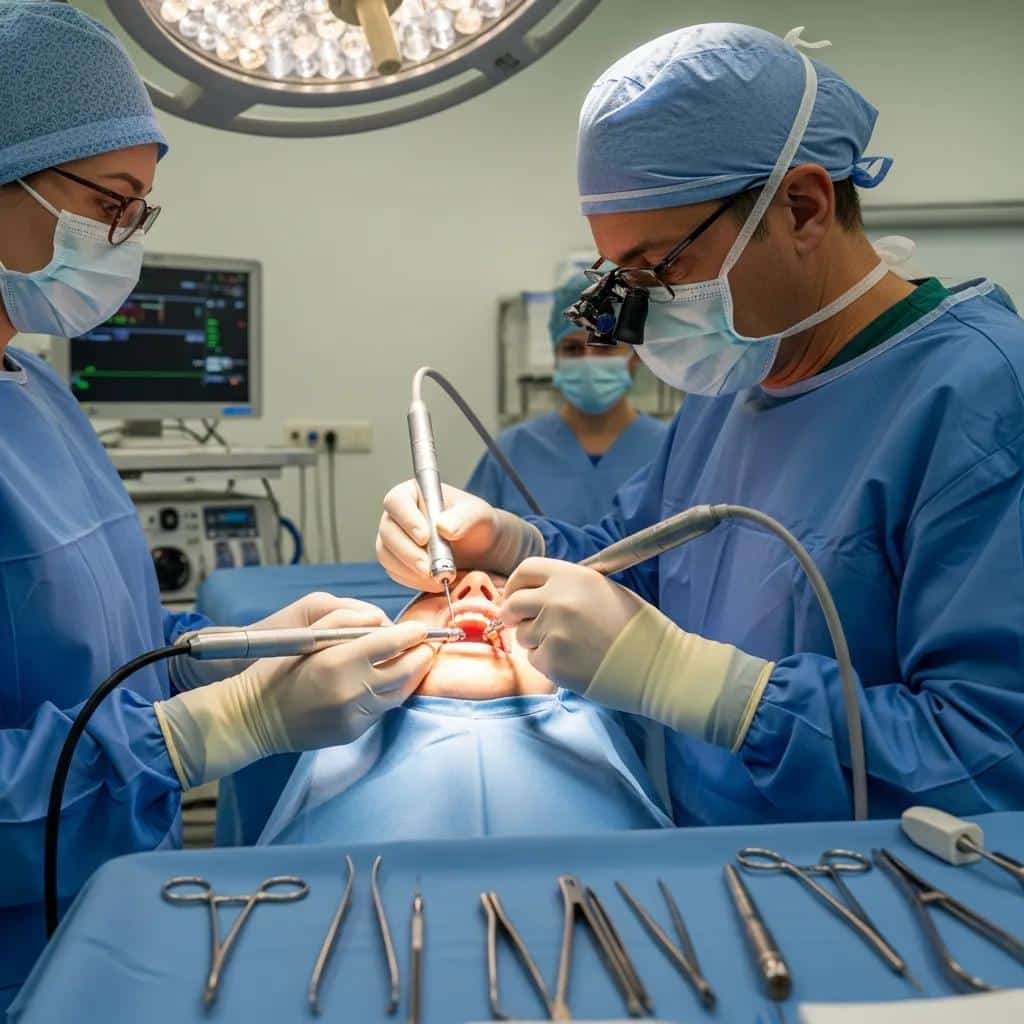
The zygomatic implant procedure involves several critical steps to ensure successful placement and integration of the implants.
Initial Consultation: A thorough evaluation is conducted to assess the patient’s dental and medical history, along with imaging studies to plan the surgery.
Anesthesia Administration: Patients are typically given general anesthesia or sedation to ensure comfort during the procedure.
Implant Placement: The surgeon makes incisions in the gum tissue to access the zygomatic bone and carefully places the implants.
Closure and Recovery: After the implants are secured, the incisions are closed, and the patient is monitored during the recovery phase.
This structured approach helps ensure the best possible outcomes for patients undergoing zygomatic implant surgery.
What Are the Surgical Steps in Zygomatic Dental Implant Placement?
The surgical steps involved in zygomatic dental implant placement are as follows:
Incision and Access: The surgeon makes incisions in the gum tissue to expose the zygomatic bone.
Implant Placement: The zygomatic implants are carefully inserted into the zygomatic bone at an angle, providing stability.
Closure: The gum tissue is sutured back into place, and the patient is monitored for any immediate post-operative complications.
These steps are crucial for ensuring the implants are placed correctly and securely.
Are Sinus Lift and Bone Graft Alternatives Used in This Procedure?
In the context of zygomatic implants, sinus lifts and bone grafts are generally not required due to the unique placement of the implants. However, in some cases, these procedures may still be considered based on individual patient needs.
Sinus Lift: This procedure is typically used to increase bone height in the upper jaw but is often unnecessary with zygomatic implants.
Bone Grafting: While traditional implants may require bone grafting, zygomatic implants can often be placed without this additional step.
Patient Outcomes: Many patients benefit from the reduced complexity and faster recovery associated with zygomatic implants.
Understanding these alternatives can help patients make informed decisions about their treatment options.
What Is the Recovery Process After Zygomatic Dental Implant Surgery?
The recovery process following zygomatic dental implant surgery is crucial for ensuring the success of the implants. Patients can expect a range of experiences during their recovery period.
Initial Recovery: Most patients will experience swelling and discomfort for the first few days post-surgery.
Follow-up Appointments: Regular follow-up visits are essential to monitor healing and ensure the implants are integrating properly.
Long-term Care: Patients are advised on proper oral hygiene practices to maintain the health of their implants.
A well-managed recovery process is vital for achieving optimal results.
How Long Does Recovery Typically Take?
Recovery from zygomatic implant surgery typically takes several weeks, with most patients returning to normal activities within a few days.
Initial Healing: The first week is often marked by swelling and discomfort, which can be managed with prescribed medications.
Full Integration: Complete integration of the implants may take several months, during which time patients should follow their dentist’s care instructions.
Factors Influencing Recovery: Individual health factors, such as age and overall health, can influence recovery times.
Understanding the recovery timeline helps patients prepare for their post-operative care.
Further systematic reviews provide comprehensive insights into the long-term success and patient experiences with zygomatic implants.
Long-Term Survival and Outcomes of Zygomatic Implants
The purpose of this study was to perform a systematic review with meta-analysis on the long-term survival rates of zygomatic implants (ZI). ZI success, prostheses survival and success, sinus pathology and patient reported outcomes were also investigated.
Long-term treatment outcomes with zygomatic implants: a systematic review and meta-analysis, T Dudding, 2023
What Are the Recommended Care Guidelines During Recovery?
Following zygomatic implant surgery, patients should adhere to specific care guidelines to promote healing and ensure the success of their implants.
Hygiene Practices: Maintaining good oral hygiene is essential to prevent infection.
Dietary Recommendations: Soft foods are recommended during the initial recovery phase to avoid placing stress on the implants.
Follow-up Appointments: Regular check-ups with the dental provider are crucial for monitoring healing and addressing any concerns.
These guidelines are designed to support a smooth recovery process.
Where Can Patients Find Implant Supported Dentures and Local Providers?
Finding qualified dental providers who offer zygomatic implants is essential for patients considering this treatment option. For those in Tyler, local clinics specialize in implant dentistry and provide expert care.
Research Local Clinics: Patients should look for dental clinics that specialize in implant dentistry and have experience with zygomatic implants.
Consultation Booking: Many clinics offer initial consultations to discuss treatment options and assess individual needs.
Patient Resources: Online resources and patient reviews can provide valuable insights into local providers.
Utilizing these strategies can help patients find the right dental care for their needs.
Which Dental Clinics in Tyler Offer Zygomatic Implant Services?
In Tyler, several dental clinics provide zygomatic implant services, catering to patients with varying needs.
Clinic A: Known for its advanced implant techniques and patient-centered care.
Clinic B: Offers comprehensive consultations and a range of implant options.
Clinic C: Specializes in zygomatic implants and has a strong track record of successful outcomes.
Researching local clinics can help patients make informed choices about their dental care.
How to Book a Consultation for Zygomatic Dental Implants?
Booking a consultation for zygomatic dental implants typically involves a few straightforward steps:
Contact the Clinic: Patients can reach out via phone or email to inquire about consultation availability. Many providers offer online scheduling for convenience.
Provide Information: Be prepared to share relevant medical and dental history to assist the provider in assessing needs.
Expectations During Consultation: During the consultation, patients can discuss their treatment options, ask questions, and understand the procedure better.
Following these steps can streamline the process of obtaining zygomatic implants.