Dental Implants vs Traditional Dentures: A Cost Comparison for Informed Patient Decisions
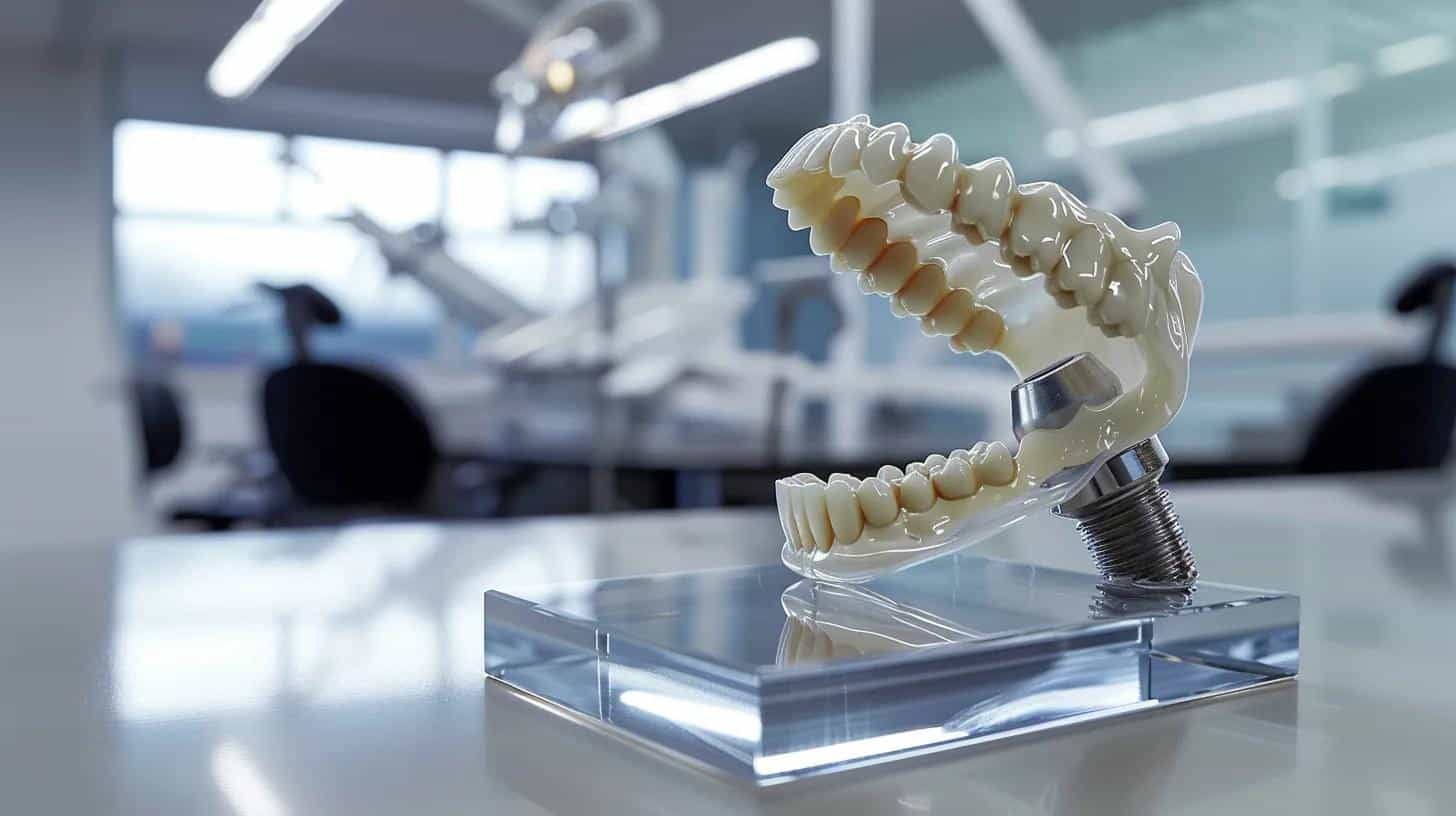
When patients in their 40s to 60s face the challenge of replacing missing teeth, they often evaluate dental implants and traditional dentures as the primary treatment options. Each option brings its own set of advantages, limitations, costs, and maintenance demands. Dental implants are surgically placed fixtures that serve as artificial tooth roots, providing strong and stable support for crowns and bridges. Traditional dentures, on the other hand, are removable prosthetics that replace missing teeth using a set of false teeth mounted on a plastic base which rests on the gum tissues.
The decision between dental implants and dentures extends beyond aesthetics and comfort; it often involves a detailed assessment of cost considerations, long-term maintenance, potential complications, and the patient’s overall dental health. Implant procedures typically require a surgical process, including bone grafting if necessary, and involve additional costs such as the crown, anesthesia, and sometimes sedation. Despite a higher initial expense, dental implants offer improved function, stability, and longevity, often equating to a more permanent solution for patients with sufficient jawbone support and proper oral hygiene.
In contrast, traditional dentures offer a less invasive option with lower upfront costs. They suit patients with significant bone loss or those seeking less complex treatments. However, dentures demand routine adjustments, relining, and careful cleaning, which could add to long-term costs and inconvenience. While the lower initial price tag can be attractive, the compromises in comfort and function sometimes lead to challenges in speaking and eating. Furthermore, advancements in technology and modern prosthodontics have allowed implants to become more affordable through insurance, flexible spending accounts, and financing options.
This article aims to provide a cost comparison of dental implants and traditional dentures. It will cover how each treatment works, their benefits and risks, the breakdown of costs, procedural steps, recovery times, and candidacy considerations. By evaluating clinical data, patient testimonials, and financial implications, patients can make informed decisions that align with their dental needs and budget. Ultimately, the choice of whether to invest in dental implants or opt for traditional dentures is deeply personal and should be made in consultation with a trusted dental provider—and the free consultation offered by Dentist in Lake Worth is an excellent opportunity to discuss all options.
Transitioning to the main body, the following sections will analyze each treatment option in depth to assist patients in understanding all critical facets of these dental solutions.
Key Takeaways
Dental implants and traditional dentures represent two different solutions for replacing missing teeth, with implants offering permanence and dentures offering lower upfront costs.
Dental implants serve as artificial roots and involve surgery, while dentures are removable prosthetics requiring regular maintenance.
Cost comparisons include initial expenses as well as long-term maintenance, with implants often proving more cost-effective over decades despite higher initial investment.
Patient candidacy, oral health, and lifestyle factors play a significant role in determining the best treatment option.
A free consultation is available for patient-specific advice and advanced financing options.
What Are Dental Implants and How Do They Work?
Dental implants are artificial tooth roots, typically made of titanium, inserted directly into the jawbone. They work by integrating with the surrounding bone through osseointegration. This process provides a stable support system for affixing crowns, bridges, or dentures. The implant essentially serves as a substitute for the natural root, giving the prosthetic replacement a secure anchor that mimics natural teeth.
What Types of Dental Implants Are Available?
There are several types of dental implants available, each suited to different dental needs. Endosteal implants, the most common, are inserted directly into the jawbone. Subperiosteal implants are placed under the gum but on, or above, the jawbone and are generally used when the jawbone is too thin. Another option is the zygomatic implant, which anchors into the cheekbone and is used in cases of severe jawbone loss. Variations in implant design and technique have evolved to increase success rates, which now average around 95%.
Patients considering implants should discuss with their dental specialist which type is ideal based on their bone density, oral health, and aesthetic goals. Using 3D imaging and advanced surgical planning, dentists can customize the implant process to maximize stability and longevity. Many modern implants also feature surfaces designed to encourage quicker and stronger osseointegration by enhancing the bone’s response to titanium.
What Are the Benefits of Dental Implants?
Dental implants provide several benefits that enhance functionality and aesthetics. They restore natural chewing ability and help prevent bone loss by stimulating the surrounding bone tissue. Implants eliminate the need for adhesives used with traditional dentures, offering improved stability and confidence in daily activities. They also improve speech, as they do not slip or shift in the mouth. Patients report increased comfort, less gum irritation, and a natural appearance that boosts self-esteem. With proper care, implants can last for decades, and many dental insurance policies now offer partial coverage to make the investment more accessible.
Beyond functionality, implants preserve jawbone structure, preventing the facial sagging that occurs with long-term tooth loss. The integration process of implants can promote healthier gum tissue, resulting in an enhanced smile and improved oral hygiene. Thus, for patients seeking a permanent solution that mirrors natural teeth, dental implants remain a popular option.
What Are the Risks and Considerations of Dental Implants?
While dental implants have many advantages, they also come with risks and considerations that must be evaluated individually. Surgical complications, though relatively rare, can include infection, nerve damage, and sometimes failure of the implant to integrate with the bone. Patients must have sufficient bone density to support implants, and those with conditions like uncontrolled diabetes may face higher complication rates. Additionally, the process typically involves several phases, including surgery, healing, and crown placement, which can extend the overall treatment period compared to dentures.
Another important consideration is cost. The initial investment for dental implants is higher than for removable dentures, covering fees for surgery, materials, and any additional treatments such as bone grafting. However, many patients find that implants offer cost advantages over their lifetime due to their durability and reduced need for adjustments. Maintaining excellent oral hygiene post-procedure is essential to avoid implant failure or peri-implantitis, a serious inflammatory condition that can compromise the implant and surrounding tissues.
What Are Traditional Dentures and Their Key Features?
Traditional dentures are removable prosthetic devices used to replace missing teeth and surrounding tissues. They are custom-fabricated in a dental laboratory based on impressions taken from the patient’s mouth, ensuring a relatively accurate fit against the tissues. There are full dentures, which replace all teeth in the upper or lower arch, and partial dentures, which fill in gaps where some natural teeth remain. The basis of dentures is an acrylic base that supports prosthetic teeth, designed to mimic natural dental anatomy and aesthetics.
What Types of Dentures Can Patients Choose From?
Patients can choose from a range of denture types based on their needs. Full dentures cater to patients who have lost all of their teeth, while partial dentures fill in missing zones for those who still retain some natural dentition. Immediate dentures are fitted right after tooth extraction, providing immediate aesthetic relief, whereas conventional dentures are fitted after the gum tissues have healed. Other variations include implant-supported dentures, which use dental implants for added stability, and flexible dentures made of softer materials that offer increased comfort. Each type varies in function, durability, appearance, and cost—necessitating a detailed evaluation by the dental professional.
The selection often involves discussion about the patient’s lifestyle, oral health, and financial considerations. For example, while full dentures are less costly initially, implant-supported models, though more expensive, provide improved stability and functionality, reducing issues with slippage during eating and speaking. Advances in digital dentistry now allow for improved fitting accuracy and enhanced aesthetic outcomes, making modern dentures more comfortable and natural-looking than traditional models.
What Are the Benefits of Traditional Dentures?
Traditional dentures offer a non-invasive and cost-effective solution to replace missing teeth. They can restore chewing function and improve appearance, thereby boosting self-esteem and confidence. Dentures are easier to adjust than implants, and their removability aids in oral hygiene. They do not require surgery, making them a preferable option for individuals who may be medically compromised or reluctant to undergo operative procedures. The process of fitting dentures is relatively simple, with adjustments and relining services widely available to ensure continued comfort and function even if the fit changes over time.
Additionally, dentures can support facial structure, preventing the sunken appearance that may result from prolonged tooth loss. Many patients appreciate the cosmetic improvement that dentures bring, as they are available in various shades to match natural teeth. With proper maintenance, dentures can consistently offer functional benefits, though they require periodic professional adjustment and replacement every five to seven years.
What Are the Risks and Maintenance Requirements of Dentures?
Despite their benefits, traditional dentures come with several risks and maintenance challenges. Improperly fitting dentures can cause sore spots, gum irritation, and even bone resorption over time. They require diligent daily cleaning to prevent plaque, bacteria, and potential fungal infections. Over time, dentures may lose their optimal fit due to changes in the jawbone’s structure, necessitating adjustments, relining, or complete remakes. The removable nature of dentures also means that patients must be careful to avoid accidental damage, and their stability can sometimes be compromised during speech or eating, causing discomfort.
Other considerations include the need for a proper adhesive if the dentures do not fit snugly; while adhesives can improve stability, they may add extra cost and an additional step in oral hygiene. In some cases, continuous use of dentures without periodic breaks may accelerate bone loss in the jaw, affecting both fit and overall oral health. Therefore, patients should have regular dental check-ups to evaluate the condition of both their dentures and supporting structures and follow recommended cleaning protocols to extend their lifespan.
How Do the Costs of Dental Implants Compare to Traditional Dentures?
When evaluating the cost differences between dental implants and traditional dentures, a comprehensive analysis must consider both the immediate financial outlay and long-term investment. Dental implants typically command higher initial costs due to the surgical procedures and quality materials involved, such as titanium posts and custom-fabricated crowns. However, since implants offer a permanent solution with a high success rate, the cumulative cost over time—considering fewer replacements and adjustments—may ultimately prove more economical than dentures. Traditional dentures, while initially more affordable, involve recurring expenses related to relining, repairs, and eventual replacement.
What Is the Detailed Cost Breakdown for Dental Implants?
The cost breakdown for dental implants generally includes several components. First, there is the surgical placement fee for the implant post, which can range upward of several thousand dollars per implant. In addition, a restoration cost is incurred for the crown or bridge that attaches to the implant. There may be extra costs for procedures such as bone grafts or sinus lifting if the jawbone is deficient. Dental implants require a multi-step process that includes consultation, imaging, surgery, and follow-up appointments—all contributing to the overall expense. While the price can seem high, many practices offer financing options, flexible spending accounts, or monthly payment plans that help spread the expense. Insurance may cover part of the implant procedures, though typically not the prosthetic component. When averaged over a 20- to 30-year period, the durability and minimal maintenance of implants may offset the initial high cost.
What Is the Detailed Cost Breakdown for Dentures?
Traditional dentures are associated with a markedly different cost structure. The production of dentures includes the initial appointment, impression taking, laboratory fabrication, and subsequent fitting sessions. While the initial cost is lower than implants, patients must consider recurring costs of maintenance—such as relining and adjustments due to changes in the jawbone and wear over time. Often, dentures may require replacement every five to seven years, adding to long-term expense. Furthermore, if adhesives or reline services are needed frequently, these costs can add up, especially when dental visits are not fully covered by insurance. Denture costs are also influenced by the materials used, with higher-quality options generally resulting in a more natural appearance and better fit. In some cases, technology-enhanced options, such as implant-supported dentures, create a hybrid that bridges the gap in cost and functionality.
What Factors Affect the Cost of Implants and Dentures?
Numerous factors affect the overall cost of both treatment modalities. For dental implants, factors include the number of missing teeth, need for additional surgical procedures, and the dental technology used during planning and placement. Geographic location and the patient’s specific dental health also play significant roles. In contrast, for dentures, factors such as the degree of edentulism (complete versus partial), materials quality, and frequency of necessary adjustments greatly influence the final cost. Additionally, patient adherence to proper maintenance can affect longevity and the long-term financial impact. Overall, while implants have a higher upfront cost, their benefits in longevity, convenience, and improved oral health can make them a sound long-term investment.
How Do Long-Term Costs and Maintenance Compare?
From a long-term perspective, dental implants may provide a superior cost-to-benefit ratio compared to traditional dentures. Implants generally require fewer repeated procedures over time, thereby reducing cumulative maintenance expenses. Although dentures entail less invasive procedures and lower initial costs, the recurring modifications, potential remakes, and need for adhesives can lead to significant long-term expenditures. For many patients, the one-time higher cost of implants is offset by their durability and reduced future maintenance needs. Ultimately, patients must evaluate their oral health, aesthetic goals, and budget to determine which option aligns best with their long-term expectations.
What Are the Procedure Steps and Recovery Times for Implants vs Dentures?
The procedures for dental implants and traditional dentures differ considerably in terms of invasiveness, duration, and recovery time. Dental implant procedures involve multiple steps including consultation, radiographic imaging, surgical placement of the implant, a healing period for osseointegration, and final restoration placement. This process generally takes several months to complete. In contrast, traditional denture fitting is less invasive, requiring impression taking, trial placement, and adjustments—with a relatively quick recovery period since no surgery is involved. The choice of procedure can affect patient comfort and timelines.
What Is the Typical Dental Implant Procedure?
The dental implant procedure starts with a thorough oral examination, including X-rays or 3D imaging, to assess bone density and jaw structure. Once the candidate is deemed suitable for implants, a surgical appointment is scheduled to insert the implant post into the jawbone under local anesthetic, with sedation options available. This is followed by a healing period—typically three to six months—during which the implant integrates with the bone. After successful osseointegration, a second surgery may attach an abutment, and finally, a custom-made crown is fitted onto it. Throughout this process, patients receive strict post-operative care instructions to minimize infection risk and promote healing. Despite the multiple steps, the implant procedure is highly predictable and offers durability exceeding 20 years when properly maintained.
What Is the Typical Denture Fitting Process?
The process of fitting traditional dentures begins with a consultation and evaluation of the patient’s oral condition. Impressions of the gums and any remaining teeth are taken to create a model upon which the dentures are custom fabricated. An initial try-in allows for adjustments in color, shape, and fit, followed by a final appointment to fit the completed dentures. Patients typically experience minimal discomfort since the procedure is non-invasive and requires no surgery. Although the fitting process is shorter than that for implants, several follow-up visits may be needed for adjustments to ensure comfort, proper function, and stability. Over time, dentures require periodic relining to accommodate changes in the oral tissues.
How Long Is Recovery for Each Option?
Recovery times differ significantly between the two treatment options. Dental implants require a recovery period spanning several months, during which patients must follow a soft diet and strict oral hygiene protocols to protect the implant during healing. In contrast, traditional dentures allow for immediate use after fitting, though minor discomfort and adjustment periods can last a few weeks. The non-surgical nature of denture placement means overall physical recovery is faster, but patients might still need time to adapt to the removable prostheses.
Who Is a Good Candidate for Dental Implants or Traditional Dentures?
Selecting between dental implants and traditional dentures depends on a patient’s medical history, oral health status, and lifestyle expectations. In general, candidates for dental implants require adequate bone density and a commitment to excellent oral hygiene, as implants depend on the jawbone’s strength for long-term stability. Patients with chronic conditions affecting bone healing—such as severe osteoporosis or uncontrolled diabetes—may require additional treatments before implant surgery or may be advised to consider alternatives. Implants also necessitate a willingness to undergo surgery and adhere to a lengthy recovery. They are best suited for individuals seeking a permanent solution that mimics natural teeth and willing to invest in long-term oral health.
What Medical and Dental Factors Determine Implant Candidacy?
Good candidates for dental implants should have sufficient bone mass and healthy gum tissues. A comprehensive dental examination, including radiographic imaging, is crucial to assess the jawbone’s viability. Factors such as a history of periodontal disease, smoking habits, and systemic conditions that may impede healing can affect implant success. Many dentists require that these conditions be stabilized before implant surgery to reduce complications. Ultimately, individuals who commit to strict postoperative maintenance and have a stable medical history benefit most from dental implants.
Who Benefits Most From Traditional Dentures?
Traditional dentures are particularly beneficial for patients who have experienced significant bone loss or who prefer a non-surgical option. They are often recommended for older adults or for those with multiple missing teeth who are not candidates for implant surgery due to anatomical or financial reasons. Dentures can be custom fabricated to accommodate the mouth’s contours, providing functional and aesthetic improvements. While they may not offer the permanence of implants, dentures remain a highly viable solution for patients seeking a cost-effective, reversible, and relatively quick tooth replacement option.
How Do Patient Preferences Influence the Choice?
Patient preferences play a crucial role in determining whether dental implants or traditional dentures are the best option. Many prioritize the permanence and natural feel of implants, while others may opt for dentures due to the lower initial cost and non-invasive nature. Factors such as lifestyle, aesthetic desires, and the willingness to commit to a surgical recovery period influence the decision. Some patients prefer the removability of dentures for ease of cleaning and periodic replacement. Ultimately, a personalized consultation is key in aligning patient expectations with clinical realities.
What Are the Benefits and Drawbacks of Dental Implants vs Dentures?
Dental implants and traditional dentures each offer distinct benefits and drawbacks that impact patient satisfaction and long-term oral health. Implants provide a secure, permanent solution that functions much like natural teeth, improving chewing ability, speech, and overall confidence. However, they require surgery, a longer recovery period, and a higher initial investment. Traditional dentures, while more affordable initially and non-surgical, demand consistent maintenance, may lose their fit over time, and can sometimes cause discomfort due to gum irritation.
How Do Implants Improve Oral Health and Function?
Implants preserve jawbone density by stimulating the bone through normal chewing forces. This preservation is critical for maintaining facial structure and preventing gradual sagging that commonly affects denture wearers. Implants also facilitate better chewing efficiency, allowing patients to enjoy a wider variety of foods. Their stability means they are less likely to shift during speech or eating, thereby reducing the risk of oral injuries. Additionally, the fixed nature of implants simplifies oral hygiene routines, as patients can brush and floss them similarly to natural teeth.
What Are the Advantages of Dentures in Cost and Accessibility?
Traditional dentures are generally less expensive upfront compared to dental implants, making them accessible to a broader range of patients. The non-surgical nature of denture fitting reduces risk and appeals to those who may be concerned about invasive procedures. Dentures also have the advantage of removability, which simplifies cleaning and provides reassurance during temporary removal. In settings where finances are limited or when immediate tooth replacement is needed without surgical delays, dentures offer a practical and proven option for restoring appearance and function.
What Are Common Drawbacks of Each Option?
Implants, while offering numerous functional benefits, come with drawbacks such as surgical complexity, higher cost, and risks including infection or implant failure if not properly maintained. The treatment timeline can be extended due to the need for bone healing before final placement. In contrast, traditional dentures may suffer from compromised stability, discomfort due to movement during eating or speaking, and the ongoing need for replacements or adjustments as the jawbone resorbs. Such drawbacks can lead to dissatisfaction, making it essential for patients to consider their lifestyle, budget, and long-term oral health outcomes.
What Do Patients Say About Their Experiences With Implants and Dentures?
Patient testimonials offer valuable insights into the real-world performance of dental implants and traditional dentures. Many patients who have chosen dental implants report a renewed sense of confidence and improved quality of life. They emphasize that the stable, natural feel of implants allows them to enjoy meals without fear of slippage and to speak clearly without worry.
What Are Typical Patient Testimonials for Dental Implants?
Patients frequently share that dental implants have transformed their quality of life by restoring not only their smile but also their ability to enjoy a range of foods. Many highlight the improved self-esteem that implants foster, as they closely resemble natural teeth. Testimonials often mention rigorous pre-surgical evaluations that ensured optimal healing and integration, as well as the long-term durability and ease of maintaining oral hygiene. In essence, dental implants are often described as life-changing solutions that reinstate both oral function and a positive self-image.
What Are Common Patient Experiences With Dentures?
On the denture side, patients often appreciate the affordability and non-invasive nature of the treatment. Many report that dentures have significantly improved their appearance and speech, enabling more confident social interaction. However, some note challenges such as the need for periodic adjustments and difficulties with stability when consuming certain foods. Overall, while dentures provide an effective solution, ongoing adjustments and potential discomfort are common themes in patient feedback.
How Do Before and After Photos Illustrate Results?
Before and after photo documentation plays an important role in showcasing the transformative effects of both treatment modalities. For dental implants, images typically reveal the restoration of bone structure and a natural smile that mimics regular teeth. In the case of dentures, before images may show gaps and diminished facial support, while after images demonstrate improved aesthetics, enhanced facial contours, and restored functionality. These side-by-side comparisons underscore the practical differences between the two approaches regarding long-term oral health and patient satisfaction.
What Are Frequently Asked Questions About Dental Implants and Dentures Costs?
Understanding the specifics of dental implant and denture costs is crucial for making an informed decision. The following frequently asked questions address common concerns regarding pricing, insurance coverage, long-term value, and financing options for these dental treatments. Clear, concise answers help patients gain insight into the financial aspects and prepare them to discuss these details during their free consultation.
How Much Do Dental Implants Typically Cost?
Dental implants typically range from $3,000 to $6,000 per tooth, depending on factors including geographic area, case complexity, and the need for additional procedures like bone grafting. The overall cost can vary based on the type of implant system used and whether a single implant or an implant-supported bridge is required. Although the initial cost for implants is higher than for dentures, many patients find that the long-term benefits—including improved function and reduced need for replacement—justify the investment. Financing options and flexible payment plans are often available.
Are Dental Implants Worth the Investment Compared to Dentures?
Many dental professionals argue that dental implants are worth the higher initial cost due to their durability, functionality, and positive impact on oral health. Implants offer a permanent solution that restores full chewing capability and helps stabilize the jawbone, preventing the bone loss commonly seen with dentures. While dentures provide a less expensive upfront option, periodic adjustments and eventual replacements can make them more costly over time. Thus, for patients seeking a long-term solution that mimics natural teeth, implants may represent a more valuable investment.
Does Dental Insurance Cover Implants or Dentures?
Coverage for dental implants and dentures varies widely depending on the insurance policy. Many dental insurance plans offer partial coverage for dentures, as they are classified as restorative procedures. However, implants are often considered elective and may have limited or no coverage. It is advisable for patients to review their insurance policies carefully and explore financing options offered by their dental provider.
How Can Patients Finance Dental Implants or Dentures?
Patients have various financing avenues when budgeting for dental implants or dentures. Options include in-house payment plans, third-party financing companies, health savings accounts (HSAs), and flexible spending accounts (FSAs). Many dental practices, including Dentist in Lake Worth, offer monthly payment plans and special financing promotions to make the treatment more accessible.
Frequently Asked Questions
Q: What is the typical lifespan of dental implants compared to dentures? A: Dental implants are designed to last 20–30 years or longer with proper care, while traditional dentures typically require replacement or significant adjustments every 5–7 years. Implants often offer better durability and stability over time, although factors such as oral hygiene play a crucial role.
Q: Can dental implants help prevent further bone loss? A: Yes, dental implants stimulate the jawbone through regular chewing forces, which helps prevent bone resorption. This is a significant advantage over dentures, which may not provide the same stimulation, leading to gradual deterioration in jaw structure over time.
Q: Are there any risks unique to dental implants that do not apply to dentures? A: Dental implants involve surgical procedures and carry risks such as infection, implant failure, and nerve damage. In contrast, dentures are non-invasive and do not require surgery, though they do require frequent adjustments and may fit poorly over time.
Q: How soon after dental implant surgery can a patient resume normal activities? A: Most patients can resume normal activities within a few days following dental implant surgery, although the healing period for osseointegration may take several months before the final restoration is placed. Denture wearers typically experience almost immediate function but may need time to adapt.
Q: What maintenance is required for dental implants versus dentures? A: Dental implants require routine oral hygiene similar to natural teeth, including brushing, flossing, and regular check-ups. Dentures need to be removed and cleaned daily, with regular adjustments or relining appointments to maintain fit and function. Each option has distinct maintenance demands that should be discussed with the dental provider.
Final Thoughts
Dental implants and traditional dentures each offer advantages and limitations that impact functionality and long-term costs. Implants provide a durable, permanent solution that restores a natural appearance and preserves jawbone health, albeit with a higher initial investment and surgical requirements. Traditional dentures, while less invasive and more affordable upfront, demand regular maintenance and may eventually lead to additional long-term expenses. Patients should carefully weigh these factors—including function, aesthetics, maintenance, and financial resources—to determine the best treatment option for their needs. Ultimately, a free consultation with Dentist in Lake Worth can provide personalized guidance to empower patients in making an informed decision that best supports their oral health and overall quality of life.
Frequently Asked Questions
Q: What determines whether a patient is a better candidate for dental implants or dentures? A: A patient’s candidacy is determined by factors such as bone density, overall oral health, medical history, and lifestyle preferences. Those with sufficient jawbone structure and a commitment to rigorous oral hygiene are typically good candidates for implants, while patients with significant bone loss or those preferring a non-surgical approach may benefit more from traditional dentures.
Q: How do the costs of dental implants compare to traditional dentures over the long term? A: While dental implants require a higher initial investment, their longevity and minimal maintenance often make them more cost-effective compared to dentures. Traditional dentures, despite lower upfront costs, can incur ongoing expenses through relining, adjustments, and eventual replacements, which may narrow the cost gap over time.
Q: Is the recovery time for dental implants significantly longer than for dentures? A: Yes, dental implants require a healing period of several months to ensure proper osseointegration, whereas traditional dentures can generally be fitted and used immediately after fabrication. However, the longer recovery period for implants is offset by their long-term benefits in function and durability.
Q: Do insurance plans typically cover dental implants or dentures? A: Coverage varies by plan. Many dental insurance policies offer partial coverage for dentures, while implants are often only partially covered or considered elective. Patients should review their policies and discuss payment and financing options with their dental provider for a clearer understanding.
Q: What financing options are available to help cover the cost of dental implants? A: Financing options include in-house payment plans, third-party financing companies, health savings accounts (HSAs), and flexible spending accounts (FSAs). Many dental practices, including Dentist in Lake Worth, offer monthly payment plans and special financing promotions to make treatment more accessible.