How Much Do Dental Implants Cost? A Clear, Practical Guide to Pricing and Key Factors
Dental implants are a long-lasting, natural-looking way to replace missing teeth — but prices can vary widely. This guide breaks down the main drivers of implant cost so you know what to expect. We’ll cover materials, the steps involved, how your health affects pricing, insurance and financing options, regional trends, and tips for preparing for a consultation. For clinic-specific details, visit dentistindenton-denturesdentalimplants.com.
Key Factors That Influence Dental Implant Costs
Several variables combine to determine the final price of an implant. Knowing these helps you compare options and plan ahead. The biggest influences are the implant materials, how complex the procedure is, and your individual health needs.
How Implant Materials Change the Price
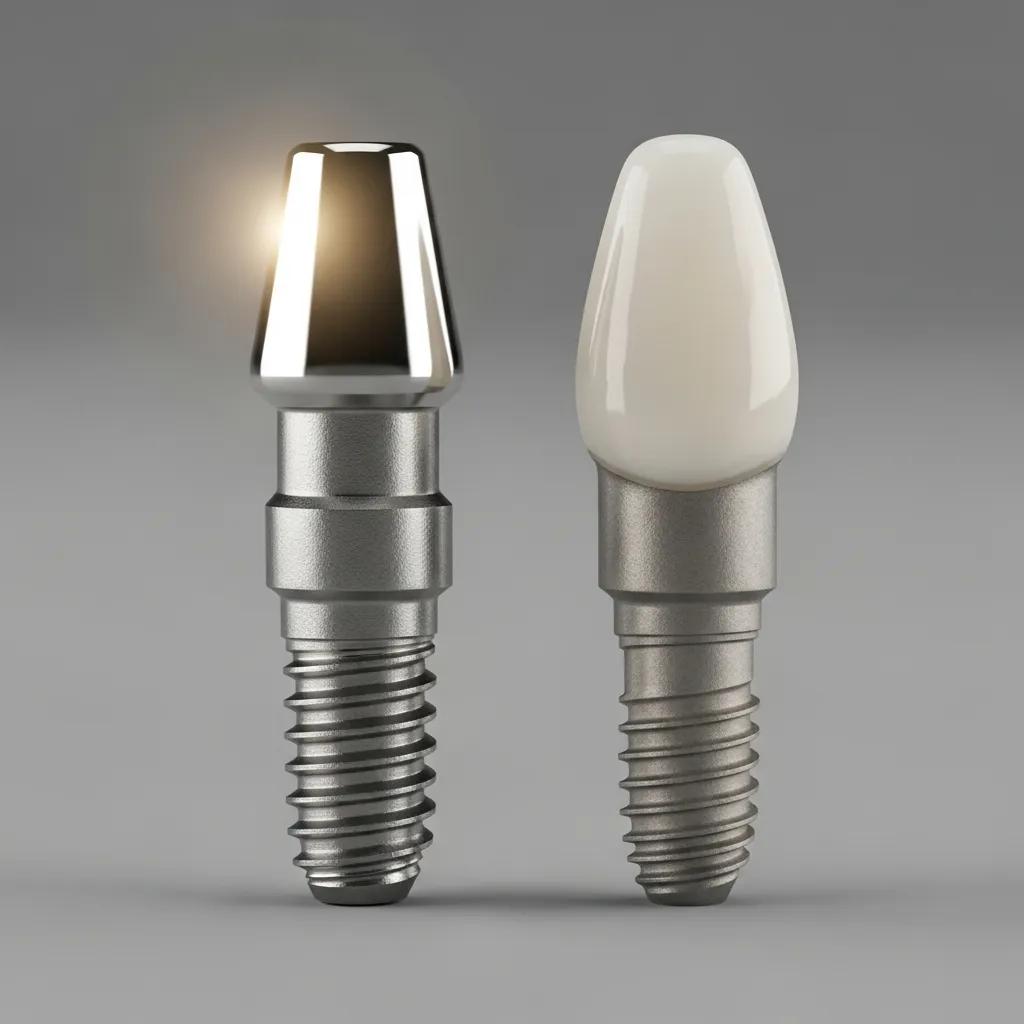
The type of implant material is a major cost driver. Titanium is the most common choice because it’s durable and integrates well with bone. Zirconia is metal-free and can look more natural in some cases, but it’s often pricier because of production costs. When deciding, balance upfront price with appearance, biocompatibility, and long-term reliability.
Which Procedure Steps Add to the Total Cost?
A complete implant treatment includes more than just placing the implant. Expect fees for the initial exam, imaging (like X-rays or CT scans), any preparatory work such as extractions or bone grafting, the surgical placement (including anesthesia), and the final crown or restoration. Each step is necessary for a predictable outcome, so factor them into your budget. Scheduling a free consultation can help you get a personalized estimate and discuss payment options.
To give clearer context without specific pricing, think of the treatment as a sequence of linked services. The consultation and diagnosis establish whether implants are appropriate. Imaging and planning convert clinical findings into a detailed surgical plan. Any preparatory treatments (extraction, grafts, or soft tissue work) make the site ready for a reliable implant. The surgical placement itself includes the cost of the implant fixture, the surgical setting, and anesthesia or sedation. Finally, restorative work — the abutment and crown — completes the visible tooth. Each of these steps carries its own fees, and removing or adding a step will shift the total cost proportionally.
Another useful way to consider cost is by timeline. Preparatory care increases up-front time and cost but may improve long-term outcomes and reduce the likelihood of future corrective work. In some cases, staged treatment with healing periods between steps is recommended; that approach increases the number of visits and short-term expense but often produces a more predictable, durable result.
When you request an estimate, ask for an itemized breakdown that lists each component separately: consultation, diagnostic imaging, preparatory services, the implant post, abutment, crown, and follow-up visits. An itemized quote helps you compare clinics and ask targeted questions about what can be adjusted (for example, different crown materials or a phased treatment plan) to meet your budget without sacrificing safety.
How Patient Characteristics Affect Pricing
Your age, overall health, and the condition of your jawbone all influence how complex the treatment will be — and that affects cost.
Does Age or Health Change the Price?
Older adults or patients with certain medical conditions may need extra testing, medical clearances, or preparatory treatments, which can raise the total cost. Conditions like uncontrolled diabetes or bone disorders can change the treatment plan and increase follow-up care. A careful medical and dental assessment helps determine the safest, most cost-effective approach.
Lifestyle factors also play a role. Smoking, heavy alcohol use, or medications that affect healing can increase risk and may require additional monitoring or adjunct treatments. If you currently smoke, discuss cessation options with your provider — reducing risk, even temporarily, can improve healing and may reduce the need for corrective procedures later on. Similarly, some medications that affect bleeding or bone metabolism are important to disclose so the team can plan appropriately and, if needed, coordinate with your medical provider.
How Bone Quality Impacts Procedure Costs
Good jawbone density is key for predictable implant placement. If your bone is thin or resorbed, you may need bone grafting or sinus lifts before an implant can be placed — procedures that add time and expense. Discuss bone health with your provider so you understand if additional steps are necessary and why.
Bone grafting itself can include a range of techniques, from small, localized grafts to larger ridge augmentation or sinus elevation procedures. The choice depends on the defect size, location, and the implant type planned. Some grafts use the patient’s own material, while others use donor or synthetic materials; each approach has different clinical trade-offs. Your surgeon will explain the rationale for the recommended technique and how it affects healing time and follow-up care.
Healing timelines influence cost indirectly because more complex preparation means more appointments, longer monitoring, and occasionally additional imaging. Ask your provider for a realistic timeline that includes expected healing milestones, likely follow-up visits, and any potential triggers for additional intervention; understanding the schedule helps you plan both time and budget.
Studies note that bone grafting increases surgical time and cost and can introduce additional risks or complications that affect overall treatment complexity.
Bone Grafting: Surgical Time & Cost Implications
RJ Miron (2000) observed that bone grafting procedures add operative time and expense, have limits related to graft supply, and may increase patient morbidity and the risk of contamination — factors that have driven interest in alternative approaches.
Optimized bone grafting, RJ Miron, 2000
Insurance and Financing: Ways to Manage Implant Costs
Understanding what insurance covers and which financing choices are available can make implants more affordable. Coverage varies, and many patients use payment plans or third-party loans to spread costs.
Start the insurance conversation early. Ask your clinic to prepare an itemized pre-treatment estimate you can submit to your insurer for pre-authorization or an initial benefits check. That step clarifies what the plan will likely pay and what you will owe. If coverage is limited, request written documentation of the insurer’s decision and the billing codes used; this information helps if you need to appeal or seek partial reimbursement later.
In addition to standard dental plans, some patients use tax-advantaged medical savings accounts (such as employer-provided accounts) or flexible spending arrangements where allowable. If you intend to file a claim, keep all receipts and a copy of the treatment plan. If coverage is partial, many clinics will work with you to prioritize phases of care so you can address the most urgent needs first and defer optional elements when appropriate.
Coverage gaps matter: many restorative procedures, including implants, are partially covered or excluded under standard dental benefit packages, creating out-of-pocket barriers for patients.
Dental Care Coverage & Cost-Sharing Across Europe
Schwendicke et al. (2022) found that while emergency and basic restorative care are often covered, complex treatments like root canals, periodontal therapy, and prosthetic restorations commonly require cost-sharing or are excluded. Limited visit allowances and financial barriers can significantly affect access to care.
Exploring variation of coverage and access to dental care for adults in 11
European countries: a vignette approach, F Schwendicke, 2022
Will My Insurance Pay for Implants?
Many insurers treat implants as optional or cosmetic, but some plans offer partial coverage when implants are medically necessary. Review your policy carefully and talk with your insurer and dentist to understand potential reimbursements and out-of-pocket costs.
If your insurer classifies implants as elective, it may still cover related services such as extractions or certain surgical procedures, so an itemized bill helps separate what’s potentially reimbursable from what will be out of pocket. When discussing coverage, request the codes and descriptions the clinic will submit so you can speak to your insurer with exact terms rather than general descriptions, which speeds up the verification process.
Research shows that implant treatments are often paid for privately and tend to cost substantially more than traditional options like removable dentures.
Private vs. NHS: Understanding High Dental Implant Costs
Exley (2009) reports that while implants are an effective option for missing teeth, public systems (like the NHS) offer them only in limited clinical circumstances. As a result, many patients pay privately, and implant treatment typically costs considerably more than alternatives such as removable dentures.
Paying for treatments?
Influences on negotiating clinical need and decision-making for dental implant treatment, CE Exley, 2009
Which Financing Options Help Spread the Cost?
If your insurance doesn’t cover the full cost, many practices offer in-house payment plans or partner with third-party lenders that provide loans specifically for dental work. These options let you receive care sooner and pay over time; compare interest rates and terms before deciding.
When evaluating financing, compare the total cost over the life of the loan, not just the monthly payment. Important questions include the interest rate, whether payments are deferred during treatment, if there are prepayment penalties, and what happens if treatment changes unexpectedly. Some clinics offer interest-free periods or low-rate plans for qualified patients; others provide extended low-monthly-payment options that increase total interest. Ask for written terms and an example repayment schedule based on your estimated treatment cost.
Practices sometimes allow splitting the treatment into phases so that you pay for initial surgery first and the restoration later. Phased billing can be a practical way to manage cash flow while still receiving necessary care. If you expect additional corrective work, confirm whether warranties or guarantees require follow-up care at the same clinic and whether that follow-up is included in initial fees.
Comparing Implant Types: Cost vs. Quality
The implant system you choose affects both price and long-term results. Weigh short-term costs against durability and aesthetics to find the best fit for your goals.
How Much Do Different Implant Types Cost?
Typical price ranges vary: traditional titanium implants often fall between $1,500 and $3,000 per implant, while zirconia implants can range from $2,000 to $4,000. Prices depend on the brand, the restorative components, and any additional surgical needs. Discuss options with your dentist to identify the most appropriate and cost-effective solution.
Beyond the implant post itself, the restorative choices matter. The abutment connects the implant to the crown and can be prefabricated or custom-made; custom components add to the cost but can improve fit and aesthetics. Crown materials (for example, layered ceramics, full-contour zirconia, or ceramic-fused materials) differ in price and maintenance needs. Discuss the trade-offs between appearance, longevity, and maintenance so you choose a restoration that fits both your budget and cosmetic goals.
Does Higher Quality Mean Longer-Lasting Implants?
Higher-quality implants and restorations usually cost more up front but can reduce the chance of complications and the need for future work. Investing in reputable systems and skilled providers can lead to better long-term value. Ask about warranties, expected lifespan, and maintenance requirements when comparing options.
Warranties typically cover manufacturing defects but not biological complications related to oral health or trauma. When discussing warranties, ask for details in writing: what is covered, for how long, and what patient behaviors or conditions could void coverage. Also confirm whether follow-up visits and routine maintenance are part of the initial package or billed separately.
Regional and Market Trends That Affect Pricing
Where you live and who does the treatment matter. Market forces and local cost structures influence what you’ll pay.
How Location and Provider Experience Change Costs
Urban centers and regions with higher living costs typically charge more for dental services. Likewise, highly experienced specialists or clinics with advanced technology may charge a premium. Balance provider experience, outcomes, and price when choosing where to receive care.
Consider getting a second opinion if a quote is substantially higher than other local estimates. Second opinions can either confirm the recommended plan or suggest acceptable alternatives that reduce cost without sacrificing safety. If you are considering receiving care in another region where costs are lower, factor in travel, lodging, and potential follow-up care; long-term follow up at the treating clinic is often advisable and may limit the savings.
What Material Trends Are Shaping Prices?
Demand is growing for biocompatible, tooth-colored materials like zirconia, which can shift market prices. Staying informed about material advances and their clinical benefits helps you make timely choices and understand why costs might rise or fall.
Some clinics adopt new technologies such as digital planning, guided surgery, and same-day restorative workflows. These technologies can increase fees but may reduce chair time, allow more predictable outcomes, and shorten the overall treatment schedule. Ask how technology affects the treatment plan and whether it meaningfully improves predictability or outcomes given your clinical situation.
How to Prepare for a Free Dental Implant Consultation
Going into a consultation prepared will make the appointment more productive and help you get an accurate cost estimate.
What Documents and Info Should You Bring?
Bring your medical history, a list of current medications, and any past dental records or X-rays you have. Prepare questions about treatment steps, timelines, costs, and recovery expectations so you leave the appointment with a clear plan.
If you have previous dental imaging, bring copies or request that previous offices forward them. Clear imaging can avoid repeat scans and reduce diagnostic fees. Also bring any dental insurance information and a list of priorities (for example, fastest route to a fixed tooth, lowest initial cost, or best long-term aesthetic outcome). Being explicit about priorities helps the clinician recommend options that align with your needs and budget.
How a Free Consultation Clarifies Your Personal Costs
During a free consultation, the provider evaluates your mouth, explains the recommended steps, and outlines specific costs and financing options. This personalized estimate is the best way to understand what your treatment will actually cost.
Ask the clinic to provide an itemized, written estimate that shows both what is included and what might be additional (for example, surgical complexity, unexpected grafting, or corrective work). Request typical timelines for each phase and a list of likely follow-up visits. If a phased approach is proposed, ask which elements are essential and which are optional so you can plan finances accordingly.
To book a consultation and explore affordable implant solutions, visit this scheduling page.
Frequently Asked Questions
How long do dental implants usually last?
With good oral hygiene and regular dental care, implants can last decades — commonly 10 to 30 years or more. Smoking, poor oral hygiene, and untreated gum disease increase the risk of problems. Discuss maintenance expectations with your dentist to maximize longevity.
Longevity depends on multiple factors: the surgical environment, the patient’s bone and gum health, the quality of the restoration, and ongoing maintenance. Regular checkups, professional cleanings, and addressing early signs of inflammation or wear can extend implant life. Your dentist can provide a maintenance schedule tailored to your restoration type and overall oral health.
What risks and complications should I know about?
Complications are uncommon but can include infection, nerve irritation, sinus issues, and implant failure if bone support is inadequate. Careful planning, good surgical technique, and proper aftercare lower these risks. Your dentist will review potential complications during your consultation.
Early complications typically involve healing problems or infection and are generally manageable when detected promptly. Longer-term issues can relate to bone loss around the implant or wear of the restorative components. Knowing the warning signs (persistent pain, mobility, swelling, or changes in bite) and seeking prompt care helps protect your outcome and can often limit the need for extensive corrective treatment.
How do I choose the right implant provider?
Look for clinicians with proven experience in implant dentistry, positive patient outcomes, and transparent pricing. Ask about their training, success rates, follow-up care, and patient testimonials. A second opinion can also help you feel confident in your choice.
Beyond credentials, consider practical factors: where follow-up care is provided, whether the clinic handles both surgery and restoration or refers parts of the treatment, and how the team communicates about risks and costs. Clear communication and a documented treatment plan are strong indicators of a practice that prioritizes predictable, patient-centered care.
Can implants be placed right after a tooth is extracted?
Immediate implant placement is possible in some cases and can reduce treatment time, but it depends on bone condition and infection risk. Your dentist will evaluate whether immediate placement is safe and likely to succeed for your situation.
Immediate placement can be advantageous when the extraction site is healthy and there is sufficient bone support. However, where infection or inadequate bone exists, staging the treatment with healing and possible grafting first often leads to more predictable integration and longer-term success. Your clinician will weigh these factors and explain the trade-offs for timing and cost.
What aftercare is required following implant surgery?
Post-op care typically includes prescribed pain relief or antibiotics if needed, cold packs to manage swelling, a soft-food diet for a few days, and careful oral hygiene. Follow-up visits are important to monitor healing and ensure the implant integrates properly.
Longer-term aftercare focuses on daily hygiene around the implant and regular professional cleanings. Use the oral hygiene techniques your clinician recommends for implants, as they may differ slightly from care for natural teeth. Early and consistent follow-up is the best defense against complications that could require additional treatment.
Are there alternatives to dental implants?
Yes — common alternatives include removable dentures and fixed dental bridges. Each option has trade-offs in cost, comfort, maintenance, and lifespan. Review pros and cons with your provider to choose the best fit for your needs and budget.
Removable dentures typically cost less initially and can replace multiple missing teeth with relatively quick turnaround, but they generally require more maintenance and may not offer the chewing efficiency or bone preservation that implants can provide. Fixed bridges avoid removable prosthetics but require reshaping adjacent teeth and may need replacement sooner than well-maintained implants. Discuss your priorities with your clinician to identify the best balance of cost, function, and long-term oral health.
Conclusion
Knowing what affects implant cost helps you make informed choices and avoid surprises. Consider materials, treatment steps, your health, and local market factors when planning care. A qualified provider can give a tailored plan and financing options to match your needs. Schedule a consultation to get a clear estimate and take the first step toward restoring your smile.
Before you commit, request a written, itemized treatment plan and review warranty details, expected timelines, and follow-up care obligations. Clear documentation and open communication with your provider help ensure predictable costs and better clinical outcomes. When in doubt, a second opinion or a phased approach can provide flexibility while protecting long-term results.