What Are the Best Dental Implant Financing Plans? Comprehensive Guide to Affordable Payment Options
Dental implants are a popular solution for individuals seeking to replace missing teeth, but the associated costs can be daunting. Understanding the various financing options available can significantly ease the financial burden. This comprehensive guide explores the best dental implant financing plans, helping you navigate through loans, payment plans, and credit options. Many people struggle with affording dental implants, which can lead to prolonged dental issues. Fortunately, there are numerous financing solutions designed to make dental care more accessible. This article will cover the types of financing plans available, the benefits of using credit cards, local options in Tyler, TX, and much more.
Indeed, the significant financial commitment required for dental implants often necessitates careful consideration of payment options, as highlighted by research into patient decision-making.
Dental implant treatment is an effective treatment for missing teeth, but is only available via the NHS in some specific clinical circumstances. The majority of people who receive this treatment therefore pay privately, often at substantial cost to themselves. People are used to paying towards dental treatment costs. However, dental implant treatment is much more expensive than existing treatments – such as removable dentures. We know very little about how dentists make decisions about whether to offer such treatments, or what patients consider when deciding whether or not to pay for them.
Paying for treatments?
Influences on negotiating clinical need and decision-making for dental implant treatment, CE Exley, 2009
What Types of Dental Implant Financing Plans Are Available?
When considering dental implants, various financing plans can help manage costs effectively. These plans typically include dental implant loans, payment plans offered by dental practices, and credit card financing. Each option has its unique features, interest rates, and repayment terms, making it essential to understand the differences before making a decision.
Dental Implant Loans: These are personal loans specifically designed to cover the costs of dental procedures. They often come with fixed interest rates and set repayment terms, allowing for predictable monthly payments.
Payment Plans: Many dental offices offer in-house financing options that allow patients to pay for their implants over time. These plans may have little to no interest, depending on the terms agreed upon.
Credit Card Financing: Using a credit card for dental expenses can be beneficial, especially if the card offers rewards or cashback. However, it’s crucial to consider the interest rates and whether you can pay off the balance quickly to avoid high charges.
Understanding these options can help you choose the best financing plan for your dental implant needs.
Further research emphasizes that understanding these financial aspects is crucial, as patients often weigh various factors, including insurance coverage, when making dental treatment decisions.
Compared to other health services, oral health services are usually not fully covered by statutory health insurance, which is seen as one reason in decision-making on dental treatments. Nevertheless, patients’ reasons for treatment decisions are not well understood although they can provide valuable insights. The objective of this study was to identify reasons of choice for dental treatments and to explore patients’ view on cost coverage in Germany.
Reasons for (not) choosing dental treatments—a qualitative study based on patients’ perspective, S Felgner, 2022
How Do Dental Implant Loans Compare to Payment Plans?
Dental implant loans and payment plans serve the same purpose—making dental implants more affordable—but they differ in structure and terms.
Dental implant loans typically offer a lump sum that can be used to pay for the procedure upfront. This means you can often negotiate better rates with your dentist since they receive full payment immediately. However, these loans may come with higher interest rates compared to payment plans.
On the other hand, payment plans allow you to pay for your implants over time, often directly through the dental office. This can be more manageable for patients who prefer smaller, regular payments. However, it’s essential to read the fine print, as some plans may include hidden fees or high-interest rates if payments are missed.
Ultimately, the choice between a dental implant loan and a payment plan depends on your financial situation and preferences.
What Are the Benefits of Using Credit Cards for Dental Implant Financing?
Using credit cards for dental implant financing can offer several advantages, making it a viable option for many patients.
Rewards and Cashback Options: Many credit cards provide rewards points or cashback on purchases, which can be beneficial when financing a significant expense like dental implants.
Potential for Low Interest Rates: Some credit cards offer promotional low-interest rates for new purchases, allowing you to finance your dental implants at a lower cost.
Convenience of Payment: Credit cards are widely accepted, making it easy to pay for your dental procedure without needing to apply for a loan or payment plan.
However, it’s crucial to ensure that you can pay off the balance before the interest rates increase, as credit card debt can accumulate quickly.
What Credit Requirements Affect Dental Implant Financing Approval?
When applying for dental implant financing, various credit requirements can influence your approval chances. Lenders typically assess your credit score, credit history, and overall financial health.
Minimum Credit Score Requirements: Most lenders require a minimum credit score, often around 620, to qualify for a dental implant loan. Higher scores may lead to better interest rates and terms.
Impact of Credit History: A strong credit history with timely payments can enhance your chances of approval. Conversely, a history of missed payments or defaults may hinder your application.
Types of Credit Checks: Lenders may perform a hard or soft credit check. A hard inquiry can temporarily lower your credit score, so it’s essential to understand the implications before applying.
Understanding these credit requirements can help you prepare for the financing application process.
What Credit Scores Are Needed for Dental Implant Loans?
To qualify for dental implant loans, specific credit score ranges are generally required.
Typical Credit Score Ranges: Most lenders look for a credit score of at least 620. However, some may offer loans to individuals with scores as low as 580, albeit with higher interest rates.
Factors Affecting Credit Score: Your credit utilization ratio, payment history, and length of credit history all play significant roles in determining your score. Maintaining a low credit utilization ratio and making timely payments can help improve your score.
Advice for Improving Credit Score: If your credit score is below the required threshold, consider strategies such as paying down existing debts, disputing inaccuracies on your credit report, and ensuring timely payments to boost your score.
Improving your credit score can open up more financing options for dental implants.
Are There Financing Options for Low Credit Scores?
Individuals with low credit scores may still find financing options available for dental implants.
Types of Loans Available: Some lenders specialize in providing loans to individuals with poor credit. These loans may come with higher interest rates but can still make dental implants accessible.
Considerations for Low Credit Borrowers: It’s essential to carefully review the terms of any loan, as high-interest rates can lead to significant costs over time.
Potential Higher Interest Rates: Be prepared for the possibility of higher interest rates, which can increase the overall cost of your dental implants.
Exploring these options can help individuals with low credit scores find a way to afford necessary dental procedures.
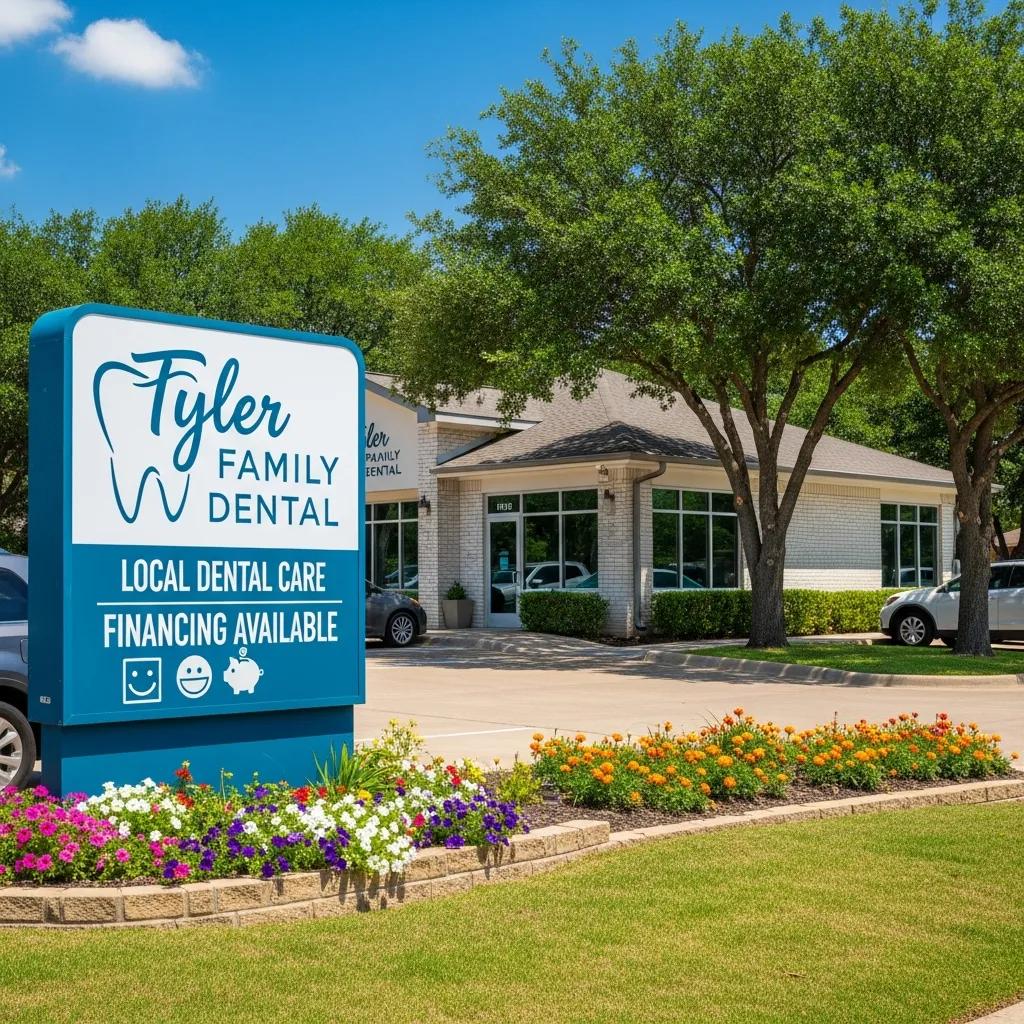
Which Local Dental Implant Financing Options Are Available in Tyler, TX?
In Tyler, TX, several local providers offer financing options for dental implants, making it easier for residents to access necessary dental care.
Local Providers Offering Financing: Many dental practices in Tyler provide in-house financing plans, allowing patients to pay for their implants over time.
Comparison of Local Options: It’s beneficial to compare the terms and interest rates of different providers to find the best deal. Some may offer promotional rates or flexible payment plans.
Contact Information for Local Providers: Researching local dental offices and their financing options can provide valuable insights into the best choices available.
Finding the right local financing option can significantly ease the financial burden of dental implants.
How to Find Affordable Dental Implant Payment Plans Near Me in Tyler?
Finding affordable dental implant payment plans in Tyler requires some research and consideration of various factors.
Resources for Finding Local Plans: Utilize online resources, such as dental practice websites and review platforms, to gather information about financing options.
Tips for Negotiating Payment Terms: Don’t hesitate to discuss payment options with your dentist. Many are willing to work with patients to create manageable payment plans.
Importance of Comparing Options: Always compare multiple financing options to ensure you’re getting the best deal. Look for plans with low or no interest and flexible payment terms.
Taking these steps can help you secure an affordable payment plan for your dental implants.
What Providers Offer Dental Implant Cost Assistance Locally?
Several providers in Tyler, TX, offer cost assistance for dental implants, making it easier for patients to afford necessary procedures.
List of Providers: Local dental offices often have partnerships with financing companies that specialize in dental loans.
Types of Assistance Offered: Assistance may include low-interest loans, payment plans, or even grants for qualifying patients.
Eligibility Criteria: Each provider may have different eligibility requirements, so it’s essential to inquire about these when seeking assistance.
Exploring these options can help patients find the financial support they need for dental implants.
How Is the Cost of Dental Implants Broken Down for Financing?
Understanding how the cost of dental implants is broken down can help patients make informed financing decisions.
Components of Dental Implant Costs: The total cost typically includes the implant itself, the abutment, and the crown. Additional costs may arise from consultations, imaging, and follow-up visits.
How Financing Affects Total Cost: Financing options can impact the overall cost due to interest rates and fees. It’s crucial to calculate the total amount payable over time.
Importance of Understanding Costs: Being aware of all cost components can help patients budget effectively and choose the best financing option.
A clear understanding of costs can lead to better financial planning for dental procedures.
What Are Typical Cost Ranges for Dental Implant Procedures?
The cost of dental implants can vary significantly based on several factors.
Average Cost Ranges: Typically, dental implants can range from $1,500 to $6,000 per implant, depending on the complexity of the procedure and the materials used.
Factors Affecting Costs: Factors such as the dentist’s experience, the type of implant, and any additional procedures required (like bone grafting) can influence the final price.
Comparison with Other Dental Procedures: Dental implants are generally more expensive than other tooth replacement options, such as dentures or bridges, but they offer a more permanent solution.
Understanding these cost ranges can help patients prepare financially for their dental implant procedures.
Ultimately, a patient’s financial situation is a primary driver in their decision-making process for dental implant treatment, influencing the choice between various interventions.
Financial Factors in Dental Implant Treatment Decisions
When dealing with the replacement of one missing tooth, the patient has the option of choosing between different types of treatment interventions. Several important factors play a role in his decision-making process, including his limited financial means and his efforts to solve the problem of missing teeth as effectively as possible. The main goal of the study is the economic-clinical evaluation of implant treatment, as a surgical-prosthetic method in dentistry, in case of replacement of one missing tooth of the molar area.
Cost-utility analysis of an implant treatment in dentistry, 2021
How Do Payment Plans Address Different Cost Components?
Payment plans can effectively address various cost components associated with dental implants.
Coverage of Initial Costs: Many payment plans allow patients to cover the initial costs of the implant, making it more manageable to afford upfront expenses.
Ongoing Payment Considerations: Patients can spread the remaining costs over several months or years, making it easier to budget for dental care.
Flexibility of Payment Plans: Some plans offer flexible terms, allowing patients to adjust their payments based on their financial situation.
These features make payment plans an attractive option for many individuals seeking dental implants.
What Is the Application and Approval Process for Dental Implant Financing?
The application and approval process for dental implant financing can vary by lender but generally follows a similar structure.
Steps in the Application Process: Patients typically need to fill out an application form, provide financial information, and submit their credit history for review.
Typical Approval Timelines: Approval can often be obtained within a few hours to a few days, depending on the lender’s policies.
Documentation Required: Commonly required documents include proof of income, identification, and any existing financial obligations.
Understanding this process can help patients prepare for financing applications.
What Steps Are Involved in Applying for Dental Implant Financing?
Applying for dental implant financing involves several key steps to ensure a smooth process.
Step-by-Step Application Guide: Begin by researching lenders and their terms. Next, gather necessary documentation and complete the application form.
Common Pitfalls to Avoid: Be cautious of high-interest rates and hidden fees. Always read the fine print before signing any agreements.
Tips for Successful Applications: Improving your credit score before applying can enhance your chances of approval and secure better terms.
Following these steps can lead to a successful financing application.
How Long Does Approval Take for Dental Implant Payment Plans?
The approval timeframe for dental implant payment plans can vary based on several factors.
Typical Approval Times: Many dental offices can provide immediate approval for in-house financing, while external lenders may take longer, typically 24-48 hours.
Factors Affecting Approval Speed: The complexity of your financial situation and the lender’s processing times can influence how quickly you receive approval.
What to Expect During the Process: Patients should be prepared to provide documentation and possibly answer additional questions during the approval process.
Understanding these timelines can help patients plan their dental procedures accordingly.
What Are Common Questions About Dental Implant Financing Plans?
Many patients have questions regarding dental implant financing plans, which can help clarify the process.
Common Concerns and Misconceptions: Some may worry about high-interest rates or hidden fees. It’s essential to ask questions and understand the terms before committing.
Clarifications on Financing Terms: Patients should seek clarification on any terms they do not understand, such as APR, repayment terms, and penalties for late payments.
Advice for Potential Borrowers: Always compare multiple financing options and read reviews of lenders to ensure you choose a reputable provider.
Addressing these common questions can empower patients to make informed decisions about their dental financing.
How Do Dental Implant Financing Plans Work?
Dental implant financing plans are designed to make the cost of dental implants more manageable for patients.
Mechanics of Financing: Patients can choose from various financing options, including loans, payment plans, and credit card financing, each with its terms and conditions.
Understanding Interest Rates: It’s crucial to understand how interest rates will affect the total cost of the implants over time.
Importance of Reading Terms: Patients should carefully read all terms and conditions before signing any financing agreements to avoid unexpected costs.
Understanding how these plans work can help patients navigate their financing options effectively.
Are There Low Interest or No Interest Dental Implant Payment Options?
Many dental practices offer low-interest or no-interest payment options for dental implants, making them more accessible.
Availability of Low Interest Options: Some practices provide promotional financing with low or no interest for a limited time, allowing patients to pay off their implants without accruing significant interest.
Comparison with Standard Rates: It’s essential to compare these promotional rates with standard loan rates to determine the best option.
Eligibility for No Interest Plans: Patients may need to meet specific criteria to qualify for no-interest plans, such as making timely payments or having a certain credit score.
Exploring these options can help patients find affordable financing solutions for their dental implants.
For those in Tyler, TX, finding the right local providers is essential for accessible dental care.
To further assist you in your journey to affordable dental implants, consider scheduling an appointment to discuss your options.