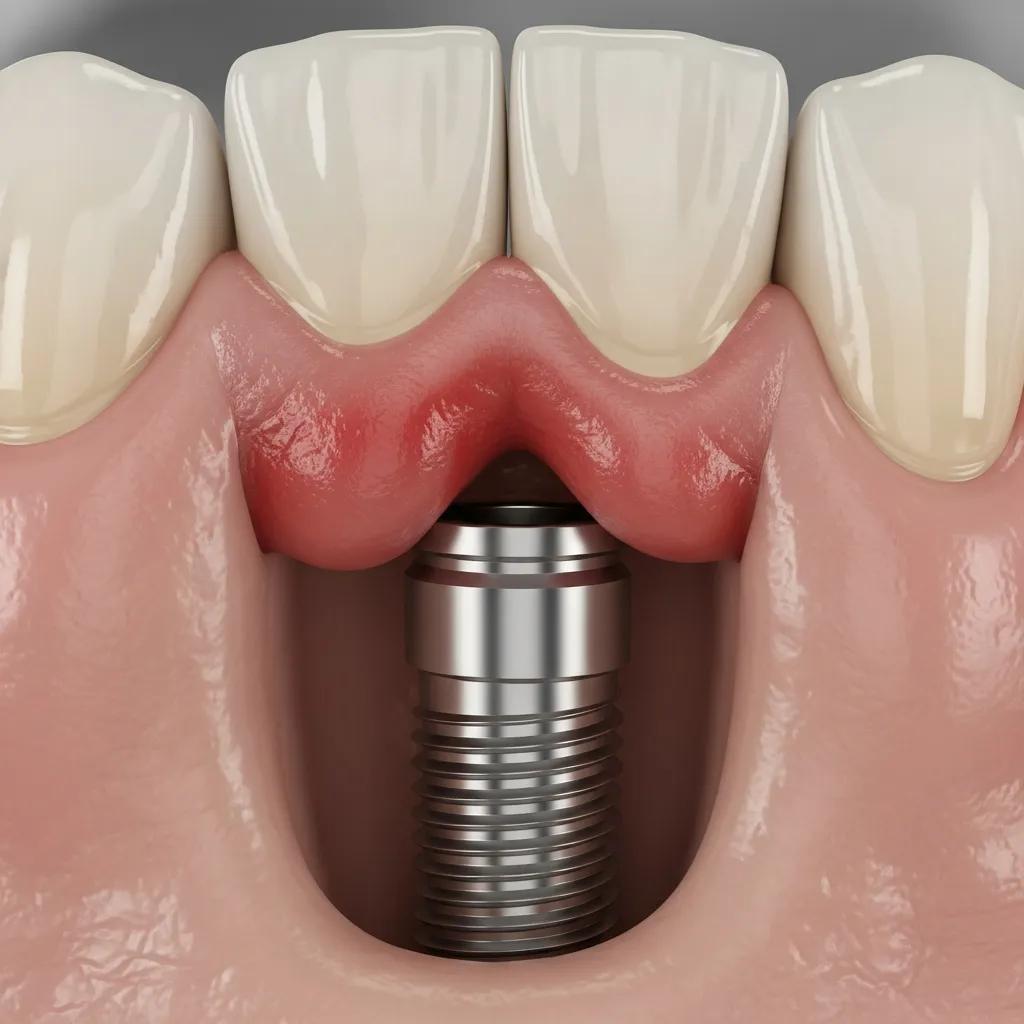
Dental implants are a reliable option to replace missing teeth: they look natural, feel stable, and can last many years when planned and maintained. This guide summarizes common causes of failure, early warning signs, practical risk-reduction steps, and treatment choices so you can discuss realistic expectations with your provider.
Choose a skilled clinician and confirm the planned steps. Ask about their experience, the imaging they’ll use, and how they’ll manage risks such as low bone volume or active gum disease. A clear timeline and follow-up plan help set realistic recovery expectations.
Why Do Dental Implants Sometimes Fail in Local Clinics?
Most failures result from infection (peri-implantitis), poor placement, or insufficient bone. These factors often act together (for example, low bone plus smoking). A thorough evaluation — medical history, imaging, and bone assessment — determines whether grafting or staged placement is needed.
How Does Peri-implantitis Cause Implant Failure?
Peri-implantitis is infection and inflammation around an implant that leads to soft-tissue inflammation and progressive bone loss. Early signs include redness, swelling, bleeding, and ongoing discomfort. Regular professional cleanings plus meticulous home care limit bacterial buildup and lower risk.
Reviews describe how peri-implantitis disrupts cellular processes in bone and soft tissue, explaining progressive tissue breakdown when infection persists.
Peri-Implantitis: Bone Cell Dynamics & Immune Response
This review describes how normal bone remodeling is disrupted during peri-implantitis. Infection triggers immune responses that shift the balance between bone-forming and bone-resorbing cells, driving tissue breakdown and implant-related bone loss.
Bone cells dynamics during peri-implantitis: a theoretical analysis, 2016
If detected early, inflammation may be managed without removing the implant using improved home hygiene, targeted professional cleaning, and local or systemic antimicrobials when appropriate. With significant bone loss or persistent infection, surgical debridement and regenerative grafting may be required.
How Does Failed Osseointegration Create Problems?
Osseointegration is the direct bond between the implant and the jawbone. Failure to form this bond — from poor bone quality, infection, smoking, or premature loading — can leave an implant mobile, painful, and unsuccessful. Careful planning and adequate healing time reduce this risk.
Integration time varies by site and overall health. Some implants require several months before loading; others may be restored sooner in ideal conditions. Factors that slow integration include low bone density, active infection, certain medications, and systemic conditions. If integration fails, the clinician may remove the restoration, allow further healing, or replace the implant after bone repair.
Which Lifestyle and Health Factors Increase the Risk of Implant Failure?
Your habits and overall health strongly affect outcomes. High-risk factors include smoking, poorly controlled chronic illness (especially diabetes), medications that affect bone, prior head/neck radiation, and conditions that reduce blood flow or immunity. Age alone is rarely a disqualifier but age-related bone changes should be discussed.
How Do Smoking and Poor Oral Hygiene Affect Implants?
Smoking narrows blood vessels and hinders healing, increasing complications. Poor oral hygiene lets plaque accumulate and raises infection risk. Quitting tobacco, brushing and flossing regularly, and keeping scheduled dental visits improve success rates.
Discuss cessation strategies with your provider and aim to reduce or stop tobacco use before surgery. Use gentle but thorough cleaning around implants, appropriate interdental brushes, and follow any additional instructions from your dental team.
Smoking as a Major Cause of Dental Implant Failure
Multiple studies link smoking to higher complication rates and poorer implant outcomes.
Effects of smoking on the outcome of implant treatment: a literature review, MR Baig, 2007
What Effect Do Diabetes and Other Medical Conditions Have?
Conditions such as diabetes, autoimmune disorders, or osteoporosis can slow healing and increase infection risk. Poorly controlled diabetes particularly impairs tissue repair and bone healing. Share your full medical history so your dentist can tailor the plan.
Coordinating care with your primary provider to optimize blood sugar, review medications, and schedule surgery during periods of better overall health improves outcomes. Clinicians may recommend closer monitoring or altered protocols for patients with systemic conditions.
Systemic disease can interfere with the bone-healing processes required for osseointegration, which is why medical optimization matters before implant therapy.
Diabetes & Dental Implant Osseointegration
Advanced glycation end products (AGEs) and related pathways can impair normal wound healing in people with diabetes, affecting tissue and bone recovery after implant placement.
Impact of diabetes mellitus and glycemic control on the osseointegration of dental implants: a systematic literature review, F Javed, 2009
What Are the Common Signs and Symptoms of a Failing Dental Implant?
Early detection is key. Contact your dentist if you notice concerning changes around the implant.
What Are Early Warning Signs of Implant Trouble?
Watch for persistent pain, swelling, bleeding, sensitivity, gum recession, or redness. If you see these signs, schedule an exam promptly. Note onset, triggers, new medications, or recent health events to help diagnosis.
What Do Late Symptoms Look Like for Advanced Implant Problems?
Advanced problems may show X-ray evidence of bone loss, mobility, draining infection, or abscess. Severe cases sometimes need implant removal and reconstruction. Restoring oral health precedes replacement when tissues are unstable.
How Can Patients Reduce the Risk of Implant Failure?
Prevention hinges on consistent home care, healthy lifestyle choices, and regular professional follow-up. Patients who follow recommended routines have the best long-term results.
Which Oral Hygiene Habits Help Implants Last?
Brush twice daily with a soft brush, clean between teeth with floss or interdental brushes, and use an antibacterial rinse if advised. Maintain routine professional cleanings to remove deposits that at-home care misses.
Use gentle angled strokes or a soft-head electric brush, and clean carefully under fixed restorations. Regular maintenance reduces the chance of peri-implantitis.
Supportive Therapies Prevent Peri-Implantitis & Implant Loss
Clinical reviews show that ongoing peri-implant maintenance reduces signs of peri-implantitis and lowers the chance of losing implants when patients receive regular professional care.
The efficacy of supportive peri-implant therapies in preventing peri-implantitis and implant loss: a systematic review of the literature, A Ramanauskaite, 2016
Consistent maintenance is a central element in preventing complications and preserving implants.
Supportive Peri-Implant Therapies for Preventing Implant Loss
This research evaluated how supportive peri-implant therapies affect clinical and radiological signs of peri-implantitis and implant loss.
The efficacy of supportive peri-implant therapies in preventing peri-implantitis and implant loss: a systematic review of the literature, A Ramanauskaite, 2016
Why Does an Experienced Implant Dentist Matter?
Experience improves evaluation, surgical technique, planning, and aftercare. An experienced implant dentist can identify risks, tailor treatment to your health, and manage complications more effectively.
Ask about training, case volume, use of CBCT for planning, and complication protocols. Request before-and-after examples and a clear explanation of follow-up and contingency plans.
Advanced imaging such as CBCT supports precise surgical planning and better risk assessment.
CBCT Imaging for Dental Implant Surgical Planning
In implant dentistry, three-dimensional (3D) imaging from dental cone beam computed tomography (CBCT) provides volumetric data on jaw bones and teeth with relatively low radiation. These 3D datasets support surgical planning and can be used with 3D printing or navigation.
Cone beam computed tomography in implant dentistry: recommendations for clinical use, R Jacobs, 2018
What Treatments Are Available When Implants Fail?
Treatment depends on cause and severity and ranges from conservative management to surgical reconstruction.
How Are Failing Implants Diagnosed and Treated?
Diagnosis includes a clinical exam, pocket-depth measurements, mobility checks, and imaging (X-ray or CBCT) to assess bone levels. Initial treatment may include intensive cleaning, local antimicrobial therapy, and systemic antibiotics. Surgical cleaning and reconstruction are reserved for advanced disease.
What Surgical and Non-Surgical Options Exist?
Non-surgical care involves professional debridement, antimicrobial therapy, and medications. Surgical options include debridement, bone grafting, and implant removal with staged replacement after healing. Regenerative techniques aim to rebuild lost bone and soft tissue when feasible; temporary prosthetics are used during healing.
Why Choose Affordable Dentist Near Me in Fort Worth for Implant Care?
Local practices with implant experience provide continuity of care, easier follow-up, and faster access for urgent visits. Familiarity with your history supports personalized treatment and maintenance.
What Experience Does Dr. Mike Tri Pham Bring to Implant Care?
Dr. Mike Tri Pham atAffordable Dentist Near Me in Fort Worth combines hands-on experience with a patient-focused approach, emphasizing comfort, clear explanations, and individualized plans for complex cases.
How Does a Free Dental Implant Consultation Help You?
Free dental implant consultations let you review options, examine imaging, and receive straightforward guidance without pressure. Use the visit to ask about alternatives, costs, timelines, follow-up care, and realistic outcomes.
Frequently Asked Questions
What Are the Most Common Causes of Dental Implant Failure?
Common causes include peri-implantitis (infection), insufficient bone, and improper placement; smoking and systemic disease also contribute.
How Can I Improve My Bone Density Before Getting Implants?
Support bonehealth with a diet rich in calcium and vitamin D, weight-bearing exercise, smoking cessation, and, when indicated, supplements or grafting procedures recommended by your dentist.
What Should I Do If I Experience Gum Recession Around My Implant?
Contact your dentist promptly. They may suggest a gum graft or adjustments to your hygiene routine to protect exposed components and reduce infection risk.
How Does Stress Affect Dental Implant Success?
Stress can slow healing and promote bruxism (grinding), which increases load on implants. Stress management and protective devices (nightguards) may help.
What Are the Signs That My Implant Is Not Healing Properly?
Persistent pain, swelling, redness, discharge, or a bad taste are warning signs—seek evaluation promptly.
Can I Get Dental Implants If I Have Osteoporosis?
Osteoporosis doesn’t automatically prevent implants, but it requires evaluation. Your dentist may suggest bone-supporting treatments or grafting before placement.
What Role Does Follow-Up Care Play in Implant Longevity?
Regular check-ups allow early detection of problems, professional cleaning, and ongoing assessment—critical for long-term success.
What Lifestyle Changes Can Enhance the Success of Dental Implants?
Quit smoking, eat a balanced diet, exercise to improve circulation, manage chronic conditions, and maintain daily oral hygiene and regular dental visits.
How Can I Prepare for My Dental Implant Consultation?
Bring your medical history, current medications, recent dental records/imaging, and questions. Be honest about habits like smoking and your hygiene routine.
What Are the Risks of Delaying Treatment for a Failing Implant?
Delay can worsen bone loss, require more extensive surgery, and allow infection to spread; early evaluation simplifies repair.
What Should I Expect During Recovery After Implant Surgery?
Expect mild discomfort, swelling, and some bruising for days to weeks. Follow post-op instructions and allow months for full osseointegration.
How Do I Know If My Implant Is Integrating Properly?
Decreasing discomfort, reduced swelling, and absence of infection suggest proper integration; your dentist confirms with exams and imaging.
What Are the Long-Term Care Recommendations for Dental Implants?
Maintain excellent daily oral hygiene, schedule routine professional cleanings, avoid tobacco, and manage chronic health conditions.
Can I Get Dental Implants If I Have a History of Gum Disease?
Active gum disease should be treated first. Stabilizing gums with periodontal therapy (scaling, root planing, improved home care) is usually required.
What Are the Benefits of Choosing a Local Dentist for Implant Care?
Local care simplifies follow-ups, offers quicker responses to concerns, and lets the team personalize treatment based on your history.
How Can I Manage Discomfort After Implant Surgery?
Use OTC analgesics as directed, ice for the first 48 hours to reduce swelling, follow diet and hygiene advice, and contact your dentist if pain worsens.
What Should I Do If I Notice Changes in My Implant?
If you have new or increased pain, swelling, or recession, contact your dentist quickly and document onset and possible triggers.
Are There Specific Maintenance Products Recommended for Implants?
Use a soft-bristled toothbrush, non-abrasive toothpaste, interdental brushes or implant-specific floss, and antibacterial rinses if advised by your dentist.
How Does Nutrition Impact Dental Implant Success?
Good nutrition supports healing: calcium and vitamin D for bone, adequate protein for tissue repair, hydration, and limiting excess sugar during recovery.
What Are the Signs of Infection After Implant Surgery?
Watch for persistent pain, swelling, redness, discharge, fever, or bad taste—seek prompt evaluation.
Can I Get Dental Implants If I Have a History of Bone Loss?
A history of bone loss may require grafting or other preparatory procedures; your dentist will assess bonehealth and recommend the best plan.
What Are the Long-Term Care Requirements for Dental Implants?
Long-term care includes excellent oral hygiene, regular professional check-ups, and managing chronic health issues to prevent complications.
How Can I Tell If My Implant Is Healing Properly?
Normal healing shows gradual improvement in discomfort and swelling. Persistent or worsening symptoms warrant evaluation.
What Should I Do If I Experience Gum Recession Around My Implant?
Contact your dentist promptly; they may recommend a gum graft or changes to your hygiene routine to prevent further recession.
Are There Specific Foods I Should Avoid After Getting Implants?
Avoid hard, sticky, or crunchy foods during early recovery. Start with soft foods and gradually reintroduce firmer items as advised.
What Role Does Stress Play in Dental Implant Success?
Stress can slow healing and contribute to bruxism; managing stress supports recovery and implant longevity.
How Do I Choose the Right Dentist for My Implant Procedure?
Choose a provider with implant training, technology (CBCT), a record of similar cases, transparent complication management, and clear communication.
What Are the Costs Associated with Dental Implants?
Costs vary by complexity, materials, and provider. A single implant typically includes the implant, abutment, and crown; additional procedures raise the total.
How Can I Prepare for My Dental Implant Surgery?
Complete medical review and imaging, follow pre-op instructions (fasting or medication changes), and arrange transportation if sedated.
What Should I Expect During the Healing Process After Implant Surgery?
Healing proceeds from soft-tissue recovery to osseointegration, when bone fuses to the implant. Expect monitored recovery over several months.
Can I Get Dental Implants If I Have a History of Gum Disease?
Treat active gum disease before placing implants; periodontal stabilization is typically required for success.
What Should I Do If My Implant Feels Loose?
Contact your dentist immediately. A loose implant may indicate failed osseointegration, infection, or bone loss; early imaging guides next steps.
What Are the Early Signs of Dental Implant Failure?
Early signs include ongoing pain, swelling, bleeding, or visible changes around the implant. Call your dentist if you notice these symptoms.
Can a Failed Dental Implant Be Repaired?
Many failed implants can be treated with infection control, grafting, and staged replacement. Acting quickly improves the chance of preserving or restoring function.
How Does Proper Post-Operative Care Affect Implant Success?
Adhering to post-op instructions, attending follow-ups, and reporting concerns promptly greatly increase the likelihood that an implant will last.
What Are Best Practices for Recovering After Implant Surgery?
Rest, follow diet and medication guidance, avoid heavy exertion, maintain cleanliness in the surgical area, and attend scheduled checkups. Begin with soft foods and progress as advised.
How Do Regular Checkups Help Catch Problems Early?
Routine dental visits let your provider monitor gum health, remove deposits, and take X-rays as needed to catch changes early and simplify treatment.
Conclusion
Knowing common causes of implant failure and how to prevent them helps you make informed decisions. Maintain excellent oral hygiene, watch for early signs, and seek experienced care when needed.
Conclusion
Consistent home care, regular professional maintenance, and choosing a skilled provider improve implant longevity. Address issues early for the best outcomes.
Conclusion
Good hygiene, routine follow-up, and prompt attention to changes increase the chances of long-term implant success.
Conclusion
Understand risk factors, follow recommended care, and work with an experienced clinician to protect your implants.
Conclusion
Maintaining excellent hygiene and regular check-ups, and consulting a skilled provider like Dr. Mike Tri Pham, support lasting dentalhealth.
Conclusion
Early detection and preventive care are key—schedule a consultation to create a personalized plan for long-term implant success.
Conclusion
Understanding contributing factors and following a tailored maintenance plan helps maximize implant longevity. Contact your dentist promptly if you notice any warning signs.