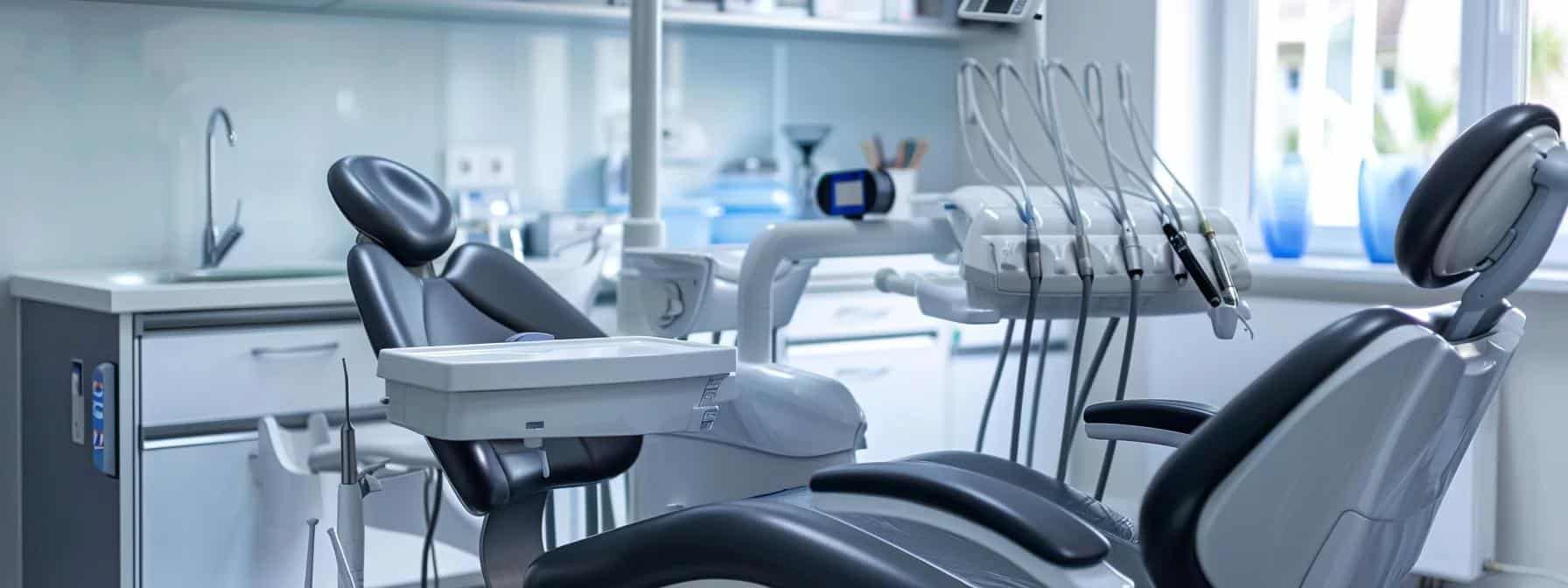
Dental implants have revolutionized tooth replacement by offering a natural-looking and long-lasting solution that not only restores smiles but also improves function. For patients in Lake Worth, TX, this minimally invasive treatment plan provides a reason to smile again and enjoy a better quality of life. The advancement in dental implant technology has made it possible to replace lost or decayed teeth with durable prostheses that mimic the natural appearance and function of real teeth. With a free initial consultation and affordable monthly payment options, patients can now plan their treatment without the financial strain traditionally associated with dental reconstruction.
This comprehensive guide addresses everything a dental patient might wonder about dental implants—from the materials used and the step-by-step procedure to the success rates and long-term benefits. Whether you are considering your first consultation or are already weighing your treatment options, this article provides the essential information you need to make an informed decision about your dental health. You will discover how dental implants compare to other restoration methods like bridges and dentures, learn about the key advantages that dental implants provide, and explore the detailed process you can expect during your implant procedure in Lake Worth. A focus on both the clinical aspects and the practical implications of dental implant treatment ensures that all patients, particularly those in their 40s to 60s, understand the integrated approach to oral health that modern dentistry offers.
Read on to learn how the combination of advanced technology, skilled specialists, and personalized care makes dental implants an excellent choice for anyone looking to restore their smile and oral function. With this guide, you’ll not only get a clear overview of what to expect but also understand the factors that play into the success of your dental implant—and how lifestyle choices can further enhance their durability and performance.
Key Takeaways
Dental implants provide a durable, natural-looking solution to tooth loss by functioning as artificial roots that support crowns.
Success depends on factors like patient health, jawbone density, and rigorous aftercare, ensuring long-term performance.
Patients in Lake Worth benefit from experienced specialists, personalized consultations, and affordable payment plans.
The implant procedure involves careful planning, surgical placement, and a healing phase that leads to custom attachment of new teeth.
Selecting dental implants can improve oral health overall, preventing bone loss while restoring function and aesthetics.
Understanding Your Tooth Replacement Options With Dental Implants
Dental implants are an innovative tooth replacement option that acts as a permanent solution, mimicking the structure and function of natural teeth. They are surgically placed into the jawbone to serve as a sturdy base upon which a crown is attached, offering superior stability and comfort compared to traditional dentures or bridges.
What Are Dental Implants Composed Of
Dental implants are primarily composed of titanium, a metal praised for its strength and biocompatibility. This material not only integrates with the jawbone through a process called osseointegration but also minimizes the risk of allergic reactions. In some cases, zirconia implants, which are metal-free and ideal for patients with allergies, are used. The implant components include the implant fixture (inserted into the bone), the abutment (which connects the implant to the crown), and the crown itself that replicates the appearance of a natural tooth. This composition ensures that dental implants are both durable and capable of enduring the forces of chewing, making them a popular choice among dental patients.
The Function of Dental Implants as Artificial Roots
Dental implants function as artificial roots by anchoring securely into the jawbone. The process of osseointegration, where new bone cells grow around the implant’s surface, ensures that the implant becomes stable and strong over time. This biological integration provides a foundation that mirrors the natural tooth’s structure, allowing the implant to support dental restorations like crowns, bridges, or dentures. Unlike conventional dentures, implants restore not only the appearance but also the functionality of the lost tooth by transmitting the chewing forces directly to the bone, thus preserving bone density and preventing further resorption.
Different Types of Dental Implants Available
There are several types of dental implants available to meet different patient needs. Endosteal implants, the most common, are placed directly in the jawbone, while subperiosteal implants rest on top of the jawbone and are used when there is insufficient bone height. Immediate load implants allow for temporary crowns to be attached instantly after the procedure, providing immediate aesthetics and function. Mini implants, with a smaller diameter, are also available for patients with lower bone density or those requiring less invasive procedures. Each type comes with its unique advantages based on individual patient anatomy and dental requirements, offering a customized approach that maximizes both comfort and longevity.
Comparing Dental Implants to Bridges and Dentures
When compared to traditional bridges and dentures, dental implants offer significant advantages. Implants provide a fixed, permanent solution that does not rely on adjacent teeth for support, thereby preserving the integrity of surrounding structures. Unlike dentures, which often require adhesives and can shift during use, implants are anchored securely, leading to a more natural bite and improved chewing efficiency. Unlike bridges, dental implants do not necessitate the alteration of healthy teeth, making them a more conservative option in terms of preserving natural tooth structure. This direct attachment methodology, combined with the preservation of bone tissue, makes dental implants a favorable alternative for many patients seeking long-term oral rehabilitation.
Assessing the Success Rate of Dental Implants
The success rate of dental implants is remarkably high, typically exceeding 95% under proper conditions. The longevity and performance of dental implants depend on various factors, ranging from patient-specific variables to the surgical procedure’s precision. Clinical studies suggest that with proper care and adherence to post-operative recommendations, implants can last several decades, offering a stable, long-term solution for tooth replacement.
Factors Influencing Dental Implant Longevity
Multiple factors influence the long-term success of a dental implant. Patient health, such as the presence of chronic conditions like diabetes or smoking habits, can impact healing. Moreover, the density and quality of the jawbone are critical for secure implant integration. Surgical technique and the experience of the dental implant specialist play crucial roles in ensuring successful osseointegration. Even factors like oral hygiene practices dictate the implant’s condition over time. Poor hygiene or neglect in aftercare can lead to peri-implantitis, an infection that undermines the implant’s stability. Therefore, meticulous professional care and patient diligence are crucial for maintaining implant longevity.
Typical Success Percentages for Dental Implant Procedures
Dental implant success percentages are documented to be around 95% to 98% in healthy patients. This high rate of success is attributed to advances in implant technology and rigorous protocols implemented during the surgical procedure. Research conducted in 2023 confirmed that when modern techniques are employed, the longevity and functionality of dental implants surpass many other tooth replacement solutions. The standard of care includes thorough preoperative assessments, accurate implant placement, and continuous follow-up, all of which contribute to these impressive success statistics.
How Lifestyle Choices Affect Dental Implant Success
Lifestyle choices significantly affect the outcome of dental implant procedures. A balanced diet, abstaining from smoking, and maintaining strict oral hygiene can improve the healing process and ensure the integration of the implant. Additionally, regular dental checkups allow for early detection and management of potential complications such as gum disease or bone loss. Stress management and avoiding excessive alcohol consumption also play a role, as these factors influence overall immune function. By making informed lifestyle adjustments, patients can significantly enhance the success and longevity of their dental implants.
The Role of Aftercare in Sustaining Dental Implants
Aftercare is a critical component in sustaining dental implants long term. Patients receive detailed instructions on maintaining excellent oral hygiene to prevent infections and complications. Regular follow-up appointments enable the dentist to monitor the health of the implant and surrounding tissues. Professional cleanings and periodic evaluations ensure early intervention if issues arise, such as inflammation or gum recession. This careful aftercare regimen, including the use of specialized dental products like non-abrasive floss and antiseptic mouthwashes, is instrumental in preserving the integrity and functionality of the implant.
Accessing Dental Implants in Lake Worth
For residents of Lake Worth, accessing dental implant services has never been easier. A well-established network of qualified dental specialists ensures that patients receive personalized and comprehensive care. With modern facilities and cutting-edge technology, the dental implant consultation process is designed to be informative, supportive, and affordable, ideally leading to a satisfying treatment experience.
Locating Qualified Dental Implant Specialists in Lake Worth
Lake Worth boasts numerous dental practices specializing in implant dentistry. Patients can easily locate highly qualified dental implant specialists through local listings, online reviews, and recommendations from satisfied patients. These professionals possess extensive training in advanced implant procedures, ensuring that each patient receives individualized treatment plans tailored to their unique oral health needs. Many practices also provide complimentary consultations, allowing prospective patients to ask detailed questions about procedural options and expected outcomes.
What to Expect During a Lake Worth Dental Implant Consultation
During a dental implant consultation in Lake Worth, patients can expect a thorough assessment of their oral health. The consultation typically includes digital x-rays and 3D imaging to evaluate jawbone density and identify any potential issues that might affect implant placement. The dentist will discuss the patient’s medical history, dental expectations, and treatment goals before outlining a step-by-step treatment plan. Cost estimates and potential financing options are also covered during the consultation, ensuring that patients are fully informed about the procedure and next steps.
Patient Experiences With Dental Implants in the Lake Worth Area
Patient reviews and testimonials from the Lake Worth area underscore the high success rate and satisfaction with dental implants. Many patients report significant improvements in both appearance and function, with enhanced chewing efficiency and a renewed confidence in their smile. Detailed case studies have highlighted personalized treatment plans that accommodate unique dental challenges, demonstrating the effectiveness of modern implant technology. These positive experiences reiterate that dental implants can be life-changing, leading to improved overall quality of life.
Financial Considerations for Dental Implants in Lake Worth
Cost is a primary concern for many seeking dental implants, yet numerous practices in Lake Worth provide flexible payment options and accept various dental insurance plans. Initial consultations are often free, and many dental offices offer affordable monthly payment plans to accommodate patients on a budget. Transparent pricing and detailed treatment quotes allow patients to budget confidently without unexpected expenses. Additionally, financing options are available to make the procedure more accessible, ensuring that patients can achieve a lasting, natural-looking smile without compromising their financial stability.
The Dental Implant Procedure Journey in Lake Worth
The journey to a successful dental implant begins with an in-depth assessment and meticulous planning, followed by the precise surgical placement and a dedicated healing phase. Each step is designed to ensure maximum comfort and long-term stability. In Lake Worth, dental practices follow strict guidelines to offer patients a seamless, transparent, and supportive implantation experience.
Initial Assessment and Treatment Planning for Your Dental Implants
During the initial assessment, the dental implant specialist evaluates oral health, reviews medical history, and conducts imaging studies to determine jawbone density. The treatment planning stage includes a detailed discussion of the available implant options, expected outcomes, and preservation of the natural dental aesthetics. This phase is crucial; the dentist customizes a treatment plan that addresses the patient’s unique structural and functional needs, ensuring the implant is positioned optimally for both appearance and durability.
The Surgical Placement of Dental Implants
The surgical placement of dental implants is performed under local anesthesia to ensure patient comfort. In a sterile environment, a small incision is made to expose the jawbone, and a precise hole is drilled to accommodate the titanium implant. The implant is then inserted, and the area is sutured to promote healing. Surgical precision is essential to achieve proper alignment and stability, which paves the way for successful osseointegration. Many patients appreciate the minimally invasive techniques applied by experienced professionals, ensuring a relatively painless and swift procedure.
Healing and Osseointegration Process
After the implant placement, a healing period is necessary during which the bone grows around the implant, securing it in place. This process of osseointegration can take several weeks to months, depending on the individual’s healing rate and bone quality. During this time, patients are advised to adhere strictly to post-surgery care instructions, including dietary restrictions and rigorous oral hygiene practices. The self-healing ability of the jawbone, in conjunction with regular follow-up visits, ensures that the implant becomes a permanently integrated part of the oral structure.
Attaching Your New Teeth to the Dental Implants
Once the implant is securely integrated, the next phase involves attaching the custom-made crown or bridge to the implant. The abutment, which connects the implant to the prosthesis, is placed and adjusted to ensure a perfect fit and optimal bite function. This tailored restoration not only mimics the appearance of natural teeth but also restores full chewing efficiency. Precision in the design and placement of the crown is essential for achieving a harmonious balance between aesthetics and functionality, providing patients with a confident and complete smile.
Post-Procedure Care for Dental Implants in Lake Worth
After the dental implant procedure, diligent post-procedure care is vital to maintain oral health and ensure long-term success. Patients are provided with detailed instructions on proper brushing techniques, the use of specialized dental floss, and the importance of routine dental check-ups. Compliance with these guidelines, combined with a healthy lifestyle, helps prevent complications such as peri-implantitis and supports the longevity of the implant. Regular follow-up appointments in Lake Worth allow the dentist to monitor the implant’s progress and intervene promptly if any issues arise.
Key Advantages of Selecting Dental Implants
Dental implants bring an array of notable advantages that extend beyond mere aesthetics. They are engineered to replicate the natural structure of the tooth, providing benefits related to dietary flexibility, speech, and overall jawbone health. For many patients, implants offer a permanent, comfortable solution that significantly enhances quality of life without the drawbacks associated with removable prosthetics.
Restoring a Natural-Looking Smile With Dental Implants
Dental implants are designed to closely mimic the appearance of natural teeth, ensuring that the restored smile is indistinguishable from the original. The custom crowns are carefully color-matched and sculpted to achieve a natural contour, which enhances facial aesthetics and boosts self-esteem. As implants anchor into the jawbone like natural tooth roots, they provide the stability and aesthetics needed for a complete, radiant smile—allowing patients to speak, laugh, and eat with confidence.
Improved Chewing Ability and Speech Clarity
One of the major advantages of dental implants is the rehabilitation of bite function. Unlike dentures that can slip or cause discomfort, implants are immovably fixed, ensuring proper alignment and efficient chewing. This stability not only improves digestion by allowing patients to break down food effectively but also contributes to clearer speech. The natural feel of implants fosters better pronunciation and overall oral function, which is essential for maintaining a healthy standard of living.
Preventing Bone Loss With Dental Implants
A significant benefit of dental implants is their ability to prevent bone loss. When a tooth is lost, the jawbone begins to deteriorate over time due to the lack of stimulation. Dental implants act as artificial roots that stimulate the bone through chewing forces, thereby preserving bone density and facial structure. Maintaining bone mass is especially critical for sustaining overall oral health and avoiding the sunken facial appearance that often accompanies tooth loss.
The Durability of Dental Implant Restorations
Dental implants are renowned for their durability and longevity. With proper care, the titanium fixtures can last a lifetime. Unlike bridges, which may require periodic replacement due to wear and tear, dental implants provide a permanent solution that withstands the rigors of daily use. This durability makes implants a cost-effective option in the long run, considering the fewer repairs and replacements needed over time compared to other restorative options.
Enhancing Overall Oral Health With Dental Implants
Beyond restoring appearance and function, dental implants play a significant role in overall oral health. They do not compromise the integrity of adjacent teeth, as is often the case with fixed bridgework, thereby preventing additional dental issues. This preservation of the natural dental alignment helps reduce the risk of gum disease and tooth decay. The integrated design of dental implants ensures that the entire oral ecosystem remains stable, which is vital for long-term dental wellness.
Determining Candidacy for Dental Implants in Lake Worth
Not every patient is an ideal candidate for dental implants. Determining candidacy involves a careful evaluation of various factors, including general health, jawbone density, and oral hygiene. Dentists in Lake Worth conduct comprehensive assessments to ensure that each patient can achieve a successful outcome, tailoring the treatment plan to meet individual clinical and financial circumstances.
General Health Requirements for Dental Implant Surgery
Candidates for dental implant procedures should generally be in good overall health. Chronic conditions like uncontrolled diabetes, severe heart disease, or bleeding disorders must be managed appropriately before undergoing implant surgery. Additionally, patients who smoke are advised to quit or significantly reduce their tobacco use pre- and post-surgery, as smoking can impede the healing process and affect implant integration. A thorough medical evaluation is recommended to ensure that there are no contraindications that could adversely affect the implant procedure.
Assessing Jawbone Density for Dental Implants
Jawbone density is one of the pivotal factors determining dental implant success. A sufficient amount of bone is required to support the implant securely; therefore, imaging studies such as CT scans or panoramic x-rays are crucial during the initial consultation. If the jawbone is found lacking in density or volume, bone grafts may be recommended to build up the area before proceeding with implant placement. This step enhances the stability of the implant and ensures that it can withstand the forces of mastication over the long term.
Oral Hygiene Standards for Implant Recipients
Maintaining stringent oral hygiene is essential for reading long-term success after dental implants. Candidates must demonstrate a commitment to daily oral care, including thorough brushing, flossing, and periodic dental check-ups to prevent periodontal disease and peri-implant infections. Dental professionals in Lake Worth emphasize that patients adhere to these standards as neglect can lead to complications, reducing the overall longevity of the implant. Regular professional cleanings and personalized hygiene instructions form an integral part of the pre- and post-surgical processes.
Discussing Your Suitability for Dental Implants With a Lake Worth Professional
A comprehensive consultation with a Lake Worth dental professional is key to determining if dental implants are the right solution for you. During this discussion, the dentist will review your medical history, assess bone quality and quantity, and evaluate your oral hygiene practices. If any concerns are identified, such as insufficient bone mass or potential hygiene challenges, the dental team can propose preparatory treatments or alternative restoration options. Ultimately, the consultation aims to ensure that the patient is both physically and mentally ready for the implant process, setting the stage for a successful outcome.
Frequently Asked Questions
Q: What are dental implants and how do they work? A: Dental implants are artificial tooth roots made primarily of titanium that integrate with the jawbone through osseointegration. They serve as a stable base for attaching crowns or bridges, effectively replacing missing teeth and restoring both aesthetics and functionality. Proper care and regular dental visits are essential for long-term success.
Q: How long does the dental implant procedure take from start to finish? A: The entire dental implant process can take several months. Initially, there is a consultation and treatment planning phase, followed by surgery, a healing period for osseointegration, and finally, the attachment of the crown. The exact timeline varies based on individual healing rates and specific treatment plans, but most patients can expect the process to span between three to six months.
Q: Are dental implants painful and what is the recovery process like? A: Most patients report minimal pain during and after the dental implant procedure due to effective local anesthesia and modern surgical techniques. Post-operative discomfort is usually managed with prescribed pain medications. A recovery period is required to allow the implant to integrate properly, and patients often experience a few days of mild soreness followed by gradual improvement through adherence to post-surgery care instructions.
Q: Can I eat normally after receiving dental implants? A: Yes, once the implant has fully integrated and the final restoration is in place, patients can generally eat most types of food normally. In the initial stages after the procedure, a soft diet may be recommended to avoid stress on the implant. Over time, as healing progresses, patients resume their usual diet without compromising the integrity of the implant.
Q: How can I determine if I am a good candidate for dental implants? A: A good candidate for dental implants should have adequate jawbone density, excellent oral hygiene, and an overall healthy systemic condition. During the consultation, your dental professional will conduct imaging tests, review your medical history, and evaluate your oral care habits to determine your suitability for implants and discuss possible preparatory treatments if needed.
Q: What are the financial considerations for dental implants? A: Dental implants can be a significant investment; however, many practices in Lake Worth offer flexible payment plans and work with dental insurance companies to reduce out-of-pocket costs. Free initial consultations help patients understand the proposed treatment and pricing structure, and affordable monthly payment options can make the procedure more accessible without compromising quality.
Q: How long do dental implants typically last? A: With proper care and maintenance, dental implants can last for several decades and, in many cases, a lifetime. Regular dental check-ups, good oral hygiene practices, and a healthy lifestyle are critical factors that contribute to the long-lasting performance of dental implants.
Final Thoughts
Dental implants in Lake Worth provide a transformative solution for patients seeking both functional and aesthetic improvements. The detailed journey—from initial consultation to long-term aftercare—ensures a high success rate and patient satisfaction. Emphasizing durable materials, precise surgical techniques, and comprehensive post-procedure care, this dental treatment option stands out as a reliable and effective choice. Scheduling a free consultation today can pave the way to regaining your natural smile and enjoying the many benefits that dental implants have to offer.