What to Expect During Your Dental Implant Procedure — A Patient-Friendly Guide
Dental implants are a dependable way to replace missing teeth with results that look, feel, and function like natural teeth. This guide walks you through each stage — from your first visit to the final crown — so you know what to expect and can feel more confident about the process. Many people worry about pain and recovery; understanding the timeline and steps usually eases that concern. Below we cover the initial consultation, the surgical stages, healing and osseointegration, abutment and crown placement, recovery tips, and answers to common questions.
What Happens During the Initial Dental Implant Consultation?
The consultation is the foundation of your treatment plan. At this appointment we’ll review your medical and dental history, examine your mouth, and discuss whether implants are the right option for you. This careful assessment helps us create a safe, personalized plan that addresses your goals and any health considerations.
How Are Dental Implants Evaluated and Planned?
We combine a clinical exam with imaging to plan implant placement precisely. Your dentist may take X‑rays or a 3D CBCT scan to evaluate bone volume and the best position for the implant. Thoughtful planning helps ensure the implant will be stable, functional, and aligned with your bite and smile.
What Role Does Bone Grafting Play in Preparation?
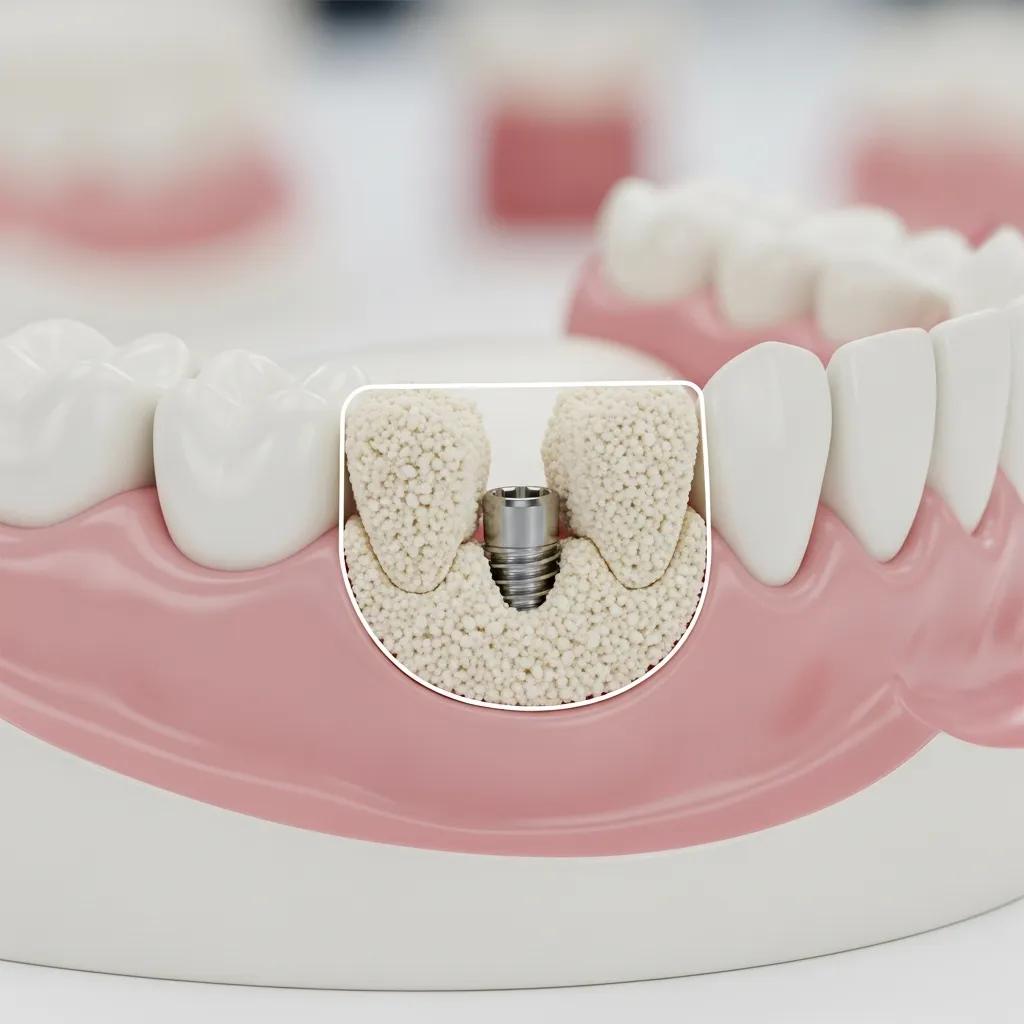
Some patients need a bone graft when the jaw lacks the volume required to support an implant. Grafting builds up the bone using material from your body (autograft), a donor (allograft), or synthetic sources. This step strengthens the area so the implant can integrate properly and improves the chances of long-term success.
What Are the Step-by-Step Stages of the Dental Implant Surgery?
Knowing the surgical steps can help remove uncertainty. Implant surgery is performed in stages, each focused on accuracy and comfort to maximize success.
How Is Anesthesia Administered and What Are the Options?
We’ll make sure you’re comfortable during the procedure. Options include local anesthesia, oral or IV conscious sedation, or general anesthesia for more complex cases. Your dentist or oral surgeon will recommend the best choice based on your medical history, anxiety level, and the scope of the surgery.
What Are the Detailed Steps of Implant Placement?
The implant placement typically follows these steps:
Incision: A small cut in the gum exposes the jawbone where the implant will go.
Drilling: A precise pilot hole is made in the bone to receive the implant.
Implant Insertion: A titanium post is placed into the prepared site to act as the root.
Closure: The gum is sutured over or around the implant so healing can begin.
Most single‑implant placements take about one to two hours, though the time varies with how many implants you need and the complexity of your case.
How Does the Healing and Osseointegration Process Work?
After placement, the healing phase begins. This is when osseointegration happens — the bone grows around the implant and secures it in place. Proper care during this time is essential for a stable, long-lasting result.
What Is Osseointegration and Why Is It Important?
Osseointegration is the natural process where your jawbone bonds with the titanium implant, turning it into a permanent support for your new tooth. This bond provides the strength and durability that make implants a reliable long-term solution. Osseointegration usually takes three to six months.
What Is the Typical Timeline and Care During Healing?
Healing varies by patient, but expect roughly three to six months for the implant to fuse with bone. During recovery, follow your dentist’s instructions: keep the area clean, avoid smoking, and stay away from very hard or sticky foods that could disturb healing. Regular follow-ups let us monitor progress and address any concerns quickly.
What Should Patients Expect During Abutment Placement and Final Restoration?
Once the implant has integrated, we place an abutment — the connector between the implant and the crown — then design and attach your final restoration.
What Is the Purpose of the Abutment in the Implant Process?
The abutment links the implanted post to the crown. Made from titanium, zirconia, or a mix, it creates a stable foundation for the prosthetic tooth. Placing an abutment is a short, minor procedure that usually requires only local anesthesia.
How Is the Crown or Prosthetic Tooth Attached and Customized?
After the abutment is in place, we take impressions or digital scans to craft a custom crown that matches your natural teeth. The crown is secured to the abutment with cement or a screw, completing the restoration so you can chew, speak, and smile with confidence.
What Are Common Recovery Experiences and Pain Management Strategies?
Recovery differs for everyone, but most people experience manageable discomfort and can return to normal activities within a few days to weeks, depending on the procedure.
How Painful Is the Dental Implant Procedure?
With anesthesia and modern techniques, pain during the procedure is minimal. Afterward, most patients control discomfort with over‑the‑counter pain relievers like ibuprofen or acetaminophen. If needed, your dentist can prescribe stronger medication for a short time.
What Are Recommended Recovery Tips and Aftercare Practices?
To support healing, follow these practical steps:
Follow Post-Operative Instructions: Stick to the care plan your dentist provides, including medications and activity limits.
Maintain Oral Hygiene: Keep the area clean—use gentle rinses and avoid disturbing the site while it heals.
Avoid Hard Foods: Eat soft foods for the first few days to weeks as recommended to prevent stress on the implant.
These measures help prevent complications and promote smooth recovery.
Frequently Asked Questions
What Are the Risks and Complications Associated with Dental Implants?
Dental implants are generally safe, but like any procedure they carry risks. Possible issues include infection at the implant site, nerve irritation, sinus complications, or failure if the implant doesn’t integrate with bone. We’ll review these risks with you at the consultation and tailor care to minimize them based on your health and treatment plan.
How Much Do Dental Implants Typically Cost?
Costs vary by case — factors include how many implants you need, the materials used, and whether additional procedures like bone grafting are required. A single implant (implant, abutment, and crown) typically ranges from $3,000 to $4,500. Many practices offer financing or payment plans, so ask about options during your visit.
What Should I Expect During the Follow-Up Appointments?
Follow-up visits let us track healing, check for signs of infection, and confirm the implant is integrating properly. We’ll schedule appointments at set intervals after surgery to make adjustments if necessary and to answer any questions about your recovery.
Can Dental Implants Fail, and What Are the Signs?
Implant failure is uncommon but can happen. Warning signs include ongoing pain, swelling, infection, or a loose implant. If you notice any of these symptoms, contact your dentist right away — early treatment improves the chance of resolving the problem.
How Do I Care for My Dental Implants After Placement?
Care for implants is much like caring for natural teeth: brush twice daily, floss daily, and keep up with regular dental checkups. Avoid hard or sticky foods while healing and follow any specific home‑care steps your dentist recommends to protect the implant long term.
Are There Alternatives to Dental Implants for Tooth Replacement?
Yes. Alternatives include dentures (removable appliances that replace multiple teeth) and bridges (fixed prosthetics supported by adjacent teeth). Each option has pros and cons depending on how many teeth are missing, bone health, and your preferences. Your dentist will discuss the best choice for your situation.
How Long Does the Entire Dental Implant Process Take?
The full process can span several months: allow three to six months for osseointegration, plus extra time for final restorations. Timelines vary with healing speed, whether bone grafting is needed, and your personalized treatment plan.
Who Is a Good Candidate for Dental Implants?
Good candidates have adequate bone volume, healthy gums, and the commitment to maintain oral hygiene. Certain conditions — for example uncontrolled diabetes or heavy smoking — may require extra evaluation or preparation before implants are recommended.
Why Choose Dentist in Denton for Your Dental Implant Procedure?
Picking the right practice matters for comfort, safety, and results.
What Makes Our Denton Clinic’s Approach Unique?
At Dentist in Denton, we focus on patient comfort and use advanced technology to plan and place implants precisely. Our team creates individualized treatment plans so each patient receives care tailored to their needs, aiming for a smooth, predictable experience from start to finish.
Who Are Dr. Mike Pham and Dr. Vo?
Dr. Mike Pham and Dr. Vo are experienced clinicians specializing in implants and restorative dentistry. Their training and patient-centered approach make them trusted partners for anyone considering dental implants in Denton.
How Can You Schedule Your Free Dental Implant Consultation in Denton, TX?
Scheduling a consultation is the first step toward restoring your smile.
What Is Included in the Free Dental Implant Consult?
The free consult includes a thorough evaluation, diagnostic imaging as needed, and a clear discussion of your treatment options. We’ll answer your questions and help you understand the recommended plan and next steps.
How to Book Your Appointment Easily Online?
Booking your appointment is quick and convenient — use our online scheduler to pick a time that works for you. If you prefer, our team is happy to help over the phone.
Conclusion
Knowing the steps and timeline of dental implant treatment helps you make informed choices and feel more comfortable about the process. Implants restore function and confidence and can be a long‑lasting solution for tooth loss. Choose a trusted provider like Dentist in Denton to guide you — schedule your free consultation to learn how implants can work for you and begin restoring your smile.