
Please ensure Javascript is enabled for purposes of website accessibility
"People Love Us On Google"

1470+ Google reviews

New patients Welcome! Extended hours!
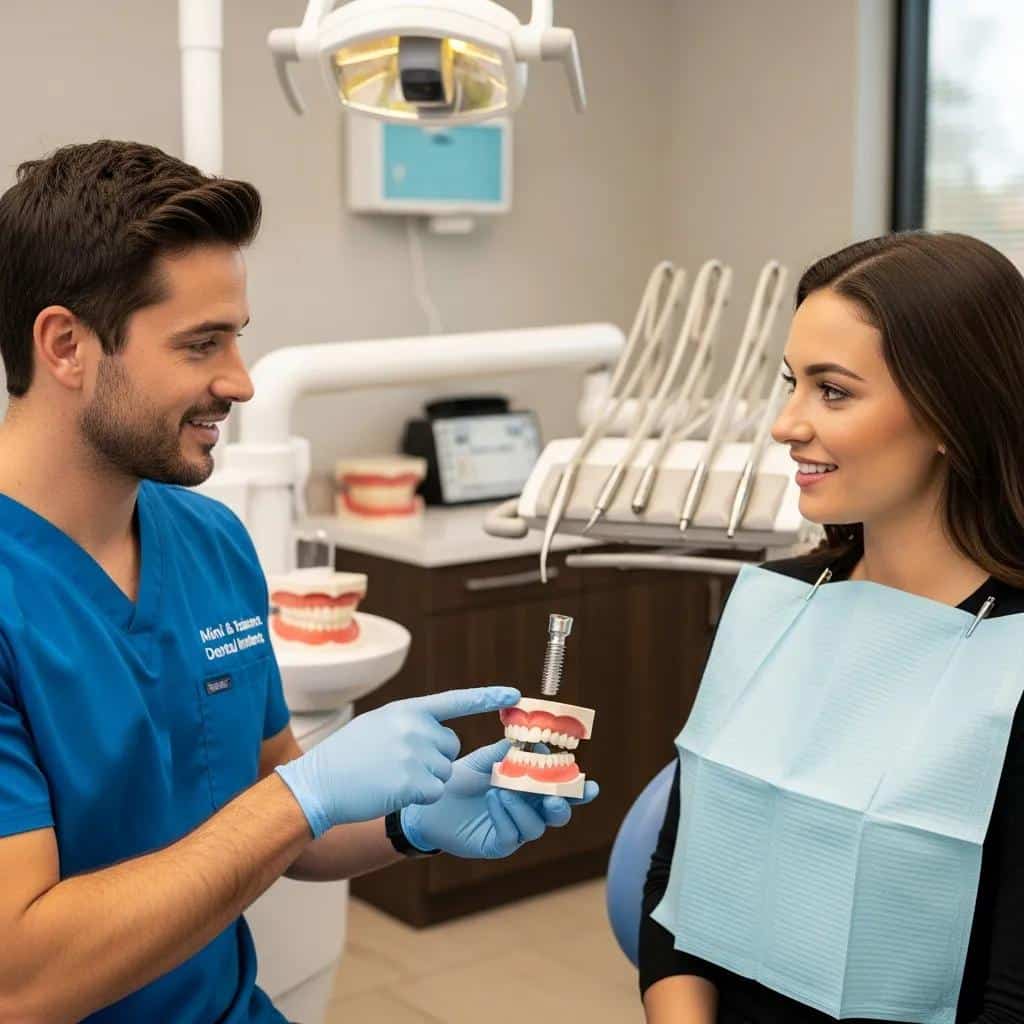
What You Need to Know: Mini Dental Implants vs. Traditional
February 16, 2026  |  Affordable Dentist

What You Need to Know: Mini Dental Implants vs. Traditional

Choosing Between Mini and Traditional Dental Implants — What to Know Before You Decide

Picking the right implant matters for both how your smile looks and how it works. Below we walk through the practical differences between mini and traditional dental implants so you can make an informed decision that fits your needs. We’ll cover what each implant is, the benefits and trade-offs, cost considerations, and when mini implants are a good choice for denture stabilization. Understanding these factors will help you feel confident about the best path for your oral health. Throughout the article we use straightforward language to explain clinical concepts, but your dentist can provide details tailored to your anatomy and health history.

What Are Mini Dental Implants and How Do They Differ from Traditional Implants?

Mini dental implants are slimmer than traditional implants, usually about 1.8 to 3.0 mm in diameter. They’re designed to stabilize dentures using less invasive placement techniques. Commonly, mini implants are used to secure lower dentures or for patients who don’t have the bone volume needed for standard implants without grafting. Because mini implants are narrower, the surgical approach and the prosthetic attachments are often simpler, which can reduce chair time and the overall number of steps required to complete a denture stabilization case.

What defines mini dental implants and their common uses?

Mini implants are defined by their smaller diameter and simpler placement process. They’re frequently chosen when bone volume is limited or when a less invasive option is preferred. Their main role is to anchor dentures more securely, improving fit and comfort without requiring extensive bone grafting. In many practices, mini implants are offered as an alternative for patients who are good candidates for implant-supported dentures but wish to minimize surgical complexity or recovery time. The attachment systems used with mini implants are designed to clip or snap a denture into place and are replaceable or adjustable as attachments wear over time.

How do traditional dental implants work and when are they recommended?

Traditional implants use a titanium post inserted into the jawbone to act as a tooth root. They’re recommended for patients with adequate bone density who want a long-term tooth replacement. Because the implant must fuse with the bone through osseointegration, the overall treatment and healing time is longer. Traditional implants are often the ideal choice for single-tooth replacements or for restoring multiple teeth with a durable solution. The restorative phase for traditional implants may involve crowns, bridges, or full-arch prostheses that are custom-made to match surrounding teeth and bite function. When bone volume is sufficient, traditional implants can provide a very stable foundation that supports stronger bite forces and a wide range of prosthetic options.

What Are the Advantages and Disadvantages of Mini Dental Implants?

Side-by-side comparison of mini and traditional dental implants highlighting key differences

What are the key benefits of choosing mini dental implants?

  1. Less invasive: Placement usually requires a smaller incision and causes less trauma to surrounding tissue. This can be particularly helpful for patients who prefer to avoid extensive surgery or who have medical conditions that make long procedures less desirable.
  2. Shorter recovery time: Healing is often quicker, letting patients return to normal activities sooner. Many patients experience less post-operative discomfort and can resume light chewing more rapidly than with more involved surgical procedures.
  3. More affordable: Mini implants tend to cost less than traditional implants, which can make them a practical option for many patients. Because treatment typically requires fewer laboratory components and less surgical time, the initial investment is often lower while still offering a marked improvement in denture stability.

What limitations or risks are associated with mini dental implants?

  1. Lower stability for some uses: While effective for denture support, mini implants may not be ideal for single-tooth replacements or heavy bite forces. Their smaller diameter can limit how much load they comfortably bear, so candidacy must be carefully evaluated.
  2. Potentially shorter lifespan: They may wear faster or need replacement sooner, especially under high chewing loads or with poor oral care. Regular monitoring and timely replacement of worn attachments help preserve function, but patients should understand the potential need for future maintenance.
  3. Possible complications: As with any procedure, there’s a risk of infection, implant failure, or discomfort during healing. Careful surgical technique, good oral hygiene, and adherence to post-operative instructions reduce these risks. When bone support is limited, clinicians will weigh whether a mini implant is the safest option or whether alternative treatments are preferable.

What Are the Advantages and Disadvantages of Traditional Dental Implants?

What advantages do traditional dental implants offer?

  1. Long-term durability: Traditional implants are proven to last many years—often 10–15 years or longer with good care. Their robust design supports strong chewing forces and, with proper maintenance, they can serve as a long-term solution for missing teeth.
  2. Versatility: They can replace single teeth, support bridges, or anchor full-arch restorations. This flexibility allows clinicians to design restorations that meet both functional and aesthetic goals, including fixed teeth that feel more like natural dentition.
  3. Closer to a natural feel: Many patients find traditional implants restore bite function and comfort most closely to natural teeth. Fixed restorations supported by traditional implants can offer predictable chewing, clearer speech, and reduced bone resorption compared with prolonged use of removable dentures.

What are the potential drawbacks of traditional dental implants?

  1. More invasive procedure: Traditional implant surgery is typically more involved and may require bone grafting if bone is insufficient. Augmentation procedures add complexity, cost, and healing time but can expand candidacy for implant therapy when performed for appropriate indications.
  2. Longer healing time: Osseointegration can take months, which delays the final restoration. During that period, temporary prostheses may be used while the implant integrates with the bone.
  3. Higher cost: The procedure’s complexity and material costs usually make traditional implants more expensive upfront. However, many patients consider the long-term value, functionality, and durability when weighing this higher initial expense against future maintenance or replacement costs for alternative restorations.

How Do Costs Compare Between Mini and Traditional Dental Implants?

Visual comparison of costs for mini versus traditional dental implants with price indicators

Knowing the cost differences helps you plan—if you’d like to discuss financing or schedule an evaluation, book a consultation with our team. During a consultation, the care team will outline all expected costs, including any preparatory procedures, so you can compare short- and long-term financial implications. Many practices also discuss phased treatment plans and third-party financing to spread payments when needed.

What factors influence the cost of mini dental implants?

Prices for mini implants vary depending on a few key factors:

  • Material quality: Higher-grade components raise the price. Clinicians use quality materials to reduce the chance of complications and to ensure predictable performance over time.
  • Location: Fees differ by region and practice. Local market factors, clinician experience, and overhead influence the final fee structure.
  • Case complexity: Extractions, adjustments, or additional treatments add to the total cost. Simpler cases that require only straightforward placement and attachment adjustment will typically cost less than cases needing soft tissue management or staged restorative work.

How does the cost of traditional dental implants compare?

Traditional implants usually carry a higher upfront expense because of:

  • Surgical fees: More complex procedures increase provider time and cost, especially when multiple implants or grafting procedures are needed.
  • Materials: Premium titanium components and custom restorations add to the price. Laboratory work to craft crowns or bridges contributes to overall treatment cost but helps achieve a precise fit and natural appearance.
  • Follow-up care: Multiple appointments and longer monitoring can affect the overall cost. Ongoing maintenance, such as professional cleanings and periodic checks, helps protect your investment and identify issues early.
Implant TypeAverage CostFactors Influencing Cost
Mini Dental Implants$500 – $1,500 per implantMaterial quality, location, complexity
Traditional Dental Implants$1,000 – $3,000 per implantSurgical fees, materials, follow-up care

When evaluating cost, consider not only the initial fee but also long-term maintenance and the potential need for future repairs or replacement of attachments. A solution that costs more up front but reduces future visits or adjustments can be more economical over time for some patients.

Are Mini Dental Implants Suitable for Dentures?

Mini dental implants are often an excellent way to stabilize dentures, especially when you want a less invasive solution that still improves fit and function. They can convert a loose or uncomfortable removable denture into a more secure restoration that provides improved confidence when eating and speaking. Before proceeding, your dentist will evaluate how your denture fits, the quality of your bone, and whether attachments are compatible with your existing prosthesis.

How do mini dental implants support denture stabilization?

Mini implants act as secure anchors for dentures, reducing slipping and movement. That added stability improves chewing, speech, and overall comfort, which can make wearing dentures far more reliable and confidence-boosting. Stabilized dentures also reduce friction and sore spots on the gums, which can improve daily comfort and make it easier to maintain a varied diet. Attachment options vary by system, and your dentist will recommend attachments that balance retention with ease of cleaning and maintenance.

What are the pros and cons of using mini implants with dentures?

  1. Pros:Improved comfort: Less denture movement means fewer sore spots. Patients commonly report fewer adjustments to the denture base and less need for relining when the prosthesis is supported by implants.Better function: Chewing and speaking usually get easier. People often regain more confidence with a stabilized denture, which can support clearer speech and more comfortable social interactions.Less invasive: Procedure and recovery tend to be quicker and simpler. For suitable candidates, this can mean fewer office visits and a more streamlined path to improved denture performance.
  2. Cons:Lower maximum bite force: Mini implants may not support very heavy chewing the way traditional implants can. If you regularly need to bite or chew very tough foods, your dentist will discuss whether mini implants will meet your functional needs.Wear and maintenance: Attachments can wear and may need adjustments over time. Maintaining good oral hygiene and attending scheduled follow-ups will extend the service life of attachments and reduce unexpected issues.

How to Decide Between Mini and Traditional Dental Implants?

Choosing the right implant depends on a mix of medical and personal factors. We recommend reviewing these points with your dentist to find the best fit for your goals. A thorough clinical exam and imaging allow your provider to recommend options that balance invasiveness, function, and longevity for your individual case.

What patient factors influence implant choice?

  1. Bone density: Adequate bone favors traditional implants; limited bone may make mini implants a safer, quicker option. When bone volume is marginal, your dentist will discuss whether grafting is appropriate or whether a narrower implant system provides a reliable alternative.
  2. Budget: Cost concerns often make mini implants more appealing. If financial constraints influence timing, clinicians can often stage treatment or present alternatives that meet both clinical and budgetary needs.
  3. Desired outcome: If you want a permanent, long-term solution, traditional implants are usually preferred; if you want a faster, less invasive fix, mini implants may be right. Your lifestyle, eating habits, and aesthetic goals should inform which option makes the most sense for you.

What questions should you ask your dental professional?

  1. Which option best suits my mouth and bone structure?
  2. How long should I expect each type of implant to last in my case?
  3. What is the total cost, including any preparatory work or follow-up visits?

Other useful questions include asking about the timeline from consultation to final restoration, what to expect during recovery, and how maintenance is handled at follow-up visits. Asking your dentist about alternative treatments and the risks of delaying care can help you weigh immediate needs versus long-term planning.

What Is the Typical Procedure and Recovery for Mini vs Traditional Implants?

Knowing the steps and recovery expectations helps you plan your treatment and downtime. Both procedures start with a clinical exam and appropriate imaging to plan implant placement and prosthetic design. Your clinician will discuss anesthesia options, the number and location of implants, and expected timelines before any treatment begins.

How does the mini implant procedure differ from traditional implants?

Mini implants are usually placed with local anesthesia and a smaller incision, often in a single visit—making immediate loading of a denture possible. Traditional implants require a more involved surgical approach, sometimes staged across several visits, with a healing period before the final restoration is attached. Sedation options may be available for patients who are anxious or prefer deeper relaxation, and your team will explain preoperative and postoperative instructions to support healing.

What recovery timelines and care are expected for each implant type?

  • Mini Implants: Most patients recover quickly, returning to normal activities within a few days. Good oral hygiene and routine follow-ups are important. Patients typically receive guidance on cleaning around attachments, temporary diet recommendations, and signs of healing progress to watch for during recovery.
  • Traditional Implants: Healing can take several months to allow osseointegration. Patients usually follow a more structured care plan and attend multiple follow-up visits. During this period, temporary restorations may be used until the implant is stable enough for the final prosthesis, and clinicians will monitor for any signs of complications.

Both implant types can restore function and confidence when chosen for the right situation. Talk with a qualified implant dentist to weigh the benefits, risks, and costs specific to your mouth so you can choose the best solution. A personalized treatment plan will outline the expected sequence of visits, possible adjunctive procedures, and the home care needed to support a successful outcome.

Frequently Asked Questions

What is the lifespan of mini dental implants compared to traditional implants?

Mini implants generally have a shorter expected lifespan—commonly around 5 to 10 years—depending on factors like oral hygiene, bite force, and maintenance. Traditional implants often last 10 to 15 years or more with good care. Regular dental check-ups and proper home care improve longevity for either option. Longevity also depends on how well the prosthetic components are maintained and whether any parafunctional habits, such as heavy clenching, are present and managed.

Can mini dental implants be used for single tooth replacements?

Mini implants can be used for single-tooth replacement in select cases, but their smaller size can limit stability under heavy chewing forces. Your dentist will evaluate your bite, bone, and overall health to determine if a mini implant is appropriate for a single-tooth restoration. For many single-tooth situations, traditional implants remain the more predictable option, but mini implants can be considered when the overall clinical picture supports it.

What are the potential complications associated with mini dental implants?

Complications can include infection at the implant site, implant loosening or failure if bone support is insufficient, and discomfort during healing. Over time, attachment wear or loosening is possible. Discuss risks and aftercare with your dentist to reduce complications. Early follow-up visits allow your care team to detect and address issues such as soft tissue irritation, attachment wear, or changes in denture fit before they progress.

How do I maintain my mini dental implants?

Maintain mini implants by brushing and flossing daily, using any recommended cleaning aids, and keeping regular dental visits for professional cleanings and checks. Avoiding very hard foods and following your dentist’s specific instructions will help protect the implants and attachments. Your dentist or hygienist can demonstrate specific cleaning techniques and recommend tools that improve access around attachments and reduce the risk of plaque buildup.

Are there any dietary restrictions after getting dental implants?

Right after implant placement, a soft-food diet is usually advised—foods like yogurt, mashed potatoes, and smoothies are ideal. As healing progresses, you can slowly return to your normal diet, but avoid extremely hard or sticky foods that could strain implants or attachments. Following the gradual progression recommended by your clinician helps protect the surgical sites and reduces the chance of dislodging temporary restorations or stressing healing implants.

What should I expect during the consultation for dental implants?

During a consultation, we’ll review your medical and dental history, take X-rays or 3D scans to check bone structure, and discuss your goals. Your dentist will explain options, timelines, costs, and any preparatory treatments, and answer your questions so you leave with a clear plan. A good consultation also includes discussion of realistic outcomes, potential trade-offs between different implant types, and what follow-up care will look like over the months after treatment.

Conclusion

Both mini and traditional dental implants have clear roles. Mini implants are a less invasive, more affordable way to stabilize dentures, while traditional implants offer durability and broader restorative options. The right choice depends on your bone health, budget, and long-term goals. For tailored advice, schedule a consultation with a qualified implant dentist and take the next step toward a more comfortable, confident smile. With a clear plan and proper maintenance, either option can significantly improve daily function and quality of life.

×