What Makes Dental Implant Aftercare Essential: Comprehensive Guide to Post-Surgery Care and Long-Term Maintenance
Dental implant aftercare is a critical component of ensuring the success and longevity of dental implants. This comprehensive guide will explore the essential practices and considerations for post-surgery care, emphasizing the importance of proper maintenance for long-term oral health. Many patients may not realize that the care they provide to their dental implants directly impacts their overall success and durability. This article will delve into the significance of aftercare, immediate post-surgery instructions, long-term maintenance strategies, and how to recognize potential complications. By understanding these aspects, patients can enhance their recovery and maintain their dental implants effectively.
Why Is Dental Implant Aftercare Crucial for Success and Longevity?
Dental implant aftercare is vital for ensuring the success and longevity of the implants. Proper aftercare helps facilitate osseointegration, the process where the implant fuses with the jawbone, providing stability and support. Additionally, effective infection prevention measures are crucial, as infections can lead to implant failure. Understanding these factors can significantly impact the long-term stability of dental implants.
How Does Osseointegration Affect Dental Implant Healing?
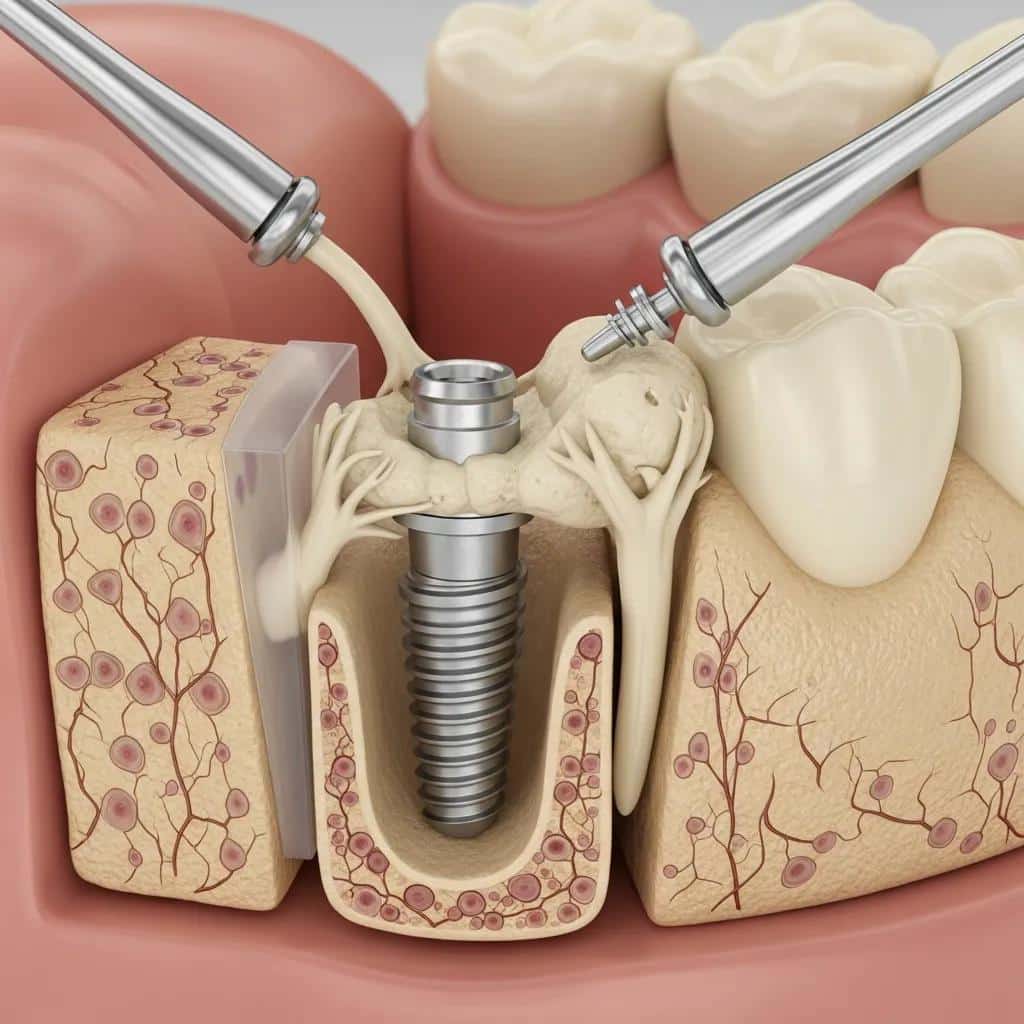
Osseointegration is the biological process where the dental implant integrates with the surrounding bone tissue. This process typically occurs in stages, beginning with the initial placement of the implant, followed by bone healing and remodeling. Successful osseointegration is essential for implant stability, as it ensures that the implant is securely anchored in the jawbone. Factors such as the quality of the bone, the type of implant used, and adherence to aftercare instructions can influence the success of osseointegration.
What Role Does Infection Prevention Play in Implant Longevity?
Infection prevention is a critical aspect of dental implant aftercare. Post-surgery infections can compromise the healing process and lead to complications such as peri-implantitis, which is characterized by inflammation and bone loss around the implant. Studies indicate that maintaining proper oral hygiene and following prescribed care routines can significantly reduce the risk of infection. Implementing preventative measures, such as using prescribed antibiotics when indicated and maintaining a clean oral environment, is essential for the longevity of dental implants.
What Are the Immediate Post-Surgery Instructions for Dental Implant Care?
Following dental implant surgery, patients must adhere to specific post-operative instructions to promote healing and minimize complications. These instructions typically include pain management techniques, dietary restrictions, and activity guidelines to support early recovery.
How Should Pain, Swelling, and Bleeding Be Managed After Implant Surgery?
Managing pain, swelling, and bleeding is crucial in the immediate aftermath of dental implant surgery. Patients are often advised to take over-the-counter pain medications such as ibuprofen or acetaminophen unless otherwise prescribed and apply ice packs to reduce swelling. Additionally, it is essential to keep the head elevated to minimize bleeding. If excessive bleeding occurs or if pain persists beyond the expected timeframe, patients should contact their dentist for further evaluation.
Which Dietary Restrictions and Activity Guidelines Support Early Recovery?
Dietary restrictions play a significant role in the recovery process after dental implant surgery. Patients are typically advised to consume soft foods and avoid hard, crunchy, or sticky items that could disrupt the healing process. Staying hydrated is also essential. Activity guidelines often recommend avoiding strenuous exercise for a few days post-surgery to allow the body to focus on healing.
Indeed, research emphasizes the critical role of both diet and hygiene in supporting successful osseointegration and soft tissue healing during the post-surgery period.
Dental Implant Post-Surgery Diet & Hygiene
The dietary and hygienic guidelines provided in this paper emphasize the importance of maintaining proper oral hygiene and diet to support osseointegration and soft tissue healing during postsurgery healing periods.
Hygienic and dietetic guidelines for implant-supported full-arch immediate loading prostheses, P Pesce, 2015
After following these immediate post-surgery instructions, scheduling a free consultation with Affordable Dentist Near Me of Dallas can provide additional support and guidance for your recovery journey.
How Can You Maintain Your Dental Implants for Long-Term Oral Health?
Long-term maintenance of dental implants is essential for ensuring their durability and functionality. This involves adopting effective oral hygiene practices, scheduling regular dental check-ups, and using appropriate dental care tools.
What Are the Best Oral Hygiene Practices and Tools for Dental Implant Care?
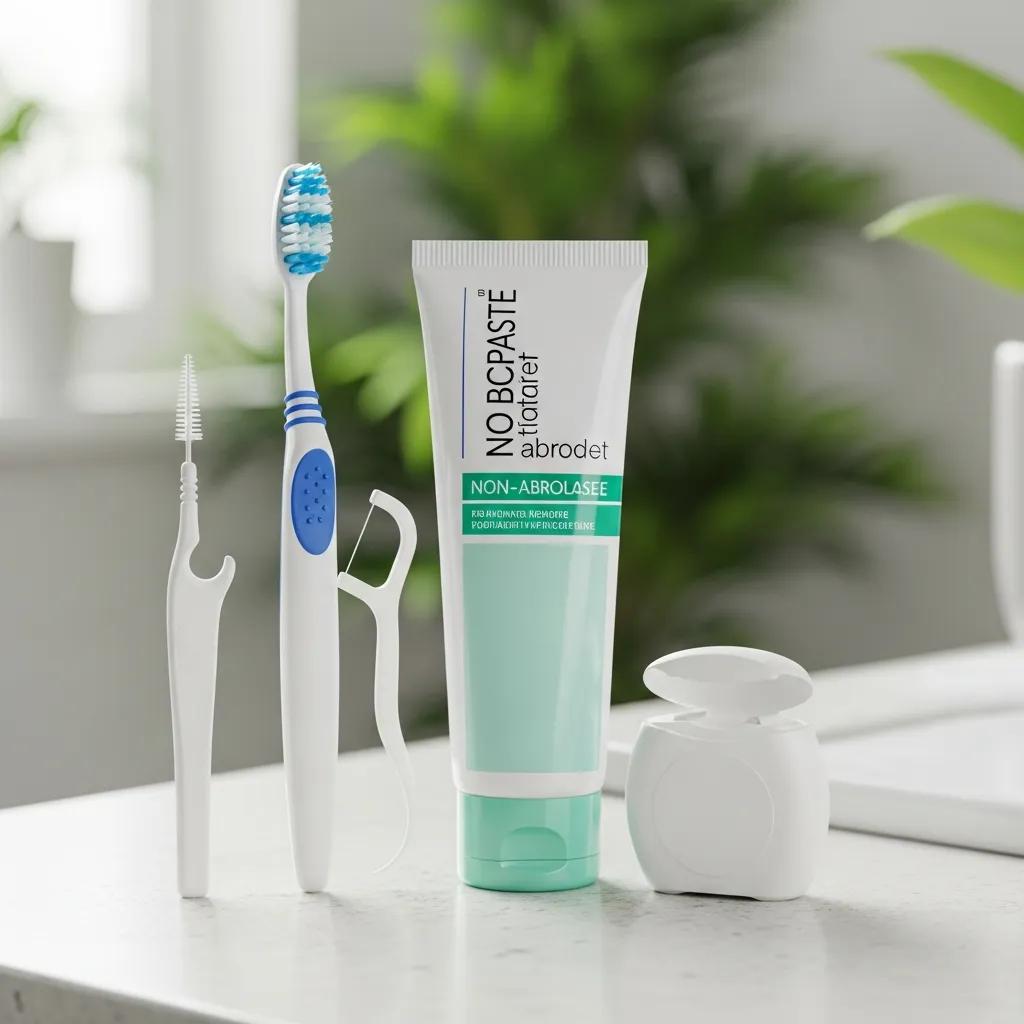
Maintaining optimal oral hygiene is crucial for the health of dental implants. Patients should brush their teeth at least twice a day using a soft-bristled toothbrush and non-abrasive toothpaste. Flossing daily is also essential, and using interdental brushes or water flossers can help clean hard-to-reach areas around the implants. Regular use of antimicrobial mouthwash can further support oral health.
Why Are Regular Dental Check-Ups and Professional Cleanings Essential?
Regular dental check-ups and professional cleanings are vital for maintaining the health of dental implants. These visits allow dentists to monitor the condition of the implants, assess the surrounding gum tissue, and perform necessary cleanings to prevent plaque buildup. Patients are generally advised to schedule check-ups every six months or as recommended by their dentist to ensure long-term success.
How Can You Prevent and Recognize Common Dental Implant Complications?
Understanding potential complications and their prevention is crucial for anyone with dental implants. Common issues include peri-implantitis and implant failure, which can arise from various factors.
What Are the Signs and Symptoms of Peri-Implantitis and Implant Failure?
Peri-implantitis is characterized by inflammation of the gum tissue surrounding the implant, which can lead to bone loss if not addressed. Symptoms may include redness, swelling, and bleeding of the gums, as well as discomfort around the implant. In cases of implant failure, patients may experience mobility of the implant or persistent pain. Recognizing these signs early is essential for seeking timely dental intervention.
Which Risk Factors Increase the Chance of Implant Complications?
Several risk factors can increase the likelihood of complications with dental implants. These include poor oral hygiene, smoking, uncontrolled diabetes, and a history of periodontal disease. Patients should discuss their medical history with their dentist to identify any potential risks and develop a personalized care plan to mitigate them.
When Should You Contact Your Dentist About Dental Implant Concerns?
Knowing when to seek professional help is crucial for maintaining the health of dental implants. Patients should be aware of specific emergency signs that require immediate dental care.
What Are the Emergency Signs Requiring Immediate Dental Care?
Emergency signs that necessitate immediate dental attention include severe pain, swelling accompanied by fever, or any signs of implant mobility. If patients experience these symptoms, they should contact their dentist promptly to address potential complications.
How Does Affordable Dentist Near Me of Dallas Support Aftercare with Free Consultations?
Affordable Dentist Near Me of Dallas offers free consultations to support patients in their aftercare journey. This service allows patients to discuss any concerns or questions regarding their dental implants and receive professional guidance tailored to their specific needs. By prioritizing aftercare, patients can enhance their recovery and ensure the longevity of their implants.
What Are the Frequently Asked Questions About Dental Implant Aftercare?
Patients often have common questions regarding dental implant aftercare, including healing timelines and lifestyle impacts.
How Long Does It Take for a Dental Implant to Heal Completely?
The healing time for dental implants can vary, but most patients can expect a complete healing period of 3 to 6 months. Factors such as individual health, the complexity of the procedure, and adherence to aftercare instructions can influence this timeline. Regular follow-ups with the dentist can help monitor progress and address any concerns.
Can Smoking Affect Dental Implant Success and How?
Smoking can significantly impact the success of dental implants. Research indicates that smokers have a higher risk of implant failure due to impaired blood flow and reduced healing capacity. Patients are strongly advised to quit smoking before and after the procedure to enhance the likelihood of successful osseointegration and overall implant health.
What Dietary Guidelines Support Optimal Dental Implant Recovery?
Diet plays a crucial role in the recovery process following dental implant surgery. Adhering to specific dietary guidelines can promote healing and support overall oral health.
Which Foods Are Recommended and Which Should Be Avoided Post-Surgery?
After dental implant surgery, patients should focus on consuming soft foods such as yogurt, smoothies, and mashed potatoes. Foods that are hard, crunchy, or sticky should be avoided to prevent irritation or damage to the surgical site. Staying hydrated is also essential for recovery.
How Does Nutrition Influence Healing and Osseointegration?
Proper nutrition is vital for healing and osseointegration. Nutrients such as protein, vitamins, and minerals support tissue repair and bone health. A balanced diet rich in fruits, vegetables, lean proteins, and whole grains can enhance the body’s healing capabilities and contribute to the long-term success of dental implants.
How Does Proper Oral Hygiene Prevent Dental Implant Complications?
Maintaining proper oral hygiene is essential for preventing complications associated with dental implants. Effective hygiene practices can significantly reduce the risk of infections and other issues.
What Brushing and Flossing Techniques Are Best for Implants?
Patients should use a soft-bristled toothbrush and gentle brushing techniques to clean around the implant site. Flossing should be done carefully, using unwaxed dental floss or specialized implant floss to avoid damaging the gum tissue. Regular cleaning helps prevent plaque buildup and supports overall oral health.
Which Specialized Tools Help Maintain Implant Health?
Several specialized tools can aid in maintaining the health of dental implants. Interdental brushes, water flossers, and antimicrobial mouth rinses are effective in cleaning around implants and preventing infections. Patients should consult their dentist for recommendations on the best tools for their specific needs.