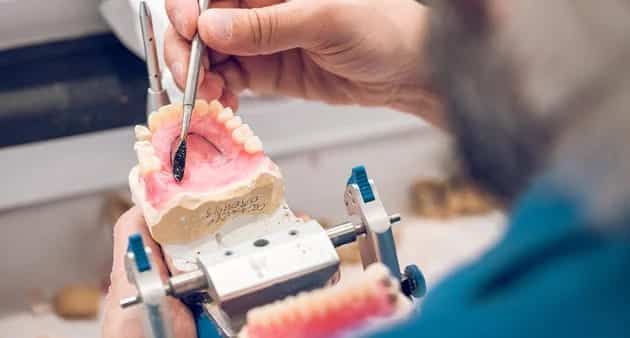
If your dentures once felt snug but now slip, rock, or cause soreness, you are not alone. Understanding why your dentures stop fitting and what to do next in Fort Worth is something many patients face over time. The answer almost always comes down to changes in your jawbone — changes that happen slowly and silently beneath the surface. At Affordable Dentist Near Me of Fort Worth, Dr. Mike Tri Pham helps patients understand these changes and find solutions that restore comfort and confidence.
Why Dentures Stop Fitting: The Role of Bone Resorption in Fort Worth Patients
When natural teeth are removed, the jawbone no longer receives the stimulation it needs to stay dense. Without that pressure, the bone gradually shrinks in a process called bone resorption. This is completely natural, but it changes the shape of your jaw significantly over time.
Most patients lose measurable bone volume within the first year after extractions. The process continues for years afterward, though it slows down over time. Because dentures rest on your gum ridge, any change in that ridge changes how your dentures fit.
This is why a denture that fit perfectly at delivery may feel loose just a few years later. It has not changed — your jaw has. Recognizing this process is the first step toward fixing the problem rather than tolerating discomfort.
Signs Your Dentures No Longer Fit Properly
Many patients adapt to a poor fit without realizing how much it affects their daily life. Knowing the warning signs helps you seek help before small issues become bigger ones.
- Dentures shift or slide when you eat or speak
- Sore spots or irritation develop on your gums regularly
- You use excessive denture adhesive just to keep them in place
- Clicking sounds occur when your jaw moves
- Difficulty chewing foods you used to manage easily
- Your facial appearance has changed, with a sunken look around the mouth
These signs indicate your jaw ridge has changed enough to create a gap between your denture base and your gum tissue. That gap reduces suction, stability, and function. Addressing it early prevents further gum irritation and bone loss.
If you are also dealing with sudden dental pain alongside denture issues, a Dental Abscess Emergency In Crowley Tx Fort Worth evaluation can rule out any underlying infection that may complicate your treatment.
What to Do Next: Relining, Rebasing, and Replacement Options
Once you recognize the problem, you have three main clinical solutions to discuss with your dentist. Each option suits a different level of bone change and denture condition. Dr. Mike Tri Pham will assess your specific situation before recommending any path forward.
Denture Relining
Relining adds new material to the inner surface of your existing denture base. This reshapes the fitting surface to match your current gum ridge. It is the least invasive option and works well when your denture structure is still sound.
There are two types of relines. A soft reline uses a pliable material, ideal for patients with tender or sensitive gums. A hard reline uses a more durable acrylic and lasts longer for most patients.
Denture Rebasing
Rebasing replaces the entire acrylic base of the denture while keeping your existing teeth intact. This is appropriate when the base has worn down or cracked but the teeth are still in good shape. It essentially gives your denture a new foundation.
Full Denture Replacement
After many years, relining and rebasing may no longer provide a satisfactory result. If bone resorption has been significant, a new custom denture made from fresh impressions will fit far better than an altered older one. Most dentists recommend full replacement every five to eight years depending on individual bone changes.
For patients interested in a permanent solution that actually prevents further bone loss, Dental Implants In Tyler Tx Fort Worth represent an advanced alternative worth exploring. Implants stimulate the jawbone and eliminate the fit problems that come with traditional removable dentures.
What to Expect During a Denture Fit Evaluation in Fort Worth
If you suspect your dentures no longer fit correctly, scheduling a professional evaluation is your most important next step. Trying to self-correct with extra adhesive only masks the underlying issue and can irritate your gum tissue further.
During your evaluation at Affordable Dentist Near Me of Fort Worth, Dr. Pham will examine your gum ridges, assess your existing denture condition, and take updated impressions if necessary. He will also check for any sore spots caused by the poor fit.
Here is a general outline of what the evaluation process involves:
- Review of your dental and denture history
- Visual and physical examination of your gum ridge
- Assessment of your current denture structure and fit
- Discussion of relining, rebasing, or replacement options
- Impressions or digital scans if a new appliance is needed
This appointment is educational and low-pressure. The goal is simply to give you the clearest picture of what is happening and what your options are. You leave with information, not obligations.
Preventing Future Fit Problems After Your Denture Is Adjusted
Once your fit is restored, a few habits help you maintain comfort and prolong the life of your denture. These steps will not stop bone resorption entirely, but they can slow its impact on your day-to-day comfort.
- Schedule check-ups at least once a year so your dentist can monitor fit changes early
- Remove your dentures at night to let your gum tissue rest and recover
- Clean your dentures daily with a soft brush and denture-specific cleaner
- Soak dentures in water or a mild solution overnight to prevent warping
- Avoid using regular toothpaste, which is too abrasive for denture materials
- Contact your dentist promptly if new sore spots or looseness develop
Bone resorption is a lifelong process that requires lifelong monitoring. Regular professional check-ins mean you catch changes before they cause significant discomfort or damage to your oral tissues.
Conclusion: Comfortable Dentures Are Within Reach in Fort Worth
A loose or uncomfortable denture is not something you should simply live with. Bone resorption is natural, but its effects on your denture fit are very manageable with the right professional support. Whether you need a simple reline, a full replacement, or want to explore implant-supported options, the team at Affordable Dentist Near Me of Fort Worth is ready to help. Dr. Mike Tri Pham takes a patient-first approach to every consultation, making sure you understand your options clearly. Book Now to schedule your appointment with our team.
Frequently Asked Questions
How often should dentures be relined or replaced in Fort Worth?
Most dentists recommend evaluating denture fit every one to two years. Relining may be needed every two to three years, while full replacement is typically recommended every five to eight years, depending on how quickly your jaw ridge changes.
Why do dentures become loose even if they fit perfectly at first?
Dentures become loose primarily because of bone resorption. After teeth are removed, the jawbone shrinks over time since it no longer receives stimulation from tooth roots. This changes the shape of your gum ridge and creates a gap between the ridge and your denture base.
Is it safe to use denture adhesive if my dentures feel loose?
Denture adhesive can provide temporary comfort, but it is not a long-term fix. Relying heavily on adhesive often signals that your dentures need professional adjustment. Continued use of excessive adhesive can irritate gum tissue and mask fit problems that worsen over time.
Can dental implants help patients whose dentures keep losing their fit?
Yes. Implant-supported dentures are anchored to titanium posts placed in the jawbone. This eliminates the looseness caused by bone resorption and actually helps slow further bone loss by providing ongoing stimulation to the jaw. Dr. Pham can discuss whether this option is suitable for you.
Does a poor denture fit affect overall health?
Absolutely. Ill-fitting dentures can lead to difficulty chewing, which limits the foods you can comfortably eat and may affect your nutrition. They can also cause chronic gum irritation, sore spots, and accelerated bone loss. Addressing fit problems promptly protects both your oral and overall health.