Will Tooth Extraction Hurt After: Understanding Pain, Recovery, and Relief Options
Tooth extraction is a common dental procedure that many individuals undergo for various reasons, including decay, overcrowding, or impaction. Understanding the pain associated with tooth extraction and the recovery process is crucial for anyone facing this procedure. This article will explore the nature of pain after tooth extraction, how long it typically lasts, and effective methods for managing that pain. Additionally, we will discuss the importance of aftercare and when to seek professional help. By the end of this guide, you will have a comprehensive understanding of what to expect after a tooth extraction and how to ensure a smooth recovery.
How Long Does Tooth Extraction Pain Last?
After a tooth extraction, patients often wonder how long they will experience pain. The duration of pain can vary significantly based on several factors, including the complexity of the extraction and individual pain tolerance. Generally, most patients can expect some level of discomfort for a few days following the procedure, with pain typically peaking within the first 24 to 48 hours.
What Is the Typical Duration of Post-Extraction Pain?
Post-extraction pain usually lasts between three to seven days. Initially, patients may experience sharp pain that gradually transitions to a dull ache. Factors such as the type of extraction—whether it was a simple extraction or a more complex surgical procedure—can influence the duration and intensity of pain.
When Does Pain Usually Peak and Subside?
Pain after tooth extraction typically peaks within the first 24 to 48 hours. After this peak, most patients notice a gradual decrease in pain levels. By the end of the first week, many individuals report significant relief, although some residual discomfort may persist for a few more days. Understanding this timeline can help patients manage their expectations and plan their recovery accordingly.
What Are Effective Tooth Extraction Pain Relief Methods?
Managing pain after a tooth extraction is essential for a smooth recovery. There are several effective methods to alleviate discomfort, ranging from medications to home remedies.
Which Medications Help Manage Post-Extraction Pain?
Over-the-counter pain relievers such as ibuprofen or acetaminophen are commonly recommended for managing post-extraction pain. Ibuprofen is preferred as it reduces inflammation in addition to pain. These medications can help reduce inflammation and provide relief from discomfort. In some cases, dentists may prescribe stronger pain medications for more complex extractions. It is crucial to follow the prescribed dosage and consult with your dentist if pain persists.
How Can Home Remedies Like Ice Packs Reduce Pain and Swelling?
Home remedies can also play a significant role in pain management. Applying ice packs to the affected area for 15-20 minutes at a time during the first 24 to 48 hours can help reduce swelling and numb the pain. Additionally, maintaining proper oral hygiene and following aftercare instructions can prevent complications that may exacerbate pain.
What Are Dry Socket Symptoms After Tooth Extraction?
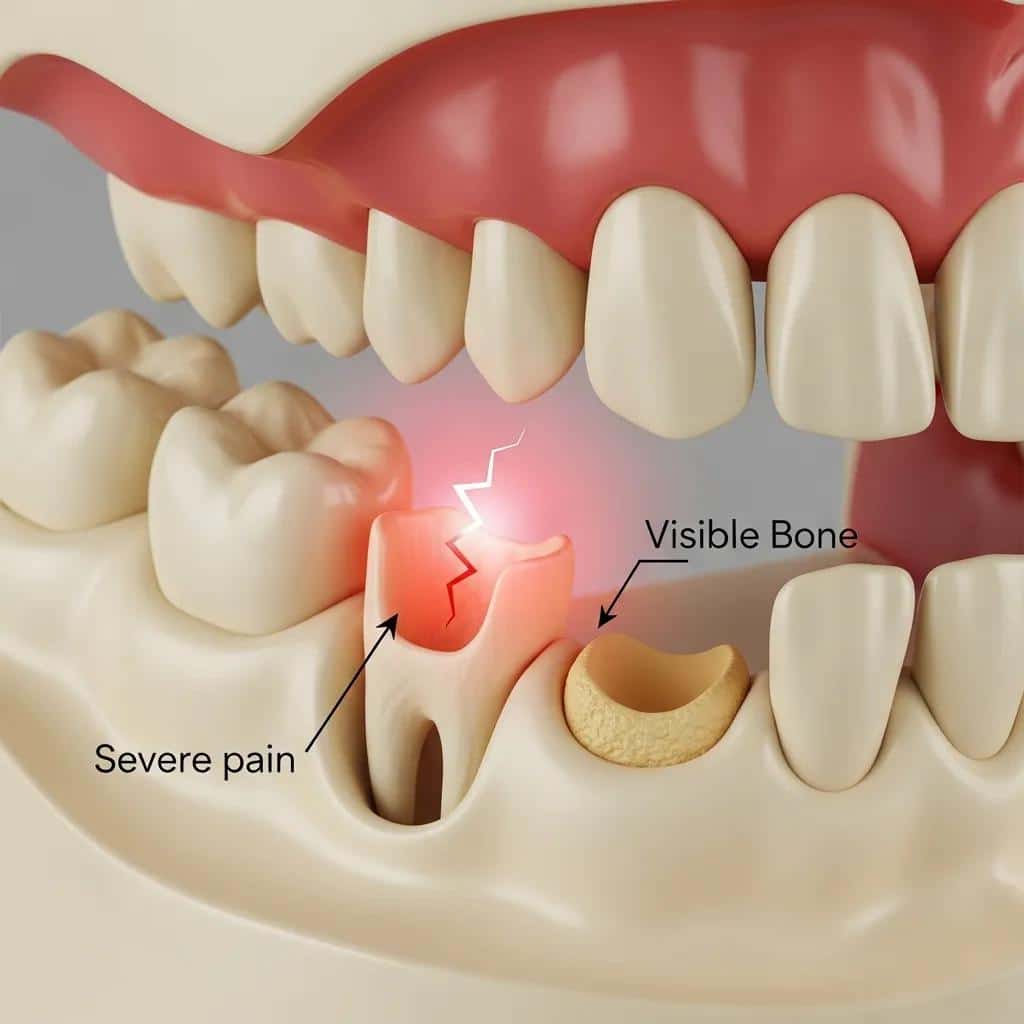
One potential complication after a tooth extraction is dry socket, which occurs when the blood clot at the extraction site dislodges or dissolves before healing is complete. Recognizing the symptoms of dry socket is crucial for timely intervention.
How to Recognize Signs of Dry Socket?
Symptoms of dry socket include severe pain that radiates from the extraction site to the ear or eye on the same side, a foul taste or odor in the mouth, and visible bone in the socket. Patients experiencing these symptoms should contact their dentist immediately for evaluation and treatment.
What Increases the Risk of Developing Dry Socket?
Several factors can increase the risk of developing dry socket, including smoking, using straws, poor oral hygiene, hormonal factors (such as oral contraceptive use), and not following aftercare instructions. Understanding these risk factors can help patients take preventive measures to ensure a smoother recovery.
Further research emphasizes the importance of understanding and mitigating these risk factors to prevent dry socket.
Preventing Dry Socket After Tooth Extraction
Dry socket is one of the most common complications that develops after the extraction of a permanent tooth, and its prevention is more effective than its treatment.ObjectivesAnalyze the efficacy of different methods used in preventing dry socket in order to decrease its incidence after tooth extraction.
Efficacy of different methods used for dry socket prevention and risk factor analysis: A systematic review, 2017
How Should You Manage Tooth Extraction Aftercare and Pain?
Proper aftercare is vital for minimizing pain and promoting healing after a tooth extraction. Following your dentist’s instructions can significantly impact your recovery experience.
What Are Essential Aftercare Instructions for Optimal Healing?
Key aftercare instructions include avoiding strenuous activities, maintaining a soft diet, and keeping the extraction site clean. Patients should also avoid rinsing their mouths vigorously for the first 24 hours to protect the blood clot.
How to Protect the Blood Clot and Prevent Complications?
To protect the blood clot, patients should refrain from sucking motions, such as using straws, and avoid smoking. These actions can dislodge the clot and lead to complications like dry socket.
When to Worry About Severe Pain After Tooth Extraction?
While some discomfort is expected after a tooth extraction, severe pain may indicate complications that require professional attention.
What Pain Levels Indicate Possible Complications?
If pain intensifies after the first few days or is accompanied by swelling, fever, or an unpleasant taste or odor, it may signal an infection or other complications. Patients should monitor their symptoms closely and seek dental advice if they have concerns.
When Should You Contact Your Dentist in Longview?
Patients should contact their dentist if they experience severe pain that does not improve with over-the-counter medications, or if they notice any signs of infection. Prompt communication with your dental provider can help address issues before they escalate.
How Does Sedation Dentistry Help with Pain and Anxiety During Extractions?
Sedation dentistry can significantly enhance the experience of patients undergoing tooth extractions by alleviating pain and anxiety.
What Types of Sedation Are Available for Tooth Extractions?
Various sedation options are available, including nitrous oxide (laughing gas), oral sedatives, and intravenous (IV) sedation. The choice of sedation depends on the patient’s anxiety level and the complexity of the extraction.
How Does Sedation Improve Patient Comfort and Pain Management?
Sedation not only helps patients feel more relaxed during the procedure but also reduces their perception of pain. This can lead to a more positive experience and a smoother recovery process.
What Is the Typical Healing Timeline After Tooth Extraction?
Understanding the healing timeline after a tooth extraction can help patients manage their recovery effectively.
What Are the Stages of Recovery Day-by-Day?
Days 1-2: Initial pain and swelling, with the formation of a blood clot.
Days 3-5: Gradual reduction in pain and swelling; patients may begin to resume normal activities.
Days 6-7: Most discomfort subsides; patients can return to a regular diet.
How Long Until You Can Resume Normal Activities and Diet?
Most patients can return to normal activities within a week, although it is advisable to avoid strenuous exercise for at least 3 to 5 days. A soft diet is recommended for the first few days, gradually transitioning to regular foods as comfort allows.
What Are Common Complications Besides Dry Socket After Tooth Extraction?
While dry socket is a well-known complication, other issues can arise after a tooth extraction that patients should be aware of.
How to Identify Infection and Other Post-Extraction Issues?
Signs of infection may include persistent or worsening pain, swelling, fever, and discharge or pus from the extraction site. If any of these symptoms occur, it is essential to contact your dentist for evaluation and treatment.
What Treatments Are Available for Complications?
Treatment for complications may involve antibiotics for infections or additional procedures to address issues like dry socket. Your dentist will provide guidance based on the specific situation.
Pain Management Method
Type
Effectiveness
Over-the-counter pain relievers
Medication
High
Ice packs
Home remedy
Moderate
Prescription pain medication
Medication
High
Tooth extraction can be a daunting experience, but understanding the pain, recovery process, and effective management strategies can significantly ease the journey. For those in Longview seeking professional dental care, Affordable Dentist Near Me of Longview offers a range of services, including tooth extractions, with a focus on quality care at affordable rates. By following the guidelines outlined in this article, patients can navigate their recovery with confidence and comfort.