Can You Get a Dental Implant Right After a Tooth Extraction? Your Complete Guide to Same-Day Implants
Immediate dental implants—where we place your new implant during the same visit as your tooth extraction—are a proven, smart choice for many patients. This innovative approach can help preserve your bone, shorten your overall treatment time, and get you back to smiling and chewing comfortably much faster. This comprehensive guide will walk you through what immediate dental implants are, how they differ from traditional methods, who makes a great candidate, the step-by-step process, and realistic healing expectations. Our goal is to help you decide if same-day toothreplacement aligns with your personal goals.
Many patients worry about bone loss, lengthy treatments, and multiple surgeries after losing a tooth. Immediate implant placement directly addresses these concerns by stabilizing the empty socket and often allowing for a temporary tooth right away. You’ll discover the criteria for candidacy, when bone grafting might be needed, practical recovery tips, and specific cost considerations for our Fort Worth patients, empowering you to make a truly informed decision. Ready for a personalized assessment? Schedule your free consultation today to see if immediate implants are right for you. This article covers everything from definitions and comparisons to benefits, candidacy, the surgical process, healing, grafting decisions, costs, risks, aftercare, and a focused FAQ to answer your most common questions about same-day dental implants here in Fort Worth.
What Exactly Are Immediate Dental Implants, and How Do They Compare to Traditional Options?
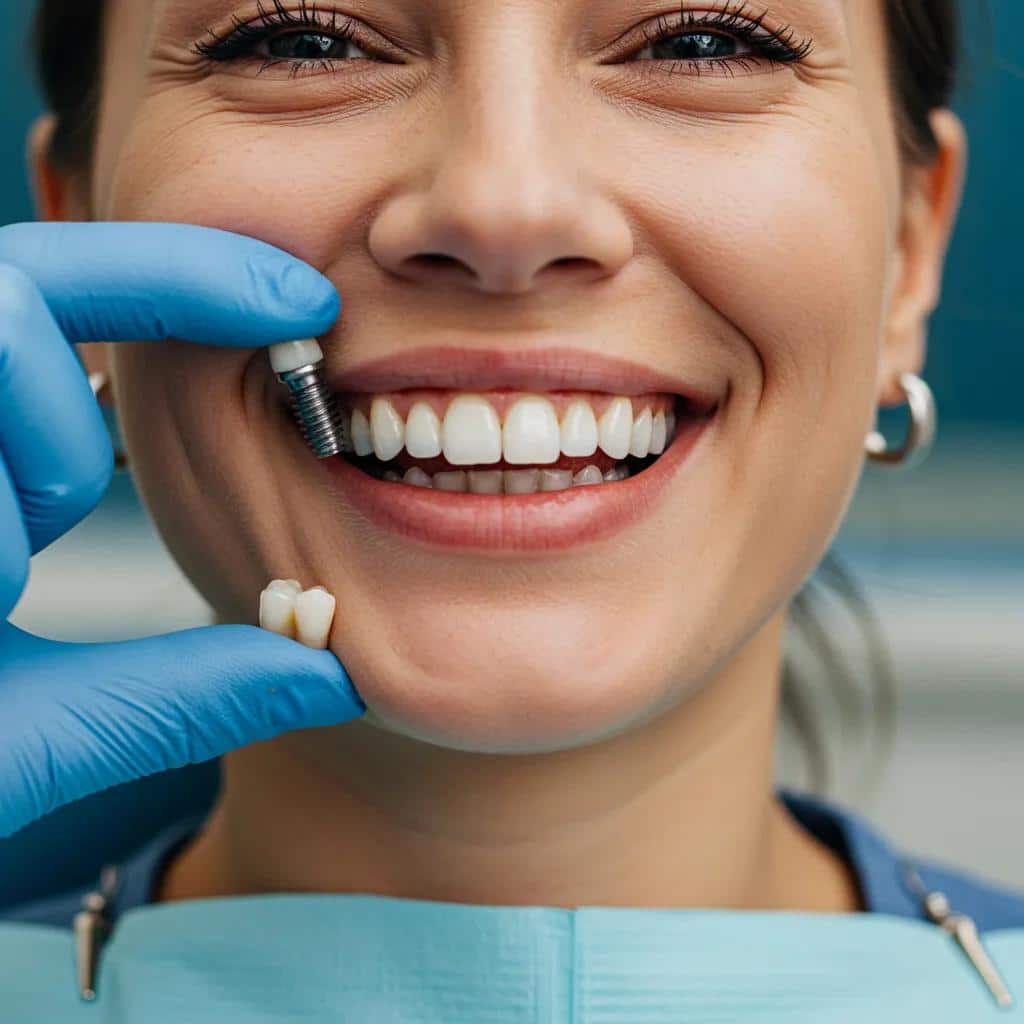
Immediate dental implants involve placing the implant post directly into your tooth‘s empty socket either during the same appointment as your extraction or very soon after. This method helps stabilize your jawbone ridge and often allows for a temporary restoration right away. The key to this approach is a gentle extraction, thorough cleaning of the socket, and achieving excellent initial stability so the implant can begin bonding with your jawbone while your soft tissues heal. This is quite different from delayed or traditional implants, where dentists typically wait weeks or even months for the extraction site to fully heal and bone to remodel before placing the implant. While traditional methods can extend your treatment timeline and potentially lead to more bone loss, immediate placement can reduce your total number of surgical visits and help maintain your natural gum contours. However, it does require careful patient selection, advanced imaging, and skilled surgical expertise to manage any socket imperfections or infection risks. Understanding these distinctions will help you weigh the benefits of speed against the specific anatomical needs for a successful, predictable outcome.
What Does Immediate Dental Implant Placement After Tooth Extraction Involve?
Immediate dental implant placement means we gently remove your tooth using techniques that protect the surrounding bone, carefully evaluate the socket, and then place a titanium implant into the prepared site—all in the same appointment. The process starts with detailed diagnostic imaging, often a 3D cone-beam CT scan, to precisely assess your bone height, width, and check for any signs of infection. Next, your dentist performs an atraumatic extraction and meticulously prepares the socket to perfectly receive the implant post. Achieving primary stability (which we measure clinically and by insertion torque) is absolutely crucial, as it indicates whether the implant can safely support a temporary restoration without any movement that could disrupt the healing process. Depending on your aesthetic needs and how much chewing force will be applied, these temporary restorations can be a non-functional temporary crown or a removable prosthesis. We often use surgical guides or guided-surgery workflows to ensure the implant is positioned perfectly for both optimal function and your beautiful final restoration. This immediate approach means less time without a tooth and helps preserve your natural gum line, setting the stage for a seamless comparison with delayed methods.
Atraumatic Extraction and Immediate Implant Installation for Gingival Contour Maintenance
There is an accelerated resorption in the first six months after the extraction of the dental element, both horizontally and vertically. These clinical changes normally undertake the aesthetic result of prosthetic rehabilitation, and implant installation after the extraction can be a resource to decrease resorption. The clinical case described in this paper demonstrates a sequence of clinical atraumatic extraction, and then the Immediate installation provisionalization. It is concluded that when carefully indicated and planned, this technique can provide an immediate result promising with maintaining the tooth gingival contour.
Atraumatic extraction and immediate implant installation: The importance of maintaining the contour gingival tissues, RRDJ Tavarez, 2013
How Do Immediate Implants Compare to Delayed or Traditional Implant Procedures?
Immediate implants offer exciting advantages like fewer surgeries, a shorter overall treatment timeline, and better preservation of your jawbone volume. On the other hand, delayed approaches provide extra time for any infection to clear up and for bone augmentation if needed. Immediate placement is a more intricate procedure, requiring sufficient bone volume and no active infection. When these ideal conditions are met, immediate implants can achieve similar success rates to delayed implants, all while significantly enhancing your patient experience. Delayed placement is often recommended for more complex situations, such as compromised sockets, significant bone loss, or when staged grafting is necessary to create a strong foundation for the implant. While this staged approach simplifies the implant insertion itself, it typically extends your treatment timeline by several months. Our experienced clinicians carefully weigh these trade-offs, using advanced diagnostic imaging, soft-tissue assessments, and your overall health factors to determine the absolute best timing for you. In the next section, we’ll explore the specific clinical benefits that make immediate placement such an appealing option for suitable patients.
Discover the Benefits: Why Get Dental Implants Right After Tooth Extraction?
Choosing immediate implant placement offers significant clinical and patient-focused benefits. It helps preserve your natural bone and soft tissue, minimizes the number of surgical appointments, and restores your smile‘s aesthetics and chewing function much sooner. The key advantage here is that placing an implant directly into the extraction socket provides immediate mechanical stimulation to your jawbone, which significantly reduces the rapid bone loss that typically occurs after a tooth is removed. For you, this means fewer trips to our office, a quicker path to a temporary tooth, and less time living with a gap in your smile—all leading to better confidence and a faster return to your normal daily activities. For our dental team, immediate placement simplifies the planning for your final restoration by maintaining your natural gum contours and papillae, resulting in a more beautiful and natural-looking outcome, especially for single front teeth. These compelling benefits make immediate implants a fantastic choice in carefully selected cases where your bone quality and gum health are ideal for stable, predictable healing.
Immediate implants and delayed implants offer distinct advantages in terms of your practical experience and our clinical approach:
Fewer Visits, Faster Results: Immediate placement often combines steps, saving you time and reducing your total treatment duration.
Preserve Your Bone: The implant acts as a natural root, maintaining your jawbone volume and supporting healthy gum contours, which limits bone loss after extraction.
Instant Smile Boost: Temporary restorations can restore your appearance and some chewing function right away, significantly improving your quality of life.
These advantages lead us directly to the biological reasons why immediate placement can effectively prevent bone loss and support your natural tissue architecture, which we’ll explore next.
Before we dive into the comparison table, here’s a quick look at the typical outcomes for immediate versus delayed approaches.
Approach
Characteristic
Typical Patient Impact
Immediate Implant
Implant placed at extraction
Preserves bone, fewer visits, often allows a temporary tooth right away
Early Implant
Implant placed 4–8 weeks after extraction
Allows gum tissue to stabilize, good bone preservation
Delayed Implant
Implant placed >3 months after extraction
Predictable when bone grafting is essential, higher risk of bone loss over time
This table clearly shows how timing influences both our clinical decisions and your overall experience. Understanding the biological process of bone preservation helps explain why immediate placement can be so effective when your unique anatomical conditions allow for it.
How Does Immediate Implant Placement Help Prevent Bone Loss?
Immediate implant placement is a powerful tool for preventing alveolar bone loss because it provides instant structural support in the extraction socket, essentially replacing the mechanical stimulation your natural toothroot once offered. This helps slow down bone remodeling and resorption. After a tooth extraction, your jawbone ridge naturally begins to remodel due to the loss of stimulation from the periodontal ligament. By placing an implant directly into the socket, we maintain that crucial load transfer, encouraging new bone formation around the implant. Clinically, we enhance socket preservation when the implant fills a good portion of the socket, and any small gaps are carefully managed with bonegraft materials or membranes as needed to minimize marginal bone loss. This early preservation of your jawbone also protects your gum contours and papilla height, which is especially important in your smile zone. Preserving soft tissue ensures a more natural and aesthetic prosthetic outcome later on. This mechanism is the foundation of the aesthetic and functional advantages you’ll enjoy when choosing same-day toothreplacement.
What Are the Aesthetic and Functional Advantages of Same-Day Implants?
Same-day implants offer the incredible benefit of immediate aesthetic restoration through temporary crowns or non-functional temporaries. These solutions maintain your beautiful smile and natural gum architecture while the implant integrates with your bone. Functionally, you’ll appreciate restored tooth-to-tooth contact, which significantly aids in clear speech and comfortable chewing, especially compared to living with a gap or using less stable removable temporaries. Our temporization strategies are carefully chosen to minimize any chewing force on your healing implant—non-functional temporaries protect the implant while still providing a pleasing cosmetic result. This means your dentist expertly balances your immediate appearance with the biomechanical protection needed for successful healing. Maintaining your papillae and soft-tissue contours greatly enhances the final prosthetic outcome and often reduces the need for extensive gum reshaping later. These advantages naturally lead us to patient selection, as your unique anatomical and health factors will determine if immediate aesthetics and temporary tooth placement are the right fit for you.
Who Is a Great Candidate for Immediate Dental Implants After Extraction?
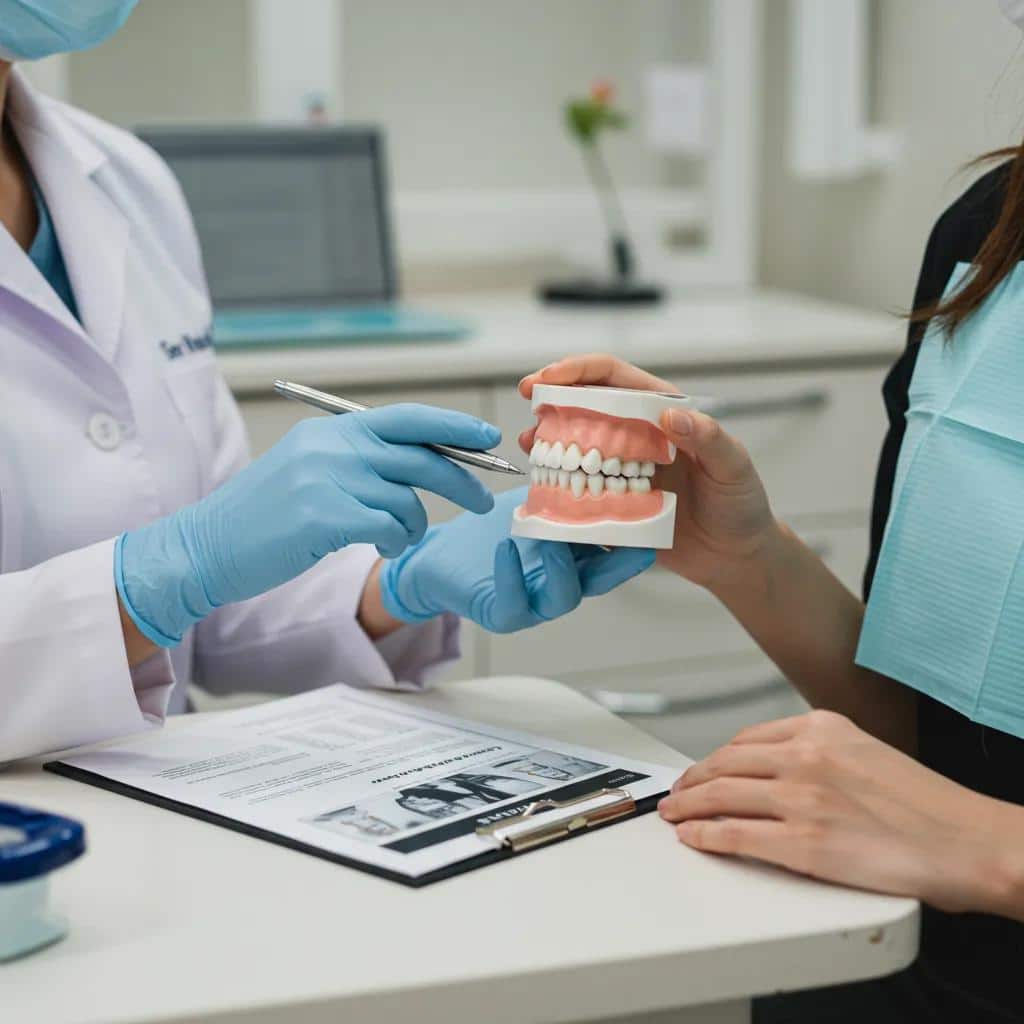
Generally, ideal candidates for immediate dental implants have sufficient bone volume and density, excellent gum health with no active infection at the extraction site, and overall systemic health that supports normal wound healing. The primary reasons for our careful candidate selection are to ensure the implant achieves strong initial stability upon placement and to avoid placing implants into infected or inadequate bone, where even tiny movements or bacterial presence could jeopardize successful integration. While age itself is rarely a barrier, certain systemic factors—such as poorly controlled diabetes or heavy tobacco use—can impact healing and might require a different timing approach or additional medical management. A thorough preoperative evaluation, including advanced CBCT imaging and a detailed clinical gum assessment, helps us determine if immediate placement offers a predictable outcome for you. If structural or health limitations exist, an early or delayed placement with bone grafting might be a safer and more reliable path. If you’re unsure about your candidacy, a focused clinical evaluation with our team can confirm your suitability and explore all available alternatives.
Before we delve into specific anatomical considerations, here’s a quick checklist summarizing the key criteria for immediate implant candidacy:
Ample Bone Volume & Density: Enough height and width in your jawbone for strong initial implant stability.
Healthy Gums: Minimal gum disease and absolutely no active infection in the tooth socket.
Stable Overall Health: Well-managed chronic conditions and a good capacity for natural healing.
This checklist naturally leads us to a closer look at the jawbone and gum factors that influence candidacy, along with the advanced imaging we use to evaluate them.
What Jawbone and Gum Health Conditions Affect Immediate Implant Candidacy?
Your jawbone’s height, width, and density are the most crucial anatomical factors determining whether immediate implant placement will achieve the necessary insertion torque and initial stability for predictable integration. Thin bone on the cheek side (buccal plates), large openings (fenestrations), or insufficient ridge width can compromise this initial stability and increase the risk of gum recession if not properly addressed with grafting or staged procedures. Gum disease significantly increases bacterial load and inflammatory factors in the socket; any active infection must be fully treated and stabilized before we consider immediate placement. Our clinicians assess this through careful probing, X-rays, and clinical signs of inflammation. CBCT imaging provides a detailed three-dimensional view of your bone structure and its proximity to important anatomical features like your sinuses or nerves, allowing for incredibly safe and precise planning. A proper anatomical assessment directly guides our decision on whether socket preservation, bone grafting, or a delayed approach is the best and safest choice for you.
Which Medical Conditions or Infections Might Affect Your Eligibility?
Certain systemic health conditions—especially uncontrolled diabetes, recent head and neck radiation therapy, or severe immunosuppression—can significantly impair wound healing and increase the risk of implant failure. In such cases, immediate placement might not be advisable until your medical condition is well-managed. An active local infection at the extraction site is also a strong contraindication, as bacterial contamination can interfere with early bone healing. For these situations, we often recommend extraction followed by a period of socket healing or staged grafting before delayed implant placement, as this is typically safer. Smoking negatively impacts blood flow and bone healing, which can reduce success rates, so we strongly encourage counseling and smoking cessation to improve your outcomes. Many patients with manageable conditions can become excellent candidates after medical optimization, which is why a focused consultation and collaboration with your medical providers are so important for those with complex health histories.
Your Step-by-Step Journey: The Immediate Dental Implant Procedure After Tooth Extraction
Your immediate implant journey begins with a thorough consultation and advanced imaging, moves seamlessly through a gentle extraction and implant insertion, and concludes with a temporary tooth placement and a personalized healing plan designed for optimal integration. Preoperative planning typically involves detailed CBCT imaging, digital or physical models, and a prosthetically driven plan to position your implant perfectly for your ideal final restoration. During surgery, our skilled clinicians use atraumatic extraction methods to carefully preserve your socket walls, meticulously clean out any granulation tissue, and prepare the implant site with precision, focusing on achieving strong insertion torque that indicates excellent initial stability. If any small gaps remain between the implant and your socket walls, we can place bonegraft material and membranes to encourage new bone growth. Temporary crowns or non-functional temporaries are then custom-fabricated to restore your aesthetics while carefully limiting any chewing force. Your final, permanent prosthesis is placed after clinical and radiographic confirmation that your implant has fully integrated with your bone, completing your treatment sequence with fewer visits thanks to our immediate protocols.
Below is a clear, numbered list outlining the typical sequence for immediate implant placement and temporary tooth restoration:
Consultation & Imaging: A thorough clinical exam and CBCT scan to precisely plan your implant position and check for any infection.
Gentle Extraction: Your tooth is carefully removed, preserving your socket walls and delicate gum tissue.
Socket Prep & Implant Placement: We prepare the implant site, insert your implant, and confirm its strong initial stability.
Grafting & Membrane (if needed): Any gaps are filled, and the site is protected to support healthy bone formation.
Temporary Tooth Placement: An appropriate temporary restoration is placed with carefully controlled chewing contact.
Healing & Follow-up: We monitor your gum tissue and implant integration, then deliver your beautiful final restoration.
This sequence clarifies the practical steps involved and naturally leads us to the details of how extraction and implant insertion are performed in a single, convenient visit.
How Is the Tooth Extraction and Implant Placement Performed in One Visit?
Performing both your tooth extraction and implant placement in a single visit relies on advanced atraumatic extraction techniques that minimize any damage to your jawbone, meticulous cleaning of the socket, and precise preparation of the implant site that respects your remaining bone structure. Atraumatic extraction uses specialized instruments (periotomes) and controlled gentle movements to detach your tooth with minimal fracture to the socket walls, preserving the crucial outer bone plate essential for beautiful aesthetic results. Once the socket is prepared, your clinician carefully selects an implant diameter and length that will engage your natural bone both at the bottom and sides, ensuring strong insertion torque and initial stability. This process is often enhanced by using a surgical guide or intraoperative imaging for pinpoint accuracy. Immediate loading (attaching a fully functional crown) is typically reserved for cases with exceptional initial stability and ideal bite conditions. More commonly, we place a temporary restoration with limited function to protect the healing implant. These techniques directly influence your temporary tooth options, which are key to your comfort and the progression of your new smile.
What Temporary Solutions Are Used Before Your Final Restoration?
After immediate implant placement, temporary restorations can range from custom screw-retained provisional crowns and adhesive bonded temporaries to removable partial dentures or “flippers,” especially when multiple teeth are involved or if initial implant stability isn’t quite sufficient for a fixed temporary. Provisional crowns are often designed to be non-functional—meaning they have minimal contact with opposing teeth—to reduce any tiny movements at the bone-implant interface while still maintaining your gum contours and aesthetics. If there are small gaps between the implant and your socket walls, a temporary tooth might be used alongside bone grafting to help shape the gum line beautifully while the underlying bone heals. Removable temporaries offer an interim solution for comfort and appearance but may not preserve your tissue contours as predictably as fixed provisional crowns. We’ll provide you with clear instructions on proper care and diet while your temporaries are in place, ensuring your healing implants are protected and the site is perfectly prepared for your stunning final restoration.
How Long Is the Healing and Osseointegration Timeline for Immediate Dental Implants?
Healing after immediate implant placement follows a predictable pattern of gum tissue closure and bone remodeling, but the exact timeline can vary based on your implant’s stability, any grafting needs, and your unique biology. Soft-tissue healing of the extraction site and adaptation around your temporary tooth typically occurs over the first 2–8 weeks, with sutures usually removed and initial contouring happening early in this period. Osseointegration—the incredible biological process where your bone bonds directly to the implant surface—progresses over several months, commonly reaching clinical stability strong enough for your final restoration between roughly 3 to 6 months. However, some advanced protocols and implant surfaces can even shorten this window under ideal conditions. Factors that might extend or complicate healing include smoking, uncontrolled systemic diseases, a history of infection, or poor bone quality. Conversely, excellent initial stability, appropriate grafting, and meticulous oral hygiene all contribute to timely osseointegration. Understanding these phases helps you set realistic expectations for your follow-up visits and the exciting timing of your final crown or prosthesis.
Here’s a clear timeline comparison that highlights typical milestones for both immediate and delayed approaches.
Phase
Immediate Implant (Typical Range)
Delayed Implant (Typical Range)
Soft-tissue healing
2–6 weeks
2–4 weeks after extraction
Temporary tooth period
Immediate temporary (non-functional)
Temporary removable prosthesis is common
Osseointegration
3–6 months
3–6 months after implant placement
Final restoration
After confirmed integration (often 3–6 months)
Typically 6–9 months from extraction if staged
This timeline table summarizes the expected stages and helps inform decisions about your temporary tooth design and follow-up appointment schedule.
What Is the Typical Healing Period After Immediate Implant Placement?
During the first 48–72 hours after your surgery, it’s normal to experience peak swelling and some discomfort, which will gradually subside. Pain relievers, ice packs, and temporary dietary adjustments are very helpful in managing these symptoms. By one week, most soft-tissue healing will be well underway, and any sutures are typically removed or checked. We may also make minor adjustments to your temporary tooth for comfort and proper bite. Between 4 and 12 weeks, your socket continues to remodel, and any graft materials integrate. Our clinicians will monitor your healing closely through clinical checks and, if needed, X-rays. Around 3 months, many implants show sufficient bone-to-implant contact to begin planning your final restoration, though denser bone or ideal initial stability can sometimes allow for an earlier progression. We always personalize your timing based on measurable stability and radiographic evidence. These timelines lead directly into a discussion of how osseointegration impacts your long-term success and our decisions for placing your final, beautiful restoration.
How Does Osseointegration Affect Implant Success and Your Timeline?
Osseointegration is the incredible biological process where new bone forms directly onto the implant surface, creating the strong, rigid bond essential for long-term implant success. Clinical measurements of stability and radiographic evidence of bone contact are our guides for determining when your implant is ready for its final crown. Primary stability—the mechanical grip achieved at the time of insertion—gradually transforms into secondary stability through natural bone remodeling and formation around the implant. It’s normal for a slight dip in mechanical stability to occur as remodeling begins, which is precisely why controlled loading and protecting your temporary tooth are so vital. Successful osseointegration depends on several factors, including the implant’s surface characteristics, our precise surgical technique, the absence of infection, and your overall systemic health. Any disruptions during this crucial early healing window can compromise the outcome. Our clinicians use objective measures like insertion torque and follow-up X-rays, along with clinical assessments of mobility and symptoms, to confidently determine when your implant is perfectly ready for its definitive crown or prosthesis.
When Is Bone Grafting or Socket Preservation Needed for Immediate Implants?
Bone grafting or socket preservation is recommended when your extraction socket doesn’t have enough natural bone volume or if the outer bone plate (buccal plate) is compromised. This is because grafting helps restore your jawbone contours and supports predictable implant placement, ensuring a beautiful and natural-looking prosthetic outcome. The core idea is that graft materials fill any voids between the implant and your socket walls, providing a scaffold for new bone to grow, and reducing marginal bone loss that can affect both how your implant functions and how it looks. Grafting options range from simple particulate bone substitutes with membranes to more complex block grafts or augmentation techniques when there are significant vertical or horizontal bone deficiencies. Our clinicians carefully choose the best materials and approaches based on the size of the defect, your unique biology, and your aesthetic goals. In immediate placement cases, grafting often accompanies the implant when gaps exceed a certain size or when the buccal plate is thin. We use proper healing protocols to ensure the grafts integrate successfully without jeopardizing your implant’s stability. Deciding whether to graft is closely tied to your prosthetic planning and the long-term predictability of your restoration, which we’ll explain further in the following sections.
Before we look at the practical table, consider these common reasons why grafting might be recommended:
A noticeable gap remains between your new implant and the socket walls.
Your outer jawbone plate (buccal cortical plate) is thin or has been damaged.
You want to maintain or enhance your jawbone contour, especially for restorations in your smile zone.
These indications help frame the types of grafts and techniques we commonly use in immediate implant procedures.
How Does Bone Grafting Enhance Implant Stability After Extraction?
Bone grafting significantly enhances deficient sites by providing a supportive scaffold that encourages new bone to grow around your implant. This increases the volume of strong, mineralized tissue available for osseointegration, ultimately improving your implant’s long-term stability. Grafts can act as osteoconductive scaffolds, guiding your body’s own bone to grow into the area. When combined with membranes or biologic agents, they help preserve space and direct regenerative healing. In immediate implant cases, grafting fills the space around the implant (the peri-implant gap) to reduce marginal bone loss and protect the implant surface during early remodeling. This crucial step helps prevent gum recession and aesthetic compromises. While healing timelines for graft integration vary by material—particulate allografts and xenografts often remodel slower than autografts—clinically, they create a predictable and robust foundation for implant integration when performed correctly. The choice of graft influences the complexity of your surgery and your follow-up schedule, which is important for patient counseling and the cost considerations we’ll discuss next.
What Are the Types and Benefits of Socket Preservation Techniques?
Socket preservation techniques vary, from simply placing bone substitute particles with a collagen membrane to more complex combinations of graft plus membrane, or even immediate implant placement with integrated grafting. Each approach offers distinct benefits for maintaining your jawbone ridge. Membrane-only methods protect the blood clot and soft tissue, while a graft-plus-membrane approach fills larger defects and provides greater volume stability for future implant placement. Immediate implant placement with grafting aims to combine the advantages of replacing the toothroot and preserving the ridge in one procedure, maintaining both bone and soft tissue contours for superior prosthetic outcomes. The expected clinical benefits include significantly reduced ridge resorption, preserved natural gum architecture, and fewer staged surgeries—advantages that are particularly valuable in your aesthetic smile zone. These technical choices directly impact cost and financing discussions, as more complex grafting naturally affects the overall treatment complexity and your investment.
What Are the Costs and Financing Options for Immediate Dental Implants in Fort Worth?
The cost for immediate dental implants covers several key components—including the implant fixture itself, the abutment, your temporary and final crown, any necessary bone grafting or membrane, and surgical fees. This means your total pricing will vary based on the complexity of your case and the materials used. Common factors that influence the cost include whether you need grafting or a sinus lift, the number of implants required, if a guided-surgery workflow is utilized, and the type of final prosthesis (such as a single crown versus an implant-supported denture). Here in Fort Worth, patients can expect a range of estimates depending on these variables; the most accurate pricing will always come from a personalized evaluation that considers our local practice protocols and materials. At Affordable Dentist Near Me, we believe in transparent, patient-focused financing discussions and often have promotions to help make treatment accessible. We warmly invite prospective patients to schedule a Free Dental Implant Consult to receive a personalized cost estimate tailored to your specific clinical needs. For many patients, our in-office financing plans or convenient third-party monthly payment options make immediate implant treatment surprisingly manageable—please ask about specific plan details during your consultation!
Below is a helpful table outlining the typical cost components included in an immediate implant treatment plan.
Cost Component
What It Covers
Typical Consideration
Implant Fixture
The titanium post placed into your bone
Primary implant price varies by system and size
Abutment
The connector between your implant and crown
Custom or stock abutment options available
Crown / Prosthesis
Your final tooth or denture
Material and laboratory fees impact the overall cost
Bone Grafting / Membrane
Ridge augmentation or socket fill
Increases cost when your anatomy requires augmentation
Surgical Fees
Surgeon’s time, facility, and anesthesia
Guided surgery or sedation may increase fees
Offer
Free Dental Implant Consult
A no-cost initial consultation to estimate your pricing
This table clearly illustrates the modular nature of implant pricing and highlights our Free Dental Implant Consult offer, your best way to get a tailored estimate.
How Much Do Immediate Dental Implants Typically Cost in Fort Worth?
Estimating the cost for a single immediate implant involves considering the implant post, abutment, temporary crown, final crown, and any grafting or membrane fees. Prices can vary quite a bit depending on the clinical complexity of your unique case. For planning purposes, single-tooth scenarios without grafting will generally be less costly than cases requiring significant bone augmentation or multiple implants for a full-arch replacement. The complexity of your case and your specific prosthetic needs are the primary factors driving this variance. Because local materials, laboratory fees, and surgical details all influence the final pricing, your absolute best next step is to schedule a Free Dental Implant Consult. This will provide you with a personalized estimate that accurately reflects the exact procedures needed for your situation. Affordable Dentist Near Me will review all your options during that consult and discuss the phases of treatment and expected timelines to help you comfortably budget for your immediate implant care here in Fort Worth.
What Affordable Payment Plans and Insurance Options Are Available?
Many dental practices, including ours, offer a combination of convenient in-house payment plans, flexible third-party financing, and coordination with your dental insurance for portions of the restorative fee. These options are designed to help you spread your investment across manageable monthly payments. Our in-house plans may allow for staggered payments tied to specific treatment phases, while third-party lenders provide fixed monthly plans with various terms. It’s important to note that coverage for implant-related procedures through dental insurance is often limited to the restorative components, so we always recommend verification and pre-authorization. Affordable Dentist Near Me strongly encourages patients to utilize their Free Dental Implant Consult to thoroughly review all financial options and determine which combination of payment plan and insurance benefits best suits their individual case. Discussing financing during your consult ensures transparent expectations and empowers you to move forward with a treatment plan that perfectly fits both your budget and your clinical needs.
What Are the Risks, Recovery Tips, and Aftercare for Immediate Dental Implants?
While immediate implant therapy is generally very safe, it does carry some potential risks, such as infection, failure of the implant to integrate with bone, gum recession, and, very rarely, nerve-related symptoms. However, with careful patient selection and our meticulous surgical techniques, we significantly minimize these complications. Early detection of any issues—like persistent pain, implant movement, or increased swelling—allows for prompt management, which might include antibiotics, minor gum adjustments, or in very rare cases, implant removal and a staged re-treatment. Proper aftercare is crucial for predictable healing: maintain excellent oral hygiene with gentle rinses, follow dietary restrictions to limit chewing force on your temporary tooth, and attend all scheduled follow-up visits for suture removal and stability checks. Most patients experience a smooth, uncomplicated recovery when they follow our instructions and report any concerning symptoms promptly. Our clinicians provide tailored post-operative guidance for pain control, activity modification, and infection prevention. These considerations naturally lead into concrete recovery tips and daily care recommendations that will support your long-term success.
The following list outlines common risks and simple strategies to help mitigate them:
Infection: Maintain excellent hygiene and follow any antibiotic recommendations if prescribed.
Failure to Integrate: Protect your implant from chewing forces until it’s fully stable.
Gum Recession: We use careful surgical and prosthetic techniques to preserve your gum tissue.
Nerve Irritation: Thorough preoperative imaging and conservative planning help us avoid nerve injury.
These risk-reduction strategies lead directly into a practical aftercare checklist for your first days and weeks following surgery.
What Are Common Risks and Complications After Same-Day Implant Placement?
Common complications can include early infection, instability of your temporary tooth, wound opening (dehiscence), and, in some cases, insufficient bone integration leading to implant movement and the need for re-treatment. The incidence of these issues is significantly reduced by our careful patient selection and sterile surgical techniques. Early infection typically presents with increased pain, swelling, or drainage and is managed with antibiotics and local wound care, while issues related to your temporary tooth often respond well to adjustments in your bite or how it’s retained. Gum recession around the implant can affect aesthetics and is more likely when you have thin outer bone plates or inadequate gum tissue—we carefully consider these risks during planning and manage them with grafting when appropriate. Rare but serious complications like nerveinjury are avoided through detailed preoperative CBCT planning and conservative control of the implant depth. Reporting any symptoms early ensures rapid evaluation and corrective action.
How Should Patients Care for Their Implants During Recovery?
During the initial healing period, it’s essential that you follow our specific instructions: stick to soft foods, avoid chewing on the treated side whenever possible, perform gentle saline rinses and any prescribed antimicrobial rinses, and avoid strenuous activity that could increase blood pressure and swelling. You should maintain careful oral hygiene around adjacent teeth while avoiding direct trauma to the surgical site; our clinicians often recommend specific brushing techniques and temporary rinses to prevent plaque buildup without disturbing sutures or the implant site. Adhering to your medication schedule—taking prescribed antibiotics, pain relievers, and anti-inflammatory agents as directed—will reduce infection risk and control discomfort, greatly facilitating your healing. Please attend all scheduled follow-up visits so your clinician can monitor your gum tissue adaptation and implant integration, adjust your temporary tooth if necessary, and plan the smooth transition to your beautiful final restoration.
Frequently Asked Questions About Immediate Dental Implants
What is the recovery process like after immediate dental implant placement?
The recovery process after immediate dental implant placement typically involves a few key phases. In the first 48 to 72 hours, patients may experience swelling and discomfort, which can be managed with ice and prescribed pain relief. By the end of the first week, most soft tissue healing will have begun, and sutures may be removed. Over the next few weeks, osseointegration occurs, where the bone begins to bond with the implant. Regular follow-up visits are essential to monitor healing and ensure the implant is integrating properly.
Are there any dietary restrictions after getting immediate dental implants?
Yes, after receiving immediate dental implants, patients are usually advised to follow a soft food diet for the initial healing period. This helps to minimize pressure on the implant site and reduces the risk of complications. Foods that are soft and easy to chew, such as yogurt, mashed potatoes, and smoothies, are recommended. It’s also important to avoid hard, crunchy, or sticky foods that could disrupt the healing process or damage the provisional restoration. Following dietary guidelines will support a smoother recovery.
How can I ensure the success of my immediate dental implant?
To ensure the success of your immediate dental implant, it’s crucial to follow your dentist’s post-operative care instructions closely. This includes maintaining good oral hygiene, attending all follow-up appointments, and avoiding smoking or tobacco use, which can impair healing. Additionally, adhering to dietary restrictions and taking prescribed medications as directed will help minimize the risk of complications. If you notice any unusual symptoms, such as increased pain or swelling, contact your dentist promptly for evaluation.
What should I do if I experience pain after the procedure?
Experiencing some discomfort after immediate dental implant placement is normal, but if the pain becomes severe or persists beyond a few days, it’s important to contact your dentist. They may recommend pain management strategies or assess for potential complications, such as infection or implant failure. Following prescribed aftercare, including taking pain medications and applying ice, can help manage discomfort. Early intervention is key to addressing any issues that may arise during the healing process.
How long does it take for the final restoration to be placed?
The timeline for placing the final restoration after immediate dental implant placement typically ranges from 3 to 6 months. This period allows for osseointegration, where the bone fuses with the implant, ensuring stability. The exact timing can vary based on individual healing rates, the quality of the bone, and whether any grafting was performed. Regular follow-up appointments will help your dentist monitor the healing process and determine the optimal time for the final restoration.
Can immediate dental implants be done for multiple teeth?
Yes, immediate dental implants can be placed for multiple teeth, depending on the patient‘s specific circumstances. If there is sufficient bone volume and density, and no active infection is present, multiple implants can be placed during the same surgical visit. This approach can significantly reduce treatment time and improve overall aesthetics. However, careful planning and assessment are essential to ensure that each implant can achieve the necessary primary stability for successful osseointegration.
What are the potential risks associated with immediate dental implants?
While immediate dental implants are generally safe, there are potential risks involved, including infection, failure of osseointegration, and soft-tissue recession. Other complications may include nerve damage or sinus issues, particularly in the upper jaw. Proper case selection, surgical technique, and post-operative care are crucial in minimizing these risks. Patients should discuss their medical history and any concerns with their dentist to ensure a thorough understanding of the procedure and its associated risks.
Can You Get a Dental Implant the Same Day as a Tooth Extraction?
Yes, absolutely—provided you meet specific clinical criteria such as having adequate bone volume, no active infection, and the ability to achieve strong initial stability. Our experienced clinician will confirm these crucial factors through advanced imaging and a thorough examination. Immediate placement is always conditional on your anatomical suitability and overall health, because placing an implant into a compromised socket significantly increases the risk of failure. That’s why our clinicians carefully assess both local and systemic factors before proceeding. When your eligibility is confirmed, immediate placement can reduce your number of visits and provide you with a temporary tooth to restore your appearance and some function, though we often limit its function to protect the healing process. If immediate placement isn’t recommended for your unique situation, early or delayed approaches with grafting may be a safer and more predictable path, which is why a personalized evaluation is so important. To determine your candidacy, we invite you to schedule a Free Dental Implant Consult to receive a comprehensive clinical assessment and personalized recommendations.
How Long Should You Wait for a Dental Implant After Extraction?
The timing for your dental implant can fall into a few categories: immediate (same-day), early (typically about 4–8 weeks), and delayed (commonly 3–6 months). Each option is carefully chosen based on the condition of your tooth socket, any infection status, and whether bone augmentation is needed. Immediate placement offers the fastest route when your anatomy allows, while early placement might be recommended if your soft tissue needs a bit of time to stabilize. Delayed placement provides ample time for your bone and soft tissue to fully heal or for complex grafting to mature before implant insertion. Each approach balances predictability, aesthetics, and your prosthetic needs, so your clinician will recommend the timing that best aligns with your tissue biology and your smile goals. If you’re exploring the ideal timing for your case, a Free Dental Implant Consult will clarify the most appropriate schedule based on your imaging and clinical findings.
Ready to explore your options? Schedule your Free Dental Implant Consult with Affordable Dentist Near Me today to discover if immediate placement is right for you and to receive a personalized cost and treatment timeline.
How do I get started on my implant journey? Begin with our Free Dental Implant Consult to review your imaging and confirm your candidacy.
Who will perform my surgery? During your consult, we’ll introduce you to the appropriate clinician and outline your personalized care pathway.
What special offers are available? Be sure to ask about any promotional options, like complimentary consultation incentives and convenient in-office financing, during your consult!
This final FAQ entry reinforces your recommended next step: a no-cost consult to evaluate your candidacy and personalize a plan for your immediate dental implants.
Conclusion: Your Path to a Restored Smile Starts Here!
Immediate dental implants offer a truly swift and effective solution for replacing missing teeth, expertly preserving your bone and soft tissue while significantly minimizing the number of surgical visits. This innovative approach not only enhances your aesthetic outcomes but also supports a quicker recovery and improved function, getting you back to enjoying life sooner. If you’re considering immediate implants, a personalized evaluation with our caring team can help determine your candidacy and outline the very best options tailored to your unique needs. Don’t wait to reclaim your smile—schedule your Free Dental Implant Consult today to take that exciting first step towards a confident, restored smile!