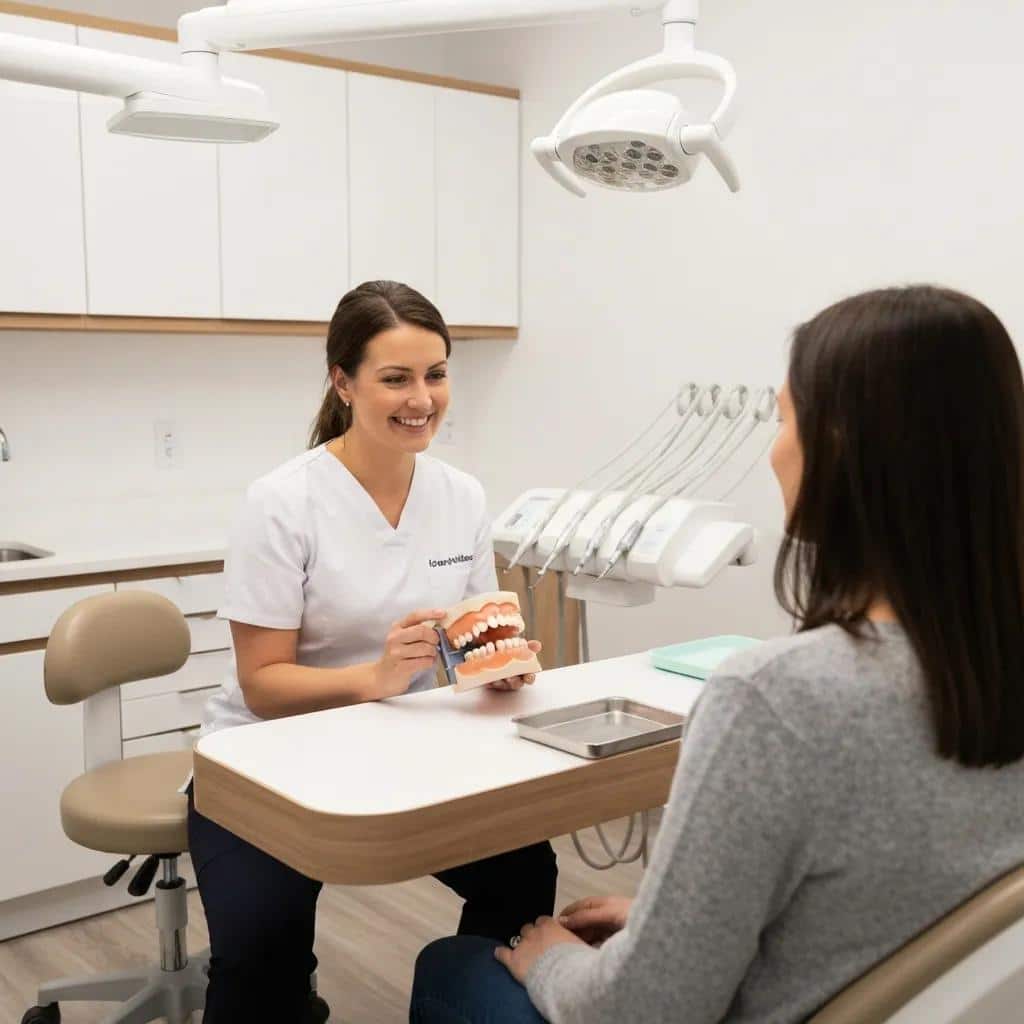
Dental Implant Suitability: Your Step-by-Step Evaluation & Free Consultation — Fort Worth
Deciding if dental implants are right for you starts with a clear clinical judgment based on three things: your mouth’s anatomy, your overall health, and your daily habits. This guide walks you through why jawbone and gum health matter, how medical conditions and lifestyle choices affect healing, and what dentists look for during an evaluation. You’ll find plain-language eligibility criteria, how CBCT and X-rays inform planning, common reasons someone might be delayed or require extra steps, and realistic timelines for grafting or staged care. We also outline the step-by-step evaluation used at our Fort Worth location and explain what happens at a no-cost Free Dental Implant Consult so you can get a personalized plan without any pressure. Read on for quick self-checks, helpful comparison tables, booking steps, and a short FAQ to get you started toward implant care.
Who Qualifies for Dental Implants? Clear Eligibility Guidelines
Implant candidacy comes down to three linked areas: local oral conditions, overall medical health, and patient behaviors that affect healing. A good candidate typically has enough jawbone (or a plan to build it), medical conditions that are controlled, and the ability to keep the area clean after surgery. Dentists weigh these factors to reduce complications and increase the odds of long-term success. Knowing the basics ahead of time helps you prepare for your consult and sets realistic expectations for any preparatory work. The sections below give a practical checklist and age-related notes to help you self-screen before an appointment.
What Are the Basic Requirements for Dental Implant Candidacy?
At a minimum, clinicians look for stable general health, enough local bone (or a clear grafting plan), and gum health that can be brought under control. Active infections, poor hygiene, heavy smoking, or uncontrolled chronic illness raise the chance of implant problems and usually need attention before moving forward. The standard evaluation includes a medical history review, periodontal check, and 2D/3D imaging to measure bone height and width. If there’s not enough bone, we’ll discuss grafting or staged therapy. Catching these issues early—like a thin posterior maxilla that may need a sinus lift or a local periodontal pocket that needs treatment—keeps the process predictable and helps you plan next steps.
How Does Age Affect Dental Implant Eligibility?
Chronological age alone rarely rules someone out. What matters is biological health: bone quality, healed extraction sites, and history of gum disease are the real factors that influence whether augmentation or staged therapy will be necessary. Many patients in their 40s to 60s have treatable issues like early bone loss or past periodontal disease that modern grafting and planning can address. Preparing before surgery—improving oral hygiene, stabilizing chronic conditions, and planning restorations that work with your bite—boosts the chances of a smooth outcome. In short: your health and habits matter more than your birth year.
How Oral Health Shapes Implant Suitability: Key Assessment Points
Your mouth’s condition—especially bone amount and gum stability—is central because implants need a healthy bony and soft-tissue environment to fuse and stay infection-free. Dentists use CBCT or X-rays to check bone volume and density, assess gums and plaque control, and review your bite and remaining teeth to create a biomechanically sound plan. These local findings tell us whether implants can be placed right away, or if augmentation or a different prosthetic design will give the most predictable result. Below we break down bone needs and how gum health affects the treatment path, plus a practical table showing common situations and recommendations.
What Bone Density Levels Are Needed for Successful Implants?
Bone quality and volume matter because initial stability depends on cortical thickness and trabecular density; both affect how well an implant anchors right after placement and how it biologically integrates over time. Typically, the anterior mandible offers denser bone and better initial stability, while the posterior maxilla can be softer and may need sinus lifts or grafting. CBCT gives a three-dimensional view that helps choose implant length and diameter and shows where augmentation is required. Addressing bone characteristics early prevents surprises in surgery and sets realistic timing for immediate versus staged reconstruction.
Introductory table: This table outlines common jaw regions, what we usually find there, and the typical clinical recommendation.
Jaw Region
Typical Assessment
Recommendation
Anterior mandible
Higher cortical density and good width
Proceed with standard planning; immediate loading possible for select cases
Posterior mandible
Moderate density; width varies
Consider wider implants or minor grafting when width is limited
Anterior maxilla
Moderate density; higher aesthetic demands
Plan for aesthetic abutments and careful soft-tissue management
Posterior maxilla
Softer trabecular bone; limited height near sinus
Evaluate for sinus lift or staged graft to gain height and density
Knowing which site is deficient helps decide whether surgery can be immediate or should be staged, and which grafting options are most suitable.
How Does Gum Health Influence Implant Success?
Healthy gums are essential. Active periodontitis increases the risk of peri-implantitis because the tissues around implants respond similarly to those around natural teeth. Signs like bleeding on probing, deep pockets, recession, or discharge mean periodontal treatment is needed first—scaling, root planing, or surgery—followed by a period of healing and re-evaluation. Typically, clinicians treat gum disease, wait a few months to confirm stability, and then move ahead with implant surgery. Long-term success also depends on a strict maintenance plan that focuses on plaque control and regular periodontal checks to protect the bone and soft-tissue seal around the implant.
Systemic Health & Lifestyle: What Affects Implant Eligibility?
Systemic conditions and daily habits influence healing because they affect blood flow, immune response, and bone metabolism—key processes for osseointegration. Conditions like diabetes or osteoporosis and medications such as bisphosphonates need review, while smoking and heavy alcohol use impair perfusion and wound healing. We compare common conditions below, explain their effects, and outline how coordination with your medical team can make implants safer and more predictable.
How Do Medical Conditions Like Diabetes and Osteoporosis Affect Implant Suitability?
Chronic diseases change the body’s healing ability: uncontrolled diabetes reduces microvascular perfusion and raises infection risk, while osteoporosis alters bone turnover and can affect bone density. Well-controlled diabetes is often acceptable if medical clearance and documented glycemic control are provided. Osteoporosis doesn’t automatically disqualify you, but medication history—especially antiresorptive drugs—may affect timing and approach. We commonly coordinate with your physician to optimize medical issues before surgery and to plan safe perioperative care.
Planned comparison table: Below we summarize common systemic factors, their impact on implants, and typical next steps.
Condition
Effect on Implants
Management / Next Steps
Diabetes (uncontrolled)
Slower wound healing and higher infection risk
Improve glucose control; obtain medical clearance before surgery
Osteoporosis
Changes in bone remodeling and density
Review medications; consider tailored protocols and bone assessment
Bisphosphonate therapy
Slower bone turnover; rare osteonecrosis risk
Coordinate with specialists; evaluate risks and timing (medical guidance)
Smoking
Reduced blood flow and impaired healing
Strongly advise cessation; delay elective implants until risk is reduced
Most conditions are manageable with planning and medical teamwork rather than automatic exclusions.
Systemic Diseases and Medications Affecting Dental Implant Osseointegration
This study examines how systemic diseases and certain medications influence osseointegration—the process where bone bonds to implant surfaces. It highlights the roles of age, hormonal shifts, and drugs such as calcium‑channel blockers and cyclosporine, and it emphasizes that many apparent contraindications are relative. The takeaway: each patient needs an individualized evaluation, since those who benefit most from implants often have existing medical issues that require careful planning.
Impact of systemic diseases and medication on osseointegration, M Quirynen, 2003
Why Is Smoking a Contraindication for Dental Implants?
Smoking decreases blood flow and oxygen delivery to tissues, weakens immune response, and increases the chance of poor integration and peri-implant problems. Research shows higher failure rates and more bone loss in smokers. For that reason, we strongly recommend quitting or at least stopping for a substantial period before and after surgery. Practical steps include a quit plan, using behavioral or medical supports, and scheduling a re-evaluation after a sustained smoke‑free interval. Reducing or stopping tobacco use significantly improves the chance of a predictable, long-lasting result.
How We Evaluate Dental Implant Candidates at Affordable Dentist Near Me — Fort Worth
Our evaluation follows a clear, step-by-step path: start with a Free Dental Implant Consult, move to diagnostic imaging and digital planning, and finish with a personalized treatment recommendation that may include grafting or specialist referral. The process identifies anatomical limits, medical considerations, and your restorative goals so we can create a predictable plan that balances form and function. The no-cost consult is the typical entry point: we collect your history, examine your mouth, review any existing images, and explain next steps—so you leave with clear options and no financial pressure. Below we describe the consult, the imaging workflow, and typical timelines for grafting.
What Happens During Your Free Dental Implant Consultation?
The Free Dental Implant Consult is a focused, no-cost visit where we review your medical and dental history, perform an oral exam, and discuss your goals so we can give an initial suitability assessment and outline next steps. We’ll explain what imaging may be needed, whether you might need bone grafting or periodontal therapy, and which affordability options could apply. Most patients leave with a timeline estimate, a preliminary treatment outline, and answers to common questions—helping you decide if you want to proceed. The consult is meant to inform, not commit you to treatment.
At our Fort Worth location, the Free Dental Implant Consult is designed to give clear, practical guidance so you can weigh options and plan next steps with confidence. From there, imaging and digital planning provide the detail we need to make definitive recommendations.
How Are Diagnostic Imaging and Treatment Planning Conducted?
We use 2D X-rays and 3D CBCT scans to map bone volume, density, nerve positions, and sinus anatomy. These images let us create a prosthetically driven surgical plan: we choose implant size and position so the final crown or denture will function and look right. CBCT gives cross‑sectional detail that helps identify augmentation needs, and digital planning tools and surgical guides translate the virtual plan into accurate clinical placement. If complex grafting or anatomy is involved, we coordinate with oral surgeons or specialists to ensure seamless, safe care.
Dental Imaging for Implant Planning: CBCT and CT Scans
CT/CBCT imaging lets clinicians plan implant therapy in three dimensions. Virtual planning improves placement accuracy and reduces complications by showing bone volume, vital structures, and the ideal implant position before surgery.
Dental imaging in implant treatment planning, HL Chan, 2010
When Is Bone Grafting Recommended to Improve Implant Suitability?
We recommend bone grafting when imaging shows inadequate width or height to safely secure an implant, or when the sinus floor limits implant length in the upper back jaw. Graft choices include autograft, allograft, or xenograft depending on the defect and your preferences. Healing usually takes 3–6 months before placing implants, though in some cases staged or simultaneous approaches are possible when primary stability can be achieved. Expect a clear timeline and an explanation of risks and benefits from your provider; the treatment plan will list visits and follow‑up to confirm good bone regeneration before implant placement.
When imaging, planning, or grafting are indicated, many patients find the Free Dental Implant Consult the best starting point to get a personalized evaluation and a no‑obligation cost estimate. We prioritize clear, affordable options and a patient-first approach at our Fort Worth clinic.
Common Disqualifiers — and How to Improve Your Eligibility
Most barriers fall into two groups: rare absolute contraindications and more common, modifiable risks. Absolute barriers—like active severe infection at the surgical site, recent radiation to the jaws, or uncontrolled systemic disease—must be addressed before implants. More often, issues are modifiable: untreated gum disease, smoking, or uncontrolled chronic conditions can usually be treated or optimized. A realistic action plan helps patients focus on steps that give the fastest eligibility gains and sets expectations for re-evaluation timelines.
What Medical or Oral Conditions May Disqualify You from Getting Implants?
Absolute disqualifiers are uncommon but important: active, severe infections near the planned implant site, recent jaw radiation, or medically uncontrolled systemic disease can prevent safe implant surgery until managed. Relative contraindications include certain antiresorptive medications, poorly controlled diabetes, and heavy smoking—these often require individualized review, medical clearance, or risk‑reducing steps. Full disclosure of your medical history and medications lets the dental team identify risks and recommend safe alternatives—like bridges or removable prosthetics—if implants aren’t right at the time.
How Can Patients Prepare to Increase Their Implant Eligibility?
Many patients can improve candidacy within weeks to months by taking practical steps: finish periodontal therapy to remove infection, work with your doctor to stabilize chronic conditions (for example, diabetes), and start a smoking cessation plan to boost healing. A simple checklist makes progress measurable and sets a re-evaluation timeframe: complete gum therapy, show stable blood sugar control if diabetic, reduce or stop smoking for a recommended period, and bring prior dental records or imaging to your consult. These steps often turn relative contraindications into acceptable risk profiles for implant surgery.
Practical checklist: The following actions help prepare you for implant candidacy.
Complete recommended periodontal therapy and demonstrate stable gum health.
Coordinate with your physician to optimize chronic conditions and provide relevant documentation.
Start a smoking cessation or reduction plan several weeks before planned surgery.
Gather previous dental records and imaging to speed the diagnostic process.
Taking these steps often shortens the path from consultation to treatment and improves long‑term predictability for implants.
How to Schedule Your Free Dental Implant Consultation in Fort Worth
Booking a Free Dental Implant Consult is easy and built to remove barriers: request a consult online, provide a short medical history, and pick a convenient time. During booking we’ll check whether insurance or our dental discount plan applies so you know what to expect financially. The consult typically lasts 30–60 minutes and covers history, an oral exam, and which imaging (if any) is needed. Bring a list of medications, any prior images or records, and your questions to get the most from your visit. Below are the practical booking steps and what the consult includes.
What Are the Steps to Book Your Free Implant Suitability Assessment?
To book your Free Dental Implant Consult: request an appointment, complete a brief medical and dental history, note any prior imaging, and confirm preferred times. We’ll send confirmation and any intake forms. Ask at booking whether your insurance or our Dental Discount Plan applies so the consult and any diagnostics are handled correctly. On consult day, bring a current medication list, prior dental records if available, and a clear idea of your restorative goals to make the visit efficient and helpful.
Introductory table: This table shows what the Free Dental Implant Consult covers and the likely outcomes from each component.
Service Component
Included During Free Consult
Details / Outcome
Medical & Dental History Review
Yes
Identifies systemic risks and medication interactions
Clinical Oral Exam
Yes
Assesses periodontal health and initial suitability
Imaging Review
Basic review; CBCT recommended if needed
Determines whether 3D imaging is required for full planning
Preliminary Treatment Outline
Yes
Provides next-step recommendations and estimated costs
Why Choose Affordable Dentist Near Me for Your Dental Implant Needs?
Choosing the right provider makes a big difference. At Affordable Dentist Near Me we focus on clear communication, accessible pricing, and practical care—starting with a Free Dental Implant Consult and options like our Dental Discount Plan. Our Fort Worth team combines experienced clinicians with modern diagnostics so you get an evidence‑based, safe plan that fits your goals. If cost or clarity is a concern, the free consult is a no‑risk way to see whether implants are right for you and how the process would work.
These scheduling steps and service features are designed to make evaluation straightforward and informative, helping you move from uncertainty to a clear treatment plan with minimal upfront cost.
Frequently Asked Questions
What is the role of lifestyle factors in dental implant success?
Your lifestyle matters. Smoking is the single biggest modifiable risk—it reduces blood flow and impairs healing, which raises failure rates. Heavy alcohol use and poor nutrition also affect recovery and immune response. Adopting healthier habits, quitting smoking, and following a balanced diet all improve the chances of successful osseointegration and better long‑term oral health.
How can I assess my own suitability for dental implants before the consultation?
Do a quick self-check: how is your oral hygiene? Have you had gum disease? Do you have chronic conditions or take medications that affect bone or healing? Note any smoking or heavy alcohol use. Collect recent dental records or X‑rays if you have them. These details make your consult more productive and help the team give an accurate initial assessment.
What are the potential risks associated with dental implants?
Dental implants are generally safe, but risks include infection, nerve irritation, and—in some cases—implant failure. Infection risk increases with poor oral hygiene or uncontrolled medical issues. Nerve problems can cause numbness or tingling in nearby areas. Discussing your health, medications, and habits during the consult helps us plan to reduce these risks.
How does the healing process work after dental implantsurgery?
Healing centers on osseointegration, where bone gradually fuses to the implant. That process usually takes several months while the implant becomes stable in the jaw. You may have swelling and discomfort that are manageable with medication and home care. Follow‑up visits let your clinician track progress and confirm the implant is integrating as planned. Sticking to post‑op instructions and keeping appointments greatly improves success.
What financing options are available for dental implants?
We offer several options to make implants more affordable—payment plans, a Dental Discount Plan, and partnerships with third‑party financing. Ask about these during your Free Dental Implant Consult so you can understand costs and choose a plan that fits your budget. Financing can help you move forward with care sooner and with less financial stress.
Can dental implants be placed immediately after tooth extraction?
Sometimes yes. Immediate implant placement after extraction is possible when there’s no infection and enough bone to stabilize the implant. This can shorten the overall timeline, but it requires careful assessment. Your clinician will review your situation and advise whether immediate placement is appropriate or if a staged approach is safer.
What should I expect during the recovery period after implant placement?
Expect some swelling, bruising, and mild discomfort for a few days—this is normal. Pain is usually controlled with over‑the‑counter or prescribed medications. Follow dietary and hygiene instructions, avoid smoking, and attend follow‑up visits so your clinician can monitor healing. Full integration takes months, but most people return to normal activities within a few days.
Who Is a Good Candidate for Dental Implants?
A strong candidate has sufficient bone (or a plan for augmentation), gums that are healthy or treatable, and medical conditions that are controlled. Non‑smokers or patients willing to stop tobacco use and those committed to good oral hygiene do best. If you have concerns about bone loss or medical issues, a Free Dental Implant Consult will tell you whether preparatory procedures can make implants possible and outline the next steps.
Can I Get Dental Implants If I Have Bone Loss or Gum Disease?
Often yes. Bone grafting and periodontal therapy commonly allow implant placement after initial treatment. The usual sequence is: treat gum disease and confirm stability, then augment bone if needed, and allow healing—often several months—before placing implants. Your Free Dental Implant Consult will assess whether grafting or therapy is needed and give a realistic timeline for treatment and re‑evaluation. This staged approach protects long‑term success and safety.
How Long Does the Dental Implant Evaluation Take?
The Free Dental Implant Consult usually lasts 30–60 minutes for history, exam, and an initial plan. If we need CBCT or other imaging, that may be scheduled separately and add time. Final treatment planning after imaging and any specialist input can take several days to complete. You should leave the consult with a clear next‑step timeline and estimates for diagnostics, preparatory therapies, and projected treatment windows.
Benefits & Success Rates: What Eligible Patients Can Expect
Dental implants restore chewing, preserve jawbone, and improve appearance and confidence by replacing missing tooth roots with fixtures that support long‑lasting restorations. In well‑selected patients, success rates typically exceed 90–95% over 5–10 years when selection, surgery, and maintenance are all handled properly. Individual results vary with health, smoking status, and hygiene. For many people in the 40–60 age range, implants offer durable function and a natural appearance that make them a preferred solution over removable options.
What Is the Typical Success Rate of Dental Implants?
Most studies report success rates over 90–95% in properly selected patients. Success depends on good surgical technique, sufficient bone, and ongoing maintenance. Factors that lower success include smoking, uncontrolled systemic disease, and untreated periodontal infection. Good oral hygiene, avoiding tobacco, and careful planning all improve long‑term survival. Use success statistics as a guide, but interpret them in the context of your personal health and follow‑up care.
How Do Dental Implants Improve Quality of Life for Patients Aged 40-60?
For adults aged 40–60, implants restore chewing, speech, and facial support—helping with nutrition, confidence, and everyday comfort. They protect neighboring teeth by avoiding reduction required for traditional bridges and eliminate many denture-related limitations. Implants also help preserve jawbone and facial contours, contributing to a natural look. Those functional and aesthetic benefits often outweigh the higher initial cost when measured over years of use.
After reviewing benefits and success rates, the next practical step is a personalized suitability check. Our Free Dental Implant Consult gives a no‑cost starting point to see if implants are right for you. For Fort Worth patients worried about cost, our everyday low fees and Dental Discount Plan aim to make the pathway from consult to treatment more affordable and transparent.
Conclusion
Knowing whether dental implants are right for you starts with a careful evaluation of bone, gum health, and overall medical status. Many factors can be optimized to improve candidacy, and a Free Dental Implant Consult gives you personalized guidance without obligation. Schedule your consult today to explore options and take the first step toward a healthier, more confident smile.