Navigating Patient Concerns: What to Expect From the Dental Implant Procedure and Managing Risks
Dental implants are a restorative dentistry procedure that replaces missing teeth by anchoring a titanium implant into the jawbone and restoring function with an abutment and prosthetic crown. Many patients approach implants with questions about pain, healing time, infection risk, and long-term success; this guide answers those concerns with clear clinical explanation and practical next steps. You will learn the common risks and how they occur, a step-by-step walkthrough of the surgical journey from consult to crown placement, realistic pain and healing timelines, warning signs of infection or implant failure, and strategies to maximize long-term success. Each section also covers what patients can do before and after surgery—such as imaging, hygiene, and lifestyle changes—to reduce complications. Finally, the article outlines affordability considerations in Dallas and how Affordable Dentist Near Me of Dallas supports patients through free consults and patient-centered comfort measures, so you can leave reassured and ready to plan care.
What Are the Common Dental Implant Risks and Complications?
Dental implant placement is generally predictable, but like any oral surgery it carries specific risks: infection at the implant site, nerve injury, sinus complications for upper jaw implants, and implant failure or loosening when osseointegration does not occur. These problems arise from a mix of local anatomy, bacterial contamination, insufficient bone volume, and patient factors such as smoking or poor oral hygiene. Recognizing these risks early and using evidence-based mitigation—diagnostic imaging, sterile technique, antibiotic stewardship, and careful surgical planning—reduces their frequency and severity. The following EAV-style table compares key complications, their usual causes, and practical mitigation steps so patients can quickly understand what to watch for and how clinicians typically prevent problems. Understanding these links between cause and prevention helps patients make informed choices during planning and consent.
Managing Surgical Complications in Dental Implant Procedures
This article addresses some surgical complications associated with dental implant placement, including infection, bleeding, nerve injury, and malposition of the implant. It also discusses strategies for avoiding and managing these complications, such as proper patient selection, meticulous surgical technique, and appropriate post-operative care. The article emphasizes the importance of a thorough understanding of surgical anatomy and the use of imaging techniques to minimize risks.
Clinical recommendations for avoiding and managing surgical complications associated with implant dentistry: a review, G Romanos, 2008
This table shows common implant complications and practical prevention strategies.
Sinus lift/bone grafting when needed, careful surgical approach
Implant failure (lack of osseointegration)
Poor bone density, smoking, uncontrolled inflammation
Bone grafting, smoking cessation, staged loading protocols
These prevention steps form the basis for safe implant care and lead directly to specific infection prevention tactics described next.
What Causes Infection at the Dental Implant Site and How Is It Prevented?
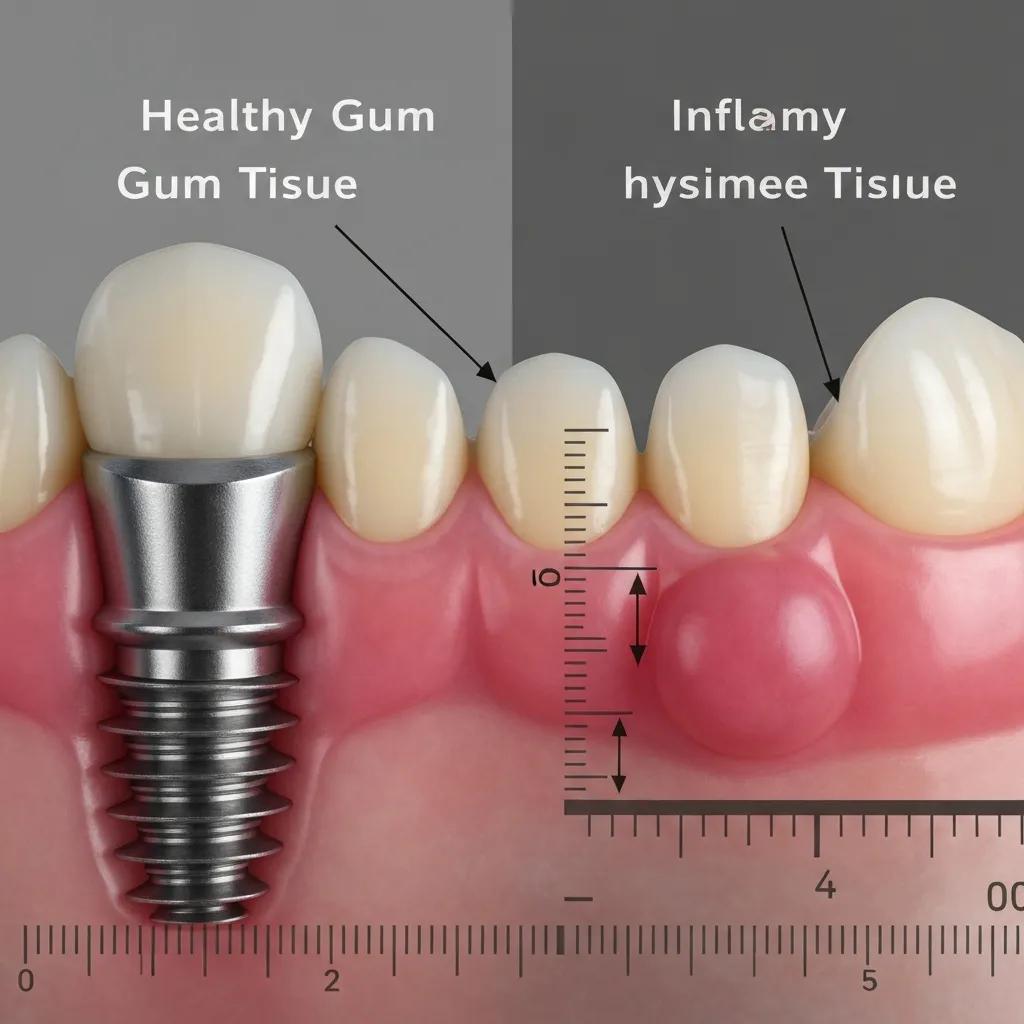
Infection around an implant most commonly results from oral bacteria colonizing the surgical site or from inadequate postoperative hygiene, and it can present as redness, swelling, drainage, or increasing pain. The biological mechanism begins with bacterial biofilm formation on the implant surface, progressing to soft tissue inflammation and, in advanced cases, bone loss around the implant fixture. Prevention centers on reducing bacterial load before surgery, maintaining strict sterile technique intraoperatively, and following a clear post-op hygiene plan that includes gentle cleansing and prescribed antimicrobial rinses when indicated. Early intervention—professional cleaning, local debridement, and antibiotics guided by clinical evaluation—often halts progression and preserves osseointegration. Patients who understand these steps can reduce their personal infection risk and recognize when prompt clinical assessment is necessary.
How Can Nerve Damage Occur During Dental Implant Surgery?
Nerve injury during implant placement is typically associated with implants placed too close to the inferior alveolar nerve in the lower jaw or the mental nerve near incisor and premolar roots, producing numbness, tingling, or altered sensation. The mechanism involves direct trauma during drilling or compression from an implant that breaches safe distance from the neurovascular bundle; symptoms may be transient neuropraxia or, rarely, more persistent neurapraxia requiring prompt evaluation. Clinicians reduce this risk by using three-dimensional imaging such as CBCT to map nerve location, planning implant length and angulation conservatively, and using depth-limiting guides during surgery. If sensory disturbance occurs, early reassessment, possible implant modification or removal, and referral to specialists expedite recovery and improve outcomes. Awareness of nerve anatomy and modern imaging are key preventive tools.
Dental Implant Complications: Surgical Risks and Management
Surgical complications begin with the decision of whether to save the tooth or place an implant. This decision is based on factors such as the condition of the tooth, the patient’s overall health, and the availability of bone. If an implant is chosen, the surgical procedure itself carries risks, including infection, bleeding, nerve damage, and sinus perforation. Proper planning, including the use of imaging techniques such as CT scans, can help to minimize these risks. Post-operative complications can include implant failure, infection, and pain.
Dental implant complications: etiology, prevention, and treatment, SJ Froum, 2015
What Sinus Problems Can Arise With Upper Jaw Implants?
Upper posterior implants can encroach on the maxillary sinus when bone height is insufficient, causing sinus membrane perforation, sinusitis, or chronic oroantral communication if not managed. The relationship is anatomical: the maxillary sinus floor often sits close to the roots of molars and premolars, so implant planning must evaluate residual bone and sinus anatomy before placement. When bone height is inadequate, a sinus lift (augmentation) or bone graft provides stable vertical height for safe implant anchorage and greatly reduces the chance of sinus complications. If sinus perforation occurs, management ranges from conservative monitoring to surgical repair and antibiotic therapy depending on the size and symptoms. Preoperative imaging and staged reconstruction are the most reliable ways to avoid these complications and support predictable implant success.
How Painful Is the Dental Implant Procedure and How Can Pain Be Managed?
Most patients experience mild to moderate discomfort after implant surgery, with pain typically peaking within the first 24–48 hours and subsiding substantially over the subsequent week as the initial inflammatory response resolves. Pain arises from tissue trauma and the inflammatory cascade, not from the implant material itself, and most cases respond well to multimodal analgesia and local measures. Setting expectations with a clear timeline and prescribing a stepwise pain-control plan reduces anxiety and improves adherence to postoperative instructions. Below is an EAV-style timeline table that outlines expected pain intensity across phases and recommended management approaches so patients can prepare and communicate with their care team.
This table clarifies expected pain phases after implant surgery and common management approaches.
Short-term analgesics PRN, monitor for persistent pain or infection
What Is the Typical Pain Level After Dental Implant Surgery?
Typical postoperative pain after implants is described as mild to moderate—similar to a tooth extraction—with most discomfort resolving within a week and soreness diminishing each day. The intensity is influenced by surgical complexity: single-tooth implants without bone grafting usually cause less pain than implant-supported dentures or procedures involving bone grafts or sinus lifts. Factors such as individual pain threshold, systemic health, and smoking status also modify the experience; patients with higher anxiety may perceive pain more intensely. Severe, worsening, or persistent pain beyond the expected timeline can indicate complications such as infection or nerve involvement and should prompt immediate evaluation. Clear expectations and early follow-up reduce both pain-related worry and unnecessary emergency visits.
Which Pain Relief Methods Are Effective Post-Implant?
Effective pain control after implants blends pharmacologic and non-pharmacologic tactics—regularly scheduled nonsteroidal anti-inflammatory drugs (NSAIDs) or acetaminophen when appropriate, short courses of prescription analgesics for more complex cases, ice packs for the first 24–48 hours, and a soft diet to minimize mechanical irritation. Local measures such as cold application reduce swelling and pain by vasoconstriction, while elevation and adequate rest support healing. Multi-modal strategies reduce opioid needs and enhance patient comfort; clinicians tailor prescriptions to the procedure’s scope and patient medical history. Patients who understand and apply these methods typically experience predictable recovery and can transition to normal activities as pain subsides.
What Are the Signs and Symptoms of Dental Implant Infection and Failure?
Early identification of infection or failure is vital to salvage an implant and prevent broader oral health consequences. Infection often presents with localized redness, swelling, warmth, persistent or increasing pain, purulent discharge, and occasionally fever; implant failure may show persistent mobility, continued pain, radiographic bone loss, or changes in occlusion. Differentiating normal healing discomfort from red-flag symptoms depends on timing and severity: worsening signs after the first few postoperative days or new drainage months after placement warrant urgent clinical assessment. The EAV-style table below outlines common signs, likely timing (early vs late), and immediate actions patients should take to facilitate timely intervention by their clinician.
Peri-implantitis: Causes, Prevention, and Treatment of Implant Inflammation
Peri-implant inflammations represent serious diseases after dental implant treatment, which affect both the surrounding hard and soft tissue. Due to prevalence rates up to 56%, peri-implantitis can lead to the loss of the implant without multilateral prevention and therapy concepts. Specific continuous check-ups with evaluation and elimination of risk factors (e.g. smoking, systemic diseases and periodontitis) are effective precautions. In addition to aspects of osseointegration, type and structure of the implant surface are of importance. For the treatment of peri-implant disease various conservative and surgical approaches are available. Mucositis and moderate forms of peri-implantitis can obviously be treated effectively using conservative methods. These include the utilization of different manual ablations, laser-supported systems as well as photodynamic therapy, which may be extended by local or systemic antibiotics. It is possible to regain osseointegration. In cases with advanced peri-implantitis surgical therapies are more effective than conservative approaches. Depending on the configuration of the defects, resective surgery can be carried out for elimination of peri-implant lesions, whereas regenerative therapies may be applicable for defect filling. The cumulative interceptive supportive therapy (CIST) protocol serves as guidance for the treatment of the peri-implantitis. The aim of this review is to provide an overview about current data and to give advices regarding diagnosis, prevention and treatment of peri-implant disease for practitioners.
Definition, etiology, prevention and treatment of peri-implantitis–a review, O Jung, 2014
This table summarizes warning signs of infection or implant failure and recommended patient actions.
Sign / Symptom
Typical Timing
Immediate Patient Action
Redness, swelling, discharge
Early (days–weeks)
Contact clinic for evaluation; avoid irritating the area
Persistent mobility of implant
Weeks–months
Seek radiographic assessment and clinical review
Increasing or severe pain
Any time
Urgent clinical visit to rule out infection or nerve issues
Bone loss on x-ray
Months
Specialist assessment for peri-implantitis and treatment plan
How to Recognize Early Signs of Implant Infection and Inflammation?
Early implant infection typically presents within days to weeks and includes localized swelling, redness, soreness that worsens rather than improving, and sometimes drainage or a foul taste. Systemic signs such as low-grade fever are less common but signal a more extensive infection. Patients can perform simple self-checks—monitoring for progressive swelling, increasing pain despite analgesics, and any discharge—and should avoid manipulating the site to prevent spreading bacteria. Prompt contact with the dental clinic enables professional cleaning, culture when needed, and timely antibiotic therapy guided by clinical judgment. Early recognition often allows conservative measures that preserve the implant and restore healthy healing.
What Are the Warning Signs of Dental Implant Failure?
Warning signs of implant failure include persistent mobility of the implant or abutment, ongoing or escalating pain beyond normal healing, increasing gum recession around the implant, and imaging evidence of progressive bone loss. Normal osseointegration produces a firm, immobile implant by the end of the initial healing interval; mobility or shifting indicates compromised stability and requires radiographic evaluation and possibly implant removal. Patients should note changes in bite, new or persistent drainage, and any symptom that fails to follow the expected improvement curve. Early imaging and clinical assessment allow the care team to differentiate manageable inflammation from structural failure and to propose corrective strategies.
How Do Smoking and Bone Density Affect Implant Success?
Smoking reduces blood flow and impairs immune function, increasing infection risk and interfering with bone healing; consequently, smokers experience higher rates of implant failure compared with nonsmokers. Low bone density or insufficient alveolar bone volume limits initial stability and the biological environment required for osseointegration, making adjunctive bone grafting or staged surgery necessary in many cases. Clinical mitigation includes encouraging smoking cessation before surgery, using bone grafts or sinus lifts to augment deficient sites, and selecting implant timing and loading protocols that respect bone quality. Optimizing these patient-related factors before surgery significantly improves long-term implant survival and reduces complication rates.
What to Expect During the Dental Implant Procedure: Step-by-Step Guide
A predictable implant journey includes an initial consultation and imaging, careful surgical placement, a healing phase during which osseointegration occurs, and final restoration with an abutment and prosthetic crown or denture. Each step is diagnostic and purposeful: the consult defines goals and medical suitability, imaging maps anatomy and bone, surgery places the fixture with minimal trauma, and follow-up ensures stable integration before loading the implant with a restoration. Understanding this sequence reduces anxiety and helps patients plan logistics, recovery time, and oral hygiene responsibilities. The next paragraphs break down each phase so patients know what to bring to the consult, what happens on surgery day, and why osseointegration is the biologic foundation of implant success.
What Happens During the Initial Consultation and Planning?
The initial consultation combines medical and dental history review, an oral exam, and diagnostic imaging—often including CBCT when indicated—to evaluate bone volume, nerve and sinus anatomy, and prosthetic needs. This visit is where treatment goals are discussed, options (single-tooth, implant-supported denture, or full-arch solutions) are weighed, and timelines and cost estimates are explored; it is also the time to disclose lifestyle factors like smoking or medications that influence planning. Patients should bring a list of medications, any relevant medical records, and questions about recovery and financing to make the visit efficient and informative. A clear treatment plan and informed consent emerge from this dialogue, and a Free Dental Implant Consultation or Free Implants Consultation can be used to obtain a personalized assessment without initial cost.
How Is the Surgical Placement and Healing Process Managed?
On surgery day the clinician follows a sterile protocol, administers appropriate anesthesia or comfort measures, places the implant into prepared bone, and sutures soft tissues to support healing; immediate postoperative instructions emphasize cold application, a soft diet, and gentle oral hygiene. Depending on the case, temporary restorations or healing abutments may be placed, and the care team schedules follow-up visits to monitor soft-tissue healing and early osseointegration. Proactive measures—such as prescribing antimicrobial rinses or short antibiotic courses when clinically indicated—help prevent infection, while staged imaging checks integration progress. Patients who adhere to postoperative instructions and attend scheduled reviews dramatically increase the chances of smooth integration and timely restoration.
What Is Osseointegration and Why Is It Important?
Osseointegration is the physiological process whereby bone forms a direct structural and functional connection to the implant surface, creating the stable foundation required to support chewing forces and prosthetic restorations. This biologic bonding typically occurs over several weeks to months as osteoblasts deposit new bone at the implant interface; the time required depends on bone quality, surgical stability, and patient health factors. Successful osseointegration converts the implant fixture into a load-bearing component indistinguishable from a natural tooth root in function, which is why clinicians often delay final crown placement until integration is adequate. Optimizing bone health, avoiding early overload, and maintaining infection-free conditions are all critical to achieving durable osseointegration.
How Can Patients Prevent Dental Implant Complications and Ensure Long-Term Success?
Long-term implant success depends on daily oral hygiene, scheduled professional maintenance, and lifestyle choices that support bone and soft-tissue health. Preventive care centers on eliminating bacterial biofilm around the implant through effective brushing, daily interdental cleaning with tools designed for implants, and routine antimicrobial rinses when recommended; professional monitoring includes periodic probing, radiographs, and occlusal checks. Lifestyle modifications—most importantly smoking cessation and attention to systemic bone health—reduce complications and support osseointegration longevity. The checklist and maintenance schedule below provide practical steps patients can follow to protect their investment and preserve oral health for decades.
Use this checklist to maintain implant health at home and during professional visits.
Daily cleaning: Brush twice daily with a low-abrasion brush and clean between teeth and implants once daily.
Interdental care: Use interdental brushes or floss designed for implants to remove biofilm around abutments.
Regular professional care: Keep scheduled maintenance visits for probing, professional cleanings, and periodic x-rays.
Adhering to these routines and the professional schedule summarized next helps detect problems early and supports long-term implant stability.
What Oral Hygiene Practices Support Implant Health?
Optimal implant hygiene mirrors natural-tooth care but emphasizes interdental cleaning and avoiding abrasive techniques that can roughen implant surfaces. Recommended daily practice includes gentle twice-daily brushing with a soft brush, nightly interdental cleaning using an appropriate-sized interdental brush or implant floss, and using an antimicrobial mouth rinse when advised by the clinician. Patients should avoid hard abrasives and adopt techniques that clean under prosthetic margins without dislodging temporary components. Regular professional maintenance with specialized instruments preserves peri-implant soft tissues and allows the clinician to remove calculus and assess tissue response. Effective home care prevents peri-implant mucositis and reduces the risk of progression to peri-implantitis.
How Often Should Follow-Up Visits and Maintenance Occur?
Typical follow-up after implant placement begins with early postoperative checks within the first week, additional reviews at 2–4 weeks, then at intervals during the first year to monitor osseointegration before final restoration. Once restored, long-term maintenance commonly occurs every 6–12 months with professional assessment, probing, and radiographic checks tailored to individual risk factors. High-risk patients—smokers, individuals with systemic bone issues, or those with previous periodontal disease—may require more frequent visits for surveillance and prophylaxis. Proactive scheduling and adherence to maintenance visits allow early detection of peri-implant disease and timely intervention that preserves implant function.
How Affordable Are Dental Implants in Dallas and What Free Consultations Are Available?
Cost for dental implants varies with treatment complexity—single-tooth implants typically cost less than multi-implant restorations or implant-supported dentures because of differences in surgical time, number of fixtures, and materials used. Major price drivers include the number of implants, need for bone grafting or sinus lift, type of final restoration, and diagnostic imaging such as CBCT. Transparent cost estimates require individualized assessment; Affordable Dentist Near Me of Dallas emphasizes accessibility through Everyday Low Fees and promotional offers including Free Dental Consultation and Free Implants Consultation to provide no-cost initial planning so patients can receive accurate pricing tailored to their needs. The table below outlines typical service categories, indicative local cost ranges, and available free or promotional offers to guide budget conversations.
This cost overview shows typical services, approximate cost ranges in Dallas, and available financing or free offers.
Free Implants Consultation; financing discussed at consult
Bone graft / sinus lift
Additional cost depending on extent
Cost estimate provided during Free Consultation
What Are the Typical Costs and Financing Options for Dental Implants?
Costs reflect components—implant fixture, abutment, prosthetic crown, and any adjunctive procedures such as bone grafts or sinus lifts—so an accurate estimate depends on the number of missing teeth and necessary preparatory care. Many patients benefit from financing plans or staged treatment to spread costs; insurance may cover parts of the restorative phase depending on policy. Discussing price transparently during a Free Dental Consultation or Free Implants Consultation provides individualized quotes, clarifies what is included in Everyday Low Fees, and helps patients compare staged vs. single-stage approaches. A no-cost consult is the low-risk first step to understand your specific investment and available financing without obligation.
How Can Patients Schedule a Free Dental Implant Consultation in Dallas?
To schedule a Free Dental Consultation or Free Implants Consultation, patients should contact Affordable Dentist Near Me of Dallas and request the no-cost implant assessment that includes an exam and discussion of diagnostic needs and treatment options. During this free consult patients can expect a focused evaluation of oral health, review of imaging needs (such as CBCT if indicated), a discussion of expected timelines, and an outline of financing and promotional offers like Everyday Low Fees and complimentary whitening promotions that may accompany treatment planning. Choosing a free consult helps patients gather information, compare options, and make an informed decision before committing to treatment.
How Does Affordable Dentist Near Me of Dallas Address Patient Anxiety and Concerns?
Patient anxiety around implants is common and often centers on fear of pain, uncertainty about outcomes, and concerns about costs; the clinic addresses these by prioritizing clear communication, patient education, and comfort-focused protocols. Staff take time during the Free Dental Consultation and Free Implants Consultation to explain each phase, show timelines and visuals when helpful, and outline pain management and follow-up care so expectations are realistic and shared. Affordable Dentist Near Me of Dallas further reduces barriers by promoting Everyday Low Fees and patient-friendly offers such as Free Whitening Pen and Free Laser Whitening with qualifying visits; these practical incentives and transparent processes work together to lower emotional and financial friction for patients contemplating implant care. The next subsections describe comfort measures and communication practices that support anxious patients through the implant journey.
What Sedation and Comfort Options Are Offered During Dental Implant Procedures?
To help patients remain comfortable during implant procedures, the clinic offers individualized comfort protocols that may include local anesthesia, adjunctive calming measures, and discussion of sedation options during the Free Consultation to determine the safest and most appropriate approach. Sedation selection is based on the patient’s anxiety level, medical history, and the complexity of the procedure, ensuring safety and effective pain control while preserving communication when needed. Patients are encouraged to discuss any prior experiences with dental treatment and express preferences during the no-cost consult so the care team can plan analgesia and comfort strategies. Clear preoperative planning and postoperative pain control plans reduce anxiety and contribute to a smoother recovery.
How Does Clear Communication Help Reduce Dental Implant Anxiety?
Clear, stepwise communication—using visuals, timelines, and plain-language explanations—reduces fear by transforming uncertainty into a predictable plan that patients can follow and ask about. When clinicians explain what to expect during consultation, surgery, healing, and restoration, patients gain agency and are better able to adhere to postoperative instructions that protect their implant. Offering a Free Dental Consultation or Free Implants Consultation as a preliminary, no-cost conversation creates a low-pressure environment for questions and informed decision-making. These communication strategies build trust, reduce anxiety, and improve overall satisfaction with care from the first visit through long-term maintenance.
Key concerns to discuss at a free consult: pain management preferences, imaging needs, timelines, and financial options.
What communication produces: realistic expectations, improved adherence to aftercare, and quicker recognition of warning signs.
How the clinic supports this: scheduled free consults, patient education materials, and personalized care planning with Dr. Mike Pham.
These points show how transparent communication and low-barrier consultations help patients feel informed and supported.
Free Dental Consultation: No-cost initial clinical assessment to review options and imaging needs.
Free Implants Consultation: Focused implant planning visit that outlines surgical steps and cost estimates.
Everyday Low Fees and promotional offers: Financial transparency and incentives to reduce cost barriers.
These offers and communication practices lower both financial and emotional obstacles to care, making implant treatment more accessible and understandable.