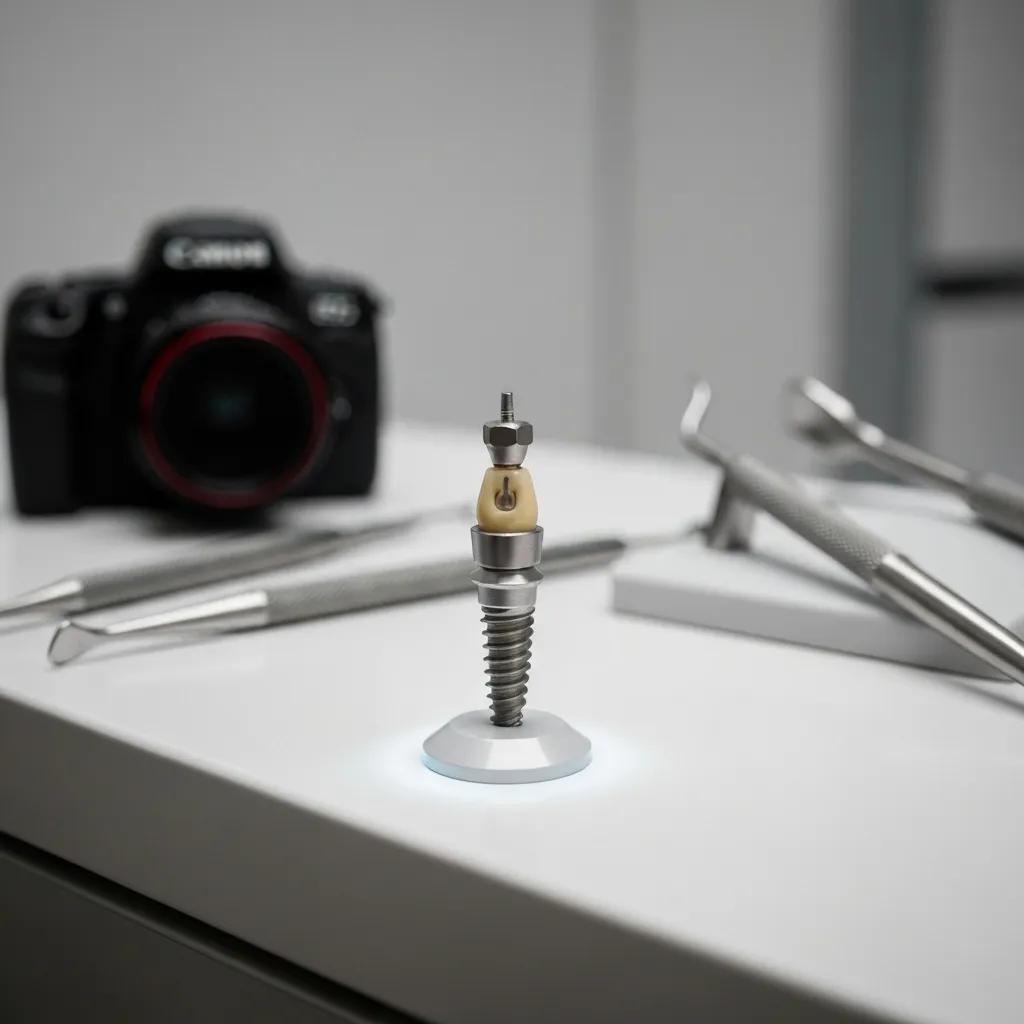
Are Dental Implants in Longview Trustworthy? Find Out Here!
The Truth About Implant Reviews: Are Some Dental Implant Brands More Trustworthy in 2025?
Dental implant reviews can be noisy and confusing, but they reveal real signals when you know what to look for and how to separate brand-level performance from clinic-level care. This article explains why dental implant brands matter for outcomes, how materials and surface technologies influence osseointegration, and how to interpret Longview dental implant reviews so you can make an an informed choice. Recent research and clinical benchmarks show consistent success-rate ranges across reputable systems, yet differences in materials, surface treatments, and clinician workflows produce meaningful trade-offs for specific patients. Readers will learn practical decoding strategies for online reviews, evidence-based comparisons of major implant brands and surface technologies, and the exact questions to bring to a Longview consultation. The piece maps clinical evidence to patient concerns, outlines success-rate expectations, and points readers to local review sources and transparent pricing practices in Longview. Throughout, the focus stays on helping patients aged 40–60 and beyond weigh brand trustworthiness alongside clinician expertise and long-term maintenance.
Why Do Dental Implant Brands Matter for Your Smile?
Dental implant brands matter because they bundle specific materials, manufacturing controls, surface technologies, and clinical evidence that together influence osseointegration, prosthetic compatibility, and long-term performance. A brand’s material choice—titanium or zirconia—affects biocompatibility and aesthetics, while surface technologies influence initial bone contact and healing speed. These technical elements translate into clinical outcomes such as primary stability, ability to load a restoration early, and predictable long-term survival that matter to patients seeking durable, natural-looking results. Evaluating brands also involves examining peer-reviewed studies, real-world usage across clinics, and the availability of prosthetic components and technician support. Understanding these components helps patients interpret reviews and choose a system that aligns with their anatomy, expectations, and restorative plan.
What Makes Some Dental Implant Brands More Reliable Than Others?
Reliability stems from a combination of rigorous R&D, consistent manufacturing controls, and a documented clinical track record supported by independent studies and real-world outcomes. Brands that invest in controlled surface treatments and provide robust clinician training tend to produce more predictable osseointegration and fewer early failures. Manufacturing traceability, precision of implant-abutment connections, and availability of restorative components reduce prosthetic complications and simplify repairs if needed. Peer-reviewed evidence and large multicenter studies provide the highest-confidence signals, whereas manufacturer-supplied survival data should be corroborated with independent research. Considering these factors together — clinical evidence, manufacturing quality, and clinician support — gives a practical framework for prioritizing trustworthy implant systems when reading reviews or planning treatment.
Dental Implant Surface Roughness and Osseointegration
Surface roughness of dental implant and osseointegration, 2021
The scientific literature consistently highlights how surface characteristics play a crucial role in the initial stages of bone integration. These characteristics can significantly influence how quickly and effectively the implant fuses with the jawbone.
Dental Implant Surface Enhancement for Osseointegration
dental implants have been developed with high hydrophilic and rough implant surfaces which exhibit better osseointegration
Dental implant surface enhancement and osseointegration, H Alghamdi, 2011
Which Top Dental Implant Brands Do We Trust in Longview?
Clinics in Longview typically select implant systems based on documented performance, prosthetic flexibility, and clinician familiarity, favoring manufacturers with broad clinical use and long-term data. Trusted global manufacturers commonly referenced in contemporary literature include Straumann, Nobel Biocare, and Dentsply Sirona (now operating under the brand name Envista Holdings Corporation); these companies offer established platforms with multiple surface technologies and proven prosthetic workflows. Clinic preference often reflects training opportunities and parts availability, which improves predictable restorative outcomes and reduces delays in complex cases. When assessing brand mentions in reviews, Longview patients should look for consistent, clinically relevant language rather than marketing claims. The next section provides a compact brand-attribute comparison to help compare core features across leading options and to clarify why those features matter clinically.
Different brands emphasize particular combinations of materials, surface tech, and clinical positioning that influence use cases and trust levels.
This side-by-side view highlights how material and surface choices map to clinical scenarios and typical performance; comparing these attributes helps patients interpret review language and surgical recommendations.
How Can You Decode Dental Implant Reviews for Better Decisions?
Decoding implant reviews requires focusing on clinical details—healing, function, and follow-up—rather than star averages, because meaningful signals appear in specific descriptions of outcomes and complications. Look for terms describing pain control, healing timelines, restoration fit, chewing ability, and whether complications were resolved transparently by the clinic. Reviews that reference timing (for example, failures within weeks versus years) provide clues about surgical versus prosthetic issues. Cross-check consistency across multiple platforms and watch for repeated, detailed issues connected to the same implant timeline or clinician; those patterns are more informative than isolated one-line praises. Learning how to parse this language empowers Longview patients to separate brand performance insights from clinic service impressions and sets the stage for more productive consultations.
Look for specific healing narratives: details about pain control, swelling duration, and timeline to restoration.
Prioritize functional descriptions: mentions of biting, chewing, and speech improvements indicate true restorative success.
Notice follow-up and complication handling: reviews that describe how clinics addressed problems show transparency and support.
Check for consistency across platforms: repeated themes on multiple sites strengthen the signal about brand or clinic performance.
These checklist items help readers focus on review content that matters; next we turn to how Longview patients can find and interpret local testimonials effectively.
What Should You Look for Beyond Star Ratings in Implant Reviews?
Beyond aggregate stars, give weight to reviews that report objective milestones such as implant integration time, timing of final crown placement, and long-term function. Phrases like “healed in X weeks,” “able to chew normally,” or “implant replaced under warranty” reveal substantive outcomes. Be cautious with overly generic praise that lacks clinical detail and be wary of reviews that only comment on nonclinical aspects such as office décor. When multiple reviewers mention the same implant timeline or prosthetic issue, that pattern can reflect a device- or technique-related trend rather than an isolated service experience. Evaluating these elements together improves judgment about whether complaints point to brand-level reliability problems or to clinic-specific execution.
Assessing Evidence for Dental Implant Surface Claims
The claims in some dental implant marketing brochures may lack strong supporting evidence. The objective of this review was to examine peer-reviewed literature to assess
Assessing the evidence supporting the claims of select dental implant surfaces: a systematic review, N Bhatavadekar, 2008
It is important to critically evaluate marketing claims, as they may not always be backed by robust scientific evidence. A thorough review of peer-reviewed literature is essential to validate such assertions.
What Do Longview Patients Say About Their Dental Implant Experiences?
Local reviews for implant care in Longview often emphasize affordability, staff interactions, and comfort, which reflect patient priorities when selecting a clinic for dental restorations. Many patients comment on payment plan availability and the ease of scheduling follow-up visits, which are important practical signals related to long-term maintenance and access to parts. When interpreting local testimonials, distinguish comments about office experience from technical outcomes; comments that describe long-term function and natural appearance are the most relevant to brand trustworthiness. Use local review platforms to identify repeated praise or concerns about healing, prosthetic fit, and warranty support, since those recurring themes provide insight into both clinic reliability and the types of implant systems they favor locally.
What Are the Success Rates and Longevity of Dental Implants by Brand?
Dental implants from leading manufacturers commonly report high success rates, with contemporary literature often citing survival exceeding 95% at 10 years for well-documented systems. Success rates depend on study design, patient selection, and follow-up duration, so brand-to-brand comparisons must account for methodological differences such as retrospective vs. prospective data and independent vs. manufacturer-funded studies. Longevity is influenced by implant material, surface treatment, prosthetic design, and clinician technique, not brand alone; therefore, aggregated benchmarks are most useful for patient expectations. Presenting success-rate data in a compact EAV-style format helps readers scan comparative performance while noting the importance of corroborating manufacturer claims with independent research. This perspective allows patients to frame review language against established longevity expectations and clinical caveats.
How published data maps to brand-level performance and reported longevity is useful when reading reviews or weighing options during consultations.
Implant System / Type
Published Success Rate
5–10 Year Longevity Data
Noted Study Notes
Straumann implants
~95%+ (multiple cohorts)
10+ years common in studies
Several independent and manufacturer-sponsored reports
Nobel Biocare systems
~94–96% in varied cohorts
8–12 years reported
Data includes full-arch and single-tooth analyses
Dentsply Sirona (Envista) platforms
~93–96% across studies
5–10+ years typical
Evidence varies by surface and clinical protocol
This table summarizes typical ranges and study contexts; patients should interpret numbers with attention to follow-up length and study design, since small methodological differences can shift reported percentages.
How Do Success Rates Vary Among Leading Dental Implant Brands?
Reported variations among leading brands are often modest and fall within similar high-success bands; statistical differences usually arise from cohort selection, prosthetic complexity, or immediate loading protocols rather than inherent material failures. For example, full-arch reconstructions and medically complex patients naturally show different survival curves than healthy single-tooth cases, which explains some brand-to-brand variability in published series. Independent, peer-reviewed trials and meta-analyses provide the most reliable cross-brand comparisons, while manufacturer data should be cross-checked. Interpreting success-rate differences requires assessing whether studies account for smoking status, diabetes control, and bone quality, factors that heavily influence outcomes independent of brand. Understanding these nuances helps patients put review-based claims into proper context when comparing implant systems.
What Factors Influence the Lifespan of Your Dental Implant Beyond Brand?
Lifespan depends heavily on patient health and behavior, including oral hygiene, smoking status, and systemic conditions like uncontrolled diabetes, all of which modify osseointegration and peri-implant tissue health. Surgical factors such as bone quality, implant positioning, and the surgeon’s technique influence primary stability and long-term mechanical success, while prosthetic design (abutment fit, crown occlusion) affects functional wear and risk of complications. Regular professional maintenance, appropriate imaging follow-up, and prompt management of peri-implant inflammation are essential to extend longevity. Prioritizing these modifiable elements in consultations can often have a larger impact on implant survival than brand selection alone, so ask about maintenance protocols and follow-up when evaluating reviews and clinic claims.
How Can You Make an Informed Choice About Dental Implant Brands in Longview?
Making an informed choice combines evidence about materials and surface technologies with local clinic capabilities, transparent pricing, and accessible follow-up care. Start by identifying the clinical goals—single-tooth esthetic outcome, full-arch support, or immediate-load restoration—and match those goals to systems with appropriate surface technology and prosthetic options. Next, evaluate clinic-level experience, documented workflows, and how they handle complications and parts availability. Request itemized treatment plans that outline surgery, abutment, crown, imaging, and follow-up care so you can compare true cost and warranty coverage. Finally, use local reviews and peer-reviewed literature to triangulate claims about a brand’s performance, and be prepared to ask specific questions during your Longview consultation to verify compatibility with your clinical needs.
What Questions Should You Ask Your Dentist About Implant Brands?
Which specific implant brand and model do you plan to use for my case and why?
What published success rates or studies support that system for my clinical situation?
How many procedures have you performed with this system, and can you show case examples?
What components and parts are guaranteed to be available if a restoration needs repair years from now?
What is your protocol for managing early implant complications or graft failure?
How are costs itemized between surgery, abutment, crown, and follow-up care?
These questions create a factual basis for comparing clinics and brands; insist on written answers so you can review them and use them when comparing financing and second opinions.
At this point, readers in Longview often want local next steps including scheduling and financing clarity; clinics that provide transparent, itemized estimates and clear payment plan options make it easier to compare true value and long-term support.
How Transparent Are Pricing and Financing Options for Dental Implants in Longview?
Transparent pricing separates the surgical fee, implant components, prosthetic work, imaging, and follow-up visits so patients can compare quotes meaningfully across clinics. Typical cost components include the surgical procedure, implant fixture, abutment, final crown or prosthesis, imaging and lab fees, and anesthesia when needed; each element affects total price and warranty terms. Ask clinics for itemized written estimates and clear descriptions of payment plans or financing—this ensures you can compare monthly costs and out-of-pocket totals rather than headline prices alone. Clinics in Longview that emphasize affordability and payment plans improve access to care and maintenance, which is crucial for long-term outcomes. Requesting an itemized plan and written warranty language empowers patients to judge value and the clinic’s commitment to follow-up.
Which Materials and Technologies Impact Dental Implant Trustworthiness?
Materials and surface technologies directly affect biocompatibility, osseointegration rate, and long-term aesthetics, making them core factors in brand trustworthiness. Titanium alloys have a long evidence base showing excellent mechanical strength and reliable osseointegration, while zirconia offers an esthetic, metal-free alternative with potential soft-tissue advantages but a more limited long-term dataset in some indications. Surface treatments such as SLActive and TiUnite modify the implant surface to increase bone-implant contact and speed healing, which can be advantageous for immediate loading protocols. Understanding these trade-offs and how they map to your clinical needs—esthetic zone versus posterior strength, immediate loading versus staged healing—helps decode reviews and clinician recommendations. The following table compares core material/technology trade-offs to clarify decision-making.
Below is a concise comparison of materials and technologies and their typical pros and cons for patient decisions.
Material / Technology
Pros
Cons
Titanium (commercial alloys)
Long evidence base, high strength, wide component availability
Metal visibility possible in thin gingiva; rare allergies
Less long-term data for some indications, potential fracture risk in narrow diameters
SLActive surface
Accelerates osseointegration and early healing
Manufacturer-specific protocols required for best results
TiUnite surface
Improves bone contact and stability in many studies
Surface performance varies with surgical protocol and loading timing
This comparison clarifies how material choice and surface treatment map to clinical priorities; selecting a system should align with anatomical and restorative goals rather than brand name alone.
What Are the Pros and Cons of Titanium vs. Zirconia Implants?
Titanium implants provide a robust, well-documented foundation for most clinical scenarios due to their mechanical strength, long-term survival data, and widely available prosthetic components. Titanium’s extensive clinical history means many implantologists are familiar with surgical nuances and restorative workflows, which contributes to predictable outcomes. Zirconia offers esthetic benefits—especially in thin gingival biotypes—and appeals to patients seeking a metal-free option with good soft-tissue integration. However, zirconia systems have comparatively fewer long-term, large-cohort studies for some complex reconstructions, and certain designs may carry higher fracture risk in narrow-diameter or high-load situations. Weighing these pros and cons depends on esthetic priorities, occlusal loads, and the clinician’s experience with the chosen material.
How Do Surface Technologies Like SLActive and TiUnite Affect Implant Success?
Surface technologies aim to enhance the bone-implant interface by increasing surface roughness, wettability, or chemical reactivity to improve early bone contact and accelerate osseointegration. SLActive and TiUnite are examples of proprietary treatments shown in multiple studies to reduce healing times and support protocols that load implants earlier than traditional surfaces. Faster osseointegration can translate to shorter treatment timelines and earlier function, but it requires adherence to specific surgical and restorative protocols to realize benefits. Surface choice matters most in immediate-load cases or when bone quality is compromised; in routine healed sites, many modern surfaces perform similarly when implanted by experienced clinicians. Understanding surface implications helps patients evaluate review claims about rapid healing or early failures.
How Does Dentist Expertise Influence the Trustworthiness of Dental Implant Brands?
Clinician skill, case volume, and specific training with an implant system often outweigh marginal brand differences when it comes to real-world outcomes. An experienced implantologist optimizes implant positioning, selects appropriate diameters and lengths, and coordinates prosthetic design to minimize mechanical overload and biological complications. Training with a brand’s system—understanding its components, torque protocols, and restorative tolerances—reduces technical errors and improves predictability. Verifying credentials, requesting case photos, and asking about the clinician’s complication protocols are practical steps patients can take. The next subsection explains why experience matters and provides a checklist for verifying clinician competence before trusting brand claims in reviews.
Why Is Choosing an Experienced Implantologist Crucial for Implant Success?
Experienced clinicians reduce complication rates by applying refined surgical techniques, selecting appropriate implant dimensions for the patient’s bone anatomy, and coordinating restorative workflows to avoid prosthetic misfit. Case volume and continuing education indicate exposure to a variety of anatomies and problem-solving situations, which improves judgment in complex cases. Documentation such as before-and-after case photos, peer referrals, and documented complication management protocols provides tangible evidence of competence. Choosing a clinician skilled with a particular system ensures that brand-specific advantages—like specialized surface treatments or connections—are applied correctly. This clinician-centric perspective explains why many reviews emphasize the team and technique rather than the implant brand name alone.
How Does Affordable Dentist Near Me of Longview Ensure Quality Implant Care?
Affordable Dentist Near Me of Longview is a local dental practice that provides dental implants and dentures while emphasizing affordability, patient comfort, and a friendly, knowledgeable staff. The clinic’s value proposition includes affordable pricing and payment plan options that help patients access implant care, and a stated focus on durable, natural-appearing long-term solutions for tooth loss. Their local presence in Longview supports easier follow-up and continuity of care, which matters for maintenance and potential component replacement down the line. Patients evaluating clinic reviews and brand choices should consider these practical factors—cost transparency, comfort-focused care, and local support—alongside technical brand attributes when deciding where to receive implant treatment.
What Are the Most Common Patient Concerns About Dental Implant Brands?
Patients commonly worry about safety, regulatory approval, cost, and how long implants will last, and these concerns shape how they interpret online reviews and clinic recommendations. Questions about FDA approval and whether certain brands are “safer” reflect understandable desires for reassurance; however, safety is a function of device quality plus clinician technique and patient factors. Cost concerns drive attention to financing transparency and warranty coverage, since long-term maintenance can affect total lifetime cost. Addressing these worries requires clear explanations of device regulation, realistic longevity expectations, and practical maintenance steps that patients can implement. The following answers translate regulatory and longevity concepts into patient-facing guidance.
Are Some Dental Implant Brands Safer or More FDA-Approved Than Others?
Understanding regulatory language is key: many dental implants are marketed with regulatory clearances or approvals depending on jurisdiction, but safety in everyday practice depends on manufacturing controls, material biocompatibility, and clinical evidence. The FDA and similar agencies evaluate devices through pathways that focus on safety and substantial equivalence for many implant products; however, long-term safety and effectiveness are most clearly demonstrated in independent clinical trials and registry data. Brand-level safety differences are rare among reputable manufacturers; instead, issues typically arise from improper case selection, surgical error, or poor maintenance. Patients should prioritize systems with transparent evidence and ensure their clinician follows recognized protocols and quality control measures.
How Long Can You Expect Your Dental Implant to Last With Proper Care?
With good oral hygiene, regular professional maintenance, and attention to systemic health, dental implants commonly last 10–20 years and often last a lifetime; contemporary studies frequently report survival rates exceeding 95% at 10 years for well-placed implants. Factors that maximize longevity include meticulous plaque control, smoking cessation, management of periodontal disease, and routine recall visits to monitor peri-implant tissues. Prosthetic components like crowns may need repair or replacement over time even when the implant fixture remains stable, so plan for long-term maintenance costs. Establishing a maintenance schedule and following clinician recommendations is essential to convert high initial success rates into durable, lifelong function.
Where Can You Find Trusted Dental Implant Reviews and Brand Comparisons in Longview?
Reliable review sources combine local patient feedback with independent clinical evidence and manufacturer documentation, giving a fuller picture than stars alone. Start with peer-reviewed studies and dental association summaries for brand performance, then triangulate with manufacturer technical documents for component specs. For local context, consult Longview-specific patient reviews and the clinic’s local business profile to assess service, follow-up, and affordability signals. When using local reviews, verify authenticity by checking for consistent details across multiple posts and favor accounts that describe clinical outcomes and follow-through. The next subsections explain how to interpret clinic reviews versus brand signals and list practical resources to compare implant systems effectively.
How Do Patient Reviews Reflect Brand Performance and Clinic Reputation?
Patient reviews often mix impressions of office experience with clinical outcomes, so it’s important to separate commentary about staff and comfort from technical outcomes like healing and function. Clinic-level problems such as scheduling issues, bedside manner, or billing complaints rarely implicate a brand’s implant system, whereas consistent implant-specific complaints across different clinics—like recurrent early failures with the same component—could indicate product issues. Look for reviews that describe the timing of complications, steps taken to resolve them, and whether warranties or part replacements were honored; such details signal a clinic’s reliability and a brand’s support network. Using this lens helps Longview patients interpret mixed reviews and prioritize clinics that demonstrate clear follow-up care for implant complications.
What Resources Help Compare Dental Implant Brands Effectively?
When comparing brands, prioritize authoritative resources that combine clinical evidence and technical specifications rather than relying solely on marketing materials or star ratings. Use peer-reviewed literature databases and dental association summaries to identify independent outcomes and meta-analyses, and consult manufacturer technical documentation for component compatibility and surface descriptions while corroborating claims with independent studies. Local review platforms provide practical insight into patient experience and post-treatment support; verify authenticity by checking for consistent clinical details across multiple reviewers. Searching for recent clinical trials and 2024–2025 updates will surface the most relevant comparisons and help align brand selection with contemporary evidence.
Peer-reviewed journals and dental association statements provide independent outcome data.
Manufacturer technical documents explain materials and surface treatments but should be corroborated.
Local Longview patient reviews show real-world follow-up, affordability experiences, and access to parts.
These combined sources let patients triangulate brand performance and clinic reliability; next, consider how to use this information when preparing for a Longview consultation.
Schedule a consultation with clinics that provide documented case examples and itemized quotes.
Ask for evidence of clinician experience with the proposed implant system.
Request written maintenance plans and warranty terms so you understand long-term responsibilities and costs.
This three-step approach converts review interpretation into actionable choices for selecting both a brand and a clinic locally.