Are Dental Implants the Same as Bridges and Dentures?
Replacing missing teeth is essential for restoring chewing function, speech, and confidence in patients experiencing tooth loss, whether due to decay, injury, or disease. Dental implants, bridges, and dentures represent the three primary approaches to tooth replacement in modern prosthodontics, each with unique materials, procedures, and outcomes. This article examines their key characteristics, compares durability and aesthetic results, evaluates cost differences—including options for dentures in Denton—and explores patient satisfaction to help readers choose an ideal solution for individual needs. Affordable Dentist Near me of Denton provides free consultations for patients. We also provide monthly payment options to patients who need affordable dental care.
Key Takeaways
Implants offer 20+ years of durability and preserve jawbone integrity.
Bridges restore 75–85% chewing force with moderate lifespan.
Dentures cost less upfront but need relining every few years.
Patient satisfaction highest with implants, then bridges, then dentures.
Free consults and payment options help Denton patients choose wisely.
What are the key characteristics of dental implants, bridges, and dentures?
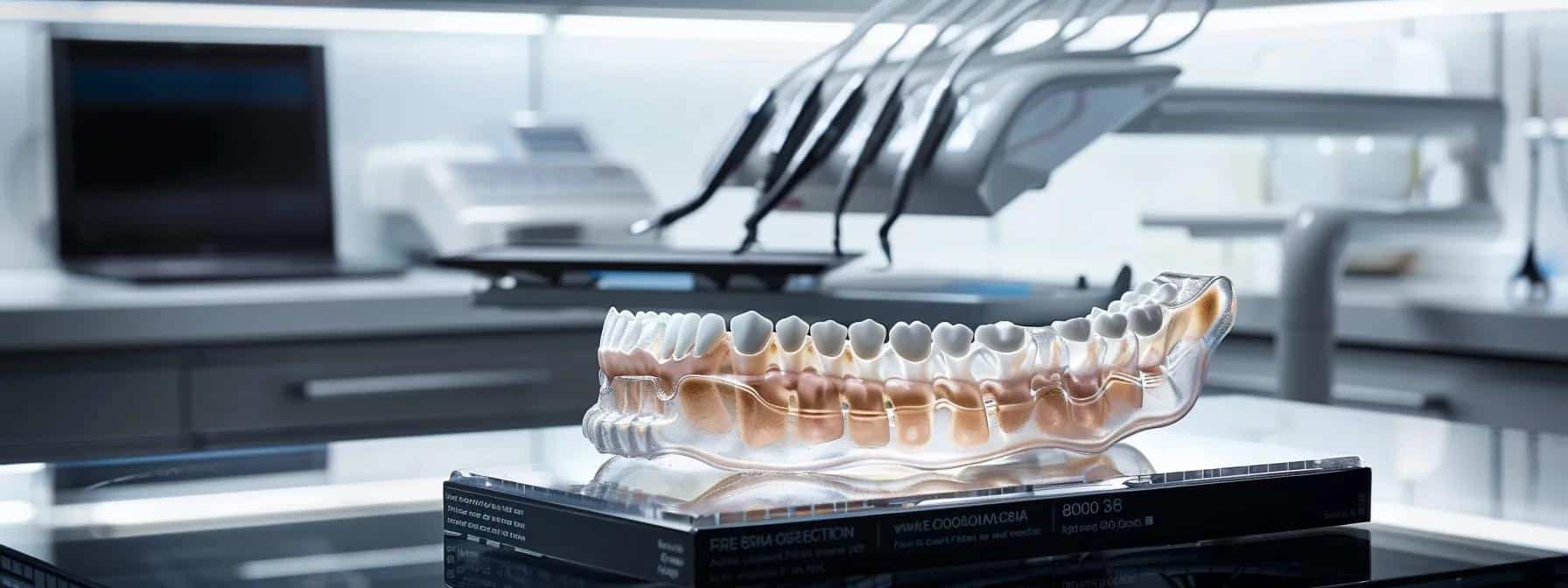
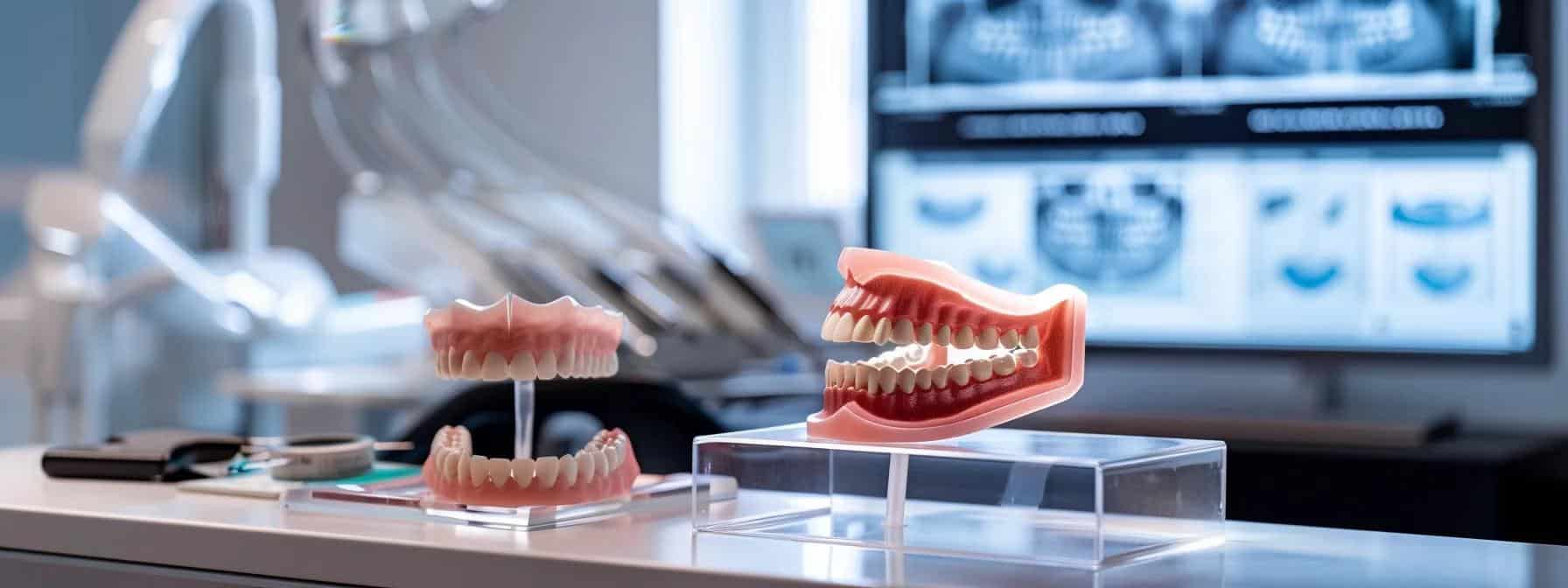
Dental implants, bridges, and dentures differ fundamentally in structure, materials, and attachment methods. Implants consist of a titanium post surgically anchored into the jawbone, topped with a ceramic crown that mimics the shape and color of natural teeth. Bridges use adjacent teeth as supports by placing crowns on healthy abutments and suspending a prosthetic tooth—often porcelain fused to metal—across the gap. Dentures are removable acrylic resin or titanium frameworks that rest on gum tissue, secured by suction or dental adhesive. new-patient-1 can schedule-appointment to discuss the best option for your dental needs.
Each option carries distinct maintenance requirements: implants require routine brushing and flossing around the implant-abutment interface, bridges need careful cleaning under pontics, and dentures call for nightly soaking in a cleanser and regular denture cleaning to prevent mold, calculus, or bacterial buildup. Implant procedures typically involve a multi-stage surgical protocol over 3–6 months, while bridges can be completed in two visits spanning 2–4 weeks and dentures in as few as 4–6 weeks from impression to delivery. These key characteristics set the stage for comparing longevity, function, and cost in subsequent sections.
How do dental implants, bridges, and dentures compare in longevity and durability?
Dental implants generally last 20 years or more, making them the most durable tooth replacement compared to bridges and dentures. Implants integrate with bone through osseointegration, resisting decay and preserving jawbone density, while fixed bridges typically last 10–15 years before requiring replacement due to wear on abutment teeth or ceramic chipping.
Removable dentures average a lifespan of 5–8 years, with acrylic bases prone to warping and acrylic resin teeth wearing down. Regular maintenance, professional relining, and adhesive application can extend denture function but cannot match implant longevity. The durability gap reflects differences in load distribution, material fatigue, and the biological stability of each solution.
Below is a table comparing lifespan and durability metrics for implants, bridges, and dentures:
Replacement Type
Expected Lifespan
Durability Factor
Maintenance Interval
Dental Implants
20+ years
Osseointegrated titanium, high fracture resistance
Biannual hygiene visits
Fixed Bridges
10–15 years
Porcelain-fused-to-metal, relies on abutment tooth health
Annual checkups, daily interdental cleaning
Removable Dentures
5–8 years
Acrylic resin base, prone to wear and plastic fatigue
Relining every 2–3 years, nightly soaking
This comparison highlights that while bridges and dentures meet immediate tooth replacement needs, implants offer superior longevity and bone preservation, reducing long-term maintenance costs and complications.
What functional and aesthetic outcomes can patients expect from each tooth replacement option?
Each restoration impacts chewing efficiency, speech clarity, and smile aesthetics differently based on retention, materials, and support. Implants mimic natural tooth roots, providing nearly 90% of original bite force and preventing bone loss, which maintains cheek and jaw muscle tone for facial aesthetics.
Bridges restore 75–85% of chewing capacity but require shaving adjacent teeth, which can lead to sensitivity in the root and potential gum irritation around abutments. Dentures typically deliver 50–60% of natural bite strength and may slip during chewing or speech, but modern adhesive systems and digital fitting technologies can enhance stability.
Patients often assess aesthetic outcomes through factors such as crown shade, gum contour, and pontic translucency. Below is a list summarizing primary functional and aesthetic considerations for each option:
Bridges – Uniform shape across pontics, risk of abutment tooth darkening, pontic emergence profile may not mimic gum scallop precisely.
Dentures – Custom acrylic or titanium frameworks allow tooth shape customization but require periodic polishing to maintain color and avoid stains.
Overall, implants offer the highest functional and aesthetic fidelity, followed by bridges and then dentures, with each level linked by the concept of chewing capacity and cosmetic integration.
What cost differences exist among implants, bridges, and dentures, and what options for dentures are available in Denton?
Costs vary significantly by procedure complexity, materials, and clinic location, impacting patient budget and insurance coverage. In the United States, a single dental implant with crown averages $3,000–$5,000, while a three-unit fixed bridge costs $2,000–$4,000, and complete dentures range from $700–$1,500 per arch.
In Denton, patients can access economy acrylic dentures at $650 per arch or premium flexible dentures at $1,200 per arch. Affordable Dentist Near me of Denton offers free consultations and monthly payment options to make these treatments financially accessible under various dental insurance plans.
Here is a table detailing average costs and Denton-specific options:
Option
National Cost Range
Denton Option
Payment
Single Implant
$3,000–$5,000
$3,200 with titanium abutment
Monthly plans available
Fixed Bridge (3-unit)
$2,000–$4,000
$2,500 porcelain fused to metal
6-month financing
Complete Denture (Arch)
$700–$1,500
$650 acrylic, $1,200 flexible
Free consult, payment plans
Patients considering budget constraints can compare these figures to select a treatment aligned with long-term clinical value and monthly payment capacity.
How do patient experiences and satisfaction levels vary between implants, bridges, and dentures?
Patient satisfaction correlates strongly with comfort, function, and maintenance ease for each prosthetic. Implant recipients report over 90% satisfaction in chewing ability and aesthetics according to a 2022 study in the Journal of Prosthetic Dentistry.
Bridge patients average 80% satisfaction, noting occasional sensitivity or hygiene challenges around abutment margins, while denture wearers rate satisfaction between 60–70% due to concerns about slipping, sore spots, and need for adhesive. Monthly follow-up adjustments and access to clinic support influence overall experience.
Affordable Dentist Near me of Denton tracks patient-reported outcomes and offers monthly hygiene visits to maximize comfort for all treatments, contributing to higher satisfaction across demographic groups, especially in the 40–60 age range.
How can patients choose the most suitable tooth replacement method for their individual needs?
Selecting an optimal solution involves evaluating bone density, adjacent tooth health, aesthetic priorities, budget, and maintenance willingness. Implants require sufficient bone volume and patient commitment to surgery and hygiene, bridges need healthy abutments and precise oral hygiene, while dentures suit those seeking non-invasive, adjustable options.
Patients should consider lifestyle factors such as nutrition, budget constraints, and dental insurance plans. The American Dental Association recommends free consults with a qualified prosthodontist to review individual anatomy and treatment goals. Affordable Dentist Near me of Denton provides such consults plus tailored payment plans to align treatment choice with patient needs.
How painful is getting a dental implant?
Local sedation and post-op medication keep implant pain minimal, with most patients reporting moderate discomfort only for 2–3 days.
Can I switch from dentures to implants?
Yes. Bone grafting and healing protocols over 4–6 months prepare sites previously wearing dentures for implant placement.
Do bridges damage adjacent teeth?
Minimal enamel removal is required for abutments, but maintaining interdental cleaning prevents caries and sensitivity.
Will insurance cover implants?
Many dental insurance plans cover implants partially; payment options and free consultations clarify out-of-pocket expenses.
How soon can I eat normally after treatment?
Soft foods begin day one post-dentures; bridges allow chewing in 48 hours; implants need 3–4 months before full bite strength.
Comparing implants, bridges, and dentures clarifies their unique benefits in durability, function, and cost.
Implants rank highest in longevity and patient satisfaction but require surgical commitment and higher initial investment.
Bridges and dentures serve as effective alternatives for those with budget or health constraints.
Consulting with Affordable Dentist Near me of Denton ensures personalized guidance and manageable payment plans to restore your smile.