Common Mistakes in Dental Implant Care to Avoid: Causes, Prevention, and Signs of Failure
Dental implant care involves maintaining the health of the implant post, abutment, crown, and surrounding soft tissue to ensure osseointegration remains stable and the restoration lasts. Proper care reduces the risk of peri-implantitis, mechanical complications, and late failure. Current research shows that consistent daily hygiene plus professional maintenance are the strongest predictors of long-term success. This article explains the most frequent dental implant care mistakes, evidence-based prevention steps, and clear warning signs of failing implants so readers can act early. You will learn common errors (from cleaning technique to lifestyle risks), step-by-step home-care routines for implants, and how professionals diagnose and treat early complications. The sections that follow cover: the most common mistakes, prevention of peri-implantitis, key signs of implant failure, best daily aftercare practices, lifestyle impacts, what to expect during professional check-ups, and a summary of common complications to avoid. Throughout, target phrases like dental implant maintenance tips, peri-implantitis prevention, how to clean dental implants, and signs of failing dental implant are integrated to help you find practical, clinically relevant guidance.
What Are the Most Common Dental Implant Care Mistakes?
Poor technique and missed checks are the core drivers of implant complications because implants lack periodontal ligament defenses and rely on mechanical hygiene and monitoring to prevent biofilm-driven disease. Many patients mistakenly treat implants like natural teeth, when in fact the peri-implant tissues respond differently to plaque and mechanical stress, increasing the risk of peri-implant mucositis and progression to peri-implantitis. Below are the top five mistakes and concise corrective actions to reduce risk and preserve osseointegration.
Inadequate daily oral hygiene: Failures in brushing and interdental cleaning permit biofilm accumulation; correct by adopting implant-specific routines twice daily.
Skipping regular dental check-ups: Missing professional assessments delays detection of bone loss; schedule maintenance per risk profile.
Smoking and excessive alcohol: These habits impair healing and immune response; reduce or quit to lower complication rates.
Eating hard or sticky foods too early: Early mechanical overload can damage the prosthesis; follow post-op dietary guidance with soft, nutrient-rich choices.
Ignoring bruxism (teeth grinding): Unmanaged occlusal overload causes component wear and fractures; use and fit appropriate nightguards.
These common mistakes are interrelated because poor hygiene amplifies infection risk and mechanical overload accelerates tissue breakdown, and understanding that link leads naturally to preventive strategies for peri-implantitis.
How Does Poor Oral Hygiene Lead to Implant Failure?
Poor oral hygiene allows dental plaque and biofilm to accumulate at the implant-abutment interface, which initiates an inflammatory host response and can progress from peri-implant mucositis to peri-implantitis. Biofilm persistence promotes soft-tissue inflammation, pocket formation, and progressive marginal bone loss that undermines osseointegration and implant stability. For example, untreated mucositis presents with bleeding on probing and can often be reversed with improved hygiene, but established peri-implantitis may require surgical intervention. Effective mechanical disruption—brushing, interdental brushing, flossing or water flossing—interrupts biofilm formation and reduces the risk of irreversible bone loss.
Why Is Skipping Regular Dental Check-Ups Risky for Implants?
Skipping maintenance visits removes an essential safety net because professionals detect early radiographic bone loss, increased pocket depths, and prosthetic looseness before symptoms appear. Hygienists use implant-safe instruments and visual inspection, while clinicians compare serial radiographs to monitor marginal bone level and prosthetic fit, enabling timely interventions. Early detection often means non-surgical management or minor prosthetic adjustments rather than implant removal, so scheduled check-ups tailored to risk (high-risk every 3–6 months, low-risk every 6–12 months) are crucial. Regular visits also allow reinforcement of home-care technique and objective assessment of bruxism or occlusal issues that could compromise the implant.
How Do Smoking and Alcohol Affect Dental Implant Health?
Smoking reduces local blood flow, impairs immune response, and interferes with osseointegration, and current evidence indicates smokers face significantly higher rates of peri-implantitis and implant failure. Nicotine-induced vasoconstriction and altered wound healing decrease oxygenation at the surgical site, slowing bone remodeling and increasing infection susceptibility during early and late phases. Excessive alcohol can also impair immune function and hydration status, compromising tissue repair and increasing complication risk after surgery. Quitting tobacco and moderating alcohol consumption before and after implant surgery markedly improves healing trajectories and long-term outcomes.
Peri-implantitis: Causes, Prevention, and Treatment of Dental Implant Inflammation
Peri-implant inflammations represent serious diseases after dental implant treatment, which affect both the surrounding hard and soft tissue. Due to prevalence rates up to 56%, peri-implantitis can lead to the loss of the implant without multilateral prevention and therapy concepts. Specific continuous check-ups with evaluation and elimination of risk factors (e.g. smoking, systemic diseases and periodontitis) are effective precautions. In addition to aspects of osseointegration, type and structure of the implant surface are of importance. For the treatment of peri-implant disease various conservative and surgical approaches are available. Mucositis and moderate forms of peri-implantitis can obviously be treated effectively using conservative methods. These include the utilization of different manual ablations, laser-supported systems as well as photodynamic therapy, which may be extended by local or systemic antibiotics. It is possible to regain osseointegration. In cases with advanced peri-implantitis surgical therapies are more effective than conservative approaches. Depending on the configuration of the defects, resective surgery can be carried out for elimination of peri-implant lesions, whereas regenerative therapies may be applicable for defect filling. The cumulative interceptive supportive therapy (CIST) protocol serves as guidance for the treatment of the peri-implantitis. The aim of this review is to provide an overview about current data and to give advices regarding diagnosis, prevention and treatment of peri-implant disease for practitioners.
Definition, etiology, prevention and treatment of peri-implantitis–a review, O Jung, 2014
What Dietary Errors Should Implant Patients Avoid?
Dietary mistakes include returning to hard, sticky, or crunchy foods too early and relying on high-sugar or highly acidic beverages that promote biofilm formation and erosion around margins. In the immediate post-op phase, soft, protein-rich, and vitamin-dense foods support healing while minimizing mechanical stress on the restoration. Long-term, limiting sticky candies, hard nuts, and ice-chewing reduces risk of crown fracture or debonding, and moderating sugary or acidic drinks lowers cariogenic biofilm around adjacent teeth and soft tissues. Choosing nutrient-rich alternatives like mashed vegetables, soft cooked proteins, smoothies with low acidity, and adequate hydration supports soft-tissue repair and osseointegration.
How Can Teeth Grinding Cause Implant Complications?
Bruxism generates repetitive occlusal overload that transmits excessive forces to the implant-abutment complex, causing micro-movements, screw loosening, prosthetic fracture, and accelerated bone remodeling around the implant. Unlike natural teeth, implants cannot adapt via periodontal ligament shock absorption, so mechanical stress concentrates at the bone-implant interface and prosthetic connections. Protective measures include occlusal adjustment, fabrication of a properly fitted nightguard (preferably custom), and managing parafunctional factors; prompt referral for occlusal therapy is indicated when wear facets, unexplained prosthetic failures, or persistent discomfort arise. Addressing bruxism reduces mechanical failure rates and complements infection control to safeguard implant longevity.
How Can You Prevent Peri-Implantitis and Other Common Complications?
Peri-implantitis prevention centers on consistent mechanical hygiene, targeted professional maintenance, lifestyle risk reduction, and rapid treatment of mucositis to prevent progression. Implementing a daily routine with appropriate tools, attending tailored professional cleanings, controlling systemic risk factors, and managing occlusal loads collectively reduce the chance of infection and bone loss. The following practical steps summarize prevention, followed by more detail on each element.
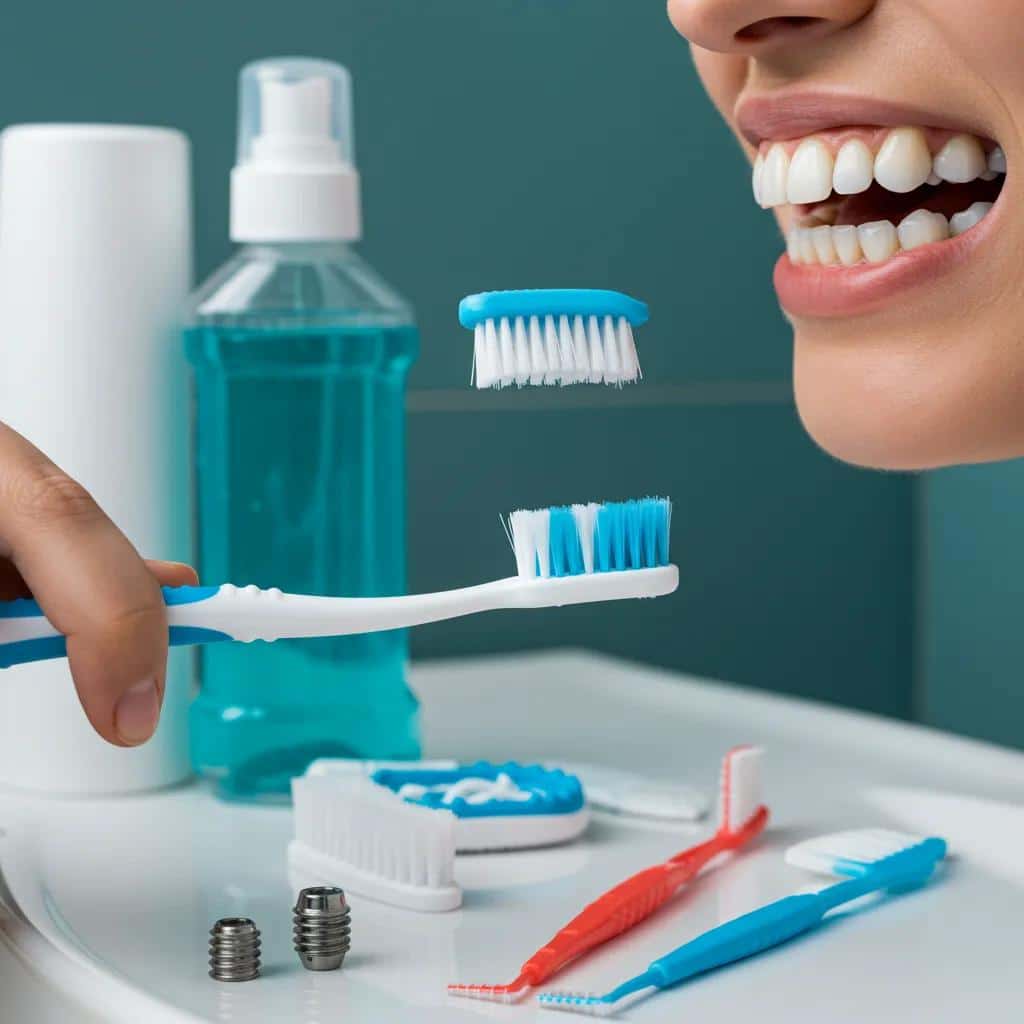
Daily mechanical hygiene: Brush twice daily with a soft-bristled brush and clean interdental spaces with appropriate interdental brushes or floss.
Regular professional maintenance: Attend hygienist visits for implant-safe debridement and radiographic monitoring based on risk.
Address risk factors: Quit smoking, control diabetes, moderate alcohol, and treat bruxism with nightguards.
Early treatment of mucositis: Treat bleeding or swelling promptly to prevent progression to peri-implantitis.
These prevention steps work together: mechanical disruption removes biofilm, professional care removes calculus and monitors bone, and lifestyle management reduces host vulnerability, which makes early treatment of inflammation far more likely to succeed.
Before the EAV table, a short explanation: the table below compares daily hygiene measures, the recommended tool for each activity, and the expected effect or clinical note to help patients prioritize their routine.
Daily Hygiene Task
Recommended Tool
Effect / Notes
Toothbrushing
Soft-bristled toothbrush
Removes supra-gingival biofilm gently without damaging soft tissue
Interdental cleaning
Interdental brushes (appropriate size)
Disrupts biofilm at embrasures; choose correct diameter for contact points
Flossing/threading
Implant-friendly floss or floss threader
Cleans around crown-abutment junction; use gentle sawing motion
Water flossing
Water flosser (low-medium)
Helpful for biofilm disruption in sensitive or post-op patients
Antimicrobial rinse
Alcohol-free antimicrobial mouthwash
Adjunct for short-term control, not a substitute for mechanical cleaning
What Are the Early Signs and Symptoms of Peri-Implantitis?
Early peri-implant disease typically presents with soft-tissue inflammation—redness, swelling and bleeding on probing—that initially resembles reversible mucositis but can progress to suppuration and increasing pocket depths if left untreated. Patients may notice tenderness around the implant, minor pus drainage, or a change in how the prosthesis feels during function; radiographs then reveal progressive marginal bone loss as disease advances. Early recognition allows non-surgical therapies such as mechanical debridement and local antimicrobial strategies, whereas delayed diagnosis often requires surgical intervention and possible regenerative procedures. Watching for subtle bleeding, increased probing depths, or persistent soreness prompts immediate professional assessment and often prevents irreversible bone loss.
Which Daily Oral Hygiene Practices Reduce Peri-Implantitis Risk?
Specific home-care techniques that reduce peri-implantitis risk combine gentle brushing, interdental device use, and adjunctive rinses when indicated, performed consistently twice daily with focused interdental cleaning once daily. Use a soft-bristled toothbrush and angulate bristles along the crown-abutment junction to dislodge plaque without abrading the tissue, then employ interdental brushes sized to fit contact areas or implant-specific floss to clean submarginal spaces. A water flosser can augment mechanical removal in sensitive patients or where access is limited, and short-term antimicrobial rinses may be used immediately after surgery or for flare-ups under professional guidance. Consistency in this routine is more predictive of success than any single tool, so choose devices that the patient will reliably use.
Dental Implant Hygiene and Maintenance: Australian Practitioner Practices
Purpose:Dental implant care and maintenance is of critical importance as implants grow in popularity as a tooth replacement option. The purpose of this study was to investigate the implant-related training and clinical practices of oral health practitioners (OHPs) in Australia regarding oral hygiene instructions (OHI) and maintenance protocols, and to better understand their role in providing peri-implant services.Methods:A 42-item web-based survey was forwarded to the members of the Dental Hygienists Association of Australia and the Australian Dental and Oral Health Therapists’ Association. Survey items included participant’s demographics, types of peri-implant services provided in the workplace, implant-related information sources, peri-implant diagnostic preferences, implant maintenance protocols and oral hygiene instructions (OHI) for dental implants. Descriptive statistics were used to analyse the data. Comparisons were made with a similar survey of the implant maintenance
Dental Implant Hygiene and Maintenance Protocols: A survey of oral health practitioners in Australia, MS Hopcraft, 2021
How Do Professional Cleanings Help Prevent Implant Infections?
Professional implant maintenance removes calculus, biofilm, and plaque that home care cannot fully access, and hygienists monitor probing depths, bleeding on probing, and prosthetic integrity to identify early problems. During maintenance, clinicians use implant-safe instruments (plastic or titanium scalers, ultrasonic tips designed for implants) and selective polishing; they also take radiographs when indicated to evaluate marginal bone. Professionals can adjust occlusion, repair loose components, and reinforce home-care technique, which together interrupt the cascade from mucositis to peri-implantitis. Scheduling frequency is risk-based: patients with prior peri-implant disease or systemic risk factors often need visits every 3–6 months.
What Lifestyle Changes Lower the Risk of Implant Complications?
Lifestyle modifications that significantly lower implant complication risk include smoking cessation, optimized glycemic control for diabetic patients, alcohol moderation during healing, improved nutrition, and stress management to mitigate parafunctional habits. Quitting smoking improves vascularization and host defense over weeks to months and reduces peri-implantitis incidence, while stable blood glucose levels support immune competence and wound healing. Adopting a balanced diet rich in protein, calcium, vitamin D and vitamin C supports bone remodeling and soft-tissue repair, and managing stress and sleep reduces bruxism triggers. Small, sustained changes produce measurable improvements in healing and long-term implant prognosis.
How Can Nightguards Protect Against Implant Damage from Bruxism?
Nightguards distribute and dissipate occlusal forces to protect implant-supported restorations by reducing concentrated load at the implant-bone interface and preventing screw loosening or crown fracture. Custom-made nightguards fitted by a clinician provide better occlusal control and comfort than boil-and-bite options and are adjustable for even force distribution. Clinicians prescribe guards when wear facets, muscle tenderness, or prosthetic failures indicate excessive parafunction; guards should be reviewed and adjusted periodically to maintain protective efficacy. Combining a nightguard with occlusal adjustment and behavioral therapies yields the best outcomes for bruxism-related implant protection.
What Are the Key Signs of a Failing Dental Implant?
Failing implants show a combination of clinical and radiographic signs—mobility, persistent pain or swelling, suppuration, and progressive bone loss—that warrant immediate evaluation because delays reduce the chance of successful salvage. Prioritizing these warning signs allows patients and clinicians to triage urgency and choose appropriate care pathways, from non-surgical therapy to removal and replacement. The table below maps key signs to recommended actions to help patients decide when to seek urgent care.
Clinical Finding
Symptom / Sign
Recommended Action / Urgency
Mobility of crown only
Movement of prosthesis but not implant
Schedule prompt prosthetic review; may be screw/cement issue (non-urgent but soon)
Implant mobility
Movement at implant level
Urgent evaluation; likely severe failure requiring removal
Persistent pain or swelling
Pain on function, localized edema
Urgent assessment; possible infection or overload
Suppuration (pus)
Drainage from peri-implant sulcus
Urgent evaluation and likely antimicrobial therapy
Progressive radiographic bone loss
Increasing marginal bone loss on imaging
Prompt specialist assessment; may need non-surgical or surgical therapy
How Can You Identify Loose or Painful Implants?
Differentiate between prosthetic looseness—such as a loose screw or crown—and true implant mobility, which indicates loss of osseointegration; patients often feel a change in bite or unusual rocking of the crown when prosthetic components are loose. Clinicians perform mobility testing, percussion checks and radiographs to determine whether the issue is prosthetic or osseous; prosthetic problems can often be resolved chairside, while implant mobility usually requires implant removal. Pain on function or percussion commonly signals infection or mechanical overload and should prompt urgent assessment. Early professional intervention increases the chance of conservative management rather than extraction.
What Are the Warning Signs of Infection Around Implants?
Infection around implants often begins with redness, swelling, and bleeding, and can progress to suppuration, increasing pocket depths, systemic fever or malaise if severe; these signs reflect active bacterial invasion and host response. Persistent drainage or spreading cellulitis requires urgent care, microbiological assessment when indicated, and targeted antimicrobial therapy in conjunction with mechanical debridement. For localized, mild infections, non-surgical debridement and antiseptic adjuncts may suffice, but advanced infections with radiographic bone loss typically need more aggressive surgical approaches and possible regenerative procedures. Timely identification and culture-directed therapy improve outcomes and reduce the need for removal.
When Should You Seek Professional Help for Nerve Damage or Sinus Issues?
Persistent numbness, tingling, or sudden sensory changes after implant surgery suggest neuropathy and require immediate professional assessment because early intervention improves recovery chances. Symptoms like altered sensation in the lip, chin, or tongue, or signs of oro-antral communication (fluid through the nose, nasal regurgitation) after upper-jaw implants indicate possible nerve or sinus involvement and often necessitate imaging (CBCT) and specialist referral. Time-sensitive measures may include pharmacologic therapy (e.g., anti-inflammatories or steroids) and surgical revision in selected cases; delayed management reduces the probability of full recovery. Rapid evaluation clarifies diagnosis and establishes a treatment plan.
How Does Bone Loss Affect Implant Stability?
Marginal and vertical bone loss reduces the anchorage that maintains implant stability by diminishing the bone–implant contact surface and altering load distribution, progressively undermining osseointegration and increasing the risk of mobility. Radiographic signs of bone loss—crestal resorption or vertical defects—help clinicians determine thresholds for intervention, and early non-surgical therapy can arrest progression in many cases. Advanced bone loss may require surgical regenerative procedures such as grafting or resective approaches, and in severe cases implant removal may be necessary. Recognizing bone loss early preserves therapeutic options and improves long-term prognosis.
Dental Implant Failure: Causes and Risk Factors for Early and Late Complications
This concise review highlights the main causes associated with early and late implant failure, and the risk factors responsible for implant complications and failure.
Factors associated with early and late failure of dental implants, S Sakka, 2012
What Are the Best Practices for Daily Dental Implant Aftercare?
Daily implant aftercare focuses on gentle yet thorough mechanical plaque control, targeted interdental cleaning adapted to implant anatomy, and adjunctive antimicrobial strategies when indicated to maintain peri-implant tissue health. A consistent, clinician-approved routine minimizes biofilm accumulation at the crown-abutment junction and reduces progression to mucositis or peri-implantitis. The step-by-step how-to list below outlines a practical daily routine patients can adopt.
Brush twice daily with a soft-bristled toothbrush: Use gentle circular motions focused at the crown-abutment margin to remove supragingival biofilm.
Clean interdental spaces once daily: Use interdental brushes sized to fit or implant-friendly floss to disrupt submarginal biofilm.
Consider water flosser as adjunct: Use low-to-medium pressure to dislodge debris where mechanical access is limited.
Use alcohol-free antimicrobial rinse short-term as advised: Rinses are adjuncts, not replacements for mechanical cleaning.
Implementing these steps consistently forms the backbone of effective dental implant maintenance and reduces the need for invasive professional interventions.
Before the next table, an intro: the following table compares specific products and tools commonly recommended for implant care with frequency and usage tips to guide daily choices.
Tool / Product
Recommended Product Type
Frequency / Usage Tips
Toothbrush
Soft-bristled manual or sonic electric
Brush twice daily; sonic brushes can improve plaque removal around margins
Interdental brush
Implant-appropriate diameter brush
Use once daily; replace when bristles splay
Floss
Implant-friendly floss or threader
Use daily for tight contacts; employ threaders for under fixed prostheses
Water flosser
Adjustable pressure water flosser
Use daily as adjunct; start low pressure post-op
Mouthwash
Alcohol-free antimicrobial rinse
Use short-term post-op or for flare-ups; avoid long-term chlorhexidine without professional advice
How Should You Brush Dental Implants Correctly?
Brushing implants requires a soft-bristled brush and gentle circular motions that focus on the crown-abutment junction to disrupt plaque without traumatizing peri-implant tissues. Electric sonic toothbrushes can provide effective hydrodynamic cleaning around margins but must be used with light pressure to avoid soft-tissue abrasion. Brushing twice daily, and rinsing with water after meals when possible, reduces biofilm accumulation; additional short cleans after sugary or acidic snacks limit harmful bacterial growth. Proper brushing technique complements interdental cleaning and sets the foundation for effective daily maintenance.
Which Flossing and Interdental Cleaning Tools Are Recommended?
Interdental brushes often outperform traditional floss where embrasures exist around implants because they physically dislodge biofilm in wider spaces, while implant-specific floss and floss threaders are useful where contacts are tight or under fixed prostheses. Water flossers provide a useful adjunct for sensitive sites and patients who struggle with manual dexterity, offering effective biofilm disruption without mechanical abrasion. Choose interdental brush diameter to match contact points, replace brushes when bristles splay, and combine flossing and interdental brushing for comprehensive cleaning. Tailoring tools to individual anatomy and comfort supports long-term adherence to maintenance routines.
What Mouthwash Options Are Safe and Effective for Implants?
Antimicrobial mouthwashes are adjuncts that can reduce bacterial load short-term; chlorhexidine is effective for immediate post-op control but is not recommended long-term due to staining and altered taste, while alcohol-free essential oil or CPC rinses are gentler daily alternatives. Mouthwash use should be guided by a clinician: shortcourses of chlorhexidine may be prescribed after surgery or during flare-ups, and daily alcohol-free antiseptic rinses can support hygiene in sensitive patients. Importantly, mouthwash is an adjunct, not a substitute for mechanical removal of biofilm by brushing and interdental cleaning. Professional guidance ensures appropriate selection and duration for each patient.
How Often Should You Replace Oral Hygiene Tools for Implant Care?
Replace your toothbrush every three months or sooner after illness, and inspect interdental brushes regularly—replace when bristles splay or after a few uses depending on product durability. Interdental brush lifespan varies with size and frequency; small-diameter brushes may need replacing weekly to biweekly with daily use, while floss should be single-use. Maintain and clean reusable appliances like nightguards according to manufacturer and clinician guidance, and bring devices to maintenance visits for inspection. Timely replacement preserves cleaning efficacy and prevents reintroduction of bacteria.
How Do Lifestyle Habits Impact Dental Implant Longevity?
Lifestyle factors including tobacco use, alcohol consumption, diet, and parafunctional habits substantially influence implant outcomes because they alter host healing, immune response, and mechanical loading. Smoking and poorly controlled systemic conditions increase failure risk, while balanced nutrition and behavioral strategies support tissue resilience and bone health. Understanding these mechanisms enables targeted interventions that complement clinical care and daily hygiene to extend implant lifespan.
Why Does Smoking Double the Risk of Implant Failure?
Smoking causes vasoconstriction, reduces tissue oxygenation, and impairs immune function, mechanisms that collectively hinder osseointegration and increase susceptibility to infection, and current literature indicates smoking roughly doubles implant failure risk. Nicotine and other tobacco constituents negatively affect bone remodeling and soft-tissue healing, and smokers show higher rates of peri-implantitis and marginal bone loss compared with non-smokers. Quitting reduces these risks over time, with measurable improvements in healing and success rates that accrue the longer the patient remains tobacco-free. Counseling and support for cessation should be part of pre- and post-operative planning.
How Does Alcohol Consumption Affect Implant Healing?
Alcohol disrupts immune function and hydration and can interfere with nutrient absorption, which together slow wound healing and increase infection risk after implant surgery. Acute heavy intake in the perioperative period is particularly detrimental, so abstaining during immediate healing and moderating long-term intake reduces complications. Clinicians commonly advise avoiding alcohol for several days to weeks post-op depending on the procedure and patient risk profile. Moderate, sustained changes in alcohol intake support better long-term tissue health and implant outcomes.
What Foods Should You Avoid to Protect Your Implants?
Avoid sticky candies, hard nuts, ice-chewing, and very crunchy foods that can mechanically stress crowns and abutments, especially in the early healing weeks, and limit very acidic or sugary drinks that promote biofilm formation around adjacent teeth and soft tissues. Immediately after surgery, choose soft, protein-rich, and vitamin-dense foods that promote healing without imposing occlusal load on the restoration. Long-term, maintaining a balanced diet and avoiding repeated exposure to damaging masticatory habits reduces prosthetic complications and preserves tissue health. Replacing risky snacks with softer nutrient-dense alternatives supports recovery and long-term maintenance.
How Can a Balanced Diet Support Long-Term Implant Health?
Adequate protein along with calcium, vitamin D and vitamin C supports bone remodeling, collagen synthesis and immune competence—processes essential for osseointegration and soft-tissue maintenance. Hydration and micronutrients encourage mucosal integrity and reduce infection susceptibility, and diets rich in lean proteins, dairy or fortified alternatives, fruits and vegetables provide the substrates for repair. For patients with nutritional deficits or systemic conditions, clinician-directed optimization of diet enhances surgical outcomes and reduces long-term complication rates. Nutrition is a modifiable factor that meaningfully affects implant prognosis.
What Should You Expect During Professional Dental Implant Check-Ups?
Professional implant check-ups combine clinical examination, probing, radiographic assessment, and prosthetic review to detect early disease and maintain restoration function, and patients should expect both clinical measures and home-care reinforcement. Visits include history-taking, targeted soft-tissue assessment, professional debridement with implant-safe instruments, and radiographs when indicated to monitor marginal bone. Frequency is tailored to risk profile: higher-risk patients need more frequent visits to intercept early disease. The following guidance helps patients prepare questions and understand the standard sequence of care.
How Do Dentists Detect Early Signs of Implant Problems?
Dentists detect early implant problems using clinical probing for bleeding on probing and pocket depth measurements, visual inspection for soft-tissue changes, percussion and mobility testing, and radiographic imaging—periapical or CBCT where indicated—to assess marginal bone. These diagnostic tools identify subtle changes before symptoms escalate and guide whether non-surgical or surgical management is necessary. Comparing serial measurements and images helps clinicians detect progressive bone loss, prosthetic misfit, or occlusal overload early. Understanding these detection methods empowers patients to recognize why periodic monitoring matters.
What Happens During a Routine Implant Maintenance Visit?
A routine maintenance visit typically begins with a brief medical and dental history update, symptom check, and visual and tactile soft-tissue assessment, followed by targeted probing and implant-safe professional debridement. The clinician may take radiographs if baseline comparisons are due, adjust or tighten prosthetic components if required, and review or reinforce the patient’s home-care routine. The visit concludes with recommendations for interval care and possible referrals for occlusal therapy or specialist assessment if risk factors or signs of disease are present. This structured sequence maximizes early detection and preventive care.
How Often Should You Schedule Implant Check-Ups?
Scheduling intervals depend on individual risk: low-risk patients often attend maintenance every 6–12 months, whereas high-risk patients—those with a history of peri-implantitis, smokers, or poorly controlled systemic conditions—typically require visits every 3–6 months. Baseline radiographs are commonly taken after restoration, with periodic imaging according to clinical judgment to monitor marginal bone changes. Factors such as bruxism, prosthetic complexity, and periodontal history influence frequency, and clinicians customize recall to each patient’s profile. Regularly reviewing interval needs ensures monitoring remains appropriate as conditions change.
How Does Choosing a Qualified Dental Implant Specialist Prevent Mistakes?
Selecting a clinician with implant-specific training and collaborative care pathways reduces surgical and prosthetic errors because specialists such as periodontists, oral surgeons and prosthodontists bring focused expertise in planning, execution and complication management. Specialists use appropriate diagnostic imaging, advanced treatment planning and evidence-based protocols to minimize risks like nerve injury, sinus complications or prosthetic misfit. When complications arise, specialist involvement improves diagnostic accuracy and treatment options, and patients should seek providers who document implant-specific experience and multidisciplinary collaboration. Qualified care reduces avoidable mistakes and supports predictable outcomes.
What Are the Most Common Dental Implant Complications to Avoid?
Common complications to avoid include peri-implantitis, nerve injury, sinus problems in the posterior maxilla, mechanical failure (loosening or fracture), and ultimate implant failure; each has distinct causes, signs and management pathways. Prevention and early intervention are central themes: biofilm control, risk management, and mechanical protection reduce incidence, while timely professional therapy determines salvageability. The table below summarizes complications, common causes and typical treatment approaches to make trade-offs clear.
Complication
Typical Cause
Typical Treatment Approach
Peri-implantitis
Biofilm-driven infection + risk factors
Non-surgical debridement early; surgical regeneration when advanced
Nerve injury
Surgical trauma or poor planning
Immediate assessment, referral, medical management; possible revision
Sinus complications
Membrane perforation, oro-antral communication
ENT or specialist referral; possible surgical repair
Mechanical failure (fracture/loosening)
Bruxism, overload, prosthetic issues
Prosthetic repair, occlusal adjustment, or implant removal if severe
Implant failure (early/late)
Surgical/host factors or infection/overload
Remove and plan for replacement after addressing causes
How Does Peri-Implantitis Develop and How Is It Treated?
Peri-implantitis develops from biofilm-induced inflammation that progresses from mucositis to bone-destructive disease when host and environmental risk factors permit, and management depends on stage: early disease often responds to non-surgical debridement and improved hygiene, while advanced cases require surgical access, decontamination, and regenerative procedures. Treatment may include mechanical debridement, adjunctive antimicrobials, and, for defects, bone grafting and membrane placement to rebuild lost support. Addressing modifiable risk factors such as smoking and glycemic control is essential to reduce recurrence. Timely intervention improves the chance of successful regeneration.
What Causes Nerve Damage and How Can It Be Managed?
Nerve damage principally results from surgical trauma due to inaccurate implant positioning, inadequate imaging or intraoperative injury, producing paresthesia or dysesthesia that requires immediate evaluation. Management begins with prompt clinical assessment, possible imaging, pharmacologic measures such as anti-inflammatories or steroids, and referral to specialists for persistent cases; some neuropathies recover with conservative therapy, while others need surgical revision. Prevention through careful planning and imaging reduces incidence, and early recognition optimizes outcomes. Clear communication and swift action are critical when sensory changes occur post-op.
How Do Sinus Issues Affect Upper Jaw Implants?
Sinus complications arise when implants in the posterior maxilla encroach on or perforate the sinus membrane, causing sinusitis or oro-antral communications that present with congestion, nasal drainage or pain and often require ENT collaboration. Proper preoperative imaging and sinus-lift planning minimize risk, and when membrane perforation occurs, small perforations may be managed intraoperatively while larger communications necessitate surgical repair. Prompt recognition of sinus-related symptoms after implant placement leads to targeted management and reduces chronic sinus morbidity. Interdisciplinary care ensures both dental and sinus health are addressed.
What Are the Signs and Causes of Implant Failure?
Implant failure can be early—caused by surgical factors or host conditions like infection or poor bone quality—or late, often due to peri-implantitis or mechanical overload; signs include mobility, persistent pain, suppuration and progressive radiographic bone loss. Early failures typically surface before prosthetic loading and may stem from failed osseointegration, whereas late failures relate to infection or chronic overload and often follow a detectable pattern of soft-tissue inflammation and bone loss. Management ranges from non-surgical therapy to explantation and later replacement after addressing underlying causes. Identifying cause directs the corrective pathway and prevents repetition.
How Can Bone Loss Lead to Implant Loosening?
Bone loss reduces the structural support that holds an implant in place, translating to decreased primary or secondary stability and increasing the likelihood of clinical mobility and failure. Marginal bone loss changes load distribution and can eventually expose implant threads, compromising function and aesthetics. Early detection and regenerative interventions can arrest progression in many cases, but advanced resorption often necessitates implant removal and bone reconstruction. Monitoring bone levels and intervening early preserves options for salvage and future rehabilitation.
What Are the Treatment Options for Implant Fractures?
Implant fractures may involve the abutment, screw, crown, or the implant body itself, and treatment ranges from prosthetic repair or component replacement for minor fractures to implant removal and replacement for body fractures. Clinicians assess fracture location, prosthetic fit, occlusion and bruxism history to guide repair versus removal decisions; addressing occlusal forces and manufacturing or material issues helps prevent recurrence. When removal is required, planning for site preservation and subsequent regeneration maximizes chances for successful reimplantation. Understanding mechanical factors informs durable restorative choices.