Best Foods for Dental Implant Success: What to Eat and Avoid for Optimal Recovery
Dental implant recovery depends heavily on the foods you eat because proper nutrition supports tissue repair, controls inflammation, and promotes bone integration (osseointegration), which together increase the chance of long-term implant success. This article teaches practical, clinic-tested guidance on what to eat and what to avoid after dental implant surgery, so you can speed healing and reduce complications while preserving nutritional balance during recovery. Readers will learn an ideal recovery diet definition, a week-by-week soft-food timeline, top soft-food recipes and protein sources, the specific nutrients that drive bone and gum healing, common risks from certain textures and foods, hydration and lifestyle measures that help, and how to transition back to normal eating. Many patients worry about how long to stay on soft foods and which everyday items (rice, nuts, seeds, crunchy snacks) are unsafe; the steps below provide conservative, evidence-aware timelines and practical alternatives. After the first section explains why diet matters, note that new patients in Mansfield can use a $79 FREE DENTAL CONSULTATION to get a personalized recovery plan and tailored nutrition guidance from Dentist In Mansfield- Dentures and Dental Implants. The article integrates clear lists, clinician-style EAV tables, and simple recipes to make recovery manageable for adults of all ages.
What Is the Ideal Diet for Dental Implant Recovery?
The ideal diet for dental implant recovery is a soft-food, nutrient-dense post-operative diet that minimizes mechanical stress at the surgical site while supplying protein, Vitamin C, Vitamin D, calcium, omega-3s, and zinc to support tissue repair and osseointegration. This approach reduces irritation and infection risk by avoiding hard or abrasive textures, and it improves outcomes because nutrients act on collagen synthesis, inflammation control, and bone remodeling. Patients benefit from eating small, frequent meals emphasizing protein and soft produce, maintaining hydration, and avoiding foods that trap particles near sutures. The next paragraph explains how nutrition affects the biological processes of healing and bone integration.
How Does Nutrition Affect Dental Implant Healing?
Nutrition affects dental implant healing by supplying macronutrients and micronutrients essential for collagen formation, immune response, and osteoblastic activity that underlie osseointegration. Protein provides amino acids for collagen and tissue repair, Vitamin C is a cofactor for pro-collagen hydroxylation, Vitamin D and calcium regulate mineral deposition in bone, and omega-3s modulate inflammation to create a favorable healing environment. Recent studies through 2024–2025 link nutrient sufficiency to faster soft-tissue closure and improved early implant stability in observational and clinical cohorts, highlighting why dietary optimization matters alongside surgical technique. Understanding these mechanisms clarifies why specific food choices—beyond simply “soft”—directly influence recovery timelines and patient comfort, which leads to a practical discussion of safe soft textures for the immediate post-op period.
Optimizing Dental Implant Osseointegration: The Importance of Revascularization and Nutrient Delivery
The biological foundation of successful dental implant osseointegration is a robust and timely revascularization of the peri-implant tissues. An adequate blood supply is critical for delivering oxygen, nutrients, and cells necessary for bone healing and maturation. While early functional loading protocols offer significant benefits in reducing treatment time, their impact on the delicate process of microcirculatory restoration remains a key area of investigation. Understanding the precise timelines of blood flow recovery under early loading conditions is essential to validate the biological safety and potential stimulatory effects of this approach, thereby providing a scientific basis for optimizing clinical protocols.
TIMELINES FOR THE RESTORATION OF MICROCIRCULATION IN THE PERI-IMPLANT AREA UNDER EARLY FUNCTIONAL LOADING CONDITIONS, 2025
Why Is a Soft Food Diet Crucial After Dental Implant Surgery?
A soft food diet is crucial because it mechanically protects the implant site by eliminating the biting forces, abrasion, and particulate entrapment that can disrupt clot formation, stress sutures, or irritate healing mucosa. Soft textures such as purees, mashed foods, and blended liquids reduce mastication effort while allowing nutrient-dense intake; they also lower the likelihood of dislodging blood clots or introducing food debris into surgical pockets. For most patients, a soft-food strategy provides adequate calories and nutrients without exposing the surgical area to mechanical trauma, which translates to fewer complications and smoother early healing. The following section provides a conservative timeline for how long to follow a soft-food diet and signs that indicate when to progress textures safely.
How Long Should You Follow a Soft Food Diet After Implants?
A conservative soft-food timeline generally begins with a strictly soft diet for the first 7–14 days, a progressive return to more textured soft solids over weeks 2–6, and gradual reintroduction of firmer foods after 6–12 weeks depending on healing and clinician clearance. Immediate post-op (days 0–7) focuses on purees, blended soups, and protein shakes; weeks 1–3 introduce soft mashed items and flaked fish; weeks 4–6 allow for gentle chewing with softer breads and well-cooked grains; beyond 6–12 weeks most patients can resume normal textures if pain, swelling, and mobility have resolved. Watch for red flags—sustained pain, swelling that worsens, delayed closure, or loose sutures—as these signs warrant contacting your implant provider. When in doubt, err on the side of gentler textures and follow up with your clinician for personalized clearance.
Which Soft Foods Are Best to Eat After Dental Implant Surgery?
The best soft foods provide the right texture to protect healing tissues while delivering concentrated nutrients—lean protein, Vitamin C, calcium, and healthy fats—so recovery is both gentle and effective. Recommended categories include protein-rich soft foods, dairy for calcium and probiotics, cooked or pureed fruits and vegetables for Vitamin C and fiber, soft grains and legumes prepared until tender, and nutrient-forward soups and smoothies for hydration and calories. Below are practical food categories and actionable preparation tips that preserve nutrient content while ensuring safe texture.
What Are the Top Protein-Rich Soft Foods for Implant Healing?
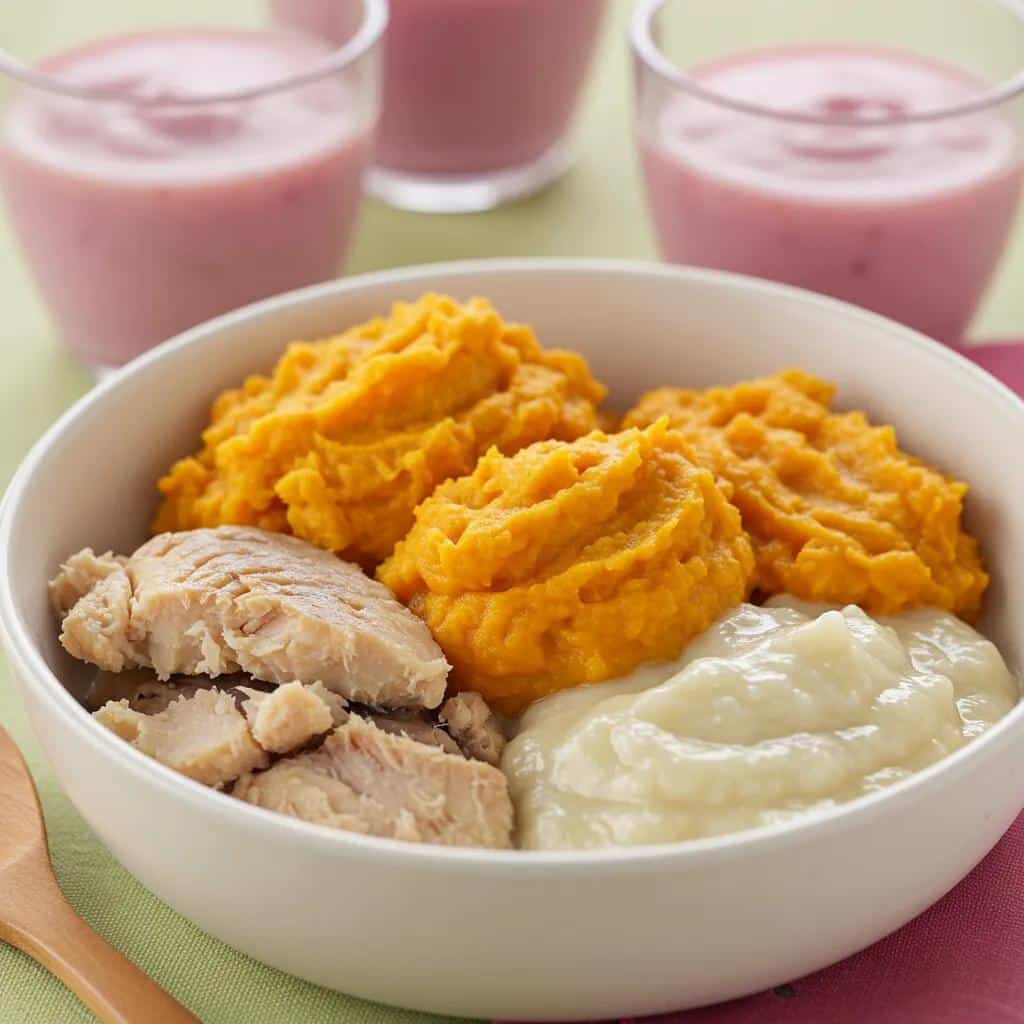
Protein supports tissue regeneration and immune function, so choose soft proteins that are easy to chew or blend: Greek yogurt, cottage cheese, scrambled eggs, soft fish like flaked salmon, tofu, and well-pureed legumes. Aim for roughly 20–30 grams of protein per main meal during healing, which can be achieved by combining Greek yogurt with protein powder in a smoothie or adding soft flaked fish to mashed potatoes. Preparation tips: steam and flake fish gently, scramble eggs to a soft curd, and blend beans with olive oil for a smooth hummus-like puree; these techniques minimize chewing while maximizing bioavailable protein. Including a protein source at each meal supports collagen synthesis and helps preserve lean tissue during recovery.
Which Fruits and Vegetables Support Dental Implant Recovery?
Fruits and vegetables that support recovery are those rich in Vitamin C, antioxidants, and soluble fiber but prepared to avoid abrasive skins, seeds, or tough fibers—examples include cooked or pureed carrots, steamed or mashed sweet potatoes, blended berries, ripe avocados, and cooked bell peppers without skins. Vitamin C-rich choices promote collagen synthesis for gum repair; blending or steaming preserves nutrients while ensuring a safe texture. Avoid whole seeds, raspberries with many seeds, or raw tough-skinned produce early on; instead, peel, cook, or blend to create smooth purees and soups that retain nutritional value but reduce mechanical risk. The next section explains how dairy items can contribute calcium and probiotic support during healing.
How Do Dairy Products Like Yogurt and Cheese Aid Healing?
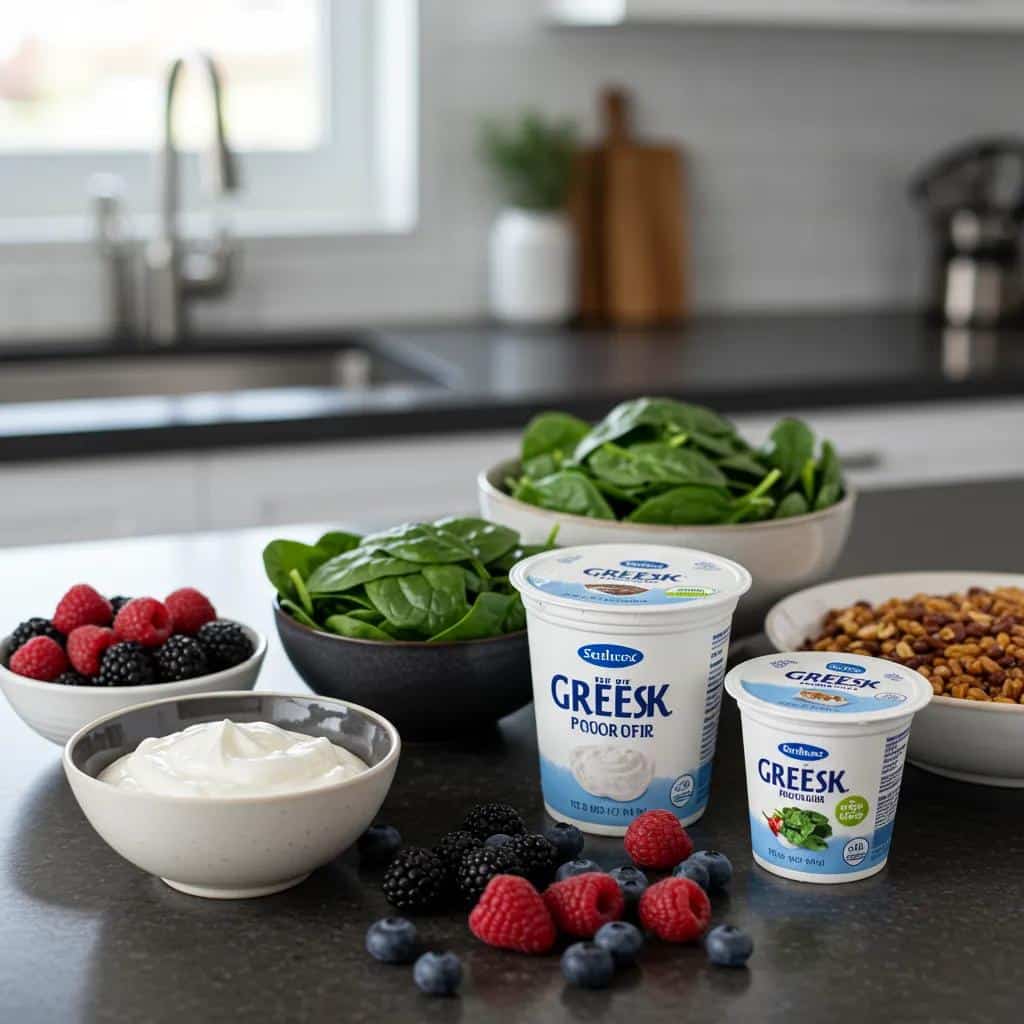
Dairy products such as Greek yogurt and soft cheeses contribute high-quality protein, calcium for bone mineralization, and probiotics that may support oral microbiome balance when used appropriately. Greek yogurt provides concentrated protein per serving and a creamy texture ideal for early recovery, while soft cheeses like ricotta or cottage cheese add calories and calcium without abrasive particles. Be mindful of added sugars in flavored dairy—choose plain or lightly sweetened options and incorporate fruit purées for flavor. If lactose intolerance is a concern, lactose-free yogurts or calcium-fortified alternatives offer similar benefits while preserving gentle textures that protect surgical sites.
What Are Easy-to-Prepare Soft Food Recipes for Implant Patients?
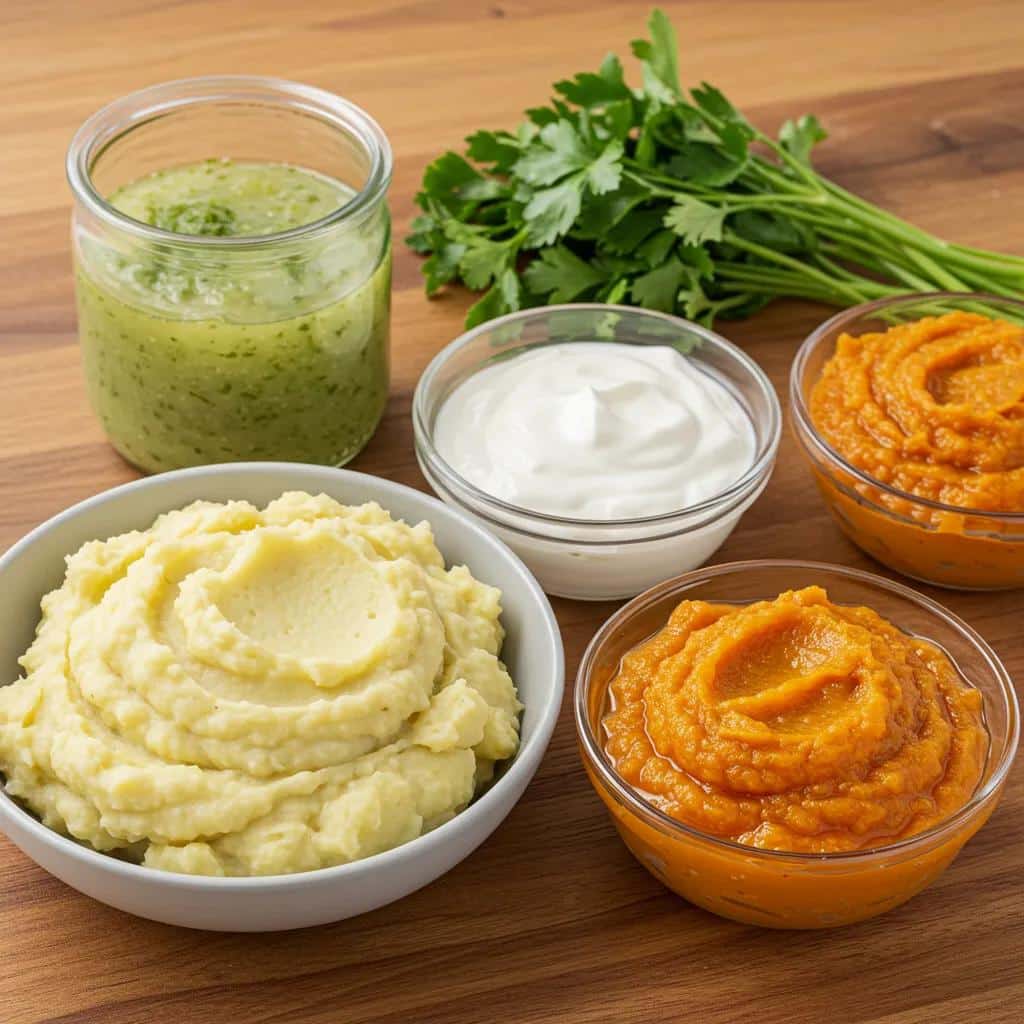
Practical, clinic-tested recipes make adherence easier—recipes should be nutrient-focused, require minimal prep, and produce smooth textures: a protein smoothie with Greek yogurt, banana, and mild protein powder; pureed vegetable soups with soft-cooked lentils blended until silky; creamy mashed potatoes enriched with pureed flaked fish for protein; and soft scrambled eggs with pureed soft spinach folded in. Each recipe can be prepared in 10–25 minutes and altered for portion size and caloric needs. When possible, prepare batches and refrigerate single-serve portions to reduce daily effort; these ready meals support consistent nutrient intake and make maintaining a soft-food diet practical while healing progresses.
Food Category
Texture/Preparation Notes
Benefit & Serving Suggestion
Soft proteins (Greek yogurt, flaked fish, tofu)
Smooth, mashed, or flaked to ≤5 mm pieces
High-quality protein for repair; 20–30 g per meal recommended
Pureed vegetables & fruits
Steam then blend until smooth
Vitamin C and antioxidants for collagen; ½–1 cup per serving
Dairy (ricotta, cottage, Greek yogurt)
Creamy, low-sugar options
Calcium and protein; include at snacks or meals
Blended soups & smoothies
Liquid to semi-liquid consistency
Hydration + nutrients; useful for days 0–7
These categories and recipes reduce chewing stress while delivering targeted nutrients that support both soft tissue and early bone healing.
What Key Nutrients Promote Faster Healing After Dental Implants?
Key nutrients accelerate healing after dental implants by addressing specific biological pathways: protein supplies building blocks for collagen, Vitamin C supports collagen cross-linking and antioxidant defense, Vitamin D and calcium drive bone mineralization and remodeling, omega-3 fatty acids reduce excessive inflammation, and zinc supports immune function and cell proliferation. Ensuring adequate intake of these nutrients during the early weeks after surgery helps create an environment favorable to osseointegration and stable soft-tissue closure. The next content presents a clinician-style comparison table mapping each nutrient to its role and practical food sources or guidance.
Nutrient
Role in Healing
Food Sources & Practical Guidance
Protein
Substrate for collagen and new tissue; supports immune response
Greek yogurt, soft fish, scrambled eggs, tofu; aim 1.2–1.6 g/kg/day for healing adults (discuss with clinician)
Vitamin C
Cofactor for collagen synthesis and antioxidant protection
Pureed bell peppers, blended berries, soft citrus pulp (after early swelling subsides); consider supplements if intake is low
Vitamin D
Enhances calcium absorption and supports bone remodeling
Sunlight exposure plus dietary sources (soft fish, fortified dairy); check levels with clinician before supplementing
Calcium
Structural component for bone formation and mineralization
Dairy, blended greens, soft tofu; combine with Vitamin D for absorption
Omega-3 Fatty Acids
Anti-inflammatory, modulates healing response
Soft fatty fish (salmon, trout); consider dietary sources before supplements
Zinc
Enzyme cofactor in wound healing and immune function
Pureed legumes, soft-cooked meats, dairy; balance with clinician advice if supplementing
The role of nutrition in supporting osseointegration and preventing complications is a critical aspect of post-surgical care, especially considering the diverse needs of patients undergoing such procedures.
Nutrition’s Role in Osseointegration Success and Complication Prevention
Osseointegration (OI) surgery of the appendicular skeleton for repair in amputees is a treatment in which a metal implant is directly fixed to the residual bone and subsequently connected to a prosthetic limb via a transcutaneous connector through a small incision in the skin. Current treatment does not consider nutritional advice for patients undergoing the OI procedure. However, since the group of patients is very heterogeneous, the results may not be always satisfactory for patients and clinicians. Furthermore, in some individuals, incorrect nutrition and diet habits may lead to complications and rejection of the implant.
Limb Osseointegration—How Important Is the Role of Nutrition in the Process?, 2025
How Does Protein Support Tissue Repair and Bone Integration?
Protein supports tissue repair and bone integration by supplying amino acids required for collagen synthesis, antibody production, and osteoblastic activity; these processes are fundamental to forming new connective tissue and mineralized bone around an implant. Healing adults typically need higher protein intake than baseline recommendations to replace tissue and sustain immune competence; practical targets often fall between 1.2 and 1.6 g/kg/day depending on health status and clinical advice. Simple strategies include prioritizing soft, high-protein foods at each meal—Greek yogurt, soft eggs, pureed beans, and flaked fish—to distribute intake evenly and support continuous repair. If patients have dietary restrictions, clinicians can plan suitable alternatives or consider supervised supplementation during recovery.
Why Is Vitamin C Essential for Gum Health and Collagen Production?
Vitamin C is essential because it acts as a cofactor for proline and lysine hydroxylation during collagen maturation, directly influencing the tensile strength and structural integrity of healing gingival tissues. It also provides antioxidant defense against oxidative stress that can delay wound healing, helping to maintain an environment conducive to tissue repair. Soft-food Vitamin C sources such as blended berries, cooked bell peppers, and pureed citrus pulp provide bioavailable nutrients without abrasive textures. If dietary intake is inadequate, clinicians may recommend short-term supplementation, but patients should discuss this with their provider to align doses with medical history and healing needs.
What Role Do Vitamin D and Calcium Play in Bone Regeneration?
Vitamin D and calcium work together: calcium provides the mineral substrate for new bone formation, while Vitamin D enhances intestinal calcium absorption and regulates bone remodeling through effects on osteoblasts and osteoclasts. Adequate Vitamin D status optimizes the mineralization phase of osseointegration and supports implant stability over time. Dietary sources—soft fatty fish, fortified dairy, and soft-cooked leafy greens—help supply these nutrients, but Vitamin D status varies individually; recent research through 2024–2025 emphasizes assessing Vitamin D levels when bone healing is critical. Patients should consult their clinician before starting supplements to ensure proper dosing and monitoring.
How Do Omega-3 Fatty Acids and Zinc Enhance Recovery?
Omega-3 fatty acids reduce excessive inflammatory signaling and promote a more regulated healing response, which can minimize tissue breakdown and support the transition from inflammation to tissue formation. Zinc acts as a catalytic cofactor in numerous enzymes involved in DNA synthesis, cell proliferation, and collagen metabolism, making it essential for wound closure and mucosal integrity. Soft-food sources include flaked fatty fish for omega-3s and pureed legumes or softened meats for zinc; supplementation can help in specific deficiency cases but should be guided by a clinician to avoid interactions and imbalance. Together these nutrients modulate inflammatory tone and cellular repair mechanisms that favor stable implant integration.
What Foods Should You Avoid After Dental Implant Surgery?
Avoid foods that mechanically threaten the surgical site or increase infection risk, including hard, crunchy, sharp, sticky, and highly abrasive foods, as well as excessively sugary or acidic items that disrupt the oral microbiome and inflame tissues. Immediate threats include nuts, chips, crunchy crusts, sticky candies, and foods with small particles (e.g., seeds) that can lodge in pockets and irritate sutures. A table below maps common prohibited foods to the specific risk they pose and safer alternatives to choose while healing.
Risky Food
Risk Type
Safer Alternatives
Nuts and whole seeds
Particle entrapment, mechanical trauma
Pureed nut butters (smooth, small portions), soft paste
Soft breads, well-soaked breadcrumbs or softened toast
This table helps patients choose safer options that deliver similar nutrients without exposing the healing site to avoidable risk.
Why Are Hard, Crunchy, and Sticky Foods Harmful Post-Implant?
Hard, crunchy, and sticky foods are harmful because they apply focal forces and shear stress to the implant area, which can displace clots, tear delicate mucosa, or snag sutures—actions that delay healing, increase bleeding risk, and raise the chance of early implant failure. Examples include raw vegetables eaten without cooking, tortilla chips, hard candies, and chewy toffees; these items either fracture into sharp pieces or adhere to surgical sites, both detrimental. If a food item causes sudden pain, bleeding, or a feeling of dislodgement, patients should stop eating it immediately and contact their implant provider. Understanding the mechanical risks clarifies why texture control is as important as nutrient content in early recovery.
Can You Eat Rice, Nuts, or Seeds After Dental Implants?
Rice, nuts, and seeds require nuanced guidance: whole nuts and seeds are generally unsafe in the early weeks due to particle entrapment and mechanical risk, while rice can be acceptable when cooked very soft and mixed with other moist components to reduce abrasion. For example, well-cooked risotto or porridge-style rice meals are safer than dry rice grains that separate and lodge around sutures. Nuts should be avoided until cleared by your clinician; when reintroducing, use nut butters or finely ground nut flours in soft preparations before moving to whole nuts. These tailored choices let patients keep dietary variety without compromising the surgical site.
How Do Sugary and Acidic Foods Affect Implant Healing?
Sugary and acidic foods encourage shifts in the oral microbiome and increase local acidity, which can irritate healing tissues, promote bacterial overgrowth, and prolong inflammation—conditions that undermine soft-tissue closure and raise infection risk. Examples to limit include soda, candy, citrus concentrates consumed straight, and sticky desserts; if consumed, rinse with water afterward and practice gentle oral hygiene after the recommended post-op interval. Softer, lower-acid choices like diluted fruit purées or mild dairy-based desserts reduce microbial risk while supplying calories and some nutrients. Managing sugar and acid intake supports a stable microbial environment conducive to efficient healing.
Foods to avoid after implants include hard, crunchy, sticky, and highly acidic items.
Safe alternatives emphasize soft, nutrient-dense preparations that reduce mechanical stress.
If you experience pain or suspect a foreign particle in the wound, stop eating and consult your provider.
These lists clarify common pitfalls and the rationale for choosing safer textures during recovery.
How Can Hydration and Lifestyle Support Dental Implant Success?
Hydration and lifestyle factors directly influence recovery because adequate fluid intake ensures nutrient transport, mucosal hydration, and efficient waste removal, while behaviors like smoking, alcohol use, poor sleep, and excessive activity can impair immune function and slow repair. Maintaining consistent hydration, prioritizing rest, avoiding straws and forceful suction early on, and abstaining from smoking or heavy alcohol are practical steps that complement dietary measures and reduce complications. The next subsection explains why water matters, followed by a short checklist of other post-op lifestyle measures that enhance healing.
Why Is Drinking Plenty of Water Important After Implant Surgery?
Drinking water supports healing by facilitating blood volume maintenance, nutrient delivery to tissues, and mucosal hydration that helps preserve salivary defenses; it also reduces the concentration of oral bacteria that can otherwise colonize surgical sites. Patients should aim to maintain regular fluid intake tailored to body needs—commonly 8–10 cups per day as a baseline—while avoiding straws during the first 1–2 weeks to prevent negative pressure that can disturb clot formation. Sipping water frequently rather than gulping helps maintain mucosal comfort and reduces the chance of accidental suction. Proper hydration fits into a broader post-op routine that protects the implant site and supports recovery.
What Other Post-Operative Care Tips Enhance Healing?
Oral hygiene timing: Start gentle rinses as directed, delay vigorous brushing near the surgical site for the recommended period.
Cold/heat therapy: Use cold packs in the first 48–72 hours to limit swelling, and switch to warm compresses later to promote circulation if advised.
Activity and rest guidelines: Avoid heavy lifting and straining for at least 48–72 hours; prioritize sleep and light activity to support immune function.
When to call the clinic: Contact your provider for persistent bleeding, severe pain unrelieved by meds, fever, or sudden implant mobility.
Following these steps complements a nutrient-focused diet and reduces the likelihood of setbacks, and your clinician can tailor advice during follow-up appointments to match your healing trajectory.
How Should You Transition to a Long-Term Diet for Healthy Dental Implants?
Transitioning to a long-term diet for implant health emphasizes gradual reintroduction of chewable textures, maintenance of bone-supporting nutrients, and avoidance of chronic habits that stress implants (e.g., biting fingernails, chewing ice, excessive hard foods). Over months, patients should prioritize a balanced diet rich in quality protein, calcium, Vitamin D, and anti-inflammatory fats while reintroducing firm foods progressively based on comfort and clinician clearance. The following subsections provide conservative timelines and daily practices to maintain implant health long-term.
When Can You Resume Normal Eating Habits After Implants?
Patients can typically resume most normal eating habits between 6 and 12 weeks post-op, with staged progression: focus on purees and liquids initially, then soft solids by weeks 2–6, and gradual reintroduction of firmer foods after clinical signs of healing—reduced pain, minimal swelling, and firm tissue around the implant. Complex or high-stress foods (nuts, hard crusts) should be deferred until the implant site is functionally integrated and your provider confirms stability. Always reintroduce one texture at a time to monitor tolerance and consult your clinician if you experience discomfort or signs of delayed healing.
What Are Best Practices for Maintaining Implant Health Through Diet?
Long-term best practices include keeping a balanced nutrient profile to support bone turnover, avoiding repetitive stress on implants, and scheduling routine dental follow-ups for monitoring. Daily habits: include a protein source at each meal, maintain calcium and Vitamin D adequacy, favor anti-inflammatory fats like those from fish, and limit chronic exposure to abrasive, sticky, or very hard foods. Weekly practices: incorporate at least two servings of fatty fish or omega-3 sources and a variety of fruits and vegetables for antioxidants. Periodic clinician reviews help tailor dietary guidance and check implant function, reinforcing preventive habits that uphold implant longevity.
Where Can You Schedule a Free Dental Implant Consultation in Mansfield, TX?
Dentist In Mansfield- Dentures and Dental Implants offers a locally accessible pathway for patients seeking personalized implant planning, recovery timelines, and nutrition guidance through a $79 FREE DENTAL CONSULTATION that supports individualized care decisions. The clinic emphasizes patient education and a relaxing, spa-like environment with friendly staff to help new patients understand both the surgical and nutritional aspects of implant recovery. Booking is available via 24-hour online scheduling and in-office appointments at the Mansfield address below, and the consult provides an efficient way to receive a tailored recovery and diet plan from the clinical team.
What Does the $79 Free Dental Implant Consultation Include?
The $79 FREE DENTAL CONSULTATION for new patients typically includes a focused oral exam, discussion of implant options and timelines, an overview of expected recovery and nutrition guidance tailored to your case, and a treatment planning conversation with the clinical team. This consultation is designed to identify individual risk factors, review dietary needs during healing, and offer a personalized plan—making it easier to integrate the nutritional strategies described in this article into your post-operative care. For patients wanting a detailed recovery nutrition review or supplement discussion, the consult helps align clinical recommendations with dietary adjustments that support implant success.
How to Book Your Dental Implant Nutrition and Recovery Consult Online?
Booking is simple with the clinic’s 24-hour online scheduling system or by visiting the Mansfield office during business hours; prepare for your consult by noting current medications, allergies, and any dietary restrictions to ensure personalized nutritional advice. When scheduling, mention that you are seeking guidance on implant nutrition and recovery so the team can allocate appropriate time for discussion and planning. The clinic location for in-person consultations is 708 Hunters Row Ct # 102, Mansfield, TX 76063, and the consult structure emphasizes education and practical steps for a smoother recovery.
The $79 FREE DENTAL CONSULTATION is designed for new patients to get a personalized recovery plan.
Prepare for your consult by listing medications, allergies, and dietary preferences.
Use the 24-hour online scheduling tool or visit the office to arrange a convenient appointment time.
These steps make accessing tailored nutrition and implant recovery guidance straightforward and supportive of better outcomes.
What Are Common Patient Questions About Post-Implant Nutrition?
Patients frequently ask concise, practical questions about restricted foods, healing-accelerating choices, timelines for soft foods, and supplement needs; clear short answers help address immediate concerns while linking patients to more detailed sections above. Below are common queries answered directly for quick reference and decision-making during recovery.
What Can You Not Eat After Dental Implants?
Avoid hard, crunchy items (nuts, hard breads), sticky candies, small-seeded fruits early on, and foods with sharp fragments that can lodge near sutures; these items risk mechanical disruption or particle entrapment. Instead, choose mashed, pureed, or well-cooked soft alternatives like mashed potatoes, blended soups, flaked fish, and smooth yogurts during the initial weeks. Reintroduce higher-risk foods gradually only after clinical signs of healing and provider clearance to protect osseointegration.
What Foods Help Dental Implants Heal Faster?
Top healing foods include:
High-quality proteins: Greek yogurt, flaked salmon, scrambled eggs for collagen and tissue repair.
Vitamin C-rich foods: Blended berries, pureed bell peppers for collagen synthesis.
Calcium and Vitamin D sources: Soft dairy, fortified options, and fatty fish to support bone mineralization.
These items supply the nutrients central to tissue and bone healing and can be prepared as soft, easily chewed meals during recovery.
How Long Do You Have to Eat Soft Foods After Dental Implant Surgery?
Most patients follow a soft-food regimen for at least 2–6 weeks, with increasingly textured soft solids introduced between weeks 2–6, and fuller reintroduction of regular textures between 6–12 weeks depending on healing. If pain, swelling, or mobility persists, extend the soft-food period and consult your provider for personalized guidance.
Can I Eat Rice or Other Specific Foods After Dental Implants?
Yes, in modified form: well-cooked, moist rice dishes like risotto or congee are safe because the grains are tender and unlikely to abrade tissues, whereas dry, separate rice grains may risk entrapment—so prepare with extra moisture. Nuts and seeds are best avoided until tissue healing is confirmed; use nut butters or ground nut flours as temporary substitutes to get similar nutrients without particle risk.
What Vitamins Help Dental Implants Heal?
Key nutrients include protein (macronutrient), Vitamin C, Vitamin D, calcium, omega-3 fatty acids, and zinc; each supports distinct healing pathways—collagen formation, bone mineralization, anti-inflammatory regulation, and immune function. Discuss supplements with your clinician, especially Vitamin D or zinc, to tailor doses and avoid interactions with medications or medical conditions.
For immediate questions, use the consult to review supplement needs.
Reintroduce foods cautiously and monitor for any adverse signs.
Maintain hydration and a protein-rich soft-food pattern during the early phase.
This FAQ-style closure consolidates rapid answers and points patients to areas for deeper reading or clinical discussion.