By Affordable Dentist Near Me Editorial Team · Updated 2026-08-24
When it comes to Best Practices for Dental Implant Care, dental implant longevity depends on consistent daily hygiene, including brushing twice daily and cleaning around the implant site to prevent plaque buildup and peri-implantitis. Patients preparing for implants at Affordable Dentist Near Me locations across Texas receive guidance on maintenance routines, with free consultations available to review individual implant care plans and long-term success factors.
Key Takeaways
Dental implants require diligent daily care to prevent complications and ensure long-term success like natural teeth.
Proper oral hygiene maintenance allows implants to last many years with consistent brushing and flossing routines.
Professional dental checkups detect early implant issues before they compromise the restoration’s structural integrity and function.
Plaque buildup around implants causes peri-implantitis, the leading cause of implant failure without preventive care measures.
Why Does Implant Care Matter So Much?
Neglect turns a permanent solution into a costly repeat procedure. Dental implants replace missing teeth with a fixed structure that mimics natural tooth appearance and chewing function. That permanence carries a condition: implants demand the same diligence as real teeth, and skipping maintenance opens the door to gum infection, bone loss, and implant failure. Skipping a checkup or two might feel harmless. Over months, that gap becomes the difference between an implant lasting decades and one requiring replacement.
Long-term success rests largely on the patient, not just the surgery. Outcomes depend heavily on how consistently a patient follows post-placement care, from daily cleaning habits to routine dental visits. Proper maintenance protects the investment already made in surgery, healing time, and out-of-pocket cost.
Why Do Implants Need More Attention Than Natural Teeth?
Implants lack the natural defenses of biological teeth. Plaque buildup around the implant site progresses to infection faster without intervention. Gum tissue around an implant can inflame quietly, without the same warning signs a natural tooth might send through nerve sensitivity.
What Happens If Implant Care Best Practices Are Ignored?
Bacteria accumulate around the implant collar, weakening the surrounding gum and bone structure over time. Left unchecked, this progression threatens the entire restoration, not just the surface appearance.
Applying Best Practices for Dental Implant Care protects both function and appearance long after the procedure ends. Affordable Dentist Near Me’s dentists work with current dental technologies to support patients through every stage of implant maintenance, pairing clinical expertise with practical guidance so each restoration has the best chance at lasting performance.
What Daily Cleaning Habits Protect Your Implant?
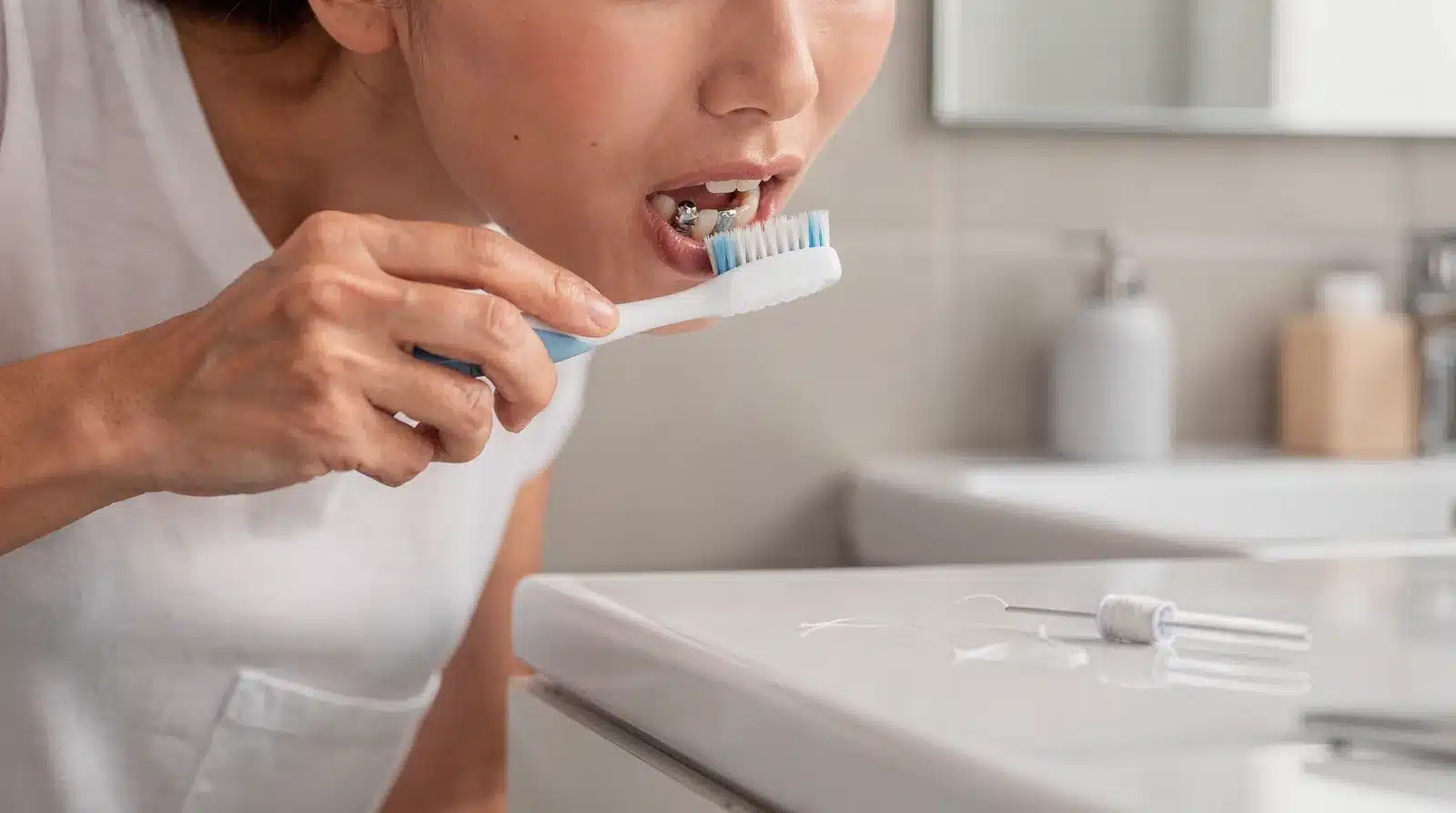
Two habits form the foundation of implant protection: brushing twice daily and flossing around the implant site every day. Skipping either one allows plaque to build up along the gumline, raising the risk of infection and threatening the long-term success of the restoration. Consistency matters more than intensity here.
Best practices for dental implant care start each morning and end each night with a soft-bristled toothbrush and fluoride toothpaste. Gentle, thorough strokes around the implant crown clear away bacteria without irritating the surrounding gum tissue. Rushing through this step or using a stiff-bristled brush can scratch the implant surface and inflame delicate tissue.
Why does flossing matter so much for implants?
Flossing clears food particles and plaque from spaces a toothbrush cannot reach, particularly between teeth and around the implant post. Left behind, that debris hardens into buildup that irritates the gum and threatens the bone anchoring the implant. Patients who find traditional floss difficult to maneuver often turn to a floss threader or a water flosser, both of which simplify the process without sacrificing effectiveness.
A daily hygiene routine works best when it includes:
Brushing morning and night with a soft-bristled brush and fluoride toothpaste
Flossing once daily around the implant and adjacent teeth
Using a floss threader or water flosser for hard-to-reach areas
Checking the gumline for redness or swelling during each cleaning session
Affordable Dentist Near Me supports patients in building these habits by connecting them with expert dentists. High-quality dental care designed to fit a household budget. Guidance from an experienced dental team helps patients refine their technique. Daily cleaning actually protects the implant rather than just going through the motions.
How Can You Prevent Peri-Implantitis Complications?
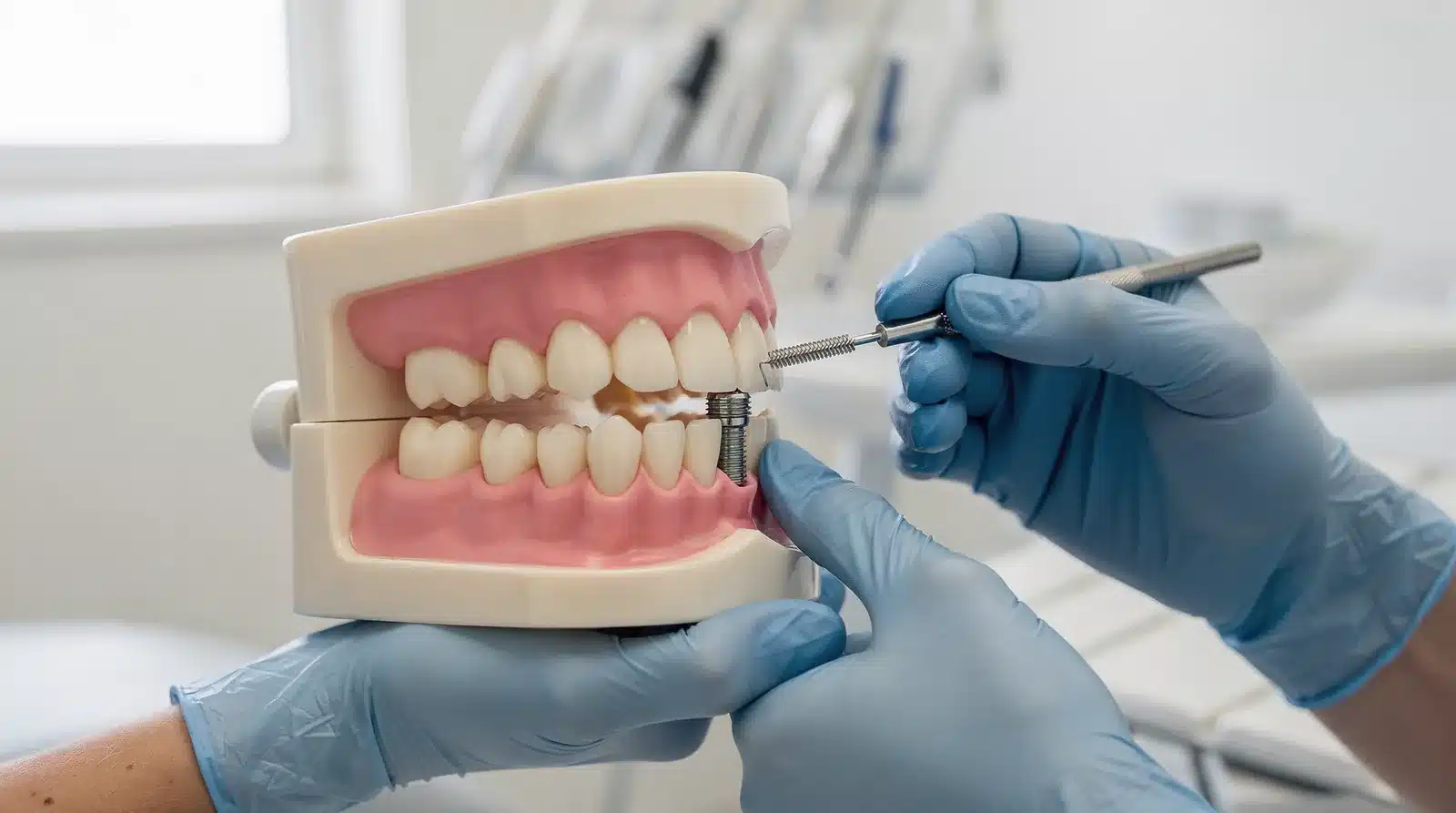
Prevention centers on stopping plaque and bacteria from accumulating around the implant site. Left unchecked, that buildup causes peri-implantitis, a serious infection that attacks the gum tissue and bone surrounding a dental implant. The condition rarely stays contained. Untreated infections spread deeper into supporting bone, and progression at that stage often leads to implant failure.
Consistent daily cleaning remains the strongest defense against this kind of breakdown. Patients who maintain a steady hygiene routine interrupt the cycle before inflammation takes hold. A few habits make the biggest difference:
Brushing along the gumline at the implant site to disrupt plaque before it hardens
Flossing or using interdental brushes daily to clear bacteria from areas a toothbrush misses
Scheduling regular professional cleanings to catch early gum changes
Watching for swelling, bleeding, or tenderness near the implant and reporting it right away
What Are the Early Warning Signs of Peri-Implantitis?
Redness, puffiness, or bleeding around the implant crown often signal the earliest stage of trouble. Discomfort while chewing or a slight looseness in the restoration also warrants attention. These signs indicate active infection in the surrounding tissue, not routine sensitivity. Catching them early keeps treatment simple and protects the implant’s long-term stability.
What Should Patients Do If Symptoms Appear?
Prompt evaluation matters more than waiting to see if symptoms fade. Affordable Dentist Near Me accommodates walk-in treatment for dental emergencies. Patients noticing swelling, pain, or bleeding around an implant can be seen without a long wait. Acting quickly, paired with a disciplined home care routine, gives implants the best chance of lasting for years without complication.
Which Professional Checkups Support Implant Longevity?
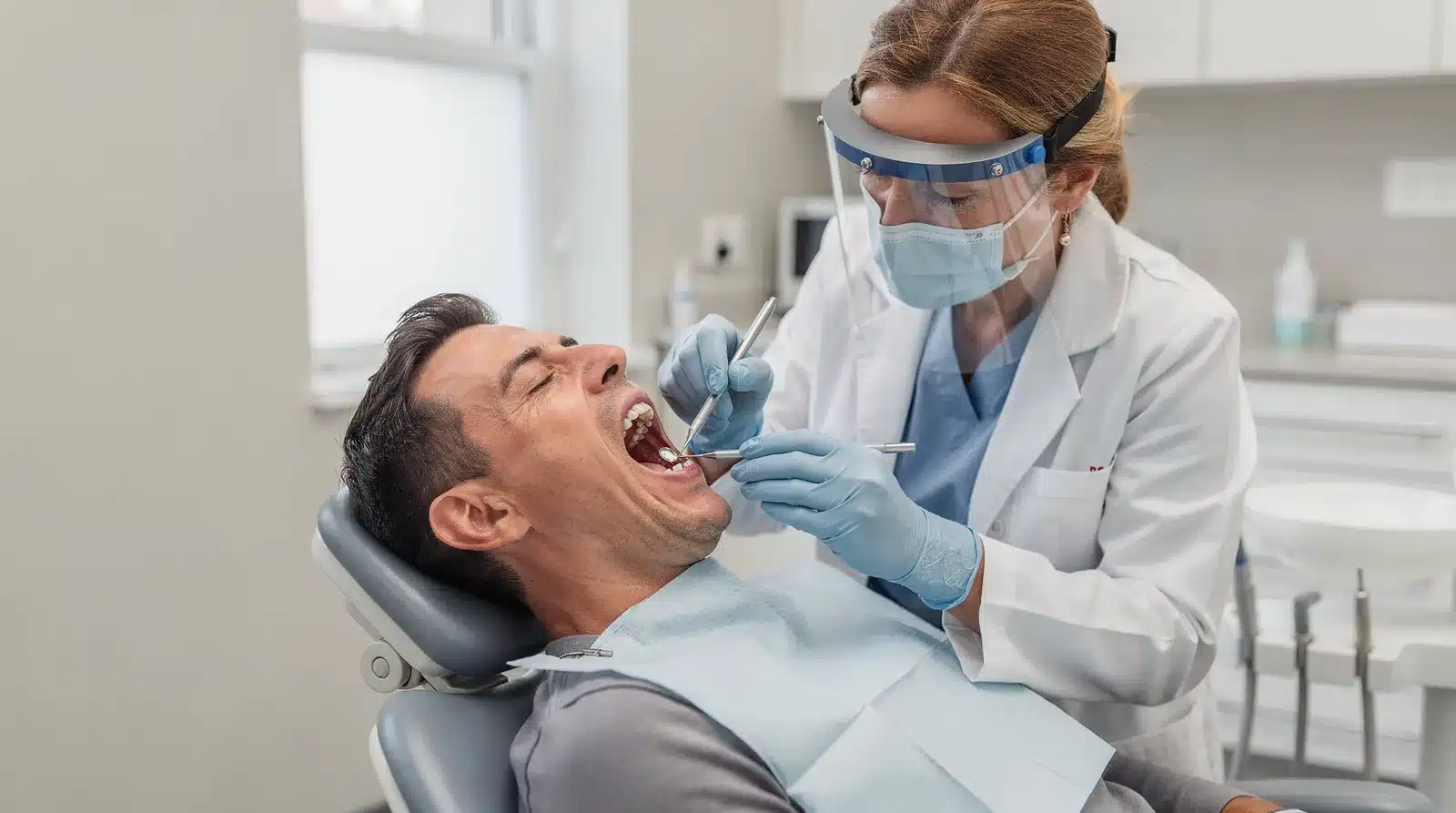
Routine recall visits, professional cleanings, and bite evaluations keep implants stable for the long haul. Skipping these appointments lets plaque harden into buildup around the implant site, raising the risk of bone loss and eventual failure. Regular dentist-led monitoring catches small issues, like a loose abutment or early gum inflammation, before they turn into costly repairs.
How Often Should Implant Patients See a Dentist?
Dentists typically recommend recall visits at intervals set by the treating practice, paired with daily home care between appointments. Best practices for dental implant care include professional evaluations that check the implant crown, surrounding gum tissue, and bone integration. Consistent follow-through, not a one-time procedure, determines whether an implant lasts.
Why Does Location Convenience Matter for Follow-Up Care?
Missed appointments often happen simply because a dental office sits too far away or clashes with a packed schedule. Affordable Dentist Near Me addresses this by operating multiple Texas centers, including a Fort Worth location, so patients can schedule recall visits without long drives or major disruptions to their week. Convenient access removes one of the biggest excuses for delaying care.
Cost concerns shouldn’t stand between an implant patient and a needed checkup. Affordable Dentist Near Me accepts a wide range of insurances, including all PPO plans, and offers payment plans with installment options to keep follow-up visits within reach financially.
The payoff for consistent professional care is measurable. Studies cited in implant research show a decade-plus lifespan is realistic with proper maintenance. Some patients keep their implants for more than 30 years. That kind of longevity rarely happens by accident:
Scheduling regular professional cleanings around the implant site
Attending recall exams that check bone and gum health
Using accepted insurance and payment plans to avoid delaying care
Choosing a nearby center to make appointments easier to keep
Ready to Protect Your Smile Investment?
A dental implant investment lasts longest with consistent professional follow-up, not just diligent brushing at home. Skipping routine checkups lets minor gum irritation quietly progress into bone loss around the implant, threatening the very foundation patients paid to build. Affordable Dentist Near Me operates a Fort Worth, TX location, giving implant patients a nearby practice for ongoing maintenance visits and periodic checkups. Consistent professional monitoring catches early warning signs before they become costly repairs or replacements.
Best practices for dental implant care extend beyond the bathroom sink. Patient-centered service defines the practice’s approach, and the team actively encourages patients to reach out and schedule the follow-up care their implants require. Waiting until a problem develops costs more than staying ahead of it with scheduled visits.
How often should implant patients schedule follow-up visits?
Implant patients benefit from regular professional evaluations rather than a one-time post-surgery checkup. Reaching out to schedule ongoing care keeps the surrounding gum tissue and bone healthy over time. Affordable Dentist Near Me welcomes these inquiries. Treats each visit as part of a continuing partnership, not a single transaction.
What if surgery hasn’t happened yet?
Patients still preparing for implant surgery have a low-commitment way to start the process. A quick online quiz reveals whether a patient qualifies for custom permanent teeth within 24 hours, streamlining the path from consultation to treatment. This eligibility check removes guesswork before the first appointment.
Protecting a smile investment means pairing daily hygiene with professional partnership. Patients who combine both approaches give their implants the strongest chance at long-term success, avoiding the setbacks that come from neglecting either half of the equation.
FAQ
How often should I brush and floss my dental implant?
Brush twice daily with a soft-bristled toothbrush and fluoride toothpaste, and floss around the implant site every day to prevent plaque buildup along the gumline.
What causes dental implant failure?
Plaque buildup around the implant leads to peri-implantitis, which weakens surrounding gum and bone structure and stands as the leading cause of implant failure without preventive care.
Where can I get guidance on implant care in Texas?
Affordable Dentist Near Me locations across Texas offer free consultations to review individual implant care plans. Long-term maintenance strategies with their dentists.
Conclusion
In closing, maintaining your dental implants through consistent oral hygiene, regular professional care, and mindful lifestyle choices ensures they remain a lasting investment in your smile. By following these evidence-based practices and partnering with experienced dental professionals who understand implant longevity, you protect both your restoration and your overall oral health for years to come. Your commitment to daily care today directly translates to the durability and success of your implants tomorrow.