Your Diet & Dental Implants: Fueling Lasting Success
Did you know what you eat can make a huge difference in how long your dental implants last? It’s true! Your diet is a powerful, controllable factor that directly impacts how well your implants integrate with your jawbone and stay healthy for years to come. We’ve seen firsthand how proper nutrition before and after surgery can boost healing, repair tissues, and even lower infection risks. This guide is packed with everything you need to know: from the science behind diet and implant success to practical, stage-by-stage meal ideas. You’ll discover immediate post-op food choices, which foods to avoid and when to reintroduce them, a handy nutrient-focused table to plan meals, and even local Fort Worth resources for meal options and scheduling your free implant consult. Our goal is to give you evidence-backed strategies and practical recipes so you can protect your investment in dental implants and keep complications like peri-implantitis at bay.
How Your Diet Impacts Dental Implant Healing and Longevity
Your diet plays a crucial role in dental implant healing by influencing bone remodeling, soft tissue repair, and local inflammation—all key factors in how well an implant integrates and lasts. Essential nutrients like calcium, vitamin D, protein, vitamin C, zinc, and omega-3 fatty acids each have distinct jobs in osseointegration and wound healing. On the flip side, dietary patterns that promote chronic inflammation or oral biofilm formation can increase your risk of complications. Good nutrition actually speeds up bone mineralization and collagen synthesis, boosts your immune response to fight infection, and helps maintain healthy gum tissue around your implant, leading to better long-term stability. In the following sections, we’ll break down osseointegration and highlight these key nutrients so you can clearly see how specific foods and dietary choices directly support each biological pathway. Understanding these mechanisms will empower you to make smart choices for your immediate recovery and build long-term habits that preserve your implant health.
What is Osseointegration, and How Does Nutrition Help?
Osseointegration is that amazing biological process where your bone grows tightly around the implant surface, creating a super stable connection that allows your implant to function just like a natural toothroot. For successful osseointegration, your bone needs to remodel in a coordinated way: new mineral is deposited by osteoblasts, while old bone is resorbed by osteoclasts. This delicate balance, along with enough building blocks and proper hormonal regulation, relies heavily on nutrients like calcium, vitamin D, protein, and magnesium. Protein provides the amino acids needed for forming the collagen matrix, vitamin D boosts your body’s calcium absorption and helps bone cells do their job, and calcium supplies the mineral elements for new bone formation. Getting the right nutrition before and after surgery can actually shorten the time it takes for stable integration, reduce the risk of tiny movements around the implant during early healing, and build stronger bone architecture that can withstand everyday chewing. With this foundational understanding of osseointegration, our next section dives into the specific nutrients our clinicians prioritize to promote strong bone and healthy gums for your implants.
Nutrition’s Role in Osseointegration: Avoiding Complications
However, since the group of patients is very heterogeneous, the results may not be always satisfactory for patients and clinicians. Furthermore, in some individuals, incorrect nutrition and diet habits may lead to complications and rejection of the implant.
Limb Osseointegration—How Important Is the Role of Nutrition in the Process?, 2025
Key Nutrients for Strong Bones and Healthy Gums Around Your Implants
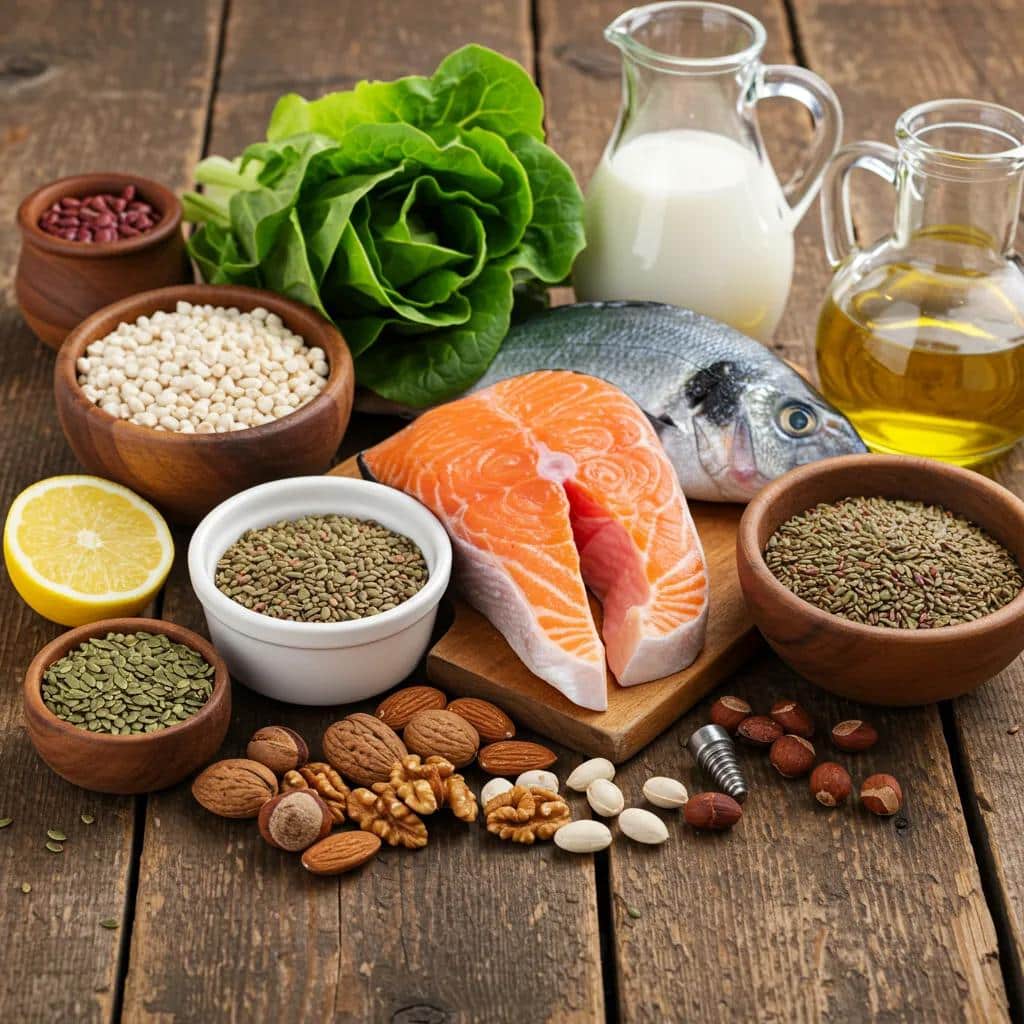
Several key nutrients are absolutely vital for the bone healing and soft tissue repair needed for long-term implant success. Think of calcium and vitamin D for mineralization, protein and vitamin C for collagen and tissue repair, zinc for cell growth and immune function, and omega-3 fatty acids for keeping inflammation in check. Each nutrient plays a unique yet complementary role—calcium and vitamin D build and stabilize your bone‘s mineral structure, protein provides the building blocks for new tissue, vitamin C helps collagen cross-link, and zinc supports the enzymatic reactions involved in wound closure. Plus, antioxidant-rich fruits and vegetables help fight off oxidative stress that can slow healing, while omega-3s can reduce inflammatory responses and potentially lessen gum inflammation around your implant. These nutrient effects strongly suggest that a balanced, nutrient-dense diet, both before your surgery and during recovery, can significantly improve implant integration and reduce the chances of early failure or chronic complications. This naturally leads us to specific food recommendations for your immediate post-op period.
What to Eat After Dental ImplantSurgery for the Best Healing
After your implant surgery, choosing soft, nutrient-dense foods that minimize mechanical stress while providing all the necessary healing ingredients is absolutely essential for a comfortable recovery and optimal osseointegration. In the first few days, you’ll need bland, soft textures to avoid disturbing the surgical site, all while still getting enough protein and micronutrients to help resolve inflammation and repair tissues. Hydration and temperature control are also super important: cool to lukewarm fluids help minimize swelling and discomfort, and avoiding straws in the first week prevents negative pressure on the wound. The table below summarizes implant-safe foods, highlighting their texture and nutrient benefits, to help you plan meals that are both gentle and restorative during your recovery. Following these guidelines during the first 2–6 weeks will build a strong nutritional foundation for when you’re ready to transition back to firmer foods.
Wondering which soft foods are best? Here’s a practical list with nutrient-focused options and simple preparation ideas you can use right after surgery:
Yogurt, cottage cheese, and soft ricotta offer high-quality protein and calcium in an easy-to-eat texture.
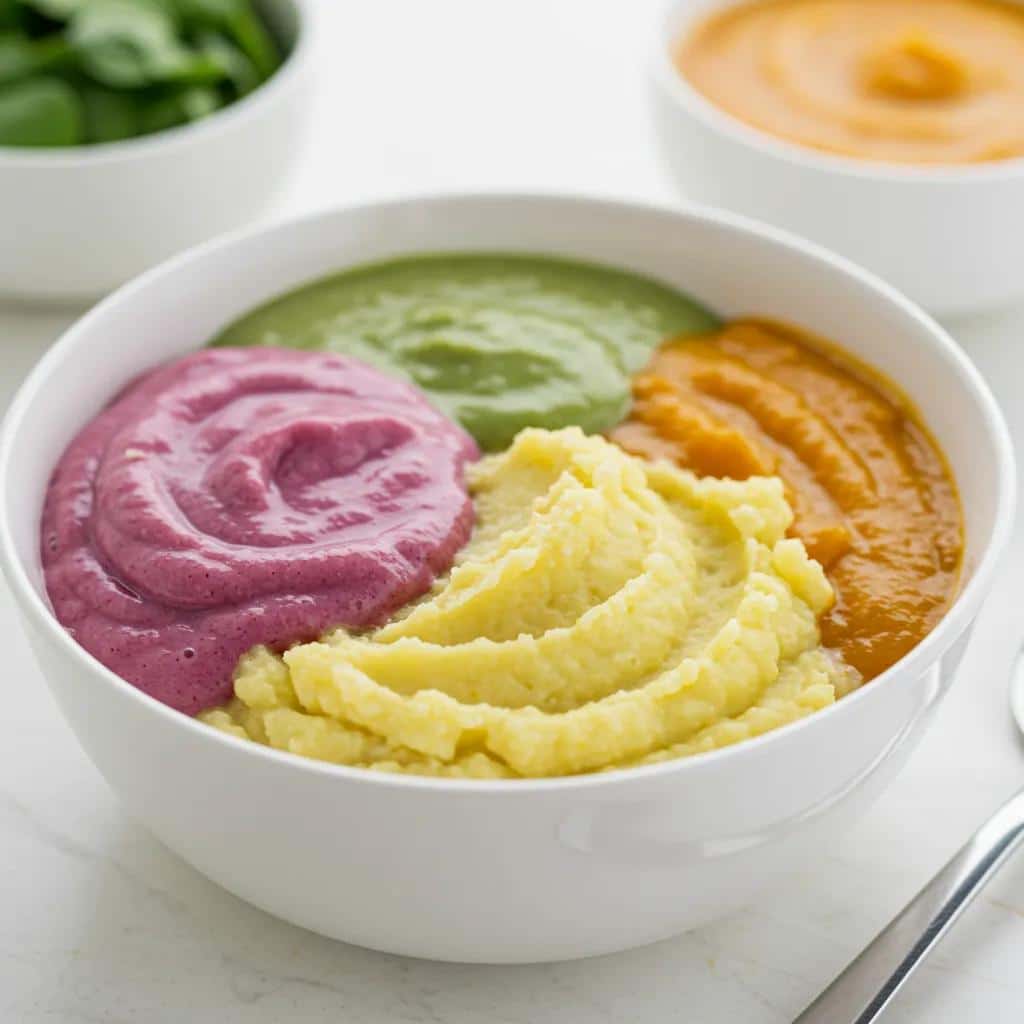
Smoothies with added protein powder, leafy greens, and soft fruits deliver protein, vitamin C, and antioxidants when blended to a smooth consistency.
Pureed soups (like bone broth or blended legumes and vegetables) provide minerals, collagen-promoting amino acids, and hydration without any chewing stress.
Scrambled eggs and soft tofu are versatile protein sources that require minimal chewing and can be flavored mildly.
Mashed potatoes, cooked oats, and polenta offer comfortable carbohydrates and can be enriched with milk or nut butter for extra protein.
These options cleverly combine macronutrients and micronutrients that support healing while minimizing mechanical risk. Next, we’ll give you a structured table to help you compare foods by texture, nutritional benefit, and suggested preparation.
Here’s a helpful table to guide you in selecting and preparing implant-friendly foods, pairing texture safety with nutritional benefits and simple preparation tips.
Food
Texture / Why It’s Safe
Nutritional Benefit
Suggested Preparation
Greek yogurt
Smooth; no chewing required
High-quality protein, calcium, probiotics
Plain or blended with soft fruit and protein powder
Scrambled eggs
Soft, easily chewed
Complete protein, vitamin D (if fortified)
Gently cooked, seasoned lightly
Pureed vegetable soup
Smooth, swallowable
Vitamins A/C, minerals, hydration
Blend cooked veggies with broth until silky
Mashed potatoes
Soft, cohesive texture
Carbohydrates, can add milk for calcium
Mash with milk or Greek yogurt for protein
Soft-cooked fish (flaked)
Tender flakes, easy to chew
Protein, omega-3 fatty acids
Steam or bake until flaky; consume after initial healing phase
Choosing foods that combine safe textures with high protein and micronutrient density truly speeds up your recovery and supports osseointegration. Smooth, blended, or soft-cooked options provide the calories and building blocks needed for collagen synthesis and bone formation, all while avoiding mechanical stress on your implants. These smart choices set the stage for you to return to a more varied diet as your healing progresses, which we’ll detail in the timeline and reintroduction sections below.
Which Soft Foods Are Best for Your Dental Implant Recovery?
When it comes to soft foods for recovery, we prioritize options that are easy to chew and swallow, while also delivering essential protein, calcium, vitamin C, and anti-inflammatory compounds to fuel your healing and reduce infection risk. In the first 48–72 hours, stick to single-ingredient, smooth textures like plain Greek yogurt, silken tofu smoothies, and strained soups. This helps limit irritation and ensures you get adequate nutrients without any chewing. As your pain and swelling go down, you can gradually introduce soft-cooked eggs, mashed root vegetables, tender flaked fish, and well-cooked legumes mashed to a soft consistency to boost your protein and micronutrient intake. Always steer clear of very hot temperatures and any sharp or fibrous bits that could irritate healing tissue; choosing lukewarm, smooth preparations significantly reduces the chance of disrupting sutures or newly forming tissue. These practical choices help you maintain your caloric intake and provide the targeted nutrients needed for the cellular processes that underpin osseointegration, leading us to a more detailed look at protein, calcium, and vitamin D below.
How Protein, Calcium, and Vitamin D Boost Your Post-Surgery Healing
Protein provides the vital amino acids needed for collagen synthesis and immune cell function, making it absolutely essential for both soft tissue repair and building the matrix where bone mineralization occurs. A practical daily goal during recovery is to meet higher protein needs—often 1.0–1.2 grams per kilogram of body weight, depending on your overall health—through easy-to-eat sources like yogurt, eggs, fish, and protein-enriched smoothies. Calcium, on the other hand, supplies the raw mineral for new bone deposition, while vitamin D enhances calcium absorption and helps regulate bone cell activity. Without enough vitamin D, dietary calcium is simply less effective at supporting osseointegration. Practical ways to combine these needs include fortified dairy or plant milks in smoothies, soft fish like canned salmon (when you’re ready), scrambled eggs, and dairy-based purees. These options collectively provide that powerful trio of protein, calcium, and vitamin D in implant-safe textures. Incorporating these targeted strategies early on can reduce healing delays and support a stable bone-implant interface, which directly connects to why avoiding certain foods is equally important.
Foods to Avoid to Protect Your Dental Implants
Avoiding specific types of food is a smart way to prevent mechanical damage and reduce the microbial and chemical challenges that can undermine your implant health. Hard, crunchy, sticky, chewy, overly hot, or acidic foods all increase the risk of mechanical stress, disrupting sutures, and forming biofilms that contribute to peri-implantitis. Sugary and acidic beverages can accelerate plaque buildup and irritate soft tissue margins, making your implants more vulnerable to infection and gum recession. To truly protect your implants, it’s important to understand which categories pose the greatest threats and choose implant-safe alternatives that keep you nourished without compromising your healing. The next sections will explain exactly how these foods cause harm and how deliberately avoiding them can significantly reduce inflammation and infection risk.
Why Hard, Sticky, Sugary, and Acidic Foods Are Harmful to Implants
Hard or crunchy items can transmit excessive bite forces to your implant before osseointegration is fully complete, potentially causing tiny movements and interrupting the crucial bone-implant integration process. Sticky and chewy foods tend to cling to surfaces and can pull at healing tissue or trap bacteria against the gum margin, increasing local biofilm load and irritation. Sugary foods, unfortunately, feed pathogenic bacteria that produce acids and enzymes, which can erode soft tissue health. Meanwhile, acidic drinks lower the local pH, potentially destabilizing restorative margins and irritating your oral mucosa. Examples to definitely avoid include whole nuts, hard candy, chewy toffees, carbonated sodas, and very acidic citrus concentrates—all of which either put mechanical stress on your implant or create an environment where harmful biofilms thrive. Recognizing these pathways makes it clear why dietary restraint in the early and intermediate phases of healing is a cornerstone of preventing implant failure and should always be combined with targeted oral hygiene measures, which we’ll discuss next.
Dietary Strategies for Optimal Wound Healing After Dental Implant Surgery
Methods to optimize healing through dietary strategies present an attractive option for patients, such that healing from delicate oral surgeries occurs as optimally as possible with minimal patient-meditated complications through improper food choices. This review discusses findings from studies that have investigated the role of diet, either whole foods or individual dietary components, on periodontal health and their potential role in wound healing after periodontal surgery.
Dietary strategies to optimize wound healing after periodontal and dental implant surgery: an evidence-based review, PC Fritz, 2013
Here’s a helpful table that clarifies common risky foods, the specific dangers they pose, and conservative timing for reintroduction to help prevent implant damage.
Food Type
Risk to Implant (mechanical / biological)
Example Foods
When to Reintroduce
Hard / Crunchy
Mechanical overload; microfractures
Nuts, hard chips, raw carrots
After clinician clearance, often 8–12+ weeks
Sticky / Chewy
Tissue disruption; traps bacteria
Caramel, gummy candies
Wait until soft tissue fully healed and flossable
Sugary Beverages
Promotes plaque and biofilm
Soda, sweetened juices
Limit long-term; avoid during early healing (first 6–8 weeks)
Acidic Foods
Lowers pH; irritates mucosa
Citrus concentrates, vinegar-heavy dressings
Reintroduce gradually when no bleeding or tenderness
Avoiding these categories during the critical healing window significantly reduces mechanical failure and biological complications by limiting harmful forces and the nutrient environment that pathogens love to exploit. By choosing gentler, nutrient-rich options and sticking to a staged reintroduction timeline, you can lower your peri-implantitis risk and support truly durable implant outcomes.
How Avoiding Certain Foods Prevents Peri-implantitis and Inflammation
Peri-implantitis often starts with an inflammatory response to bacterial biofilm and other host factors. By minimizing dietary contributors to biofilm formation and local irritation, you effectively reduce both the bacterial load and inflammatory triggers. Lowering your sugar and acid intake reduces the fuel for pathogenic bacteria and stabilizes your local pH, which in turn limits matrix-degrading enzyme activity and soft tissue breakdown that can lead to infection. Avoiding mechanical stress from hard or chewy foods prevents tiny injuries that can become breeding grounds for bacterial colonization and chronic inflammation. Combining these avoidance strategies with rigorous oral hygiene and professional monitoring creates a multi-layered prevention approach that tackles both external dietary drivers and your body’s internal responses. If you notice persistent inflammation or early signs of redness and bleeding around an implant, it’s crucial to seek a clinical assessment early; our clinicians can provide targeted interventions and dietary guidance to help stop progression.
Transitioning to a Normal Diet While Protecting Your Implant Health
Transitioning back to your normal diet after implant placement should be a gradual process, guided by clear healing signs—like no pain, stable soft tissue, and your clinician’s clearance—so you don’t jeopardize osseointegration. A conservative approach involves a week-by-week progression, moving from smooth purees to soft solids, and finally to firmer, bite-intensive foods. Always test each new stage with small bites and avoid heavy, one-sided chewing on the implant side. If you notice persistent tenderness, bleeding, or any mobility, these are signs to pause and consult with us; they suggest your bone-implant interface or peri-implant tissues need more time. Long-term dietary habits that minimize chronic inflammation and promote bone health—think balanced macronutrients, regular calcium and vitamin D intake, and limiting frequent sugar and acid exposure—will continue to support your implant longevity long after full reintroduction. The following timeline and habits offer a practical roadmap you can adapt based on your personal healing journey and our dental guidance.
Here’s a step-by-step timeline (weeks 1–12) to guide your safe progression back to a normal diet while maintaining optimal implant health.
Week 1: Stick to smooth, cool-to-lukewarm purees and protein shakes; absolutely avoid any chewing that puts pressure on the implant site.
Weeks 2–4: Gently introduce soft, mashed, and easily processed solids like mashed potatoes, soft-cooked vegetables, and tender fish; continue to avoid hard and sticky items.
Weeks 5–8: Start with small, controlled bites of firmer foods—like soft fruits and well-cooked grains—and test their durability with gentle chewing; keep avoiding nuts and hard candies.
Weeks 9–12: Gradually resume normal textures, introduce crunchy items cautiously, and test bite forces on the non-implant side first; always get clinician clearance before heavy chewing.
This staged progression helps you balance your nutritional needs with mechanical protection. Remember, patient-specific factors like bone quality, the number of implants, and your age might mean you need to advance more slowly. Using a careful testing technique—small bites, chewing on the opposite side, and stopping if any discomfort occurs—reduces the chance of disrupting healing and helps protect your long-term implant stability.
When Can You Safely Reintroduce Harder Foods After Implant Surgery?
Reintroducing harder foods depends entirely on your individual healing, but for many patients, it commonly occurs between weeks 8 and 12. However, conservative clinicians might advise a later reintroduction if your bone quality was initially poor or if you had multiple implants placed. A practical way to test is to try very small, firm bites and carefully assess for any pain, mobility, or soft tissue irritation. If you experience any adverse signs, simply return to softer textures and consult your provider. Factors that can speed up or slow down reintroduction include your systemic health, smoking status, age, and whether you had bone grafting or sinus lifts—each of these can extend the time needed for secure osseointegration. Always prioritize getting clearance from your clinician for heavy chewing loads and follow a gradual approach: small bites, distributing chewing on both sides, and avoiding repetitive forceful biting until you feel completely confident. These precautions minimize the risk of micro-motion and mechanical overload that could compromise the long-term success of your implant.
Sustainable Eating Habits for Long-Term Dental Implant Longevity
Long-term habits that protect your implants focus on getting enough nutrients and reducing chronic oral environmental factors that promote biofilm and inflammation. Maintain a balanced diet emphasizing lean proteins, dairy or fortified alternatives for calcium and vitamin D, plenty of vegetables and fruits for antioxidants and vitamin C, and regular inclusion of omega-3–rich fish to help manage inflammation. Limit frequent snacking on sugary or acidic foods and beverages, and adopt habits like rinsing with water after acidic meals to neutralize pH and reduce prolonged exposure. Combine these dietary habits with regular professional follow-up and meticulous oral hygiene—that means brushing, interdental cleaning, and periodic professional maintenance—to control plaque and monitor your peri-implant tissues. These sustainable behaviors create a systemic and local environment that truly favors long-lasting implant stability and reduces the chance of late complications.
Essential Nutrients for Dental Implant Success and Longevity
Essential nutrients provide the biochemical building blocks and regulatory signals that enable bone deposition, collagen synthesis, immune competence, and inflammation control—all absolutely crucial for implant success. Key nutrients include calcium and vitamin D for bone mineralization, protein and vitamin C for collagen and tissue repair, zinc for enzymatic and immune functions, and omega-3 fatty acids for their anti-inflammatory effects. Understanding the role, food sources, and ideal timing for each nutrient empowers you to optimize your intake before surgery, during the acute healing window, and throughout long-term maintenance. The table below offers a concise, scannable comparison of these nutrients, their mechanisms, food sources, and practical timing recommendations to help you plan your meals and, where appropriate, discuss supplementation with your provider.
This nutrient table clearly links each essential nutrient to its healing role, common food sources, and recommended timing to prioritize your intake around implant surgery.
Nutrient
Role in Implant Healing
Food Sources
Recommended Timing (pre/post-op)
Calcium
Bone mineral supply; supports hydroxyapatite formation
Dairy, fortified plant milks, soft fish with bones, leafy greens (well-cooked)
Increase intake pre-op and continue during healing; daily adequacy important
Vitamin D
Enhances calcium absorption; modulates bone cell activity
Ensure sufficiency pre-op; maintain during recovery to aid mineralization
Protein
Provides amino acids for collagen and tissue repair
Eggs, dairy, fish, tofu, legumes (mashed)
Increase protein intake immediately post-op and for 4–8 weeks
Vitamin C
Collagen synthesis and antioxidant protection
Soft fruits (berries blended), cooked vegetables
Maintain daily intake to support soft tissue repair
Zinc
Enzyme cofactor for cell proliferation and immune defense
Soft-cooked meats, legumes pureed, dairy
Support intake in early healing; discuss supplements with provider
Omega-3s
Reduces inflammatory cytokines; supports resolution of inflammation
Fatty fish, ground flaxseed (in smoothies)
Include regularly to modulate inflammation after surgery
Meeting these nutrient targets through implant-safe foods truly accelerates bone and soft tissue repair while limiting inflammatory responses that could threaten your implant health. If you notice dietary gaps or have concerns about absorption, please discuss supplement strategies with your dental or medical provider to tailor interventions safely and effectively for you.
How Calcium, Vitamin D, and Zinc Strengthen Your Jawbone and Tissue
Calcium is the primary mineral that gets incorporated into your bone matrix, while vitamin D facilitates calcium absorption and influences osteoblast and osteoclast activity to promote net bone formation. Together, they form a powerful, synergistic team absolutely critical for osseointegration. Zinc, on the other hand, contributes to collagen synthesis, cell division, and immune competence, enabling efficient soft tissue repair around your implant and supporting early wound closure that protects the underlying bone. Clinically, ensuring you have adequate serum vitamin D and dietary calcium before surgery is linked to fewer healing delays and stronger bone remodeling responses. Plus, zinc deficiency has been connected to impaired wound healing in surgical contexts. Practical dietary approaches during recovery include fortified dairy or plant milks, soft-cooked salmon, eggs, and pureed legumes for zinc—all excellent choices that provide these vital nutrients in textures safe for implant patients. These nutrient synergies underpin the structural integration of your implants and the resilience of surrounding tissues, which naturally connects to the important role of anti-inflammatory foods, addressed next.
The Role of Anti-Inflammatory Foods and Omega-3s in Implant Health
Anti-inflammatory foods work to reduce cytokine-driven tissue breakdown and create a healing environment that truly favors stable bone formation and soft tissue integrity around your implants. Omega-3 fatty acids, found abundantly in fatty fish and some plant sources, help to calm down pro-inflammatory mediators and can reduce the extent of peri-implant soft tissue inflammation when included as part of a balanced diet. Fruits, leafy greens, whole grains, and foods rich in polyphenols provide powerful antioxidants that lower oxidative stress and support the immune responses necessary for infection control and tissue repair. Incorporating anti-inflammatory foods into soft-food preparations—like blended berry smoothies, pureed spinach soups, and mashed avocado—allows you to get these benefits during early recovery without any mechanical risk. Regularly including these foods as part of your long-term eating pattern helps maintain reduced inflammation and supports the long-term health of your implant environment.
How Your Diet Can Help Prevent Complications Like Peri-implantitis
Smart dietary strategies can significantly reduce your risk of peri-implantitis by limiting the fuel for pathogenic biofilms, lowering local inflammation, and boosting your body’s immune defenses to control microbial challenges. Emphasizing low-sugar, low-acid meal patterns, frequent neutralizing practices (like rinsing with water after meals), and including anti-inflammatory foods decreases both the bacterial drivers and tissue susceptibility that can lead to peri-implant disease. Combining these dietary strategies with meticulous oral hygiene and scheduled professional maintenance creates a comprehensive prevention plan that addresses both external and internal risk factors. The following sections will specify anti-inflammatory choices and explain exactly how sugar and acid increase peri-implantitis risk, guiding you toward actionable changes you can implement right now.
What Foods Help Reduce Inflammation Around Your Dental Implants?
Certain foods contain compounds that directly reduce inflammatory signaling and support tissue resilience around your implants. These include fatty fish rich in EPA/DHA, berries and other colorful fruits high in polyphenols, leafy greens packed with antioxidants, and whole grains with fiber that promote overall systemic metabolic health. Practical ways to include them during recovery are blended berry-protein smoothies, pureed spinach or kale soups, mashed avocado with soft grains, and later on, gently cooked salmon flakes mashed into soft sides. These foods offer fantastic anti-inflammatory benefits without compromising texture safety and can be rotated throughout your day to maintain a steady nutrient delivery. Consistently including them helps create a host environment that’s less prone to chronic inflammation, thereby lowering the likelihood of peri-implant soft tissue breakdown and long-term complications.
Fatty fish (e.g., salmon) provides EPA/DHA that reduce inflammatory cytokines.
Berries and cherries offer polyphenols that lower oxidative stress and inflammation.
Leafy greens supply vitamins and antioxidants that support tissue repair.
Whole grains and legumes improve metabolic health and reduce systemic inflammation.
These dietary choices, when combined with excellent oral hygiene practices, create an environment less hospitable to the pathogenic processes that cause peri-implantitis and truly help sustain your implant longevity.
How Sugar and Acid Intake Increases Your Risk of Gum Disease
Sugar provides readily metabolizable fuel for pathogenic oral bacteria, which then ferment carbohydrates into acids and biofilm matrix components that damage soft tissues and create an environment ripe for peri-implantitis. Frequent acid exposure from sugary or carbonated drinks and citrus-based beverages lowers the local pH, destabilizes soft tissue integrity, and weakens the protective barriers around your implant restorations. Over time, this combination of nutrient-driven bacterial proliferation and recurrent mucosal irritation accelerates tissue breakdown and can expose deeper implant components to infection. Reducing sugar frequency, avoiding prolonged sipping of acidic beverages, and choosing neutral or alkaline post-meal rinses are practical habit changes that directly reduce these risks. Substituting water, unsweetened herbal teas, and anti-inflammatory snacks decreases both biofilm formation and chemical irritation, significantly lowering your long-term gum disease risk around implants.
Your Best Fort Worth Local Food Options for Dental ImplantPatients
Fort Worth offers fantastic grocery and prepared-food options that make it easy to find soft, nutrient-dense meals during your implant recovery. Focusing on groceries with prepared soups, bottled smoothies, soft protein options, and adjustable hot foods simplifies sticking to your post-op diet plan. Look for local shops and deli counters that can customize textures—don’t hesitate to ask for soups to be blended, vegetables to be well-cooked, or proteins to be flaked—so you can maintain nutrient diversity while following your texture restrictions. Meal delivery and grocery-prep services often provide soft, nutrient-balanced options perfect for the early recovery window, and many Fort Worth cafes can modify smoothies or oatmeal for extra calories and protein. The following section lists where to find soft, nutrient-rich foods and gives you practical ordering tips to ensure your meals are implant-safe.
Where to Find Soft and Nutrient-Rich Foods in Fort Worth
Fort Worth groceries and prepared-food retailers commonly stock pre-made smoothies, pureed soups, and soft protein sides that are ideal during your post-op period. Be sure to check prepared foods sections for chilled yogurt cups, mashed sides, and blended soups. Many cafes and delis will happily blend or strain soups on request, and hot-food counters often offer gently cooked options such as steamed fish or poached eggs that can be prepared softer upon request. For ultimate convenience, consider local meal-prep or home-delivery services that list texture and ingredient options—just remember to request soft or pureed versions when ordering to preserve nutrient density without chewing. When dining out or ordering, always ask staff to remove crunchy garnishes, cut proteins into small pieces, and avoid spicy or acidic dressings to ensure your food is gentle on healing tissues. These localized strategies truly help our Fort Worth patients maintain a nutrient-rich recovery diet while minimizing mechanical and biological risks to their implants.
Ready to Schedule Your Free Dental Implant Consult at Affordable Dentist Near Me?
Affordable Dentist Near Me in Fort Worth is pleased to offer a Free Dental Implant Consult. This is your chance to evaluate your implant needs, discuss dietary and healing plans tailored to your individual health, and receive a professional assessment of any peri-implant risk factors. To schedule your consult, simply call our Fort Worth office phone number and request a Free Dental Implant Consult. Bringing a list of your current medications, recent dental history, and any dietary concerns will make your visit even more productive. Our dedicated Fort Worth team can review your healing timeline, offer personalized diet recommendations based on your bone quality and planned procedures, and provide information on our affordable care options. Asking specific questions—such as what to expect during the first 12 weeks, how to manage supplements safely, and when you can return to normal chewing—will help you maximize the value of your consult and align your diet plan perfectly with your clinical milestones.
Here’s a quick checklist of what to bring and ask at your consult:
Photo ID and any recent dental x-rays or records if available.
A list of your current medications and dietary supplements.
Your questions about the post-op diet timeline and signs of complications.
A request for personalized recommendations about supplements or referrals if needed.
Scheduling this free consult directly connects your dietary guidance with your clinical plan, enabling a coordinated approach to nutrition and healing that truly enhances your implant longevity while addressing your individual risk factors.
Frequently Asked Questions About Dental Implants
What are the best practices for maintaining oral hygiene after dental implantsurgery?
Maintaining excellent oral hygiene after dental implantsurgery is absolutely crucial for preventing infection and ensuring successful healing. Start by gently brushing your teeth with a soft-bristled toothbrush, carefully avoiding the implant site for the first few days. Rinsing with a non-alcoholic mouthwash can help reduce bacteria without irritating the area. Flossing should be resumed cautiously, using a floss threader or interdental brush to navigate around your implant. Regular dental check-ups are essential to monitor healing and address any concerns early. Always follow your dentist’s specific recommendations for post-operative care to keep your smile healthy!
How long does it take for dental implants to fully heal?
The healing time for dental implants can vary for each individual, but it generally takes between 3 to 6 months. This period allows for osseointegration, which is when your bone grows securely around the implant, locking it firmly in place. Factors influencing healing time include your overall health, the quality of your bone, and whether any additional procedures, like bone grafting, were performed. Regular follow-ups with your dentist are key to tracking your progress and ensuring that the healing process is on schedule. Patience is truly key, as rushing the process can lead to complications.
Can I smoke after getting dental implants?
Smoking after dental implantsurgery is highly discouraged as it can significantly hinder healing and dramatically increase the risk of complications. Nicotine restricts vital blood flow, which is essential for proper healing, and can unfortunately lead to implant failure. It’s strongly advisable to quit smoking at least a few weeks before and after your procedure. If quitting isn’t feasible, reducing smoking as much as possible can still help improve your healing outcomes. Discussing smoking cessation strategies with your healthcare provider can provide additional support during this critical recovery period.
What are the signs of complications after dental implantsurgery?
Signs of complications after dental implantsurgery can include persistent pain, swelling, or redness around the implant site, which might indicate an infection. Other important warning signs include bleeding that doesn’t subside, a bad taste in your mouth, or any noticeable mobility of the implant. If you experience any of these symptoms, it is absolutely crucial to contact your dentist immediately for an evaluation. Early intervention can prevent further complications and ensure the long-term success of your dental implants.
How can I ensure a balanced diet during the recovery period?
To ensure you maintain a balanced diet during the recovery period after dental implantsurgery, focus on incorporating a variety of soft, nutrient-dense foods. Prioritize protein sources like yogurt, eggs, and smoothies, which are easy to consume and rich in essential nutrients. Include plenty of fruits and vegetables, preferably in pureed or soft-cooked forms, to provide vital vitamins and minerals. Staying well-hydrated is also incredibly important, so drink plenty of fluids. Planning your meals ahead and even consulting with a nutritionist can help you maintain a balanced diet perfectly tailored to your recovery needs.
What role does hydration play in the healing process after dental implants?
Hydration plays a truly vital role in the healing process after dental implants. Adequate fluid intake helps maintain optimal blood circulation, which is essential for delivering nutrients to your healing tissues. Staying hydrated also aids in reducing inflammation and promoting your overall recovery. We recommend drinking cool or lukewarm fluids, especially in the initial days post-surgery, to minimize swelling and discomfort. Avoiding dehydrating beverages like alcohol and caffeine can further support your healing process. Aim for at least 8-10 glasses of water daily, adjusting based on your individual needs.
Ready for Lasting Smiles? Your Diet is Key!
Maintaining a nutrient-rich diet is absolutely essential for the long-term success of your dental implants, as it directly influences how well they heal and integrate. Key nutrients like calcium, vitamin D, and protein play critical roles in supporting strong bone and healthy tissue, significantly reducing your risk of complications. By prioritizing soft, nutrient-dense foods and wisely avoiding harmful options, you can truly enhance your recovery and protect your valuable investment in dental health. Ready to learn more? Schedule your free dental implant consult today to receive personalized dietary guidance tailored specifically to your needs!