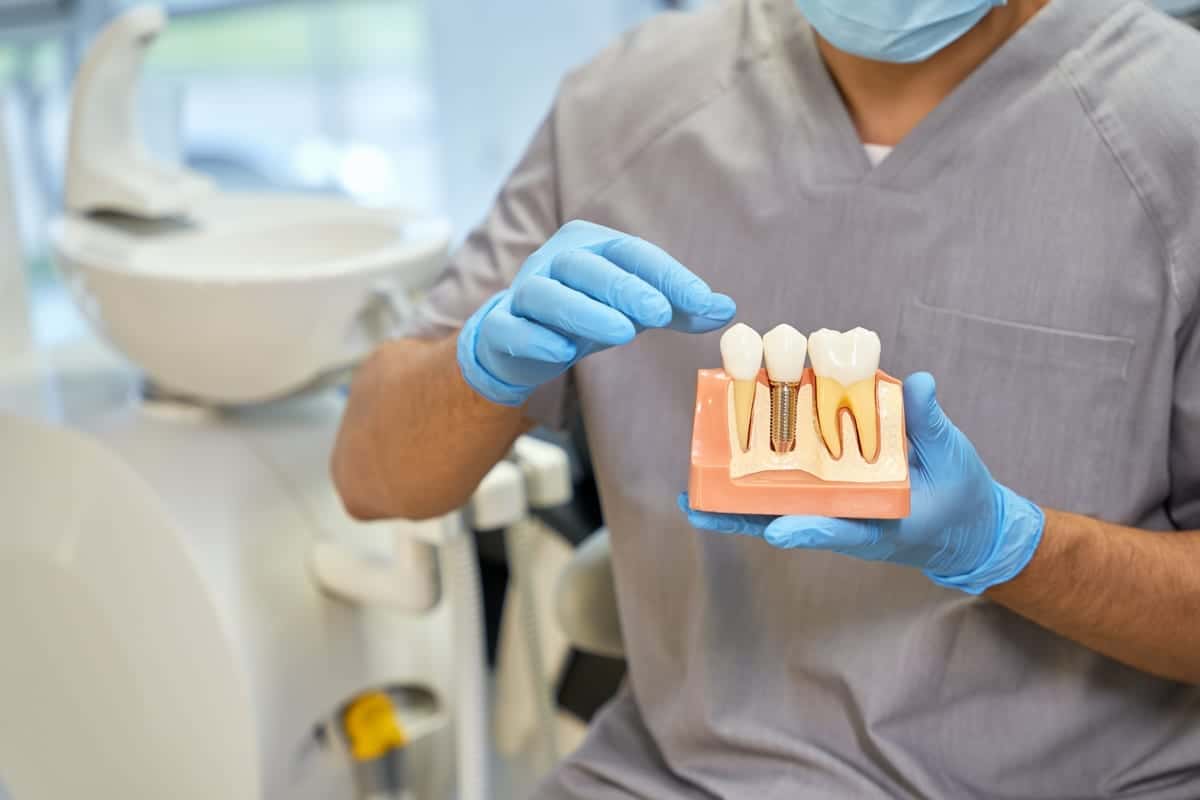
Understanding what to expect during dental implant recovery is key to a smooth healing process. Our dental team at Affordable Dentist Near Me of Dallas wants every patient to feel fully prepared. This week-by-week guide walks you through the entire recovery journey in Dallas. Knowing what lies ahead helps reduce anxiety and improve outcomes.
Dental implants are a long-term investment in your smile and oral health. Recovery takes time, but with the right care, most patients heal successfully. This guide covers pain management, diet changes, warning signs, and long-term maintenance. Whether you are just researching or already scheduled, this information is for you.
Week-by-Week Dental Implant Recovery Timeline in Dallas
The first 24 to 48 hours after surgery are the most intense. You will likely experience swelling, mild bleeding, and discomfort in the treated area. Your dental team will send you home with specific aftercare instructions. Follow them closely to protect the implant site.
During the first week, focus on rest and gentle care. Swelling typically peaks around day two or three and then gradually reduces. Most patients can return to light daily activities within three to five days. Avoid strenuous exercise during this period.
By weeks two and three, most visible swelling should be gone. The implant site continues to heal beneath the surface. You may still feel some tenderness when pressing on the area. This is completely normal at this stage.
Osseointegration — the process where the implant fuses with your jawbone — takes three to six months. Full healing varies from person to person based on bone density and health. Regular follow-up visits in Dallas help your dental team monitor progress. Staying consistent with appointments is essential for long-term success.
What to Eat During Dental Implant Recovery
Your diet plays a huge role in how well and how fast you heal. The right foods protect the implant site and reduce irritation. Poor food choices can disrupt healing or even damage the implant. Follow these dietary guidelines throughout your recovery.
During the first one to two weeks, stick to soft foods. Avoid hard, crunchy, or sticky items entirely. These can put pressure on the implant and slow recovery. Your dental team will tell you when it is safe to expand your diet.
Here are some great food choices after dental implant surgery:
- Smoothies and protein shakes (no straws)
- Mashed potatoes, sweet potatoes, and soft cooked vegetables
- Scrambled eggs and soft-boiled eggs
- Yogurt, applesauce, and pudding
- Oatmeal and cream of wheat
- Soft fish like tilapia or salmon
- Soup broths (not too hot)
Avoid the following foods during early recovery:
- Hard candies, nuts, and chips
- Chewy meats and tough bread
- Spicy foods that may irritate the gums
- Extremely hot beverages
- Alcohol, which can interfere with healing
As weeks progress and healing improves, you can slowly reintroduce firmer foods. Always check with your dental team before making major dietary changes. Everyone heals at a slightly different pace.
Managing Pain and Discomfort After Implant Surgery in Dallas
Some level of discomfort is expected after dental implant placement. The good news is that most patients find pain very manageable. Over-the-counter pain relievers like ibuprofen work well for most people. Your dental team may also prescribe medication if needed.
Use ice packs on your cheek during the first 24 hours. Apply for 20 minutes on and 20 minutes off to reduce swelling. After the first day, switch to warm compresses if swelling persists. Never place ice directly on the skin.
Here are key tips for managing post-implant discomfort:
- Take pain medication before the local anesthetic fully wears off
- Keep your head elevated while sleeping to reduce swelling
- Rinse gently with warm salt water after 24 hours
- Avoid smoking, which significantly delays healing
- Do not poke or probe the surgical site with your tongue
Call your dental team immediately if you notice severe pain after the third day. Increasing pain — rather than decreasing pain — can signal a problem. Signs like fever, excessive swelling, or pus need prompt attention. Early action can prevent complications and protect your implant.
Patients who invest in quality dental care often explore multiple treatments. You may want to learn about Cosmetic Dentistry Longevity In Addison Tx Affordable Dentist Near Me to see how implants fit into a broader smile plan. Many cosmetic and restorative treatments work together beautifully.
Long-Term Care for Dental Implants in Dallas
Once your implant fully integrates, daily maintenance becomes your top priority. Implants look and function like natural teeth but still require consistent care. Neglecting oral hygiene can lead to peri-implantitis, a gum condition that threatens the implant. Proper habits protect your investment for decades.
Brush your implant crown twice daily with a soft-bristle toothbrush. Use non-abrasive toothpaste to avoid scratching the surface. Floss daily using implant-specific floss or a water flosser. These tools clean areas that a regular toothbrush misses.
Schedule professional cleanings every six months at your Dallas dental office. Your dental team will check the implant, surrounding gums, and bite alignment. X-rays may be taken periodically to assess bone levels. Routine monitoring catches issues early before they become serious.
Patients who take care of their implants can enjoy them for 20 years or more. Lifestyle choices like avoiding tobacco also improve implant longevity. If you grind your teeth at night, ask about a night guard. Protecting the implant crown extends its lifespan significantly.
If you are exploring treatment options in other locations as well, check out Cosmetic Dentistry In Waco Tx Affordable Dentist Near Me for additional care resources. Comprehensive dental services help patients maintain health across all stages of life.
When to Contact Your Dental Team During Recovery
Most dental implant recoveries go smoothly with proper aftercare. However, knowing when to call your dental team is important. Some symptoms are normal, while others require professional evaluation. Do not hesitate to reach out if something feels wrong.
Contact your dental team right away if you experience any of these:
- Pain that worsens after the third day instead of improving
- Swelling that suddenly gets worse after a week
- Numbness that does not resolve after a few hours
- Implant or crown that feels loose or shifted
- Fever above 101°F accompanied by oral swelling
Minor bleeding right after surgery is normal. However, heavy or prolonged bleeding should be reported promptly. Bite gently on gauze and call your dental team if it continues beyond a couple of hours. Being proactive leads to better results.
Conclusion: Your Path to a Successful Implant Recovery in Dallas
Dental implant recovery follows a predictable path when patients stay informed and follow professional guidance. Week by week, healing progresses and the implant becomes a permanent part of your smile. Our dental team at Affordable Dentist Near Me of Dallas is here to guide you every step of the way. Your comfort and long-term oral health are always our top priority.
Whether you are preparing for surgery or already in recovery, you do not have to navigate this alone. Ask questions, follow your aftercare instructions, and attend every follow-up appointment. The result — a strong, natural-looking tooth — is absolutely worth the patience. Book Now to schedule your appointment with our team.
Frequently Asked Questions
How long does dental implant recovery take in Dallas?
Most patients experience manageable discomfort during the first one to two weeks. Full osseointegration — the fusion of the implant with the jawbone — takes three to six months. The timeline varies based on individual health and bone density. Regular follow-up visits help your dental team track your specific progress.
What is the best thing to eat right after dental implant surgery?
Stick to soft, cool, or lukewarm foods for the first one to two weeks. Great options include mashed potatoes, yogurt, scrambled eggs, and smoothies. Avoid using straws, as the suction pressure can disturb the surgical site. Your dental team will guide you on when to return to a normal diet.
Is pain after dental implant surgery normal?
Yes, some discomfort in the first few days is completely expected. Over-the-counter pain relievers and ice packs manage most post-surgical pain effectively. Pain should steadily decrease each day after surgery. If pain worsens after day three, contact your dental team immediately.
Can I brush my teeth after getting a dental implant?
Yes, but avoid the surgical site during the first 24 hours. After that, brush gently around the area using a soft-bristle toothbrush. Your dental team may recommend a special rinse to keep the area clean. Consistent gentle hygiene supports faster and healthier healing.
How do I know if my dental implant is healing properly?
Gradual reduction in swelling, pain, and sensitivity are all positive signs of healing. Your implant should feel stable and secure over time. Routine check-ups and X-rays allow your dental team to confirm proper bone integration. Alert your dentist immediately if you notice looseness, increasing pain, or unusual discharge.