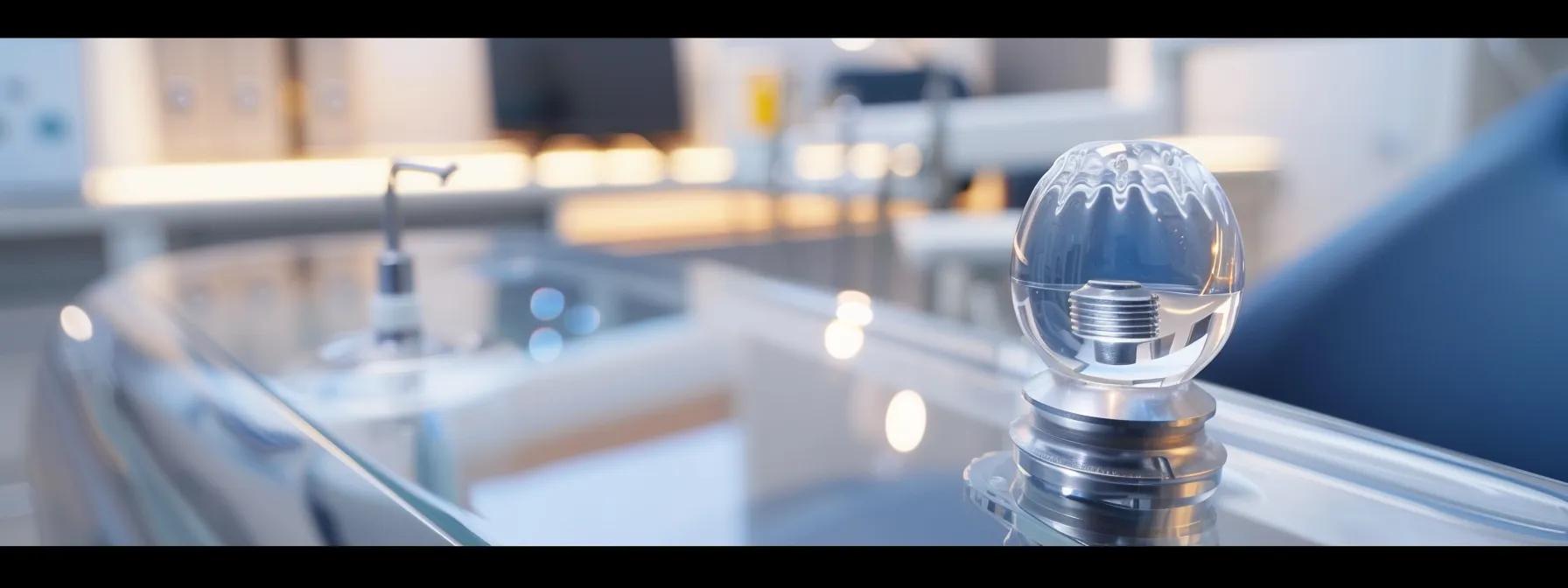
Dental implants have become a popular solution for replacing missing teeth and restoring a confident smile. Many dental patients in their 40s to 60s wonder if these implants can rust over time. The concern is understandable since metal implants are exposed to body fluids and variable pH levels in the mouth. However, modern implants are engineered to withstand the harsh oral environment. This article examines the materials used in dental implants, the science behind their corrosion resistance, factors affecting their longevity, and best practices for long-term care.
Dental implants not only replace lost teeth but also help maintain jawbone integrity and facial structure. When a tooth is lost, the surrounding bone can resorb, leading to further complications. Implants substitute for the tooth root, stimulating bone growth and preventing resorption. Knowing that these devices are built to last helps ease anxiety about major dental procedures.
A common concern is whether the metals used can rust. Rust is the result of oxidation when moisture and oxygen are present. Dental implants are mostly made of titanium or its alloys, which form a protective oxide layer that guards against corrosion. Sophisticated surface treatments further enhance resistance to rust and degradation.
This article explores the materials and mechanisms that give dental implants their resilience, outlines quality control standards, and discusses maintenance practices along with key questions to ask your specialist. With expert perspectives, dental patients will understand why modern dental implants remain one of the most reliable restorative solutions.
Key Takeaways
Dental implants are primarily made of titanium, which is highly resistant to corrosion.
Longevity is achieved through advanced material engineering and stringent manufacturing standards.
Long-term implant success depends on proper oral hygiene and regular dental check-ups.
Consult your Mansfield dentist about implant maintenance and material durability to address concerns.
Understanding the Materials Used in Dental Implants
Most dental implants are constructed from titanium—a metal valued for its strength, biocompatibility, and corrosion resistance. This section explains why titanium is preferred and discusses potential metal-free alternatives for patients with sensitivities.
Why Titanium Is the Standard for Dental Implants
Titanium is the gold standard for dental implants because its physical properties make it ideal for the jawbone. It is exceptionally strong yet lightweight, which allows it to mimic a natural tooth root. Titanium integrates with surrounding bone—a process called osseointegration—which is crucial for long-term implant stability. This integration, occurring over several months as bone grows tightly around the implant, explains the high success rate of titanium implants (around 95%).
Its excellent biocompatibility prevents rejection by the body. Once its surface forms a thin, self-passivating oxide layer, titanium protects itself from corrosion while providing a surface that promotes bone attachment. Decades of clinical use further confirm titanium’s reliability—a quality that, along with new coatings and treatments, keeps titanium implants dependable even after 10 to 20 years.
Biocompatibility of Dental Implant Materials
An implant’s success largely depends on how well it is tolerated by the body. Titanium and its alloys evoke minimal immune responses, and the healing process leads to strong osseointegration. Clinical studies confirm low rates of inflammation and rejection with titanium implants. The natural oxide layer also prevents the release of metal ions that might trigger allergic reactions.
The smooth, polished surfaces of titanium implants discourage bacterial colonization, reducing the risk of conditions like peri-implantitis. While advanced ceramics such as zirconia offer metal-free alternatives, they sometimes lack the same degree of osseointegration compared to titanium.
Are There Metal-Free Dental Implant Alternatives?
For patients concerned about metal sensitivities, zirconia implants provide a metal-free option. Zirconia implants are naturally tooth-colored, highly biocompatible, and resistant to corrosion. However, titanium implants remain more widely used due to their extensive clinical data and superior integration with bone. Zirconia is generally more brittle and may fracture under extreme stress, making titanium the preferred choice for most patients.
The Science Behind Why Your Dental Implants Resist Corrosion
This section explains how dental implants resist corrosion, emphasizing titanium’s protective strategies and its interactions with bodily fluids.
Titanium’s Protective Oxide Layer Explained
Titanium’s resistance to corrosion is due to its naturally forming oxide layer. When exposed to oxygen, titanium quickly forms a thin layer of titanium dioxide (TiO₂) that is stable and adherent. This layer blocks corrosive substances from contacting the underlying metal, ensuring that implants do not rust even when exposed to saliva, food, or other chemicals.
This oxide layer is self-healing; if it is disrupted during placement, it quickly reforms, providing continuous protection. In varied pH conditions—even acidic environments—the oxide layer remains effective, which helps dental implants last 20 years or more without significant degradation.
Surface treatments like sandblasting and acid etching, used in dental labs, further enhance the thickness and resilience of this protective layer.
How Saliva and Body Fluids Interact With Dental Implants
The oral environment is challenging due to constant exposure to saliva, enzymes, and changing pH levels. Although saliva contains components that could be corrosive, titanium’s oxide layer prevents oxidation by acting as a shield. This barrier stops metal ions from reacting with moisture and oxygen.
Additionally, the flow of saliva helps flush away debris and bacteria. Proteins in bodily fluids may bond with the implant surface without compromising the oxide layer; in fact, such bonds may even promote osseointegration. Even in cases of dry mouth or dietary acidity spikes, the titanium oxide layer remains robust and effective.
Comparing Dental Implant Materials to Metals That Do Rust
Unlike iron—which rusts quickly even with minimal moisture exposure—or low-grade stainless steel, titanium shows negligible corrosion. Many metals either corrode or experience surface degradation in the mouth’s enzyme-rich environment. Titanium’s oxide layer, combined with its stable metal structure, prevents these issues and supports strong osseointegration. Its low reactivity also minimizes the risk of allergic reactions and tissue damage compared to other metals.
Potential Factors Affecting Dental Implant Integrity Over Time
Several factors influence the longevity and stability of dental implants. Understanding these influences can help patients make informed decisions regarding implant care and maintenance.
The Impact of Oral Hygiene on Dental Implant Longevity
Proper oral hygiene is critical to the success of dental implants. Failure to clean adequately can cause plaque buildup and bacterial colonization around the implant, leading to peri-implantitis and potential bone loss. Regular brushing, flossing, and professional cleanings reduce these risks. Using specialized tools like interdental brushes that reach the tight spaces around implants is recommended.
Antimicrobial mouth rinses can further reduce bacterial growth. Consistent oral hygiene results in fewer complications and a longer implant lifespan. Additionally, periodic dental check-ups help remove biofilm and minor deposits that might damage the protective oxide layer, keeping the implant’s environment healthy.
Can Certain Medical Conditions Influence Dental Implants?
Systemic health conditions such as diabetes, osteoporosis, and autoimmune disorders may impact healing and bone integration. Uncontrolled diabetes, for example, can delay healing and increase infection risk, which may compromise implant integration. Conditions that reduce saliva production, such as xerostomia (dry mouth), can also negatively affect the implant environment. Furthermore, certain medications—like bisphosphonates, corticosteroids, and immune-suppressing drugs—can impact bone density and healing, affecting the implant’s stability. Patients should share their complete medical history with their dentist to tailor treatment plans accordingly.
Wear and Tear on Dental Implants Through Years of Use
Even the strongest implants experience physical wear over time. Repetitive chewing forces, temperature changes, and exposure to diverse food textures can gradually affect the implant’s structural integrity. Mechanical stresses may cause microscopic wear at the abutment-implant junction or slight degradation of the interface between the implant and its crown. Although titanium is highly durable, the connecting components (e.g., abutments and screws) may be more susceptible to wear. Regular dental assessments help detect early signs of fatigue or loosening, allowing for timely maintenance or minor adjustments.
Ensuring the Quality and Safety of Your Dental Implants
Quality and safety are key in dental implantology. Patients need to be confident that their implants meet strict manufacturing standards.
Standards and Regulations for Dental Implant Manufacturing
Dental implants are regulated by bodies such as the FDA and ISO, which set stringent guidelines for materials, design, and manufacturing. These guidelines ensure high standards in purity, surface treatments, and overall design to promote corrosion resistance and osseointegration. Manufacturers follow Good Manufacturing Practices (GMP) and conduct extensive laboratory tests—covering corrosion resistance, mechanical fatigue, and biocompatibility—before clinical use. Detailed documentation and quality checks provide additional reassurance to patients about the implant’s safety and durability.
What to Ask Your Mansfield Dentist About Implant Materials
Patients should ask their Mansfield dentist detailed questions regarding implant materials. Inquiries like “What type of titanium alloy is used?” or “How does the corrosion resistance compare with other metals?” are important. Ask about post-operative care instructions specific to the implant material and any alternative options, such as zirconia for metal-sensitive patients. A thorough discussion will clarify expectations regarding lifespan, risks, and maintenance steps, ensuring a well-informed treatment plan.
Recognizing Signs of a Compromised Dental Implant
Despite high-quality manufacturing, implants still require monitoring for signs of compromise. Persistent discomfort, gum swelling, unusual tastes, or implant mobility can indicate problems such as peri-implantitis or mechanical failure. Changes in bite alignment or crown loosening may also signal issues. Regular dental check-ups, including imaging like X-rays or CT scans, help detect these early signs so that timely interventions can preserve the implant’s longevity.
Long-Term Care for Your Dental Implants in Mansfield
Long-term success of dental implants depends on ongoing care. For patients in Mansfield, effective implant care combines regular dental visits with diligent at-home hygiene and healthy lifestyle choices.
Recommended Cleaning Practices for Dental Implants
Consistent oral hygiene is essential for implant longevity. Brushing twice daily with a soft-bristled toothbrush and non-abrasive toothpaste helps protect both the implant and surrounding tissues. Use interdental brushes or specially designed floss to clean hard-to-reach areas around the abutment. Antimicrobial mouth rinses can further decrease bacterial load, and integrating a water flosser may help remove debris.
Personalized cleaning routines may be necessary for patients with a history of periodontal issues. Regular professional cleanings and follow-up visits allow dentists to monitor implant health and adjust hygiene recommendations as needed.
The Role of Regular Dental Check-Ups in Mansfield for Implant Health
Routine dental appointments are crucial for maintaining dental implant health. In Mansfield, specialists perform comprehensive examinations—including visual assessments and radiographic imaging—to monitor bone levels and detect early signs of complications such as peri-implantitis. These appointments typically include professional cleaning of the implant area, ensuring that any accumulated plaque or calculus is removed effectively. Regular check-ups also provide an opportunity for patients to ask questions and update their oral care regimen as needed.
Lifestyle Choices That Support Healthy Dental Implants
A holistic approach enhances implant longevity. A diet rich in vitamins and minerals (especially calcium and vitamin D) supports bone health. Avoiding sugary foods helps prevent bacterial growth, while quitting smoking and moderating alcohol intake improve healing and overall oral health. Regular physical activity improves blood circulation, aiding in tissue repair, and stress management techniques such as mindfulness or meditation can reduce inflammation. Together, these lifestyle modifications support long-term implant success.
Addressing Concerns About Dental Implants With Your Mansfield Specialist
Many dental patients have concerns regarding the durability and performance of their implants. Open communication with a Mansfield specialist ensures you receive accurate information and realistic expectations about the procedure.
Questions to Ask About the Durability of Dental Implants
When consulting with your Mansfield specialist, ask: – “What is the expected lifespan of my dental implant?” – “How does titanium compare to other metals in terms of durability?” – “What steps are taken during the implantation process to ensure long-term stability?” These questions help clarify technical details and provide insight into the expertise behind your treatment.
Understanding the Lifespan of Dental Implants
Modern titanium dental implants typically last between 15 and 25 years or more, though longevity depends on implant placement, bone density, and patient maintenance. While no implant is entirely “lifetime-proof,” proper osseointegration and regular check-ups can extend their functional life. Factors such as bruxism (teeth grinding) may reduce lifespan, so using a mouthguard may be advised.
Local Options for Dental Implants in Mansfield
Mansfield offers several reputable dental clinics specializing in implant procedures. Local practices often provide free initial consultations, advanced imaging services, and flexible payment plans. When choosing a clinic, consider the dental team’s experience, patient testimonials, and the clinic’s record of successful implant procedures. A personalized treatment plan that accounts for your dental health, bone density, and lifestyle will help ensure the best possible outcome.
Final Thoughts
Dental implants are engineered to withstand the hostile conditions of the mouth through the use of advanced, corrosion-resistant materials like titanium. Their success is due to rigorous manufacturing standards, quality control, and the natural protective oxide layer that prevents rust. Long-term care through regular dental check-ups and meticulous oral hygiene is essential for maintaining implant integrity. Dental patients in Mansfield are encouraged to engage in open dialogue with their specialists, ask critical questions about durability, and choose providers who offer personalized treatment plans with affordable financing options. These proactive steps help ensure that dental implants remain a reliable, long-lasting solution for restoring smiles and overall oral health.
Frequently Asked Questions
Q: Can dental implants rust over time? A: Dental implants, typically made from titanium, are engineered to resist rust. Titanium forms a natural oxide layer immediately upon exposure to oxygen, protecting the implant from corrosive agents. With proper oral hygiene and regular dental check-ups, implants remain rust‑free for decades.
Q: What factors affect the longevity of dental implants? A: Longevity depends on the implant material quality, osseointegration success, oral hygiene, overall health, and lifestyle habits (such as smoking). Regular maintenance and check-ups are key to extending implant lifespan.
Q: How important is oral hygiene in maintaining dental implants? A: Maintaining excellent oral hygiene is crucial. Brushing, specialized flossing, and professional cleanings help prevent plaque buildup and gum inflammation, reducing the risk of peri‑implantitis and ensuring long‑term success.
Q: Are there metal-free implant options available? A: Yes. While titanium is most common due to its durability and biocompatibility, zirconia implants offer a metal‑free alternative. Zirconia is aesthetically pleasing and highly resistant to corrosion, though titanium remains preferred for its proven track record.
Q: What should I ask my Mansfield dentist during my implant consultation? A: Ask about the type of implant material used, expected lifespan, potential risks, post‑operative care instructions, and available alternative options. Also, inquire about financing plans and how your overall health may affect implant success.
Q: Is it normal for dental implants to require maintenance over time? A: Yes. Regular dental check‑ups and professional cleanings are necessary to monitor the implant’s stability and the health of the surrounding tissues. Occasional adjustments may be needed to ensure continued proper function.
Q: How can I support my dental implant health through lifestyle changes? A: Adopt a balanced diet rich in nutrients, avoid smoking, reduce alcohol intake, and manage stress. Regular physical activity improves blood circulation, aiding healing and maintaining the implant’s integration with the bone.
Tables and Visuals
Table: Comparison of Dental Implant Materials and Their Properties
Before reviewing the table below, remember that material selection significantly affects implant longevity and success.
The following table outlines key factors affecting implant lifespan and suggested management strategies.
Factor
Impact on Implant Longevity
Management Strategy
Example/Value
Oral Hygiene
Prevents plaque buildup
Regular brushing, flossing, professional cleaning
2x daily brushing
Bone Density
Affects osseointegration
Pre-surgical bone grafting if needed
95% successful integration
Systemic Health (e.g., Diabetes)
Slows healing, increases infection risk
Proper management of conditions
Maintain HbA1c <7%
Implant Material
Determines corrosion resistance
Use titanium with protective oxide layer
~95% success with titanium
Mechanical Load (Chewing Forces)
Can cause micro-damage
Use night guards, careful dietary choices
Reduced force with guards
Regular Check-Ups
Early detection of issues
Biannual dental visits
Every 6 months
Lifestyle Factors (Smoking, Diet)
Affects healing and tissue health
Quit smoking, balanced diet
Dose-dependent benefits
Table: Maintenance Recommendations for Dental Implants
This table provides essential routines to support long-term implant health.
Maintenance Activity
Frequency
Benefit
Example/Tip
Brushing
Twice daily
Removes plaque, prevents decay
Use a soft-bristled brush
Interdental Cleaning
Daily
Cleans hard-to-reach areas
Use specialized implant floss
Dental Check-Up
Every 6 months
Early detection of issues
Biannual professional cleaning
Professional Cleaning
As advised
Deep cleaning to remove calculus
Scaling and polishing
Use of Antimicrobial Mouthwash
Once daily
Reduces bacterial load
Alcohol-free formulation
Regular Imaging and Assessment
Yearly or as needed
Monitors bone level and implant stability
X-rays, CT scans
Lifestyle Modifications
Ongoing
Supports long-term oral health
Quit smoking, balanced diet
By consulting these tables and guidelines, patients can better understand the factors that preserve implant integrity and the importance of individualized, long-term care.
Dental implants represent a long-term commitment to oral health, and every aspect—from material selection to daily care—plays a critical role in their durability. Advances in technology and rigorous quality standards make modern dental implants a reliable solution that minimizes complications, such as corrosion. In Mansfield, working with a trusted dental specialist ensures that your treatment plan is tailored to your needs, helping you maintain a healthy, beautiful smile for years to come.
Final Thoughts
Dental implants are a remarkable advancement in restorative dentistry, designed to last and resist corrosion through advanced engineering and quality manufacturing. By understanding the science behind titanium’s protective properties and following regular maintenance practices, patients can enjoy a confident smile and robust oral health. Open communication with your Mansfield specialist, along with proper care and lifestyle choices, ensures that dental implants remain a reliable, long-lasting solution for replacing missing teeth.
Frequently Asked Questions
Q: How do dental implants resist corrosion in the mouth? A: Dental implants resist corrosion largely because they are made from titanium. Titanium forms a natural oxide layer that protects it from the acidic and enzymatic environment in the mouth. This self-healing layer ensures the implant remains rust‑free over many years, even with constant exposure to saliva and other body fluids.
Q: What daily practices can help maintain the longevity of my dental implants? A: A consistent oral hygiene routine is essential—brushing twice daily with a soft-bristled brush, using specialized implant floss, and antimicrobial mouthwash help ensure that plaque does not build up. Regular professional cleanings and check-ups every six months further protect the implant and surrounding tissues.
Q: Are titanium dental implants safe for patients with metal allergies? A: Titanium is generally very safe and hypoallergenic due to its excellent biocompatibility and protective oxide layer. For patients with metal sensitivities, alternatives like zirconia implants are available, but titanium remains the preferred choice due to its proven long‑term success.
Q: Can my overall health affect the success of dental implants? A: Yes. Systemic conditions such as diabetes, osteoporosis, and autoimmune disorders can affect healing and osseointegration. Proper management of these conditions, along with regular dental care and a balanced lifestyle, is crucial for ensuring the long‑term stability of dental implants.
Q: How often should I visit my dentist after receiving dental implants? A: It is advisable to visit your dentist every six months for routine check‑ups. These visits allow your dentist to monitor the implant’s condition, detect early issues, and adjust your care plan as needed to ensure optimal implant health.
Q: What should I do if I notice discomfort or mobility around my dental implant? A: Report any discomfort, mobility, or unusual changes immediately to your dentist. Early signs of peri‑implantitis or mechanical issues should be evaluated promptly to prevent further complications and preserve the implant’s integrity.
Q: What are my local options for dental implant procedures in Mansfield? A: Mansfield offers several reputable dental clinics specializing in implant procedures. Many local practices provide free initial consultations, advanced imaging, and flexible payment options. Consult with a specialist experienced in implant dentistry to develop a treatment plan that suits your specific oral health needs.