Can Dental Implants Become Infected? A Clear Guide to Symptoms, Causes, and Treatment
Dental implants are a reliable way to replace missing teeth, blending strength and a natural look. Like any surgery, though, implants carry some risk — including infection. This guide explains the common signs, what can cause an infection, how dentists diagnose it, and the treatment and prevention options available. If you’ve had an implant and are worried about pain or other changes, this article will help you know what to watch for and how to get care quickly.
Timeline and healing vary by patient. Typical early healing takes a few weeks to months, and most minor discomfort settles during that time. Infections can appear shortly after surgery (early) or develop months to years later (late-onset). Knowing the usual healing milestones — reduced swelling, gradual pain reduction, and steady function returning — helps you tell normal recovery from a problem that needs evaluation.
What Are the Common Symptoms of Dental Implant Infection?
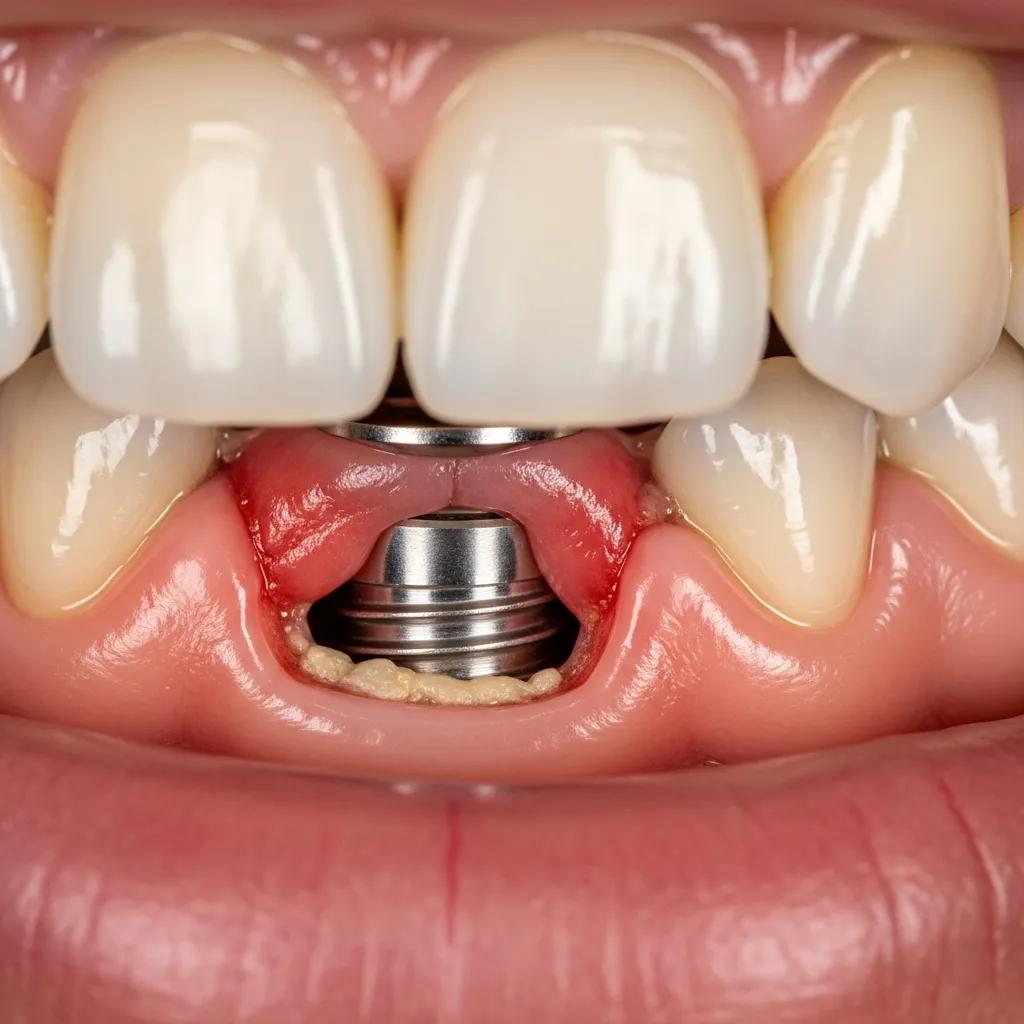
Spotting an infection early makes treatment easier. Typical warning signs include pain near the implant, swollen or red gums, and any pus or discharge. These often point to peri-implantitis — inflammation of the gum and bone around the implant — which can worsen if it’s not treated. Noticing problems sooner gives you and your dentist the best chance of saving the implant.
How to Recognize Signs of Peri-Implantitis and Gum Infection
Peri-implantitis shows up as inflammation around the implant and may lead to bone loss if ignored. Watch for:
Swelling and redness: Gums around the implant look puffy or darker than usual.
Ongoing pain or tenderness: Discomfort that doesn’t feel like normal healing.
Pus or drainage: Any discharge is a sign to call your dentist right away.
Getting checked promptly can stop the problem from getting worse.
Research shows that diagnosing peri-implantitis early improves long-term treatment success, especially for patients with other health issues.
Early Peri-Implantitis Diagnosis & Treatment Outcomes
This retrospective study examined the link between when peri-implantitis is diagnosed and marginal bone levels after a five-year follow-up following non-surgical treatment. The timing of diagnosis was a significant factor in both initial and total bone loss. Patients with cardiovascular disease or diabetes experienced greater initial and total bone loss.
Early radiographic diagnosis of peri-implantitis enhances the outcome of peri-implantitis treatment: a 5-year retrospective study after non-surgical treatment, SY Park, 2015
In some cases signs are more subtle: a persistent bad taste or mild, repeated bleeding around the implant can indicate early bacterial buildup. Small changes in gum contour or a slight pocket forming where the gum no longer fits snugly around the implant are worth noting. These quieter signals often precede more obvious symptoms, so tracking them can lead to earlier intervention.
What Are the Early and Advanced Symptoms of Implant Failure?
Implants can fail for a few reasons, and infection is one of them. Early signs include:
Mild, persistent discomfort: Pain that doesn’t follow the expected healing pattern.
Loosening: The implant may feel less stable than before.
If the problem advances you might notice:
Severe or worsening pain: Pain that gets stronger over time.
Bone loss: Visible on X-rays as reduced bone around the implant.
Early action often preserves the implant and prevents more invasive treatment.
Systemic signs such as fever are uncommon for isolated peri-implant infections but can occur when a broader infection develops. Patients report a change in how the crown feels when chewing — a subtle rocking or a catch — long before gross mobility appears. If you detect any change in function, save the details (when it started, what makes it worse) to share with your dentist during evaluation.
What Causes Dental Implant Infections and Peri-Implantitis?
Infections around implants can come from several sources. Poor oral hygiene, smoking, and certain health conditions can make infections more likely by slowing healing or increasing inflammation.
How Do Poor Oral Hygiene and Smoking Increase Infection Risk?
Good home care is vital for implant success. When plaque builds up around an implant, bacteria can trigger inflammation and infection. Smoking reduces blood flow and delays healing, which raises the chance of complications. Studies consistently show higher failure rates in smokers compared with non-smokers.
What Other Risk Factors Contribute to Dental Implant Infection?
Other factors that raise infection risk include:
Diabetes: Poorly controlled diabetes slows healing and raises infection risk.
Bruxism: Grinding or clenching puts extra stress on implants.
Genetic or immune factors: Some people are more prone to inflammation or infection.
Managing health issues, improving oral care, and regular dentist visits can lower these risks.
At the tissue level, bacteria form a biofilm on implant surfaces that makes infections harder to eliminate than simple plaque on natural teeth. The design of the implant restoration and the connection between the crown and the implant can create small gaps where biofilm accumulates; careful prosthetic planning and precise fits reduce this risk. Regular professional maintenance is essential to disrupt biofilm and keep the tissues healthy.
How Are Infected Dental Implants Diagnosed?
Your dentist will combine a clinical exam with imaging and history to diagnose an implant infection. Tools and checks help show whether the implant and surrounding bone are healthy.
What Role Do Dental Exams and X-Rays Play in Diagnosis?
During an exam, your dentist looks for swelling, discharge, and changes in gum or implant stability. X-rays help reveal bone loss around the implant and complement the clinical exam. Together, these checks guide the best treatment plan.
Keep in mind that X-rays don’t always show exact bone levels around implants, so dentists use them along with clinical findings.
Radiograph Accuracy for Peri-Implantitis Bone Loss
This cross-sectional study highlights that bone levels around implants cannot be predicted exactly from radiographs alone. That limitation has practical implications when assessing peri-implantitis and planning treatment.
Accuracy of periapical radiography in assessing bone level in implants affected by peri‐implantitis: a cross‐sectional study, 2016
Diagnosis often includes measuring peri-implant probing depths, checking for bleeding on probing, and documenting any pocketing or suppuration. Your dentist will review medical history for conditions that affect healing, and may suggest microbiological sampling or referral to a specialist (periodontist) if results are unclear or the case is severe. Serial exams and images over time give the clearest picture of progressive bone loss.
How Is Peri-Implantitis Differentiated from Other Gum Diseases?
Telling peri-implantitis apart from gum disease around natural teeth matters for treatment. Key differences:
Location: Peri-implantitis affects the tissues around implants; other gum disease affects natural teeth.
Symptoms and bone patterns: Pus and the specific pattern of bone loss around implants help distinguish peri-implantitis.
An accurate diagnosis leads to the right treatment plan.
What Treatment Options Are Available for Infected Dental Implants?
Treatment depends on how severe the infection is. Early infections often respond to non-surgical care; advanced cases may require surgery to clean and rebuild the area.
When Are Non-Surgical Treatments Like Antibiotics Effective?
For early infections, dentists may prescribe antibiotics, deep clean around the implant, and improve home care instructions. These steps can control infection and inflammation when caught early. Follow-up visits are important to confirm healing.
Non-surgical care also commonly includes local antiseptic rinses, focused mechanical debridement with specialized instruments that won’t damage the implant surface, and sometimes adjunctive therapies (for example, controlled use of topical antimicrobials or laser-assisted cleaning when appropriate). The goal is to reduce bacterial load and allow tissues to recover without removing the implant.
What Surgical Procedures Address Severe Implant Infections?
If infection has caused significant damage, surgical approaches may be needed, such as:
Debridement: Thorough cleaning of the infected area to remove bacteria and diseased tissue.
Bone grafting: Rebuilding lost bone so the implant area can be restored.
These treatments aim to eliminate infection and restore healthy tissue around the implant.
In more advanced cases surgery can include access flap surgery to expose and clean implant threads, combined regenerative procedures to rebuild bone and soft tissue, and careful reassessment of the restoration for any design issues that may trap bacteria. Postoperative maintenance and close follow-up are critical to verify success and prevent recurrence.
Knowing how well each intervention works helps limit further bone loss when peri-implantitis is present.
Peri-Implantitis Treatment & Bone Loss Effects
This retrospective analysis reviewed interventions for peri-implantitis and their effects on further bone loss at affected sites. The study helps clarify which treatments are linked with better control of bone loss.
Interventions for peri‐implantitis and their effects on further bone loss: A retrospective analysis of a registry‐based cohort, J Derks, 2019
How Can Dental Implant Infections Be Prevented?
Preventing infection matters for long-term success. Daily home care and regular dental check-ups greatly reduce the chance of problems around implants.
What Oral Hygiene Practices Help Maintain Implant Health?
To protect your implant, try these habits:
Brush twice daily: Use a soft-bristled brush and clean gently around the implant.
Floss or use interdental brushes: Clean between the implant and neighboring teeth every day.
Use an antimicrobial rinse: A recommended mouthwash can lower bacteria while you heal or as part of daily care.
These simple steps keep the implant area clean and reduce infection risk.
When using interdental brushes, choose a size that fits the space without forcing the bristles; sweep gently to remove plaque below the gumline while avoiding aggressive scrubbing. Avoid very abrasive toothpaste on the implant crown and be careful with flossing around the restoration — technique matters more than force. If you’re unsure, ask your hygienist to demonstrate the recommended tools and motions for your specific implant restoration.
Why Are Regular Check-Ups and Avoiding Tobacco Important?
Regular dental visits let your dentist spot early changes and clean areas you might miss at home. Smoking impairs healing and raises the chance of implant failure, so avoiding tobacco improves outcomes. With routine care and healthy habits, most people enjoy long-lasting implants.
Why Choose Affordable Dentist Near Me – Grand Prairie for Implant Infection Care?
Picking the right clinic matters when an implant has problems. Affordable Dentist Near Me – Grand Prairie provides skilled, practical care for patients dealing with implant complications.
What Expertise and Technologies Does the Clinic Offer?
Our Grand Prairie team uses modern diagnostic tools and proven treatment approaches to evaluate and treat implant infections. We focus on clear communication and personalized care so you understand your options and feel confident in your treatment.
How Does the Free Dental Implant Consult Benefit Patients?
We offer a free dental implant consultation so you can talk through symptoms and next steps without pressure. It’s a chance to ask questions, review X-rays, and get a straightforward recommendation from our team.
During the consultation we review your medical history, perform a focused exam, and discuss realistic outcomes. If your case requires a specialist opinion, we coordinate referrals and share records so treatment is timely and well-managed. The consult is an opportunity to understand expected costs, follow-up plans, and the practical steps you can take right away to support healing.
Can Dental Implants Get Infected Years Later? Understanding Long-Term Risks
Yes — implants can develop problems years after placement, especially if care lapses or health changes. Staying proactive with oral hygiene and dental visits helps reduce late issues.
What Factors Influence Late-Onset Implant Infections?
Factors that can lead to late infections include:
Changes in health: New conditions like diabetes or immune changes can raise infection risk.
Aging: Immune response and tissue health change with age.
Lifestyle shifts: Less attention to oral care or starting smoking can harm implant health.
Keeping these risks in check and seeing your dentist regularly helps protect implants over time.
Late-onset infections may follow years of acceptable function, so it’s important to view implant care as a lifelong commitment. Small, periodic interventions — such as professional cleanings and occasional radiographs — catch gradual changes before they threaten the implant.
How to Monitor Implant Health Over Time?
Do quick self-checks and keep scheduled dental exams. Tell your dentist about any changes such as:
Swelling or persistent pain: Report any ongoing discomfort.
Changes in bite or chewing: Difficulty chewing or a new bite problem can signal an issue.
Early action keeps options open and improves the chance of saving the implant.
Many practices recommend a maintenance visit every three to six months for higher-risk patients and at least twice yearly for most patients. Radiographs are typically taken when clinical signs suggest change, or periodically to compare bone levels over time. Your dentist will tailor the monitoring schedule to your health, history, and the condition of the restoration.
What Are the Signs of Dental Implant Failure and When to Seek Help?
Knowing when to get help prevents bigger problems. Early detection is key to preserving your oral health.
How to Identify Implant Loosening and Bone Loss Symptoms?
Look for:
Mobility: The implant or crown moves or feels loose.
Increased pain: New or worsening pain around the implant site.
Signs of bone loss include:
Visible changes: The gum or jaw around the implant looks different.
X-ray findings: Your dentist may detect bone loss on radiographs.
When Is Immediate Dental Intervention Necessary?
Contact your dentist right away if you have:
Severe, unrelenting pain: Pain that won’t ease with over-the-counter medicine.
Clear signs of infection: Pus, swelling, or fever are red flags that need prompt treatment.
Quick care improves outcomes and helps protect the implant.
Frequently Asked Questions
Can dental implants fail even after years of successful use?
Yes. Implants can fail years later if health changes, oral care lapses, or new habits like smoking occur. Conditions such as diabetes or immune disorders can also increase risk. Regular dental visits and consistent home care help catch problems early and protect your implant.
What should I do if I notice signs of infection after getting a dental implant?
Call your dentist as soon as possible. Early assessment can limit damage and save the implant. Your dentist will examine the area, may take X-rays, and recommend treatment that could range from antibiotics and cleaning to surgical care if needed.
How can I improve my oral hygiene to prevent dental implant infections?
Brush twice daily with a soft brush, clean between the implant and nearby teeth with floss or an interdental brush, and use a dentist-recommended antimicrobial rinse when suggested. Keep regular cleanings and exams so your dentist can monitor the implant.
Are there specific foods I should avoid after getting dental implants?
While healing, avoid hard, sticky, or very chewy foods that stress the implant. Nuts, hard candies, and tough meats are best avoided. Stick to softer choices like smoothies, yogurt, and cooked vegetables until your dentist clears you to return to a normal diet.
How often should I have dental check-ups after getting implants?
Most people should have check-ups at least every six months, but your dentist may recommend more frequent visits based on your health and risk factors. Regular exams and professional cleanings help catch issues early.
What are the long-term care tips for maintaining dental implants?
Long-term care includes excellent daily hygiene, routine dental visits, and avoiding tobacco. Watch for any changes in comfort or function and report them promptly. Managing overall health, such as keeping diabetes under control, also supports implant longevity.
If you ever feel uncertain about a symptom — even if it seems minor — contact your dentist to describe it. Early telephone triage often helps prioritize urgent evaluations and can prevent small issues from becoming emergencies.
Conclusion
Dental implant infections are treatable, especially when caught early. By staying on top of home care, keeping regular dental appointments, and seeking help quickly for any warning signs, you greatly increase the chance of a successful long-term outcome. If you have concerns, schedule your free consultation with Affordable Dentist Near Me – Grand Prairie to review your options and get personalized care.