Dental Implants vs Other Tooth Replacement Options: Comprehensive Guide to Choosing the Best Solution
Dental health is a crucial aspect of overall well-being, and when it comes to tooth loss, understanding your options is essential. This comprehensive guide explores the differences between dental implants and other tooth replacement options, such as bridges and dentures. Readers will learn about the mechanisms, benefits, and considerations for each option, helping them make informed decisions about their dental health. Many individuals face challenges in finding a reliable solution for missing teeth, and this guide aims to provide clarity and direction. We will cover the workings of dental implants, alternatives like bridges and dentures, their longevity, impact on jawbone health, cost differences, and specific recommendations for seniors.
What Are Dental Implants and How Do They Work?
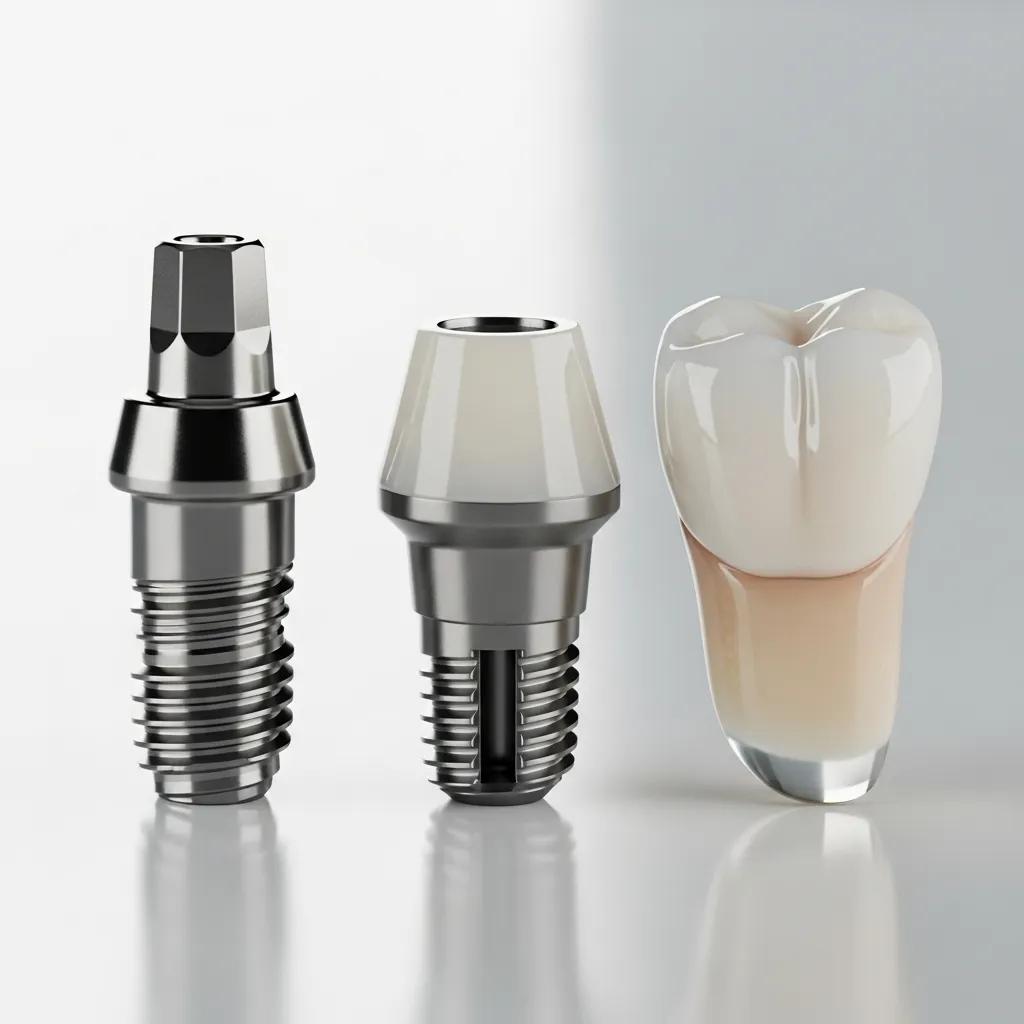
Dental implants are artificial tooth roots that provide a permanent base for fixed or removable replacement teeth. They are typically made of titanium, which is biocompatible and integrates well with the jawbone. The procedure involves placing the implant into the jawbone, where it fuses with the bone through a process called osseointegration. This integration ensures stability and longevity, making dental implants a popular choice for tooth replacement.
What are the components and procedure of dental implants?
The dental implant procedure consists of several key components: the implant itself, an abutment, and a crown. The implant is surgically placed into the jawbone, followed by a healing period during which osseointegration occurs. After the implant has fused with the bone, an abutment is attached, which serves as a connector for the crown. Finally, a custom-made crown is placed on the abutment, completing the restoration.
How does osseointegration ensure implant stability and longevity?
Osseointegration is the biological process where the jawbone grows around the dental implant, securing it in place. This process is crucial for the stability and longevity of the implant, as it prevents movement and ensures that the implant can withstand the forces of chewing. Factors such as bone quality, implant placement, and overall health can influence the success of osseointegration.
What Are the Alternatives to Dental Implants: Bridges and Dentures Explained
While dental implants are a popular choice, there are alternatives such as dental bridges and dentures. Each option has its own set of advantages and disadvantages, making it essential to understand how they compare.
What are dental bridges and their pros and cons?
Dental bridges are prosthetic devices used to replace one or more missing teeth by anchoring to adjacent teeth. The primary advantage of bridges is that they can be completed in a shorter time frame than implants, often requiring only a few dental visits. However, bridges may require the alteration of healthy adjacent teeth, which can compromise their integrity over time. Additionally, bridges do not prevent bone loss in the jaw, which can occur after tooth loss.
How do dentures and implant-supported dentures differ?
Dentures are removable appliances that replace missing teeth and surrounding tissues. Traditional dentures can be less stable and may require adhesives to stay in place. In contrast, implant-supported dentures are anchored to dental implants, providing greater stability and comfort. While traditional dentures are often more affordable, they may not offer the same level of functionality as implant-supported options.
How Do Dental Implants Compare to Bridges and Dentures in Longevity and Durability?
When considering tooth replacement options, longevity and durability are critical factors. Dental implants generally have a longer lifespan compared to bridges and dentures.
Which tooth replacement option lasts the longest?
Dental implants can last 20 years or more with proper care, making them one of the most durable options available. In comparison, dental bridges typically last 5 to 15 years, while traditional dentures may need to be replaced every 5 to 8 years due to wear and changes in the jawbone.
What factors affect the lifespan of implants, bridges, and dentures?
Several factors influence the lifespan of these tooth replacement options, including oral hygiene, the quality of materials used, and the patient’s overall health. Regular dental check-ups and proper maintenance are essential for maximizing the longevity of any dental restoration.
How Do Dental Implants Impact Jawbone Health Compared to Other Options?
One of the significant advantages of dental implants is their positive impact on jawbone health.
Can dental implants prevent bone loss?
Yes, dental implants can help prevent bone loss by stimulating the jawbone during chewing, similar to natural teeth. This stimulation encourages bone growth and maintenance, which is crucial for preserving facial structure and preventing further tooth loss.
What are the risks of bone loss with bridges and dentures?
Bridges and dentures do not provide the same stimulation to the jawbone, which can lead to bone resorption over time. This loss of bone density can result in changes to facial appearance and may complicate future tooth replacement options.
What Are the Cost Differences Between Dental Implants, Bridges, and Dentures in Crowley, TX?
Understanding the cost of each tooth replacement option is vital for making an informed decision.
How does the initial and long-term cost of each option compare?
The initial cost of dental implants is generally higher than that of bridges and dentures. However, considering their longevity, implants may be more cost-effective in the long run. For example, while a dental implant may cost more upfront, its durability can lead to lower replacement costs over time compared to bridges and dentures.
What financing and affordable pricing options are available?
Affordable Dentist Near Me – Crowley offers various financing options to help patients manage the costs of dental implants and other tooth replacement solutions. Patients can inquire about payment plans and insurance coverage to make these essential services more accessible.
Which Tooth Replacement Option Is Best for Seniors and Patients Aged 40-60?
Choosing the right tooth replacement option can be particularly important for seniors and middle-aged patients.
What are the benefits of dental implants for older adults?
Dental implants provide several benefits for older adults, including improved oral function, enhanced comfort, and a more natural appearance. They also help maintain jawbone health, which is crucial for overall dental stability as one ages.
How do patient needs influence the choice of implants, bridges, or dentures?
Individual health considerations, lifestyle, and personal preferences play a significant role in determining the best tooth replacement option. A thorough consultation with a dental professional can help patients understand their options and make informed decisions based on their unique circumstances.
Why Choose Affordable Dentist Near Me – Crowley for Your Dental Implant Needs?
When considering dental implants, selecting the right provider is essential for achieving optimal results.
What advanced technologies and expertise does the practice offer?
Affordable Dentist Near Me – Crowley utilizes advanced technologies and techniques to ensure successful dental implant procedures. The experienced dental team is dedicated to providing high-quality care tailored to each patient’s needs.
How does the free dental implant consultation work?
The practice offers a free dental implant consultation, allowing patients to discuss their options and receive personalized recommendations. During this consultation, patients can learn about the procedure, costs, and financing options available to them.
What Are Common Patient Questions About Dental Implants vs Other Tooth Replacement Options?
Patients often have questions when considering their tooth replacement options.
Which is better, dental implants or bridges?
Dental implants are generally considered superior to bridges due to their longevity, stability, and ability to preserve jawbone health. However, the best option depends on individual circumstances and preferences.
Are dental implants worth the cost compared to alternatives?
Many patients find that the long-term benefits of dental implants, including durability and improved quality of life, justify the initial investment. Consulting with a dental professional can help clarify the value of each option based on personal needs and financial considerations.
Tooth Replacement Option
Average Lifespan
Initial Cost Range
Long-term Cost Considerations
Dental Implants
20+ years
$3,000 – $5,000+
Lower replacement costs over time
Dental Bridges
5-15 years
$2,000 – $5,000
May require replacement after 5-15 years
Dentures
5-8 years
$1,000 – $3,000
Frequent replacements may be needed
This table illustrates the differences in lifespan, initial costs, and long-term financial considerations for each tooth replacement option, helping patients make informed decisions.
Dental implants, bridges, and dentures each offer unique benefits and drawbacks. Understanding these differences is crucial for making the best choice for your dental health. For those considering dental implants, Affordable Dentist Near Me – Crowley provides expert care and a free consultation to help you navigate your options effectively.