How to Care for Dental Implants, Bridges, and Dentures: Comprehensive Guide for Long-Term Oral Health
Dental prosthetics—including dental implants, dental bridges, and dentures—restore chewing, speech, and facial support while reducing the risk of adjacent tooth wear. These dental prosthetics work by replacing missing tooth structure through three different mechanisms: osseointegrated fixtures for implants, abutment-supported pontics for bridges, and removable bases for dentures, each delivering the specific benefit of restored function and improved oral comfort. Many patients worry about hygiene, fit, and long-term complications such as peri-implantitis or denture stomatitis; targeted care reduces these risks and prolongs prosthetic lifespan. This guide explains what each prosthetic is, gives a practical daily cleaning routine, outlines specialized techniques for bridges and dentures, covers dietary choices that protect prosthetics, and teaches recognition and prevention of common complications. Throughout, you will find step-by-step routines, recommended tools like interdental brushes and water flossers, practical tables comparing prosthetic types, and clear thresholds for when to seek professional help to preserve oral health and prosthetic longevity.
What Are Dental Implants, Bridges, and Dentures? Understanding Your Dental Prosthetics
Dental prosthetics are restorative devices that replace missing teeth to restore oral function and aesthetics; they work by mechanically or biologically anchoring replacement teeth to the mouth to re-establish bite and speech. In practice, dental implants use an endosteal fixture that integrates with bone to support an implant crown, implant-supported dentures, or hybrid prostheses, while bridges use adjacent teeth or implants as abutments to carry pontics, and dentures rely on a base that rests against oral mucosa to hold prosthetic teeth. Understanding these structural differences clarifies why cleaning techniques differ: meronyms such as fixture, abutment, implant crown, bridge pontic, and denture base define where biofilm accumulates and where targeted hygiene matters most. The following table summarizes components, materials, and typical lifespans to help you quickly orient to each option before detailing care routines and prevention strategies.
This quick reference compares the three prosthetic types to orient readers and highlight care implications.
Prosthetic Type
Key Components
Typical Lifespan (with care)
Common Materials
Dental Implant
Implant fixture, abutment, implant crown
10–30+ years (varies by maintenance)
Titanium or zirconia fixture; porcelain or ceramic crown
Dental Bridge
Abutment teeth or implants, pontic(s), connector
5–15 years
Porcelain-fused-to-metal, all-ceramic, or zirconia
Denture
Denture base, prosthetic teeth, clasps (partial)
5–10 years (relines may extend life)
Acrylic resin base, acrylic or composite teeth, metal clasps (partial)
This comparison clarifies that maintenance focuses on different surfaces and interfaces—implants require attention at the fixture–abutment interface, bridges require cleaning beneath pontics and at abutments, and dentures require surface cleaning and overnight soaking to preserve shape and hygiene.
What are dental implants and their key components?
A dental implant is a restorative solution that replaces a missing tooth by placing an implant fixture into bone, attaching an abutment, and restoring with an implant crown; osseointegration provides stable support and functional load transfer. The implant fixture (a hyponym: endosteal implant) serves as the root analog, the abutment connects the fixture to the crown, and the implant crown restores occlusal contact; understanding these meronyms explains why plaque control at the abutment margin prevents biological complications like peri-implantitis. Materials commonly include titanium or zirconia fixtures with ceramic crowns that resist wear but still permit plaque accumulation at microgaps, which is why targeted interdental cleaning is essential. Knowing these parts also helps patients recognize the areas to inspect daily—look for redness or bleeding at the gum line around the abutment—and understand instructions from clinicians about proper tool selection.
The critical role of the abutment-implant interface in preventing complications like peri-implantitis is further highlighted by studies on microbial leakage.
Preventing Peri-Implantitis: Microbial Leakage at Abutment Interface
ABSTRACT: In implant rehabilitation, a microspace is created at the abutment-implant interface (AII). Previous research has shown that oral microbiome can proliferate in this microspace and affect periimplant tissues, causing inflammation in peri-implant tissues. Preventing microbial leakages through the AII is therefore an important goal in implantology.
Microbial assessment of two different abutment designs in peri-implant sulcus and implant abutment interface: a case control postloading study, MP Prakash, 2020
This component-level understanding leads naturally to daily maintenance steps that target the abutment margin and the crown surface to limit bacterial penetration and maintain implant health.
How do dental bridges and dentures differ in function and design?
A dental bridge typically secures pontic teeth to natural abutment teeth or implants and functions as a fixed replacement, whereas dentures are removable prosthetics with a base that rests on soft tissues to replace multiple teeth or an entire arch. Bridges distribute biting forces through abutment teeth or implants and create under-pontic spaces where food and plaque accumulate; dentures rely on suction, adhesive, or clasp retention and present broad tissue contact areas prone to biofilm and stomatitis. These design differences determine cleaning: bridge care emphasizes cleaning below pontics and preserving abutment tooth health, while denture care prioritizes full-surface decontamination, overnight soaking, and preservation of base contours. Recognizing these functional contrasts makes it easier to adopt appropriate hygiene tools and routines tailored to each prosthesis and to anticipate common maintenance needs such as periodic relines, repair of clasps, or monitoring of abutment teeth for decay.
Understanding how design drives specific care requirements prepares you to adopt targeted preventive routines that reduce failure risk and prolong service life.
How Do You Clean and Maintain Dental Implants Daily? Essential Care Steps
Dental implant care is centered on removing plaque at the implant soft-tissue interface and minimizing bacterial colonization to prevent peri-implantitis and maintain osseointegration. Daily maintenance prioritizes gentle mechanical disruption of biofilm using soft-bristled brushing, interdental brushes sized to the implant sulcus, and adjunctive antimicrobial rinses when indicated; the specific benefit is reduced inflammatory load and prolonged implant stability. Regular inspection for redness, bleeding, or mobility helps detect early issues; prevention focuses on controlling plaque and avoiding abrasive products that damage implant surfaces or soft tissues. Below is a concise, step-by-step routine designed to be capture-ready for “how to” featured snippets and easy adoption into daily oral hygiene.
Follow this practical numbered daily routine to keep implant sites healthy and biofilm-controlled.
Brush twice daily with a soft-bristled brush using non-abrasive toothpaste to clean crowns and abutment margins gently.
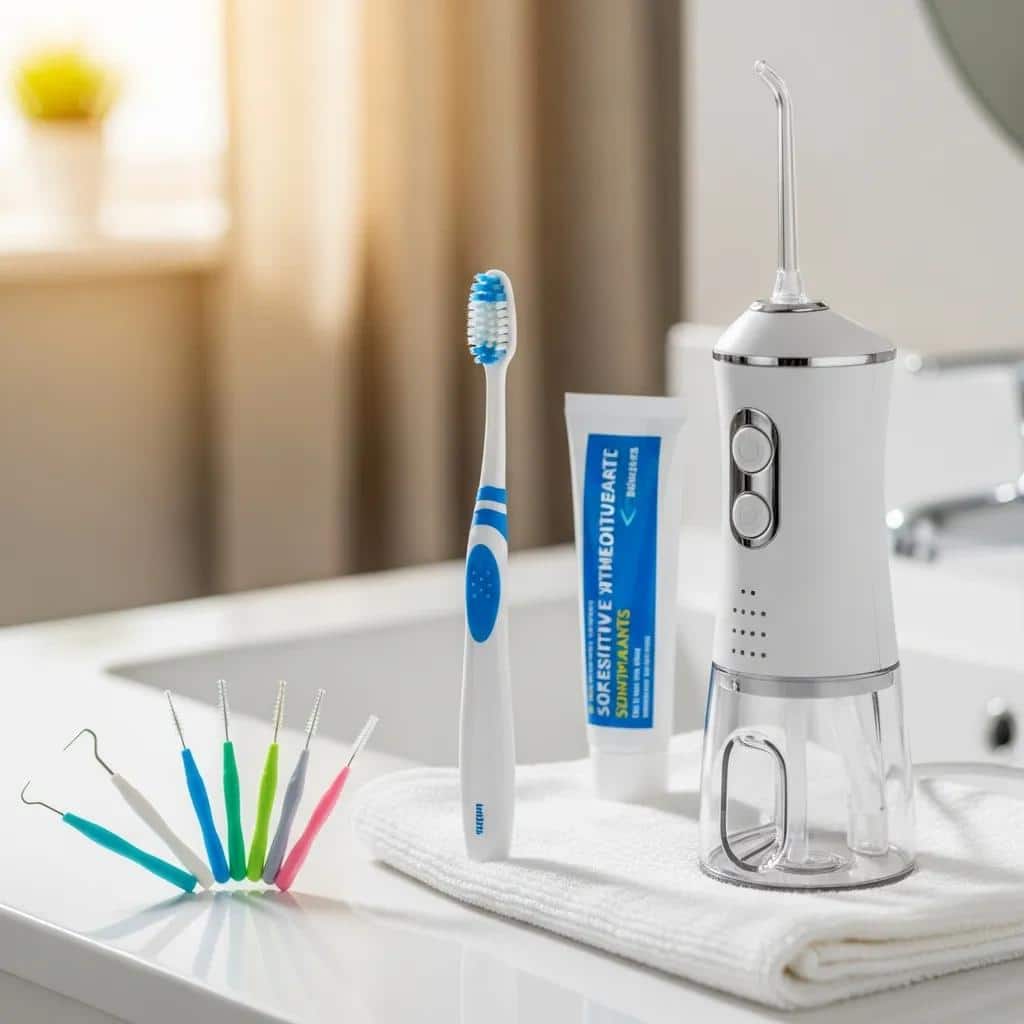
Clean interproximally once daily with an interdental brush sized to fit the implant sulcus or with a floss technique if contacts are tight.
Use a water flosser around abutments once daily on a moderate setting to flush food particles without disrupting soft tissues.
Rinse with an antimicrobial mouthwash if recommended by your clinician to reduce pathogenic bacteria around the implant.
Inspect the implant site nightly for redness, bleeding, or unusual mobility and note any changes for your dental provider.
Avoid smoking and manage systemic risk factors like uncontrolled diabetes to limit peri-implantitis risk.
This routine emphasizes consistent, gentle plaque disruption and nightly inspection, which leads into the tools and product choices that best support these steps.
What is the recommended daily cleaning routine for dental implants?
The morning and evening cleaning routine for implants focuses on plaque removal, inspection, and gentle care to preserve soft tissue health and implant integration. In the morning, brush all crown surfaces and exposed abutment margins with a soft brush for two minutes, follow with interdental cleaning at implant contacts, and rinse to remove loosened debris; in the evening, repeat brushing and add a water flosser session to irrigate the sulcus and dislodge trapped debris. Time estimates—two minutes per brushing session and one to two minutes for interdental or water-flosser cleaning—make the routine efficient while ensuring adequate biofilm disruption. Regular inspection should note any bleeding on probing, persistent soreness, or changes in fit, as these signs can indicate early inflammation; observing these signs nightly helps patients act quickly and seek professional assessment when needed.
This daily pattern of mechanical cleaning and inspection reduces microbial load and naturally transitions into selecting the right tools and products for implant hygiene.
Which tools and products are best for implant hygiene?
Selecting the appropriate tools for implant hygiene involves choosing gentle, effective devices that reach the implant–soft tissue interface without abrading surfaces. Recommended tools include a soft-bristled toothbrush, tapered interdental brushes sized for implant sulci, a water flosser for irrigation around abutments, non-abrasive toothpaste or implant-safe paste, and alcohol-free antimicrobial rinses when clinically indicated; avoid abrasive powders or stiff brushes that can roughen implant crowns or abutments. For patients with limited dexterity, floss threaders or pre-threaded floss may assist interproximal cleaning, and an oral hygienist can demonstrate proper technique during visits. Choosing the correct size and type of interdental brush is critical—too large can traumatize tissues and too small will be ineffective—so trial and guidance help match tool selection to each implant configuration.
Tool selection and usage enhance daily cleaning effectiveness and segue into specialized bridge-cleaning practices for patients with combined prosthetics.
What Are the Best Practices for Cleaning and Caring for Dental Bridges?
Bridge maintenance targets the pontic underside and the health of abutment teeth because failure often arises from abutment decay or periodontal breakdown rather than the pontic itself. Cleaning beneath pontics with a floss threader, super floss, or an appropriately sized interdental brush removes trapped food and plaque that would otherwise cause localized inflammation or caries on abutments. Preventive strategies include maintaining strong oral hygiene on abutment teeth, avoiding excessive occlusal stress that can loosen retainer crowns, and scheduling periodic professional cleanings to remove calculus that home care cannot reach. The list below summarizes best practices and common examples to help you adopt a reproducible routine that protects both the restoration and supporting dentition.
Use these best practices daily to protect abutments and extend bridge life.
Clean beneath pontics daily using a floss threader or super floss to remove subpontic debris.
Maintain meticulous home care for abutment teeth, including brushing and fluoride use as advised by your provider.
Schedule professional hygiene appointments at the intervals recommended for your periodontal risk profile to remove hard deposits.
Avoid chewing on overly hard objects and minimize habits that place lateral forces on the bridge.
Monitor abutment teeth for signs of decay or sensitivity and report changes promptly.
These steps focus on preserving the biological support for bridge abutments and naturally lead into the specific stepwise techniques for cleaning under a bridge.
How do you clean under a dental bridge effectively?
Cleaning under a dental bridge effectively requires accessing the subpontic space where plaque accumulates and using tools that can reach and dislodge debris without damaging the restoration. Begin by threading waxed floss or a floss segment through a floss threader under the pontic, then slide the floss up and down along the abutment surfaces and under the pontic in a sawing motion to remove trapped food; alternatively, use an interdental brush sized to the gap to sweep debris away. Perform this action once daily and complement it with regular brushing of the occlusal and buccal surfaces to minimize overall biofilm burden. Avoid forcing large or rigid tools under tightly contoured pontics—if access is limited, consult your dental provider for professional cleaning or adjustment to the restoration.
Effective subpontic cleaning preserves abutment health and connects to the choice of flossing techniques and tools that best suit individual contact tightness.
What flossing techniques and tools help maintain bridge hygiene?
Flossing for bridges varies with contact tightness and patient dexterity; selecting the proper technique—floss threader, super floss, or interdental brush—ensures daily removal of interdental plaque. For tight contacts, use a floss threader to guide waxed floss beneath the pontic and clean both abutment sides; for larger embrasures, a super floss with a stiffened end or an interdental brush may be faster and more effective. Floss picks are convenient but often cannot reach beneath pontics; therefore, they are a supplementary option rather than a primary tool for bridge maintenance. Consistent daily use of the chosen tool and occasional technique checks with an oral hygienist improve effectiveness and prevent common mistakes such as sawing aggressively or neglecting the subpontic area.
These flossing strategies support long-term bridge function and naturally transition to caring for removable prosthetics, which present a different set of hygiene demands.
How Should You Clean and Maintain Dentures for Comfort and Longevity?
Denture care centers on removing surface biofilm, preventing denture stomatitis, preserving base fit, and avoiding warping through proper handling and soaking. Daily brushing with a denture brush and recommended denture cleanser, combined with overnight soaking in a denture-soaking solution, eliminates microbial buildup and soft deposits; the result is improved comfort and reduced mucosal irritation. Proper storage in a moist environment preserves base shape, and care when handling reduces the risk of fracture from accidental drops. The following numbered routine and soaking guidance capture the essential daily and overnight steps to keep full and partial dentures hygienic and comfortable.
Adopt this daily and overnight denture cleaning routine to minimize staining and mucosal irritation.
Rinse dentures after meals to dislodge food particles and reduce immediate biofilm accumulation.
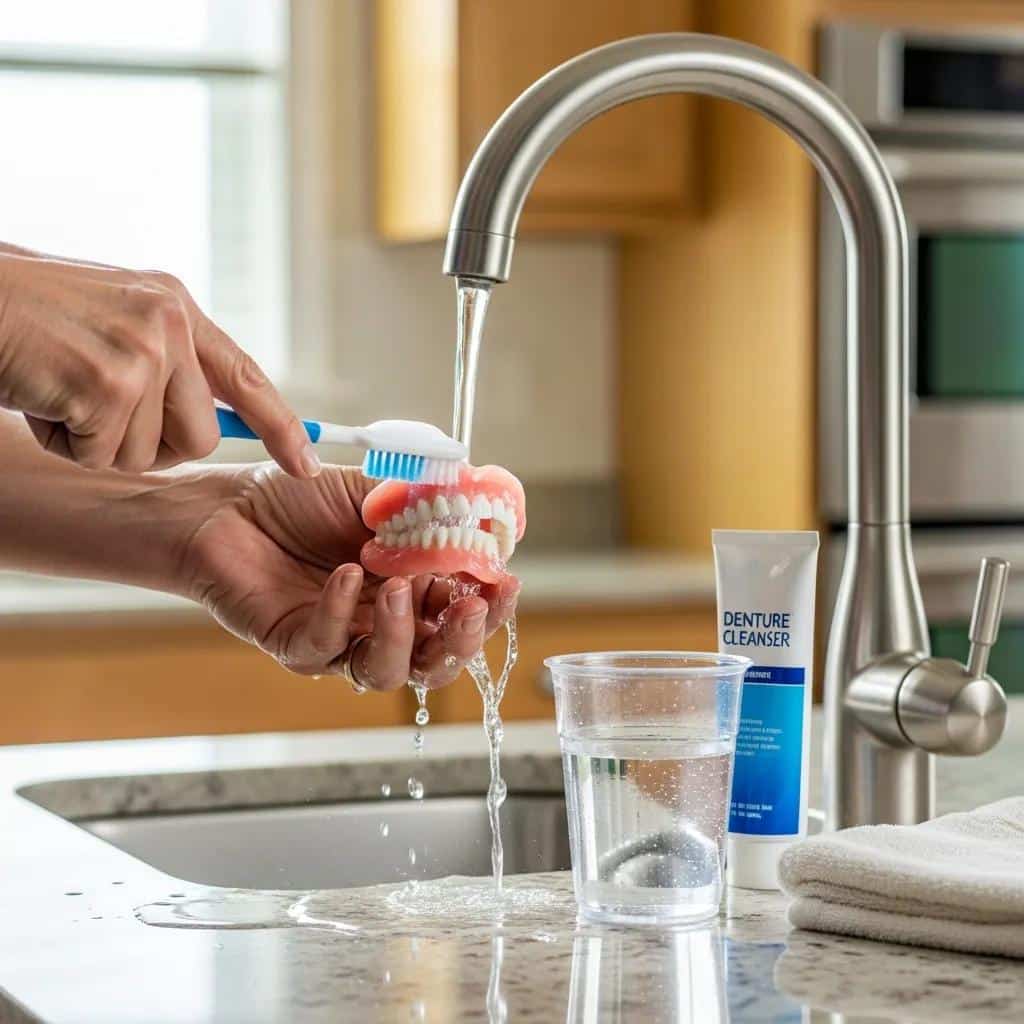
Brush dentures daily with a soft denture brush and non-abrasive denture cleanser to remove plaque and stains.
Soak dentures overnight in a commercially available denture-soaking solution according to manufacturer instructions to disinfect and rehydrate the base.
Rinse dentures thoroughly before reinserting them in the morning to remove residual soaking solution.
Clean your mouth and any remaining natural teeth or soft tissue daily to reduce overall microbial load that contacts the denture.
Following this routine preserves fit and comfort while minimizing the risk of denture-related mucosal problems and leads into correct handling and storage practices.
What is the proper daily cleaning and soaking routine for dentures?
The proper daily cleaning and soaking routine for dentures includes mechanical cleaning to remove debris and an overnight soak to disinfect and maintain base hydration; both steps prevent staining and reduce microbes that cause denture stomatitis. Mechanically scrub dentures with a designated denture brush and a non-abrasive cleanser each evening—avoid regular toothpaste that can be abrasive—and remove adhesive residues with an appropriate cleaner if you use adhesives. Overnight soaking in a formulated denture soaking solution for the recommended time (usually several hours or overnight) disinfects surfaces and helps maintain acrylic flexibility; after soaking, rinse thoroughly before placing dentures in the mouth. Regularly inspect the denture surfaces for wear, fissures, or a change in texture, and bring these observations to your dental provider at maintenance visits.
This routine reduces microbial reservoirs on dentures and connects directly to safe handling and storage practices that prevent damage and warping.
How do you handle, store, and care for full and partial dentures?
Safe handling and storage prevent accidental fractures and preserve denture shape, while care for partial dentures adds attention to clasps and attachments that can bend if mishandled. Always handle dentures over a towel or basin of water to cushion a fall and store dentures submerged in water or soaking solution overnight to prevent base dehydration and warping; avoid hot water that can distort acrylic. For partial dentures, clean clasps gently and inspect attachment areas regularly for signs of wear or looseness, and avoid using aggressive force when seating or removing the prosthesis. When transporting dentures for appointments, use a protective denture box to avoid damage and bring the case to the clinician to allow adjustments or repairs when necessary.
Proper handling and storage preserve denture function and prepare patients for dietary adaptations that protect prosthetics.
Food Type
Risk Level
Why (mechanism of damage)
Recommended Action
Hard nuts, hard candy
High
Mechanical fracture or stress on crowns, pontics, and denture teeth
Avoid; choose softer alternatives or cut into small pieces
Sticky candy, caramel
High
Adhesion to teeth/denture surfaces, dislodgement of restorations
Avoid; use water to rinse and clean promptly if consumed
Tough or chewy meats
Medium
Excessive lateral force on abutments and clasps
Cut into small pieces and chew on both sides to distribute force
Crunchy raw vegetables (uncooked)
Medium
Localized high force on prosthetic teeth
Cook or soften vegetables to reduce force
Staining beverages (coffee, tea, red wine)
Medium
Surface staining and pigment deposition over time
Rinse or brush after consumption; limit frequency
Soft proteins (fish, eggs)
Low
Gentle on prosthetics and support tissue
Preferred; include as part of balanced diet
This dietary table clarifies mechanical and chemical risks and suggests simple behavioral adaptations to protect implants, bridges, and dentures.
What dietary recommendations support implant and prosthetic health?
A prosthetic-supportive diet emphasizes nutrient-dense, softer foods during initial healing and balanced nutrition thereafter to support soft tissue health and bone maintenance. Prioritize protein-rich foods, cooked vegetables, and whole grains that provide collagen-building amino acids and vitamins important for mucosal repair; adequate hydration supports saliva production, which helps control oral biofilm. During the immediate post-operative period after implant surgery or major adjustments, choose soft proteins such as fish, eggs, and well-cooked legumes to minimize mechanical stress while supporting healing. Gradually reintroduce firmer foods as comfort and function improve while continuing to avoid high-risk items that can damage prosthetics.
Nutritional support complements mechanical care and leads into specific foods that cause direct problems for prosthetics.
Which foods can cause damage or complications to dental prosthetics?
Certain foods cause mechanical damage, adhesive challenges, or staining that accelerates prosthetic wear and mucosal irritation: hard nuts and candy can fracture crowns or denture teeth, sticky sweets can pull on bridge cement or denture adhesive, and highly pigmented beverages can stain surfaces. Acidic foods and drinks can also erode natural enamel adjacent to restorations and may exacerbate sensitivity or marginal breakdown around abutments. Modify eating technique—cutting food into smaller pieces, chewing on both sides, and avoiding biting directly into hard items—to reduce focal stress and prolong prosthetic lifespan. For patients with removable dentures, avoid adhesives as a way to mask poor fit; instead, consult a clinician to address fit or occlusion problems.
These dietary cautions reduce risk and segue into recognizing and preventing complications that require clinical attention.
How Can You Recognize and Prevent Common Complications with Dental Prosthetics?
Recognizing early signs of complications—such as peri-implantitis, denture stomatitis, loosening of bridges, and abutment decay—permits timely intervention that prevents escalation and preserves prosthetic function. Prevention centers on consistent plaque control, appropriate tool selection, regular professional assessments, and modification of risk factors such as smoking or uncontrolled systemic disease; these measures reduce biological and mechanical failure modes. The following triage table helps patients act quickly based on observed symptoms and recommends immediate home steps and thresholds for professional care.
This action-oriented table enables quick triage for patients who notice red-flag symptoms and need guidance on immediate steps and when to see the dentist.
Gently clean area, rinse with saline, avoid probing; discontinue smoking
Within 48 hours for swelling, pus, or mobility
Denture stomatitis
Red, sore palate, burning sensation under denture
Remove denture overnight, clean thoroughly, soak in cleaner
If soreness persists >48–72 hours or ulcers appear
Loose bridge or abutment
Movement while chewing, change in bite, sensitivity
Avoid chewing on that side, soft diet, protect restoration
Within 48–72 hours for loosening or persistent sensitivity
Fractured denture tooth or base
Visible crack, food entrapment, discomfort
Do not attempt home repair; keep denture moist and bring to dentist
As soon as possible to prevent further damage
If you notice red-flag symptoms—such as persistent pus, implant mobility, significant swelling, or denture-related ulcers—see a dental professional promptly for evaluation and possible repair. Affordable Dentist Near Me of Longview evaluates complications and provides diagnostic services and repairs, including relines and adjustment procedures; patients with urgent signs should contact the Longview office for assessment through their Longview location page or Google Business Profile. Early professional care prevents progression, and the practice’s in-house laboratory can often expedite repairs to restore comfort and function quickly.
What are the signs of peri-implantitis and other implant issues?
Peri-implantitis typically presents with inflammation around the implant soft tissues, bleeding on probing, increased probing depths, purulent discharge, and in later stages, implant mobility and bone loss; pain may be present but is not always prominent. Risk factors include poor oral hygiene, previous periodontal disease, smoking, and systemic conditions that impair wound healing; understanding these risk factors helps target prevention efforts. Early peri-implant mucositis—reversible soft-tissue inflammation—manifests as redness and bleeding without bone loss and can often be reversed with improved hygiene and professional debridement. Recognizing these symptoms early prompts immediate consultation, because osseointegration can be jeopardized if inflammation progresses to significant bone loss.
Understanding these signs enables timely home steps and helps patients decide when to seek professional care for implant preservation.
When should you seek professional care for bridges and dentures?
Seek professional care for bridges and dentures when you experience persistent discomfort, progressive looseness, visible damage, new sores that do not heal, or functional problems like difficulty chewing that affect nutrition. Timing matters: significant loosening, fracture, or the appearance of ulcers warrants assessment within 48–72 hours, while gradual changes such as mild soreness or minor fit changes should prompt a scheduled visit to prevent escalation. Professional interventions range from occlusal adjustment, reline of dentures, repair of fractured bases or teeth, to replacement of worn components; these corrective steps restore fit and function and are more predictable when performed early. Reporting changes promptly minimizes risk of further structural damage or secondary infection and often reduces the complexity and cost of treatment.
Prompt professional care preserves prosthetic integrity and naturally leads into why regular scheduled visits are essential for long-term maintenance.
Why Are Regular Dental Check-Ups Crucial for Maintaining Implants, Bridges, and Dentures?
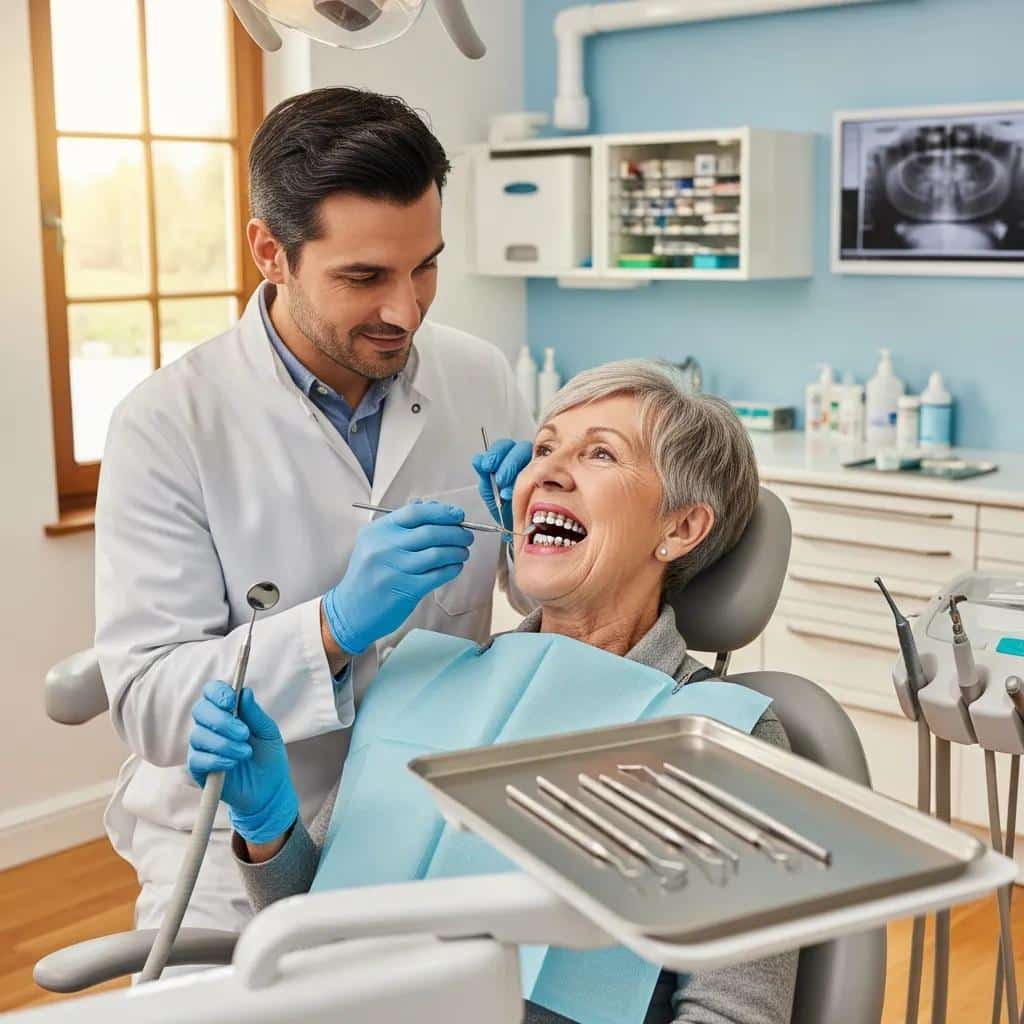
Regular dental check-ups provide preventive cleaning, early detection of mechanical wear and biological complications, and timely adjustments that extend prosthetic lifespan and protect oral health. Professional cleaning uses instruments and techniques—such as implant-safe ultrasonic tips and hand instrumentation—designed to remove calculus and biofilm from interface areas that home care cannot reach, decreasing microbial reservoirs around implants and abutments. Periodic radiographs and clinical assessments evaluate bone levels around implants and the integrity of abutments and connectors for bridges, enabling early interventions that prevent catastrophic failure. For dentures, professional relines and laboratory adjustments performed by clinicians and in-house dental labs restore optimal fit and function when tissue contours change over time.
Affordable Dentist Near Me of Longview provides professional maintenance services for implants, bridges, and dentures—including professional cleanings, diagnostic assessments, relines, and repairs—with options for sedation dentistry for patients who require comfort during complex appointments. The practice’s in-house laboratory supports timely appliance repairs and relines, and free consultations for dental implants and dentures are available to review maintenance needs and treatment planning. Patients should schedule regular visits based on their risk profile and the clinician’s recommendations to ensure optimal outcomes.
What professional cleaning and examinations are recommended?
Recommended professional protocols vary by patient risk: many implant patients benefit from supportive periodontal therapy every 3–6 months if they have a history of periodontitis or active inflammation, while low-risk patients may be reviewed every 6–12 months. During visits, clinicians perform soft-tissue assessments, peri-implant probing when appropriate, radiographic evaluations for bone levels, assessment of bridge margins and cement integrity, and examination of denture fit and occlusion; hygienists remove calculus that home care cannot dislodge. For dentures, periodic relines or rebasing may be recommended to maintain fit as soft tissues remodel, and laboratory relines are coordinated when necessary. These examinations ensure early detection and timely repair, which collectively extend the functional life of prosthetics and protect oral health.
This emphasis on comprehensive professional evaluation and cleaning is echoed in recent research on implant maintenance protocols.
Professional Maintenance Protocols for Dental Implants
At each recall, the professional should evaluate the patient history, oral tissues, implant, abutments, and restorations, as well as perform professional cleaning of the prostheses with
Maintenance protocols for implant-supported dental prostheses: A scoping review, PM Soares, 2024
How do dental visits extend the lifespan of your prosthetics?
Dental visits extend prosthetic lifespan through early detection of wear or pathology, routine removal of hard deposits, targeted maintenance interventions, and patient education that refines home-care technique. Interventions such as occlusal adjustment for bridges, lab reline for dentures, and professional debridement of implants remove causes of mechanical stress and biological inflammation that accelerate failure. Routine monitoring enables clinicians to replace worn components, repair fractures, and update retention elements before they compromise function, producing a cost-benefit effect by avoiding major remediation later. Patients who adhere to recommended recall intervals and implement clinician guidance on home care typically experience fewer emergency repairs and longer-lasting restorations.
This explanation prepares the reader for concise FAQ-style answers addressing common patient concerns about longevity and product use.
What Are Frequently Asked Questions About Caring for Dental Implants, Bridges, and Dentures?
This FAQ block answers common patient questions concisely to support quick decisions and capture PAA-style search intents; each answer gives a clear, practical response and recommended next steps. The answers below address lifespan expectations, safe product use, and simple troubleshooting to help patients make informed daily choices and know when to escalate issues professionally. After the FAQ block, a short local reminder points readers to the Longview location page and the Google Business Profile for appointments and hours.
How long do dental implants, bridges, and dentures last with proper care?
Lifespan with proper care varies by prosthetic type and patient factors: dental implants can last 10–30+ years with excellent hygiene and controlled risk factors, bridges commonly last 5–15 years depending on abutment health and occlusal load, and dentures typically last 5–10 years before replacement or major relining is needed. Factors that influence longevity include oral hygiene quality, history of periodontal disease, smoking, systemic health conditions, occlusal forces, and routine professional maintenance; these variables explain why ranges are broad rather than guaranteed. To maximize lifespan, maintain daily cleaning routines, attend scheduled professional visits, and promptly address any fit or comfort changes. Early intervention for wear or biological signs often converts a potential catastrophic failure into a simple adjustment or reline.
Can you use regular toothpaste on dentures and implants?
Regular toothpaste is acceptable for implant crowns if it is non-abrasive; however, abrasive pastes and powders should be avoided because they can roughen restorative surfaces and increase plaque retention. For dentures, do not use regular abrasive toothpaste because it can scratch acrylic and accelerate staining; instead, use denture-specific cleansers or mild soap with a soft denture brush to preserve surface integrity. When in doubt, select products labeled implant-safe or non-abrasive and consult your dental hygienist for product recommendations tailored to your prosthetic materials. Using correct cleaning agents preserves surface smoothness, reduces biofilm retention, and supports longer prosthetic life.
Affordable Dentist Near Me of Longview offers free consultations for dental implants and dentures and provides flexible financing options and everyday low fees to help patients access necessary maintenance and repairs. For appointment times, in-office services, and directions, patients may check the Longview location page or the practice’s Google Business Profile for current hours and scheduling options.
Tip: Bring your prosthetic and any observed issues to the consultation for an efficient assessment.
Tip: Ask about in-house laboratory options if you need expedited repair or relining.
Daily home care: Clean prosthetics and natural teeth daily using recommended tools.
Professional maintenance: Schedule regular visits and follow clinician guidance.
Early reporting: See a dentist promptly for red-flag symptoms to avoid escalation.
These final practical steps underscore the balance between diligent home care and prompt professional intervention for long-term prosthetic success.