How to Prepare for Dental Implant Surgery
Preparing for dental implant surgery is an essential step to ensure a smooth procedure and optimal outcomes. Initially, a comprehensive dental examination is performed, which may include X-rays or a 3D imaging scan. This helps in assessing the jawbone's condition and determining the best placement for the implant.
Beyond the clinical evaluations, patients should also consider their personal health prior to the procedure. This may involve adjusting current medications, stopping smoking if necessary, and discussing any health conditions with the dentist, as these factors can influence healing and the surgery's success.
Post-Operative Care for Dental Implants
After dental implant surgery, proper post-operative care is crucial for healing and ensuring the longevity of the implants. Patients should follow the dentist's instructions regarding medications and dietary restrictions. Soft foods are typically recommended initially, along with avoiding strenuous activities for a few days to mitigate swelling and discomfort.
Furthermore, maintaining good oral hygiene is paramount after the procedure. Gently cleaning the surgical area while ensuring to avoid disturbing the implant site can prevent infections and promote healthy healing. Regular follow-up appointments with the dentist will help monitor the progress and ensure that everything is healing as expected.
The Cost of Dental Implants: What to Expect
Understanding the cost of dental implants can be complex, as it often varies based on numerous factors including the type of implant, the number of implants required, and any additional procedures that may be necessary, such as bone grafting. Typically, a single dental implant can range from $3,000 to $4,500, encapsulating all related expenses like surgery and restorative treatments.
It's also important to consider potential financing options and dental insurance coverage, as some plans may partially cover the cost of the procedure. Patients should consult with their dental provider regarding payment plans and any available deals, as oral health is an important investment for long-term well-being.
Comparing Dental Implants to Other Tooth Replacement Options
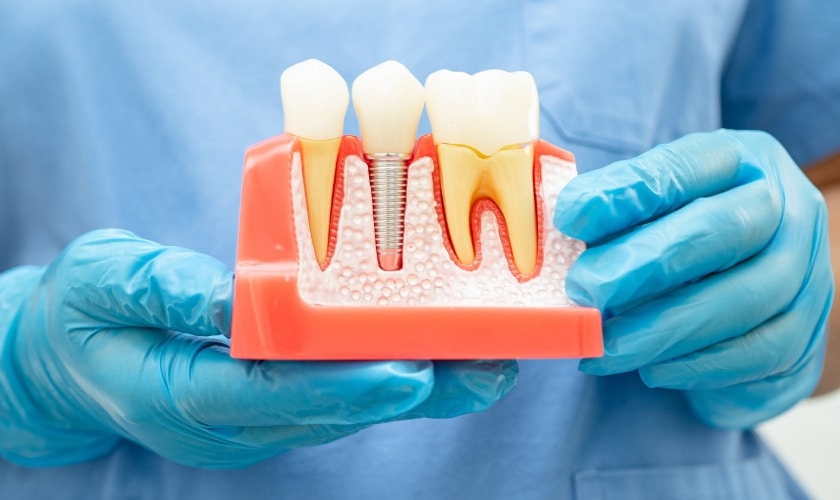
When considering tooth replacement options, dental implants offer distinct advantages compared to traditional dentures and bridges. Implants are anchored into the jawbone, providing a stable and permanent solution that feels and functions like natural teeth. In contrast, dentures can slip and require adhesives, whereas bridges rely on adjacent teeth for support, which may compromise their health over time.
Moreover, dental implants help preserve jawbone integrity by stimulating bone growth, an essential factor missing in options like dentures that do not interact with the bone. Patients choosing implants often report greater satisfaction and confidence, as these implants provide a sense of security and comfort that other options may not deliver. Such considerations are key for individuals seeking effective and durable tooth replacement solutions.