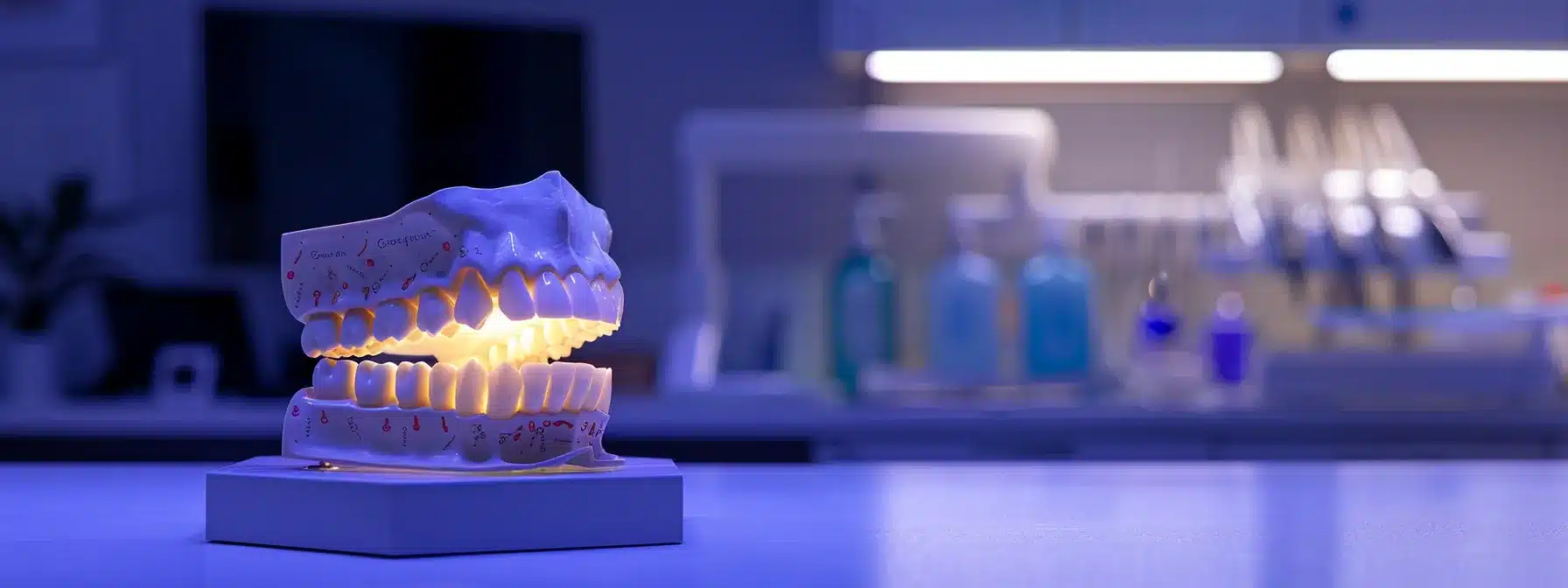
Effective Pain Relief Strategies for Tooth Extraction
After a tooth extraction, managing pain is crucial for a smooth recovery. Many patients may find relief through over-the-counter medications, such as ibuprofen or acetaminophen, which can help reduce inflammation and alleviate discomfort. Additionally, applying a cold compress to the outside of the cheek can help numb the area and diminish swelling, making the healing process more bearable.
It's also important to follow your dentist’s specific advice on pain management. Some might prescribe stronger pain medications if necessary, especially if the extraction was more complex than usual. Ensuring adequate rest and staying hydrated can further enhance pain relief and promote quicker healing.
The Importance of Aftercare Following Tooth Extraction
Aftercare is vital to ensuring a successful healing process post-extraction. Patients should follow their dentist's instructions closely, which often include avoiding strenuous activities and consuming soft foods. Maintaining optimal oral hygiene, albeit carefully, will help prevent complications such as infections and dry socket, significantly influencing the overall healing outcome.
Moreover, attending follow-up appointments is essential for monitoring progress and identifying any potential issues early on. Avoiding tobacco use and certain medications, as advised by the dentist, contributes to a more favorable healing environment. Prioritizing aftercare ultimately leads to a smoother transition back to normal activities and better long-term oral health.
Exploring Tooth Replacement Options After Extraction
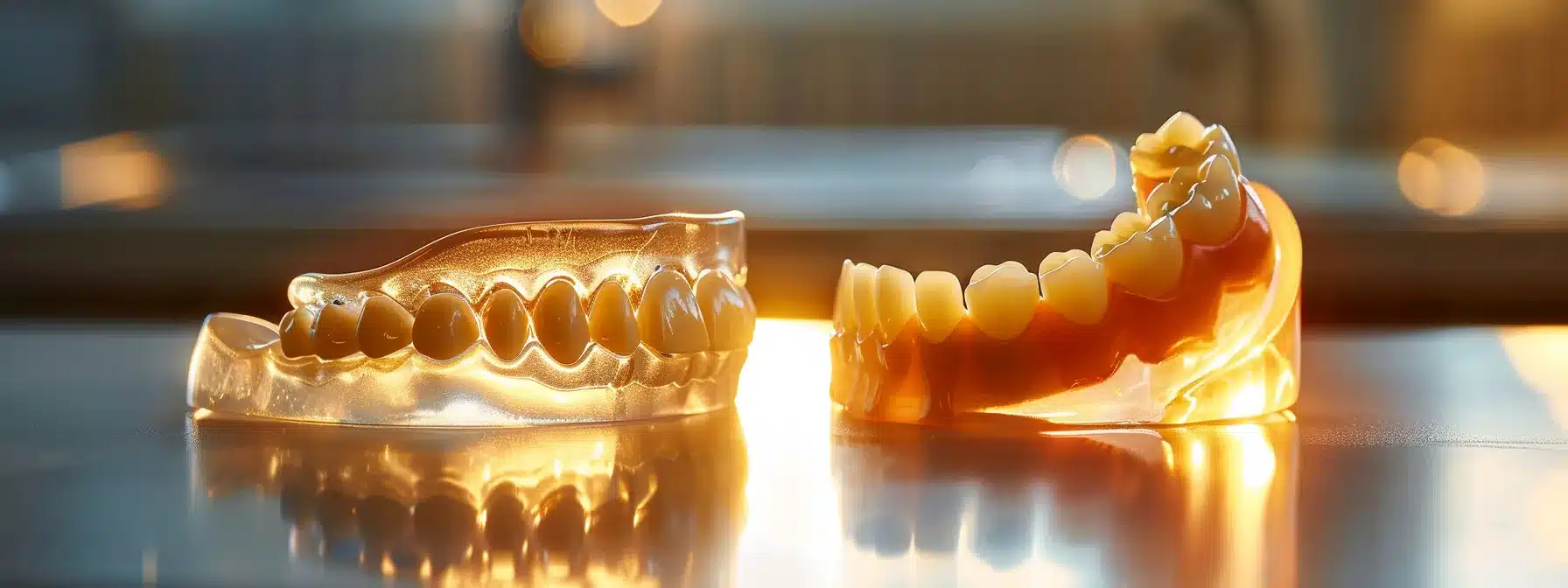
Choosing the right tooth replacement option after an extraction is crucial for maintaining oral functionality and aesthetics. Patients typically explore several available options, such as dental implants, bridges, or dentures, each with its unique benefits and challenges. Understanding these alternatives can significantly influence a patient’s decision and long-term oral health outcomes.
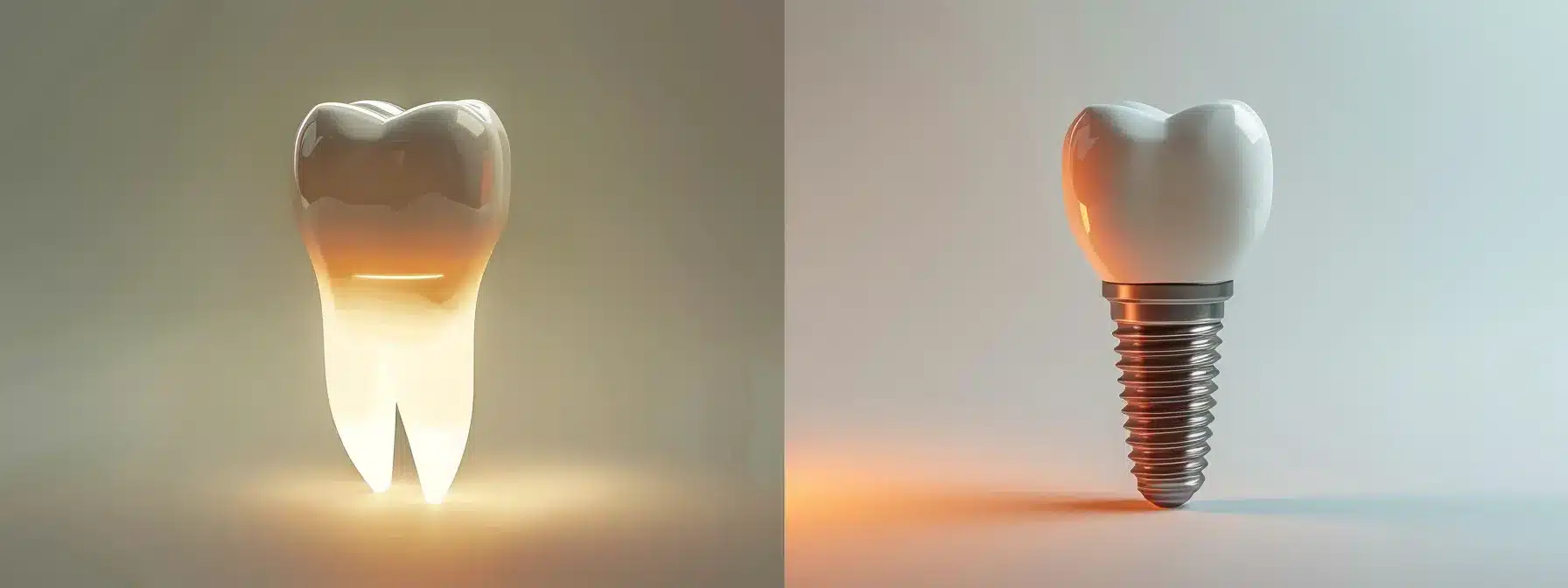
Dental implants, for instance, offer a permanent solution that mimics the natural tooth's root, providing stability and preventing bone loss. Bridges can replace one or multiple missing teeth by anchoring on adjacent teeth, while dentures cater to those needing a comprehensive solution for multiple extractions. Consulting with a dental professional will help individuals make informed decisions based on their specific situations and desires.
Long-Term Effects of Tooth Extraction on Oral Health
While tooth extraction may be necessary for various reasons, understanding its long-term effects on oral health is essential. One potential consequence includes the shift of adjacent teeth into the empty space, which can lead to misalignment issues or bite problems. This shift may also affect the overall structure of the jawbone, potentially leading to further tooth loss and complications in the future.
Moreover, missing teeth can impact chewing efficiency and strain the remaining teeth, leading to excessive wear over time. Long-term advancements in dental treatments, such as implants and bridges, can help mitigate these issues and restore both function and aesthetics. Regular dental check-ups and maintenance become increasingly crucial to monitor and address any arising complications from tooth loss.
FAQs About Tooth Extraction Pain and Recovery
Frequently asked questions regarding tooth extraction pain and recovery help demystify the process for patients. Many individuals may wonder what level of pain is considered normal and how long it typically lasts after the procedure. Understanding the general timeline for discomfort can alleviate anxiety and prepare patients for what to expect, allowing them to plan their recovery accordingly.
Additionally, patients frequently inquire about signs of complications, such as severe pain or prolonged bleeding. Educating patients on what constitutes normal recovery and when to seek professional help can empower them to take control of their healing process. Providing clear and accurate information can foster a supportive environment and enhance patient confidence in the recovery journey.