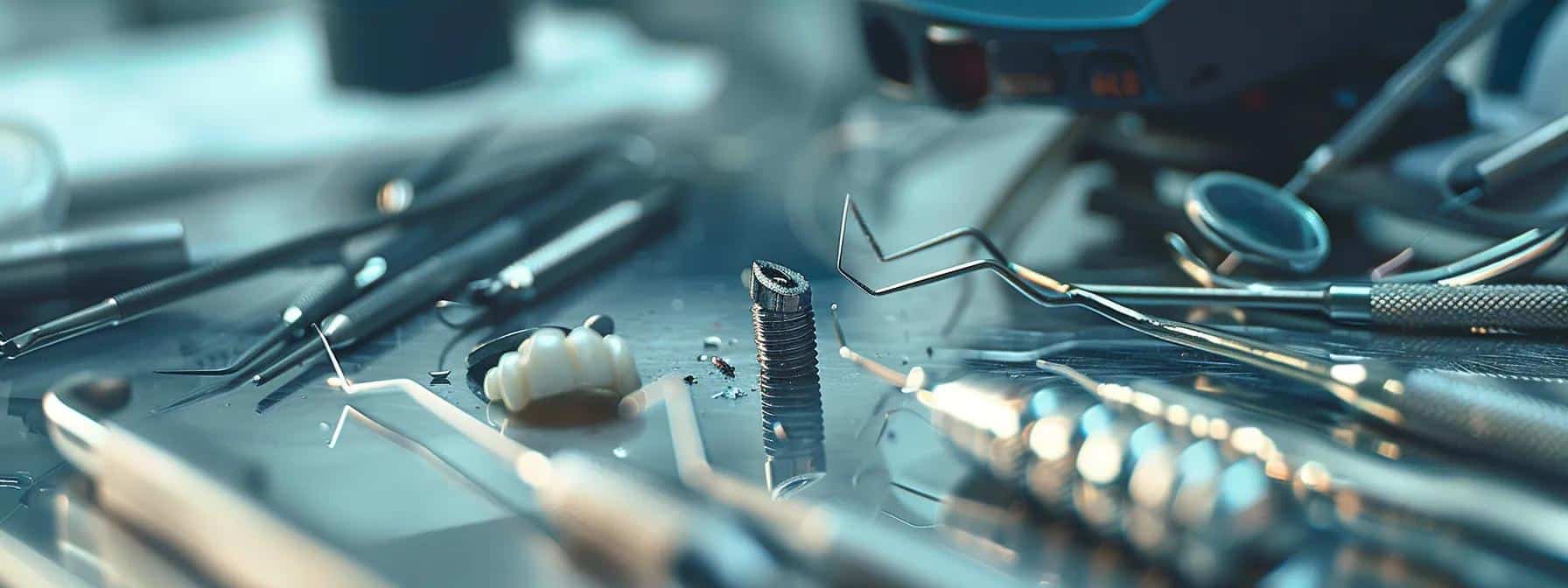
Understanding Dental Implants and Their Benefits
Dental implants serve as a modern solution for individuals who have lost one or more teeth. Unlike traditional dentures or bridges, implants are surgically placed into the jawbone, effectively mimicking the root of a natural tooth. This method not only restores functionality but also supports the overall structure of the jaw, preventing bone loss and maintaining facial aesthetics.
The benefits of dental implants extend beyond physical appearance; they enhance oral health by enabling easier access for brushing and flossing compared to other tooth replacement options. Furthermore, dental implants boast a high success rate, making them a reliable choice for long-term tooth replacement. By choosing implants, patients can enjoy improved comfort, speech, and self-confidence, significantly enhancing their quality of life.
Factors Influencing Dental Implant Costs in Tyler
The costs associated with dental implants can vary significantly based on several factors. These include the type of implant used, the complexity of the procedure, and the need for any preliminary work, such as bone grafting. Additionally, the experience and expertise of the dental surgeon can play a critical role in determining the overall expenses, making it essential to choose a qualified professional.
Another important factor is geographic location; costs for dental implants in Tyler may differ from those in other regions. Insurance coverage also affects the total cost—many plans offer partial reimbursement for implant procedures, while some do not cover them at all. Understanding these elements helps patients prepare for the financial investment required for dental implants.
Average Dental Implant Costs in Tyler: A Breakdown
On average, dental implant costs in Tyler typically range between $3,000 and $4,500 per implant. This price generally includes the implant itself, the abutment, and the crown, although additional costs may be incurred depending on specific patient needs. It's crucial for patients to obtain a detailed breakdown of costs from their dental provider to avoid any unexpected expenses throughout the process.
In some cases, individuals might require preparatory procedures like tooth extractions or bone grafting, which can further increase the overall price. Another contributing factor is the type of anesthesia used during the procedure—local anesthesia is less costly than sedation options. Thus, understanding the various components involved in dental implant costs is vital for effective financial planning.
Financing Your Dental Implants
Financing options for dental implants can make this investment more manageable for patients. Many dental practices offer payment plans that allow individuals to spread out the costs over several months, easing the burden of a lump-sum payment. Additionally, some healthcare credit companies specialize in dental financing, providing patients with flexible payment solutions tailored to their needs.
Insurance coverage is another avenue to explore, as some policies may include partial reimbursement for implant procedures, significantly lowering out-of-pocket costs. Patients are encouraged to thoroughly review their insurance benefits or consult their provider to determine what options are available. Understanding the financial landscape surrounding dental implants can facilitate informed decision-making and reduce stress during the process.
Selecting a Dental Implant Specialist in Tyler
Choosing the right dental implant specialist is crucial to ensuring a successful and comfortable experience. When searching for a provider, patients should consider the dentist's qualifications, experience, and patient reviews. A reputable specialist should have a solid track record of successful implant placements and provide clear communication throughout the process.
Additionally, it's beneficial for patients to schedule consultations with multiple providers before making a decision. This allows individuals to assess each practice's approach, discuss treatment plans, and understand the costs involved. Ultimately, selecting an experienced and compassionate dental implant specialist can greatly enhance the overall success of the procedure.
Caring for Your Dental Implants Post-Procedure
After receiving dental implants, proper care is essential to ensure longevity and success. Patients are advised to maintain excellent oral hygiene, including regular brushing and flossing, to prevent infection around the implant site. It's also important to attend follow-up appointments with the dental specialist to monitor healing and address any potential concerns early on.