Why the Right Local Dental Implant Specialist in Fort Worth Makes a Big Difference
Dental implants replace missing teeth by anchoring a biocompatible post in the jaw and restoring the bite with a crown or denture. Choosing the right local specialist is a key factor in long-term success. This guide explains what implants are, how their parts work, and why specialty training, modern technology, and nearby follow-up care improve predictability, comfort, and durability. We’ll clear up common patient concerns—who’s a good candidate, how much implants typically cost, and when to choose a general dentist versus an oral surgeon or prosthodontist—and walk you through the patient journey from consult to follow-up. You’ll learn implant anatomy, the credentials to look for in a Fort Worth implant provider, how 3D imaging and guided surgery help, the benefits of local emergency and follow-up access, and realistic affordability options like insurance checks, discount plans, and our free consult. We also cover how personalized care and sedation choices can ease anxiety and improve both clinical results and patient satisfaction.
What Are Dental Implants and Why Do They Matter for Long-Term Oral Health?
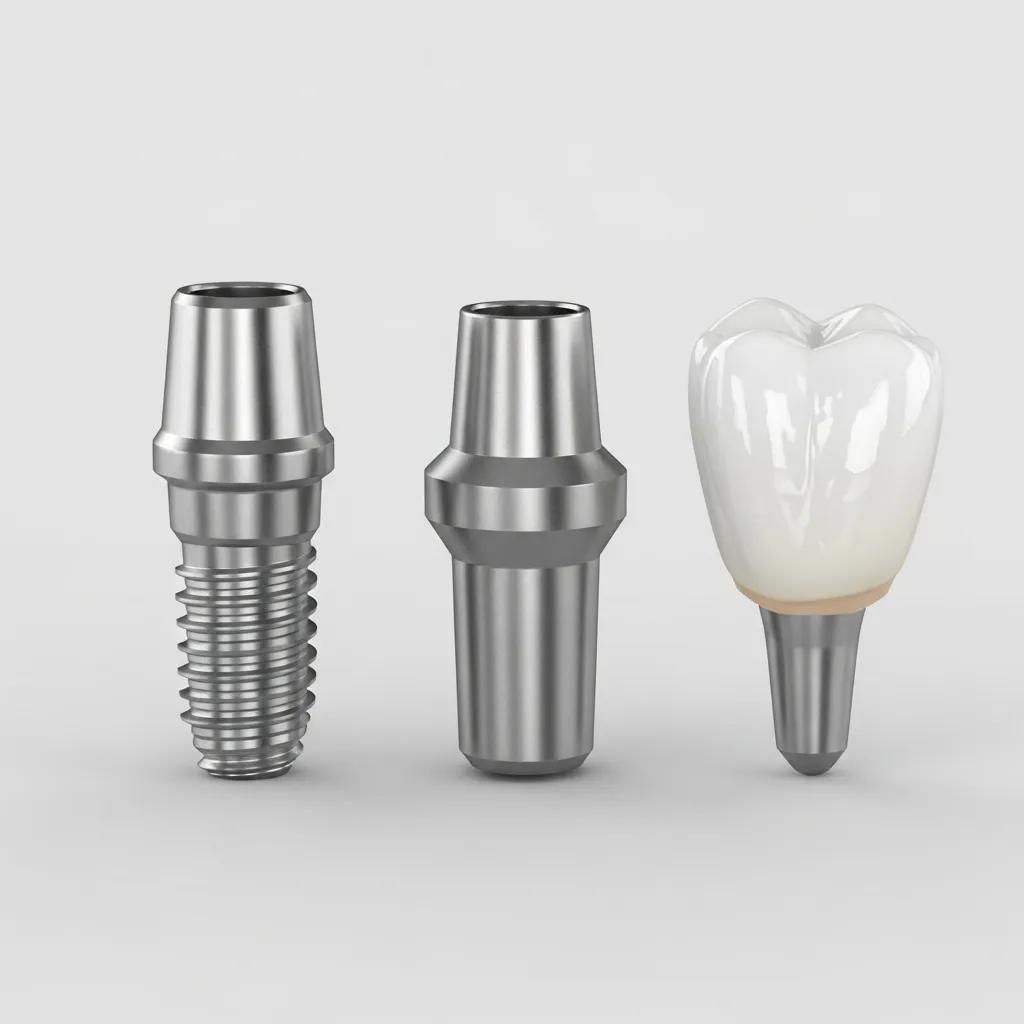
Dental implants act like natural tooth roots by transferring chewing forces into the jawbone. That load-bearing role helps preserve bone volume and supports long-term function and appearance. Success depends on osseointegration—the stable bonding between bone and a biocompatible implant post—which keeps the restoration secure and restores normal bite mechanics. Compared with removable dentures or bridges, implants slow or stop the bone loss that follows tooth loss, and they deliver better chewing, clearer speech, and a more natural look. Knowing the main implant parts and how they work makes it easier to compare treatment options and talk with your provider about what’s right for you.
The table below summarizes each main implant component and why material and design choices matter for durability and function.
Component
Key Attribute
Purpose
Implant post (fixture)
Material: titanium or titanium alloy
Serves as a root replacement and transmits bite forces to the jawbone
Abutment
Function: connects post to prosthetic
Provides a stable junction for the crown or denture and shapes the emergence profile
Prosthetic crown/denture
Material/shape
Restores chewing surface, appearance, and speech; designed for function and hygiene
This table shows how component choices relate to clinical results and helps patients prepare questions about restorative materials before discussing benefits.
What Are the Key Parts of a Dental Implant?
An implant system has three main parts: the implant post (fixture), the abutment, and the prosthetic crown or implant-supported denture. The post—usually titanium—acts like a toothroot and must integrate with bone to provide a stable base. The abutment connects the post to the visible restoration and sets the angle and access for cleaning. The crown or denture restores chewing and appearance; common materials include ceramics, porcelain-fused-to-metal, or acrylic for dentures, and each has trade-offs for wear, color stability, and maintenance. Understanding these elements helps you ask focused questions about materials and upkeep during your consult.
How Do Dental Implants Help Function and Looks?
Implants restore normal bite forces and stabilize neighboring teeth, which helps prevent the shifting and bone loss that can lead to bite collapse. Functionally, implants let you chew more efficiently so you can keep a varied diet; they also support clear speech by restoring natural tooth positions. Aesthetically, implants preserve facial shape and gum contours so you avoid the flattened look that sometimes follows long-term tooth loss or ill-fitting dentures. Patients frequently report increased confidence and comfort—simple gains like enjoying crunchy foods or smiling without hiding are common after successful restorations.
Knowing these practical advantages makes it easier to weigh implants against other options and to look for the right provider to deliver those outcomes.
Why Does Specialized Expertise Matter for Implant Success?
Implant treatment combines surgery, prosthetic design, and long-term oral health planning. Specialists—oral surgeons and prosthodontists—typically complete advanced residencies and treat a higher volume of complex cases, which tends to lower complication rates and improve both function and appearance. Factors like bone volume, sinus anatomy, nearby teeth, and your medical history all affect planning and outcome, so selecting a clinician with the right training and experience is important. Whether you see a specialist or an experienced general dentist should depend on case complexity, your goals, and the provider’s proven results.
The comparison below helps match case needs to provider strengths and leads to a checklist of qualifications to verify when you choose care.
Provider Type
Typical Training/Strength
Best for
Implant specialist (oral surgeon/prosthodontist)
Advanced surgical or prosthetic residency and high case volume
Complex reconstructions, bone grafting, full-arch restorations
General dentist with implant training
Continuing education and in-office implant experience
Single-tooth and straightforward cases with good bone
Collaborative team approach
Combined surgical and restorative expertise
Multistage or multidisciplinary care plans
What Qualifications Should You Look for in an Implant Specialist?
A strong implant clinician will have formal post-graduate training (oral surgery or prosthodontics), ongoing continuing education in implantology, and documented experience across a range of cases. Look for residencies, memberships in professional groups, and training in technologies like CBCT imaging and guided surgery. Additional signs of credibility include before-and-after photos or a case portfolio, peer referrals, and transparent conversations about outcomes and complication handling. When you evaluate credentials, ask how recent the training is and how the clinician manages long-term maintenance and potential problems.
How Does Dr. Mike Tri Pham’s Role Help Local Patients?
Dr. Mike Tri Pham, DDS is part of the Affordable Dentist Near Me team. Naming a local clinician gives patients a clear contact for personalized follow-up and continuity of care. While we don’t go into detailed biography here, identifying an on-site dentist helps you ask specific questions about case volume, treatment approach, and collaboration with restorative teams during your visit. If you’re ready to take the next step, you can schedule a free consult.
How Do Advanced Technologies Improve Implant Care?
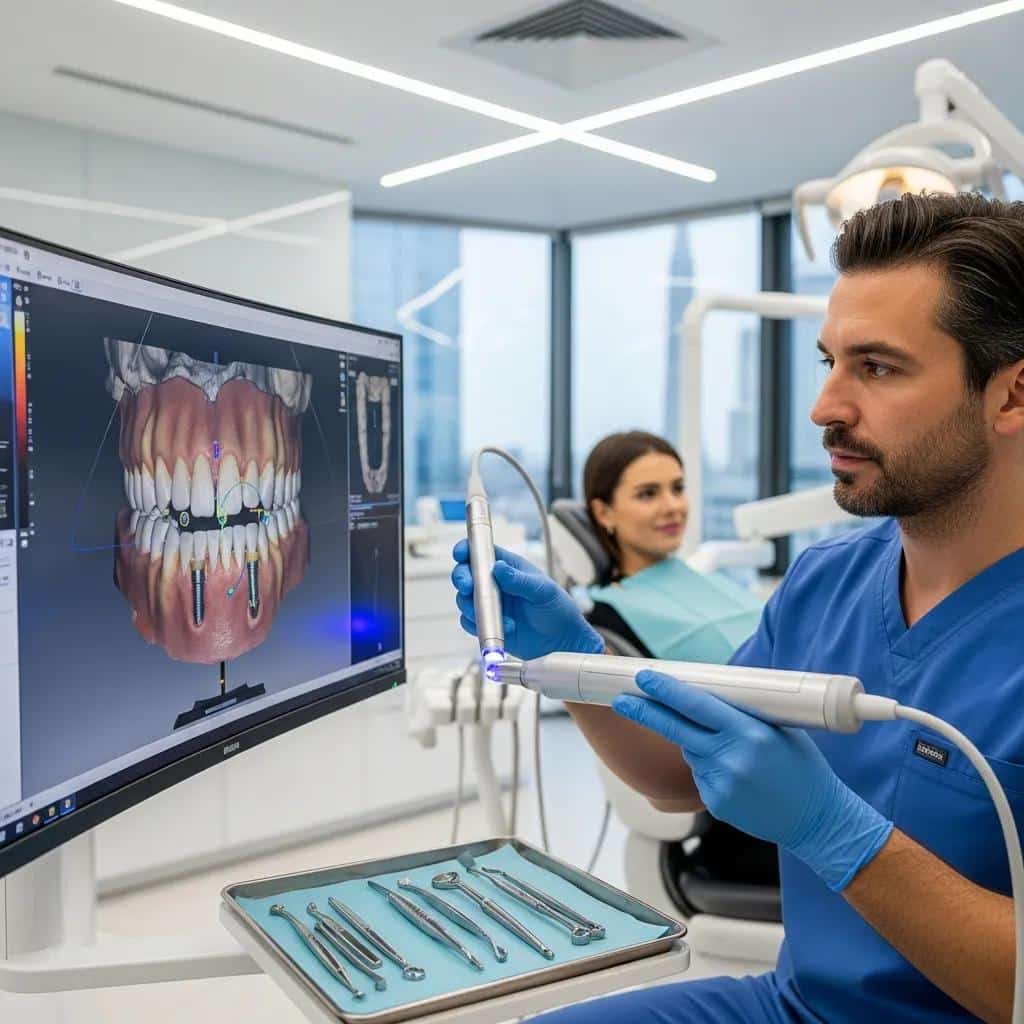
Tools like 3D CBCT imaging, guided implant surgery, and CAD/CAM prosthetic design boost precision by giving three-dimensional views for virtual planning and accurate execution. These tools let clinicians see bone volume, nerve paths, and sinus boundaries before surgery and produce surgical guides that control implant angle and depth during placement. Digital design and fabrication also improve prosthetic fit, reducing the need for multiple adjustment visits and supporting better occlusion, aesthetics, and hygiene access.
Key technology benefits include:
3D CBCT imaging: Accurate views of bone and critical anatomy for safer planning.
Guided surgical templates: Translate virtual plans into precise placement in the mouth.
CAD/CAM prosthetics: Custom restorations with better fit and fewer remakes.
These advantages lead into a closer look at how CBCT and guides fit into the implant workflow.
How Do 3D Imaging and Guided Surgery Improve Precision?
CBCT scans provide volumetric images that reveal bone quality and important anatomy—like nerves and sinuses—which helps avoid surprises during surgery. Guided implant surgery starts with a virtual plan that defines implant size, position, and angulation, and then a surgical guide is made to control the drill path during placement. This process improves angulation control, supports proper prosthetic emergence, and lowers the risk of damaging nearby structures. Guided workflows are especially helpful in tight spaces or when multiple implants must be parallel, and they typically shorten chair time and make restorations more predictable.
Research shows that the imaging method used and clinician experience can affect pre-surgical planning for implants.
Impact of Professional Experience and Imaging on Dental Implant Planning
Planning for dental implants can differ depending on the clinician’s experience and whether 2D or 3D imaging is used. Different imaging types and operator experience influence treatment planning decisions.
Influence of 2D vs 3D imaging and professional experience on dental implant treatment planning, C de Oliveira-Santos, 2019
How Does Modern Technology Help Comfort and Recovery?
Digital planning and guided execution often reduce surgical time and invasiveness, which can mean less post-op pain and faster recovery. Precise osteotomies and shorter procedures lower soft-tissue trauma and swelling, while accurate placement avoids restorative misfits that might require extra visits. Paired with sedation options, these efficiencies make treatment easier for anxious or medically complex patients and reduce the chance of emergency interventions. Overall, technology plus local access improves safety, comfort, and follow-up care.
Using virtual planning and stereolithography to create surgical templates improves agreement between the planned and final implant positions and reduces surgical morbidity.
Guided Surgery in Dental Implantology: Virtual Planning and Surgical Templates
Accurate implant surgery depends on good planning. Virtual planning and custom surgical guides produced by stereolithography help recreate the planned implant position during surgery, improving predictability and reducing morbidity.
Guided surgery in dental implantology, 2020
Why Choose a Local Fort Worth Implant Specialist?
Seeing a Fort Worth implant specialist gives you practical benefits: quicker follow-up visits, easier adjustments, local emergency support, and familiarity with referral networks and labs that keep restorative work moving smoothly. Being close by removes logistical barriers to essential post-op checks where clinicians evaluate healing, address complications, and fine-tune prosthetics—steps that directly affect long-term implant survival and patient satisfaction. Local reputation and review metrics also help you find trustworthy clinics, and staying with the same team for maintenance supports preventive care.
Top local advantages include:
Faster follow-up: Quick in-person checks for healing and adjustments.
Emergency access: Timely care for post-op concerns.
Continuity: Ongoing maintenance with a familiar team.
Next we’ll explain how local access helps with follow-up care and emergencies.
How Does Local Access Improve Follow-Up and Emergency Care?
When your provider is local, symptom onset and clinician evaluation are closer in time, which allows earlier treatment for infection, loose prosthetics, or soft-tissue irritation and can prevent problems from getting worse. In-person visits let the team tighten screws, adjust occlusion, or address hygiene issues—tasks that can’t be done remotely but matter for long-term success. Many local clinics also offer structured follow-up and emergency lines to guide patients through acute concerns, which reduces anxiety and improves adherence to aftercare.
Why Community Trust Matters in Choosing an Implant Provider?
Community trust matters because local practices build a track record through patient reviews, referrals, and consistent clinical results you can evaluate. Metrics like an average rating of about 4.8 from over 2,000 Google Reviews give a sense of patient satisfaction, comfort, and perceived value and can help you narrow options. Local referrals and lab relationships also support coordinated care and faster restorative turnarounds. When patients weigh community trust alongside credentials, they get an extra layer of practical assurance before booking a consult.
How Affordable Dentist Near Me Makes Implant Care Comfortable and Clear
At Affordable Dentist Near Me we focus on patient-centered implant care that balances clinical goals with affordability, sedation options, and clear treatment plans. We highlight patient satisfaction as proof of the approach’s effectiveness.
Our practice strengths include everyday low fees, an experienced team with Dr. Mike Tri Pham, a full range of services—implants, dentures, crowns, emergency care—and a patient-first approach that emphasizes comfort and individualized treatment.
Your care usually starts with a full evaluation, digital imaging, and a conversation about sedation if needed to reduce anxiety and make treatment smoother.
We also share patient ratings and special offers that help make care more accessible. If you’re ready, you can schedule a free consult.
Typical patient-focused services that improve comfort and outcomes include:
Sedation dentistry options: Adjusted to your anxiety level and the procedure.
Personalized treatment plans: Built around your health, goals, and budget.
Transparent offers: Clear consultations and straightforward pricing options.
What Sedation Options Are Available for a Comfortable Implant Experience?
Sedation can make implant treatment more comfortable. Options commonly offered include nitrous oxide for light relaxation, oral sedation for moderate anxiety control, and IV sedation for deeper monitored sedation when needed. The choice depends on your medical history and the complexity of the procedure. Sedation can improve cooperation and sometimes allow more to be done in a single visit. Safety is essential—pre-op assessment and intra-procedure monitoring are standard—so ask about monitoring and recovery instructions during your free consult.
How Do Patient Reviews Reflect Our Care?
Patient reviews provide a real-world view of outcomes, comfort, and service. An average rating of about 4.8 from over 2,000 Google Reviews points to consistent satisfaction and can reassure prospective patients. Reviews often mention staff professionalism, pain management, clear communication, and prompt follow-up—qualities that matter for implant success. We encourage you to read a range of reviews to spot common strengths and any patterns to ask about during your consult. Linking feedback to clinical practices like sedation and technology helps set realistic expectations for your care.
How Can You Afford Implants with a Fort Worth Specialist?
Paying for implants usually involves checking insurance benefits, using in-house discount plans, considering third-party financing, and getting a clear, written cost estimate at your consult. Affordable Dentist Near Me accepts many insurances, offers a Dental Discount Plan, and provides a free implant consultation to outline treatment needs and personalized pricing. You can schedule a free consult to learn more.
Transparent pricing and clear options help patients compare choices such as staged treatment, implant-supported overdentures, or single-tooth solutions depending on budget and goals. The table below summarizes common financing options you can explore at your consult.
Option
Typical Attribute
What to Expect
Insurance
Accepted? Varies
Bring your policy to the consult so staff can verify benefits and estimated patient cost
Dental Discount Plan
Cost/Benefit
Reduces out-of-pocket fees for enrolled patients
Free Consult
Price
$0 — includes evaluation and preliminary imaging
Bring insurance details and any recent dental records to your consultation to get realistic estimates and next steps.
Which Insurance and Discount Plans Do We Accept?
We accept a variety of insurance plans and offer an in-house Dental Discount Plan to improve access. Coverage varies by carrier and policy, so bring your insurance card and policy details to your free implant consultation so our team can check benefits and estimate your out-of-pocket cost. The discount plan can help patients without full coverage or for services insurance may not cover. During the consult we can also discuss phased treatment plans and alternative options that match your budget and clinical needs.
Why Get a Free Dental Implant Consultation?
A free implant consultation gives you a focused exam, a discussion of options, and preliminary imaging to assess bone and restoration needs. You’ll leave with a personalized treatment outline, timeline, and cost estimate. The consult clarifies candidacy, whether bone grafting or staging is required, and what to expect for surgery and restoration. It’s also the time to review sedation choices, follow-up plans, and emergency access. Use the consult to compare provider approaches, refine financial plans, and decide if implant therapy is the right path—schedule your free consult to get started.
What Does the Patient Journey Look Like with a Local Specialist?
A stepwise approach improves predictability: evaluation and planning, precise surgery, restoration, and regular maintenance—each tailored to your anatomy and goals. The list below outlines typical milestones so you can anticipate timing, responsibilities, and follow-up needs.
Initial Consultation and Evaluation: Oral exam, medical review, and imaging to determine candidacy and collect baseline data.
Treatment Planning: Virtual planning, implant selection, restorative choices, and scheduling of surgical and restorative appointments.
Surgery and Immediate Post-Op Care: Implant placement with appropriate anesthesia or sedation and written healing instructions.
Restoration: Abutment attachment and final crown or implant-supported prosthesis after osseointegration.
Follow-Up and Maintenance: Routine hygiene visits and monitoring to preserve long-term function and prosthetic health.
The table below maps each phase to expected tasks and outcomes so you know what to expect.
Phase
Key Task
Typical Outcome
Consultation
Exam, imaging
Personalized plan and cost estimate
Surgery
Implant placement
Primary stability and healing setup
Restoration
Crown/denture placement
Functional bite and natural appearance
Maintenance
Hygiene visits
Longevity and implant health
Knowing these milestones helps you prepare for each stage and shows when local follow-up or emergency care might be needed.
What Happens at the Initial Consultation?
At your first visit we’ll do an oral exam, review your medical history, and take imaging—often CBCT when indicated—to assess bone and surrounding anatomy. We’ll discuss your goals, possible surgical approaches, sedation preferences, and provide a preliminary cost estimate so you leave with clear next steps. Bringing recent dental records and a list of medications speeds planning. A good consult answers timing, risks, and alternatives, and sets up collaborative treatment planning for the next phase.
How Is the Implant Procedure Planned and Carried Out?
Planning uses clinical measurements and imaging to pick implant size and placement that support the final restoration. Virtual planning and a surgical guide help translate that plan into accurate surgery. On surgery day, we provide appropriate anesthesia or sedation, prepare the implant site with controlled drilling, and place the implant to achieve primary stability. You’ll receive post-op instructions on pain control, oral hygiene, and warning signs that need prompt review. After healing, we choose an abutment and fabricate the crown using CAD/CAM workflows for fit and aesthetics. Local follow-up lets us handle adjustments quickly to protect the long-term result.
Cone Beam CT (CBCT) is commonly recommended in implant dentistry because it gives three-dimensional imaging of the jaws and teeth with useful volumetric data at relatively low radiation doses and cost, supporting accurate planning.
Cone Beam CT in Implant Dentistry: Recommendations for Clinical Use
CBCT provides 3D images of jaw bones and teeth, offering volumetric data that supports accurate implant planning. The technology has grown rapidly, and not all machines are identical, so findings for one device don’t automatically apply to another.
Cone beam computed tomography in implant dentistry: recommendations for clinical use, R Jacobs, 2018
Common Questions About Choosing an Implant Specialist
Prospective patients often ask whether a local specialist is important, what qualifications matter, and whether a general dentist can place implants safely. Short, direct answers help you decide quickly. Below we answer common questions and suggest what to ask at your consult.
Quick answers:
Why choose a local specialist? Local specialists offer timely follow-up, emergency access, and coordinated care that improve outcomes.
What qualifications matter? Look for post-graduate training, case experience, and use of advanced imaging and guided planning.
Can general dentists place implants? Many general dentists handle straightforward cases well, but complex situations often benefit from specialist care.
Use the checklist below to gather consistent information when comparing providers.
What is your implant training and case volume?
Will you use 3D imaging and guided planning for my case?
What sedation options and follow-up protocols do you offer?
Why Does Local Care Matter for Implant Success?
Local care matters because proximity supports timely post-op checks, quick handling of complications, and repeated adjustments for prosthetic fit—all of which improve implant survival and patient satisfaction. Local specialists often work with trusted labs and referral partners that speed restorative workflows. Staying with the same team reduces communication gaps between surgery and restoration, improving fit and maintenance. Convenience and local trust boost follow-up adherence, which helps protect long-term results.
Can General Dentists Place Implants Effectively?
General dentists with proper training and experience can successfully place implants in many straightforward single-tooth cases. However, complex situations—severe bone loss, sinus proximity, or full-arch reconstructions—are usually best handled by specialists with advanced surgical or prosthetic training. A common and effective approach is collaboration: a specialist handles surgery while your general dentist manages maintenance and routine care. When choosing a provider, ask about documented experience, complication protocols, and how they coordinate care.
Frequently Asked Questions
What should I consider when choosing a dental implant specialist?
Consider their formal training, how many implant cases they’ve handled, and the technology they use. Look for evidence of post-graduate training in implantology, strong patient reviews, and use of 3D imaging or guided surgery when appropriate. Also ask about follow-up care and emergency support to ensure a complete treatment experience.
How long does the dental implant process typically take?
Timing varies by case, but expect the process to take several months. After the consultation and imaging, implant placement is followed by a healing period of roughly 3 to 6 months for osseointegration. Once the implant is stable, the abutment and final crown or denture are placed. Regular follow-up visits are necessary during this time to monitor healing and results.
What are the risks associated with dental implants?
Implants are generally safe, but possible risks include infection at the site, nerve irritation, sinus issues, or implant failure due to insufficient bone or placement problems. Your specialist will explain how they reduce these risks through careful planning, imaging, and proven surgical techniques. Talk through risk mitigation and aftercare at your consult so you understand how complications are managed.
How can I prepare for my dental implant consultation?
Bring your medical history, a list of medications, and any recent dental records. Be ready to discuss your goals and concerns, and prepare questions about the procedure, recovery, and costs. This helps the team build a tailored plan and makes the consult more productive.
What post-operative care is required after dental implantsurgery?
Follow your specialist’s instructions: use prescribed pain control as directed, apply ice to reduce swelling as recommended, and keep the surgical area clean without disrupting the site. Eat soft foods during early healing and attend follow-up visits to track progress. Following these guidelines supports a smooth recovery and long-term success.
Are dental implants covered by insurance?
Coverage varies widely. Some plans cover part of the cost, while others do not. Check your benefits at the consult—our team can help verify coverage and discuss financing options like in-house discount plans or third-party payment plans to manage out-of-pocket costs.
Conclusion
Choosing the right local dental implant specialist in Fort Worth greatly improves your chances for a comfortable procedure, reliable healing, and a long-lasting result. With advanced technology, thoughtful planning, and patient-focused care, you can expect better comfort, quicker recovery, and lasting satisfaction. Ready to learn more? Schedule your free consultation today and take the first step toward restoring your smile.