Dental Implants vs. Bridges: A Straightforward Cost Guide to Help You Decide
Missing teeth change how you eat, talk, and feel about your smile. Picking the right replacement affects both your budget and your long-term oral health. This guide presents a clear, evidence-informed comparison of dental implants and bridges with a focus on upfront cost, long-term value, who’s a good candidate, and practical next steps for people in Denton, TX. You’ll learn what each option is, how they work, typical Denton-area price ranges and common add-on procedures, and modeled 10- and 20-year cost scenarios so you can weigh short-term savings against lifetime value. We also cover insurance and financing basics, clinical pros and cons (including bone preservation and effects on neighboring teeth), and a simple decision framework for patients in their 40s–60s weighing longevity, function, or budget. By the end you’ll have clear criteria to choose the right path and the exact next step to book a free consult for a personalized estimate.
What Are Dental Implants and How Do They Work?
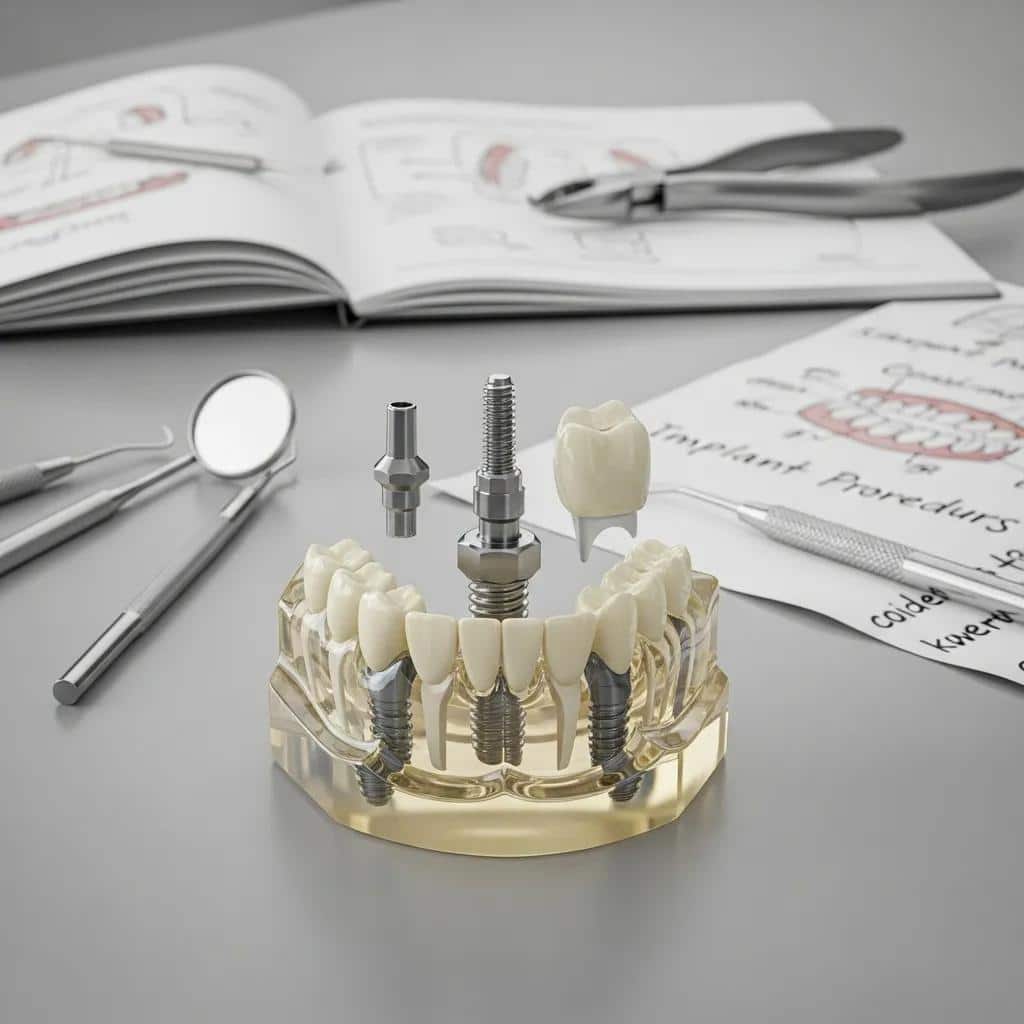
Dental implants replace missing teeth with a biocompatible post surgically placed into the jaw, an abutment that connects the post to the restoration, and a crown that restores form and function. The implant becomes stable through osseointegration — the process where bone bonds to the implant surface — which is what separates implants from other tooth replacements and helps preserve jawbone volume. Because implants transmit chewing forces into bone much like a natural root, they support facial structure and avoid damage to adjacent teeth. The next section breaks down implant parts and how material choices influence durability and fit.
An implant has three main parts — the implant post, the abutment, and the crown — and common materials include titanium and zirconia, which affect biocompatibility and appearance. Titanium posts have a long clinical track record for reliable bone integration, while zirconia is chosen when patients want a metal-free option. Abutments can be off-the-shelf or custom-made, and crowns are finished in porcelain-fused-to-metal or full-ceramic depending on strength and shade needs. These material and system choices change cost and treatment timing, and understanding the parts helps explain why implants often outperform bridges clinically.
What is a dental implant and what are its key components?
A dental implant replaces a missing tooth by recreating three parts of a natural tooth: the root (implant post), the connector (abutment), and the visible tooth (crown). The post — usually titanium or zirconia — is placed into the jaw and integrates with bone, creating a stable base for biting. The abutment fastens to the post and supports the crown, which is custom-shaped and shaded to match adjacent teeth. Material and design choices influence the surgical approach, timeline, and long-term outcomes, and they also affect initial cost and maintenance needs.
What are the main benefits of dental implants for tooth replacement?
Implants help preserve jawbone by putting chewing forces back into the bone, which slows the resorption that follows tooth loss and helps maintain facial shape and function. Because implants don’t require altering neighboring teeth, they avoid the risk of weakening adjacent tooth structure that comes with many fixed bridges. With proper care, implants often last for decades and feel and function much like natural teeth — improving chewing, speech, and confidence. Those clinical and lifestyle advantages explain why implants frequently offer better long-term value despite higher initial cost; the next section looks at bridges as a lower-cost alternative for some patients.
Cost-Benefit Evaluation of Dental Implants for Oral Health
Decades of research suggest dental implants frequently deliver better clinical outcomes than alternative technologies, but those benefits usually come at higher cost. Economic evaluations should be combined with clinical data to judge value for specific cases: in many situations implants improve oral health, yet decision-making must weigh that improvement against the additional expense.
Cost–Benefit Evaluation of Dental Implants, 1990
What Are Dental Bridges and How Do They Function?
A dental bridge is a fixed restoration that replaces one or more missing teeth by suspending a pontic (replacement tooth) between crowns on adjacent abutment teeth or anchoring it to implants. Bridges restore chewing and appearance quickly — often in just a few visits — and avoid the need for surgical implant placement when patients aren’t candidates for surgery or want a faster timeline. Bridge designs (traditional, cantilever, Maryland/resin-bonded, and implant-supported) use different support strategies and carry different implications for neighboring teeth and long-term cost. The next paragraphs explain how a bridge is made and when patients commonly choose a bridge over an implant.
Placing a bridge usually starts with preparing the abutment teeth: some enamel is reduced to make room for crowns, impressions or digital scans are taken for the lab, and a temporary bridge keeps you functional while the permanent piece is made. The pontic restores the missing tooth visually and functionally, but because the bridge relies on natural teeth for support, those abutments carry extra load and must be healthy to succeed. Implant-supported bridges replace or supplement natural abutments with implants, combining bridge mechanics with the bone-preserving benefits of implants — an approach that changes both upfront cost and future maintenance needs.
How does a dental bridge replace missing teeth?
A bridge restores missing teeth by anchoring a pontic to crowns on neighboring prepared teeth or to implant abutments, reestablishing chewing function and a continuous smile line. The process usually includes tooth preparation, impressions or scans for a custom restoration, and temporary coverage until the final bridge is cemented or bonded. When supported by natural teeth, the bridge moves occlusal forces to those abutments, increasing stress and the long-term risk of decay or fracture. That mechanical trade-off helps explain why bridges are often chosen for faster timelines or when implant surgery isn’t an option.
What are the advantages of choosing dental bridges?
Bridges have several practical benefits: fewer clinical visits than implants in many cases, avoidance of oral surgery, and generally lower upfront cost for single-tooth replacement. For patients with medical factors that complicate osseointegration, those who need a quicker restoration, or those prioritizing lower initial expense, a bridge can be a reliable choice. Bridges also work well as temporary restorations if implant therapy is planned later, maintaining function while a long-term plan is prepared. The next section compares upfront costs so you can weigh immediate affordability against procedural benefits.
How Do the Upfront Costs of Dental Implants Compare to Bridges?
Implants usually cost more up front than conventional bridges because they require surgery, implant components, and a custom crown. Bridges typically limit expense to lab fees and crown fabrication. In Denton, TX, a single-tooth implant (post + abutment + crown) generally sits in a higher local price band than a traditional three-unit bridge, and additional procedures like bone grafting, extractions, and advanced imaging add to implant costs. Consider number of units, material choices, and whether a bridge is implant-supported or conventional when comparing initial outlay and the likelihood of future repairs or replacement. The table below gives a concise Denton-area view of common upfront cost ranges and frequent add-ons.
Wing design, cementation, possible future debonding
Cantilever bridge
$900 – $2,000
Increased risk to abutment requiring reinforcement
Implant-supported bridge (multi-unit)
$5,000 – $12,000+
Multiple implants, grafting, custom frameworks
What is the average initial cost of a single dental implant in Denton, TX?
In Denton, the typical initial cost for a single implant (surgical post, abutment, and crown) varies with implant system, crown material, and whether preparatory work is needed. Options like a custom zirconia abutment or an all-ceramic crown raise the price, and bone loss requiring grafting will increase the quote. Straightforward cases with enough bone and standard restorative components fall toward the lower end of the range. Because anatomy and restorative needs differ, an in-person exam is required for an accurate estimate; many patients find a tailored quote makes comparing long-term value much easier.
When you’re ready for a local, exact quote, Dentist in Denton – Dentures & Dental Implants offers a free dental implant consult and a free denture consultation to produce personalized estimates and explain any necessary add-on procedures. Scheduling a no-cost consult gives you a detailed, itemized estimate that reflects your anatomy and goals — a practical next step when comparing implant and bridge options in Denton.
What Are the Long-Term Costs and Value of Implants Versus Bridges?
Long-term cost looks beyond the upfront price to include maintenance, replacement cycles, complication treatment, and indirect costs such as jawbone loss that may require future reconstruction. Over 10 and 20 years, implants often show a favorable cumulative cost because they’re less likely to need full replacement and they help prevent bone resorption that can lead to additional restorative work. Bridges may require recementing, repairs, or replacement every 5–15 years and can accelerate problems in neighboring teeth that raise lifetime costs. The table below models typical 10- and 20-year cumulative costs, including expected maintenance and replacement events, to illustrate common financial paths.
Treatment Option
10-Year Cumulative Cost (Estimate)
20-Year Cumulative Cost (Estimate)
Single-tooth implant (no complications)
$3,000 – $5,500
$3,000 – $7,000 (minor maintenance)
Traditional bridge (expected replacement once)
$2,000 – $4,000
$4,000 – $8,000 (replacement + repairs)
Implant-supported bridge (multi-unit)
$6,000 – $14,000
$6,000 – $16,000+ (maintenance)
Maryland bridge (possible debonding/repair)
$1,200 – $3,000
$2,400 – $6,000 (repairs/replacements)
How do maintenance, replacements, and complications affect long-term costs?
Maintenance needs differ by treatment: implants require routine home care plus periodic professional checks and occasional component replacement (for example, a crown or abutment). Bridges may need more frequent recementing, adjustments, or full replacement if abutment teeth fail. Complications — such as peri-implantitis with implants or decay and periodontal disease around bridge abutments — can require significant treatment, including surgery or root canals. Preventive care and consistent oral hygiene reduce complication rates and lifetime costs for either option, so an informed maintenance plan should be part of your treatment discussion to align expectations and budgeting.
Which option offers better long-term value for patients?
For many patients, especially those in their 40s–60s planning long-term oral health, implants often deliver better value because they lower the chance of repeated replacements and help preserve jawbone that would complicate future reconstructions. Bridges can make sense for people focused on lower initial cost, a quicker timeline, or those who aren’t surgical candidates — and they can serve as reliable interim solutions. The right choice depends on age, overall health, oral hygiene, and financial planning: younger, healthy patients prioritizing longevity frequently save time and money over decades with implants, while others prioritize upfront affordability and choose bridges with a plan for later revisions.
How Does Insurance and Financing Affect the Cost of Implants and Bridges?
Insurance influences out-of-pocket cost because many dental plans provide broader coverage for bridges and crowns than for implant surgery, which some insurers limit or treat differently. PPO plans tend to offer wider benefits and flexibility, and a practice that accepts PPOs can simplify claims and pre-authorizations. Financing options — such as in-house plans, third-party lenders, or phased treatment — also change accessibility by spreading costs over time. The paragraphs below summarize common insurance behaviors and practice-level financing options that make implants more affordable for many patients.
Coverage varies: some PPO plans offer partial benefits for implant crowns or related restorative work, while others exclude the surgical component; pre-authorization, limits, and waiting periods often apply. Because plan details differ, bring your insurance information to a consultation so the team can verify benefits, check pre-authorization requirements, and provide an accurate estimate of your responsibility. Dentist in Denton – Dentures & Dental Implants accepts PPO dental plans and offers flexible financing to help patients afford the treatment that best meets their long-term oral-health goals; discussing benefits during a no-cost consult clarifies actual costs under your plan.
Common financing approaches include spreading payments through the practice’s in-house plans, using third-party dental lenders, or phasing treatment to align expenses with healing and timing. Reviewing financing in advance and pairing it with a treatment schedule can make implant therapy achievable by matching monthly payments to clinical milestones. For many Denton patients, combining PPO benefits with flexible financing and an education-focused consult provides the clarity and pathway needed to choose the restoration that balances health and affordability.
What dental insurance plans typically cover implants and bridges?
PPO dental plans commonly cover conventional restorations like crowns and bridges more readily than surgical implant components, though some plans do offer partial implant coverage. Coverage depends on plan language, negotiated fees, and whether the insurer considers an implant medically necessary or elective; pre-authorization and benefit verification are essential. Because Dentist in Denton – Dentures & Dental Implants accepts PPO plans, the practice can often streamline the administrative review during a free consult and clarify what portion of treatment your plan may cover versus what will be out of pocket.
What flexible financing options does Dentist in Denton offer?
Dentist in Denton – Dentures & Dental Implants provides flexible financing to help patients manage costs for implants and bridges, including practice-based plans and third-party payment programs that spread costs over months. Discussing financing during a free consultation lets the team tailor payment options to your timeline and treatment scope while showing how any PPO benefits apply. Knowing financing options up front reduces surprise expenses and helps patients who prioritize long-term outcomes but need manageable monthly payments to proceed.
What Are the Key Pros and Cons of Dental Implants Versus Bridges?
Balancing pros and cons across longevity, oral-health effects, procedure complexity, maintenance, and aesthetics helps you make an informed choice that matches your needs and lifestyle. Implants excel at preserving bone and lasting long, but they require surgery and a higher up-front investment. Bridges typically cost less up front and take less time, but they depend on healthy abutment teeth and may require replacement sooner. The table below summarizes the main clinical and patient-centered differences for quick comparison.
Attribute
Dental Implants
Dental Bridges
Longevity
High; often decades with success rates ~95%+
Moderate; typically 5–15 years before replacement
Jawbone Impact
Preserves bone via load transfer
No root replacement; can accelerate bone loss at site
Effect on Adjacent Teeth
Minimal; leaves neighbors intact
Requires preparation of abutment teeth; potential weakening
Maintenance
Routine oral hygiene + periodic checks
Similar hygiene; additional risk under pontic areas
Aesthetics & Feel
Closest to natural tooth feel
Can be highly aesthetic but may feel less natural
How do implants and bridges compare in longevity and durability?
Clinical studies and practice data show implants have high long-term success rates — often cited around 95% or higher in straightforward cases — so many implants last 20+ years with good care. Fixed bridges typically last 5–15 years before replacement is likely due to wear, fracture, or failure of abutment teeth; lifespan depends on hygiene, bite forces, and the condition of supporting teeth. Because durability affects replacement frequency and total expense, patients aiming to minimize future procedures often prefer implants, while those prioritizing lower initial cost may accept a bridge’s shorter life.
What are the oral health impacts of implants versus bridges?
Implants help preserve bone by transferring functional forces into the jaw, which reduces the risk of neighboring tooth migration and facial collapse. Bridges rely on neighboring teeth for support and can increase stress on those abutments, raising the chance of decay, fracture, or periodontal disease over time; if an abutment fails, the whole bridge may need replacement. Bone preservation and protecting adjacent teeth are important long-term considerations that frequently favor implants. The next section compares procedure time and recovery.
How do procedure time and recovery differ between implants and bridges?
Implant treatment is usually multi-stage: consultation and imaging, surgical implant placement, a healing period for osseointegration that can last several months, and final restoration with an abutment and crown. Surgical recovery commonly involves a few days of discomfort and staged follow-ups. Bridges typically reach a final restoration faster — often within weeks — because they don’t require bone healing, though they involve preparing adjacent teeth. Patients who need a quicker solution or can’t undergo surgery may prefer bridges, while those who can wait for the implant timeline often benefit from its long-term advantages.
What are the differences in maintenance and oral hygiene requirements?
Implants require the same daily care as natural teeth — brushing, interdental cleaning, and regular cleanings — plus specific checks of the tissues around the implant to prevent peri-implant disease. Bridges need careful cleaning under the pontic and around crown margins, and because they depend on natural teeth, the health of those abutments is crucial. Both options benefit from routine dental visits; implants focus on protecting peri-implant tissues, while bridges focus on preserving abutment tooth structure.
How do aesthetics and natural feel compare between implants and bridges?
Implants usually offer the closest reproduction of a natural tooth in both feel and function because the crown is supported by a root-like post in bone, providing stability during chewing. Bridges can be very aesthetic and blend well when crafted carefully, but they may not feel exactly like a natural tooth and can show changes over time as abutments alter. Patient satisfaction is high with both when restorations are well made, but those seeking the most natural feel often prefer implants.
Who Is a Good Candidate for Dental Implants or Bridges?
Eligibility depends on bone quantity and quality, overall health, oral hygiene habits, smoking status, and the number and location of missing teeth. Patients with adequate bone and controlled systemic conditions are good implant candidates, while those with insufficient bone who don’t want grafting or who need a rapid restoration may be better served by bridges. The following sections outline the key health and anatomical factors that guide eligibility and typical scenarios where bridges are preferred.
A practical candidacy checklist helps patients and clinicians quickly evaluate options before imaging: focus on bone volume, periodontal health, medical history, and lifestyle factors such as smoking. Diagnostic imaging (including CBCT when indicated) refines the picture by mapping bone and nearby anatomy; uncontrolled medical conditions or medications that impact bone healing may require medical coordination before implant surgery. Clear diagnostic steps and an education-based consult form the basis for a safe, individualized recommendation.
What health and bone density factors influence candidacy for implants?
Bone volume and quality determine whether an implant can be placed immediately or if grafting is needed to create a stable foundation; adequate height and width of alveolar bone are essential for predictable osseointegration. Systemic factors — smoking, uncontrolled diabetes, bisphosphonate use, or other conditions that impair healing — raise implant risk and may require medical optimization. Diagnostic imaging and a complete medical history at consultation let clinicians plan grafting, staged procedures, or alternative restorations like bridges when implants aren’t suitable.
When are dental bridges a better option for missing teeth?
Bridges are often chosen when you need a quicker timeline, when medical issues or medications make surgery risky, or when bone grafting is undesirable or not feasible. Bridges also serve as effective transitional restorations for patients planning implants later but who want immediate function and aesthetics now. For those prioritizing lower initial cost, a bridge provides a predictable, well-established solution that restores chewing and appearance while deferring more involved surgical steps.
How Can You Make an Informed Decision and Schedule a Free Consultation?
Deciding wisely combines clinical facts with personal priorities — longevity, budget, recovery time, and future oral-health plans — and translates them into a treatment timeline with clear cost estimates and maintenance expectations. A personalized consultation provides diagnostic imaging, medical-history review, and an itemized estimate that includes likely add-ons like grafting or extractions, making apples-to-apples comparisons between implants and bridges for your mouth. For Denton patients, scheduling a free dental implant or denture consultation is the best next step to get a precise, individualized plan and an accurate cost estimate.
At a free consult with Dentist in Denton – Dentures & Dental Implants, you’ll receive an education-based assessment from experienced dentists trained at Baylor College of Dentistry, including clinical findings, photos and radiographs, and a tailored treatment recommendation. The consult covers financing and insurance so you can choose a plan that fits your health goals and budget. Because the consult is free, it’s a low-risk way to compare implant and bridge scenarios with professional guidance and a detailed, itemized estimate for your case.
Why is a personalized consultation important for choosing implants or bridges?
Individual anatomy, bone health, systemic conditions, and aesthetic goals vary widely, so general cost ranges or online calculators can’t replace an in-person evaluation. A consult clarifies which procedures are necessary versus optional by reviewing medical history, imaging to assess bone and neighboring teeth, and lifestyle factors affecting outcomes. This personalized approach reduces surprises, sets realistic timelines and maintenance expectations, and clarifies the likely financial path for either treatment.
How to schedule your free dental implant or denture consultation in Denton?
To schedule a free consultation, contact Dentist in Denton – Dentures & Dental Implants and request a no-cost evaluation to review implant versus bridge options, determine imaging needs, and receive a personalized cost estimate; bring your insurance details and relevant medical history. During the consult, the team will explain flexible financing options and how PPO dental insurance may apply, creating an actionable plan tailored to your health and financial priorities. This focused, education-based appointment with experienced clinicians gives you a clear path to restoring function and confidence in your smile.
What Are the Most Common Questions About Dental Implants and Bridges?
Below are concise answers to the questions patients ask most often about cost, lifespan, suitability for multiple missing teeth, and insurance coverage. Each entry ends with a short prompt to schedule a free consult for a personalized estimate.
Are dental implants more expensive than bridges?
Short answer: Yes — implants generally cost more up front than conventional bridges, but over time they can be less expensive because they usually last longer and require fewer replacements. The higher initial cost reflects surgery, implant components, and potential grafting, while bridges often have lower lab and crown fees but may need replacement within 5–15 years. For a precise local estimate and a side-by-side comparison for your mouth, schedule a free consult to get an itemized, personalized quote.
How long do dental implants last compared to bridges?
Implants commonly last 20 years or more and have high long-term success rates when maintained, often functioning for a lifetime in many patients. Bridges usually last between 5 and 15 years depending on hygiene, bite forces, and the health of abutment teeth, and they tend to need maintenance or replacement sooner. Individual circumstances strongly influence lifespan, so a free consultation helps estimate expected longevity in your case.
What are the pros and cons of dental implants vs. bridges?
Your priorities and clinical picture determine which trade-offs matter most; a free consult can make that analysis personal and clear.
Which is better for multiple missing teeth, implants or bridges?
For multiple missing teeth, implant-supported bridges or multiple implants usually provide the best long-term function because they restore support to the jawbone and avoid overloading remaining natural teeth. Conventional multi-unit bridges can work when implants aren’t an option or when a less invasive solution is desired, but they may place extra stress on abutment teeth and need replacement in time. The best approach depends on bone availability, tooth position, and budget — discuss specifics during a free consult to determine the most cost-effective plan over 10–20 years.
Does insurance cover dental implants or bridges more?
Generally, insurance plans cover bridges more consistently than implant surgery, though some policies offer partial coverage for implant crowns or associated prosthetic work. Pre-authorization and benefit verification are essential to understand your plan’s specifics; bringing insurance information to a consult allows accurate benefit checking. Dentist in Denton – Dentures & Dental Implants accepts PPO plans and will review your coverage during a free consult to clarify the difference between estimated charges and expected out-of-pocket costs.
Choosing between implants and bridges balances clinical outcomes, personal priorities, and finances. Understanding mechanics, costs, and long-term implications will help you pick the best option. To get a precise estimate and review insurance and financing with experienced, education-focused clinicians, schedule a free dental implant or denture consultation with Dentist in Denton – Dentures & Dental Implants.
Frequently Asked Questions
What factors should I consider when choosing between dental implants and bridges?
Consider oral health, bone density, budget, and preferences about treatment time. Implants need enough bone and involve surgery, while bridges can be quicker and non-surgical. Think about long-term goals: implants usually offer better longevity and bone preservation, while bridges may be more affordable up front but could need replacement sooner. A dental consultation helps match these factors to your needs.
How does the recovery process differ between dental implants and bridges?
Implants require healing after surgical placement, which can take several months for osseointegration; patients often have a few days of post-op discomfort. Bridges usually need fewer visits and no surgical recovery, so you’ll return to normal function sooner, though preparing adjacent teeth can cause sensitivity. Discuss recovery expectations with your dentist to prepare for either option.
Can I get a dental bridge if I have gum disease?
Gum disease complicates bridge placement because healthy gums and supporting teeth are essential for success. If you have gum disease, your dentist will usually treat it first so abutment teeth are stable. Once gum health is restored, a bridge can be a viable option. Regular dental care helps maintain gum health and the longevity of any restoration.
What are the maintenance requirements for dental implants compared to bridges?
Implants require daily brushing and interdental cleaning plus routine checkups to monitor tissues around the implant; while implants don’t decay, they can be affected by gum disease. Bridges need careful cleaning under the pontic and around crown margins to prevent decay and gum problems. Both options benefit from consistent professional and at-home care, with slightly different hygiene focuses.
Are there any age restrictions for getting dental implants or bridges?
There are no strict age limits for implants or bridges, but implants are best when jaw growth is complete (usually late adolescence). Older adults can receive both treatments after a health and bone assessment. For bridges, age matters less than the condition of abutment teeth and gums. A thorough consultation will determine the best option based on your health and age-related factors.
How do I know if I am a candidate for dental implants or bridges?
Candidacy depends on bone density, oral hygiene, systemic health, and how many teeth are missing. A dental exam with imaging will determine if you have enough bone for implants or if a bridge is more suitable. Factors like smoking, diabetes, and gum health also influence candidacy. A personalized consultation is essential to evaluate your situation and recommend the best treatment.
Conclusion
Choosing between dental implants and bridges affects both your oral health and your finances. Knowing the long-term benefits — such as bone preservation and reduced replacement costs — helps you make an informed choice. Schedule a free consultation to explore options and get a personalized estimate. That one visit will give you the information you need to choose the best solution for your smile.