The Healing Journey: Comparing Dental Implant Recovery Timeline Vs Denture Adjustment Period
The choice between dental implants and dentures begins with understanding two very different healing journeys: one rooted in surgical osseointegration and the other focused on soft-tissue adaptation and prosthesis fit. This article explains what to expect after implant surgery and denture fitting, maps patient-centered daily, weekly, and monthly timelines, and compares pain, diet, bone health, and maintenance so you can prepare practically. Many readers seek clear recovery windows, realistic pain-management strategies, and step-by-step care—this guide delivers those answers and highlights when a personalized evaluation matters. After the clinical explanations we’ll offer concise practical checklists, comparison tables, and answers to the most common patient questions, and you’ll find a short invitation to schedule a free consult with Affordable Dentist Near Me – Crowley near the end of the major healing sections. Understanding these timelines helps you choose the pathway that fits your lifestyle and long-term oral health goals.
What Is the Typical Healing Process After Dental Implant Surgery?
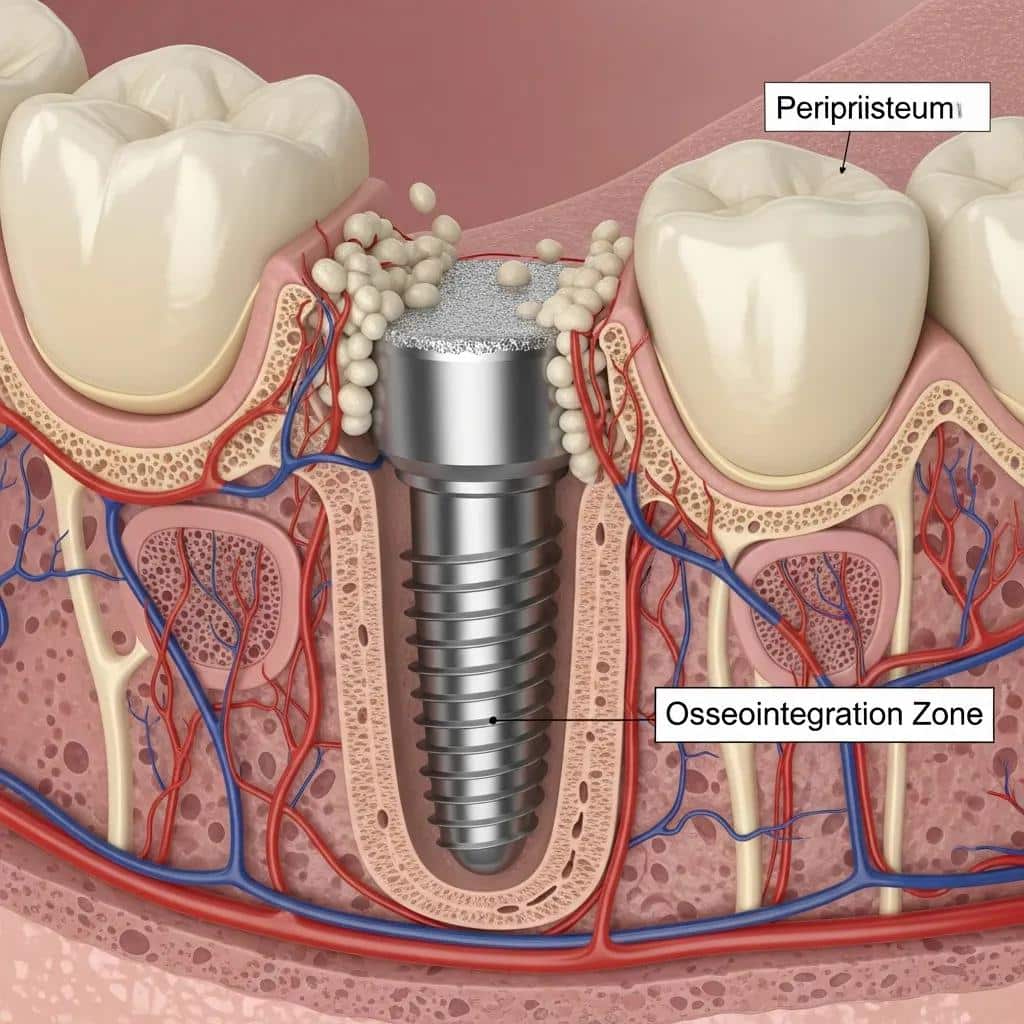
Dental implant healing is a staged process that begins with immediate post-operative wound care and progresses to osseointegration, the biological fusion of implant fixture to bone, which restores long-term support for a crown or prosthesis. Mechanically, the implant fixture provides a scaffold and, biologically, bone remodeling around the implant increases stability over months; the end benefit is a stable tooth replacement that preserves jaw function. Clinically, the timeline includes the first 1–14 days of soft tissue recovery, followed by a months-long osseointegration window that usually spans 3–6 months, with longer timelines when bone grafting is required. Effective post-op care reduces infection risk and speeds recovery, so following clinician instructions for hygiene, diet, and activity is essential. The next subsections break down the immediate recovery days and the biological osseointegration phase so you can set expectations and plan follow-ups.
What Are the Initial Recovery Stages in Dental Implant Healing?
Initial recovery after implant surgery covers the first 48 hours through the first two weeks and centers on controlling bleeding, swelling, and pain while protecting the surgical site. In the immediate 0–48 hour window expect mild bleeding or oozing, manageable pain controlled with prescribed or over-the-counter analgesics, and localized swelling that peaks around day two or three; cold compresses, rest, and elevation help reduce inflammation. From day 3 to day 7 bruising and tenderness commonly diminish, sutures (if present) typically begin to settle, and gentle rinsing with recommended solutions supports soft-tissue hygiene while avoiding direct trauma to the site. By the end of week one to two most patients return to routine light activities; clinicians check wound closure and may advise diet progression and when to resume normal oral hygiene near, but not directly on, the implant site. Understanding these early stages prepares patients for the osseointegration period that follows and clarifies when to schedule the next clinical review.
How Does Osseointegration Affect the Dental Implant Healing Timeline?
Osseointegration is the process by which living bone remodels and adheres to the implant surface, turning an initially mechanical anchor into a biologically integrated root substitute, and this phase primarily determines the full healing timeline. Typically, clinicians expect meaningful osseointegration over a 3–6 month period for most healthy patients; factors such as bone quality, systemic health, smoking, and whether a bone graft was performed can extend that window. During osseointegration the implant should remain protected from excessive loading—temporary prostheses may be used with careful design to avoid shear forces—while periodic clinical and radiographic checks confirm progressive bone contact and stability. Successful osseointegration yields the core benefit of implants: long-term load transmission to bone that preserves alveolar height and supports functional chewing; failure to integrate requires early detection and intervention. After adequate bone integration clinicians typically place an abutment and final crown or prosthesis, moving the patient into the restoration and maintenance phases.
How Long Is the Denture Adjustment Period and Healing Timeline?
Denture healing is defined less by bone fusion and more by soft-tissue remodeling, prosthesis fit, and neuromuscular adaptation; timelines differ substantially between immediate dentures and conventional delayed dentures. Immediate dentures provide instant aesthetics but require frequent early adjustments as gums heal and swelling subsides, commonly producing soreness and pressure points during the first 1–2 weeks. Conventional dentures fitted after full soft-tissue healing follow extractions and tissue contraction; primary healing and initial fit steps generally take 6–8 weeks, with continued tissue remodeling—and potential need for relining—over several months. The practical result is that denture wearers face a shorter initial recovery but a longer period of fit adjustments and incremental relining, while implants allocate more time to bone healing but less ongoing prosthetic instability. The following H3 subsections explain the immediate denture experience and the biological timeline for conventional denture patients, and include a concise timeline table comparing stages.
What Happens During Immediate Denture Placement and Initial Healing?
Immediate dentures are inserted the same day as tooth extractions to preserve appearance and provide provisional function, but they act as a temporary scaffold while gums shrink and bone remodels beneath them. Early symptoms include moderate soreness, pressure points where the denture compresses settling tissues, and changes in speech and chewing mechanics; routine follow-up within the first week identifies areas needing adjustment or relief. Dentures should not be adjusted by the patient; clinicians perform progressive relines or soft-liner additions to redistribute pressure and avoid ulceration as the tissues mature, typically scheduling visits in the first 1–2 weeks and then at regular intervals until healing stabilizes. Patients are advised to follow a soft diet initially, practice gradual return to biting forces, and maintain meticulous cleaning of both mouth and prosthesis to limit infection risk. Because immediate dentures are transitional, final impressions and relining are often needed after soft-tissue contraction to achieve a durable, comfortable fit.
How Do Conventional Dentures Affect Gum and Bone Healing?
Conventional dentures are fabricated after a period of soft-tissue healing and require an interim phase where extraction sites contract and bone remodels, producing a predictable but extended timeline before final prosthesis fitting. Soft tissue closure of extraction sites typically occurs within 2–4 weeks, but alveolar bone remodeling and contraction continue for months, making it common to delay definitive denture fabrication until the 6–8 week mark and to expect further relining needs over subsequent months. Because bone resorption continues long-term, conventional dentures often require partial relines, occlusal adjustments, or eventual replacement over years to maintain fit and function, and ill-fitting dentures can accelerate sore spots and uneven pressure distribution. Clinicians may recommend scheduled recalls to monitor tissue changes and perform relines at predictable intervals, and patients should report persistent pain, instability, or chewing difficulty promptly. Understanding this biological remodeling clarifies why denture care is an evolving process rather than a single post-op recovery event.
What Are the Key Differences Between Dental Implant and Denture Recovery?
Comparing implant and denture recovery highlights three core contrasts: surgical vs non-surgical healing, time to stable function, and long-term tissue outcomes; these differences shape patient choices based on priorities for speed, permanence, and bone preservation. Implants require a surgical phase with initial 1–2 week soft-tissue recovery plus months for osseointegration before final restoration, while dentures emphasize immediate or staged prosthetic fitting with iterative adjustments over weeks to months. Pain profiles differ—surgical sites may have more acute initial discomfort but predictable resolution; denture soreness is often mechanical and recurring as tissues change—and maintenance routines also diverge, with implants needing careful peri-implant hygiene and dentures demanding daily cleaning and periodic relines. Below is a comparison table that summarizes key recovery attributes and helps patients weigh near-term discomfort against long-term benefits and maintenance demands.
Attribute
Implants
Dentures
Procedure type
Surgical implant placement with possible grafting
Non-surgical prosthesis fitting; may follow extractions
Daily cleaning, relines, repairs, and replacement cycles
Impact on bone
Preserves bone via load transmission
Risk of progressive bone resorption without implants
How Do Surgical and Non-Surgical Healing Timelines Compare?
Surgical implant workflows center on an acute postoperative phase followed by weeks to months of biological integration, whereas non-surgical denture timelines are front-loaded with prosthetic adjustments and longer-term soft-tissue remodeling. For implants, expect initial soreness and swelling resolving in 7–14 days, then a 3–6 month osseointegration window before final restoration; bone grafting can extend integration by several months. For immediate dentures, the first 1–2 weeks often involve tight follow-up for sore spots, while conventional dentures generally require a 6–8 week wait post-extraction for initial definitive impressions, with relining across months as tissues stabilize. Factors that slow healing for both options include smoking, uncontrolled systemic disease, and poor oral hygiene, while good nutrition and adherence to clinician instructions speed recovery. Knowing these numeric windows helps plan time off work, dietary needs, and the cadence of follow-up visits.
What Are the Differences in Pain and Discomfort Management?
Pain after implant surgery tends to be acute and concentrated in the first 72 hours, managed with short courses of analgesics, local measures such as ice and elevation, and careful oral hygiene, whereas denture-related discomfort is often mechanical, recurring when tissues change and pressure points develop. Typical post-op analgesic regimens are clinician-directed and focus on effective, short-term control; non-drug measures include cold packs, head elevation, and limited activity. Denture soreness is managed by adjustments, soft liners, topical emollients for sore spots, and temporary avoidance of high-pressure biting until relines are performed; patients should expect intermittent discomfort rather than a single healing curve. Red flags for both treatments are increasing pain, fever, persistent bleeding, or drainage, which warrant prompt clinical review. Understanding these differences clarifies when to rely on medication versus prosthetic adjustment to resolve symptoms.
How Do Dietary Restrictions and Oral Care Differ During Healing?
Dietary progression and oral-care protocols are tailored to protect healing tissues after implant surgery and to help new denture wearers adapt functionally while minimizing sore spots and infection risk. For implant patients the first week emphasizes soft, non-abrasive foods and careful avoidance of direct pressure over the surgical site, while denture wearers focus on gradual reintroduction of foods that test bite force evenly and avoid sticky or extremely hard items that can destabilize the prosthesis. Oral care after implant surgery includes gentle rinsing, targeted cleaning around sutures, and gradual return to brushing near the site under clinician guidance; denture hygiene requires daily removal and soaking, plus cleaning of oral mucosa to prevent stomatitis. Below is a practical table that maps recommended foods and care notes for the early healing window and beyond so patients can plan meals and hygiene routines confidently.
Procedure
Recommended Foods (Days 1–7)
Foods to Avoid
Oral Care Notes
Dental implants
Smooth soups, yogurt, mashed potatoes, smoothies
Hard, crunchy, sticky foods; hot beverages that increase bleeding
Gentle rinses, avoid brushing directly on sutures, maintain hydration
Hard, sticky, small-seed foods that dislodge dentures
Remove and clean denture nightly; clean mouth and check for sore spots
Conventional dentures (post-extraction)
Purees then soft solids as tissues heal
Tough, chewy foods until relining and stable fit
Gradual denture wearing schedule; professional relines as needed
What Foods Are Recommended After Dental Implant Surgery?
In the first 0–7 days after implant surgery prioritize nutrient-dense, soft foods that minimize chewing stress and support tissue repair, including blended soups, smoothies with protein, mashed vegetables, and soft grains. These foods deliver calories and healing nutrients—especially protein and vitamins—without requiring biting or pressure on the surgical site, and they reduce the risk of dislodging clotting or stressing sutures. From week 1 to 4 gradually introduce firmer textures as comfort allows, focusing on bite-side alternation and avoiding hard, crunchy, or sticky items until the clinician confirms safe loading. Hydration and adequate protein intake support bone remodeling during osseointegration, so include dairy or fortified alternatives, beans, and soft lean proteins as tolerated. Follow clinician guidance on straw use or vigorous rinsing in the immediate days to preserve clot integrity and prevent complications.
How Should Patients Adapt Eating Habits with New Dentures?
New denture wearers should reintroduce foods gradually, beginning with soft, moist items cut into small pieces and increasing chewing complexity as confidence and fit improve, which helps reduce sore spots and improves mastication. Chew slowly and evenly on both sides of the mouth to distribute forces symmetrically; avoid biting only with the front teeth or placing excessive pressure on one side, which can displace the denture or create painful areas. Sticky and hard foods should be avoided during the early weeks; when trying a new food, take small bites and use utensils to cut food into manageable pieces rather than tearing. If sore spots develop, temporarily switch to softer options and schedule an adjustment—prompt relief prevents ulceration and speeds adaptation. Speech and swallowing practice also helps; reading aloud and gradual exposure to social eating situations rebuild confidence over weeks.
How Do Dental Implants and Dentures Impact Jawbone Health During Healing?
Jawbone health diverges significantly between implants and dentures: implants actively transmit functional loads to bone which stimulates preservation, while removable dentures remove occlusal load from alveolar bone and, over time, can contribute to resorption and facial changes. Implants mimic tooth roots by providing mechanical stimulation that encourages bone maintenance and helps protect facial height and soft-tissue support; this biomechanical loading is integral to long-term aesthetic and functional outcomes. In contrast, conventional dentures sit atop the mucosa and can accelerate alveolar bone loss because the underlying bone receives less physiologic stimulus, potentially leading to progressive sinking of the prosthesis and the need for relines or implant-retained options. The H3 subsections below explain the mechanisms of bone preservation with implants and outline the bone-loss risks associated with traditional dentures, including timelines and mitigation strategies.
How Do Implants Preserve Bone and Facial Structure?
Implants preserve bone by transferring occlusal forces through the implant fixture into the alveolar bone, which stimulates remodeling and helps maintain height and density; this biomechanical interaction resembles natural tooth root loading. By encouraging adaptive remodeling rather than passive resorption, implants reduce the long-term loss of ridge height that otherwise alters facial profile and lip support, preserving both function and aesthetics over years. Clinically, the preservation effect becomes evident after osseointegration and continues with regular functional loading through a stable prosthesis; early implant placement after extraction also minimizes the window for resorption. When bone volume is insufficient, grafting may be used to rebuild support before implant placement, which extends healing but enables the long-term preservation benefit. Choosing implants when clinically appropriate can therefore be a proactive strategy to defend jawbone health and facial integrity.
What Bone Loss Risks Are Associated with Traditional Dentures?
Traditional dentures can contribute to progressive alveolar bone resorption because the prosthesis does not replicate root loading and may transmit uneven pressure that accelerates localized bone loss. Over months to years patients commonly experience reduced ridge height, narrowing of the dental arch, and changes to facial support that make denture fit increasingly unstable and necessitate relines, rebases, or replacement. Ill-fitting dentures exacerbate focal pressure areas and can cause chronic sore spots, mucosal irritation, and accelerated bone remodeling in negative directions. Mitigation options include careful prosthetic design, scheduled relines, and consideration of implant-supported overdentures to restore mechanical stimulation; early clinical monitoring flags rapid changes so corrective measures can be taken. Understanding this risk helps patients weigh immediate convenience against long-term tissue outcomes and plan for interventions that preserve bone.
What Are the Long-Term Comfort and Maintenance Differences During Healing?
Long-term comfort and maintenance during the transition from healing to final restoration differ: implants generally yield greater stability and lower day-to-day maintenance burden once integrated, whereas dentures require habit changes, regular cleaning, and periodic relines to maintain comfort and fit. Implants, once restored, allow near-natural chewing efficiency and reduce prosthesis movement that can cause mucosal soreness; maintenance centers on excellent oral hygiene and routine professional recalls to monitor peri-implant health. Denture care includes nightly removal, mechanical cleaning, soaking, and awareness of potential relines every few years or sooner as bone and soft tissues change, with early adjustments common during the initial healing months. The next H3 subsections compare perceived stability and natural feel and provide concrete maintenance checklists so you know what daily and professional care to expect.
How Does Stability and Natural Feel Differ Between Implants and Dentures?
Implant-supported prostheses feel and behave much more like natural teeth because they are fixed or secured to implant fixtures that prevent lateral movement, which improves bite force and chewing efficiency compared with removable dentures. Patients with implants report fewer functional limitations when eating, speaking, or performing daily activities because the prosthesis does not shift and force distribution is more physiologic; this stability often shortens the psychological adaptation period. Removable dentures, even well-made ones, typically allow some movement during chewing and may cause periodic slips or clicking that require patient adaptation and reliance on adhesives or relines for reassurance. During healing, temporary prostheses for implant patients are designed to protect sites while minimizing load, then transition to fixed restorations that deliver the primary stability benefit long-term. Appreciating these experiential differences helps set expectations for comfort and functional recovery.
What Are the Maintenance Requirements for Each Option?
Maintenance for implants focuses on rigorous daily oral hygiene—brushing, flossing or interdental cleaning around abutments—and scheduled professional exams and cleanings to prevent peri-implant disease; early healing calls for short-term precautions and monitoring for infection or mobility. Denture maintenance requires daily mechanical cleaning, nightly soaking in appropriate solutions, and periodic professional checks for fit and occlusion; initial months often include several adjustment visits and relines as tissues settle. Both pathways demand patient diligence: implants need plaque control to protect bone, while dentures need consistent cleaning to prevent fungal or mucosal irritation and to maintain oral health under the prosthesis. Immediate steps after either treatment include following clinician hygiene instructions, attending scheduled recalls, and contacting the clinic promptly for persistent pain, unusual swelling, or prosthesis instability.
Affordable Dentist Near Me – Crowley offers practical support to guide patients through both implant and denture healing pathways by providing free consults, coordinated follow-up care, and financing options to reduce barriers to treatment. During an initial free consult clinicians review diagnoses, explain expected timelines for implant osseointegration or denture adaptation, and outline the follow-up schedule and adjustment visits patients should anticipate. The clinic’s approach to healing support typically includes early post-op checks for implants, scheduled relines for immediate dentures, and clear instructions for dietary progression and at-home hygiene; these services help minimize complications and align patient expectations with realistic recovery milestones. Affordable pricing and financing options, described as everyday low fees and acceptance of various insurance and discount plans, aim to make the chosen pathway accessible so patients can focus on healing rather than cost. To move from reading to personal planning, schedule a free consult with Affordable Dentist Near Me – Crowley to review your timeline, options, and financial arrangements in a personalized visit.
What Free Consultations Are Available for Dental Implants and Dentures?
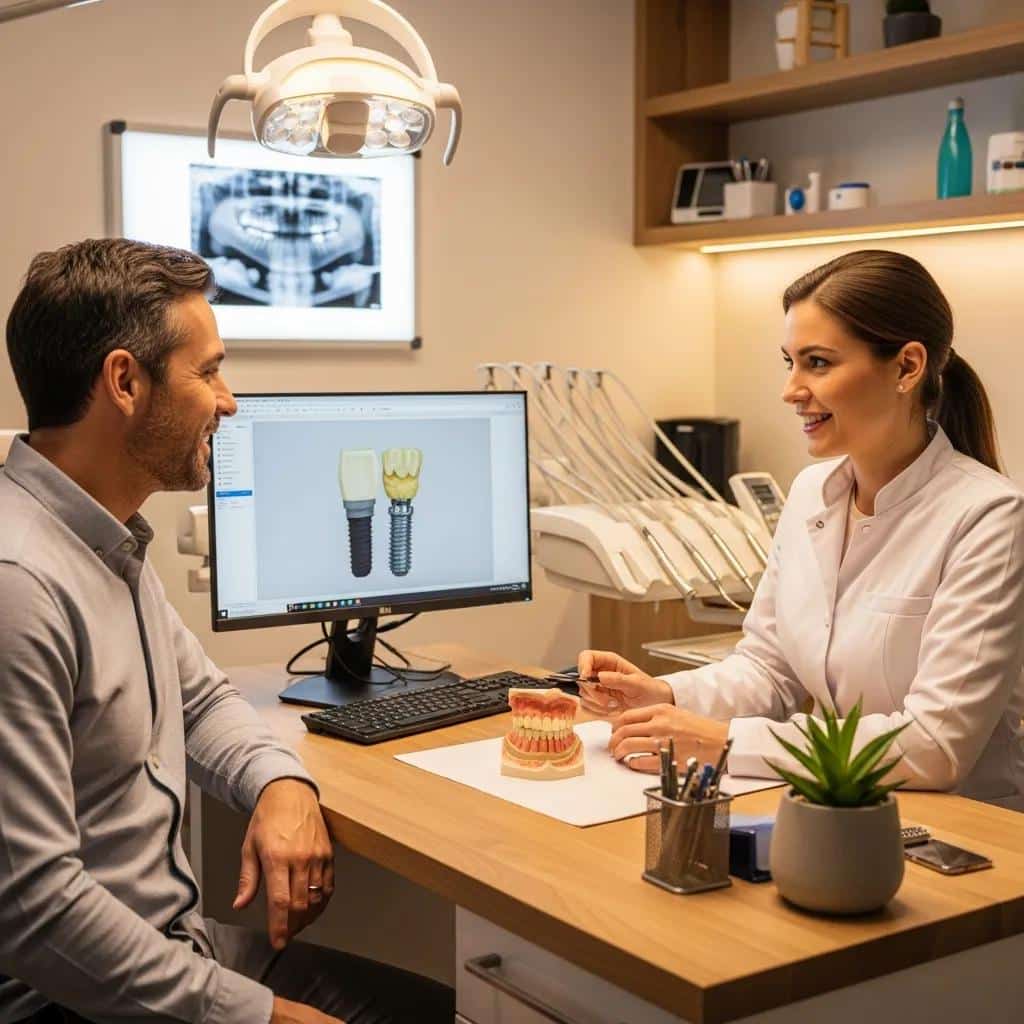
The free consults at Affordable Dentist Near Me – Crowley provide a focused evaluation where clinicians perform an oral exam, discuss radiographic needs, and outline treatment options with timelines so patients leave with a clear, individualized plan. A typical free implant or denture consult covers medical and dental history, visual and tactile assessment, discussion of whether bone grafting might be necessary, and a recommended follow-up sequence including adjustment visits; patients are informed how these findings translate into expected healing windows. Consults usually clarify financial questions and next steps so you can decide with knowledge of both clinical and cost considerations, and they are an efficient way to align expectations about pain management, diet, and prosthesis options. Bringing any recent dental records or insurance information helps the team personalize recommendations and streamline scheduling for diagnostics and treatment. After the consult you should have a clear map of your healing journey and the appointments needed to reach final restoration.
How Do Affordable Pricing and Financing Options Ease Treatment Decisions?
Affordable pricing and financing availability at Affordable Dentist Near Me – Crowley reduce upfront barriers that often delay choosing longer-term solutions like implants, enabling patients to weigh clinical benefits against manageable payment plans rather than cost alone. By discussing financing, everyday low fees, and accepted insurance or dental discount plans during a free consult, clinicians help patients compare the long-term value of implants—such as bone preservation and fewer long-term adjustments—against the immediate affordability and faster initial turnaround of dentures. Financial counseling at the clinic also clarifies when staged treatments (for example, grafting then implants) are feasible within a patient’s budget and how installment plans or discounts may align with recovery schedules. This practical support steers decision-making toward clinically appropriate options while keeping healing timelines and postoperative support at the center of the plan.
While this guide focuses on the Crowley location, Affordable Dentist Near Me serves a wider community. Patients seeking care in other areas, such as our Fort Worth clinic, can expect the same commitment to affordable, quality dental care and comprehensive support throughout their healing journey. Explore our various locations to find the nearest clinic that fits your needs.
What Are Common Patient Questions About Healing After Implants and Dentures?
Patients frequently ask for concise timelines, guidance on wearing dentures during implant healing, and clear red flags for complications; answering these directly helps reduce anxiety and encourages timely clinical contact when needed. Short, factual replies supported by the timelines and care steps in this article optimize decision-making and provide ready references for planning time off, arranging caregiver support, and understanding when to seek emergency care. Below we provide PAA-style responses to the most common questions so you have rapid, actionable answers; if your situation is complex or you have specific medical concerns, a free consult with Affordable Dentist Near Me – Crowley can provide personalized timelines and financing guidance.
How Long Does It Take for a Dental Implant to Fully Heal?
A dental implant typically achieves initial soft-tissue recovery within 1–2 weeks, while full osseointegration—the process that establishes a stable, load-bearing interface—usually takes about 3–6 months for most healthy patients. Factors such as bone grafting, smoking, systemic health issues, or medication effects can extend healing beyond six months, and immediate-load implant protocols may shorten functional restoration for select cases under careful clinical control. Clinicians confirm readiness for final crowns or bridges through clinical stability checks and radiographic evidence of bone contact; until then, protecting the implant from excessive load is crucial. For personalized timelines and to understand modifiers that apply to your case, schedule a free consult at Affordable Dentist Near Me – Crowley to review diagnostic findings and expected milestones.
Can You Wear Dentures While Dental Implants Are Healing?
Yes—under clinical guidance—denture use during implant healing is possible but requires modification to avoid direct pressure on implant sites; immediate dentures or adjusted existing dentures can provide aesthetics and limited function when designed to protect healing implants. Soft liners, careful selective relief, and periodic adjustments help ensure the denture does not press on surgical areas; however, uncontrolled pressure can jeopardize osseointegration and increase discomfort, so clinician supervision is essential. In many cases clinicians provide a temporary, minimally loaded prosthesis or advise using the denture intermittently while emphasizing soft diets and close follow-up. If you anticipate needing a denture during implant healing, discuss modification strategies and follow-up schedules during a free consult so your prosthesis supports both appearance and safe healing.
Key immediate-care recommendations for both treatments: Rest and limit strenuous activity for the first 48–72 hours after surgery or extraction.Follow prescribed pain management and avoid medications not approved by your clinician.Maintain hydration and focus on protein-rich, soft foods to support tissue repair.
Signs that require prompt clinical attention: Increasing pain after the expected initial improvement period.Persistent bleeding, fever, or drainage from the surgical site.Denture instability that causes sustained ulceration or tissue breakdown.
Practical steps to prepare for your healing journey: Arrange for short-term help with meals and chores during the first week.Stock soft, nutrient-dense foods and easy-to-prepare meals before surgery.Bring radiographs or recent dental records to your free consult to speed planning.
Post-op implant care checklist: Take prescribed analgesics as directed and use ice for the first 48 hours.Avoid rinsing vigorously for the first 24 hours; then use recommended gentle rinses.Eat soft foods and avoid smoking or alcohol while tissues heal.Attend scheduled follow-up visits for suture removal and stability checks.Maintain excellent overall hygiene and nutrition to support osseointegration.
Denture adjustment checklist: Wear and remove the denture according to your clinician’s schedule to allow tissue rest.Clean the denture nightly; inspect oral tissues each day for sore spots.Report persistent rubbing or instability immediately for relining or adjustment.Practice chewing evenly and keep foods soft in the first weeks to prevent dislodgement.
Soreness, pressure points for immediate dentures; cleaning protocol and soft diet
Weeks 1–2
Reduced swelling, suture care, gradual activity increase
Adjustments for immediate dentures; progressive chewing practice
Weeks 6–12
Ongoing osseointegration; avoid heavy occlusal loading until cleared
Conventional denture fit finalized; relining may be scheduled
Months 3–6+
Clinical/radiographic checks for full integration; final restoration placement
Tissue remodeling continues; periodic relines and replacement as needed
As you weigh options, remember that implants typically require more time before final restoration but offer long-term biomechanical stability, while dentures provide immediate prosthetic service with ongoing adjustment needs. If you want a tailored timeline or help comparing options in your specific clinical context, book a free consult with Affordable Dentist Near Me – Crowley to review diagnostics and financing choices.
Reasons to consider a free consult: Personalized timelines based on your oral health and imaging.Clarification on whether bone grafting will change healing time.Transparent discussion of everyday low fees and financing to fit treatment into your budget.
When to seek immediate care post-treatment: Fever, uncontrolled bleeding, or spreading swelling.Sudden mobility of an implant or denture that causes trauma.Signs of infection such as persistent pus or severe, worsening pain.
Long-term follow-up priorities: Regular professional recalls to monitor implants or denture fit.Nutritional and hygiene habits that support bone and tissue health.Consideration of implant-retained options if dentures become unstable.