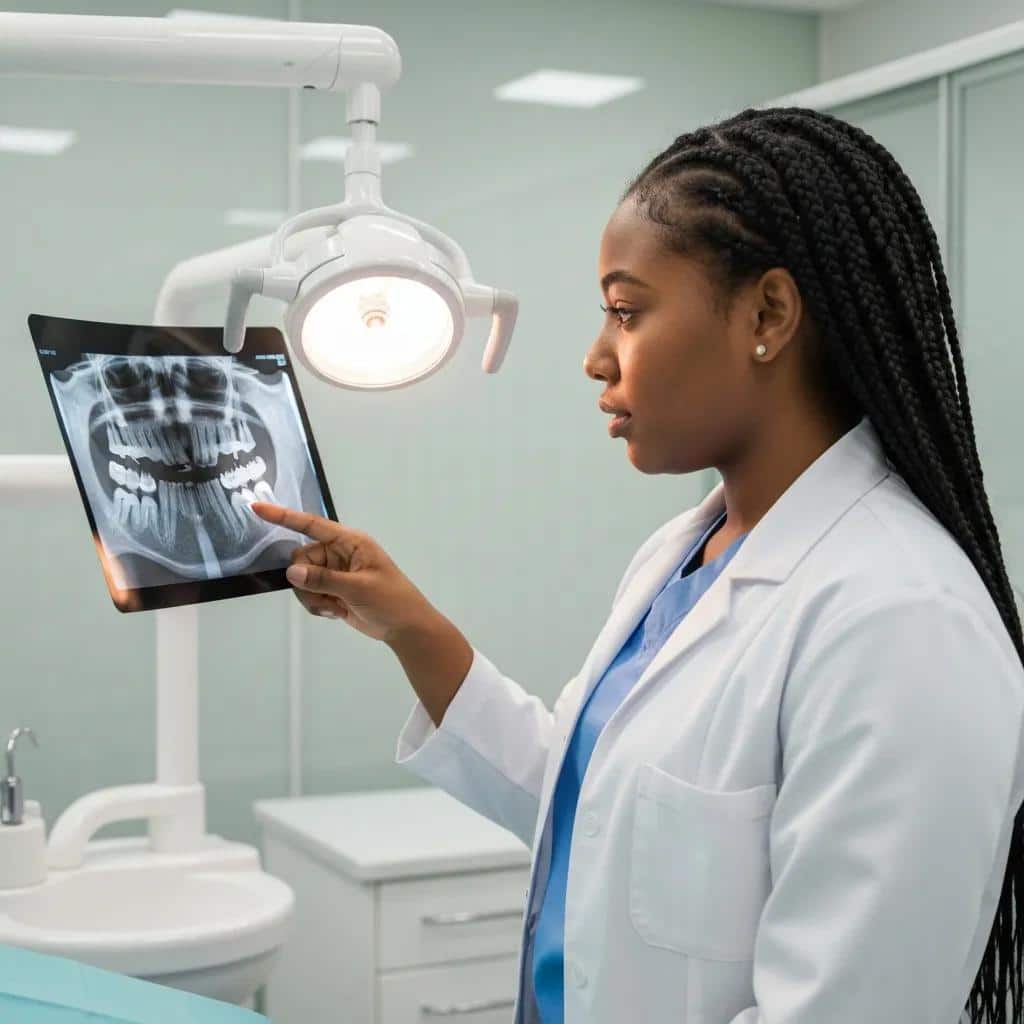
Immediate Dentures vs. Dental Implants: A Patient-Focused Comparison of Comfort, Function, and Satisfaction
Immediate dentures and dental implants are two common ways to replace teeth after extraction, and they offer very different experiences when it comes to comfort, function, and long-term oral health. In this article we explain what immediate dentures are and how they work, how implants become a permanent solution through osseointegration, and the real-world differences that affect patient satisfaction, upkeep, and cost. You’ll get a practical, patient-centered look at stability, comfort, daily life with each option, candidacy criteria, and care over time. We also walk through typical treatment journeys—from walking out of the office with teeth the same day using immediate dentures to staged implant plans that support jawbone health and chewing function. Finally, we compare costs and financing and explain how a professional consult can help you choose the right path for your goals.
The article follows a clear, step-by-step structure: first we define immediate dentures and how they’re placed, then we cover implant technology and its jawbone-preserving benefits, followed by an attribute-by-attribute comparison with an EAV-style table, patient-reported outcomes, costs and financing (including what our clinic offers), candidacy checklists, and practical maintenance tips. We use clinical terms—like osseointegration, abutment, denture relining, and implant-supported overdenture—but keep explanations straightforward so you can understand what drives comfort and longevity. By the end, you’ll have a realistic view of the trade-offs between a fast solution and a long-term one and be ready to discuss next steps with your dental team.
What Are Immediate Dentures and How Do They Work?
Immediate dentures are removable prostheses fitted at the same appointment as tooth removals. They restore your smile and basic function right away while the mouth heals. To make them, we take impressions before extractions so a lab can prepare the denture in advance; that lets you leave the office with teeth the same day. Immediate dentures give an immediate cosmetic and social benefit, and they help shape the healing tissues, but they usually need adjustments as bone and gum tissue change. Often, immediate dentures act as a temporary solution or bridge while a patient moves toward a final denture or an implant-supported prosthesis.
Most patients notice some bulkiness and changes in speech at first, and clinicians schedule follow-up visits for adjustments and relines as the ridge remodels. The next section walks through the typical steps so you’ll know what to expect on extraction day and during recovery.
What Is the Process of Getting Immediate Dentures?
Getting immediate dentures starts with pre-extraction planning: impressions, bite records, and cosmetic decisions are completed so the lab can fabricate the denture before tooth removal. On the day of the extractions, teeth are removed and the pre-made denture is fitted into place, giving instant replacement while surgical sites begin to heal. Early aftercare focuses on controlling bleeding, reducing swelling and pain, and scheduling adjustment visits; we recommend a soft diet and gentle oral hygiene while tissues recover. Over the weeks and months that follow, tissue shrinkage often means relining or rebasing the denture, and many patients eventually move to a definitive denture or consider implants. Knowing this timeline helps you plan appointments and understand temporary fit changes during healing.
What Are the Benefits and Limitations of Immediate Dentures?
Immediate dentures offer the clear short-term benefit of restoring your appearance and keeping you from going without teeth—an important psychological and social advantage. They also protect extraction sites and can make staged treatment simpler when implants or permanent dentures are planned later. On the downside, immediate dentures are more likely to cause sore spots, need several adjustment visits, and lose fit over time as bone resorbs; relines or replacement are usually necessary. They are generally less stable for chewing than implant-supported options and can limit what you eat during healing. Weighing these pros and cons helps you decide whether an immediate, temporary solution fits your priorities while you plan for the long term.
Immediate dentures give you an immediate smile after extractions.
They typically require frequent follow-ups for adjustments and relines.
Immediate dentures do not stop long-term jawbone resorption.
These trade-offs lead into a closer look at how dental implants work and why many patients consider them a long-term alternative.
How Do Dental Implants Provide a Permanent Tooth Replacement Solution?
Dental implants are titanium posts placed into the jawbone that become part of the mouth through osseointegration. That process—bone growing tightly against the implant—creates a stable foundation for an abutment and a crown, bridge, or denture. Because implants transmit chewing forces to the bone, they help preserve jawbone volume and facial support, which is a major long-term benefit compared with removable dentures. This stability translates into better chewing efficiency, clearer speech, and, for many patients, higher long-term satisfaction.
The next subsection outlines typical surgical and restorative stages and the osseointegration timeline so you can plan expected healing times and appointments.
What Is the Dental Implant Procedure and Osseointegration Process?
Implant treatment typically begins with diagnostic imaging and planning to evaluate bone and determine implant position. The implant post is placed in the jawbone under local anesthesia or sedation. After placement, a healing period allows osseointegration to occur—this can take weeks to months depending on bone quality and whether grafting was needed. Once the implant is stable, we attach an abutment and then a custom crown, bridge, or overdenture to restore function and appearance. Post-op pain and swelling are usually manageable with standard care, and most people return to normal activities quickly; the staged approach supports predictable long-term results when followed by proper maintenance.
What Are the Long-Term Benefits of Dental Implants for Jawbone Health and Stability?
Implants work like tooth roots by applying functional load to the alveolar bone, which helps prevent the gradual bone loss that follows extractions and removable-denture use. That bone-preserving effect supports facial contours and the areas dentures rest on, which improves prosthetic stability over time. Many patients notice better confidence and a wider food choice because fixed or implant-retained restorations restore bite force and reduce movement. With good hygiene and routine professional care, implants can last for decades and often require fewer full replacements than conventional dentures, making them a durable option for single teeth, implant-supported dentures, or full-arch reconstructions.
The permanence of implants and their effect on oral structures naturally leads to a side-by-side look at how implants and immediate dentures compare in cost, durability, comfort, and satisfaction.
Patients interested in implant care locally can consult Affordable Dentist Near Me – Grand Prairie, which provides implant services alongside extractions and denture options. The clinic offers a Free Consultation (valued at $79) with no exam or X-ray required to review implant pathways and personalized planning. Their team emphasizes experienced dentists, modern equipment, and a patient-centered approach to turn clinical benefits into a practical plan that fits your goals.
What Are the Key Differences Between Immediate Dentures and Dental Implants?
Choosing between immediate dentures and dental implants means comparing several factors—upfront cost, lifetime value, maintenance needs, stability, comfort, and impact on jawbone health—to see which matches your priorities. Immediate dentures focus on fast esthetic results and lower initial cost but need relining and eventual replacement and won’t stop long-term bone loss. Implants cost more up front and take longer, but they deliver greater durability, stability, and bone preservation, which often leads to higher long-term satisfaction. A clear, structured comparison helps you balance short-term convenience against long-term oral-health and lifestyle goals.
Below is an EAV-style comparison that summarizes key attributes for each option so the differences are easy to act on.
Treatment Option
Key Attribute
Typical Outcome
Immediate Dentures
Upfront cost
Lower initial expense; generally less than implant-based treatment
Immediate Dentures
Durability
Will need relining or replacement—often within 5–7 years depending on wear and bone changes
Immediate Dentures
Maintenance
Daily cleaning, overnight soaking, and periodic professional relines or adjustments
Dental Implants
Upfront cost
Higher initial investment for surgery, implant components, and restorations
Dental Implants
Durability
Long-term stability; implants can last decades with proper care
Dental Implants
Maintenance
Routine oral hygiene with interdental tools and periodic professional check-ups
The table shows that immediate dentures are a cost-conscious, temporary choice while implants are an investment in lasting function and bone health. Next we look closer at cost, durability, and maintenance, including lifecycle considerations.
How Do Cost, Durability, and Maintenance Compare?
Upfront cost is often decisive: immediate dentures usually cost much less initially, while implants require surgery and lab-made restorations that raise the price. Durability favors implants—once integrated and maintained properly, implants typically avoid the recurring replacement cycle removable dentures face. Denture care focuses on daily cleaning, soaking overnight, and occasional relines; implant care emphasizes meticulous interdental cleaning and regular professional monitoring to prevent peri-implant disease. Looking at lifecycle cost, implants can represent better value over time by reducing replacement frequency and preserving bone that otherwise complicates future treatments.
Immediate dentures cost less up front but can incur relining and replacement costs over time.
Dental implants require a larger initial expense but often lower long-term replacement and adaptation costs.
Maintenance differs: dentures need soaking and relining; implants need interdental cleaning and professional surveillance.
Together, these points show how financial planning and maintenance expectations shape treatment choice. We cover cost and financing details next with a practical EAV table.
How Do Comfort, Stability, and Patient Satisfaction Differ?
Comfort and stability tend to favor implants because the restoration is anchored to bone, which reduces movement when eating and speaking and supports higher bite forces. Denture wearers often report changing fit and occasional sore spots as bone remodels, which can affect comfort and confidence with speech or tougher foods. Long-term satisfaction studies typically show higher scores for implant-supported solutions—especially implant overdentures—because of better retention and function. Still, immediate dentures give immediate aesthetic and emotional relief for patients who need or prefer to leave the appointment with a full smile.
Implant-supported restorations usually score higher for chewing function and confidence.
Immediate dentures provide quick esthetic wins but require adaptation and periodic adjustments.
Satisfaction depends on priorities: immediate appearance versus long-term stability and diet.
These differences help set realistic expectations about recovery and adaptation, which we compare in the recovery timeline below.
What Are the Recovery Times and Adjustment Periods for Each Option?
After extractions with immediate denture placement you’ll see the most acute healing in the first 1–2 weeks—swelling and soreness are common—followed by adjustment visits over 2–6 months while tissues remodel and relines are done. Speech and chewing typically improve within a few weeks, though fit changes can be frequent early on. Implant recovery includes a surgical healing phase for osseointegration that can last several weeks to months; once the implant is restored, prosthetic movement is minimal. Immediate-load implant protocols are available for certain cases but depend on clinical factors. Implant follow-ups focus on soft-tissue healing and prosthetic refinement rather than frequent relines. Knowing these parallel timelines helps you plan time off work, diet changes, and follow-up visits.
Immediate denture recovery involves early soreness and several short-term adjustment visits.
Implant recovery includes surgical healing time and typically fewer long-term prosthetic adjustments once integrated.
Bone grafting or other preparatory steps can extend implant timelines but improve long-term outcomes.
This side-by-side timeline helps you set realistic expectations for short-term comfort and long-term function.
What Do Real Patients Say About Their Experiences with Dentures and Implants?
Patient feedback and satisfaction data show consistent patterns: many denture wearers value the immediate appearance and lower initial cost, while implant patients often report better long-term function and quality of life. Stories commonly highlight increased social confidence and food choices with implants, and denture users often talk about the convenience and non-surgical nature of their path. Research and patient-reported measures indicate that implant-supported dentures close much of the performance gap between removable and fixed options, improving retention and chewing ability for many people. These real-world experiences underline the importance of personalized treatment planning.
The next section looks at implant-supported dentures and how hybrid options address common denture limitations.
How Do Implant-Supported Dentures Improve Patient Satisfaction?
Implant-supported dentures use implants as anchors, cutting down or eliminating denture movement and allowing a wider range of foods to be eaten comfortably. This hybrid solution combines the lower prosthetic cost of dentures with the stability benefits of implants and often delivers higher satisfaction than traditional removable dentures. Patients tend to experience fewer sore spots, more confidence when speaking, and less need for adhesives—changes that improve daily comfort and social ease. Implant-retained overdentures are a practical option when full fixed-implant reconstructions aren’t feasible but improved function is a priority.
Implant support reduces denture displacement and reliance on adhesives.
Implant-retained overdentures boost chewing ability compared with conventional dentures.
As stability and comfort improve, overall patient satisfaction typically rises.
These functional gains help many people regain foods and social comfort that loose removable prostheses once limited, making implant-supported options a valuable middle ground.
What Psychological and Lifestyle Benefits Do Patients Report?
Many patients who move from ill-fitting dentures to implant-supported or fixed implant restorations report significant psychological benefits—better self-esteem, greater willingness to socialize, and a broader diet. Preserving facial support through bone maintenance can also change how patients perceive aging and appearance, which boosts overall wellbeing. Lifestyle benefits include fewer eating restrictions, more enjoyable meals, and less worry about a prosthesis moving in public. These psychosocial effects show that treatment decisions shape more than chewing mechanics; they can improve everyday quality of life.
Improved confidence and social engagement are frequently reported after implant restoration.
Expanded diet and food enjoyment are practical benefits many patients notice.
Lifestyle improvements often motivate patients to choose longer-term solutions like implants.
Looking at patient-centered outcomes helps you weigh function and quality-of-life goals together.
How Does Cost and Financing Affect the Choice Between Immediate Dentures and Dental Implants?
Cost and financing are key factors when deciding between immediate dentures and implants. Immediate dentures usually have a lower upfront cost, making them accessible for patients who need a quick, non-surgical replacement. Implants require a larger initial investment for surgical placement, implant parts, and custom restorations, but they may reduce the need for future prosthetic replacements and help avoid more expensive treatments later by preserving bone. Clear cost comparisons and financing options let patients make choices that match both their budget and oral-health priorities.
Below is an EAV-style cost table showing typical ranges and notes on insurance and financing to give you a realistic framework for planning expenses.
Treatment
Attribute
Typical Range / Example
Notes
Immediate Dentures
Upfront cost
Lower initial expense compared with full implant cases
Costs vary by materials and lab fees
Immediate Dentures
Long-term cost
Relines and replacements over 5–10 years add to lifetime expense
Bone resorption can increase future treatment needs
Dental Implants
Upfront cost
Higher due to surgery, implant components, and restorations
Cost depends on number of implants and grafting needs
Dental Implants
Insurance & coverage
Partial coverage possible for some components; varies by plan
Many patients use financing or payment plans
Dental Implants
Financing availability
Clinics often offer financing to spread payments over time
Financing eases upfront cost but has terms to review
This table highlights that immediate dentures lower the initial financial barrier, while implants can offer better long-term economic value when you factor in replacement cycles and potential additional procedures down the road.
What Are the Typical Costs and Insurance Coverage for Each Option?
Out-of-pocket costs vary widely with location, the number of implants needed, lab materials, and whether bone grafting is required. Immediate dentures usually cost less initially but do require relining and eventual replacement, which increases lifetime cost. Insurance coverage is inconsistent—some plans cover denture components or extractions, while implant coverage is often limited and may not include surgical fees or prosthetic costs. Cost drivers include implant count, grafting complexity, implant brand and restorative materials, and lab fees. Because costs vary so much, a professional consultation provides a patient-specific estimate and clarifies what your plan may cover.
What Financing Plans and Free Consultations Are Available at Affordable Dentist Near Me – Grand Prairie?
Affordable Dentist Near Me – Grand Prairie offers a Free Consultation (valued at $79) with no exam or X-ray required to review options like dental implants, immediate dentures, and extraction planning. The clinic focuses on affordability with Everyday Low Fees and patient-friendly promotions—like a Free Whitening Pen or Free Laser Whitening with a Cleaning, Exam and X-RAY when eligible—that can add value when combining cosmetic and restorative care. Use the free consult to get a clear estimate and explore financing plans that make implant treatment manageable while matching your long-term dental goals. The consult is a low-barrier first step toward a personalized treatment plan in a modern, patient-centered setting.
Am I a Candidate for Immediate Dentures or Dental Implants?
Which option you’re eligible for depends on oral health, bone volume, overall medical status, smoking, and personal preferences about surgery and long-term outcomes. Immediate dentures are widely available for patients having extractions who want immediate replacement or who may not be candidates for implants because of cost, medical reasons, or insufficient bone without grafting. Implants require enough bone (or preparatory grafting), healthy gums, and controlled systemic conditions to support osseointegration. A professional exam with imaging and medical history review is essential to determine the safest, most predictable option for you.
Below are practical factors that influence eligibility and steps you can take to improve implant candidacy if that’s your goal.
What Oral Health and Lifestyle Factors Influence Eligibility?
Key factors include jawbone volume and quality, the presence of active gum disease, systemic health conditions that affect healing (for example, uncontrolled diabetes), and lifestyle habits like smoking that impair osseointegration. Bone grafting can build up deficient sites to allow implant placement but will lengthen treatment time and raise cost. Treating periodontal disease before restorative work and optimizing overall health are common steps to improve implant success. Diagnostic imaging—such as CBCT or panoramic x-rays—combined with a medical review will determine whether implants are feasible or whether immediate dentures or a staged approach is better.
Adequate bone volume is important for predictable implant placement.
Active gum disease should be treated before implants or denture fabrication.
Smoking and certain medical conditions can lower implant success and should be discussed with your clinician.
These considerations show why an individualized consult is essential to turn general advice into a specific treatment plan.
How Can a Professional Consultation Help Determine the Best Option?
A professional consultation combines a clinical exam, diagnostic imaging, and medical-history review to build a personalized plan that balances esthetics, function, timeline, and budget. During the consult, clinicians assess bone quality, soft-tissue health, and your goals, then explain whether immediate dentures, implant pathways, or a hybrid solution best fit your needs. The visit also identifies preparatory treatments—like periodontal therapy or bone grafting—and provides a tailored cost estimate and timeline. If you’re unsure about candidacy, scheduling a consult will remove doubt and give you a clear recommendation based on current diagnostics.
Affordable Dentist Near Me – Grand Prairie offers a Free Consultation (valued at $79) with no exam or X-ray required, making it easy for Grand Prairie residents to explore candidacy and options in a low-pressure setting. The consult helps turn general information into an actionable plan tailored to you.
How Should Patients Maintain Their New Smile After Getting Dentures or Implants?
Maintenance differs significantly between immediate dentures and implants, and knowing daily care plus professional follow-up is key to long-term success. Denture care focuses on cleaning routines, overnight soaking, watching for sore spots, and scheduling relines or replacements as tissue contours change. Implant care centers on careful interdental cleaning, professional supportive care to spot early peri-implant disease, and routine checks of prosthetic parts. A clear maintenance plan lowers complication risk and preserves function, so learn the daily habits and warning signs that need prompt attention.
The table below summarizes routine tasks and recommended frequency so you know what to do to keep your prosthesis healthy.
Prosthesis Type
Maintenance Task
Frequency / Tools
Immediate Dentures
Brushing and rinsing
Daily with a denture brush and mild cleanser; rinse after meals
Immediate Dentures
Overnight soaking
Every night in a denture solution to keep materials clean and hygienic
Immediate Dentures
Professional adjustment/reline
1–3 times in the first year, then as needed when tissues change
Dental Implants
Interdental cleaning
Daily with interdental brushes or floss made for implants
Dental Implants
Professional maintenance
Twice a year or as recommended for peri-implant monitoring
Dental Implants
Monitoring for signs
Seek evaluation right away if you notice bleeding, swelling, or mobility
The table shows that both paths need ongoing attention, but the type of care differs and affects long-term results.
What Are the Best Practices for Caring for Immediate Dentures?
Daily denture care means gentle brushing with denture-specific cleansers and rinsing after meals to remove food and bacteria; avoid abrasive toothpaste and hot water, which can damage the material. Soaking overnight preserves the denture and cuts down on odors—use the soaking solution your clinician recommends. In the early healing phase, report sore spots promptly so we can adjust the fit and prevent ulcers. Regular visits for relines or rebasing keep the prosthesis aligned with changing tissues and help maintain comfort and function. If you notice persistent soreness, slipping during speech, or trouble biting into foods, contact your dentist for an adjustment.
How Do You Maintain Dental Implants for Longevity?
Implant care centers on thorough daily interdental cleaning using appropriate brushes or implant-specific floss and regular professional cleanings with implant-safe instruments. Be aware of signs of peri-implant disease—bleeding on probing, lingering swelling, or pus—and seek prompt care if they appear, since early treatment protects implant health. Routine recall visits include soft-tissue checks, x-rays when needed, and maintenance of prosthetic parts like abutments or attachments. With consistent home care and regular dental oversight, implants can function for many years and help prevent bone loss tied to long-term tooth loss.
Daily interdental cleaning is essential to prevent plaque around implants.
Regular professional monitoring catches early issues before they threaten osseointegration.
With maintenance guidance covered, we move to the questions patients ask most often when comparing these options.
What Are the Most Common Patient Questions About Immediate Dentures vs. Dental Implants?
Patients often ask whether implants are “better” than dentures, how long immediate dentures last compared with implants, and what the risks and success rates are for each path. Short, clear answers that focus on the main criteria and variability help people get the essentials fast. These concise, evidence-informed responses prepare you for a deeper conversation during a consultation where personal factors are reviewed. Below are direct answers to frequent questions.
Are Dental Implants Better Than Dentures?
Implants are often the better choice for long-term durability, jawbone preservation, and chewing efficiency because they stimulate the bone and support fixed or highly retentive restorations that feel more like natural teeth. That said, dentures are the right option when you need immediate cosmetic replacement, prefer to avoid surgery, or have budget or medical limitations that make implants impractical. The best choice depends on your goals, oral and overall health, and finances. For many patients, implant-supported dentures are a good middle ground—better stability than traditional dentures at a lower prosthetic cost than full fixed-implant restorations.
How Long Do Immediate Dentures Last Compared to Implants?
Immediate and conventional removable dentures typically need relining and replacement around every 5–7 years on average, depending on wear and bone changes. Implants, once osseointegrated and properly maintained, can last for decades and often remain functional for the patient’s lifetime, though the visible restorations (crowns, attachments) might need occasional maintenance or replacement. Longevity depends on your home care, overall health, and regular professional follow-up—implants offer potential for substantially longer service when those conditions are met.
What Are the Risks and Success Rates of Each Treatment?
Immediate dentures bring risks like sore spots, adjustment challenges, and ongoing bone resorption that may require relines or replacement; they avoid surgical risks associated with implants. Implant treatments carry surgical risks—like infection or osseointegration failure—and may require grafting, but modern techniques and careful patient selection produce high success rates when systemic health and hygiene are managed. Pre-op assessment, quitting smoking, controlling medical conditions, and following maintenance plans reduce risks in both approaches and improve predictable outcomes. A professional consult will quantify your individual risks and suggest ways to lower them.
Denture risks: sore spots, reduced chewing force, progressive bone loss.
Implant risks: surgical complications, peri-implantitis, possible need for grafting.
Success depends on patient health, clinical technique, and ongoing maintenance.
These Q&A points are designed to answer common search intents quickly while encouraging a personalized assessment during a consult.
Affordable Dentist Near Me – Grand Prairie offers a Free Consultation (valued at $79) to review these questions for your specific situation and to discuss whether immediate dentures, implant-retained overdentures, or full-arch implants best meet your needs. The consult helps you compare risks, timelines, and costs with a clinician who will map a personalized treatment plan.
Frequently Asked Questions
What are the main differences in maintenance between immediate dentures and dental implants?
Immediate dentures need daily cleaning, nightly soaking, and regular adjustments or relines as the mouth changes. Dental implants require careful daily interdental cleaning and regular professional checks to catch early signs of peri-implant disease. While dentures may need replacement every few years, well-maintained implants can last decades—so the long-term maintenance approach and priorities differ.
How do immediate dentures affect speech and eating compared to dental implants?
Immediate dentures can feel bulky at first and may change speech while you adapt. Eating can also be harder because removable dentures aren’t as stable as implants. Implants are anchored to bone, which usually allows better chewing efficiency and more natural speech; many patients feel more confident eating and speaking with implant-supported restorations.
Can immediate dentures be converted to dental implants later on?
Yes—sometimes immediate dentures are replaced later with dental implants. That process usually involves removing the dentures, placing implants, and then making a new prosthesis that attaches to those implants. Feasibility depends on bone health and timing since the extractions; a professional consult evaluates whether conversion is a good option for you.
What are the psychological impacts of choosing dental implants over immediate dentures?
Many patients report better self-esteem and social confidence after implant treatment because implants provide a more permanent, natural-looking solution. People often feel more secure in social settings and can enjoy a wider range of foods without fear of dislodgement. Immediate dentures deliver quick aesthetic relief, but they may not offer the same long-term comfort and confidence if frequent adjustments are needed during healing.
How do costs compare between immediate dentures and dental implants over time?
Immediate dentures usually have a lower upfront cost but can lead to additional expenses over time for relines and replacement, typically every 5–7 years. Implants require a larger initial investment but can last much longer with proper care, potentially offering better long-term value. Consider both immediate and future costs when choosing which option fits your finances and oral-health goals.
What factors should be considered when deciding between immediate dentures and dental implants?
Think about your oral health, bone density, budget, and willingness to undergo surgery. Immediate dentures work well for patients who need a fast cosmetic fix without surgery. Implants are ideal for patients seeking a long-term solution that preserves jawbone. A dental consult will clarify which option best meets your individual needs and circumstances.
Conclusion
Choosing between immediate dentures and dental implants comes down to understanding what matters most to you—an immediate cosmetic solution or long-term jawbone preservation and stability. This comparison shows that implants generally offer superior stability and lasting satisfaction, while immediate dentures provide a fast, non-surgical way to restore your smile. For guidance tailored to your health, timeline, and budget, schedule a consultation with a dental professional. Explore your options so you can make a choice that fits your life and goals.